Backpacking Tents
Vango F10 Nexus UL 2 Review: A Compact Two-Person Tent Built for Awkward Pitches
A close look at the Vango F10 Nexus UL 2, a 1.9 kg two-person backpacking tent that packs to roughly 33 x 13 cm, with real strengths in wind and packability and real trade-offs in vestibule and headroom.
Introduction
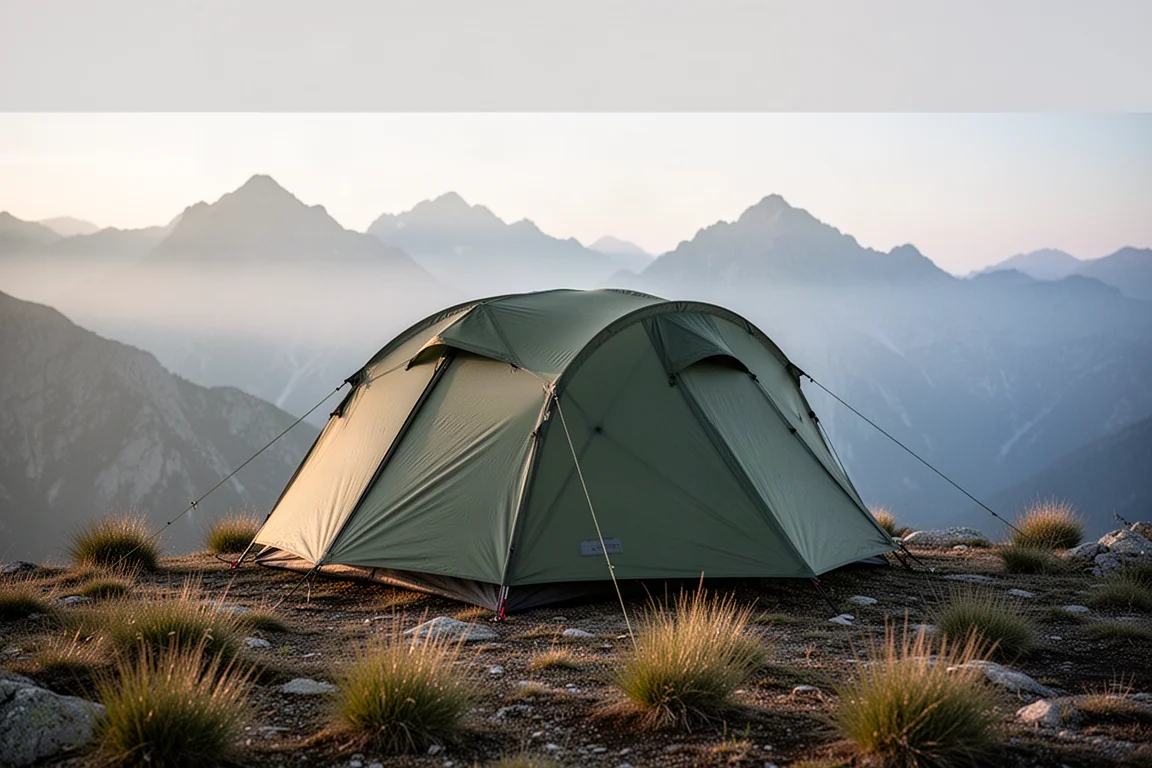
The Vango F10 Nexus UL 2 is a two-person backpacking tent that packs down to roughly 33 cm by 13 cm and weighs about 1.9 kg. For a shelter that sleeps two, that is an unusually small bundle, and it is the detail that shapes almost everything else about the design. Full retail price is £300.
It pitches inner and outer together as a single unit, uses aluminium poles with pre-bent sections, and offers two doors with two vestibules. The result is a tent with a very clear personality: compact, quick to pitch, and designed with wind in mind.
Who This Tent Is For
This is a tent for backpackers who care more about where they can pitch than about how much they can spread out once they are there. The footprint is small enough to fit the awkward, uneven pockets of ground that mountain campers often have to work with, which is a genuine advantage above the treeline.
It also suits campers who prefer to keep everything inside the inner tent. There are pockets at both ends, pockets along the sides, storage above your head, and a pocket for each door panel, so gear has somewhere to go.
It is less suited to anyone who wants to sit upright comfortably or to store and cook in generous vestibule space. That split is exactly why this tent tends to divide opinion so sharply.
Main Strengths
The strongest argument for this tent is its footprint. The ground plan stays small while the interior remains usable, which means it can be pitched in places a larger two-person tent simply cannot go.
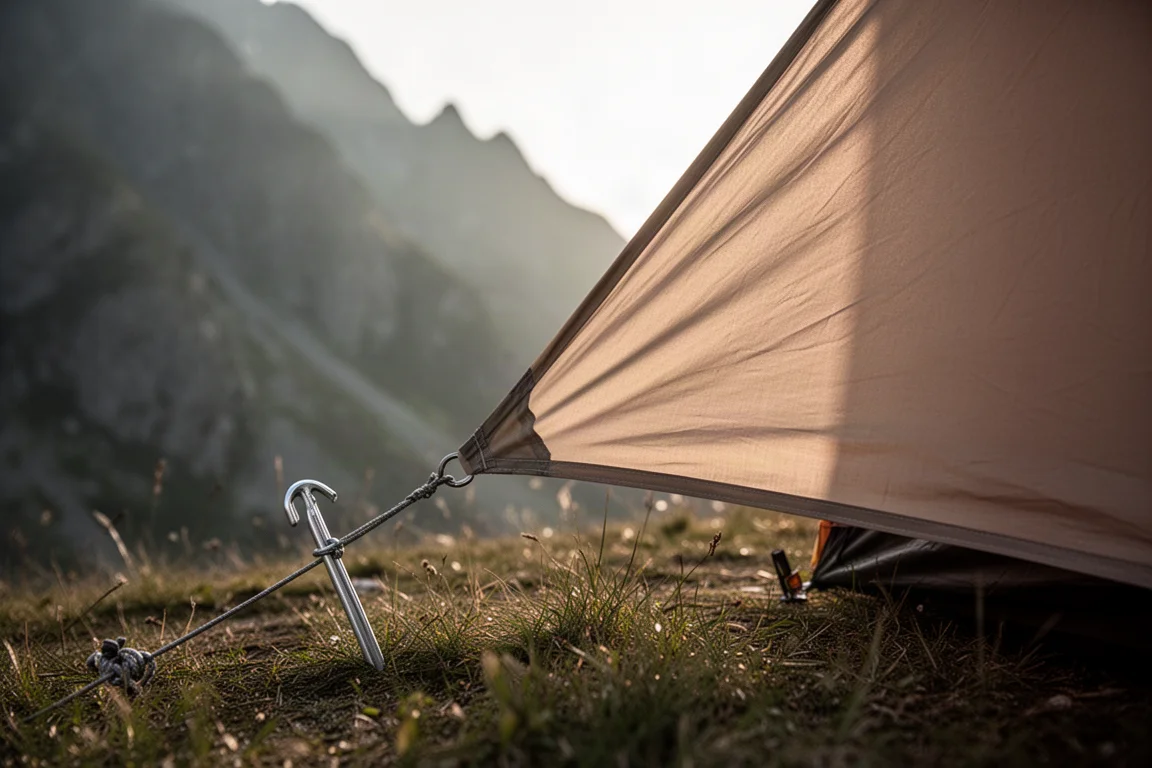
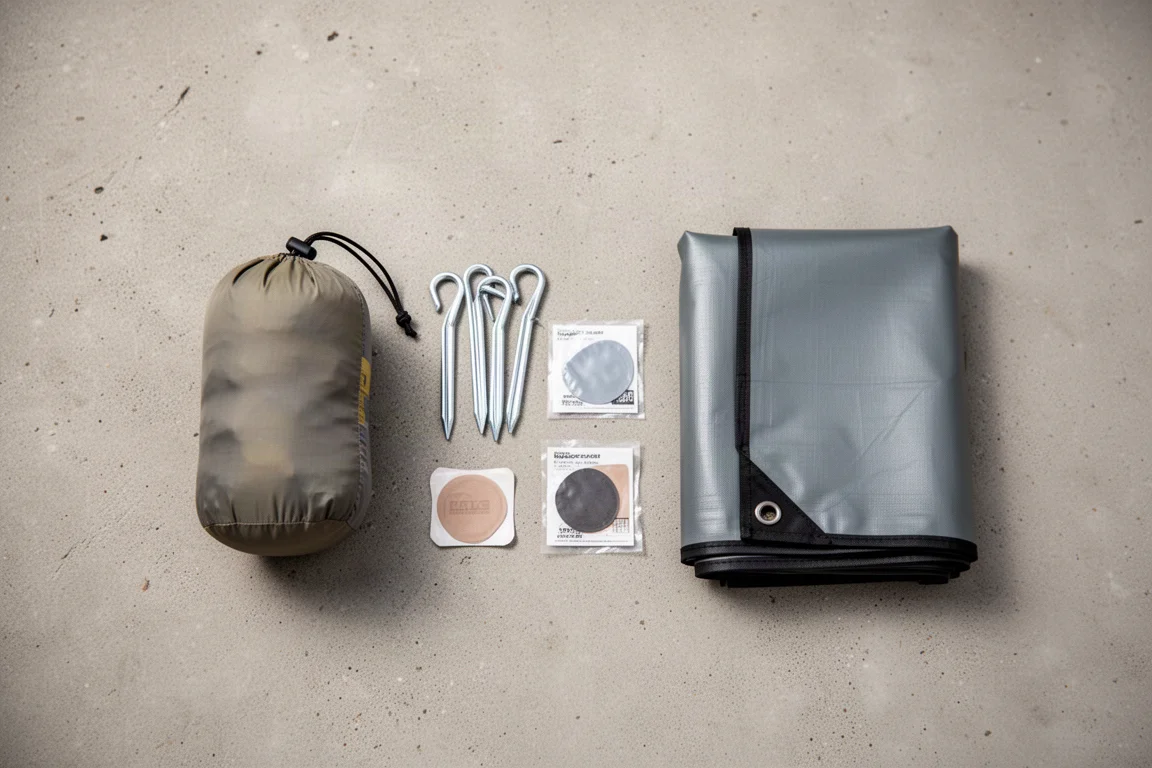
Construction quality is a consistent theme. The tent goes up as one, the poles are colour coordinated and feed through sleeves, and the corner and end adjusters let you tension the fly properly so the shelter stands tall rather than sagging. Storage is generous for a tent of this size, with pockets at both ends, side pockets, overhead pockets, door pockets and lantern loops. The bag also includes a repair kit, a stash bag for packing away a wet or windy tent, and a set of Vango pegs.
Pitching and Pack Size
Pitching is quick and straightforward. Because the inner and outer go up together, the tent is weatherproof from the moment it is standing. The four corners need a little attention, since the inner is not attached to the outer at the ends, so you peg the elastic loop on the inner at the same time as the corner. Once that is done, the crossing poles go through their sleeves and the shelter is up.
From there it is a case of walking the perimeter, adjusting the corners and ends, and guying the tent out so the fly sits tight and the walls stand as tall as possible. The stash bag is a genuinely useful inclusion, because it lets you break camp quickly when the tent is wet or the wind is picking up.
Weather Protection and Wind Stability
The fly uses 15D sil nylon with a hydrostatic head rating of 3,000 mm, while the bathtub floor steps up to a 70D fabric rated at 6,000 mm. That is a very waterproof groundsheet for a tent in this weight class.
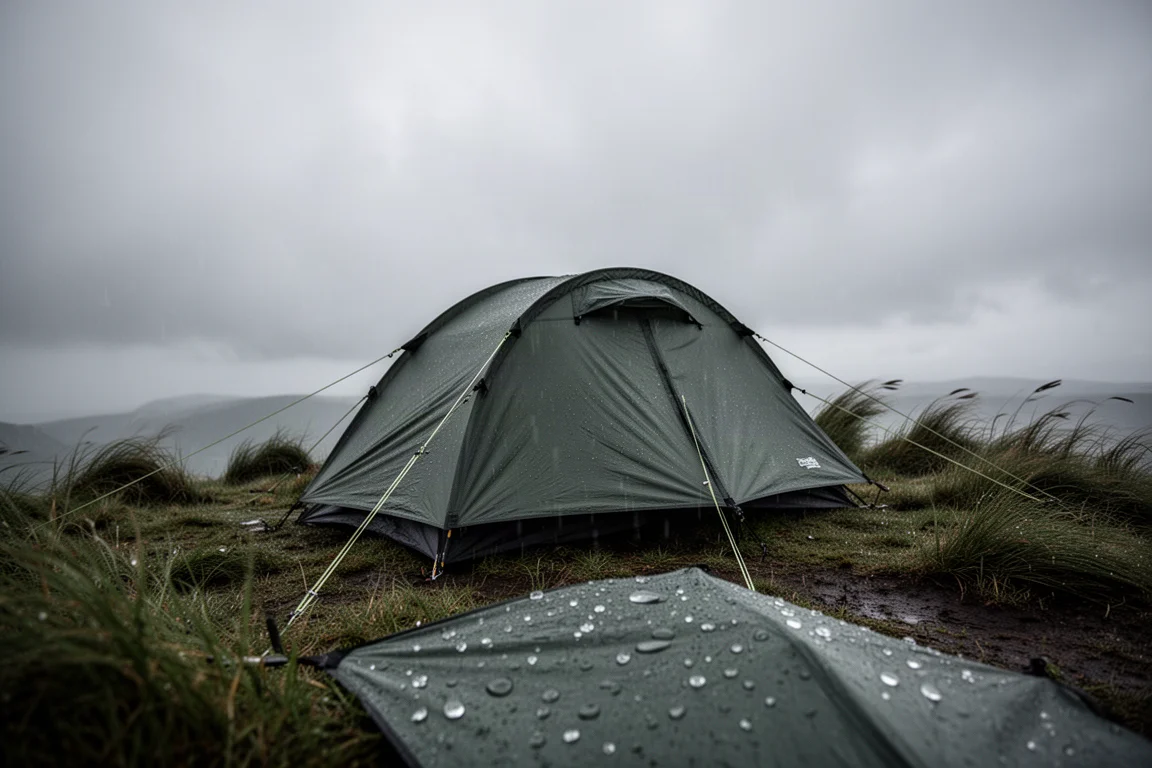
The fly comes down close to the ground with only a small gap for airflow, which limits both rain ingress and draughts in cold conditions. There is a vent above each door, and the doors use dual zippers top and bottom so you can open up ventilation and reduce condensation when conditions allow. A door clip keeps the zip from riding up in the wind.
The TBS system is the standout stability feature. It runs a guy line from the base of the side wall up to the peak, creating a triangle that braces the shelter in windy weather. Combined with the steep side and end walls, and the inherently compact shape of the tent, it produces a structure that holds its shape when conditions turn.
Interior Space and Storage
Listed internal dimensions are 95 cm high, 130 cm wide and 215 cm long, which is long and wide enough for two full-length, full-width sleeping pads side by side. The storage layout is unusually thorough for a tent this size, with pockets at both ends, side pockets, overhead pockets, lantern loops and a dedicated pocket for each door.
The headroom figure is the point worth examining closely before you buy, and it is covered in the section below.
Things to Consider Before Buying
The vestibules are small. There is enough room for a small backpack and, just about, a pair of boots on each side, but not much more. That limits how much you can keep outside the inner tent and how comfortably you can cook under cover, and it is the single biggest reason some campers get on with this tent and others do not.
Headroom is the second consideration. The 95 cm figure is generous on paper, but at 172 cm tall you may find your head touching the roof while seated, even without a sleeping pad underneath you. The inner is attached to the fly on elastic, and that elastic can be shortened at the corners to gain a little extra headspace and pull the inner tighter. It is a worthwhile adjustment to make before your first trip.
Otherwise the trade-offs are the usual ones for a compact, lightweight shelter. What you gain in packability and pitch options, you give up in living space.
Buying Advice
At £300 full retail, this is a well-priced tent for what it does. It is easy to pitch, easy to pitch in difficult places, stable in the wind, and built by a Scottish brand that clearly designs with exposed conditions in mind.
The decision comes down to two questions. If you want a tent that disappears into your pack, pitches almost anywhere and stands up to wind, the F10 Nexus UL 2 makes a strong case. If you want to sit up comfortably, keep your pack and boots out of the sleeping area and cook under cover, its small vestibules and tight seated headroom will frustrate you. Work out which of those campers you are before you spend the money.
Conclusion
The Vango F10 Nexus UL 2 is a specialist rather than an all-rounder. It trades living space for a packed size of roughly 33 cm by 13 cm, a footprint that fits awkward ground, and wind stability that comes from steep walls and the TBS bracing system. If that is the trade you want, it is an easy tent to recommend. If it is not, the small vestibules and modest seated headroom will be the things you notice on every trip.
Product link
View more details for Vango F10 Nexus UL 2
This product is mentioned in the review. Check the specifications, options, and compatibility before buying.
View more details for Vango F10 Nexus UL 2Further reading
Related Reviews
Backpacking Tents
3F UL Lanchan Pro 1 Review: A 1 lb 8 oz Single-Wall Trekking Pole Tent
A practical look at the 3F UL Lanchan Pro 1, a single-wall trekking pole shelter with a 1 lb 8 oz weight, 20D silnylon fabrics, and a roomy 90 x 31 x 49 inch interior.
Backpacking Tents
3F UL Taiji 2-Person Tent: A Convertible Backpacking Shelter Worth a Closer Look
A practical look at the 3F UL Taiji two-person tent, covering its materials, true two-person interior, fly-first pitching, and the seasonal inner swap that lets one shelter cover more of the year.
Backpacking Tents
3FUL Lanshan Twoerson Pro Review: A Light Trekking Pole Shelter That Struggled in Rain
A two-person trekking pole shelter with a 2026 redesign, pitched with sticks and put through a night of steady rain. Here is what worked, what did not, and what to check before buying.