Backpacking Tents
Vango F10 Nexus 2 UL Review: A Packable Two-Person Tent for Windy Ground
A practical look at the Vango F10 Nexus 2 UL, a two-person backpacking tent with two doors, two vestibules and a low profile that holds its own in strong wind.
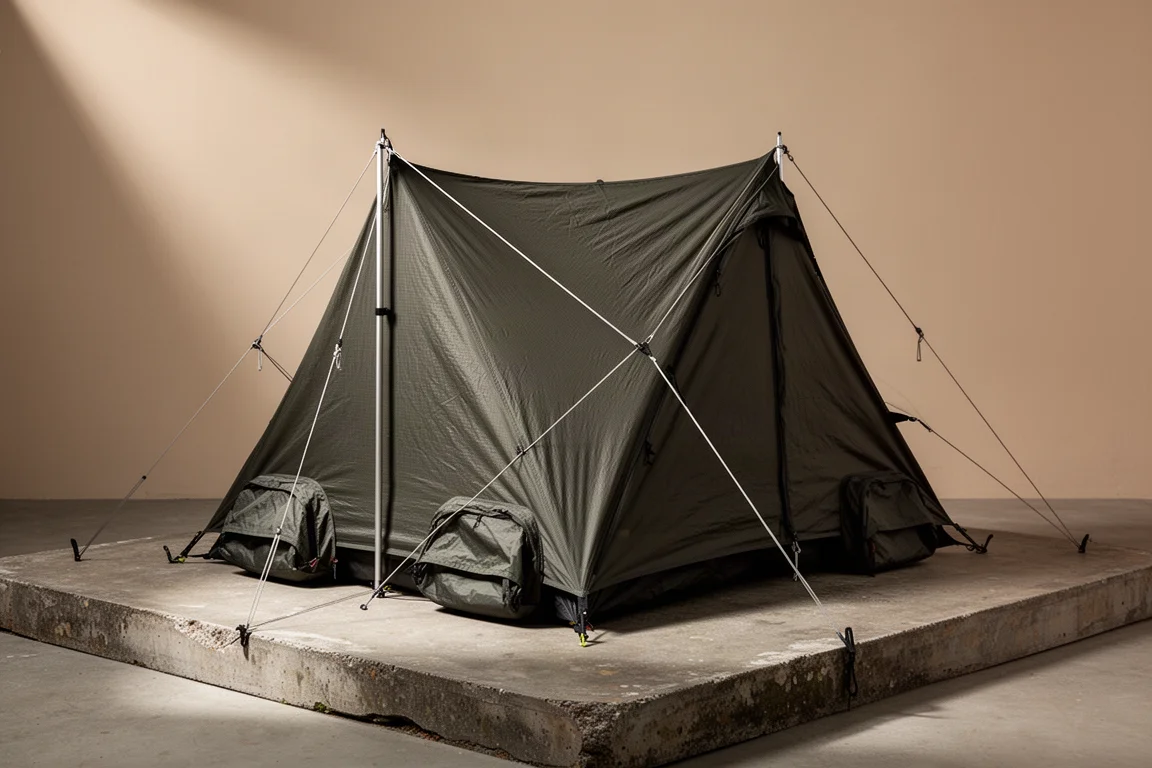
Introduction
The Vango F10 Nexus 2 UL is a two-person backpacking tent from Vango’s F10 series that has been on the market for just over a year. On paper it reads as a compact, weather-resistant shelter rather than a featherweight racing tent, and that distinction matters when you are deciding whether it suits the trips you actually take.
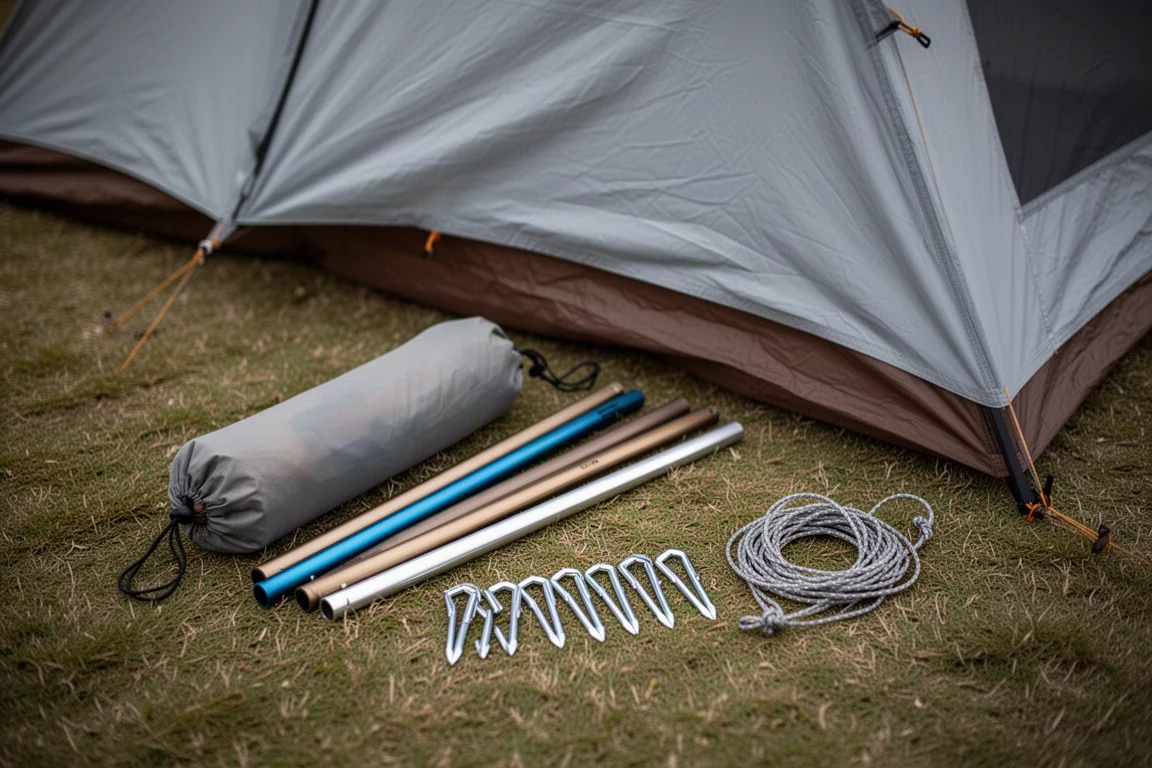
Packed weight is listed at 1.9 kg, with a trail weight of 1.7 kg, so it sits in the practical lightweight bracket rather than the ultralight one. What stands out first is how small it packs down. The stuff sack is generously sized and fitted with small compression straps, which makes repacking at the end of a trip noticeably easier than with tightly cut bags.
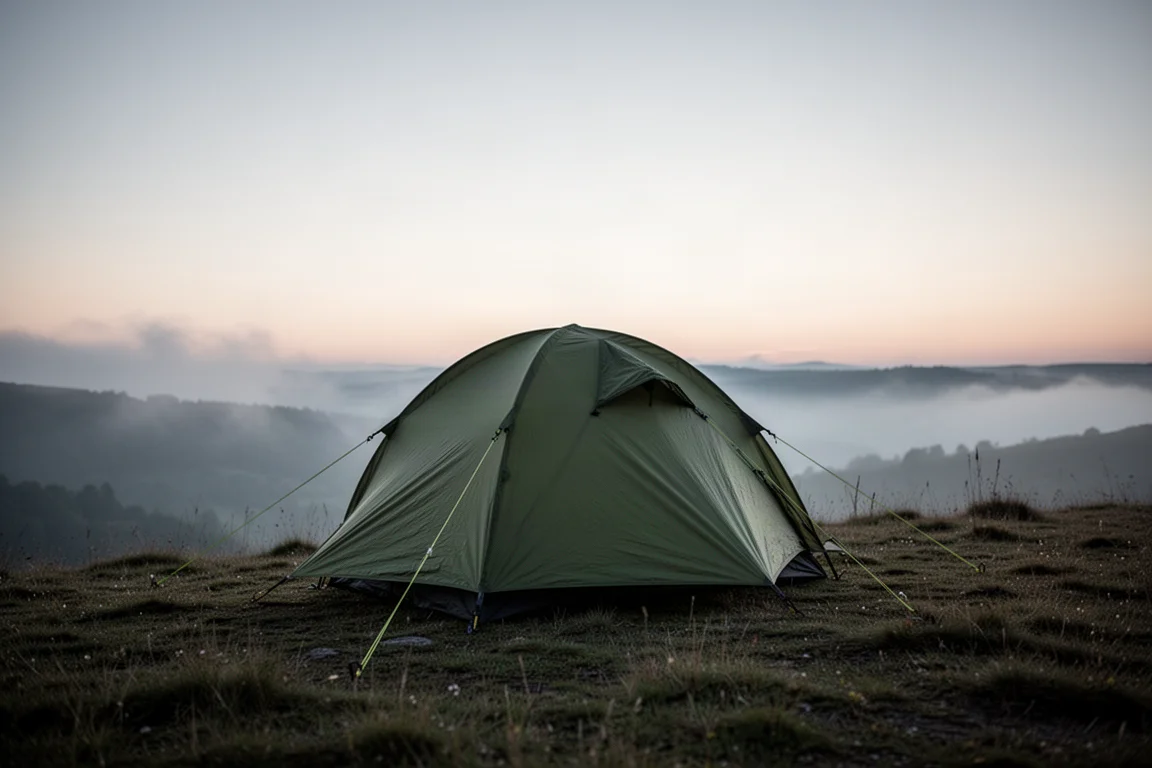
The fly sheet is a 15 denier silicone-coated reinforced ripstop nylon, and all seams are taped. Vango uses what it calls PowerLite Plus poles, made from 7001 T6 aluminium and appearing to be around 8 mm in diameter. Two doors and two vestibules give the layout real flexibility for two people, and the low overall profile helps it cope with exposed ground.
Who This Tent Is For
This is a tent for backpackers and hill walkers who want a two-person shelter that stays composed in wind without carrying a heavy mountain tent. The 1.9 kg packed weight is unlikely to bother anyone who is comfortable carrying a little more in exchange for stability and interior space.
It also suits solo campers who want room to spread out. The two-door, two-vestibule layout means one side can be used for cooking and gear while the other stays a clean entrance, and one vestibule can be pegged out to create a little more floor space when conditions allow.
Anyone chasing the lowest possible pack weight should look at lighter options. This tent is better understood as a packable, weather-capable shelter for mixed three-season conditions, including camps on open ground where wind is the main concern.
Main Strengths: Interior Space and Weather Protection
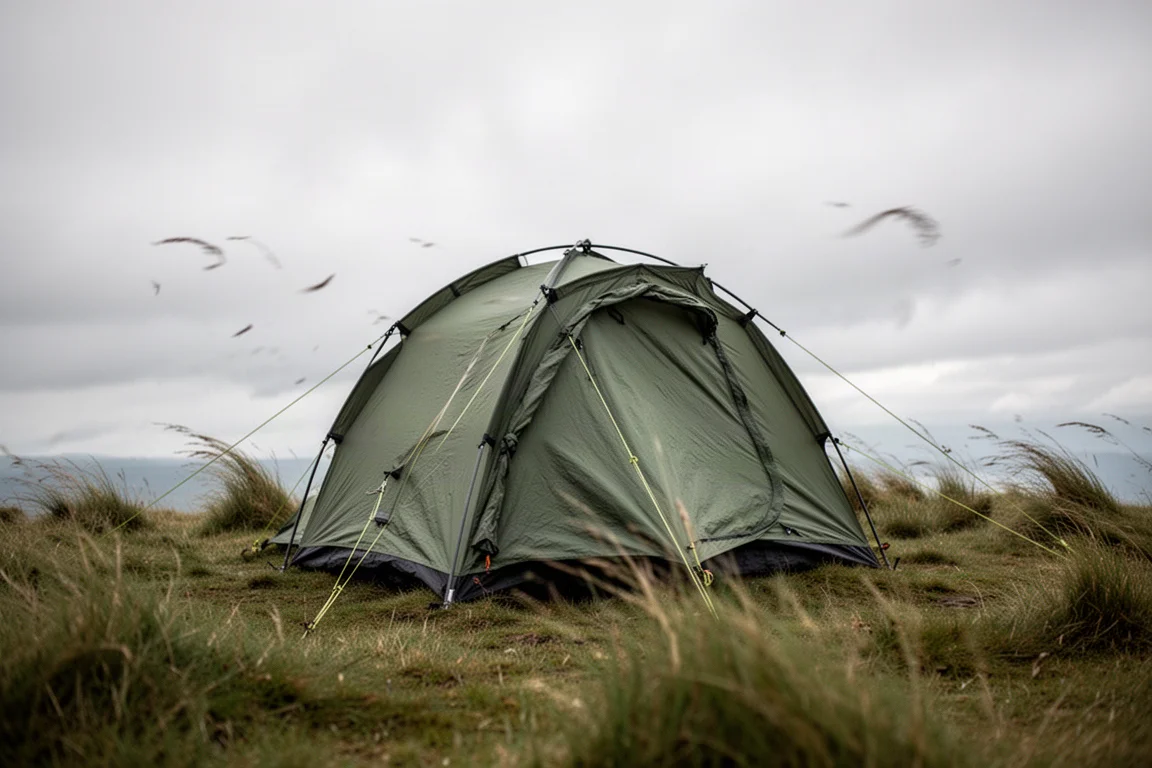
The strongest argument for the F10 Nexus 2 UL is how it behaves in wind. The low profile keeps the shelter close to the ground, and the tension band system adds a stable triangle across the middle of the structure when it is clipped in. The bands are not needed in calm weather and can be left off, but they are there when gusts build. Real-world use in 30 mph winds with stronger gusts has shown the tent holding up well, with no waterproofing problems.
Ventilation is handled better than on many tents in this class. There is a visible gap beneath the fly sheet, and two vents at the top are lined with mesh so they can stay open without letting insects in. The inner also uses a good amount of mesh around its lower edge.
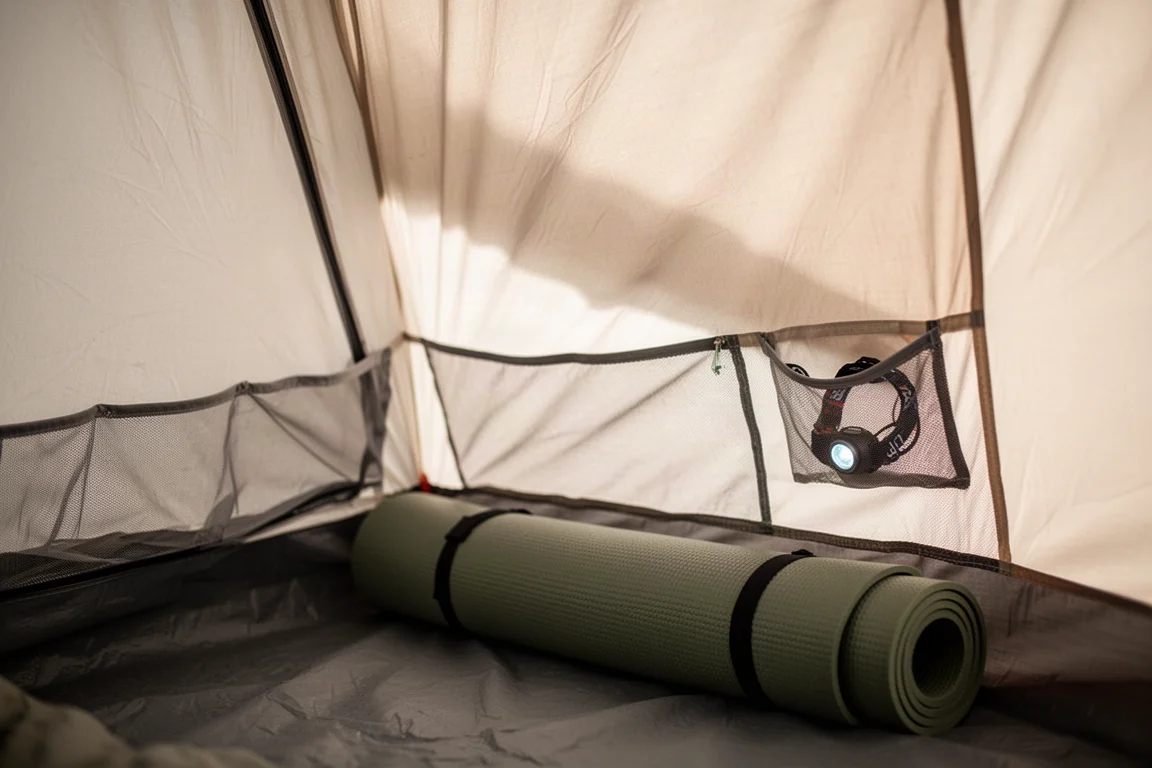
Inside, the usable space is generous for the footprint. There are pockets at the top of the inner, at the end and at the sides, and the inner takes a full-size sleeping pad with room left for a bag and a stove. Two entrances mean two people are not climbing over each other, and the taped, double-stitched seams give the shelter a reassuringly solid feel.
Setup and Pitching Notes
The F10 Nexus 2 UL is semi-free-standing: the inner and fly sheet are not clipped together at the corners, so they have to be pitched as one unit. That approach is common enough, but it adds a step, and the tent rewards a little practice before a first trip in poor weather.
Poles and pole sleeves are colour coded in blue and brown, so there is no guesswork about which pole goes where. The pole sleeves are a tight fit, and the poles need to cross over the top of each other before threading back through the sleeve. Doing that in wind is fiddly, and a first solo pitch took around 12 minutes with pauses. The eyelets are small and tight, and it would only just be possible to run two poles through a sleeve if the tent were doubled up for extra strength.
Pegs are Vango branded and sit tightly in their storage area, so they are unlikely to go missing. Line-Lok adjusters are used on the guylines, and several arrived unclipped and needed tidying and tensioning. The inner can also come untied from its short length of cord, which is a quick fix but worth checking before a trip.
Interior Comfort, Ventilation and Storage
Head room is the main compromise. The inner height is usable and comparable with several similar tents, but a taller occupant around 5 ft 9 in will find the ceiling close when sitting upright. Getting in and out means bending down, and the low door is awkward in wet weather, when a sit pad or kneeling on the ground is the only practical option. The trade-off is that the low profile is a large part of why the tent handles wind so well.
Storage is thoughtful but not complete. Pockets at the head end, the foot end and the sides keep small items off the floor, and there is velcro at the top of the door to close gaps in mid-season conditions. The tension band system, however, has nowhere to be stored when it is unclipped, so the cords end up loose on the floor where they are easy to trip over.
The inner can look slightly saggy and may need adjusting. In most cases that is a five-minute job of retensioning, and the attachment points are straightforward to reach once the tent is standing.
Things to Consider Before Buying
The vestibules are modest. Both are a similar size, and neither offers a lot of covered space for a large pack. Pegging one side out adds floor space, and an extra loop stitched into the fly would make that easier, but as supplied the vestibule is best treated as a place for boots, a small pack and cooking rather than a lounge.
The tension band system is a nice feature that will rarely be needed. The adjusters are not the most refined, and the lack of a dedicated storage pocket is a genuine annoyance when the bands are not in use.
Weight is the other consideration. At 1.9 kg packed, the F10 Nexus 2 UL is not ultralight, and anyone counting grams will find lighter alternatives. Price sits in the mid-range: one buyer paid £289 per tent, and the model is generally positioned in the £300 to £350 bracket. It does not offer dramatically more than some cheaper options, although it comes from a British brand, which matters to some buyers. Availability direct from Vango has also been inconsistent at times.
Buying Advice
Choose the F10 Nexus 2 UL if wind stability, two doors and two vestibules, and a small packed size matter more to you than the last few hundred grams. It makes the most sense for three-season backpacking on open ground, and for solo campers who want a two-person footprint’s worth of space.
Plan on pitching it a few times before your first trip. Learning how the inner and fly sheet come together, how the poles cross, and how the guylines tension will remove most of the frustration. A couple of small modifications help: a loop or short cord to connect the inner and fly sheet, a small pocket for the tension band cords, and an extra loop on the fly to peg out a vestibule for more floor space.
It is also worth checking current stock and pricing before committing, since availability has varied. If you already own a lighter tent and only occasionally camp on exposed ground, this is a reasonable second shelter rather than a replacement for a dedicated ultralight setup.
Conclusion
The Vango F10 Nexus 2 UL is a well-judged two-person backpacking tent for mixed conditions. It packs small, stands up to strong wind, keeps rain out, and gives two people separate doors and vestibules. The compromises are honest ones: a packed weight of 1.9 kg, a low door, small vestibules, and a tension band system that deserves better storage. For backpackers who value stability and interior space over minimum weight, it is a sensible buy.
Product link
View more details for Vango F10 Nexus 2 UL
This product is mentioned in the review. Check the specifications, options, and compatibility before buying.
View more details for Vango F10 Nexus 2 ULFurther reading
Related Reviews
Backpacking Tents
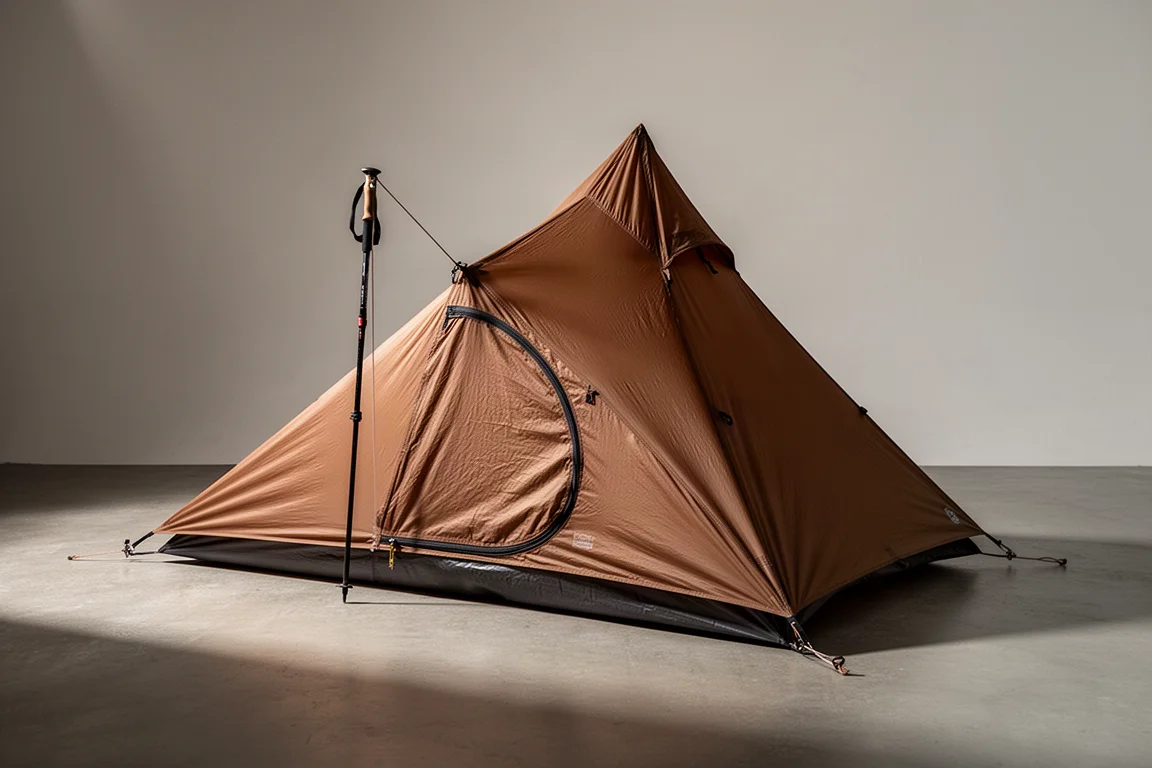
3F UL Lanchan Pro 1 Review: A 1 lb 8 oz Single-Wall Trekking Pole Tent
A practical look at the 3F UL Lanchan Pro 1, a single-wall trekking pole shelter with a 1 lb 8 oz weight, 20D silnylon fabrics, and a roomy 90 x 31 x 49 inch interior.
Backpacking Tents
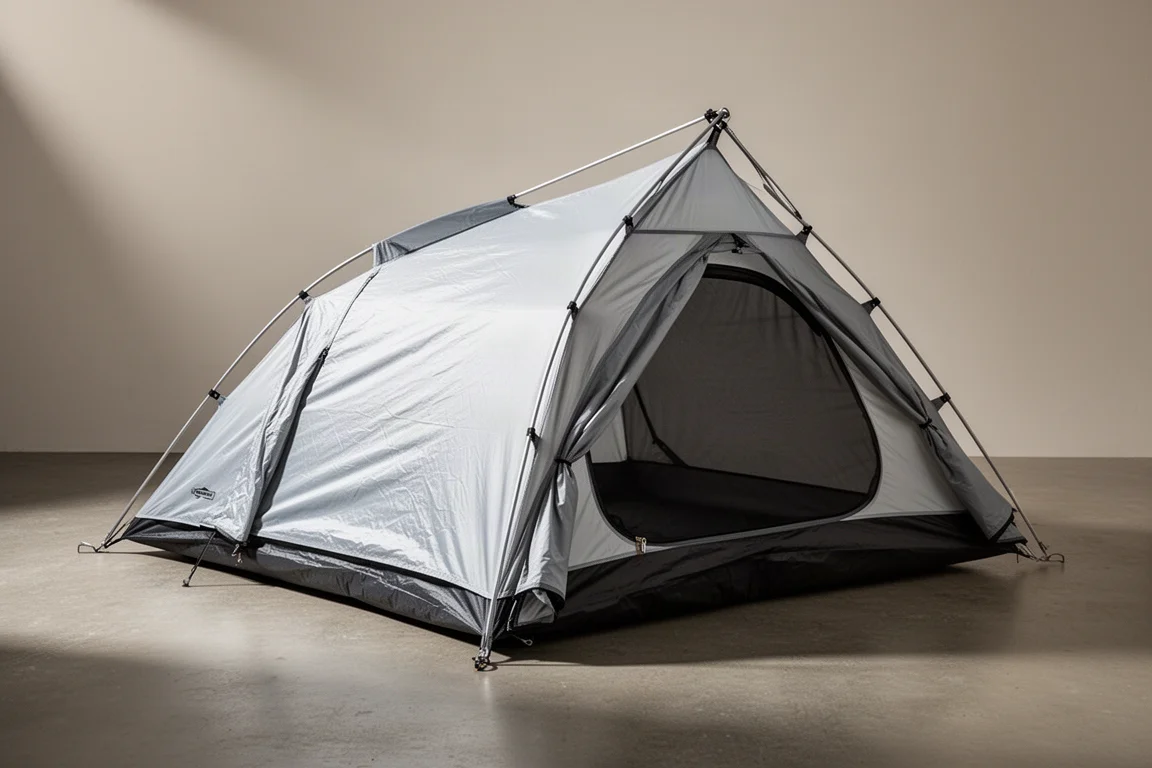
3F UL Taiji 2-Person Tent: A Convertible Backpacking Shelter Worth a Closer Look
A practical look at the 3F UL Taiji two-person tent, covering its materials, true two-person interior, fly-first pitching, and the seasonal inner swap that lets one shelter cover more of the year.
Backpacking Tents
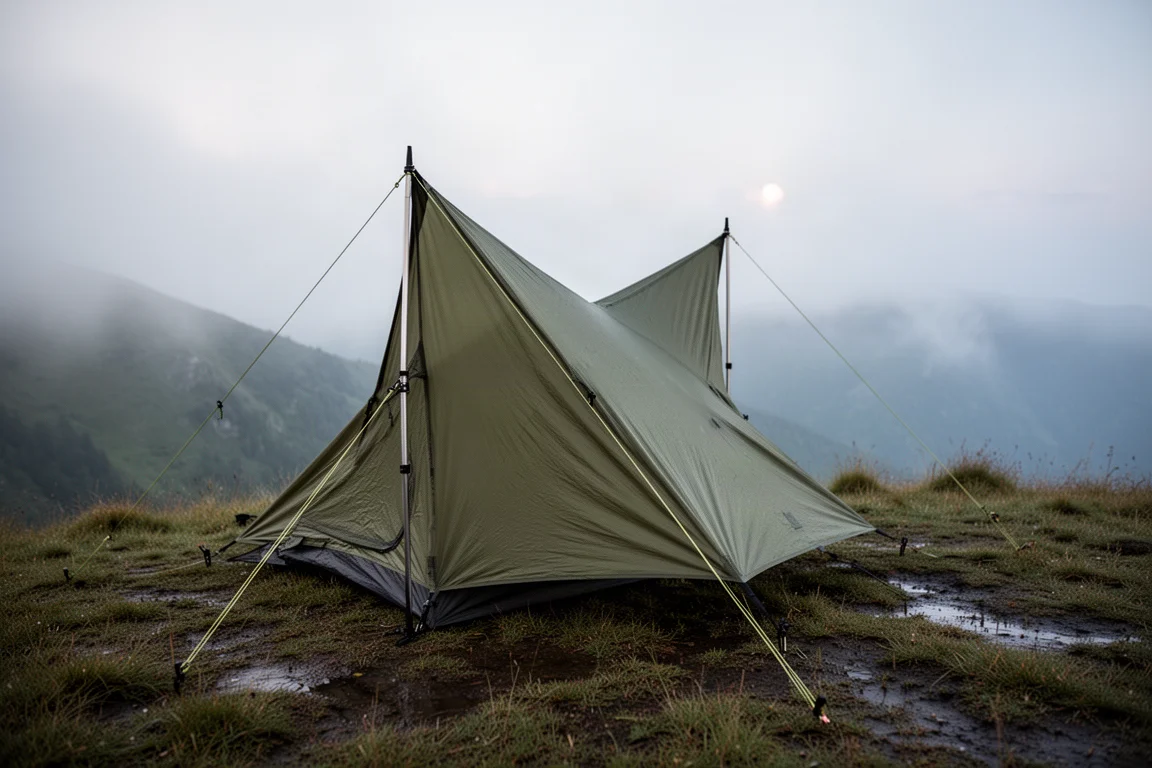
3FUL Lanshan Twoerson Pro Review: A Light Trekking Pole Shelter That Struggled in Rain
A two-person trekking pole shelter with a 2026 redesign, pitched with sticks and put through a night of steady rain. Here is what worked, what did not, and what to check before buying.