Backpacking Tents
Vango Banshee vs OEX Fox: Four Backpacking Tents Compared
The Vango Banshee 200 and 300 and the OEX Fox 1 and Fox 2 compared on pitching, weather protection, interior space and price.
Introduction
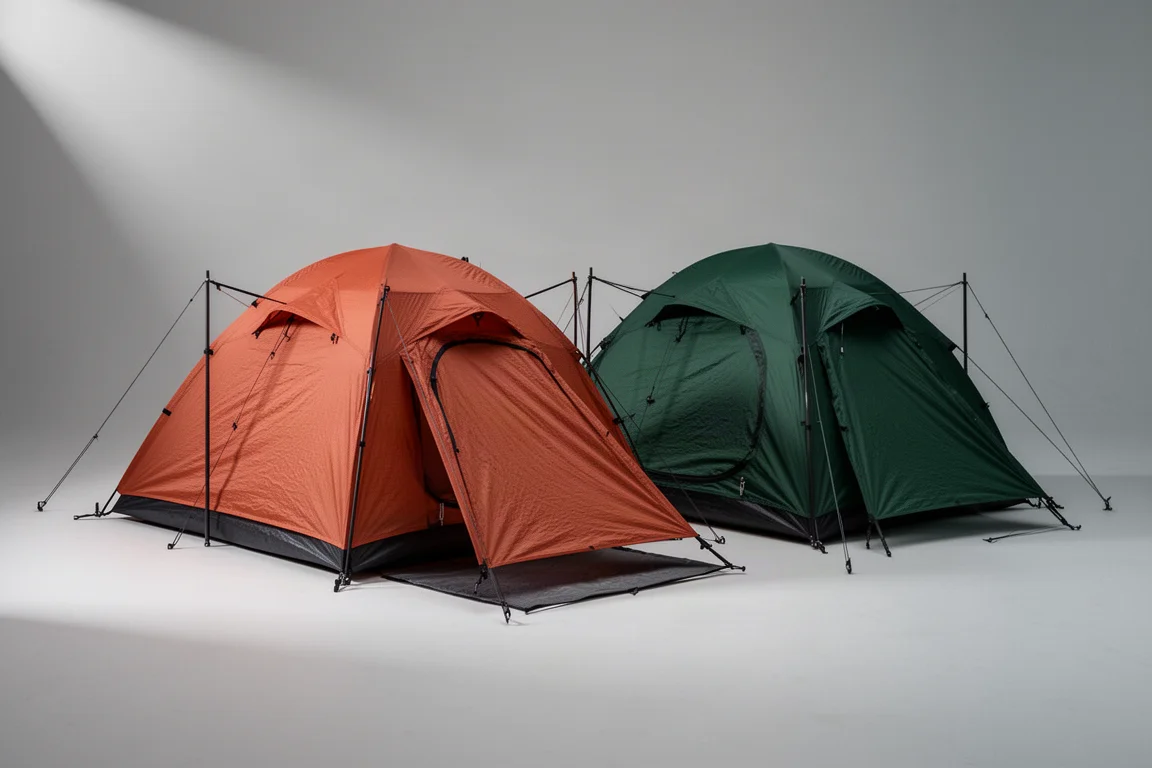
Some tents earn a reputation that outlasts their place on the shop shelf, and the Vango Banshee is one of them. For years it was the tent that experienced backpackers recommended to beginners, the one that turned up on campsites and hillsides in large numbers, and the model that was widely suggested for Duke of Edinburgh’s Award expeditions. Vango has been building tents for around 60 years, and while the Force 10 is the design most often linked with Everest expeditions, the Banshee is the model that sold in the greatest volume.
The picture looks different today. The Banshee is no longer sold directly by Vango and has become a retail exclusive, which puts it alongside the OEX Fox 1 and Fox 2, the in-house options from the same store group and the tents that now occupy the budget recommendation slot. This guide looks at all four tents and at where each one makes sense.
What These Tents Have in Common
All four are simple two-pole designs. One pole arch sits higher than the other, the footprint is narrow, and the result is a low, elongated shape that sheds wind reasonably well and pitches quickly. None of them is a spacious tent. The interior is best described as a sleeping space rather than a living space, and the porch at the door is small.
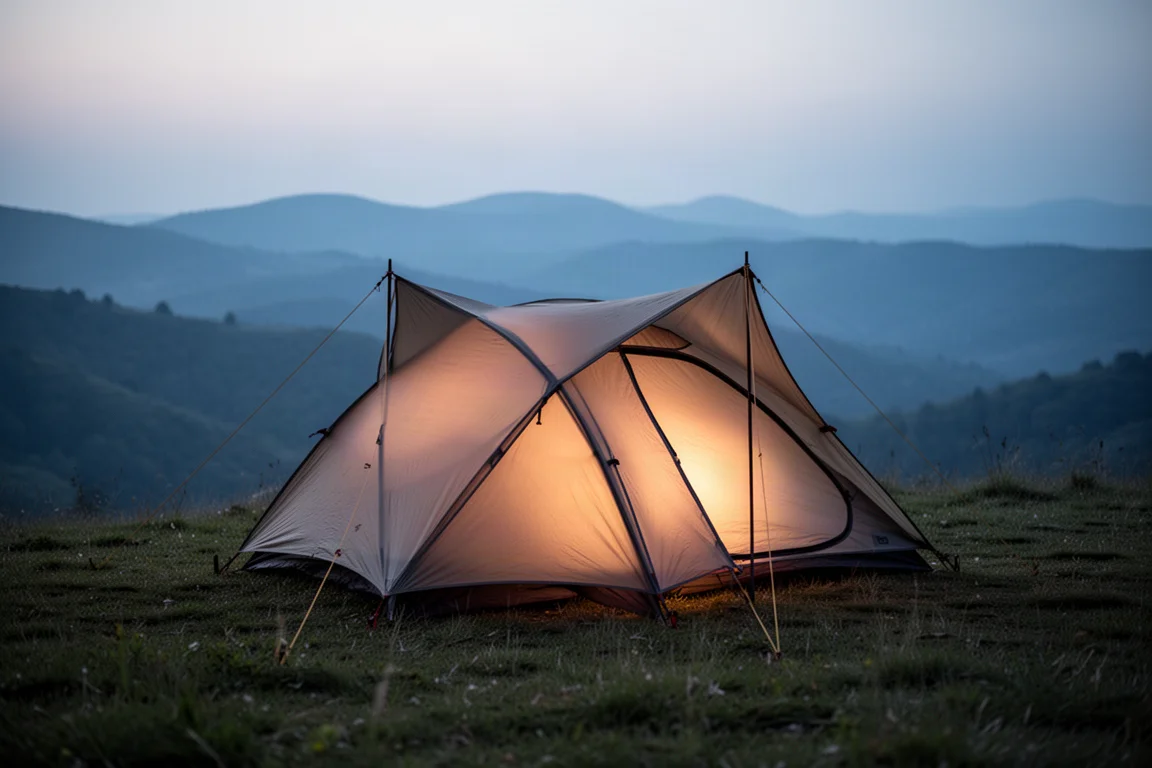
What they share is a purpose. These are tents for carrying on your back, for a night or two out, and for one person in most cases. Weight sits in a similar range, with the larger Banshee 300 coming in at around 2 kg. Sitting up is possible in the larger versions but tight, and the porch is best treated as somewhere for boots and a pack rather than a cooking area.
Vango Banshee 300
The 300 is the version to choose if two people are sharing. The 200 is not a genuine two-person tent, so the larger model is the one that matches a two-person trip. It has been part of the range since the first Banshee appeared for the 2006 to 2007 camping season, although those early versions pitched inner first, which is awkward when the weather turns.
Later versions, including the 2012 model, pitch outer first, or inner and outer together, and that makes a real difference in wet conditions. The flysheet is a hexagonal ripstop nylon, ventilation comes from small wire-supported vents above the door, and the finish is tidy for the price. The trade-off is interior space: the foot end drops noticeably lower than the head end, and anyone around 6 feet tall will find it a squeeze.
Vango Banshee 200
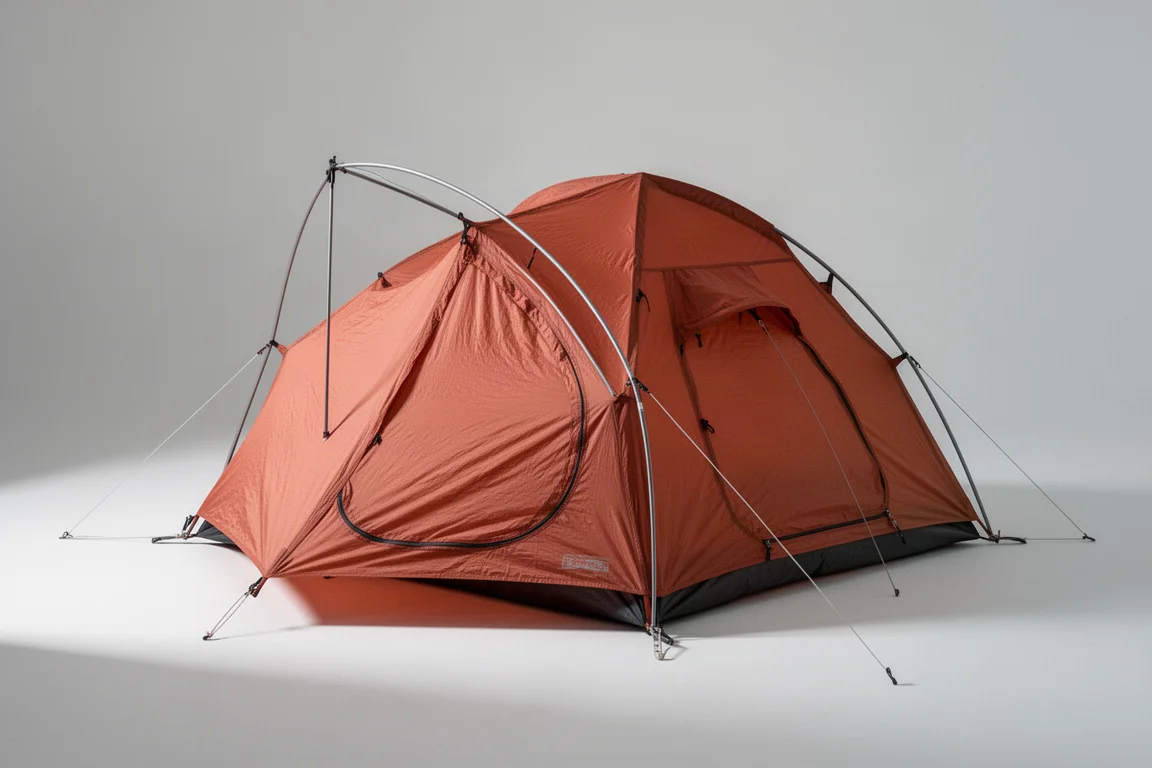
The 200 is the smaller Banshee, and it is worth being clear about what that means. It is not a two-person tent. It works as a solo shelter, and it is lighter and less bulky than the 300, but two adults sharing it will find the arrangement uncomfortable. The same construction and pitching approach carries over from the larger model.
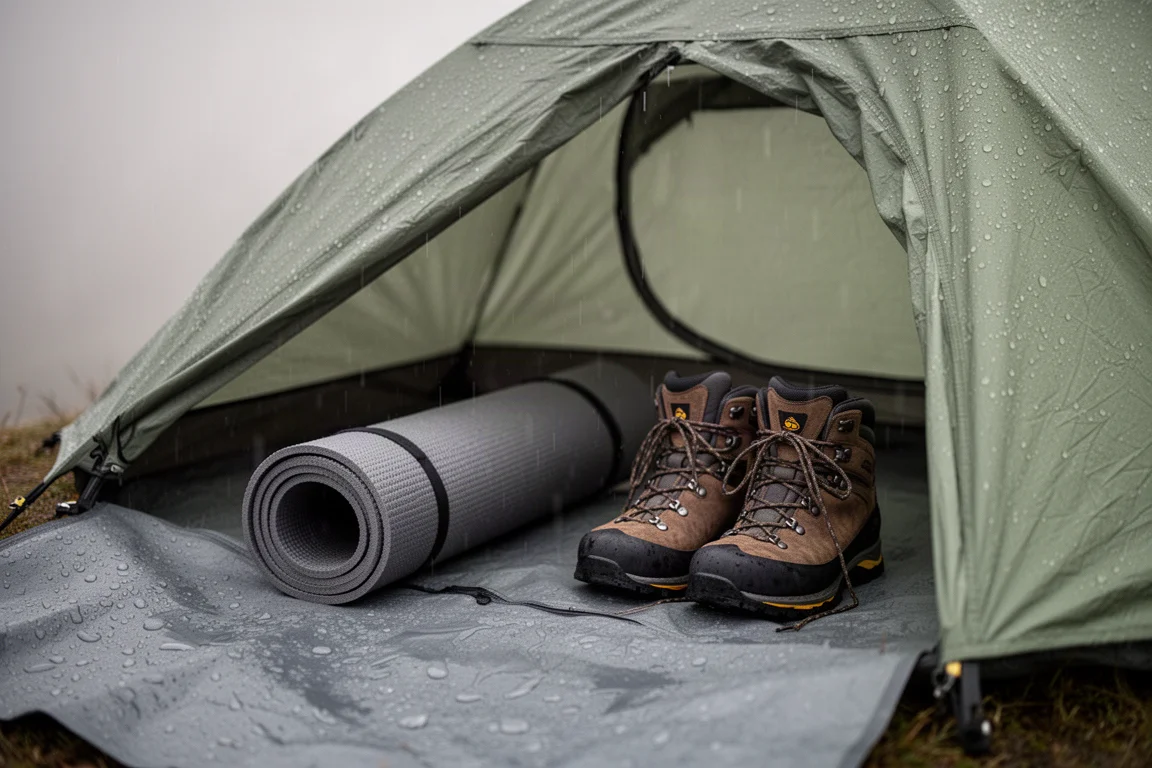
For solo backpacking, the smaller footprint is an advantage on tight pitches and among trees, and it keeps the packed size down. The interior is genuinely compact, so treat it as somewhere to sleep and store a pack rather than a place to spend an evening. Taller sleepers should check the interior length before buying.
OEX Fox 1
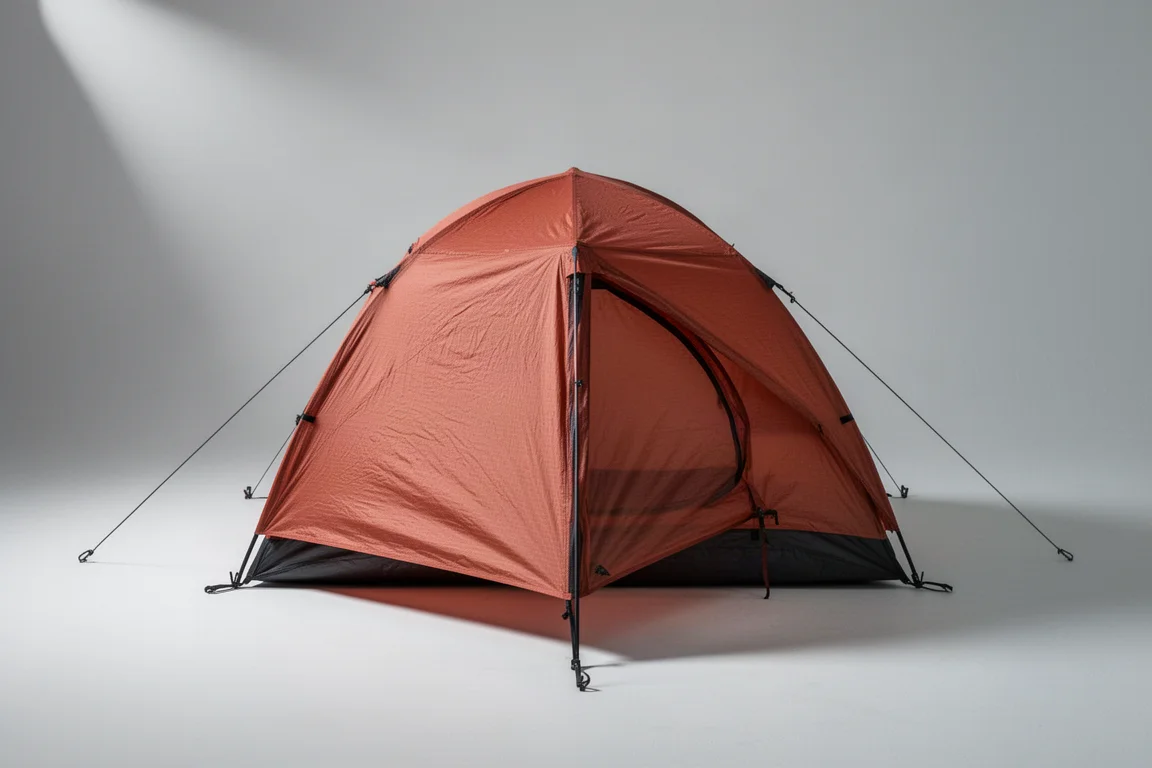
OEX is the in-house brand for Go Outdoors, Blacks and other outdoor retailers under the same ownership group, and the Fox 1 is its take on the same two-pole, narrow, low-slung formula. It pitches inner first, which means the sleeping compartment goes up before the flysheet, and that is a genuine drawback in wet weather.
Price is the headline here. Fox tents are sometimes available for around £60, which is close to what a Banshee cost when it was discounted years ago. Materials and finishing feel more basic than the Banshee, which is expected at this end of the market.
OEX Fox 2
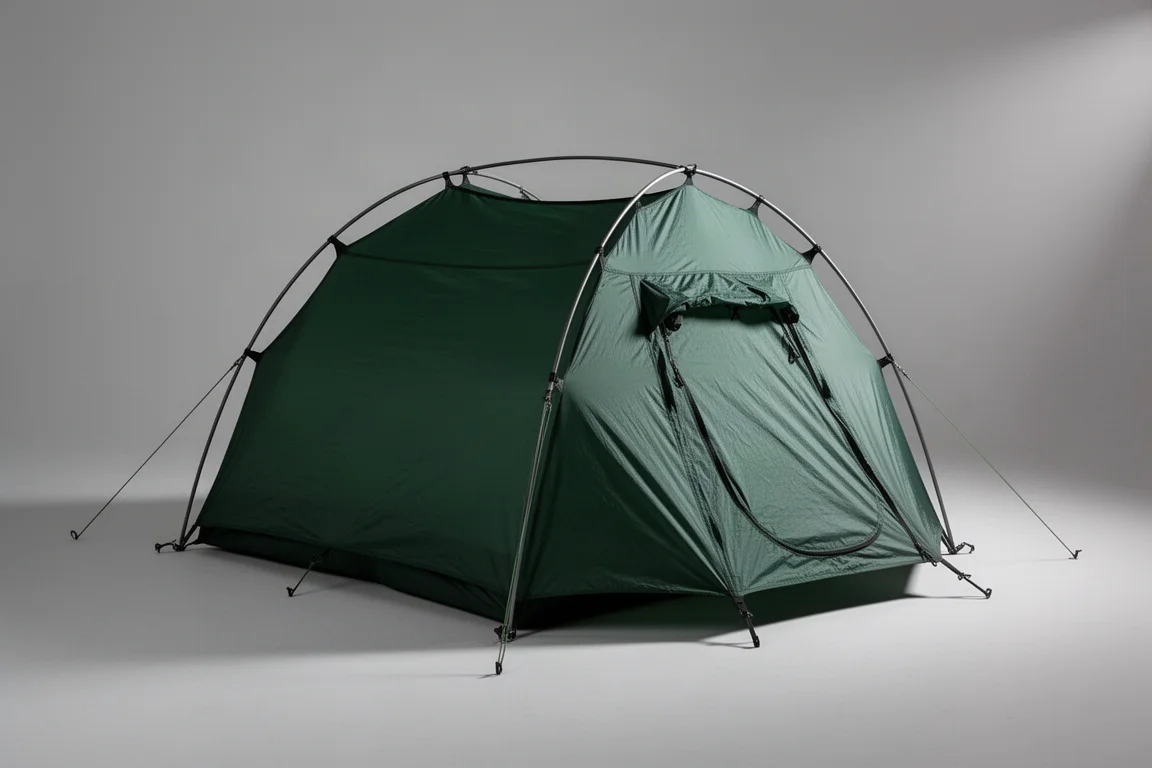
The Fox 2 is the larger of the two OEX tents, following the same two-pole layout with a little more room inside. Like the Fox 1, it pitches inner first, and the materials sit firmly at the budget end of the market. It is also the OEX model that makes most sense for anyone who wants to share a tent without spending much.
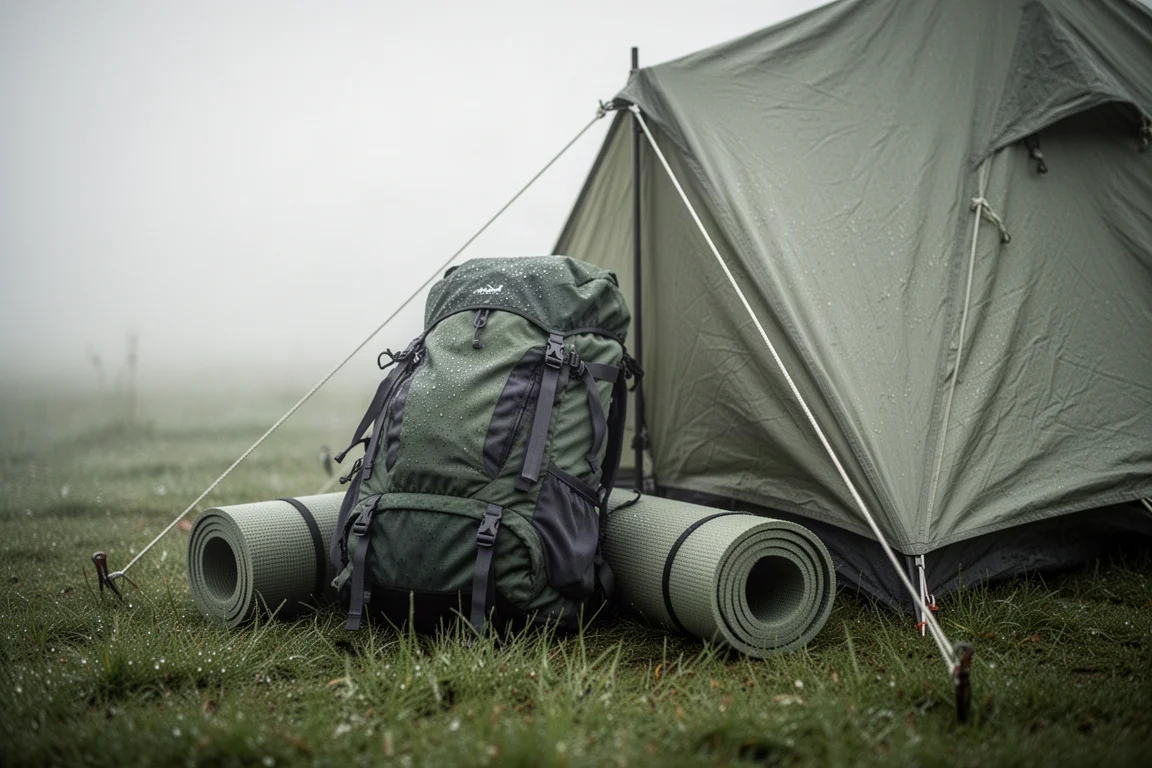
For a first tent, a festival weekend, or a low-cost way to get out for a night, the Fox 2 covers the basics. Just budget for the extra effort of pitching the inner first if the weather turns while you are setting up.
Pitching and Weather Protection
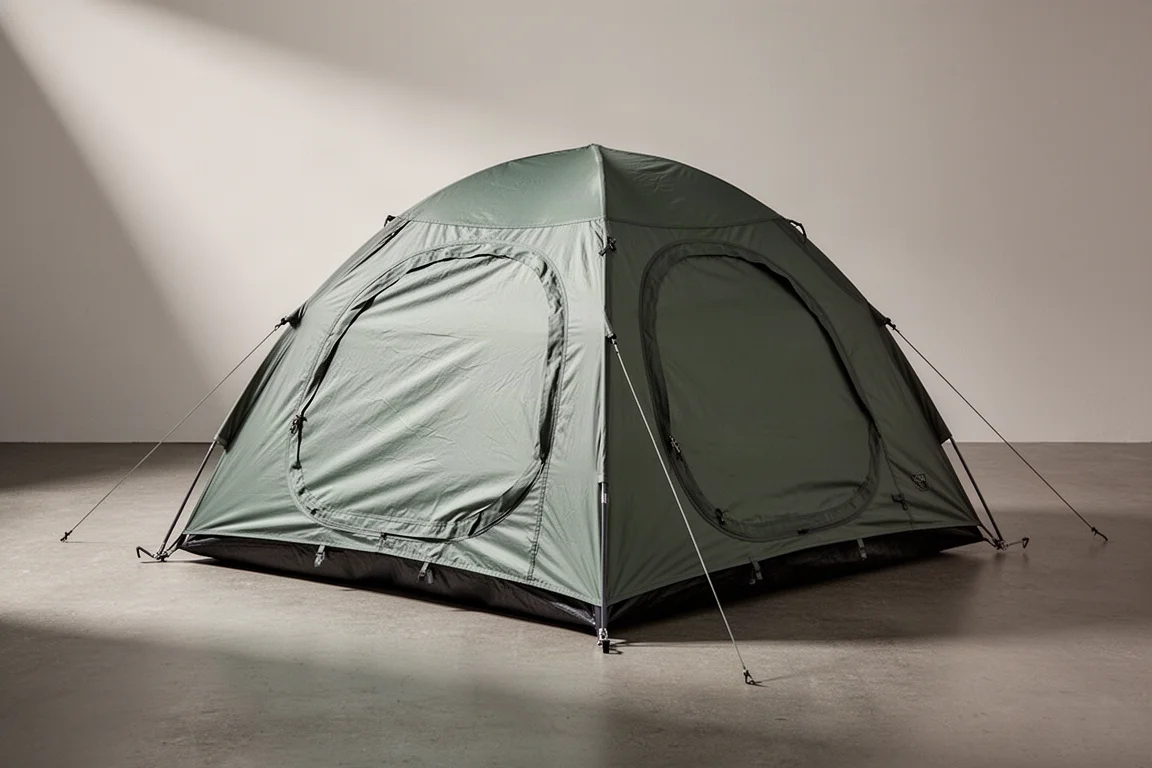
The most practical difference between these tents is how they go up. The Banshee pitches outer first, or inner and outer together, which keeps the sleeping area dry while you work. The OEX Fox models pitch inner first, so the inside is exposed to the rain until the flysheet is over it. In settled weather this matters little. In UK conditions it often does.
Vango’s Tension Band System adds stability in wind. Tension bands run from a peg-out point to a point at the top of the tent and back down to another, creating a triangular structure through the middle of the tent. They are not needed all the time, only when the wind picks up, and they let the tent keep its usable interior space while gaining the stiffness of a triangle. None of these tents is built for extreme conditions, but pitched sensibly in a sheltered spot they will handle plenty of ordinary bad weather.
Overall Buying Advice
The honest answer is that all four tents do the same job, and the right one depends on where you pitch and how much you want to spend. The Banshee is the better-made tent: the materials feel a little more substantial, the finish is neater, and pitching outer first is a real advantage in wet weather. It also costs roughly twice as much as a Fox.
If budget is the deciding factor, the Fox 1 or Fox 2 gets you outdoors for around £60 and covers the basics well. If you camp in exposed places and want the easier pitch, the Banshee earns its premium. Size matters too: two people should look at the Banshee 300 or the Fox 2, while solo campers will be happier with the smaller models. Taller sleepers should check interior length before committing, because the Banshee’s foot end sits low.
Conclusion
The Banshee has been around for close to two decades and it still does what it always did: a light, simple, weather-ready shelter at a sensible price. It is a shame it is harder to find on shelves, and the retail-exclusive arrangement makes it less visible than it once was. The OEX Fox 1 and Fox 2 have taken over as the cheap, easy recommendation, and for many first trips that is entirely reasonable. Match the tent to the trip, check the size against your height, and either option will serve you well.
Further reading
Related Reviews
Backpacking Tents
3F UL Lanchan Pro 1 Review: A 1 lb 8 oz Single-Wall Trekking Pole Tent
A practical look at the 3F UL Lanchan Pro 1, a single-wall trekking pole shelter with a 1 lb 8 oz weight, 20D silnylon fabrics, and a roomy 90 x 31 x 49 inch interior.
Backpacking Tents
3F UL Taiji 2-Person Tent: A Convertible Backpacking Shelter Worth a Closer Look
A practical look at the 3F UL Taiji two-person tent, covering its materials, true two-person interior, fly-first pitching, and the seasonal inner swap that lets one shelter cover more of the year.
Backpacking Tents
3FUL Lanshan Twoerson Pro Review: A Light Trekking Pole Shelter That Struggled in Rain
A two-person trekking pole shelter with a 2026 redesign, pitched with sticks and put through a night of steady rain. Here is what worked, what did not, and what to check before buying.