Camping Gear
U.S. Poncho Liner (Woobie Blanket) Review: A Lightweight Military Surplus Blanket
A practical look at the U.S. poncho liner, the thin military surplus blanket known as the woobie, covering warmth limits, weight, versions, and what to pay.
Introduction
Some pieces of surplus gear earn a following because they are clever, and others because they are simply useful. The U.S. poncho liner belongs to the second group. Widely known as the woobie blanket, it has been in service since the Vietnam era and remains one of the most admired items of military surplus available today.
It is not a sleeping bag and it is not a cold weather system. It is a thin, light, synthetic blanket that soldiers have carried for decades, and that is exactly what makes it worth a closer look for anyone who camps in mild conditions.
What the U.S. Poncho Liner Actually Is
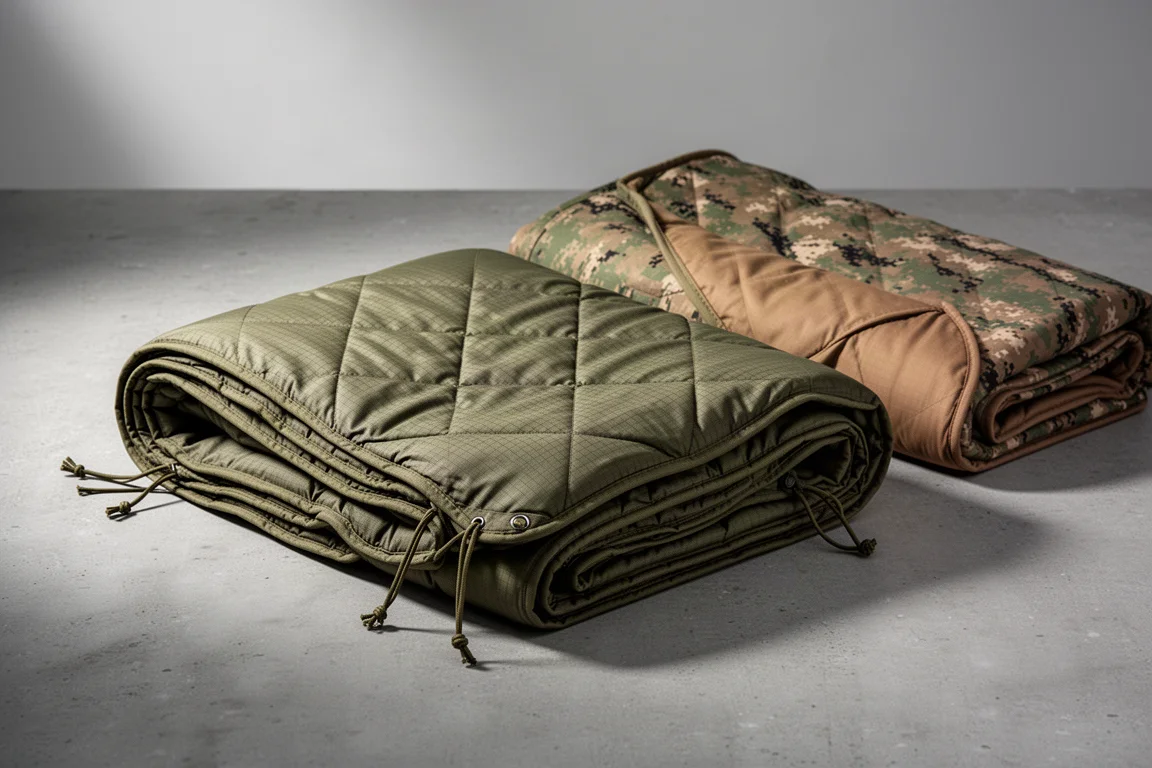
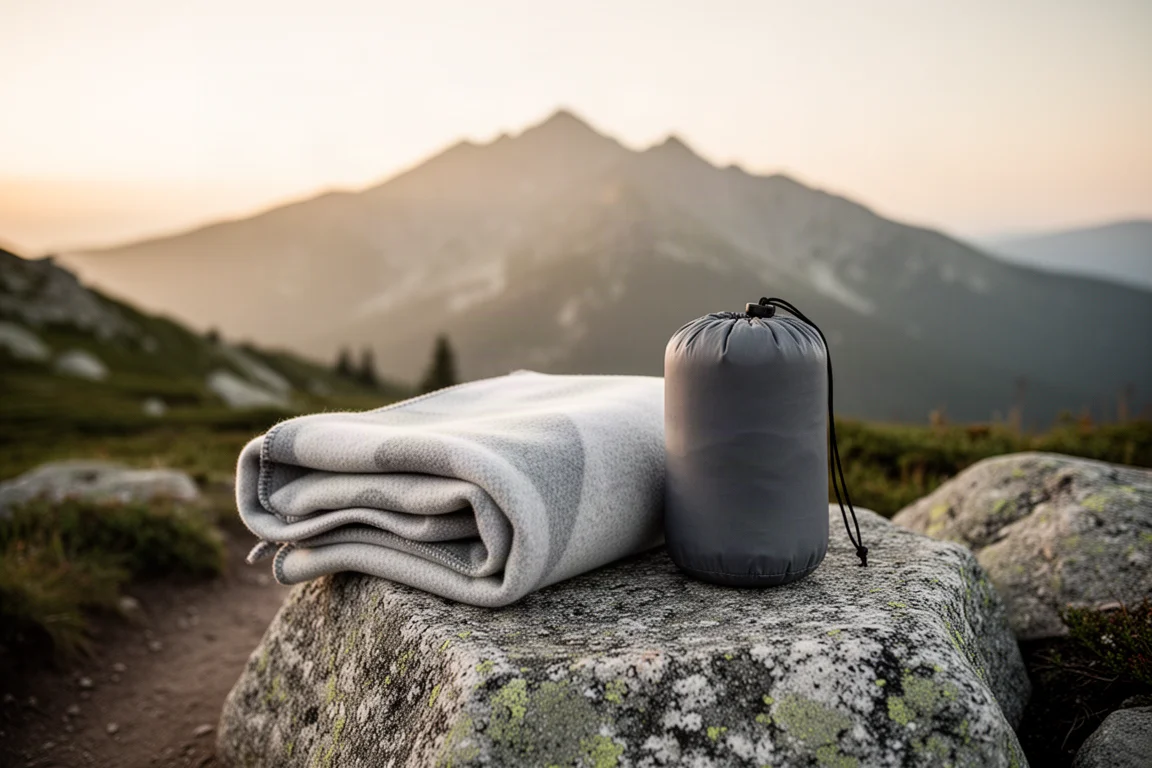
The construction is simple: two layers of ripstop nylon with a thin layer of polyester insulation between them. It was introduced around 1962 and reached Special Forces first before spreading through the wider force, where it was intended to replace the heavy wool blanket that was cumbersome and slow to dry.
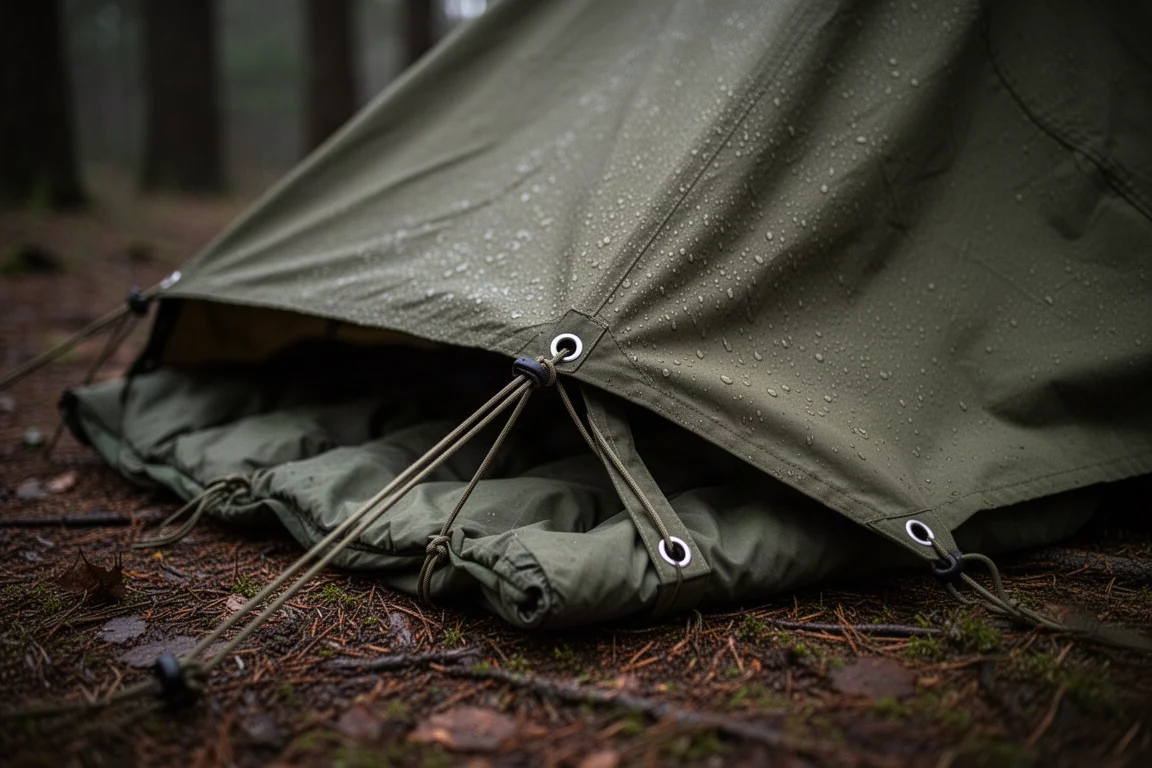
Eight nylon tie cords run around the edge, and each one lines up with a grommet on the standard U.S. poncho. That let a soldier join the two into a wet weather sleep system. On its own, the liner works as a blanket, as a light sleeping bag when the sides are tied together, or as a protective cover.
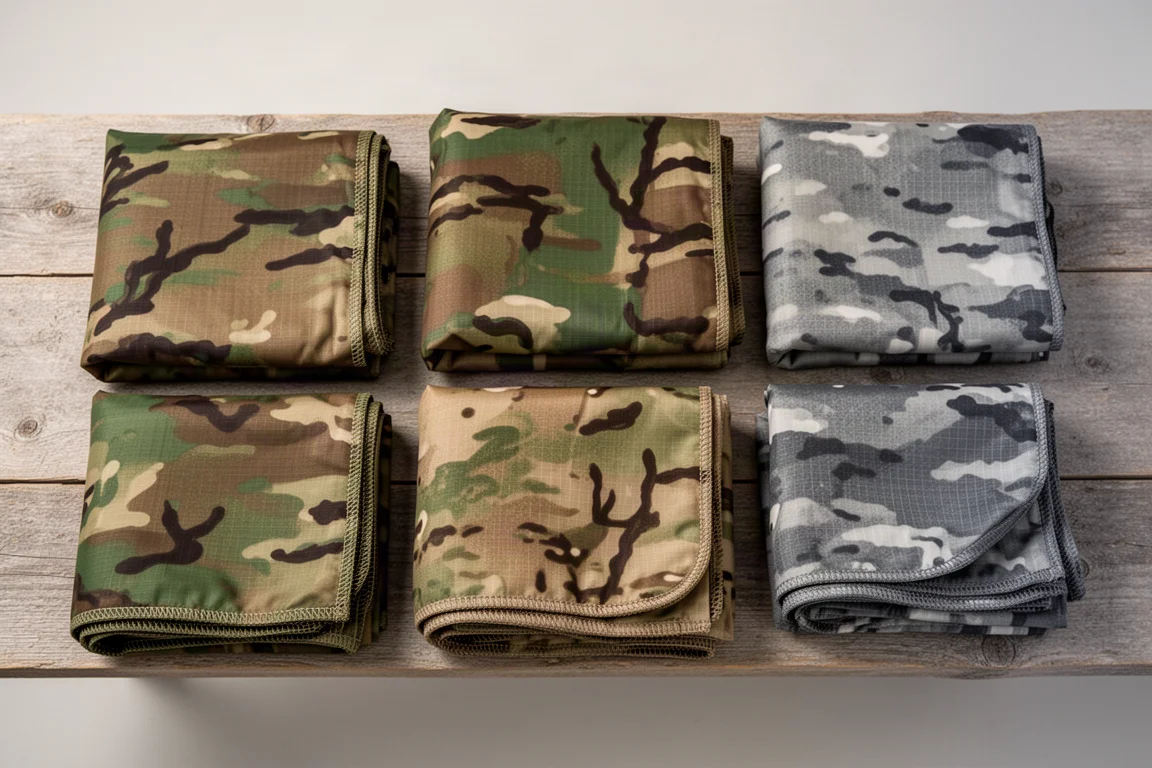
Dimensions vary between production runs, but on average the liner measures roughly 82 inches long by 62 inches wide. The Marine Corps version uses digital MARPAT on one face and coyote brown on the other. Later issues use the Army’s universal camouflage pattern, Air Force camouflage, Multicam, and Scorpion 2 patterns, and a zippered variant has also appeared.
Who This Product Is For
This is a warm weather and mild weather piece of kit. With normal clothing it keeps the user comfortable down to roughly 50 degrees Fahrenheit, and it does that job well. It is not built for freezing conditions, and anyone expecting a four season bag will be disappointed.
It suits campers and backpackers who want a light insulation layer for summer nights, and it suits anyone who prefers to add warmth to an existing sleeping bag rather than carry a second bag. It also works as a pillow when packed down, which is how many users get through hot nights when they need no insulation at all.
Main Strengths
At about two pounds, the poncho liner is light and compresses reasonably well, which is more than can be said for the wool blanket it replaced. Synthetic materials dry quickly, and when the liner is soaked through it still holds heat and keeps the user warm. That combination is why it pairs so naturally with a poncho.
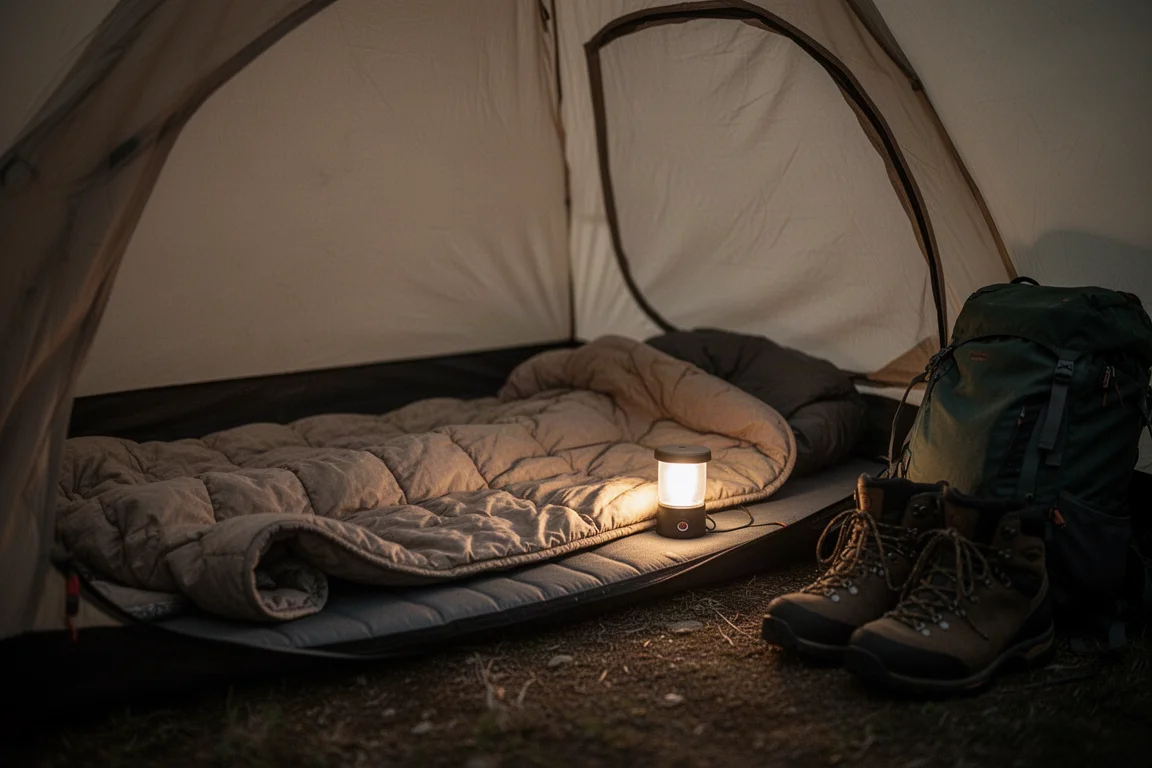
Versatility is the other major strength. The same item can serve as a blanket inside a tent, a secondary layer over a sleeping bag, a pillow, or a wrap when sitting outside in the evening. Owners tend to keep them for years, and many who used one in service hold on to it long after they leave.
Things to Consider Before Buying
The liner is very thin, and that is worth repeating before any purchase. It provides modest warmth rather than serious insulation, and its comfort ceiling sits around 50 degrees Fahrenheit.
The ripstop nylon is also extremely slick, almost like silk. On top of a sleeping pad inside a tent it tends to slide, and when wrapped around the body in a chair it shifts constantly. The same slickness makes it awkward to roll up neatly, since the fabric slides against itself. This is a minor annoyance rather than a defect, but it is a real one.
Versions and Variants to Understand
Three broad categories exist. Genuine military surplus is made to the government specification and has seen real use. Reproductions copy the design, and quality ranges from good to poor depending on the maker. Styled liners take the basic idea and change it, often marketed as an improved or tactical blanket, and these are frequently not built to the same specification, sometimes smaller or less warm than the original.
One newer development is worth watching. A version called the advanced modern poncho liner has been tested with the U.S. military. It is broadly the same product with one addition: it is designed to mask the wearer’s heat signature and hide thermals. Public information about it is limited, and it is not clear whether it will reach mass production.
What It Costs and Where to Buy
Used military surplus liners typically sell for around $17 to $20, though condition varies enormously, from excellent through torn, repaired, stained, or discolored. New military surplus runs about $40, which is a fair price for a clean example.
The manufacturer that produces these for the U.S. military is a North Carolina company, Winston-Salem Industries for the Blind, which employs people with vision disabilities. It was recently granted permission to sell the liners directly to civilians at around $100. The initiative is admirable, though that price places the product in a different bracket given how many good, inexpensive alternatives exist. Reproductions and styled versions are widely available and cheap, and military surplus stores and marketplaces carry a steady supply of the genuine article.
Buying Advice
Match the liner to the conditions you actually camp in. If your nights sit in the 50s and above, a surplus liner is one of the cheapest and lightest ways to stay comfortable, and a used example at $17 to $20 is a low risk entry point. Inspect used listings for holes, repairs, and staining, since the price is low precisely because condition varies.
If you want the exact specification and a clean example, new military surplus at around $40 is the straightforward choice. If supporting the manufacturer’s employment program matters to you, the civilian sale version at around $100 is available, but it competes with far cheaper options that do the same job. Whichever route you take, treat the liner as a mild weather layer and it will meet expectations.
Conclusion
The U.S. poncho liner has stayed in service for more than sixty years for a simple reason: it is light, inexpensive, quick to dry, and genuinely versatile. It is not warm enough for winter and it is not the most refined piece of fabric ever made, but as a summer blanket, a sleeping bag booster, or a pillow, it earns its place in a pack.
Product link
View more details for U.S. Poncho Liner (Woobie Blanket)
This product is mentioned in the review. Check the specifications, options, and compatibility before buying.
View more details for U.S. Poncho Liner (Woobie Blanket)Further reading
Related Reviews
Camping Gear
3FUL Ultralight Ground Sheet Review: A Two-Person Footprint Worth Packing
A 6.7 oz two-person ground sheet in ripstop silnylon, priced around $30. Here is what it protects, what it does not do, and who should pack it.
Camping Gear
Backcountry Light Dual-Function Tarp and Floor Review: A Footprint First
A dual-purpose tent floor and tarp that keeps falling rain off you, but cannot block wind. Here is where it works and where it does not.
Camping Gear
Best 2-Person Camping Mattresses for Couples: 10 Options Compared
A practical comparison of ten two-person camping mattresses, covering self-inflating pads, air pads and air mattresses for couples.