Military Surplus
U.S. Poncho Liner Review: The Woobie Blanket Explained
A practical look at the U.S. poncho liner, the military surplus woobie blanket: what it does well, where it falls short, and how to buy one without overpaying.
Introduction
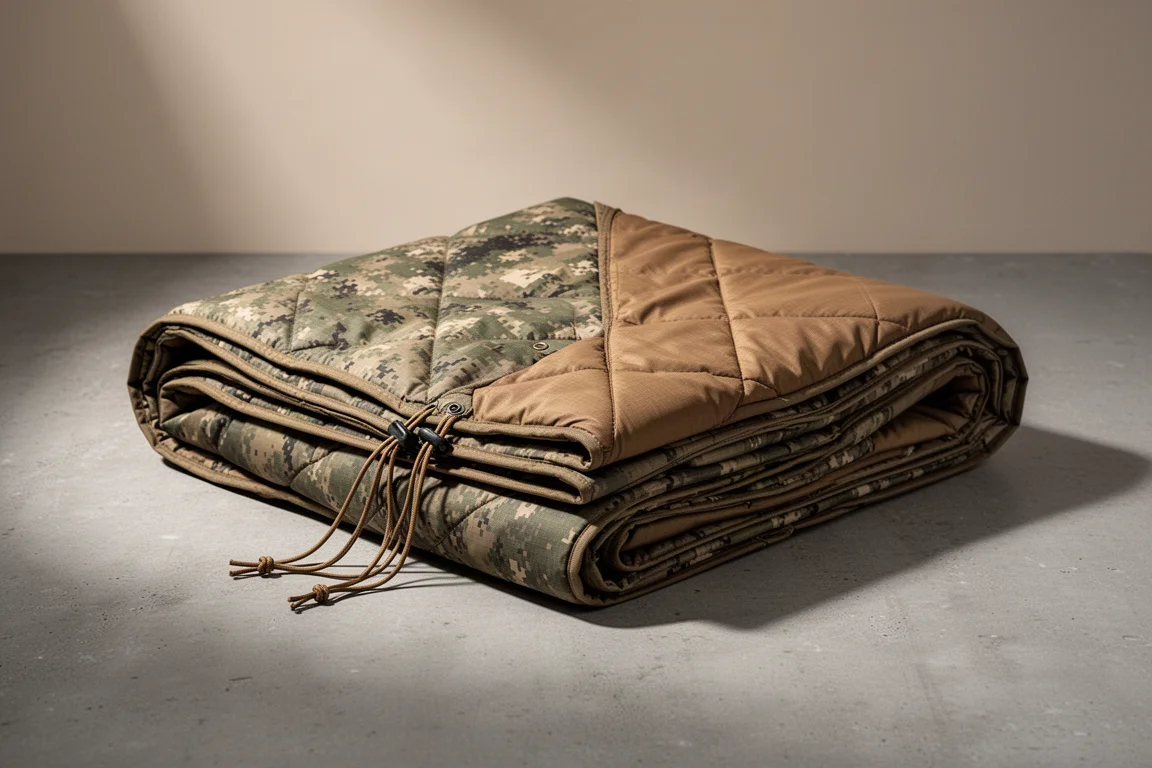
The U.S. poncho liner, better known to generations of service members as the woobie blanket, is one of the most quietly celebrated pieces of military surplus still in circulation. It entered service during the Vietnam era, with early field use by special forces before it was issued more widely, and it has since been carried in conditions ranging from jungle humidity to desert cold. It looks like a blanket because that is essentially what it is, but the design was built to handle several jobs at once.
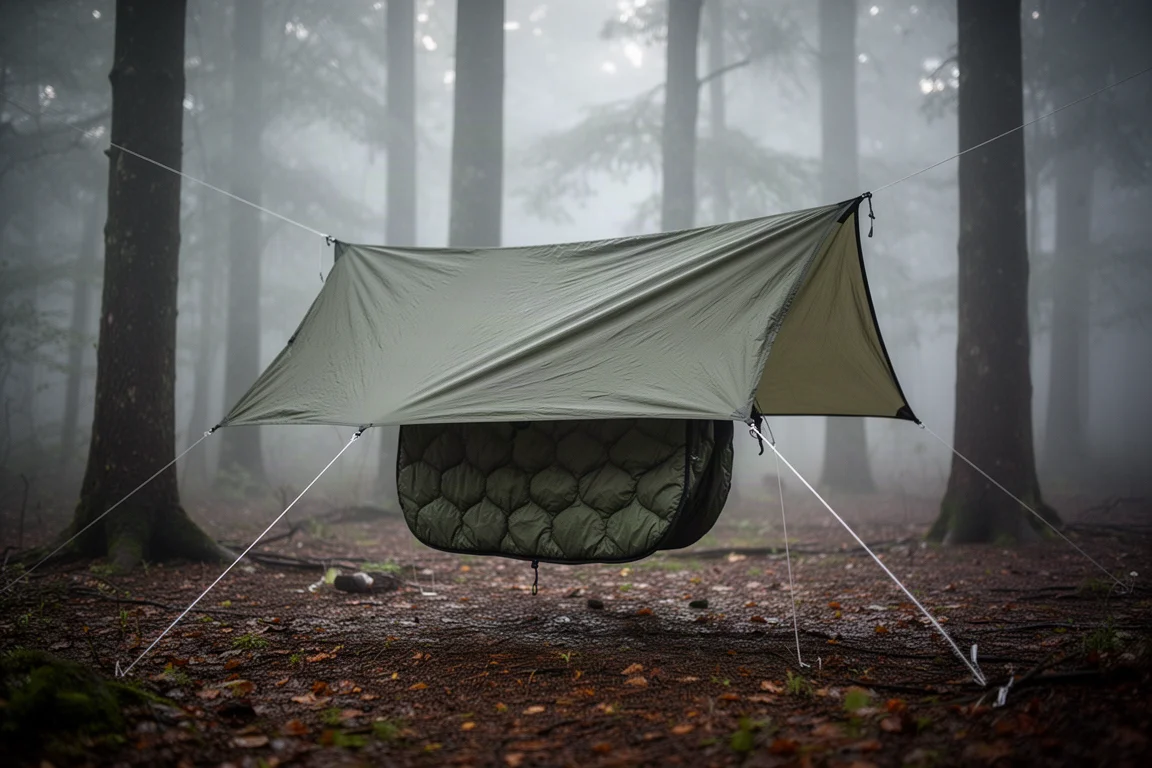
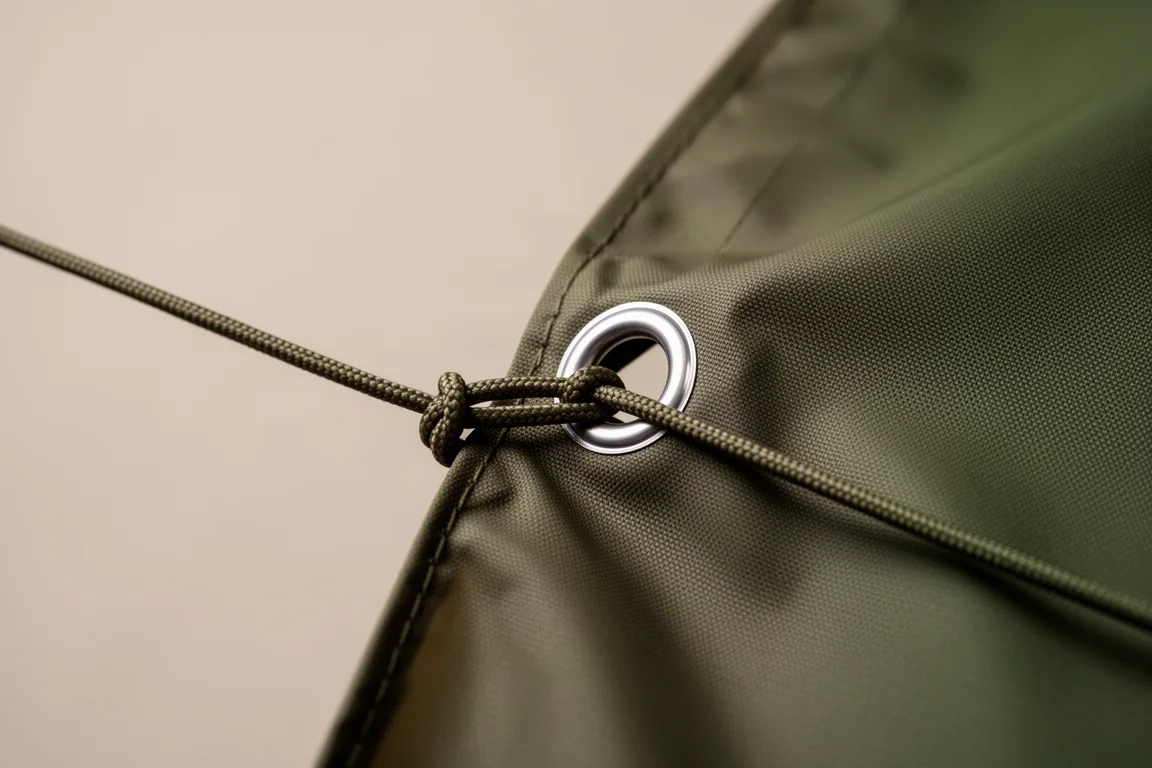
The construction is deliberately simple. Two layers of ripstop nylon sandwich a very thin layer of polyester insulation, and eight nylon tie cords run around the perimeter. Those cords match the grommets on a military poncho, which lets the liner be tied into the poncho to form a cold and wet weather system. Tied another way, the same cords close the liner into a sleeping bag shape. Laid flat, it is a blanket. Draped over gear, it is a protective cover.
The original brief was to replace the wool blanket. Wool is heavy, bulky, and slow to dry, while synthetic materials are lighter, compress smaller, and shed moisture quickly. Average dimensions land around 82 inches long by 62 inches wide, though measurements shift between production runs and versions. What has not changed is the underlying purpose: a light insulation layer that pairs with a poncho and works perfectly well on its own.
Who the U.S. Poncho Liner Is For
This is a warm weather and shoulder season piece, not a winter system. With normal clothing it keeps you comfortable down to roughly 50 degrees Fahrenheit, and above that range it performs well. Campers who sleep warm, hikers watching every gram, and anyone who prefers a flexible layer over a fixed sleeping bag will get the most out of it.
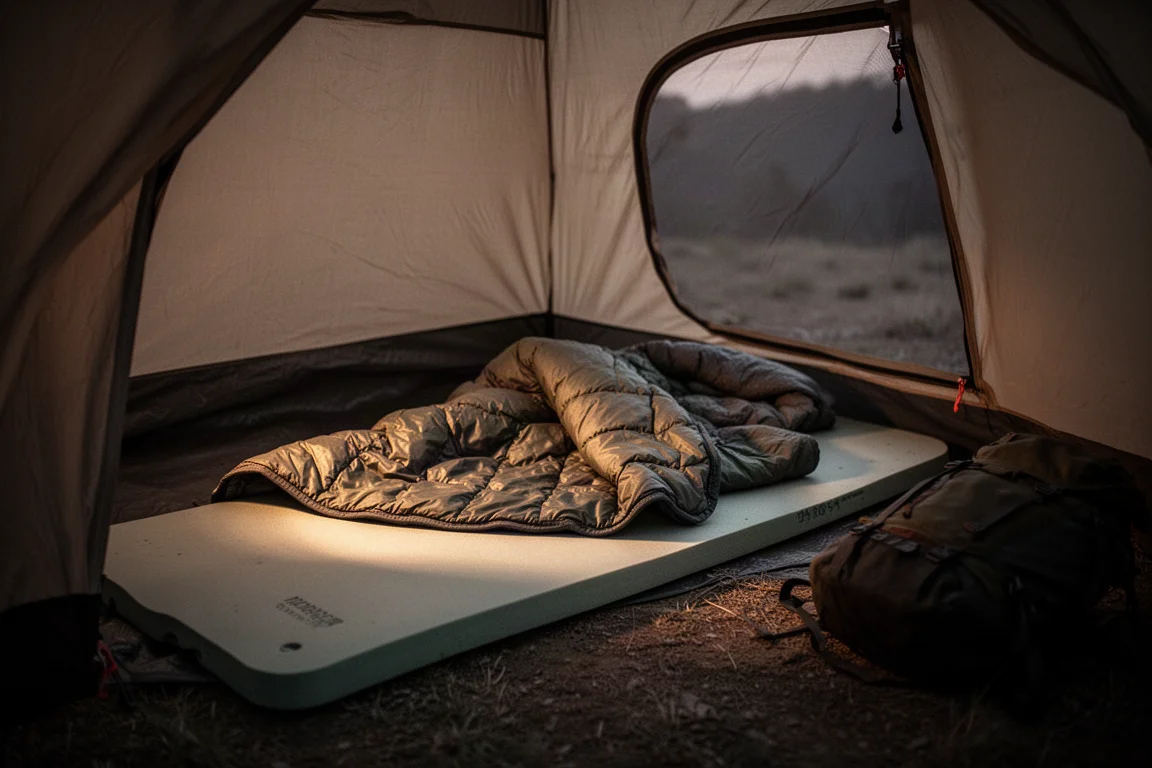
In summer conditions, with daytime temperatures around 75 degrees and nights in the low 60s or high 50s, the liner works alone as a blanket inside a tent or thrown over a sleeping bag. As temperatures fall, its role changes rather than ending. It becomes a secondary layer that adds warmth to an existing bag, a folded pillow, or insurance packed for a night that turns colder than forecast. It is also a sensible pick for anyone who wants one piece of kit that covers sleeping, sitting, and protecting gear.
Main Strengths
Versatility is the headline. The liner can serve as a blanket, a sleeping bag, an insulation layer, a pillow, or a protective cover, and the tie cords make it a genuine companion to a poncho rather than a standalone accessory. That range is unusual at this weight and price.
At roughly two pounds for this version, it stays light and compresses fairly well, with noticeably lower bulk than a wool blanket or even a sleeping bag. The synthetic materials dry quickly, and when the liner is soaking wet it still holds in heat and keeps the user warm, which is exactly why it was designed to work hand in hand with the poncho.
The other strength is harder to manufacture: reputation. Service members tend to grow attached to their liners and keep using them long after leaving the service, and the design has been in continuous use for more than six decades. That kind of longevity says more about the fundamentals than any marketing claim could.
Things to Consider Before Buying
The first consideration is warmth, and it is worth stating plainly: this liner is very thin. It is not a cold weather system and should not be treated as one. The 50 degree figure with normal clothing is a realistic ceiling, and anyone expecting more will be disappointed.
The second is the fabric itself. Ripstop nylon is silky and slick. On a sleeping pad the liner tends to slide off, wrapped around you in a chair you end up scooting around, and rolling it up is awkward because the material slides against itself. It is a minor annoyance rather than a flaw, but it is consistent.
The third is the market. Genuine military surplus, reproductions, and styled liners are all sold side by side, and they are not equivalent. Reproductions copy the overall design, and quality ranges from good to poor depending on the maker. Styled versions take the basic concept and change it, generally without meeting the same specification, and they are often smaller, less warm, and poorly made. Listings that use wording such as a military poncho liner style are a signal that you are looking at a styled product rather than genuine surplus.
There are also real differences between versions. The Marine Corps issue liner uses a digital MARPAT pattern on one side and coyote brown on the other. Newer issues have appeared in the Army’s universal combat pattern and the Air Force’s environmental camouflage pattern, alongside Multicam and Scorpion 2 versions. A newer variant adds a zipper running all the way around the liner while keeping the tie cords, and the legitimate surplus version of that model is difficult to find. A further version, the Advanced Modern Poncho Liner, has been under testing for its ability to mask the wearer’s heat signature and hide thermals, with little public information available and no confirmation of wider production.
Buying Advice
Used military surplus is the cheapest route, typically around $17 to $20. Condition varies enormously, graded loosely from A at the good end down to DF at the bad to terrible end, so expect possible holes, repairs, rips, stains, and discoloration. New military surplus runs about $40, which is a fair price for a clean example.
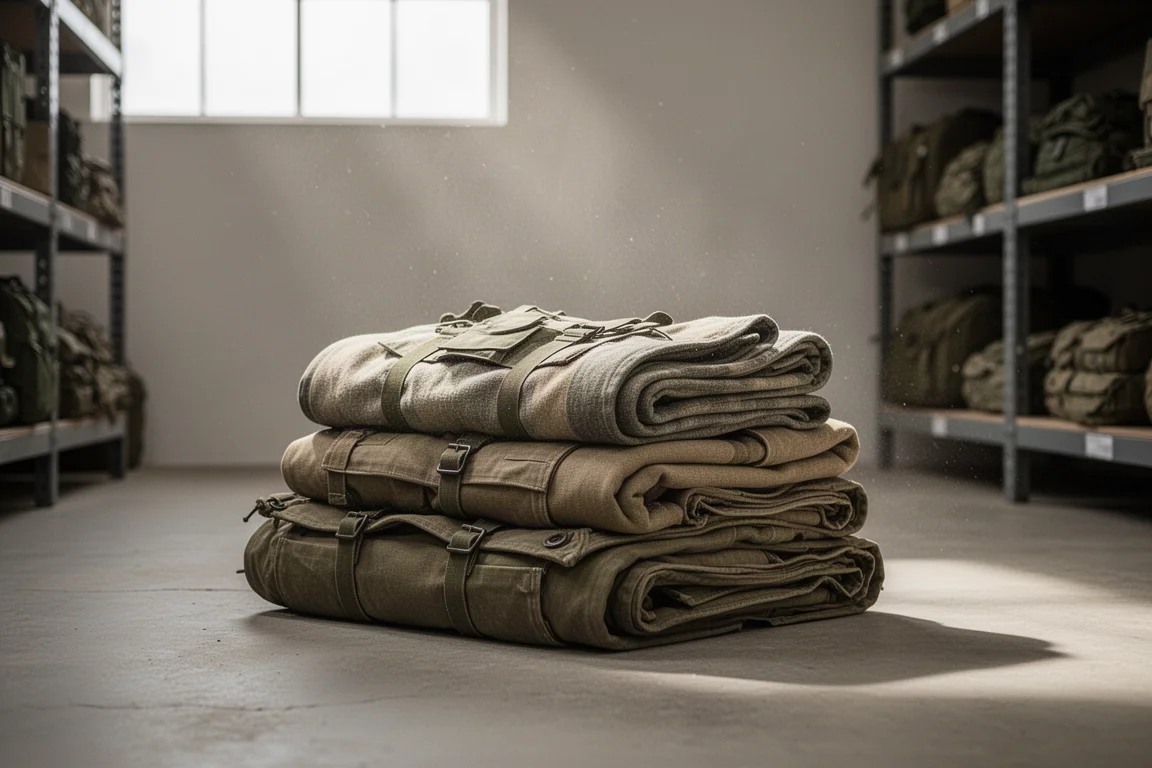
The company that produces these liners for the U.S. military, Winston-Salem Industries for the Blind, was recently given permission to sell directly to civilians. That route costs around $100 and supports an employment initiative worth backing, though it sits in a different price bracket from surplus and from the many inexpensive reproductions and styled versions on the market. Military surplus stores and sites commonly stock the liner, and busy online marketplaces tend to deliver the best prices thanks to competition between sellers. When buying used, read the listing closely for holes, repairs, rips, stains, and discoloration, since condition varies widely from one liner to the next.
Conclusion
The U.S. poncho liner earns its reputation. It is light, packs down well, dries fast, keeps working when wet, and adapts to whatever role the conditions demand, from a summer blanket to a secondary insulation layer in colder weather. It is not warm enough to replace a proper cold weather bag, and the slick nylon takes some getting used to, but those are small trade-offs against a piece of kit this versatile and this affordable. For warm weather camping, ultralight summer trips, or simply adding a flexible layer to an existing sleep system, the woobie blanket remains one of the best value items in military surplus.
Product link
View more details for U.S. Poncho Liner
This product is mentioned in the review. Check the specifications, options, and compatibility before buying.
View more details for U.S. Poncho LinerFurther reading
Related Reviews
Military Surplus
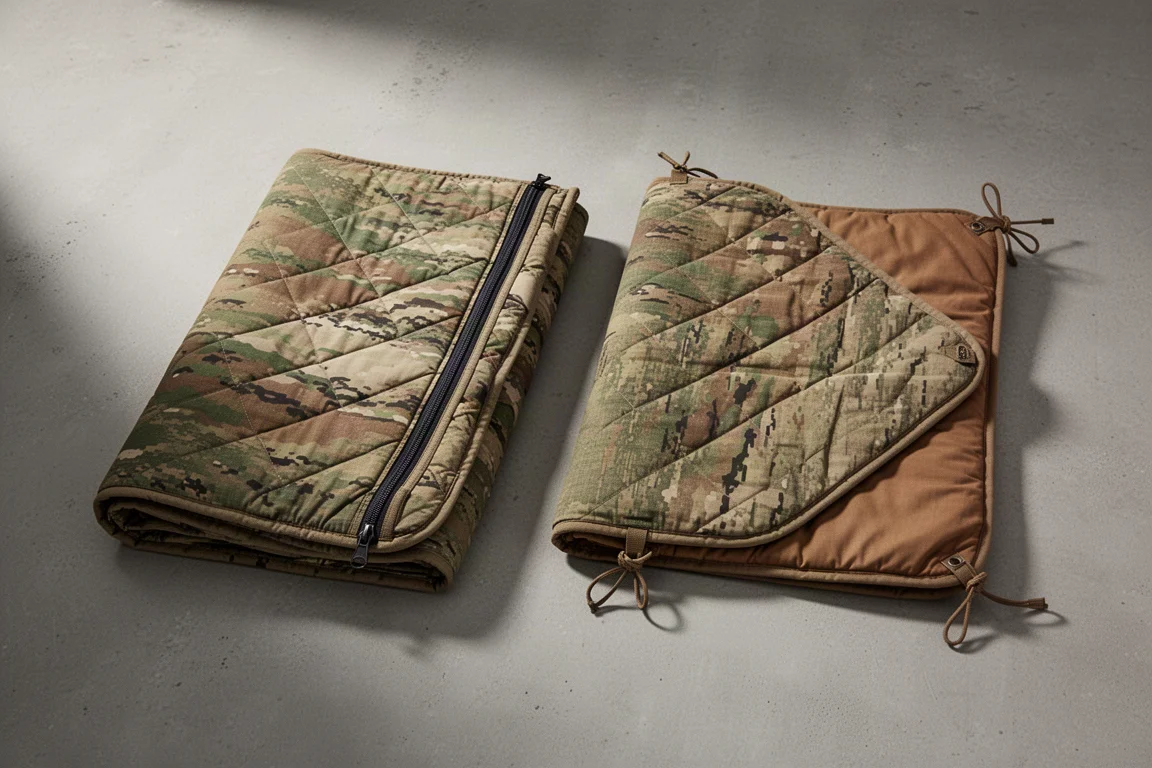
Zippered vs Traditional US Military Poncho Liner: Which Surplus Blanket Fits Your Kit
A practical comparison of the zippered and traditional US military poncho liners, covering build, warmth, packed size, condition grades, and how to spot genuine surplus.

Backpacking Gear
Building a 10 lb Base Weight: An Ultralight Backpacking Gear List
A practical walkthrough of the ultralight pieces behind a 10 lb base weight, from a 765 g pack and a roomy one-person tent to a full camp chair and a dependable water filter.

Road Bikes
10 New Road Bikes Worth Watching: Aero, Titanium, Steel and Endurance Standouts
A practical roundup of 10 new road bikes, from aero flagships chasing single-watt gains to titanium, steel and endurance platforms built for real roads.