Outdoor Gear
US Military Poncho Liner vs a $60 Copycat: How to Tell Them Apart
A close look at a $60 poncho liner imitation, the genuine issue liner, and the zippered variant, plus the label, material and pack size checks that separate them.
Introduction
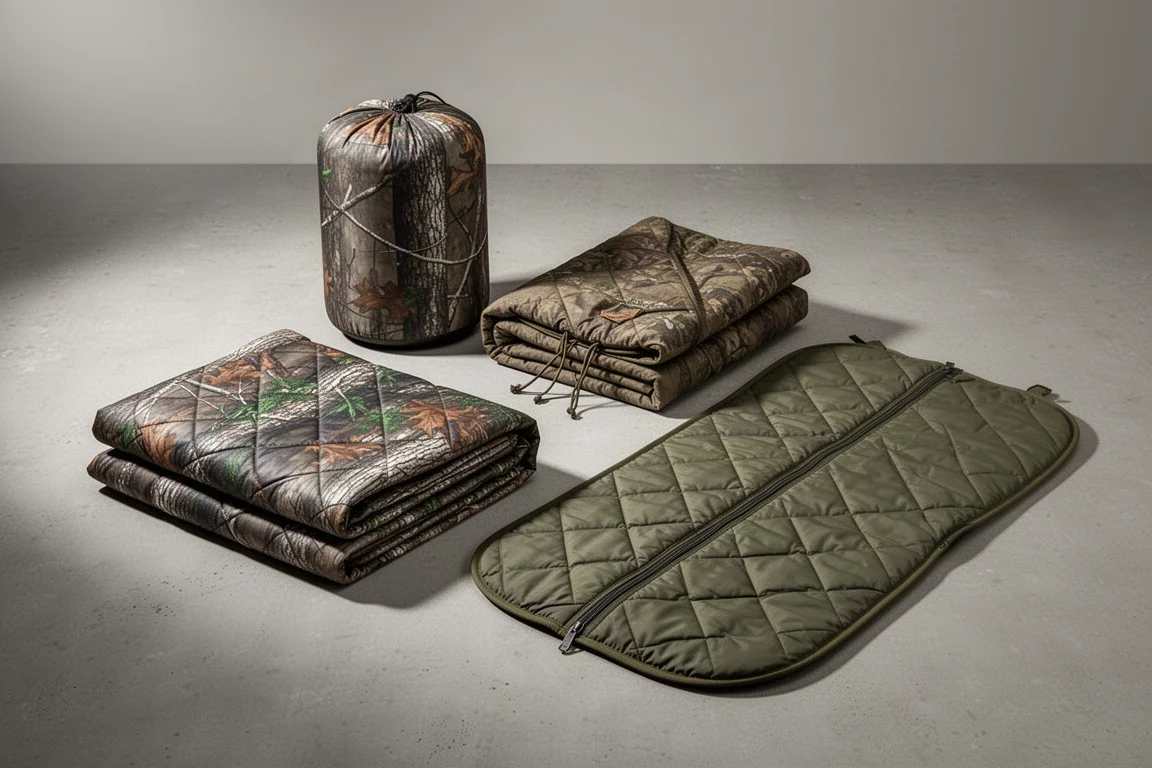
The US military poncho liner has been in service since the Vietnam era, and it has changed very little in all that time. It works underneath a poncho in wet or cool conditions, and it doubles as a blanket, a protective cover and a simple sleeping bag. That long reputation is exactly why imitations exist, and some of them are sold at prices above genuine military surplus.
One such liner is sold under the Brooklyn Armed Forces name for $60. It copies the layout of the issue liner closely, down to the tie-off points and the zipper, but the materials, the labeling and the packed size tell a different story.
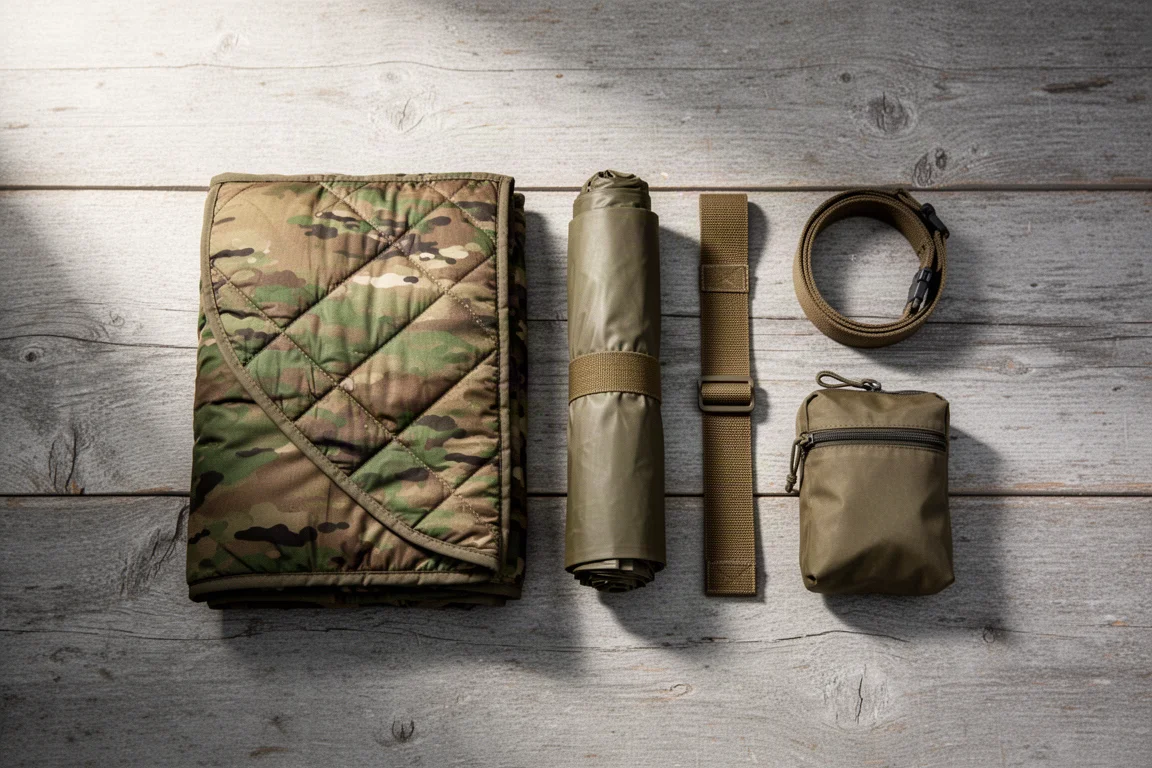
This article compares that $60 imitation with the genuine liner made by Winston-Salem Industries for the Blind and with the zippered variant of the issue liner, and it sets out the checks that make the difference obvious before you spend anything.
What Legitimate Military Surplus Looks Like
Genuine issue gear leaves a trail of small details that imitations usually get wrong, and most of them can be verified from a listing photo or a quick question to the seller.
Water repellency is the first. Issue poncho liners are treated so they shed moisture. The imitation described here carries no water repellent treatment at all.
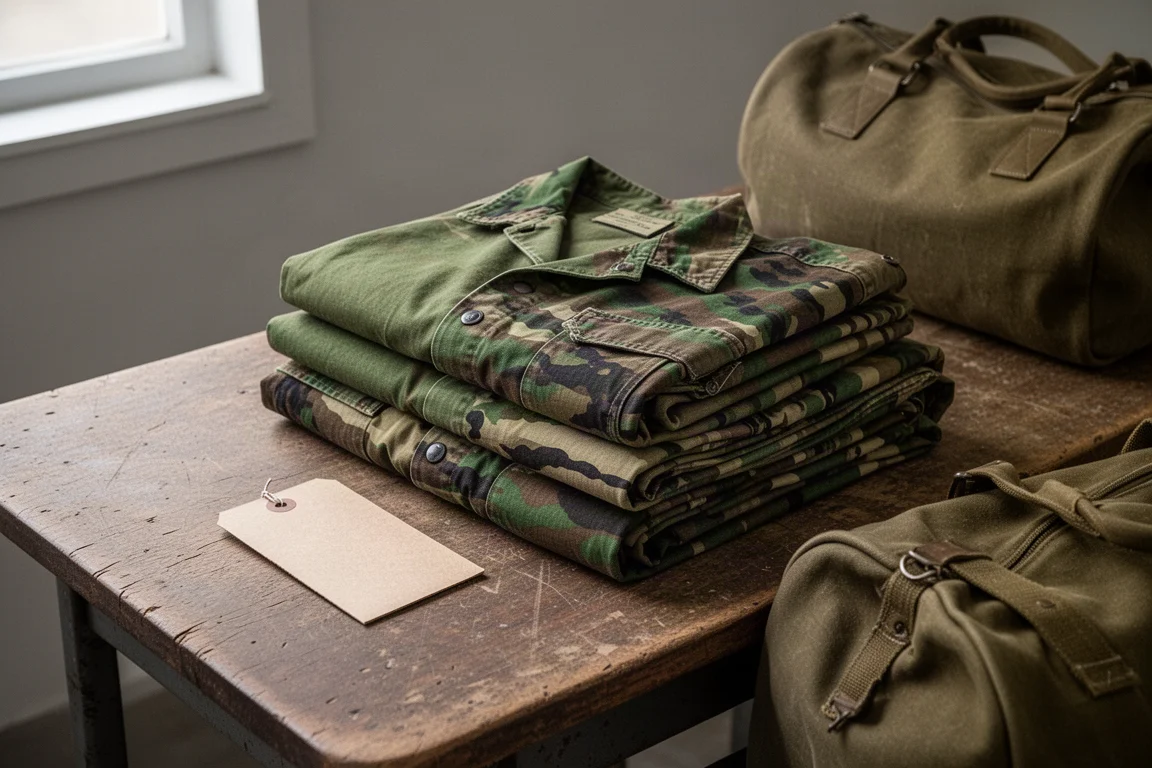
Labels are the second. A genuine liner carries a proper military tag. The imitation carries a UPC inventory tag of the kind used in department stores, which is a civilian detail rather than a military one. Its label also includes an NSN number that traces back to Winston-Salem Industries for the Blind rather than to the company selling the liner, and the label text itself contains grammar and punctuation errors.
Storage is the third. The issue liner does not come with a storage bag. The imitation ships with a large bag roughly 18 inches long and 8 to 9 inches wide that is marked as made in China, which is not where US military surplus comes from.
Materials and packed size are the fourth. The imitation is bulky because cheaper insulation needs more of it. It weighs a little over two pounds, measures 85 inches by 32 inches unfolded, compresses to roughly twice the size of the genuine liner, and arrives with loose threads and stitching mistakes along the seams.
Brooklyn Armed Forces Poncho Liner: What $60 Buys
At $60, this liner sits well above the going rate for real surplus. Used military poncho liners generally sell for around $20, and new ones for around $40, which makes the asking price the first warning sign.
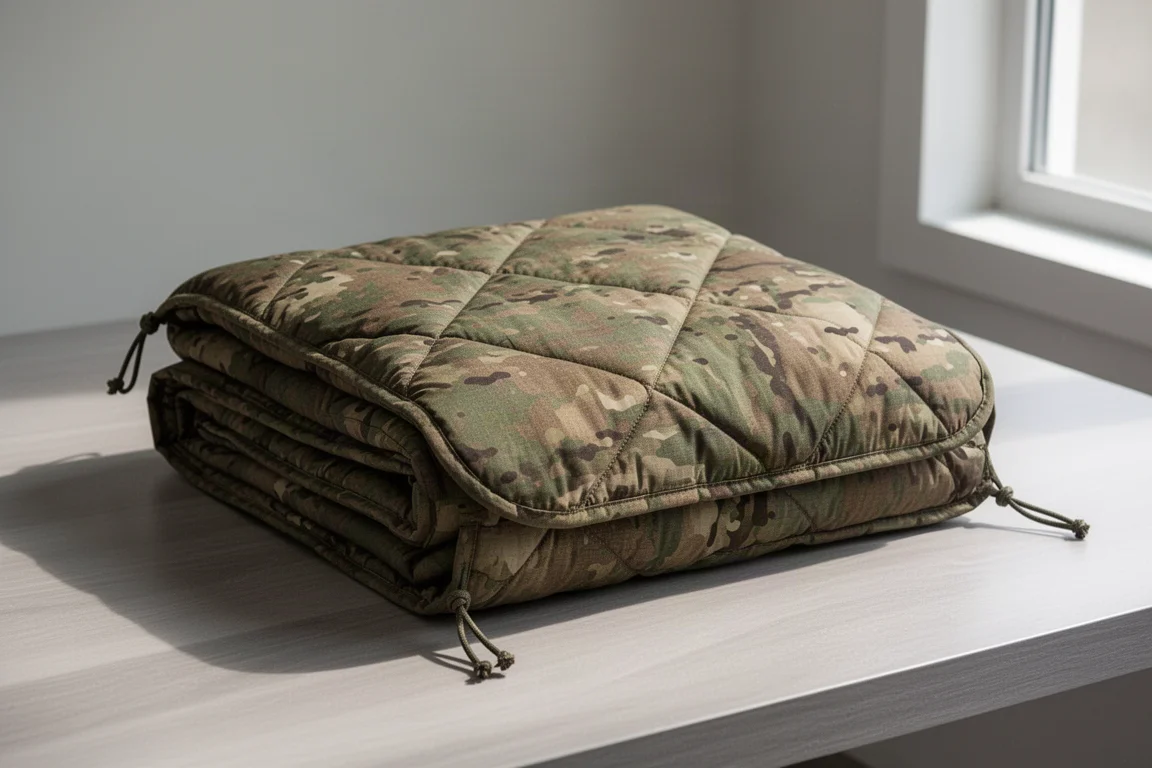
The liner itself uses a woodland style camouflage that does not match any military pattern. The seller describes the shell as nylon, though in hand it feels like inexpensive polyester, with polyester batting inside. It has a single zipper with a metal tab and a claimed YKK marking, tie-off points for attaching it to a poncho, and a design that cannot be reversed, since the inside is the same color as the outside.
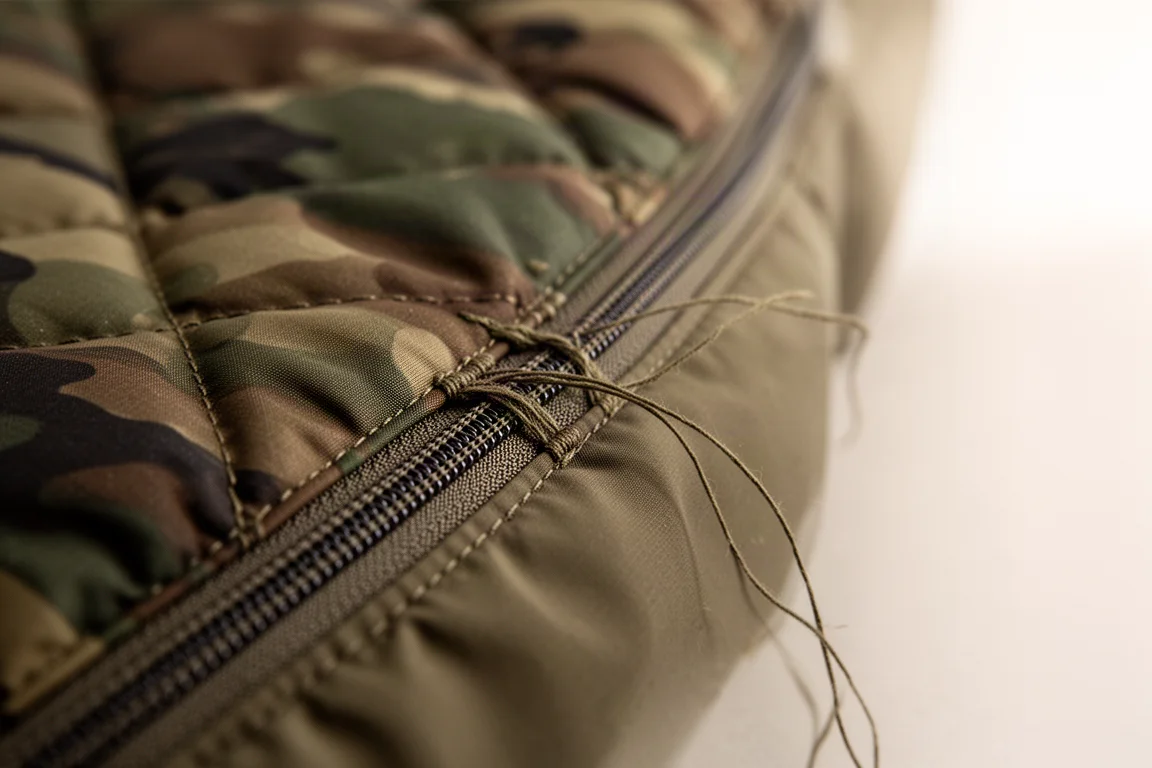
In use, the differences are hard to miss. The imitation does not compress the way the issue liner does, and it feels noticeably heavier in the hand. The stitching is uneven and loose threads appear throughout, which is consistent with the cheaper materials and the bulkier packed size.
Winston-Salem Industries for the Blind US Military Poncho Liner
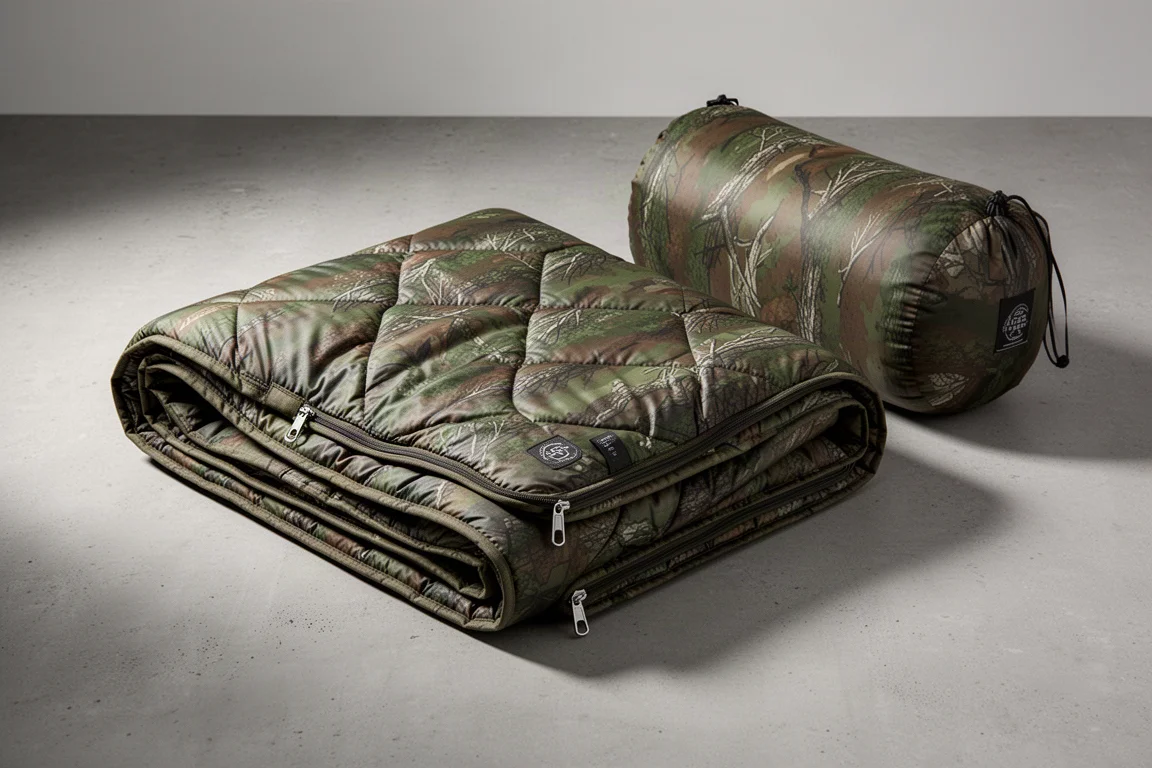
This is the liner that the NSN on the imitation label actually points to. Winston-Salem Industries for the Blind is the maker behind the genuine US military poncho liner, and the tag on a real liner traces back to that product rather than to a third party reselling a lookalike.
The genuine liner is treated with a water repellent finish, compresses far smaller than the imitation, and keeps the original issue design that has been used around the world since the Vietnam era. It is also the cheaper option in most cases: used surplus examples tend to sell for around $20, and new ones for around $40.
If you want a liner that behaves the way the design was intended to, this is the reference point, and a listing that never shows this tag is worth questioning.
US Military Zippered Poncho Liner
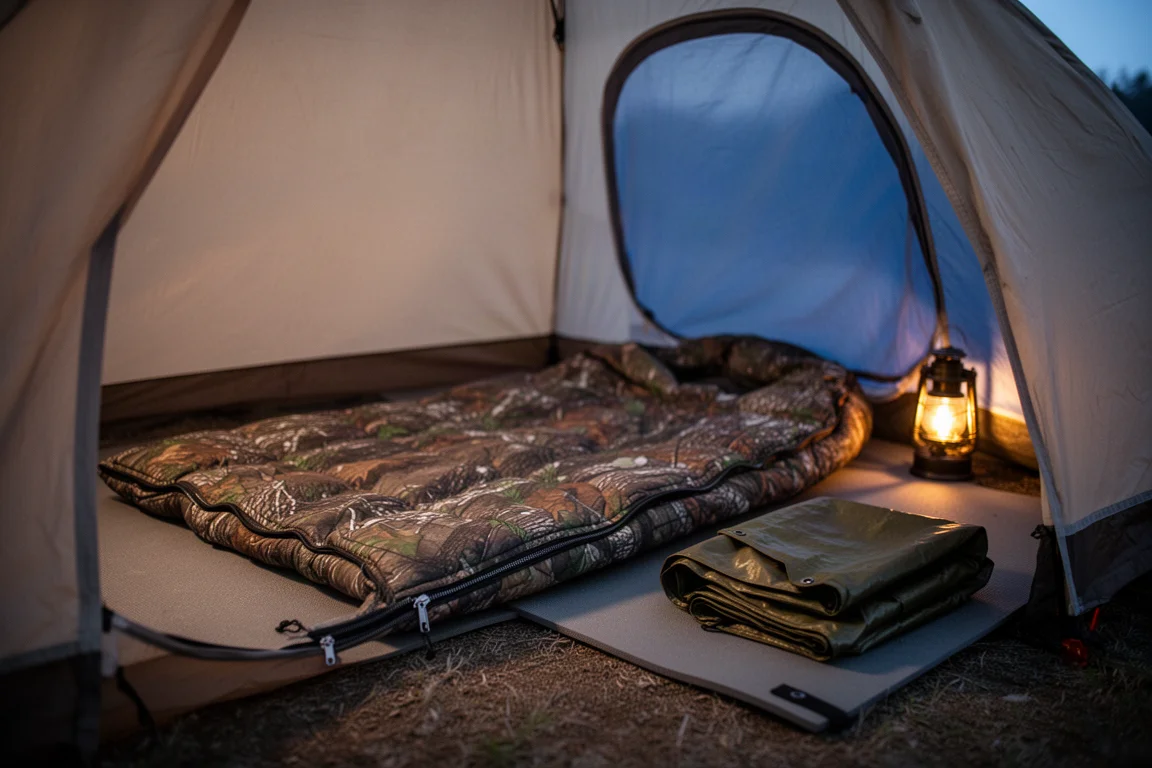
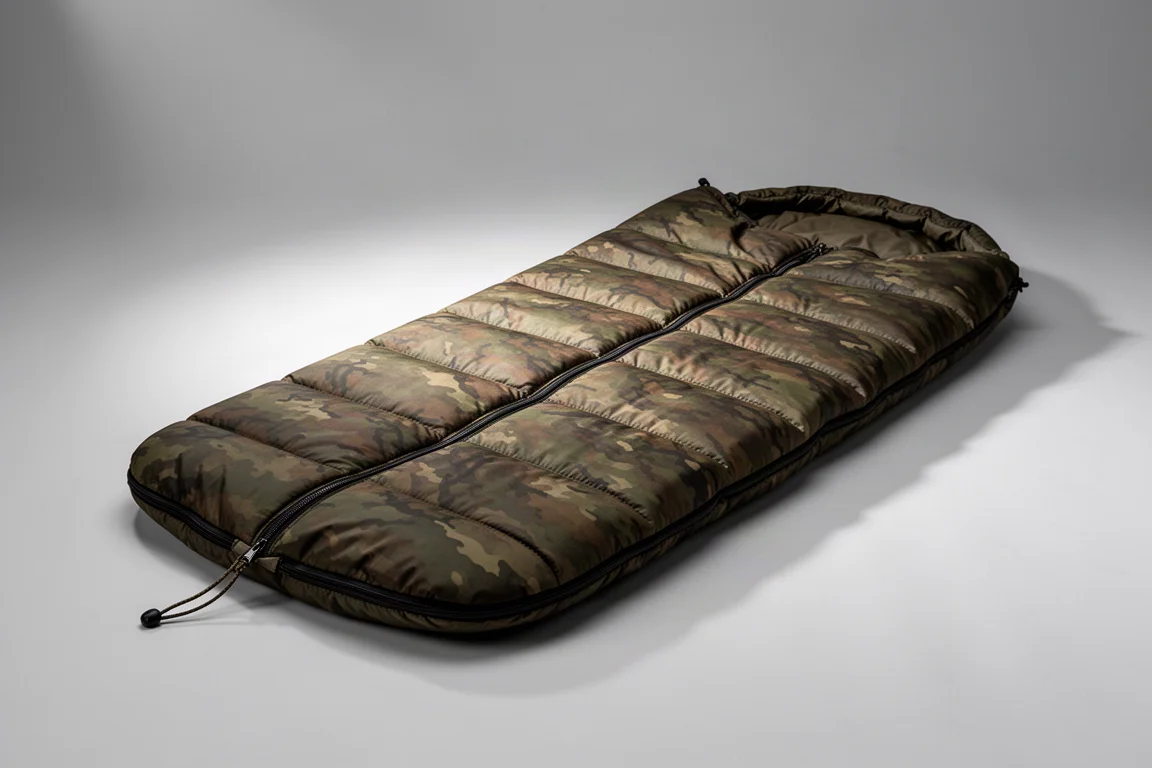
The zippered variant is the newest change to a design that has otherwise stayed the same for decades. The zipper runs all the way around the body, so the liner can be closed up and used as a sleeping bag, which makes it more efficient at keeping the user warm and at blocking wind.
The genuine zippered liner uses two-way zippers that can be opened from either end for a quick exit, and corded pulls rather than a metal tab. Supply is still limited because the variant is relatively new, so prices move around. A grade D example cost $32 and needed some repairs, while a grade B example was around $100 at a time when stock was thin. As more units reach the market, those prices should come down.
For anyone who wants the sleeping bag function and the extra wind blocking, this is the version to look for, provided the price reflects the condition of the individual liner.
Buying Advice
The safest approach is to check the tag before buying anything. Ask the seller for a clear photo of the label, and if they will not provide one, treat that as a reason to walk away. Wording such as “style” or “type” in a listing title is another signal that the item is a civilian imitation rather than issue gear.
On price, genuine surplus sets a useful benchmark: around $20 for a used liner and around $40 for a new one. Paying $60 for an imitation that compresses to twice the size, carries no water repellent treatment and shows loose stitching is not a good trade, however convincing the camouflage looks in photos.
The zippered variant is the exception to those benchmarks, since fewer of them exist and prices depend heavily on condition. If the sleeping bag function matters to you, it is worth waiting for stock to improve rather than paying a premium for a worn example.
Conclusion
The poncho liner is a simple piece of gear, which makes the gap between a genuine issue item and a copy easy to hide in photographs and easy to spot in person. Water repellent treatment, a proper military tag, a compact packed size and tidy stitching are the details that matter. The $60 imitation falls short on all four, while the genuine liner from Winston-Salem Industries for the Blind and the zippered variant remain the better use of the same money.
Further reading
Related Reviews
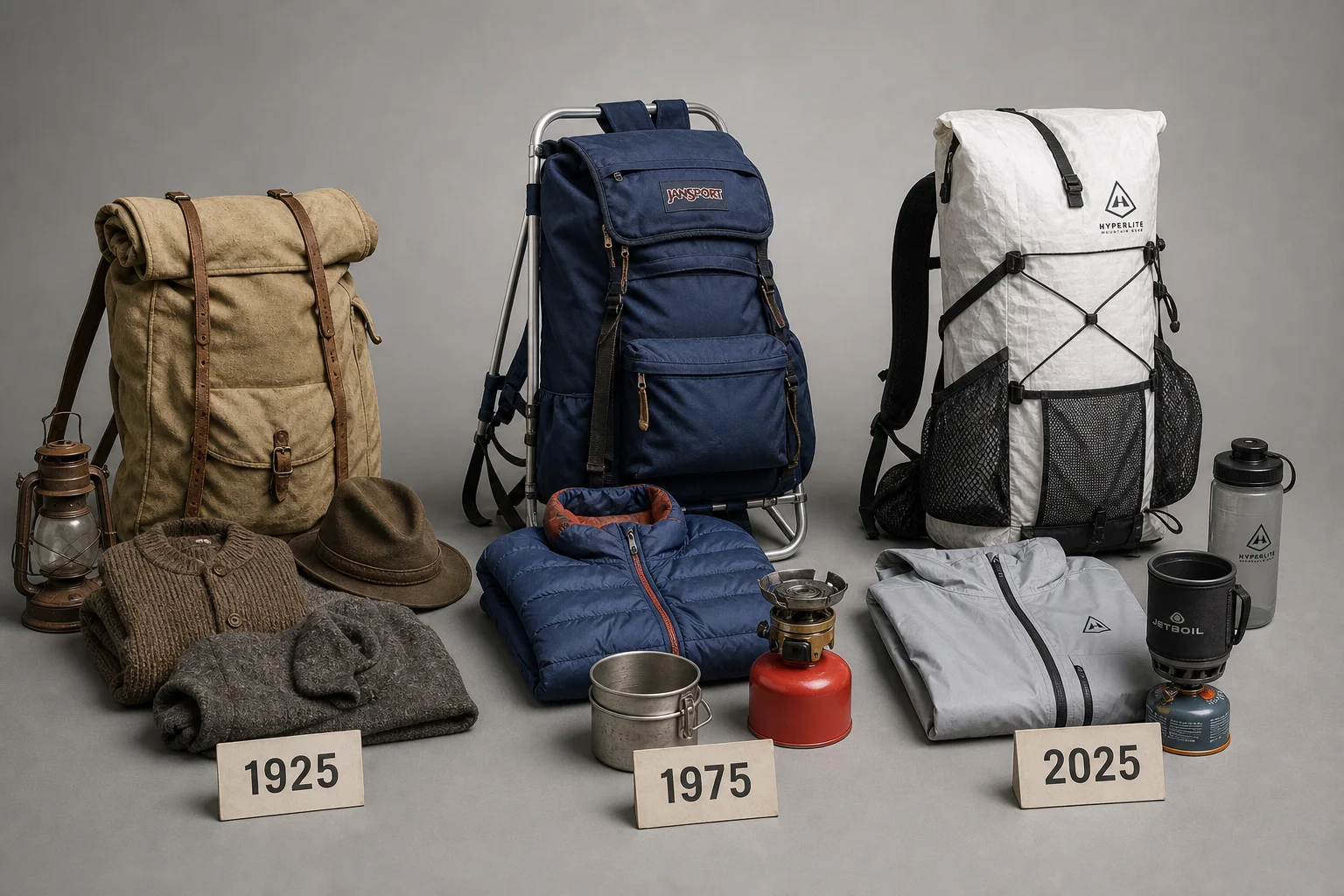
Outdoor Gear
Backpacking Gear Evolution: 100 Years of Technology Compared
We tested backpacking gear from 1925, 1975, and 2025 across a three-day hike in Yosemite. Here's how technology has transformed comfort, weight, and the outdoor experience.
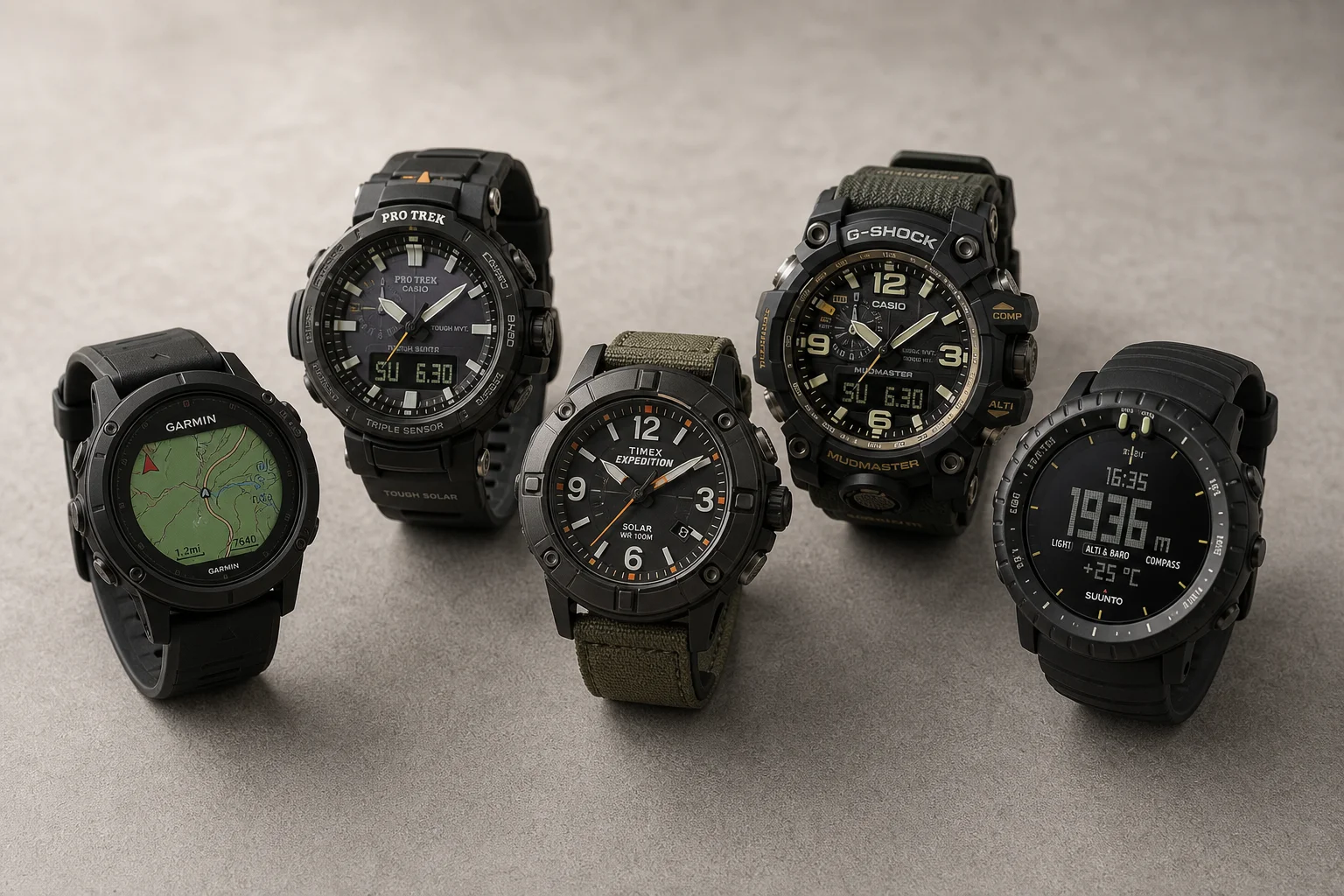
Outdoor Gear
Best Affordable Hiking Watches: Five Rugged Options for Outdoor Adventures
Five durable hiking watches that balance ruggedness, functionality, and value for outdoor enthusiasts who need reliable GPS tracking and weather resistance.
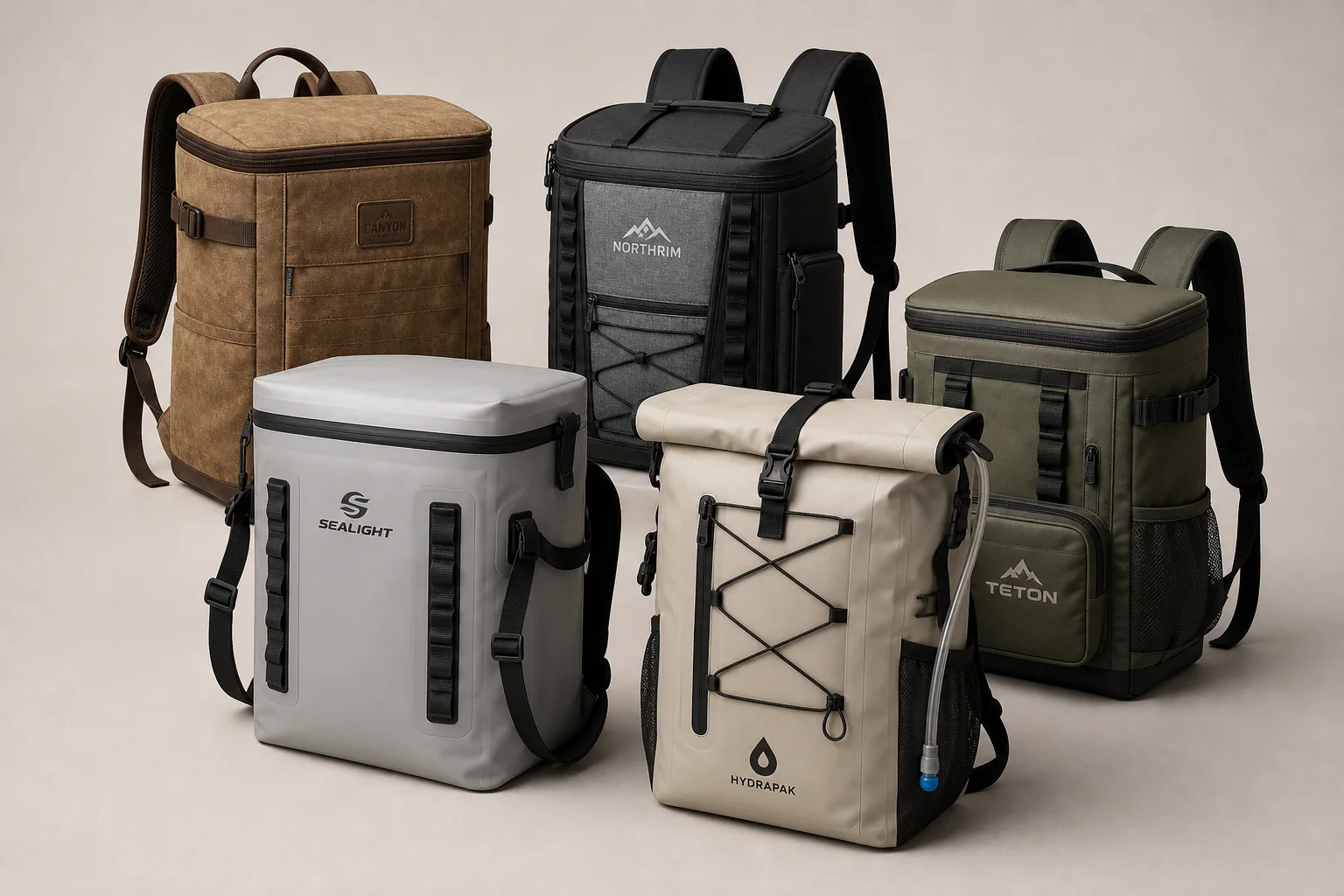
Outdoor Gear
Best Backpack Coolers 2026: Five Practical Options for Outdoor Adventures
Five backpack coolers with distinct cooling capabilities, storage features, and design trade-offs to help you choose the right one for your outdoor needs.