Outdoor Gear
US Military Poncho Liner vs Brooklyn Armed Forces: Zippered Liners Compared
A hands-on comparison of an authentic US military poncho liner and a $60 copycat, plus what to check before you buy a zippered liner.
Introduction
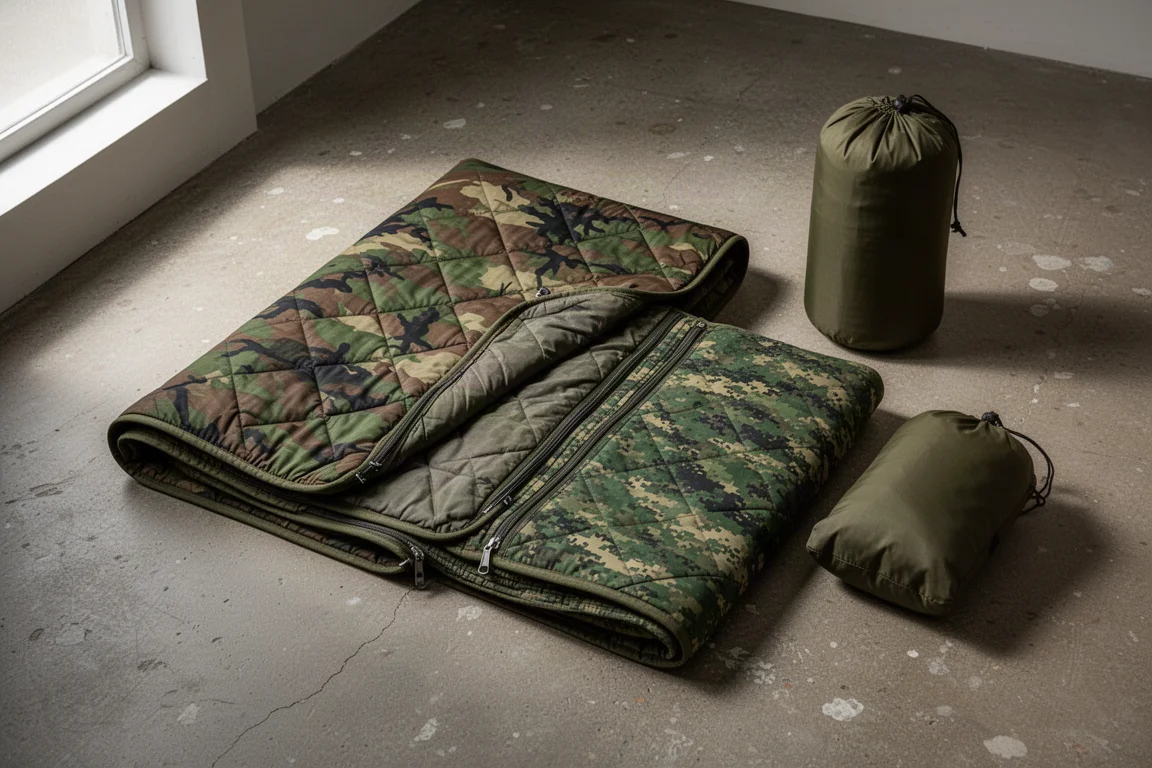
The US military poncho liner has been in service since the Vietnam era and has changed very little in the decades since. It goes under a rain poncho in wet and cool conditions, doubles as a sleeping bag, works as a protective cover, and is perfectly usable as an ordinary blanket. The newest version adds a zipper that runs around the body so the liner can be closed up like a sleeping bag, which keeps wind and rain out more effectively and makes the whole thing more efficient at holding warmth.
That long track record is exactly why copies exist. Some sellers are careful with their wording and advertise a “poncho style liner” or a “US military type liner.” Others are not careful at all, and the difference is genuinely hard to spot in a listing photo. This article puts one of those copies, the Brooklyn Armed Forces poncho liner, next to the authentic liner made by Winston-Salem Industries for the Blind so the gap is easier to see.
What Genuine US Military Poncho Liners Get Right
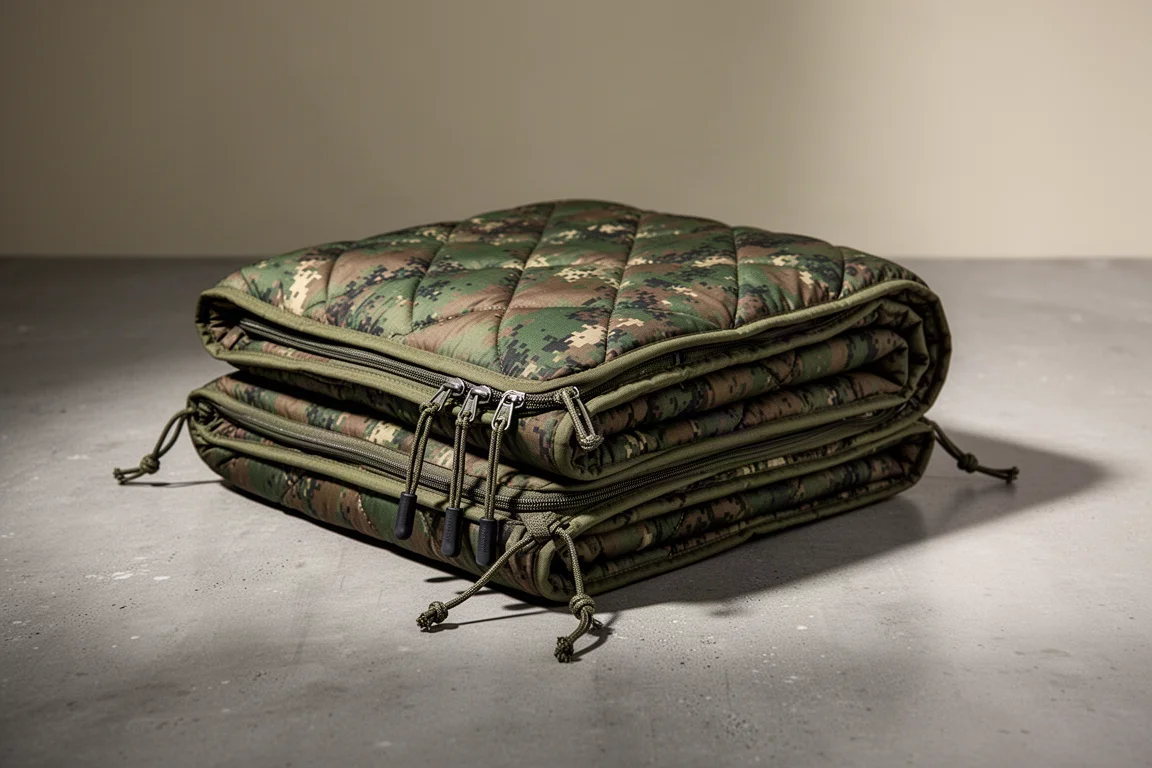
Authentic liners share a small set of traits that are worth memorising before you shop. The shell carries a water repellent treatment, so light rain and damp ground are less of a problem. The zippered version uses two-way zippers, which means it can be opened from either end for a quick exit rather than only from the top. The zipper pulls are corded rather than metal. The insulation compresses down well, and the liner packs noticeably smaller than the bulkier synthetic copies. A genuine liner is also sold on its own, without a storage bag, and the camouflage pattern matches real military prints such as digital woodland.
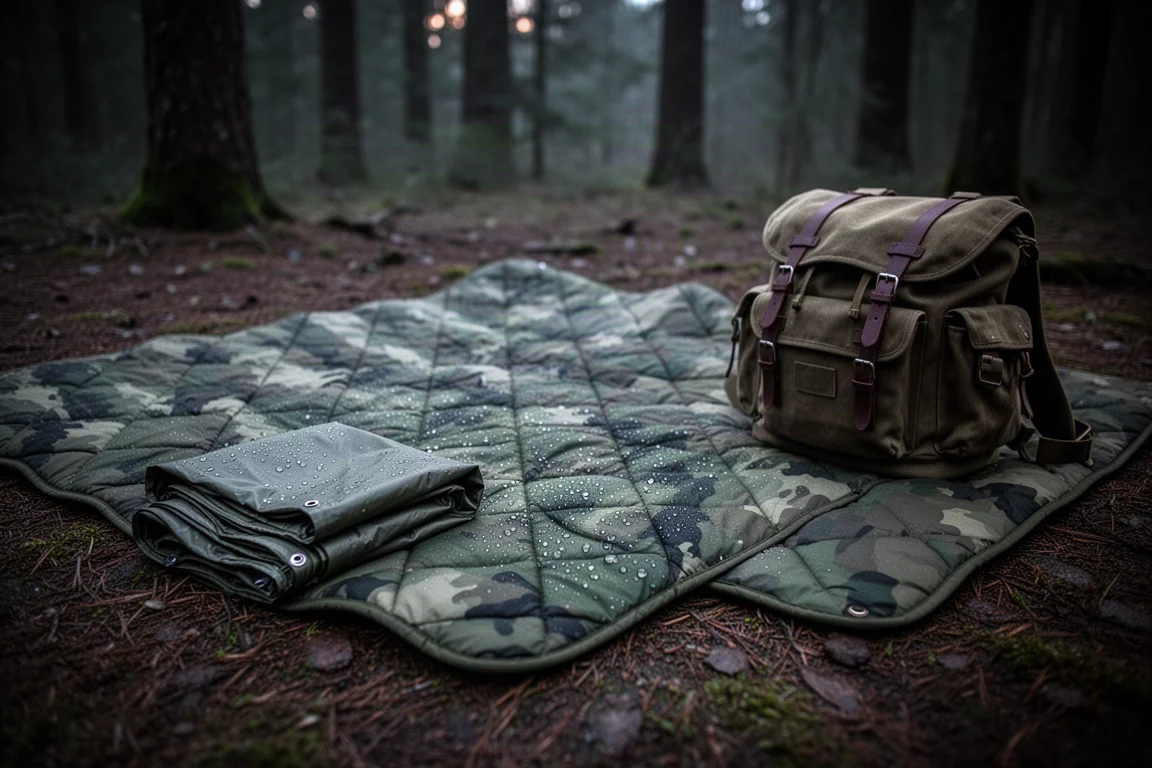
Those details matter more than they look on paper. A liner that compresses small is easier to strap onto a rucksack, and a liner with water repellency stays useful when the weather turns instead of soaking through and staying heavy.
Brooklyn Armed Forces Poncho Liner: Hands-On Impressions
The Brooklyn Armed Forces version arrives in a storage bag that is roughly 18 inches long and 8 to 9 inches wide, which is generous for a liner that already packs large. The bag itself carries a “made in china” marking, and genuine United States military surplus is not made in China. That is the first and simplest signal.
The label is more interesting. It reads “liner wet weather poncho” and includes grammar and punctuation mistakes, along with an NSN number and a UPC barcode. The NSN does not trace back to this brand at all. It resolves to a product made by Winston-Salem Industries for the Blind, the company that produces the real liner for the US military. The UPC tag is equally telling, since barcodes of that kind are used for inventory control on civilian retail products and do not appear on genuine military surplus.
In the hand, the material is the bigger problem. The brand describes it as nylon, but it feels like a low-cost polyester shell with polyester batting inside, and it does not compress the way a military liner does. There is no water repellent treatment on the fabric. Unfolded, it measures 85 inches by 32 inches and weighs a little over two pounds. Folded up, it takes roughly twice the space of the military version and ends up about the size of a small blanket, which is the classic sign of cheap insulation: you need more of it to get the same warmth.
The layout otherwise copies the military design closely. There are poncho tie-off points, so it can be attached under a poncho, and there is a full-length zipper so it can be closed up as a sleeping bag. The differences show in the details. It uses a single zipper rather than a two-way zipper, so it can only be opened from one end. It has a metal tab on the pull. It is not reversible, and the inside is the same colour as the outside. Stitching is uneven, with loose threads and visible mistakes along the seams. The camouflage is a bold woodland print that does not match any military pattern.
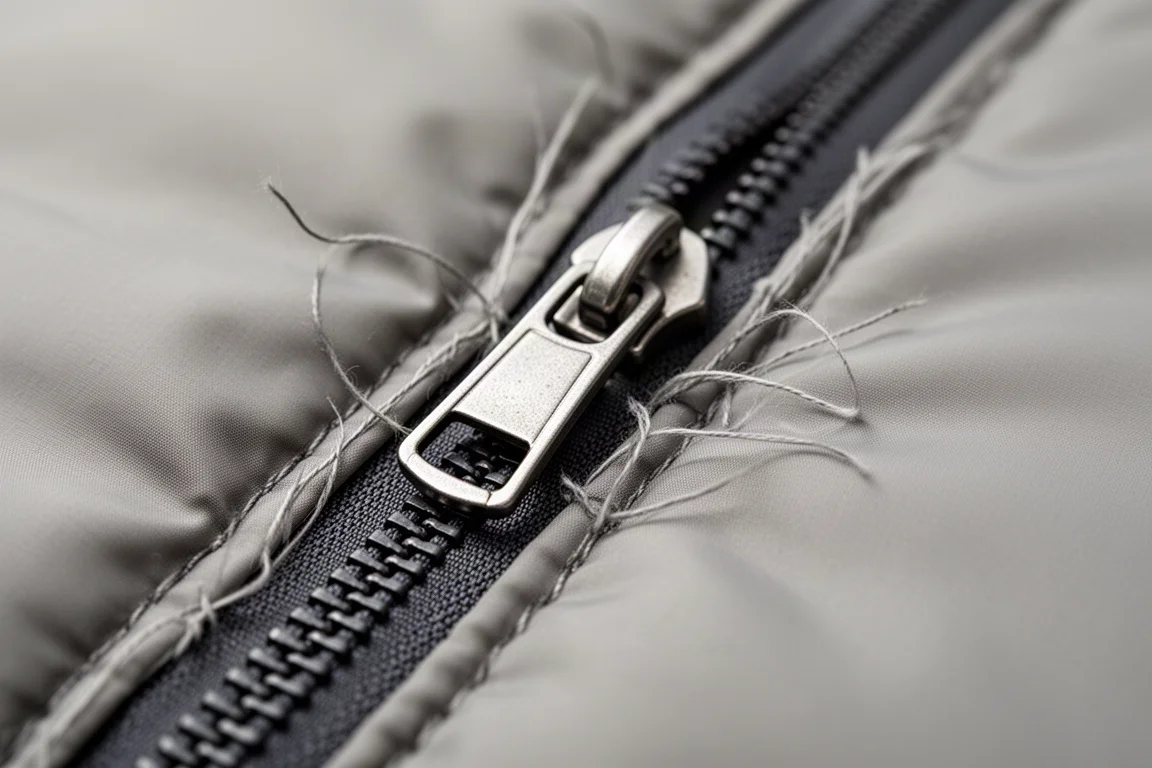
At $60, this is a costly copy. It sits above the price of a brand new standard military liner and well above used surplus, without offering better materials, better compression, or better weather resistance. Nothing about the construction suggests it will hold up to the kind of use a poncho liner is meant to take.
Winston-Salem Industries for the Blind: The Authentic Zippered Liner
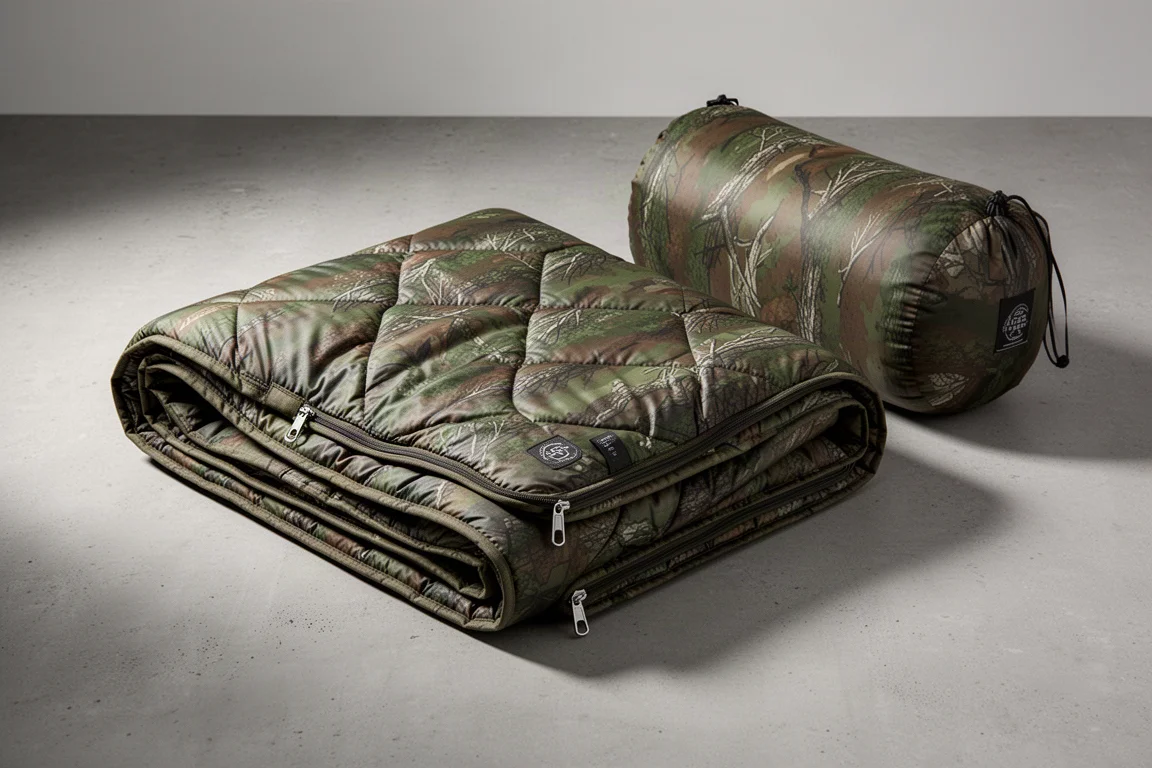
The genuine liner is made by Winston-Salem Industries for the Blind, the manufacturer behind the NSN number that the copy borrows. It is the real article: water repellent shell, insulation that compresses properly, and a digital woodland camouflage pattern that looks the part rather than approximating it.
The zippered version is the one worth knowing about. Its two-way zippers open from both ends for a quick exit, and the pulls are corded rather than metal. It does not ship with a storage bag, which is normal for military issue, and it folds down far smaller than the copy described above. Put the two side by side and the difference in material feel is immediate and obvious.
Price Reality for Surplus, New, and Zippered Liners
Standard poncho liners are one of the better values in surplus gear. Used examples commonly go for around $20, and brand new ones around $40. The zippered version is a newer development and there are not many of them in circulation yet, which pushes prices up. A grade D zippered liner can be found for around $32 if you are willing to do some repairs, while a grade B example has been seen near $100. As more of the zippered liners reach the market, those prices should come down.
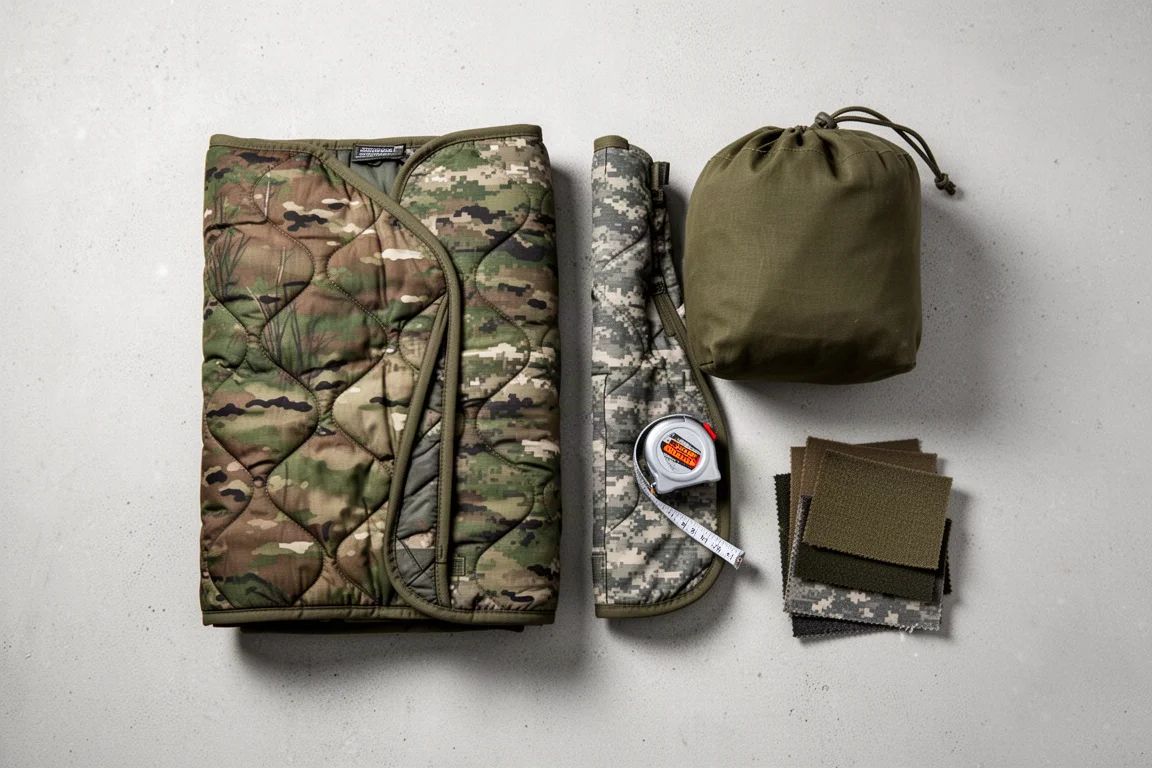
That context makes the $60 copy harder to justify. It costs more than a new standard military liner, lands near the entry point for a genuine zippered liner, and delivers cheaper materials in a bulkier package. The only thing it has going for it is availability.
How to Tell a Knockoff From Genuine Military Surplus
Before buying, ask the seller for a clear photo of the tag. Genuine surplus carries a label, and the manufacturer name is the single most useful thing on it. If the listing does not show the tag, request it.
Watch for three specific signals. A UPC barcode points to a civilian retail product rather than military issue. A storage bag marked as made in China rules out US military surplus. And vague listing language such as “style” or “type” is usually a sign that the seller is describing a look rather than a genuine item. An NSN number on the label is only meaningful if it actually traces back to the manufacturer named on that same label.
Buying Advice: Which Zippered Liner Makes Sense
If you want the zipper feature and the real thing, go with the authentic liner and be patient. Ask for label photos, confirm the manufacturer, and accept that zippered versions are scarce and priced above standard surplus for now. If you simply want a warm, packable layer for occasional use and you do not need the zipper, a standard military liner at roughly $20 used or $40 new is the better purchase by a wide margin.
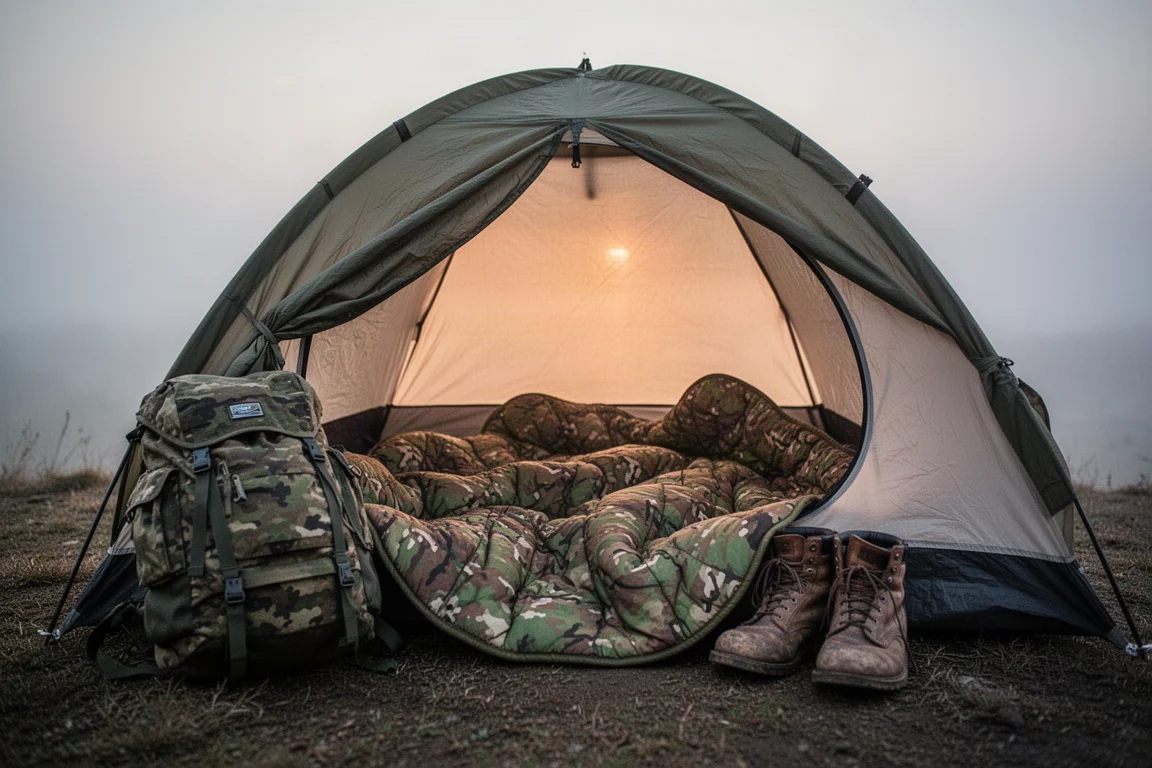
The copy at $60 does not earn its price. The material feels cheap, it packs down to roughly twice the size of the real liner, it lacks water repellency, and the labelling borrows an NSN number that belongs to another company’s product. Readers who want the genuine item should look for the Winston-Salem Industries for the Blind tag and buy from a seller who is willing to show it.
Conclusion
The poncho liner earned its reputation because it is simple, durable, and genuinely useful in wet and cool conditions, and the zippered version improves on that formula in a way that makes sense. The Brooklyn Armed Forces version copies the shape and the zipper without copying the materials, the weather resistance, or the compression, and it does so at a price above a brand new military liner. If the zipper matters to you, buy the authentic liner and verify the tag first. If it does not, a standard surplus liner remains the smarter spend.
Further reading
Related Reviews
Outdoor Gear
Backpacking Gear Evolution: 100 Years of Technology Compared
We tested backpacking gear from 1925, 1975, and 2025 across a three-day hike in Yosemite. Here's how technology has transformed comfort, weight, and the outdoor experience.
Outdoor Gear
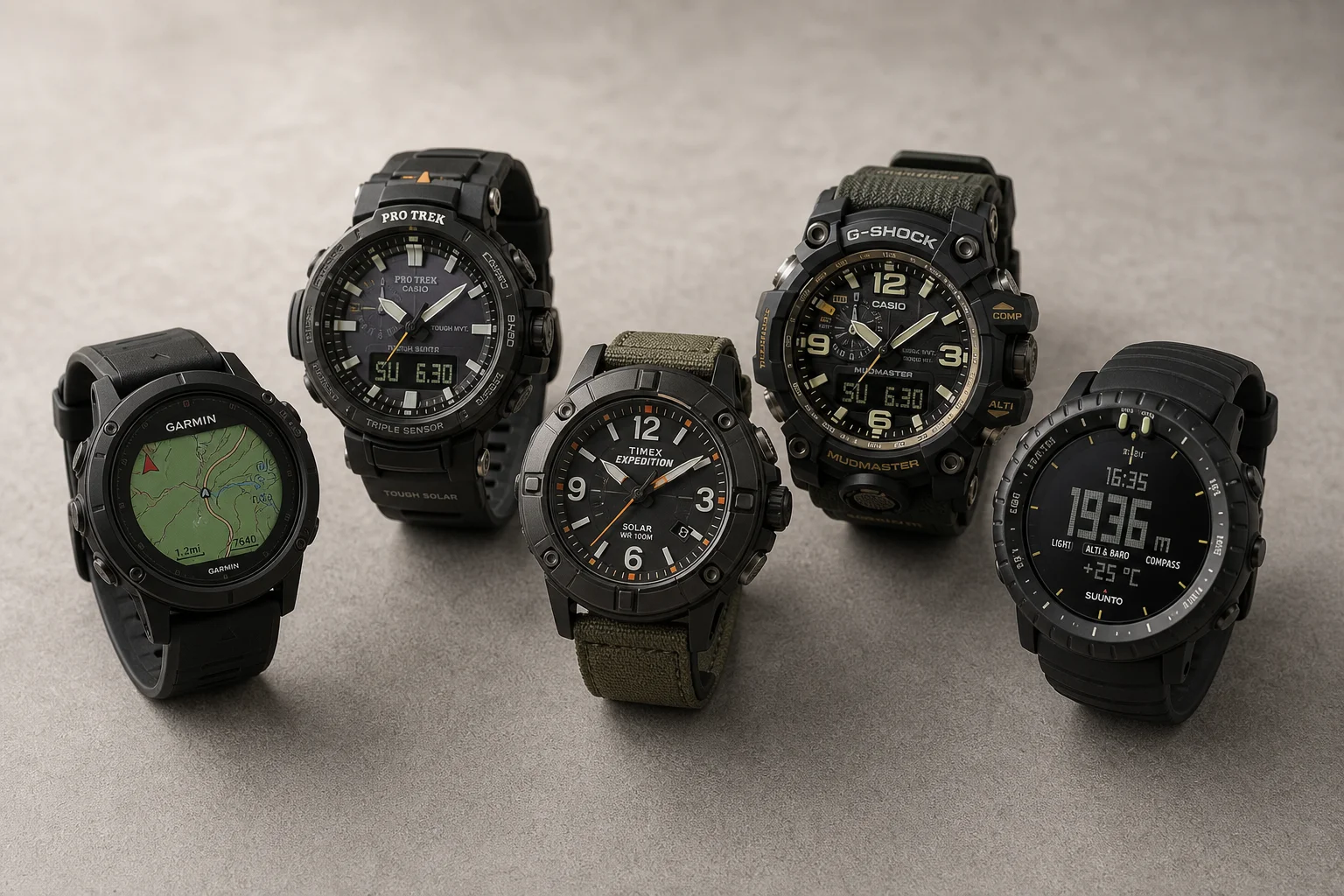
Best Affordable Hiking Watches: Five Rugged Options for Outdoor Adventures
Five durable hiking watches that balance ruggedness, functionality, and value for outdoor enthusiasts who need reliable GPS tracking and weather resistance.
Outdoor Gear
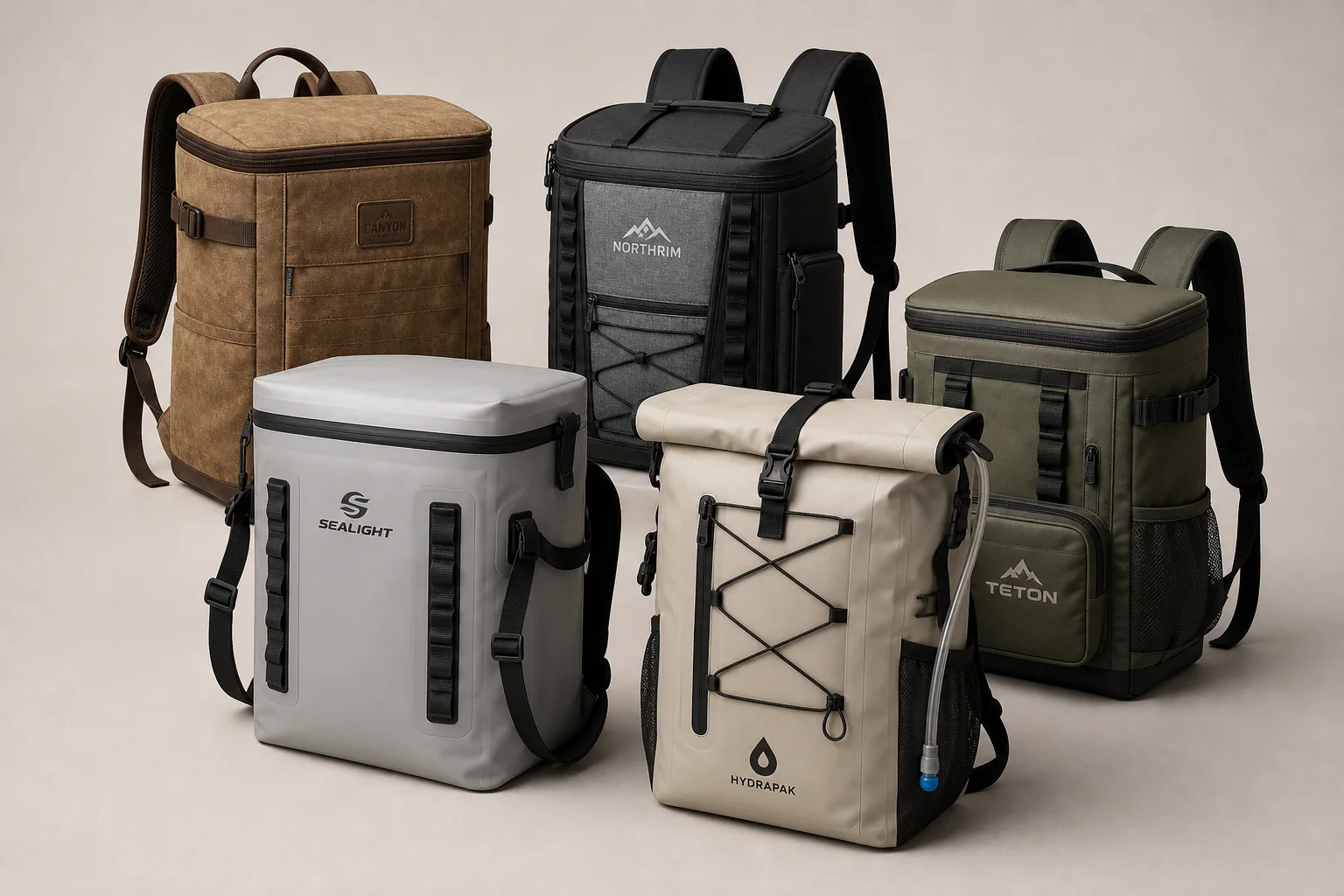
Best Backpack Coolers 2026: Five Practical Options for Outdoor Adventures
Five backpack coolers with distinct cooling capabilities, storage features, and design trade-offs to help you choose the right one for your outdoor needs.