Running Shoes
Four Upcoming Running Shoes Worth Watching: Hoka, Nike, and New Balance
A closer look at four 2024 running shoe releases, from Hoka's race-day experiment to updated daily trainers and super shoes, with honest buying guidance.
Introduction
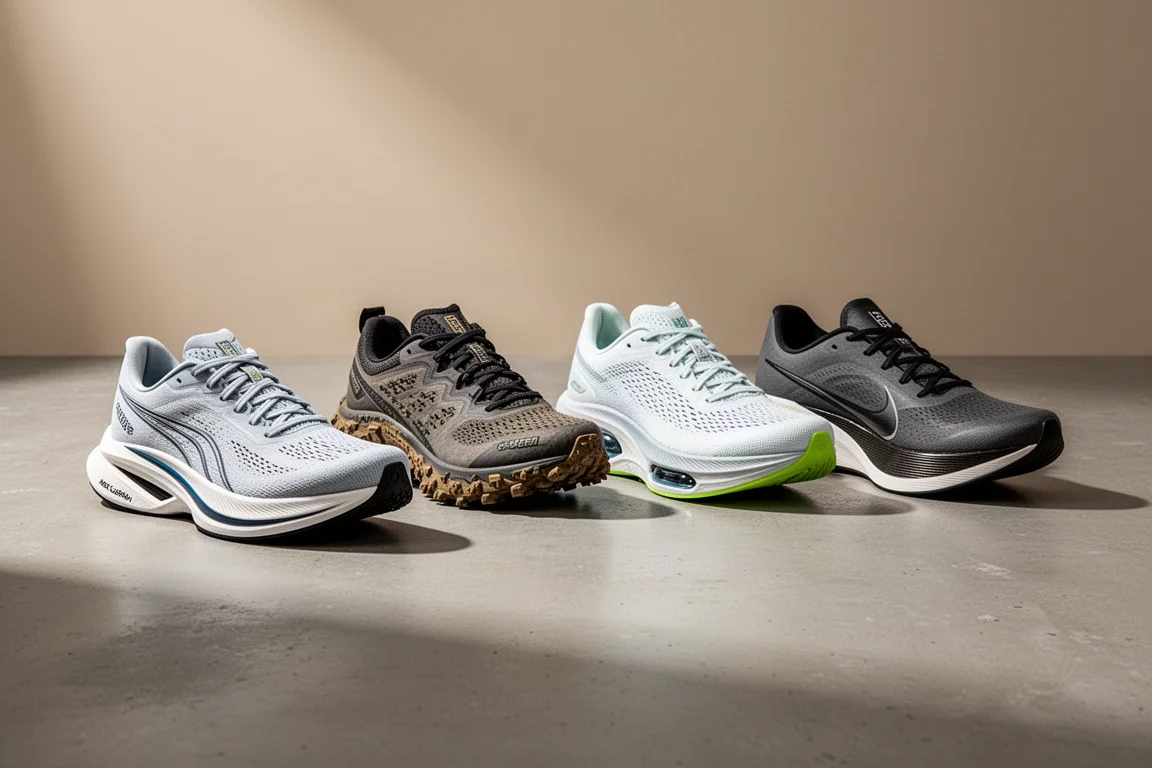
Four 2024 releases keep coming up in running shoe conversations: the Hoka Cielo X1, the Nike Zegama 2, the Nike Pegasus 41, and the New Balance FuelCell SC Elite v4. Each targets a very different runner, and each comes with trade-offs that deserve a closer look before you commit to a pre-order. Here is how they stack up.
Hoka Cielo X1
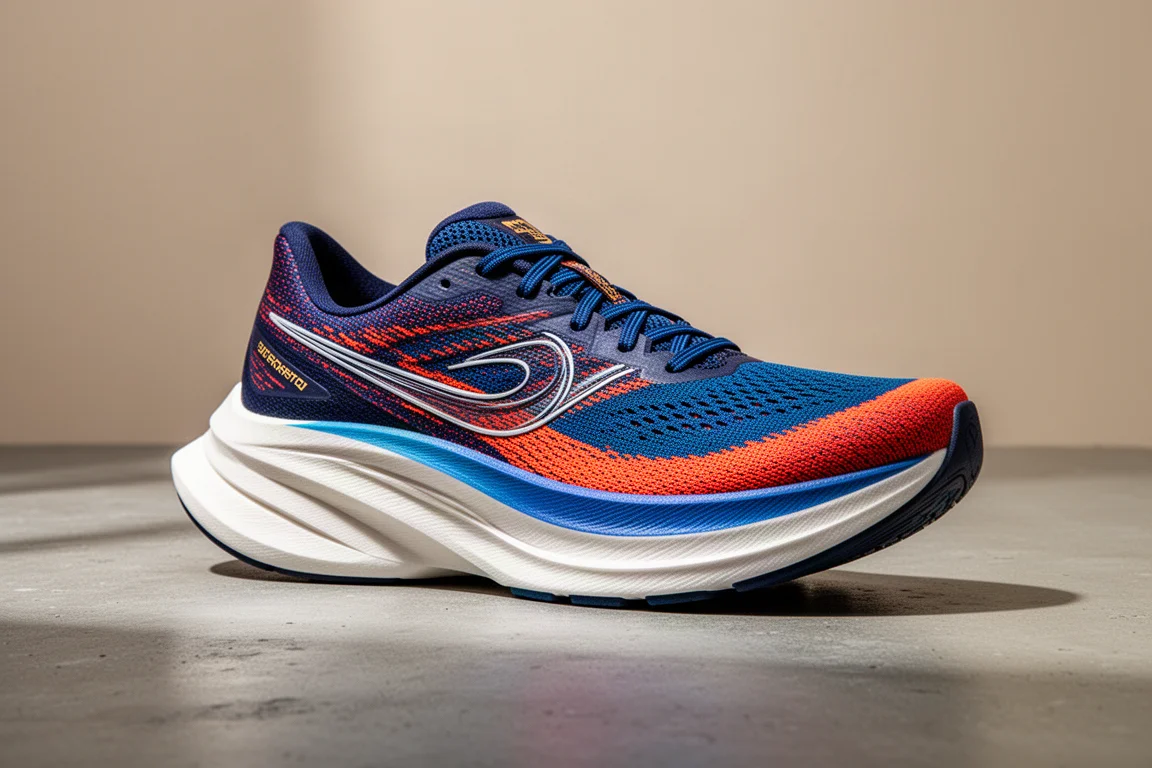
The Cielo X1 reads like Hoka blending several of its own ideas into one shoe: the low-stack responsiveness of the Cielo road model, a middle-ground sensibility from the Mach X, and a dose of the Rocket X formula. The result is a design that draws comparisons to the Mizuno Wave Rebellion Pro, with an oversized heel bevel and generous midsole cutouts that point to serious weight reduction.
Look closer and the foam creeps up around the back of the foot and along the lateral toe box rather than sitting entirely underfoot. With a 40 mm sample-size stack, it should remain race legal, and reports suggest it uses the same squashy, compressive foam found in the Rocket X 2, with a split midsole reminiscent of the Puma Fast-R and Adidas Tempo Next%.

The sticking point is the reported $300 price. Given that some recent Hoka uppers have underwhelmed, this one demands more information before it earns a spot in a rotation. It is a fascinating-looking shoe, but at that price it needs to hit every mark.
Nike Zegama 2
The Zegama 2 is firmly aimed at ultra runners covering big miles at moderate paces. Nike retains the CR2 carrier foam wrapped around very soft ZoomX, and the last is reportedly altered to accommodate the foot better over long distances.
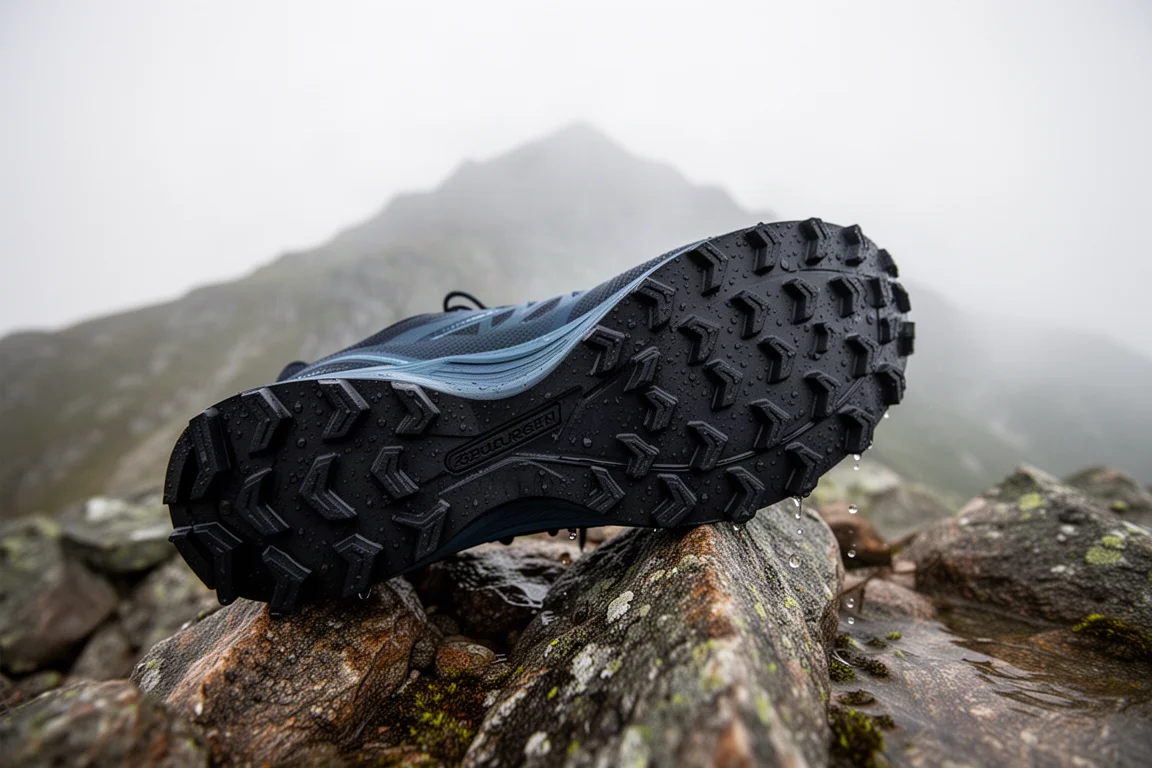
Traction was the first version’s biggest weakness, so the partnership with Vibram for Megagrip rubber outsole coverage is a genuinely meaningful upgrade. The reported 320 g weight for a US men’s 10 and 36 mm heel stack in the sample size still make it a hefty shoe, though, and the colorways are divisive at best. This remains a shoe for a very specific type of trail runner.
Nike Pegasus 41
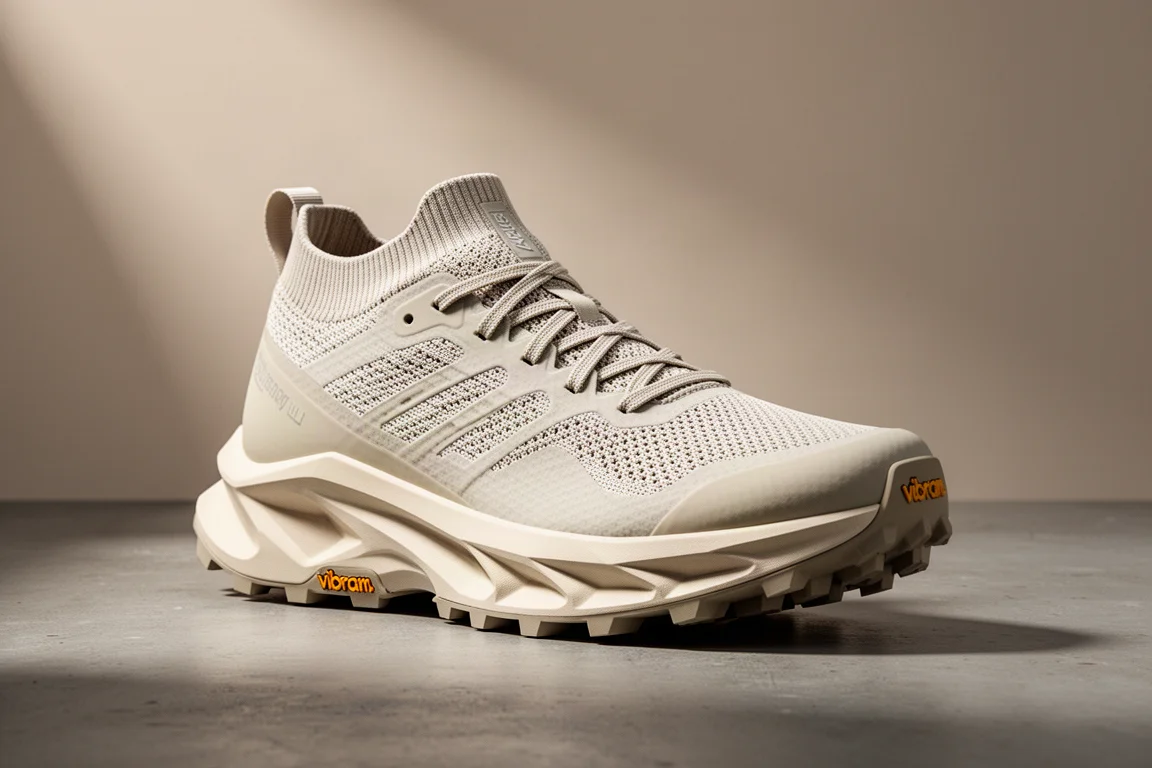
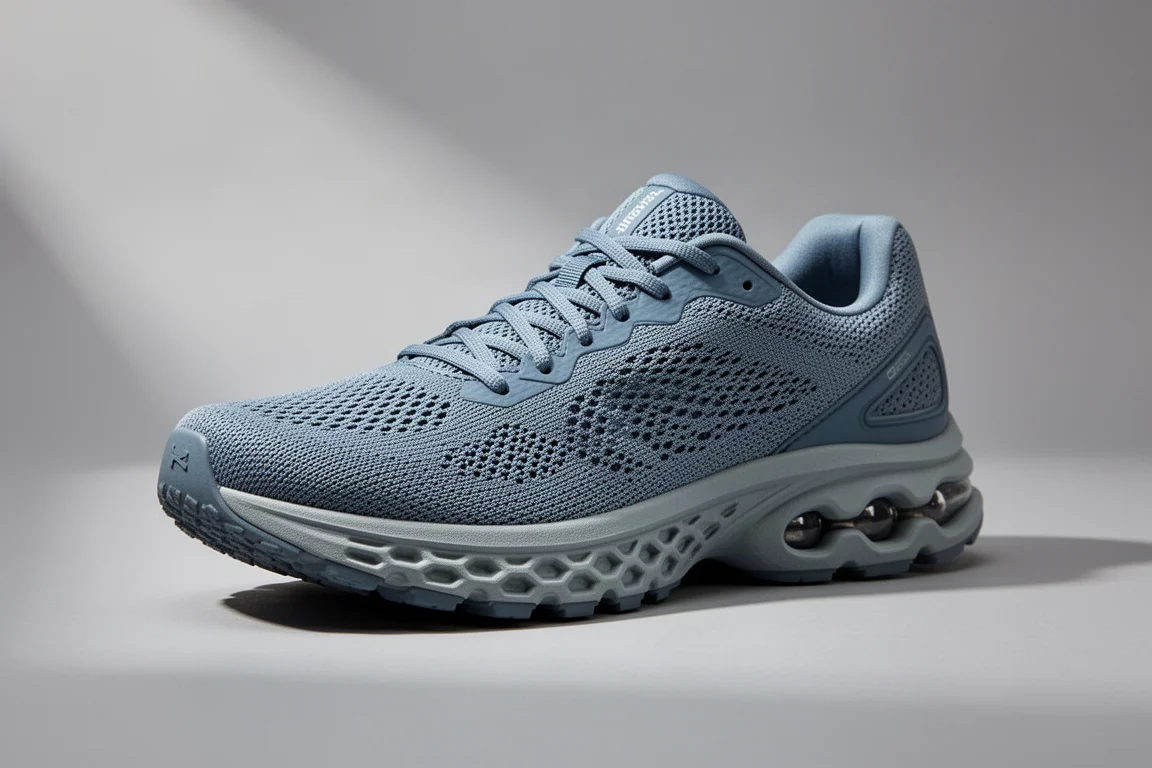
The Pegasus 41 brings the most significant change to Nike’s most popular daily trainer in years: the new ReactX foam. The React foam in previous versions was long lasting but uninspiring and a touch firm, so a lighter ReactX midsole with an expected heel stack increase of around 4 mm over the Pegasus 40’s 24 mm sample-size measurement should bring it closer to rivals like the Puma Velocity Nitro 3 and Saucony Ride 17.
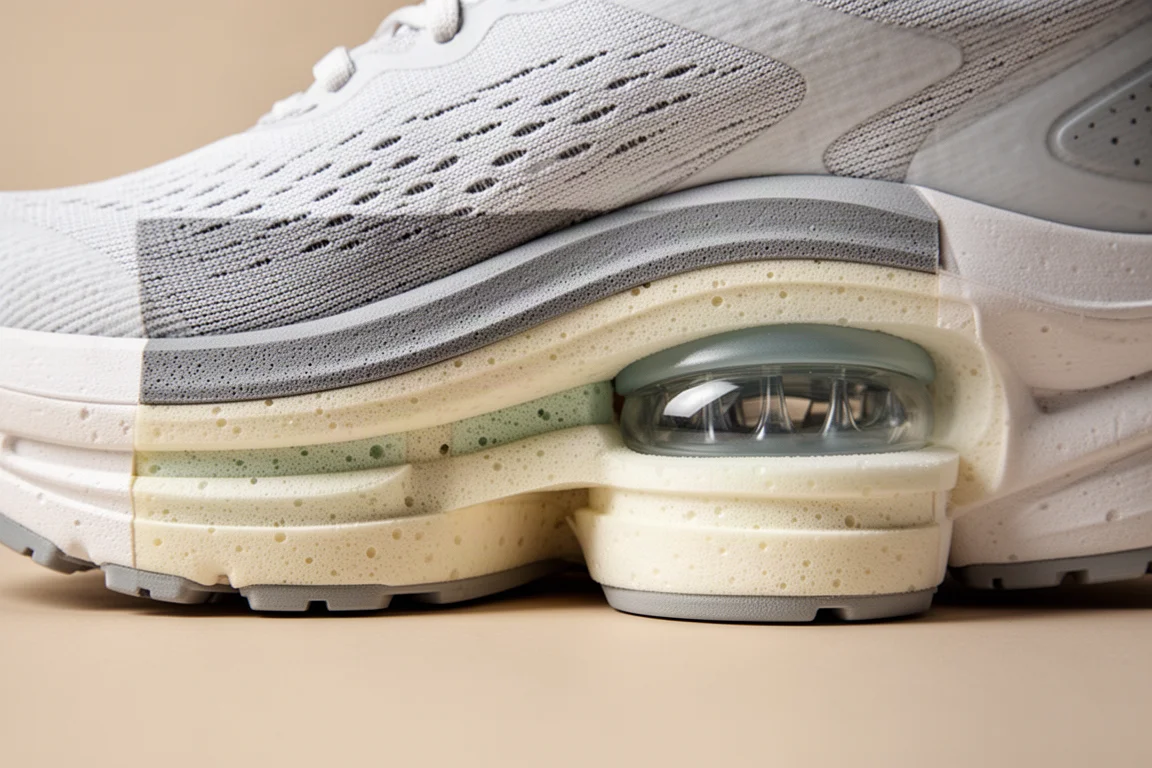
The reports also indicate the four-point heel Air unit remains in the midsole, which should help durability and prevent the shoe from bottoming out the way some foam-only midsoles do. With an expected April 2024 release, there is just enough here to make it worth a proper look. One oddity: the large amount of foam spilling out past the heel of the midsole, a Nike habit that offers little real advantage.
New Balance FuelCell SC Elite v4
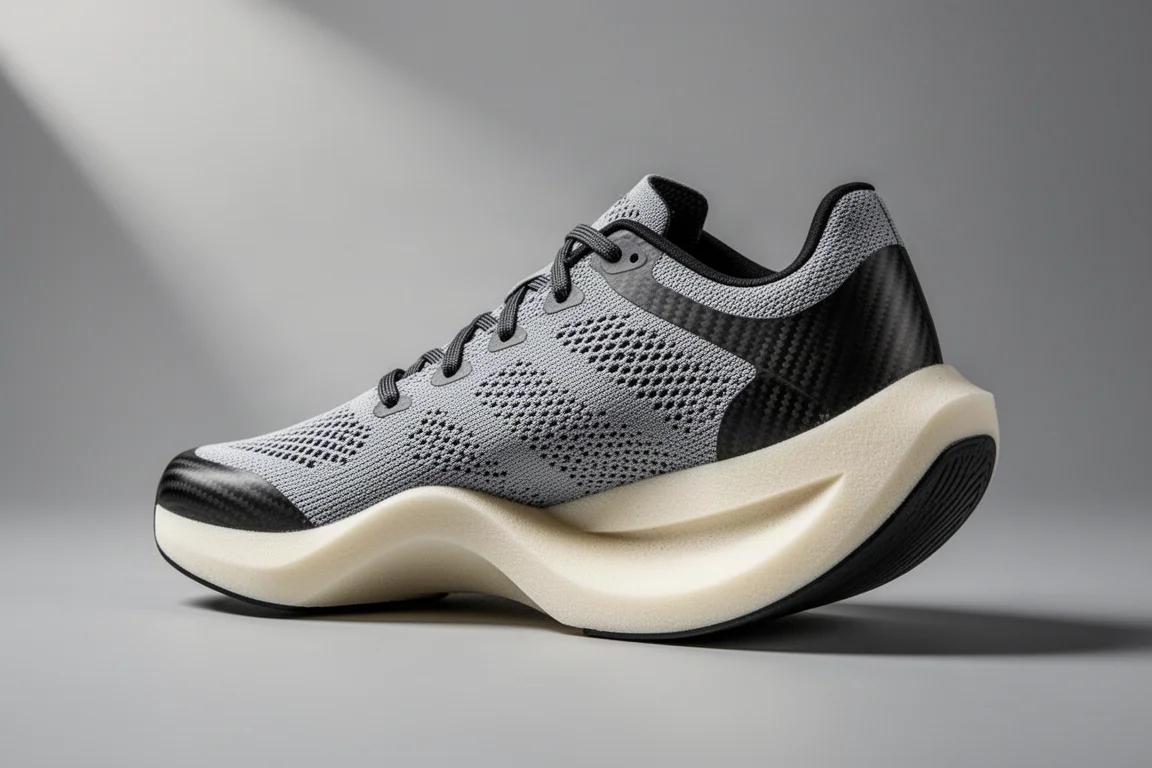
The SC Elite v4 arrives at a steep reported price of £260 while weighing 237 g (8.4 oz) in the sample size, which puts it among the heavier super shoes of its generation, in the same territory as a Vaporfly 3. It packs plenty of Pebax-based foam, a significant forefoot rocker, and midsole carving to trim weight, plus a new outsole pattern after mixed results on previous versions.
The upper gains extra eyelets compared to earlier SC Elite versions, which should welcome runners who struggled with lockdown in the past. The real question is value: with discounted Vaporfly 3 pairs available for considerably less, the aggressive pricing makes this a hard sell despite the soft midsole and striking Cyberpunk-inspired looks. Runners after a New Balance option this year may find better value in the SC Pacer v2 or the extra stack in the Rebel v4.
Overall Buying Advice
Match the shoe to the job. The Pegasus 41 is the sensible everyday pick with meaningful foam updates. The Zegama 2 makes sense for ultra-focused trail runners who value the new Vibram Megagrip traction and can live with the weight. The Cielo X1 is the intriguing high-risk, high-reward race option, but at a reported $300 it warrants patience until hands-on details land. The SC Elite v4 is the toughest call of the four, mainly on price versus weight in a crowded super shoe market.

If your budget only stretches to one pair this season, the Pegasus 41 is the safest bet; the race-day options reward waiting for more real-world feedback before spending.
Conclusion
Each of these four shoes knows exactly who it is for: max-cushion racers, ultra trail runners, daily milers, and super shoe enthusiasts. The strongest value case currently sits with the Pegasus 41, while the Cielo X1 and SC Elite v4 both ask for a premium that only a hands-on test can fully justify. Choose based on how you actually run, not just on the spec sheet.
Further reading
Related Reviews

Running Shoes
Best Road-to-Trail Running Shoes: Three Versatile Options for Mixed Terrain
A practical guide to three road-to-trail running shoes that handle both pavement and mild trails, with clear strengths and trade-offs for different runner types.

Running Shoes
Best Running Shoes for Achilles Tendonitis: Three Options Explained
Three running shoes with different heel drops and support features designed to help reduce Achilles tendon pain during walking and running.

Running Shoes
Best Running Shoes for Women: Five Top Choices Ranked
A ranked guide to five women's running shoes, from versatile daily trainers to high-performance racing options, with real strengths and trade-offs for each.