Running Shoes
Upcoming Running Shoes 2024: Eight Releases Worth Watching
A forward-looking preview of eight expected running shoe releases, based on what previous versions got right and what we would like to see improved.
Introduction
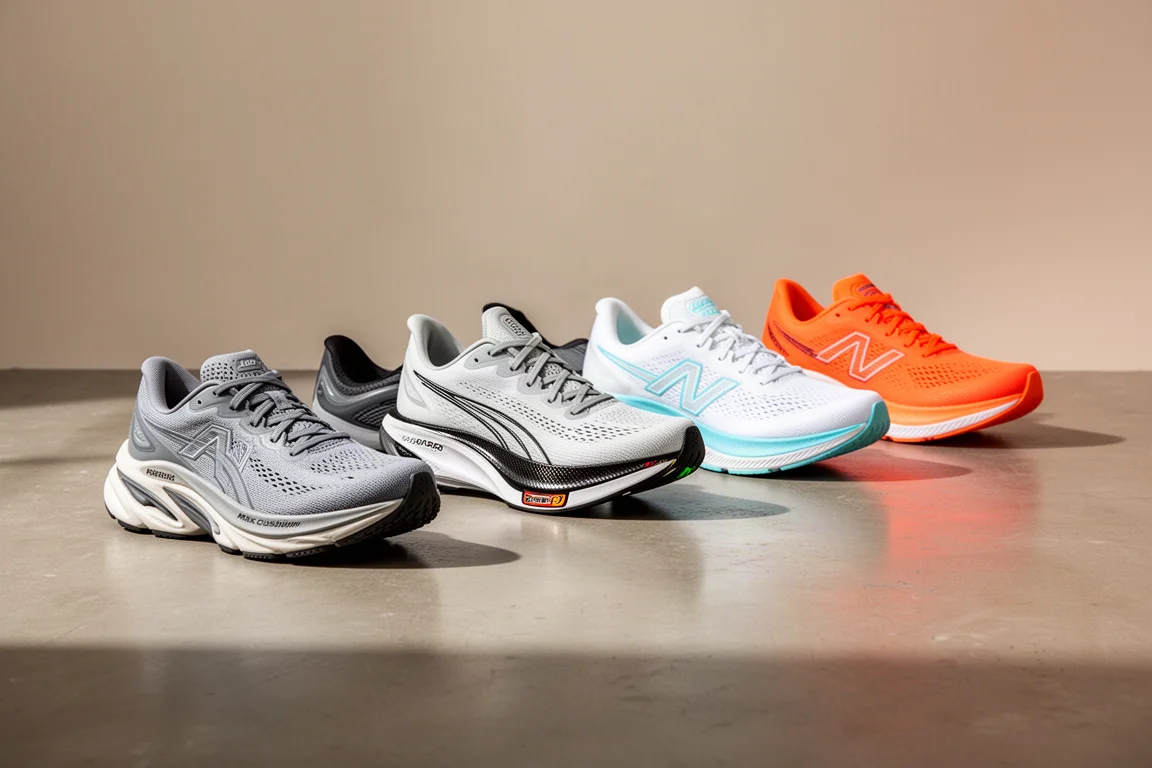
Some of the most interesting running shoes of 2024 are the ones that have not officially landed yet. This preview pulls together eight models that are either confirmed or widely expected to appear over the coming months, and looks at what each previous version delivered, where it fell short, and what a successful update would need to change.
An important caveat up front: nothing in this article comes from official spec sheets. Every expectation here is built on the existing shoes, how their categories have evolved, and what runners have consistently asked for from each line. Treat this as a wish list with reasoning, not a rumour sheet.
Why These Releases Matter
Halfway through any running shoe year, the market splits into two groups: shoes that refined a formula and shoes that attempted a rethink. The eight models below span both sides of that split, from iconic stability trainers to max-cushion daily shoes and super trainers with identity questions. Judging each by its prior version is the most honest way to decide which ones are worth waiting for and which might be better bought at a discount right now.
Asics Gel-Kayano 31
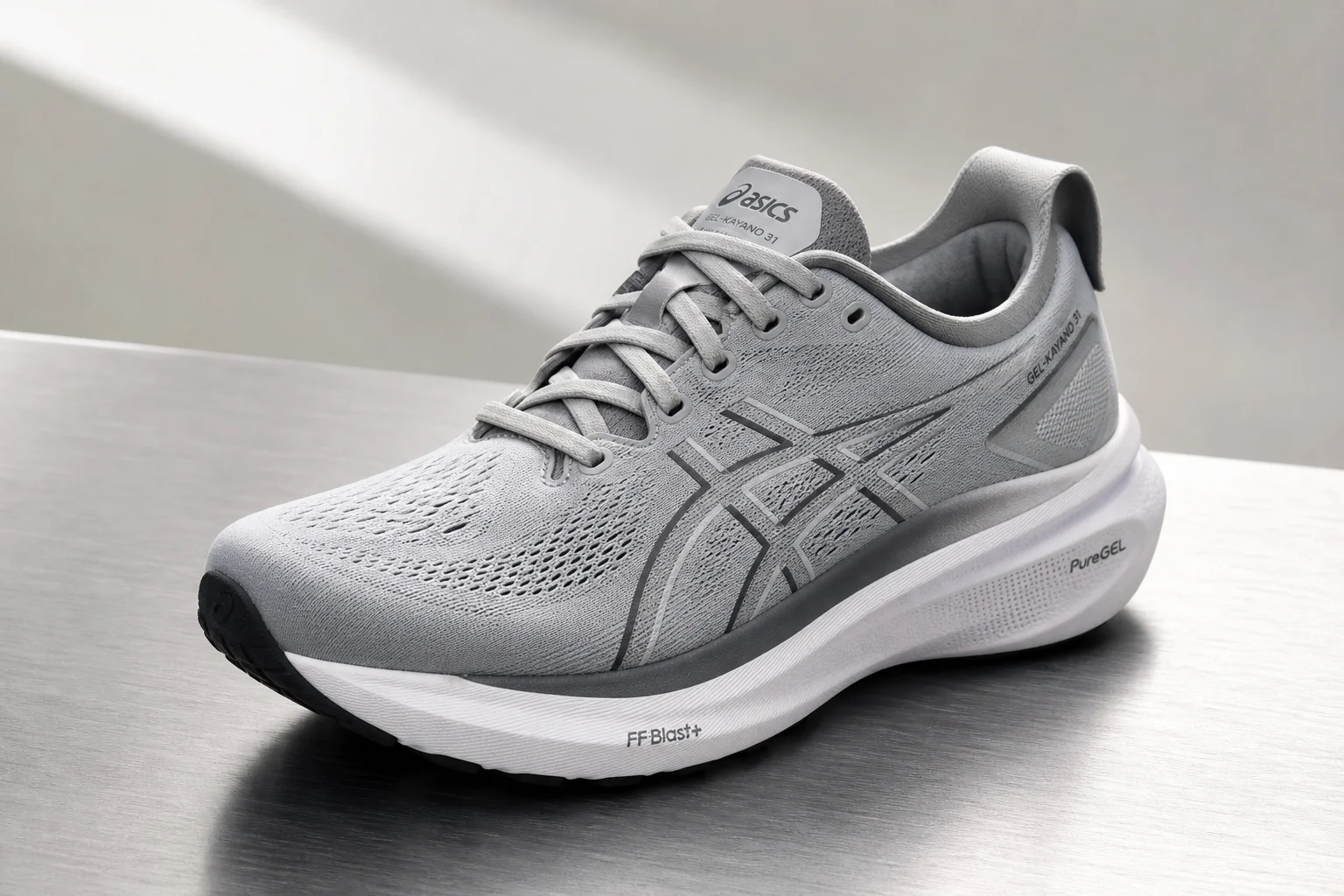
The Kayano 30 was a genuine pivot for Asics. After years as the definitive full-support shoe with a thick, unmistakable medial post, the Kayano 30 softened its approach, delivering stability in a subtler way that even neutral runners found easy to run in. That shift has influenced how other brands now think about support shoes.
For the Gel-Kayano 31, a dramatic overhaul seems unlikely. The more probable path is a modest foam tweak, similar to how the Gel-Nimbus 25 and 26 evolved, while refining how structure and support are delivered from different areas of the shoe. That is arguably the right call: the 30 already proved the concept works, and the update just needs to sharpen it.
Hoka Rocket X3
The Rocket X2 has been a divisive super shoe, but it has a distinct character: light, punchy, direct, and reliant on a strong rocker geometry. Runners who like to feel some ground contact tend to love it, particularly at half marathon distances. Others wish it had the bigger, bouncier trampoline feel of its rivals.
The challenge for the Rocket X3 is whether Hoka chases that bouncier trend or stays true to the shoe’s sharper, more old-school super shoe personality. Given how adventurous Hoka has become with its midsoles in recent releases, more foam and more bounce would be the logical move, but the shoe’s fans hope it keeps its direct, energetic edge.
New Balance SuperComp Trainer v3
The SuperComp Trainer v2 was a comfortable shoe that struggled to find its purpose. It sat awkwardly between categories: not the first pick for easy days, not responsive enough for faster sessions. It improved on the bulky original, but it never became the versatile super trainer it appeared designed to be.
The clearest improvement for the v3 would be a better balance of weight and versatility, closer in spirit to something like the SuperBlast. If New Balance could combine the easy-going comfort of the 1080 v13 with the pick-up-the-pace ability of the Rebel v4, the result would be close to the ideal super trainer. That is exactly the gap the v3 should aim to fill.
Nike Pegasus Turbo 4
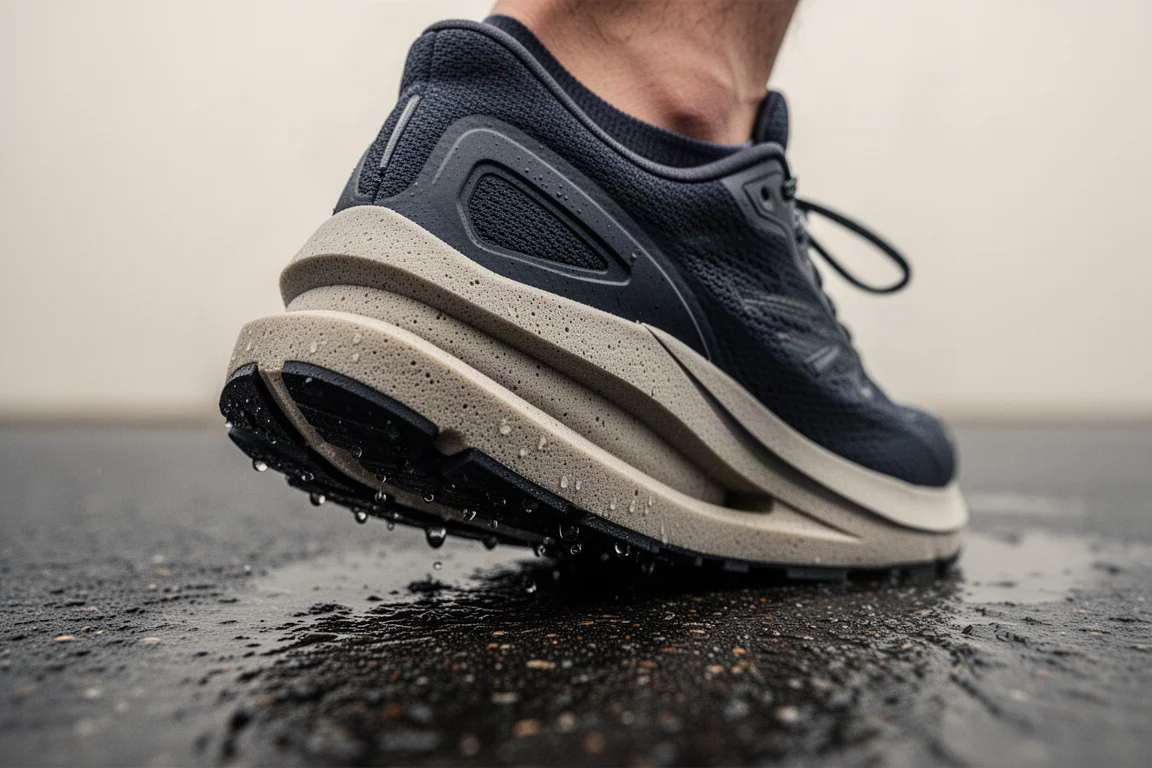
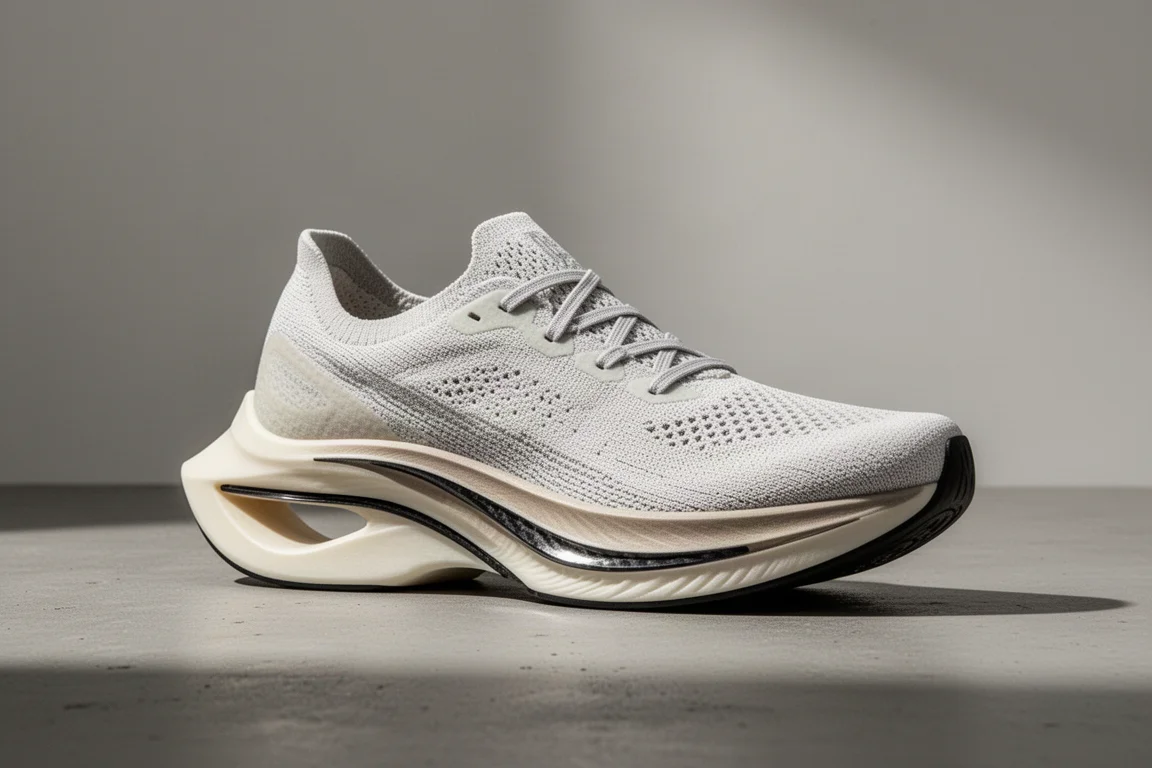
The Pegasus Turbo line occupies a special place in running shoe history. The original Turbo and Turbo 2 were wonderfully versatile: light, snappy, comfortable across a huge range of paces, and effortless over big mileage. Many runners still wonder why Nike retired the line at all.
A Turbo 4 revival faces a real challenge. The original Turbo 2, retested recently against modern tempo shoes, simply does not hold up. Any comeback would need the latest ZoomX progression, and possibly a plate, to compete with today’s uptempo trainers. The geometry and platform of the old shoe are worth preserving; the foam underneath them is not. The risk is equally clear: bring back a beloved shoe and fall short of the memory, and disappointment follows, as the Turbo Next Nature showed.
Asics Magic Speed 4
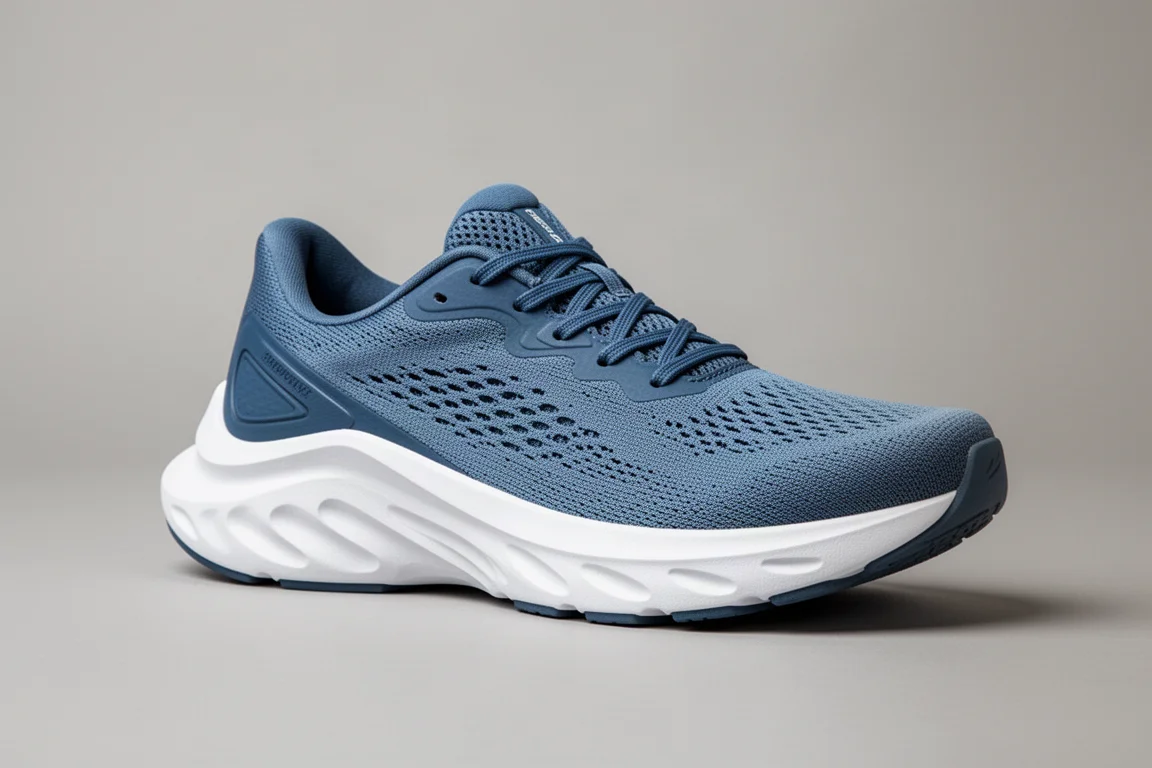
The Magic Speed line has steadily improved with each generation, and the Magic Speed 3 finally earned its place as a speedy daily trainer that pairs well with Asics’ top-tier racing shoes. It is a quick shoe, though perhaps still a step behind the versatility of the best uptempo trainers in the category.
The Magic Speed 4 has strong foundations to build on. Asics has shown, with the Metaspeed Sky Paris and the surprise-hit SuperBlast, that it knows how to make fast shoes feel special. Keeping the Magic Speed’s competitive price point, sitting alongside shoes like the Rebel v4, would make a refined v4 one of the best-value uptempo trainers to watch for.

Nike Invincible 4
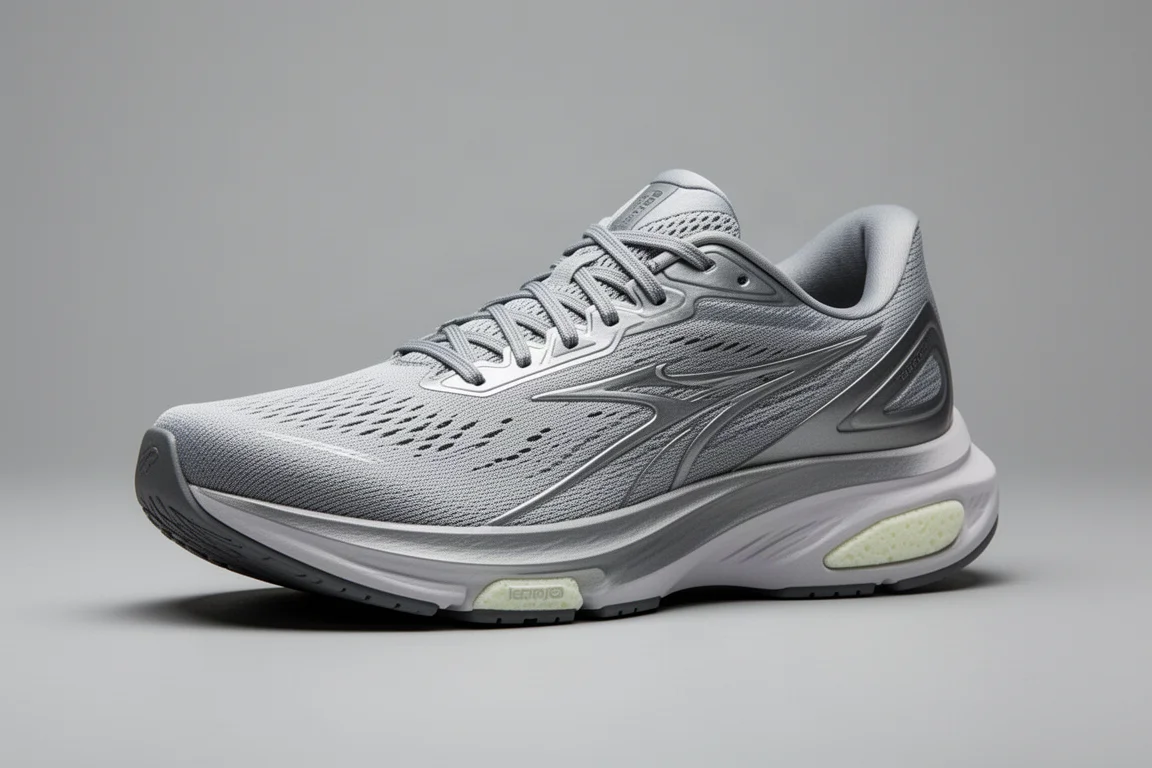
The Invincible 3 inspires fierce loyalty from a devoted group of runners who consider it one of their favourite shoes ever, while others find its wide, almost hexagonal platform clunky and disruptive to their natural gait. That split is the shoe’s core problem: the things critics want fixed are often the things fans love.
Over its versions, the Invincible has developed something of an identity crisis. It started as an uncomplicated, absurdly soft and bouncy easy-day shoe, then gained stability elements that diluted the original purpose. The Invincible 4 arguably needs to pick a lane: either strip back to maximum softness and fun, or become a genuinely versatile daily trainer. With one of the best foams in the business at its disposal, Nike has the tools to make that call work either way.
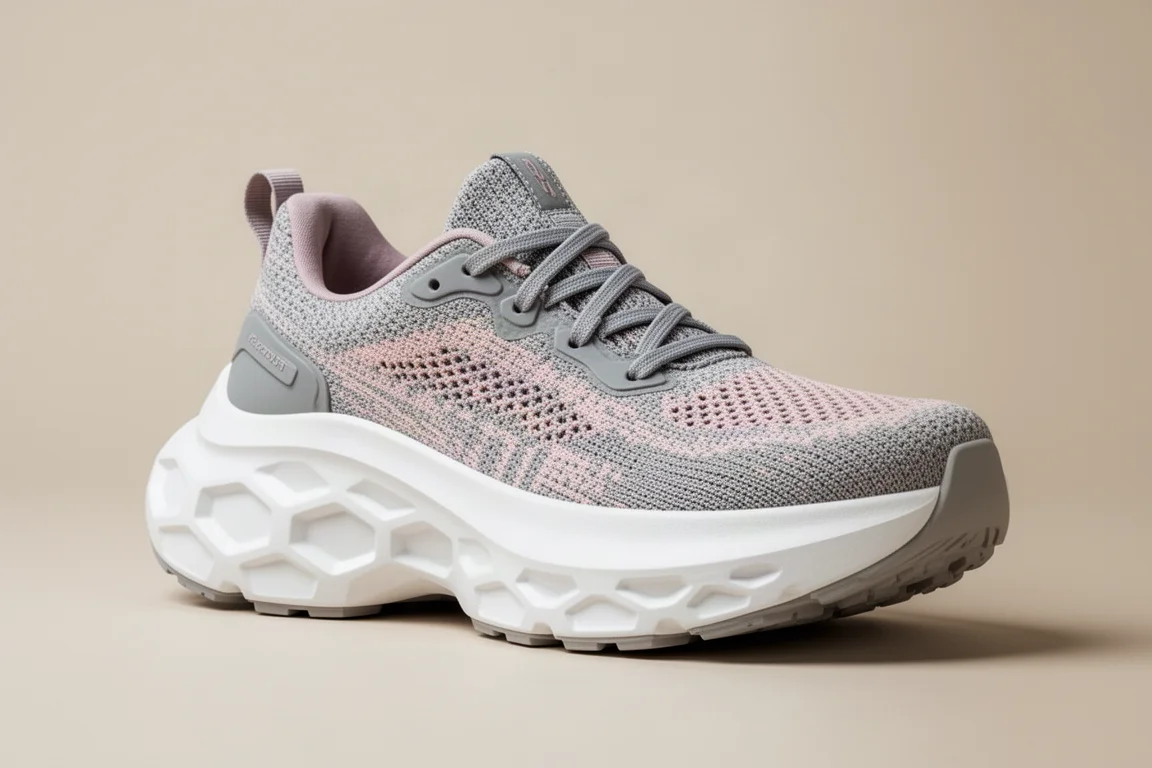
New Balance More v5
The More v3 and v4 are quietly two of the most likeable max-stack shoes of recent years. Fresh Foam X, the same compound that felt firm and unremarkable in the 1080 v11 and v12, behaves completely differently here: with so much more of it underfoot, it reads softer and genuinely comfortable, making the More a dependable, cushioned daily companion.
The concern for the More v5 is change for change’s sake. If it adopts a significantly softer foam formulation aimed at max-stack softness, it could lose the balanced feel that made v3 and v4 work so well. The best-case scenario is an evolution, not a reinvention: same character, slightly refined. That said, there are indications this update may be more interesting than expected.

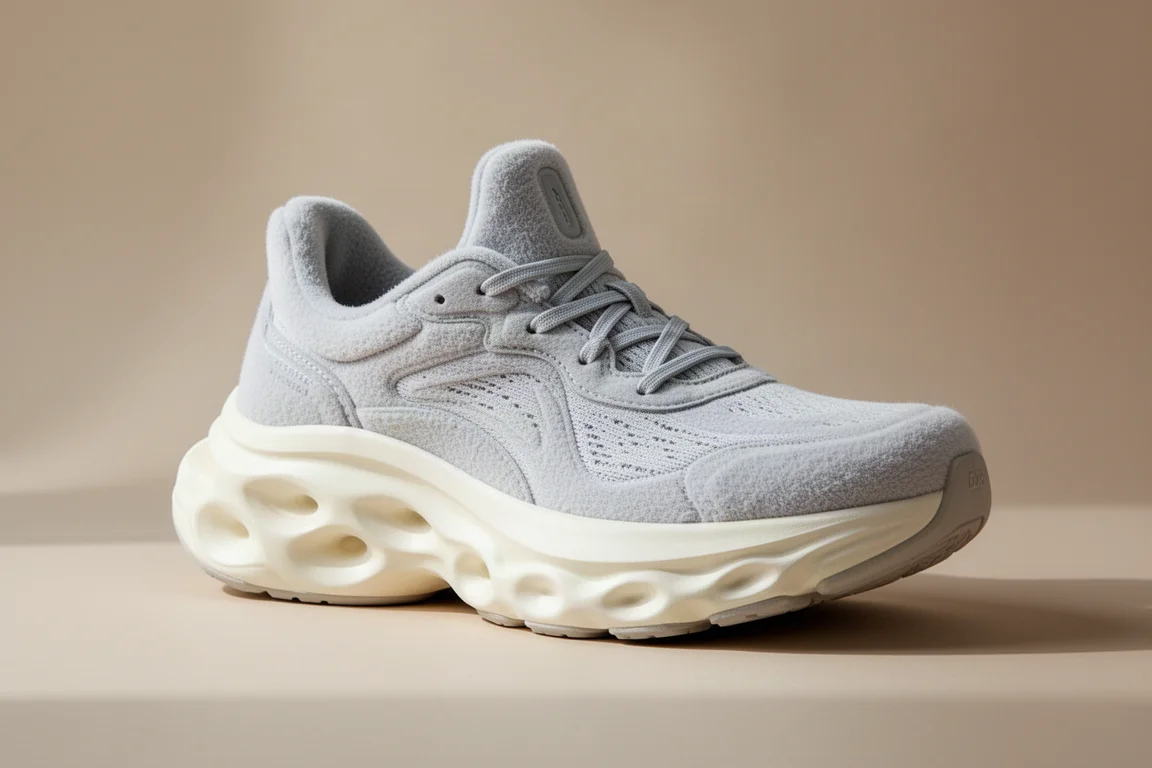
Kiprun Kvara Pro 2
The Kvara Pro remains one of the more confusing shoes of recent memory: a max-stack super trainer that did not clearly excel as a super trainer. Testers found it overly soft at easy paces and heavy and sluggish in track sessions, and one runner who used it for a middle stretch of a 100-mile race wished they had chosen something else.
A Kvara Pro 2 is arguably the release on this list most due a fundamental rethink. The category clearly works when executed well, as shoes like the Prime X2 demonstrate, so there is real room for a lighter, lower-stack, more versatile version that can genuinely partner a race-day shoe. Without significant changes, though, it risks repeating the same identity problem.
Overall Buying Advice
Not every shoe on this list deserves the same patience. The Gel-Kayano 31 and More v5 are refinements of already-successful formulas, so waiting makes sense if you liked their predecessors. The SuperComp Trainer v3, Invincible 4, and Kvara Pro 2 are all attempting to fix something broken, which makes them higher-risk, higher-reward waits. And the Pegasus Turbo 4, if it arrives as a true revival, could be the most exciting release here, provided it meets the elevated standards of modern foam.
If you need a shoe now, remember that many previous versions are likely to see price cuts as updates approach, which can be the smartest way to buy into a proven formula.
Conclusion
The coming months look promising across almost every running shoe category: subtler stability, sharper super trainers, a possible legendary comeback, and several brands trying to fix shoes that lost their way. None of these details are confirmed, so expectations should stay flexible, but each of these eight models has a clear story to prove or disprove once they finally hit the road.
Further reading
Related Reviews

Running Shoes
Best Road-to-Trail Running Shoes: Three Versatile Options for Mixed Terrain
A practical guide to three road-to-trail running shoes that handle both pavement and mild trails, with clear strengths and trade-offs for different runner types.

Running Shoes
Best Running Shoes for Achilles Tendonitis: Three Options Explained
Three running shoes with different heel drops and support features designed to help reduce Achilles tendon pain during walking and running.

Running Shoes
Best Running Shoes for Women: Five Top Choices Ranked
A ranked guide to five women's running shoes, from versatile daily trainers to high-performance racing options, with real strengths and trade-offs for each.