Snowboard Bindings
Union Source Pro and Source FC: A Disc-Less Snowboard Binding Worth the Hype?
Union's new Source bindings drop the mounting disc entirely, promising the fastest board connection yet. We compare the Pro and forged carbon FC.
Introduction
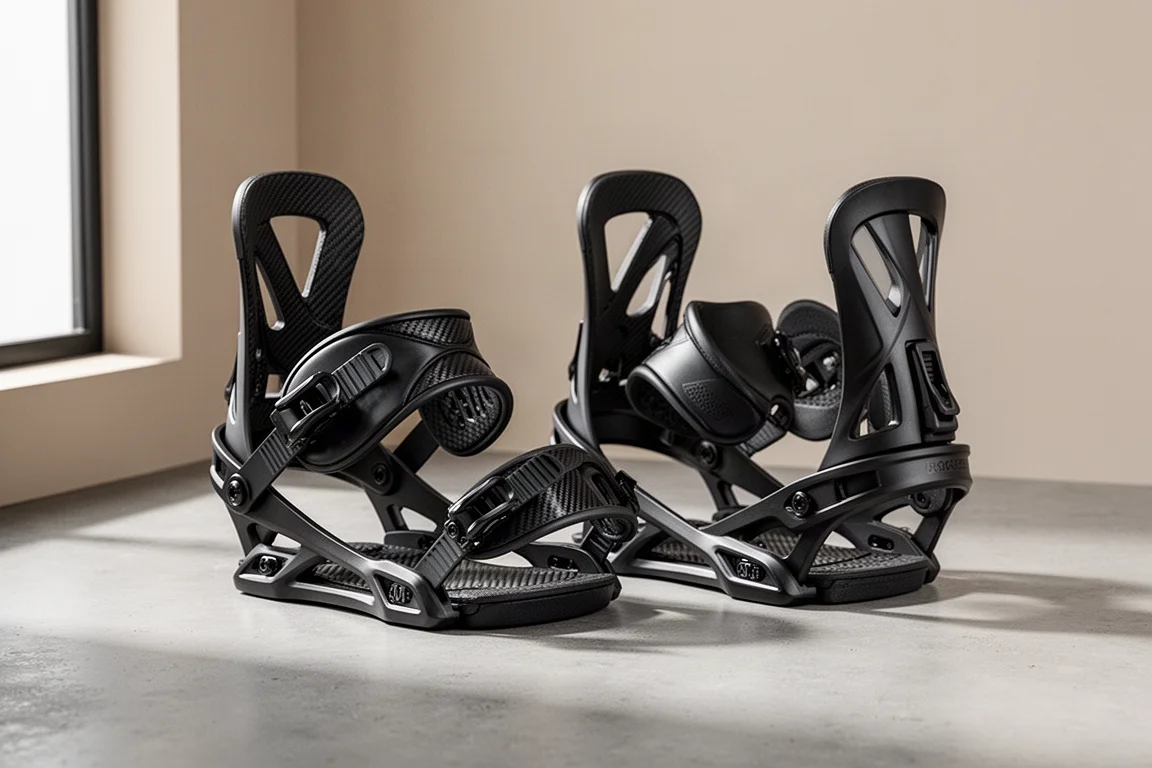
Snowboard gear keeps evolving, and it is not always easy to tell which new technology actually matters. Union just stepped into that conversation with the Source, a completely new binding developed under Union Lab, the brand’s program for experimental first releases. Having spent time on these bindings since spring, there is a lot to unpack here: a disc-less base plate design, two distinct models, and pricing that pushes into new territory. This guide breaks down both the Source Pro and the Source FC so you can decide whether either one belongs on your board.
First Impressions and Packaging
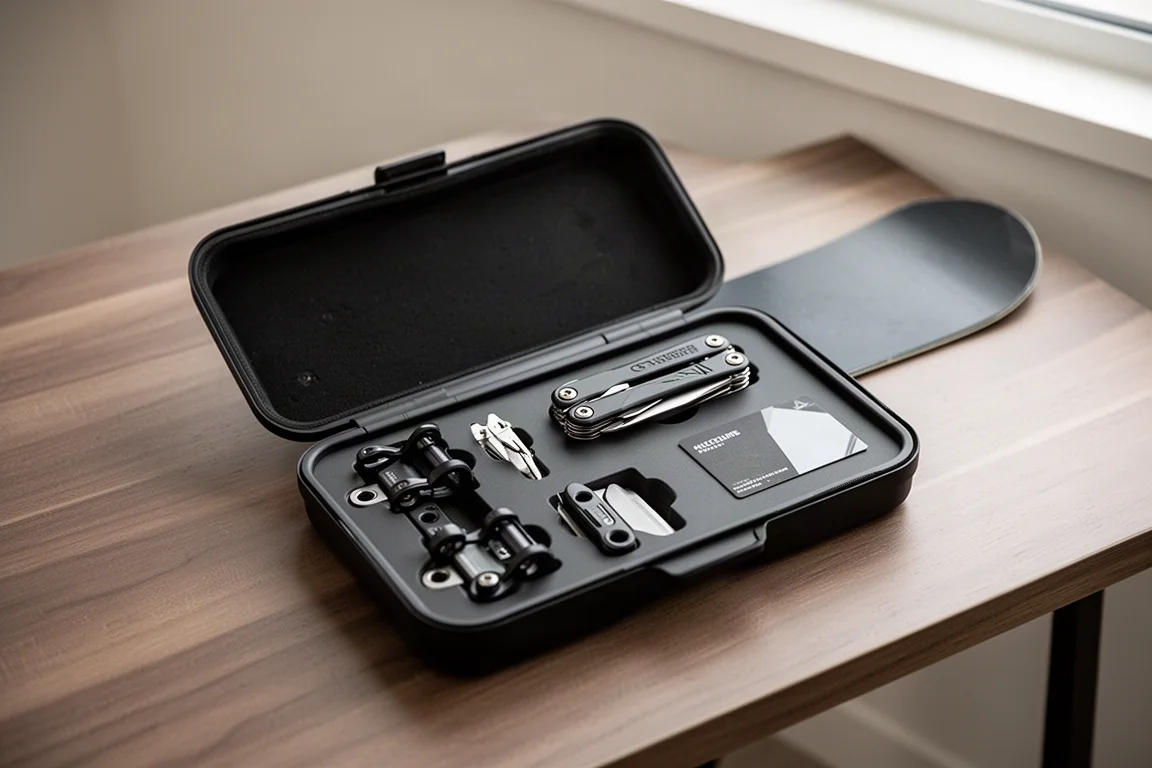
Union clearly wanted the Source to feel special from the moment it arrives. The bindings come in a sleek black briefcase-style case, with the hardware packed in its own case that includes a tool. You also get a Union Lab card, which offers quick access to customer service, a way to leave feedback, and a path to stay informed about future Union Lab releases. It is the kind of packaging that signals how much went into the product itself.
What Makes the Source Different: No Mounting Disc
The biggest talking point with both models is the new forged carbon base plate, which replaces the mounting disc entirely. Burton was previously the only company known to eliminate a mounting disc with its EST bindings, but those only work on boards with an EST channel. The Source flips that logic: it mounts to any standard 4x2 snowboard insert pack, but it is not compatible with EST channel boards at all.
Removing the disc does three things. It creates an instant transfer of energy from your foot to the board. It lets the binding sit closer to the board than any previous Union binding, keeping the overall profile minimal. And it cuts weight, with the FC positioned as the lightest binding on the market.
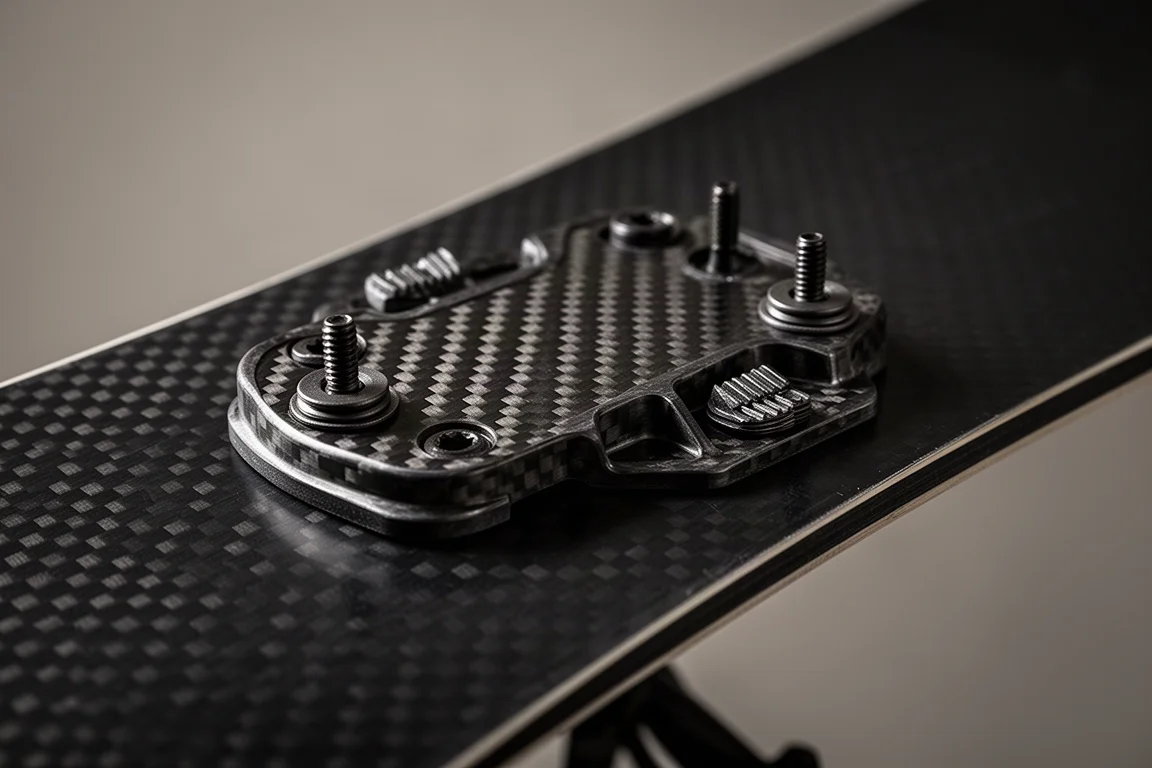
There is one crucial limitation to know before buying. Because there is no disc, binding angle adjustment is limited to between +21 and -3 degrees. If you like a more aggressive angle on your front foot, or ride switch with more than +3 degrees on your back foot, these bindings will not work for your stance.
Union Source Pro: The $699 Entry Point
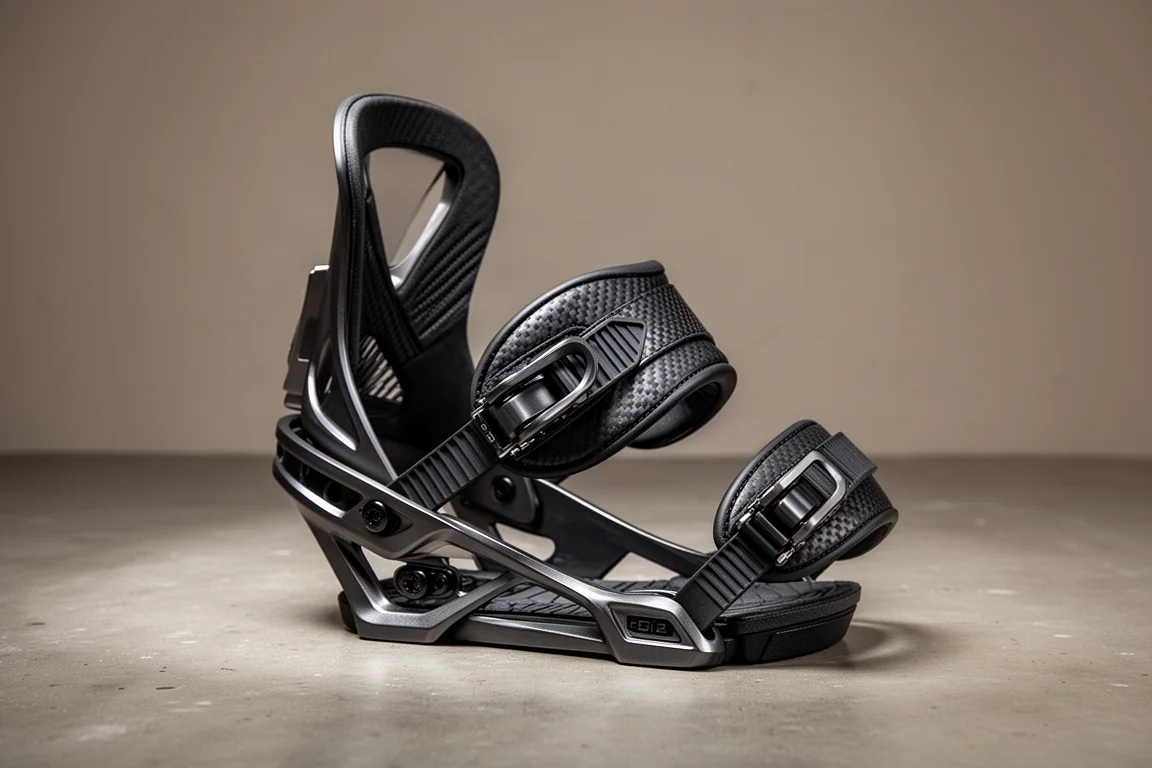
The Source Pro carries a price of $699 and gets you a nylon highback, an aluminum heel cup, and the same ankle strap found on the Atlas Pro. It shares the forged carbon disc-less base plate with the FC, so the core technology, the direct energy transfer and lower board contact, is present in both models.
For riders who want the disc-less design without stepping all the way up in materials, the Pro is the more sensible pick. It keeps most of the headline benefit at a meaningfully lower price.
Union Source FC: Forged Carbon, Titanium, and a Market-Leading Price
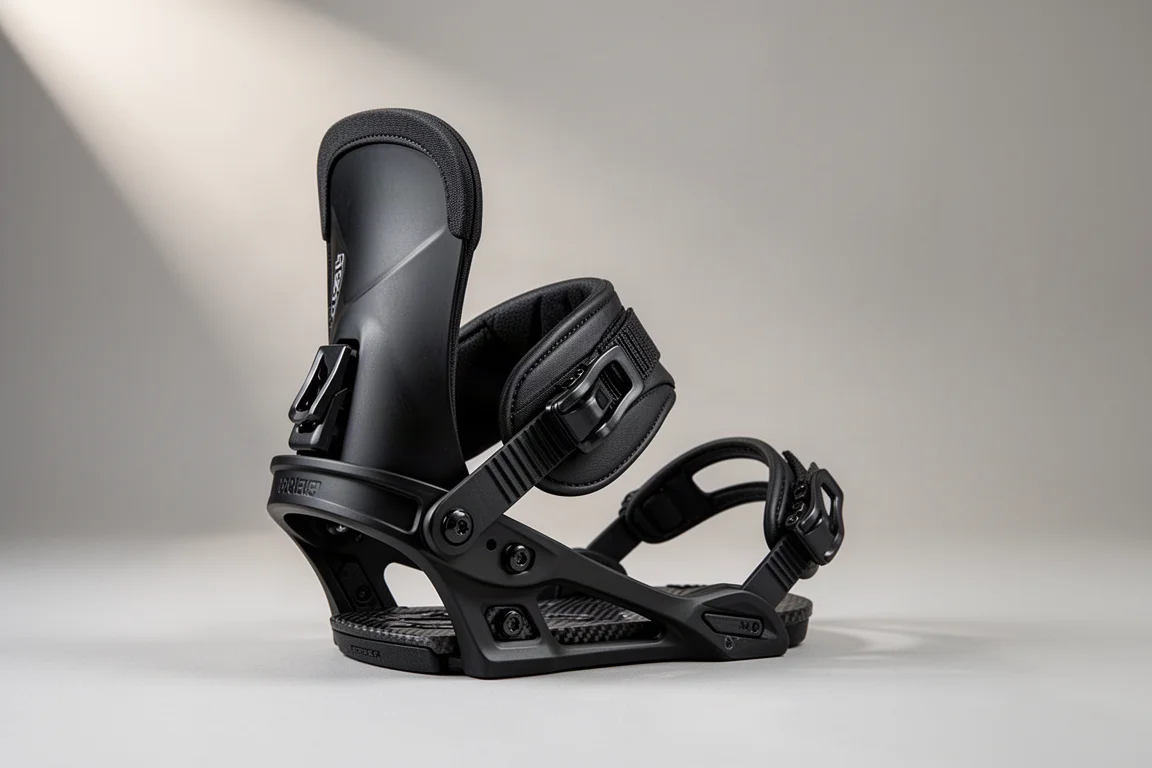
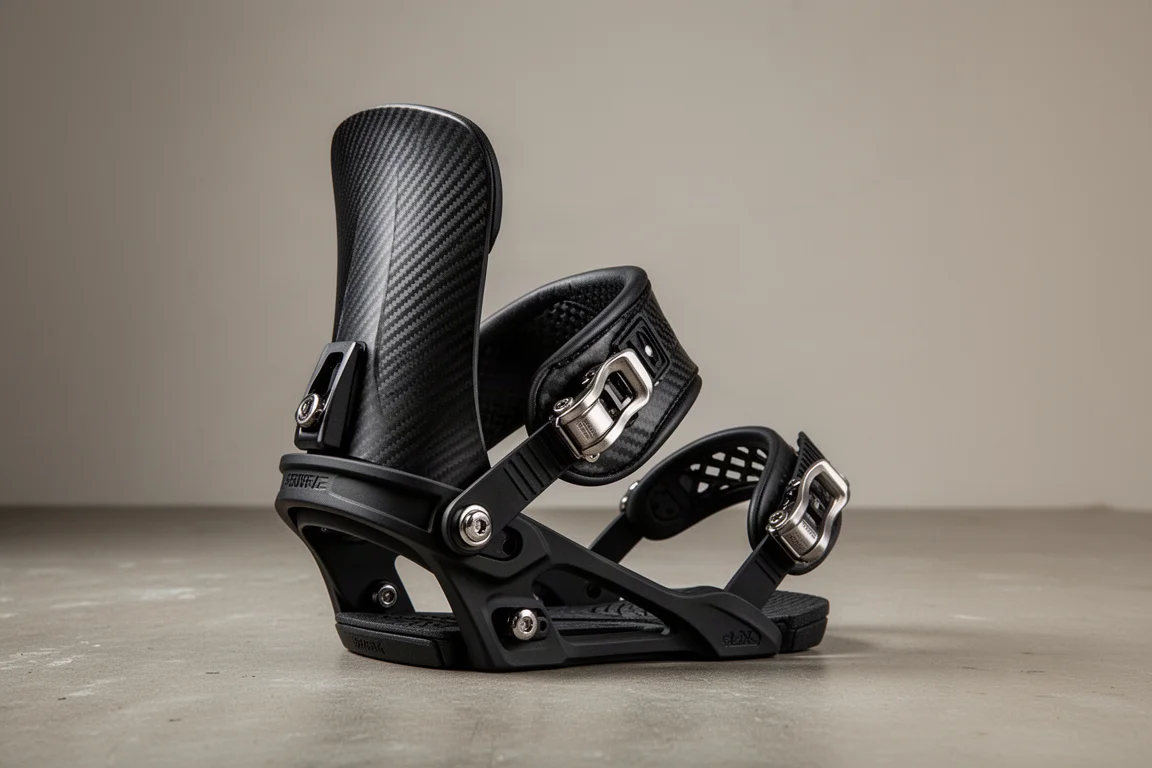
At $999, the Source FC is the aggressive flagship. It adds a forged carbon highback, a forged carbon heel cup, titanium hardware, and magnesium ratchets. Together, those components make it the lightest binding on the market according to Union.
That combination also makes it the most expensive binding the market has seen, which is the biggest question mark for buyers. The counterargument is that a company spending years developing something genuinely new tends to price it high right out of the gate.
Riding Impressions: Responsiveness Without the Harshness
For riders who prefer stiffer gear, the Source delivers a striking experience. The minimal straps feel barely there, with the toe strap offering security without bulk, and two screws per binding never loosened during testing, helped by washers with ridges that lock into the base of the binding.
The ride itself is the standout. It is the most responsive binding setup in years of riding gear, delivering the quickest connection between feet and board without the ultra-stiff, unridable feel some riders associate with forged carbon gear. Combined with the low weight, the board feels more like part of your natural body movement than with any conventional disc-based binding.

One honest caveat: forged carbon in the park is not the intended use here. These bindings are best ridden in an all-mountain context, everywhere the park is not.
Who These Bindings Are For
This is a specific binding for a specific rider, especially the FC with its forged carbon responsiveness and premium price. The best fit is a confident rider who knows how to ride and likes to charge. Torstein Horgmo helped test the binding through development, and watching how he rides big lines and big freestyle in the pow gives a good sense of the kind of riding this binding is built for. Few consumers will ride that hard, but it shows what the design can handle.
Which One Should You Buy?
If the disc-less technology is what excites you and $699 is already a stretch, the Source Pro delivers the core experience with more conventional components. If you want the absolute lightest, most aggressive setup and the price does not scare you off, the FC is the flagship. Check your stance angles first: anything beyond +21 to -3 degrees on either foot rules out both models entirely. Both models are available in shops and online at radiofish.com board shops that support local snowboarding.
Conclusion
The Source is a genuinely new approach to snowboard binding design, and it delivers on its promise of the quickest foot-to-board connection many riders will have felt. The limited angle adjustment and premium pricing mean it is not for everyone, but for confident all-mountain riders who charge hard, both the Source Pro and Source FC are worth serious consideration.
Further reading
Related Reviews

Snowboard Bindings
2024 Union Ultra Snowboard Bindings Review: A Cushy, Freestyle-Focused Favorite
Two seasons on the 2024 Union Ultra: a lightweight, tweakable freestyle binding with standout comfort, a damp molecular bushing, and thoughtful hardware fixes.

Snowboard Bindings
32 Team Phase Binding Review: A Fast Entry Binding Built for Freestyle Laps
The first binding from 32 uses the Phase chassis for quick step-in entry with a softer, freestyle-leaning flex. Here's how it performed on the snow.

Snowboard Bindings
Arbor Cypress Snowboard Binding Review: A Laid-Back Cruiser That Can Charge
A closer look at the Arbor Cypress binding's adjustability, strap feel, and that oddly tall highback before you decide to buy.