Snowboard Bindings
Union Force Review: A Modern All-Mountain Binding Worth a Serious Look
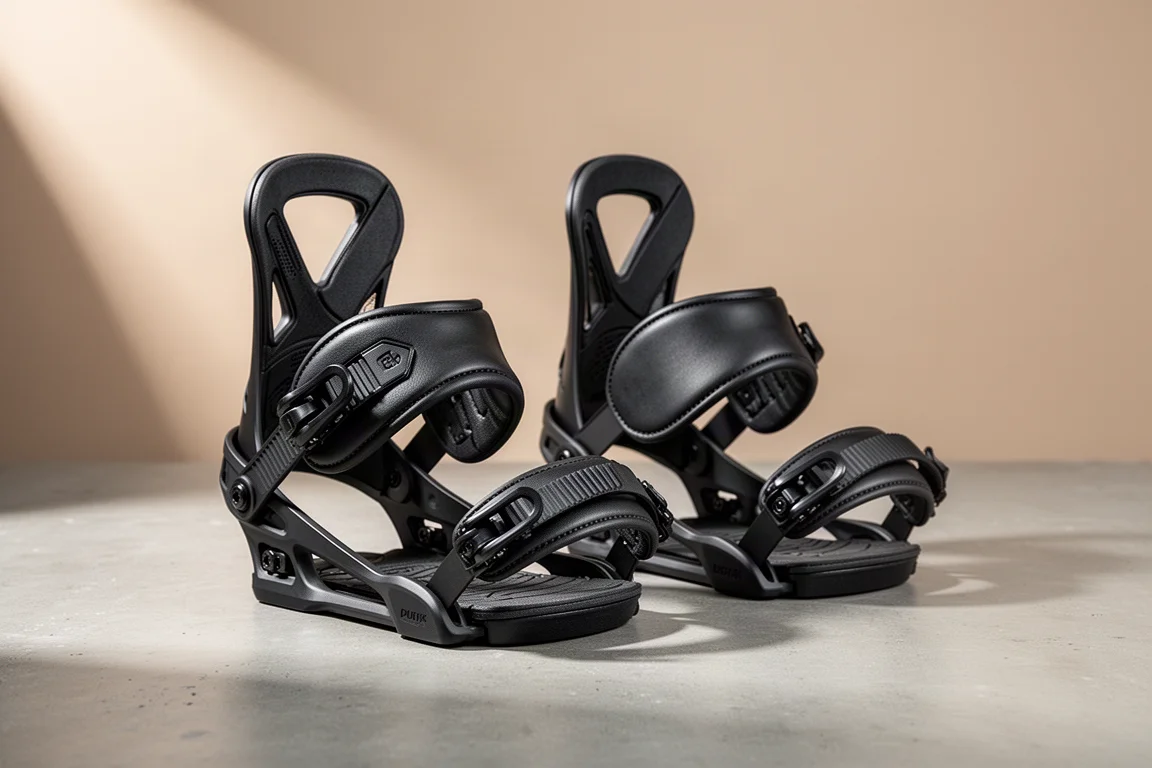
The Union Force steps up its ride quality across the board, with a firmer base, stiffer ankle strap, and responsive highback that outperform the Force Classic in most conditions.
Introduction
The Union Force has been a staple in the all-mountain binding category for years, and this latest version finally feels like a binding built for the modern rider. Ridden on a sunny day at Copper Mountain, with icy morning firmness giving way to soft afternoon slush, it had a chance to prove itself across a full range of snow conditions. Paired with Ride Fuse boots and a Jones Aviator 2.0, it delivered a ride that is noticeably more capable than the previous generation.
The short version: Union has taken what felt like an aging design and brought it firmly into the present, with better energy transfer, a more responsive highback, and a ride that stays comfortable from first chair to last.
First Impressions on the Hill
On the firm, icy morning snow, the Force held its composure well. Once the surface softened around midday, the binding continued to feel planted and predictable rather than washed out. The base sits on a bushing system under the toes and heels, which lets the board flex freely without creating pressure zones on the topsheet.
Compared to the previous model, which felt somewhat dead thanks to thick soft foam top and bottom, this version is a clear step up. It is damp but still lively, cutting down chatter while transferring your input into heel-side and toe-side turns without a dead spot. It does not flex as much as the Force Classic, but it retains enough lateral give that your legs will not pay for it at the end of the day.

Adjustability and Setup
The adjustability follows the familiar Union formula with a few refinements. The classic forward lean adjuster works with a simple flip, slide, and flip-back motion. One caution worth repeating: do not twist that adjuster. Over-twisting can either pop the piece out or crack the plastic entirely. Flip it, do not twist it, and it will serve you fine.
Moving the heel cup is easiest when you loosen the ankle strap first, then undo the smaller screw below it. Three alignment grooves help you center the boot on the board. The toe strap slides forward or back by pushing down and pulling forward, with two positions to help center it over the toe cap, and the toe ramp can be unscrewed and slid out slightly for bigger boots.
The strap hardware uses a double pin system that initially looks fragile but held up without issue in testing. A flathead screwdriver makes popping the pins off easier, and the same goes for the single pin and flip tab elsewhere on the binding. Keep everything tight and flipped back and nothing will slide around or go missing.
Straps and Ratchets
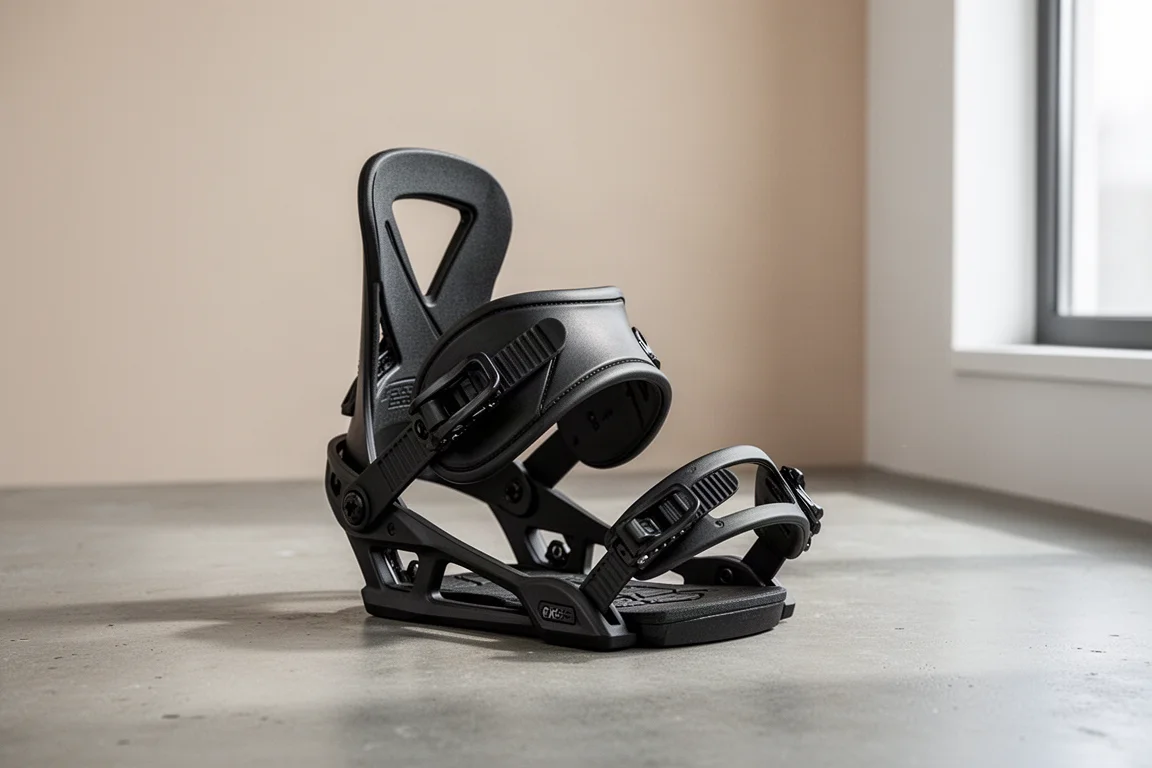
The ankle strap is one of the best Union has made. It is a hybrid design with thin foam padding on the inside and a molded exoskeleton on the outside for rigidity. It feels slightly more laterally stiff than the Force Classic strap, which translates directly into a bit more response when you lean into turns.
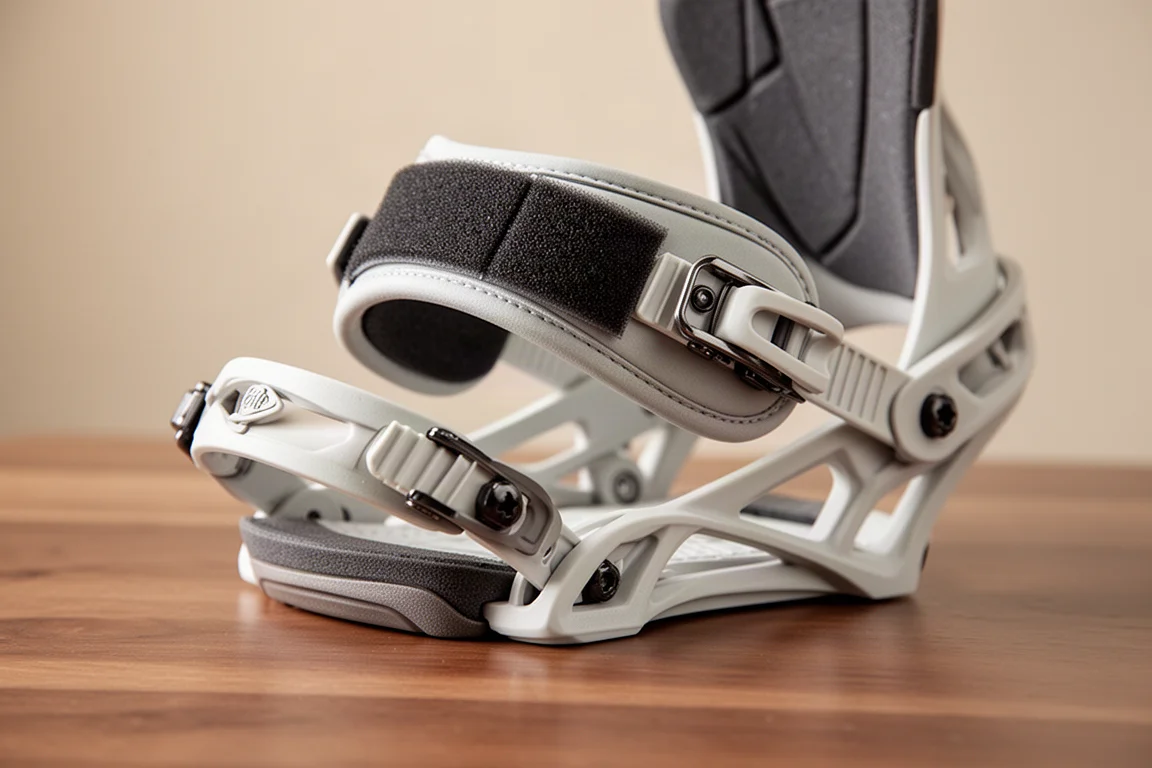
The toe strap uses plenty of rubber webbing so it stretches to fit most toe caps. It gripped a squared toe box very well ridden over the toe, and it should handle rounded toe boxes just as well. Wearing it over the top of the toe proved more comfortable than the alternative position.
The new ratchets are the surprise highlight. They engage and release smoothly with one finger, and once you ratchet down fully, the mechanism simply stops instead of continuing to grind and strip the teeth. Even after deliberately trying to force a strip, the ladders still looked brand new. That kind of durability is genuinely reassuring for a binding you plan to ride hard for seasons.
The Highback and Response
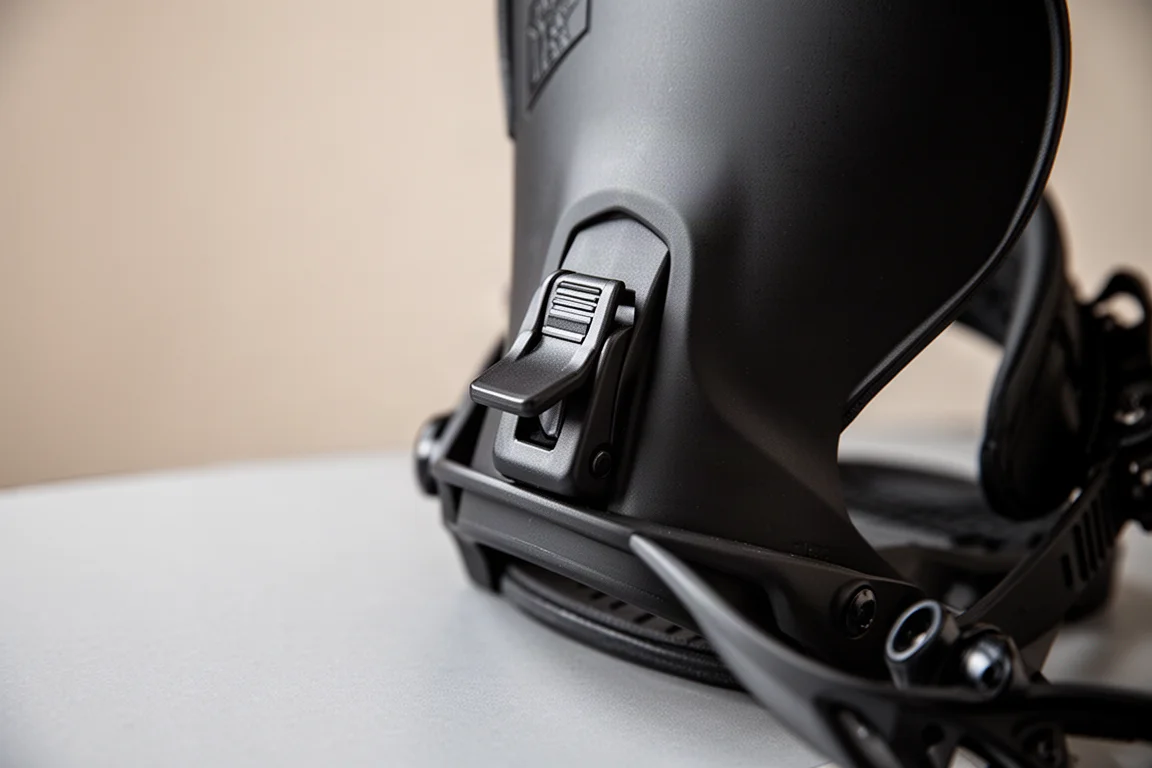
The highback is where the Force pulls clearly ahead of the Force Classic. It has thicker foam and feels more responsive overall. Tweaks and grabs remain easy, and you can still shift weight inside or outside as needed, but when transitioning heel to toe, you can feel the highback pressing against the boot. It is not uncomfortable, just present, and it builds confidence that the response will be there when you commit.
Forward lean is adjusted with the same flip-tab method, and the highback can be rotated, though Union designs its highbacks to be ridden as they come out of the box, so most riders will not need to touch it.
How It Compares to the Force Classic
The Force Classic remains the softer, more forgiving option of the two, thanks largely to its full foam footbed. That construction allows more flex and a looser feel underfoot. The Force trades some of that playfulness for a firmer base that drives power into turns more effectively.
If you liked the idea of the old Force but found it lifeless, the new version addresses exactly that. It feels a bit like the stiffness and drive of a bigger, burlier binding has been transferred into a more manageable package, stiff enough to feel precise but with enough play to daily drive without fatiguing your feet or legs.
Who the Force Is For
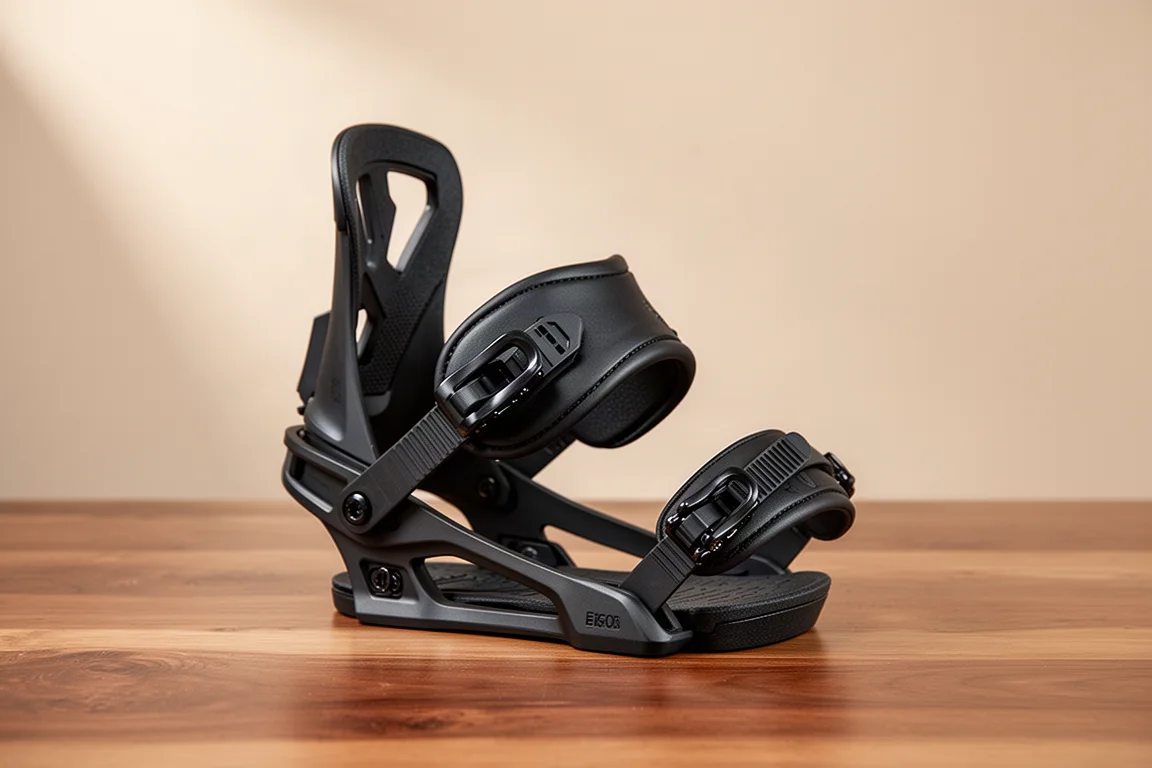
This is a binding for the rider with one pair of bindings and an extensive board quiver. It needs to do everything: charge on hardpack, float through a fresh dump, stay playful on side hits, and never be the weak link. It is not the stiffest binding out there and not the softest. It is simply the one that works on every board and every terrain you point it at.

Comparable bindings in this category include the Ride A-6, the Jones Mercury, and the Nitro Team, so it is worth cross-shopping those if you are in the market.
Conclusion
The Union Force finally rides like a binding of this century. With excellent ratchets, a standout hybrid ankle strap, a genuinely responsive highback, and a firmer base that turns input into turns, it is a top-notch all-mountain option. If you want one binding to cover an entire quiver, this deserves a spot at the top of your shortlist.
Further reading
Related Reviews

Snowboard Bindings
2024 Union Ultra Snowboard Bindings Review: A Cushy, Freestyle-Focused Favorite
Two seasons on the 2024 Union Ultra: a lightweight, tweakable freestyle binding with standout comfort, a damp molecular bushing, and thoughtful hardware fixes.

Snowboard Bindings
32 Team Phase Binding Review: A Fast Entry Binding Built for Freestyle Laps
The first binding from 32 uses the Phase chassis for quick step-in entry with a softer, freestyle-leaning flex. Here's how it performed on the snow.

Snowboard Bindings
Arbor Cypress Snowboard Binding Review: A Laid-Back Cruiser That Can Charge
A closer look at the Arbor Cypress binding's adjustability, strap feel, and that oddly tall highback before you decide to buy.