Snowboard Bindings
Union Force with Molecular Dampening: Does the New Suspension System Actually Work?
A closer look at Union's molecular binding suspension system on the Force, how the three-piece dampening stack works, and whether riders with tired knees and ankles should care.
Introduction
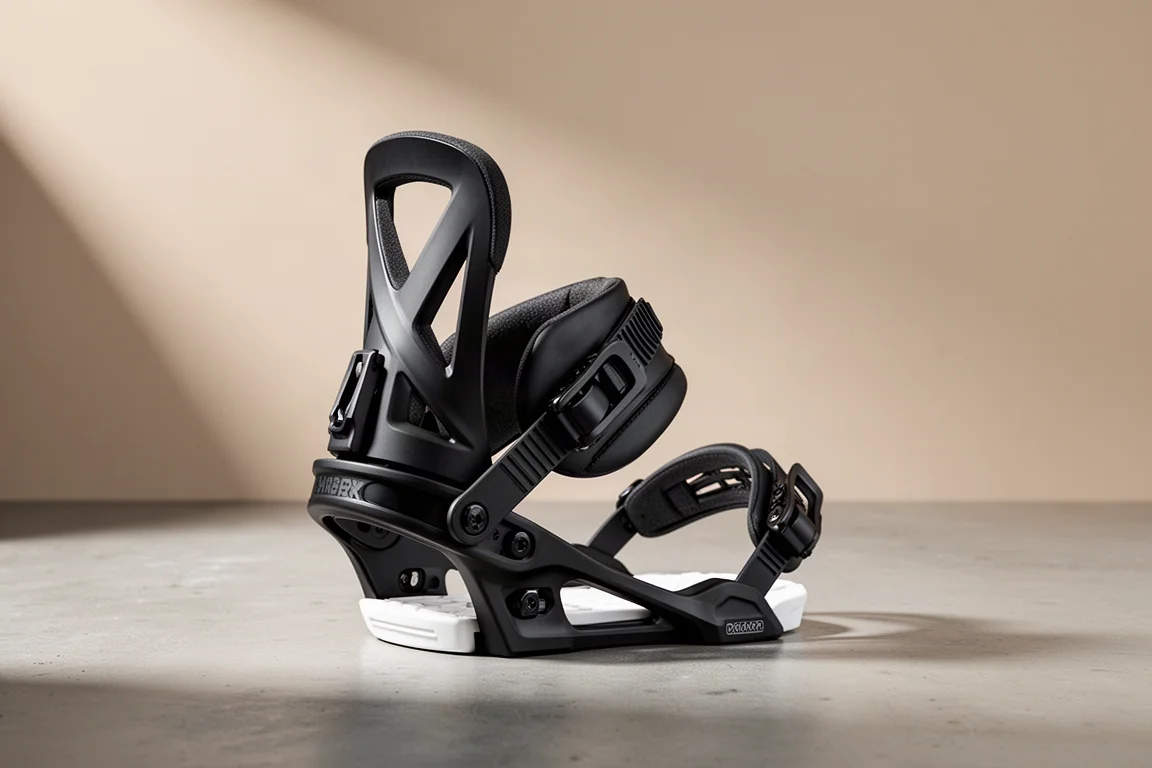
Union has overhauled the Force, and the headline change is something the brand calls the molecular binding suspension system. It sounds like marketing, but it describes something concrete: a multi-piece dampening stack built into the base of the binding. The short version is that it absorbs chatter, vibration, and hard landings before that energy reaches your feet, ankles, and knees. The longer version is worth understanding before you buy, because dampening is exactly the kind of feature that sounds optional until your joints tell you otherwise.
What the Molecular Dampening System Actually Is
Strip away the name and this is binding dampening, plain and simple. At the base of the binding you have a black plastic shell, white sections that provide the dampening, and the main base chassis. Together they form a three-piece dampening agent: the base plate of the binding, the foam in the middle, and a plastic gusset on top.

When everything is lined up and assembled, the result is added dampening under foot. The system is designed to absorb chatter, vibrations, and the impact of big, hard drops. In practice that means less of the rough stuff getting transmitted straight through the binding into your body.
How the Three-Piece Stack Works
The layered construction is the whole point. Rather than a single pad under the baseplate, the Force now uses three distinct pieces working together: the rigid base plate, a foam layer, and a plastic gusset. Each layer handles a different part of the vibration picture, and the combined effect is a noticeably quieter, calmer ride under foot.
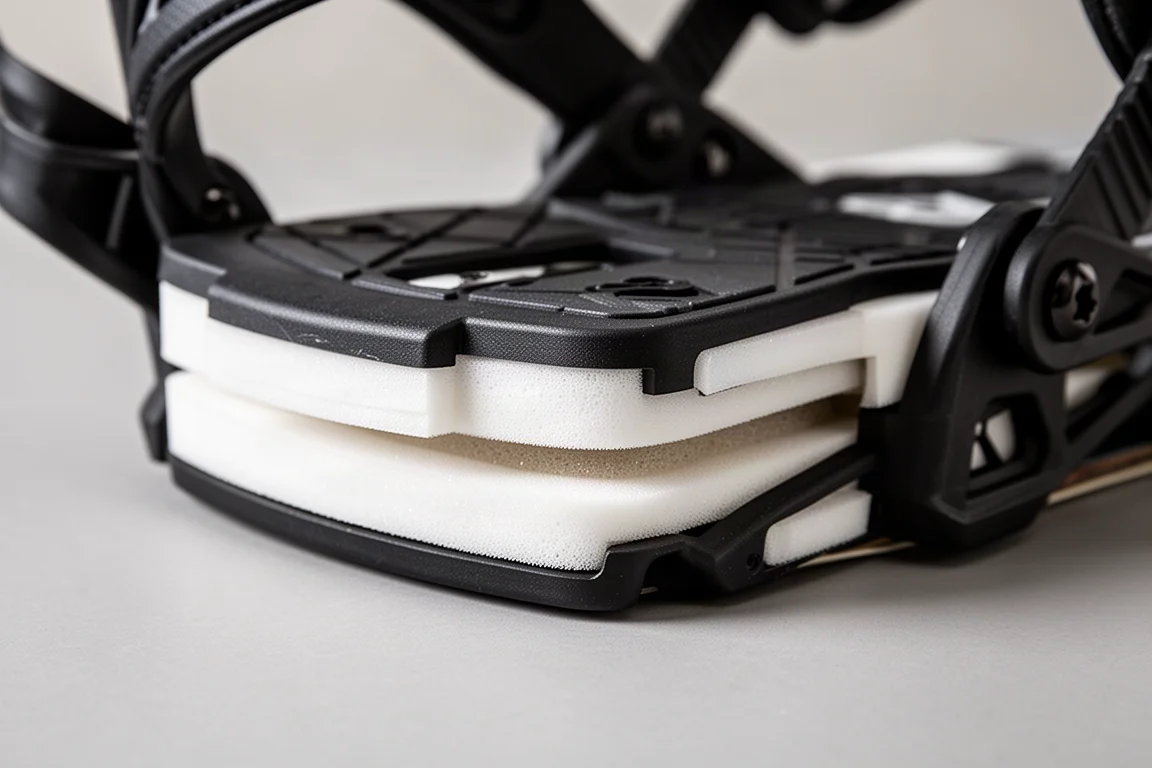
Does it work? Based on how the newest Force rides, yes. This is described as the most damp version of the Force in twenty years, and the molecular suspension system is a significant part of that overhaul. The dampening is not a subtle footnote; it genuinely changes how the binding feels on rough terrain and hard landings.
Who Actually Needs This Much Dampening
This is the honest question worth asking. If you ride aggressively, land big drops, or spend long days on firm, chattery snow, added dampening pays for itself in comfort and in how your legs feel at the end of the day.
But there is a simpler test: do you have knee or ankle problems? If the answer is yes, this is exactly the kind of feature you should be shopping for. Joint stress from riding builds up over seasons, and a binding that filters vibration and landing impact takes real load off the parts of your body that take the abuse.

Even without joint issues, dampening is one of those upgrades that tends to matter more as the seasons stack up. Softer joints, longer sessions, and bigger drops all push you in the same direction: toward bindings that filter impact instead of passing it through.
Buying Advice: Is the New Force Worth the Upgrade
If you are coming from an older Force, the overhaul is substantial, and the molecular suspension system is a genuine reason to consider the new version rather than hunting down an old stock model. The dampening is real, not a spec-sheet flourish.
If you are buying your first all-mountain binding and want something durable that will not beat up your joints, the Force with this dampening stack deserves a spot on your shortlist. Riders who prefer a raw, connected, chattery feel on purpose may want to look elsewhere, but for everyone else the extra comfort is a win.

Conclusion
Union’s molecular binding suspension system is a structured three-piece dampening stack in the base of the Force, and it does what it promises: it absorbs chatter, vibration, and hard-landing impact. For riders with knee or ankle problems, or anyone who simply wants the most dampened Force yet, the new version makes a strong case for itself.
Product link
View more details for Union Force
This product is mentioned in the review. Check the specifications, options, and compatibility before buying.
View more details for Union ForceFurther reading
Related Reviews

Snowboard Bindings
2024 Union Ultra Snowboard Bindings Review: A Cushy, Freestyle-Focused Favorite
Two seasons on the 2024 Union Ultra: a lightweight, tweakable freestyle binding with standout comfort, a damp molecular bushing, and thoughtful hardware fixes.

Snowboard Bindings
32 Team Phase Binding Review: A Fast Entry Binding Built for Freestyle Laps
The first binding from 32 uses the Phase chassis for quick step-in entry with a softer, freestyle-leaning flex. Here's how it performed on the snow.

Snowboard Bindings
Arbor Cypress Snowboard Binding Review: A Laid-Back Cruiser That Can Charge
A closer look at the Arbor Cypress binding's adjustability, strap feel, and that oddly tall highback before you decide to buy.