Snowboard Bindings
Union Force Classic Review: The Budget Version of a Classic Binding
A long-running freeride binding with proven adjustability and a middle-of-the-road flex, but some real trade-offs versus the updated Force.
Introduction
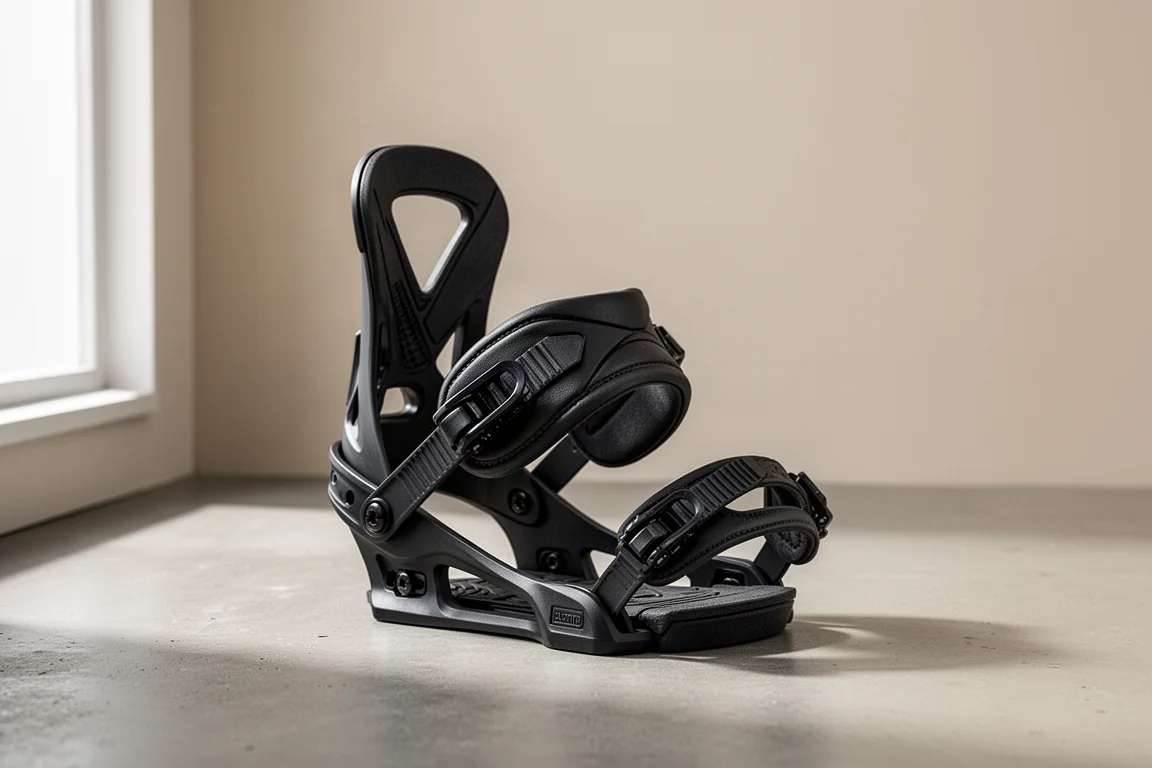
The Union Force Classic has been in the line for a very long time, and its formula has barely changed in all those years. It is a middle-of-the-road freeride binding with the same highback, the same adjustability, and the same general feel Union has been shipping for over two decades. After riding it on a day with around 8 inches of fresh snow in the trees and firm, freshly groomed corduroy on the main runs, paired with Ride Fuse boots and a Jones Aviator 2.0 board, here is how it actually performs and who it makes sense for.
Who This Binding Is For
The Force Classic is really aimed at the rider who wants the modern Force but is buying on a budget. It suits newer snowboarders who are not riding anything super technical yet and just need a dependable binding that will progress with them and last until their riding catches up. If that sounds like you, this binding will do the job.

Adjustability: Proven but Unchanged
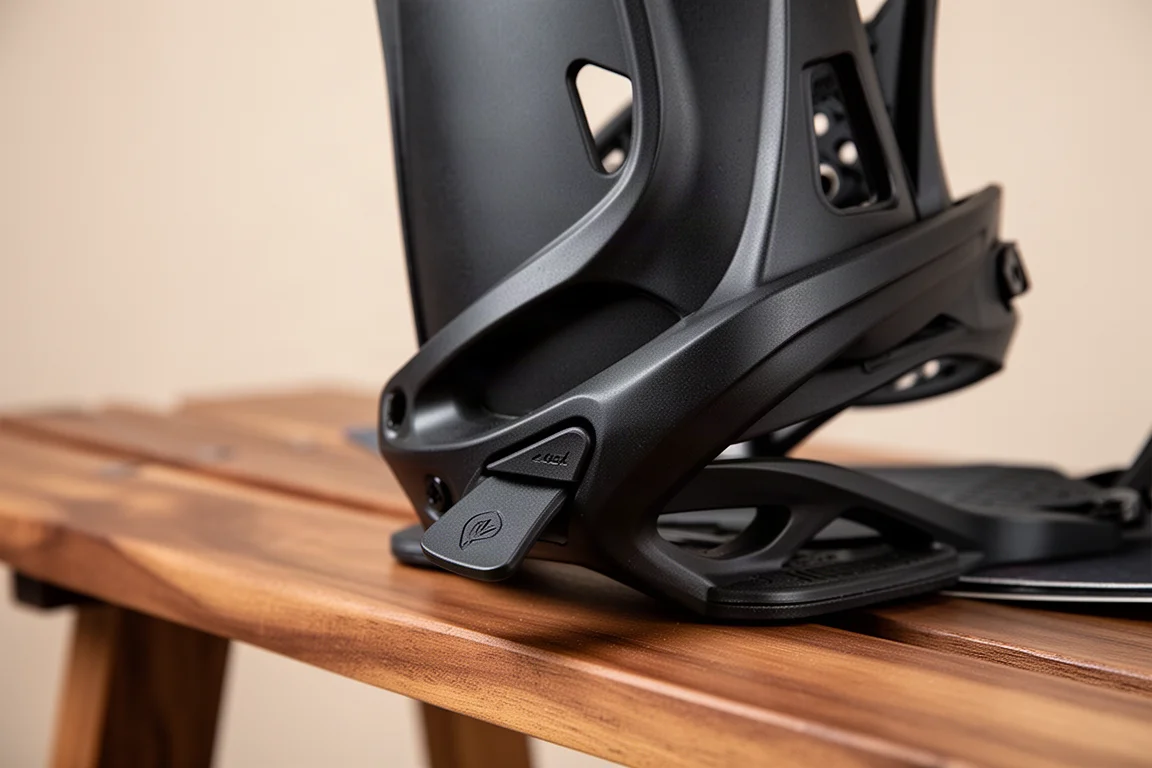
The adjustability has not changed on this binding in years. On the highback, the forward lean uses a flip tab. Do not spin this tab: you will either unscrew it completely or break the plastic when you flip it back. Just flip it and leave the screws alone.
For the heel cup, loosen the two screws on each side. Loosen the lower screw all the way, then back off the ankle screw just slightly so it is not fighting you when you pull the heel cup out or push it back in.
The ankle and toe straps each use a small flip tab: flip it up, twist to adjust the length, and lock it back into place so it does not untwist and get lost on the mountain. Spare parts are a pain to track down at a shop.
The toe strap sits on a push-pin system with two settings. To run it over the toe, push it all the way to the front; to run it on top of the toe, pull it back. The final adjustment is the toe ramp: unscrew it, slide it forward, and screw it back in. Do not overtighten it or it will dig into your boot footbed.
Straps and Ratchets
Since this binding launched, the straps have been upgraded from padded to molded designs, which was a necessary change. There is no padding in the straps themselves, so remember that all of your comfort padding comes from the boot. If you are getting pressure points, that is why. Centering the ankle strap is easy: pull the tab and adjust so the skinniest part sits in the middle. The molded toe strap stretches over square or rounded toe boxes without issue, and riding it over the toe works well, though that comes down to personal preference.
The ratchets are the same classic design Union has used forever, just reshaped so they are not as round. There is a little movement in them, but they get the job done: one finger in, one finger out, and you can still grip them with mittens. Keep the mounting screws tight, as the ratchets can wander if you do not.
Flex and Ride Feel
The classic Force highback has not changed in ages: same milling, same torsional flex, sitting right in the middle of the road. It is not crazy stiff, but it still delivers the heel-to-toe response you are looking for. You can rotate the highback to line it up with your heelside edge, though neither Union nor most reviewers recommend it; out of the box is how it is meant to be ridden.
The straps, combined with the highback and soft foam underneath, allow a lot of lateral play. The feel lands somewhere between middle of the road and slightly softer, but it is nowhere near as soft as a Strata or an Ultra. It is also not the dampest binding out there: two durometers of foam are used, with a denser layer under your foot and a softer layer under the binding to absorb chatter, but a lot of chatter still transfers up into your foot because of how soft the foam is. The result is a lively, forgiving binding that is great for butters and presses, though not the most responsive heel to toe.

Things to Consider Before Buying
There is a real elephant in the room here. The updated Force does everything this binding does, and arguably does it better in every way. The Force Classic allows noticeably more lateral play than the new Force, so it is not the most laterally responsive option out there. If you can stretch the budget, the newer model is the stronger buy, and this one can feel like a nostalgic leftover rather than a deliberate choice.
Comparable bindings in this space include the Ride C-6, the Yes Select, and the Fix Magnum.
Buying Advice
If your budget is tight and you want a tried-and-true binding that will last through your progression phase, the Force Classic remains a reasonable pick. If you can afford the step up, though, the modern Force is the better investment and makes this version harder to recommend at full attention.
Conclusion
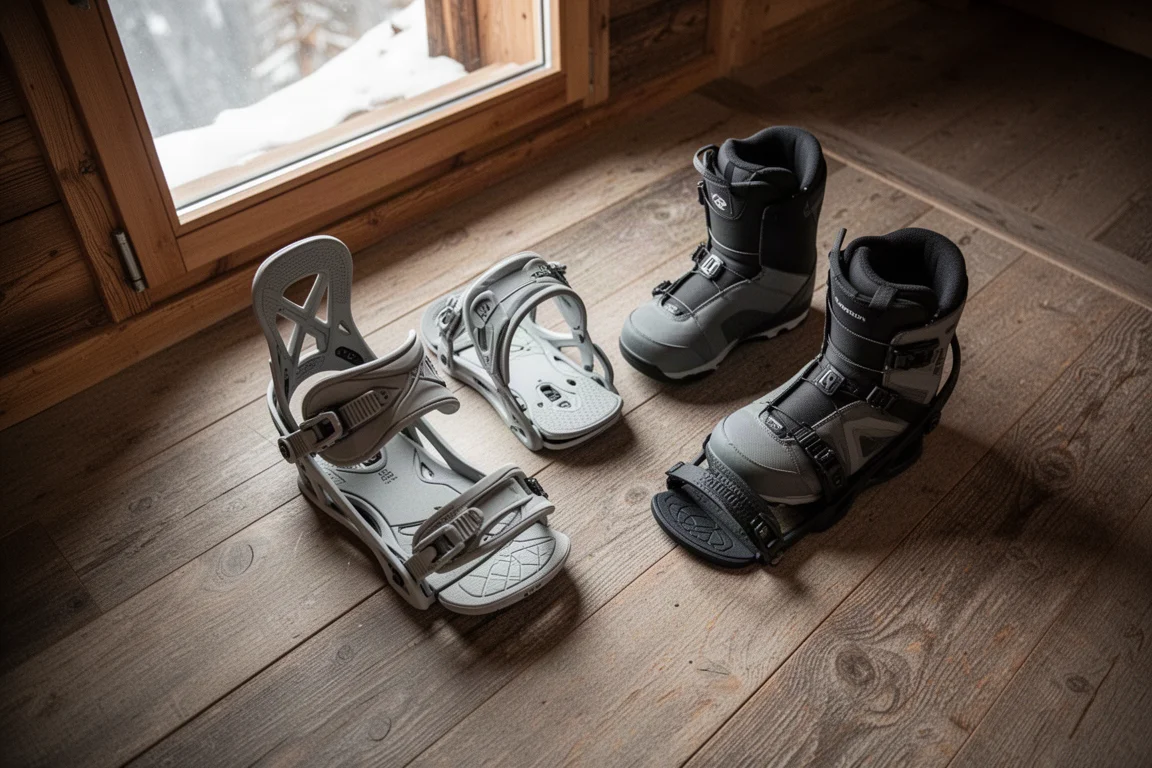
The Union Force Classic is a durable, easy-to-live-with binding with generous lateral flex and adjustability that has stood the test of time. It works well for newer riders and budget-conscious buyers, but with the updated Force available, this classic is best treated as a value option rather than a first choice.
Product link
View more details for Union Force Classic
This product is mentioned in the review. Check the specifications, options, and compatibility before buying.
View more details for Union Force ClassicFurther reading
Related Reviews

Snowboard Bindings
2024 Union Ultra Snowboard Bindings Review: A Cushy, Freestyle-Focused Favorite
Two seasons on the 2024 Union Ultra: a lightweight, tweakable freestyle binding with standout comfort, a damp molecular bushing, and thoughtful hardware fixes.

Snowboard Bindings
32 Team Phase Binding Review: A Fast Entry Binding Built for Freestyle Laps
The first binding from 32 uses the Phase chassis for quick step-in entry with a softer, freestyle-leaning flex. Here's how it performed on the snow.

Snowboard Bindings
Arbor Cypress Snowboard Binding Review: A Laid-Back Cruiser That Can Charge
A closer look at the Arbor Cypress binding's adjustability, strap feel, and that oddly tall highback before you decide to buy.