Snowboard Bindings
Union Atlas vs Union Falcor: Two Premium Snowboard Bindings Compared
Both of Union's flagship bindings got upgrades this season. We compare ride feel, flex, baseplate tech, and park performance to help you pick the right one.
Introduction
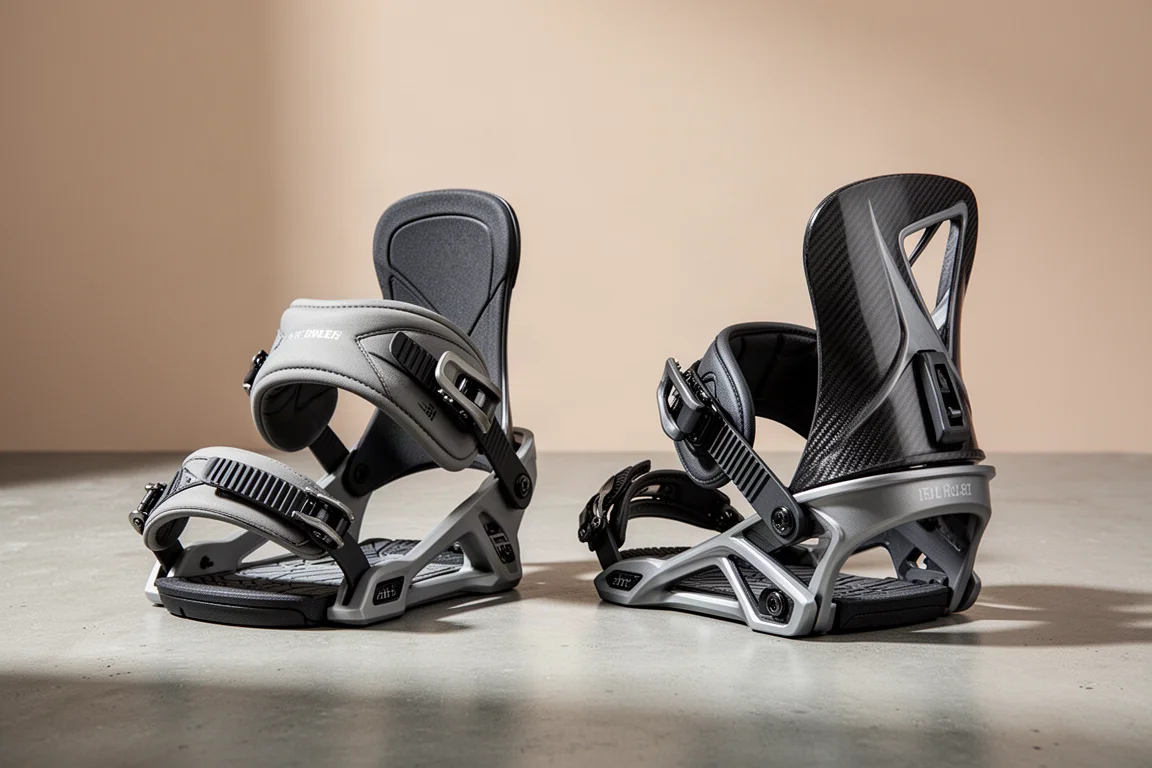
The Union Atlas and the Union Falcor are two of the best bindings Union offers, and both received meaningful upgrades in the last year. Choosing between them can be a tough decision for most riders, so this comparison looks at both back to back in an all-mountain and park setting to show where each one shines and which type of rider should buy which.
The test setup put both bindings on a directional all-mountain board in a mid-wide length, ridden across groomers, jumps, and rails in cold, windy, low-visibility conditions. That is a demanding environment for any binding, and it highlights the differences in underfoot feel fast.
Riding the Union Atlas
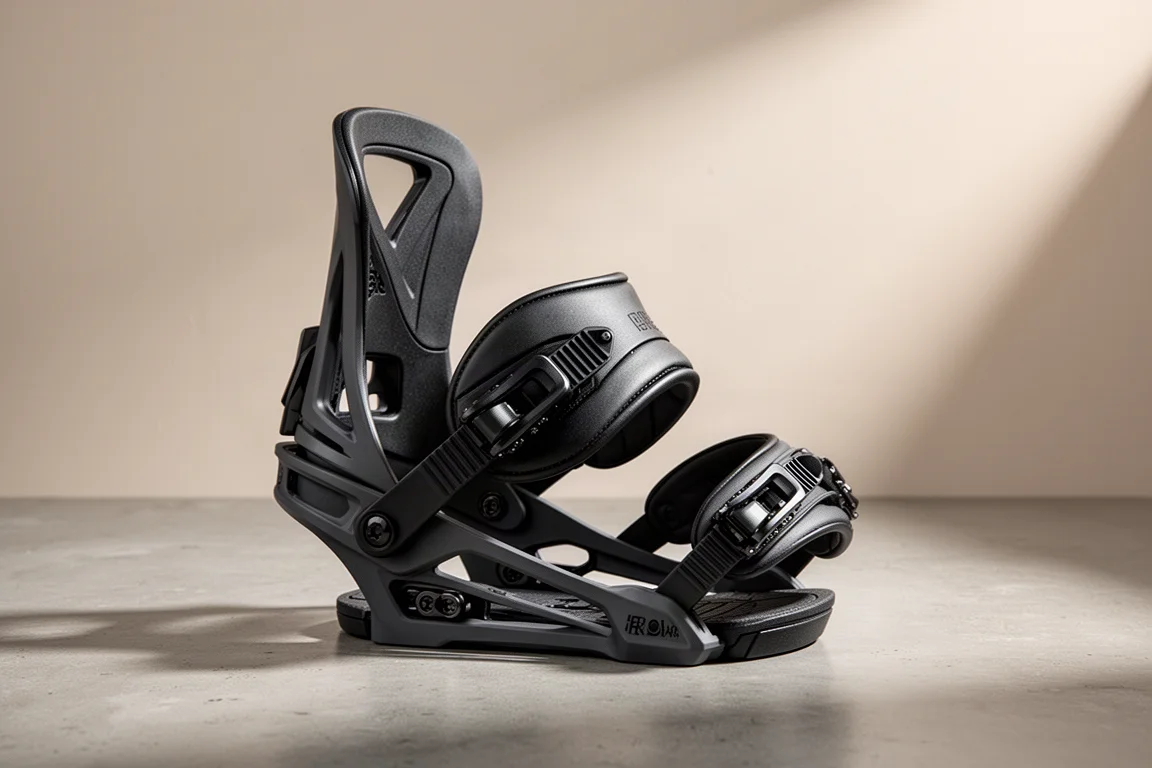
Cruising around in an all-mountain setting, the Atlas feels great, and it has been a go-to binding for experienced riders for a couple of years. On the base of the binding you will find Union’s standard universal disc, which gives a stiffer feel underfoot. This is framed around a vapor light HD bushing that helps with vibration disruption in harder snow or on bigger landings.
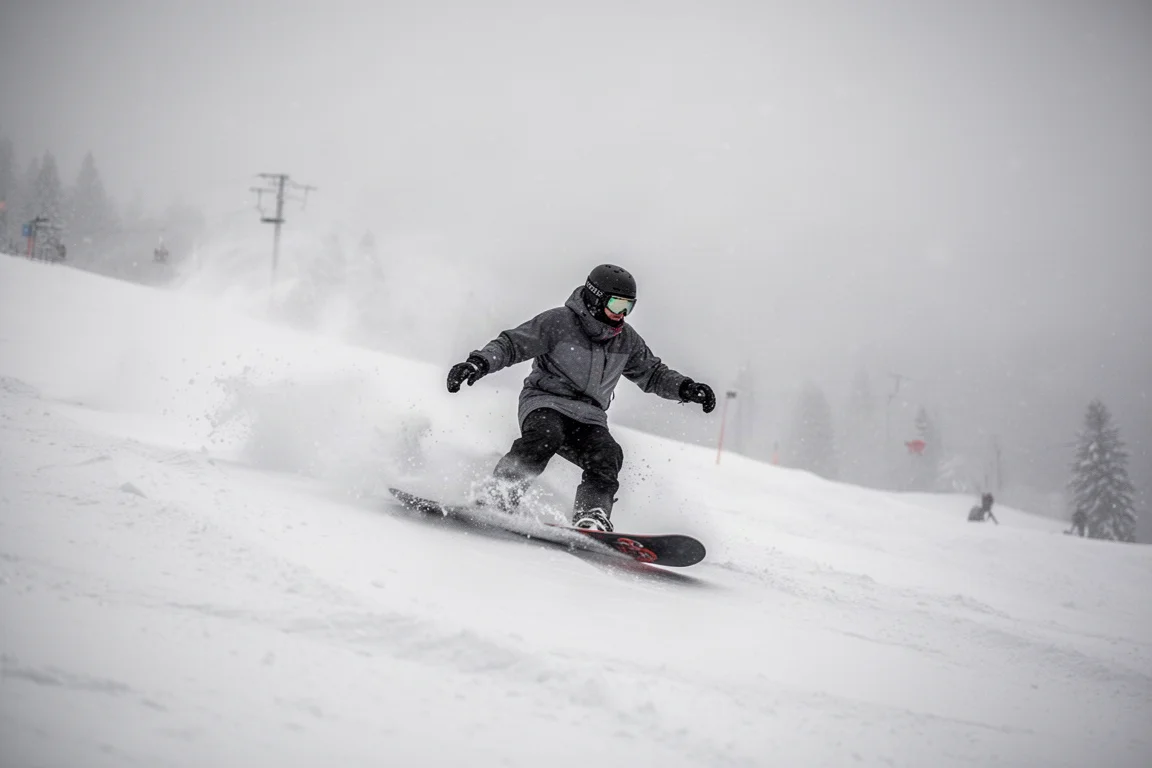
The ankle strap has been upgraded to an exoframe 5.0 design. Even for riders who crank their straps down hard, these ankle straps distribute pressure evenly across the boot while still delivering a responsive ride. The highback is another update this season: it has been milled to create an asymmetrical flex, allowing a slightly softer feel when rotating inward.
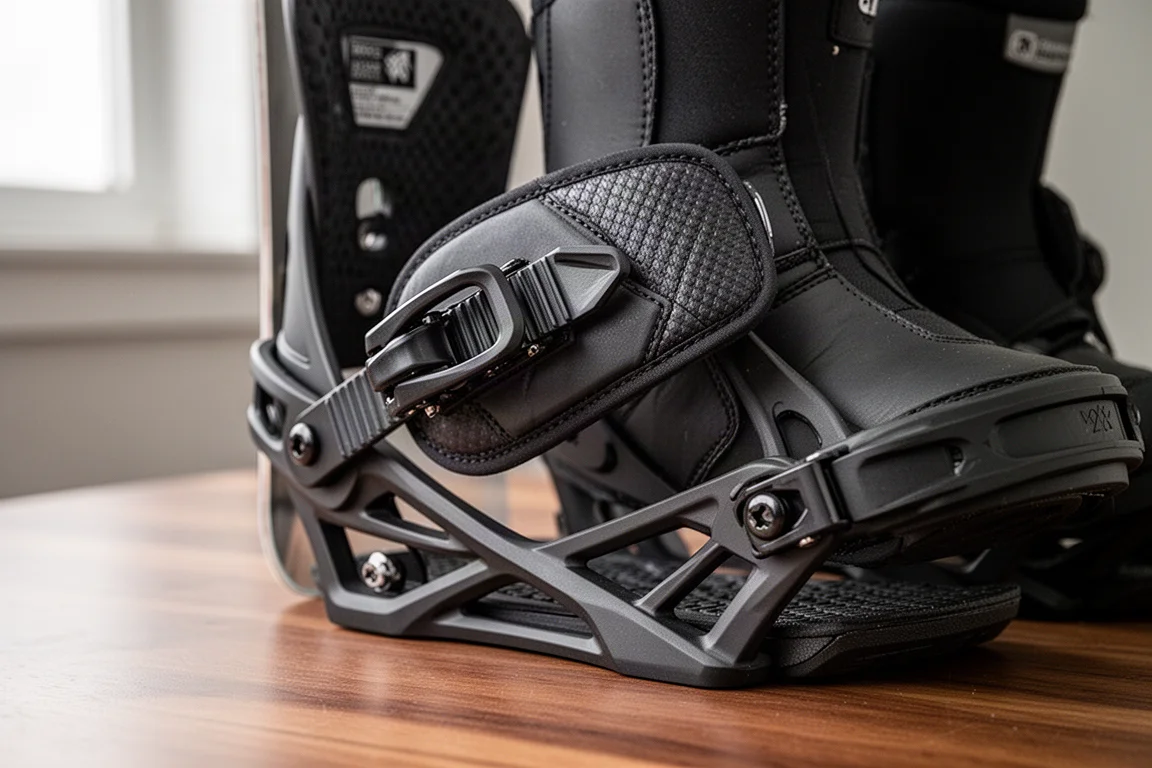
Those updates make the Atlas a better choice for park riding across a larger variety of riders. It has a stiffer than medium flex, but with the new highback it is more maneuverable in the park than ever. Riders who prefer stiffer gear in the park will love it: it holds up at speed on bigger jumps but is not too stiff for rails.
Riding the Union Falcor
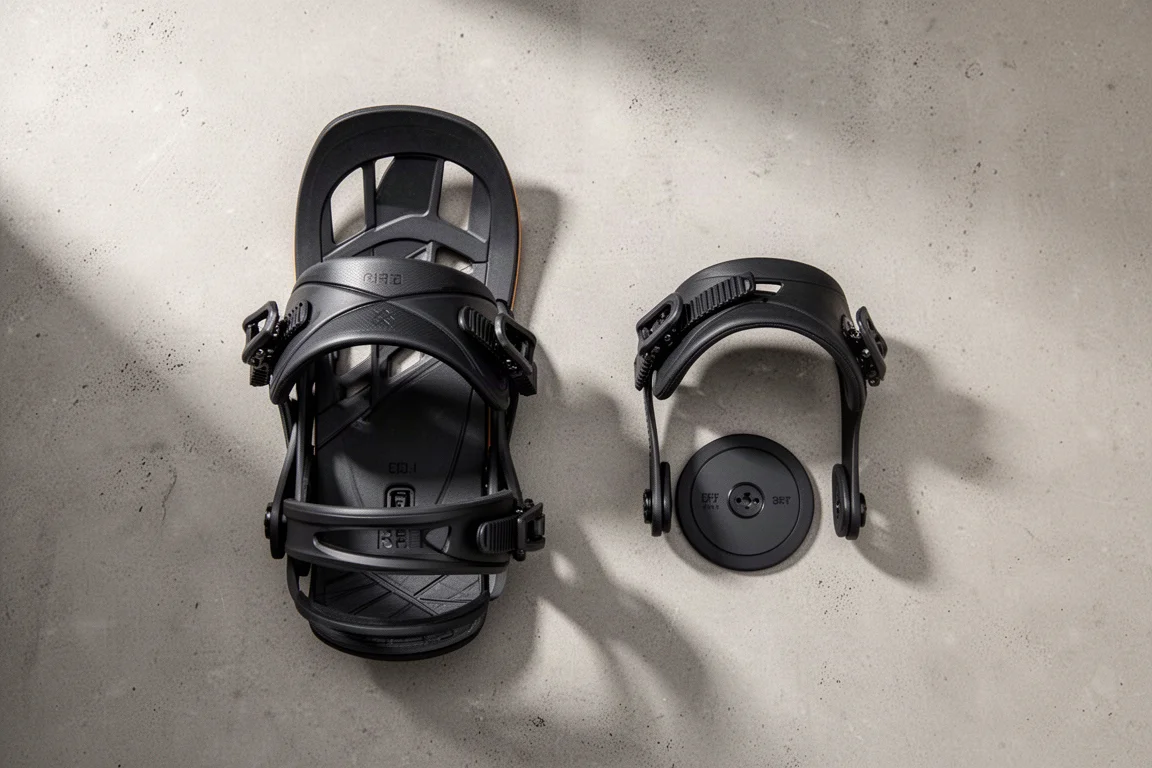
Ripping the resort on the Falcor felt amazing. This is Travis Rice’s pro model binding, and he helped push it to the next level with this season’s redesign. The biggest change is the two-layer construction baseplate, which consists of a flexible Halo base frame and a stiff MD core. Combined with an asymmetrical molecular bushing that adds a suspension-like feel, the bushing also adds inward canting, meaning the base is angled inward for more comfort on your knees.
The result is a binding that feels super comfortable underfoot while still being very quick edge to edge, a feeling that is genuinely hard to compare to anything else. The Falcor is still considered a freestyle binding in Union’s line, and it felt great in the park. The asymmetrical forged carbon highback gives the hard-charging response a rider like Travis Rice needs, yet the binding avoids being overbuilt or overly stiff. It offers the right amount of support for any intermediate or advanced rider.
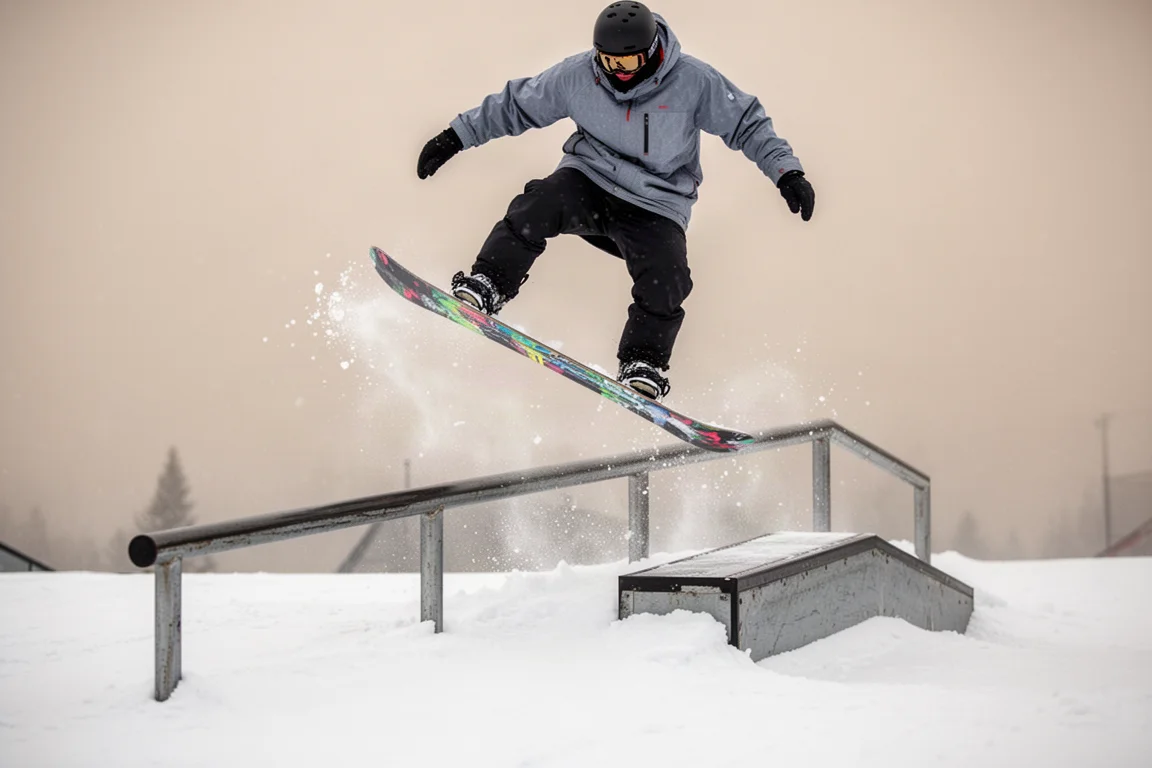
The new minimal hybrid 1.0 ankle strap was very comfortable and worked best when not cranked tight. Tightened until snug, it grabs the boot well and allows better movement, delivering a loose, skate-and-surfy feel on rails. That makes it a great choice for riders who go everywhere, including the park.
View more details for Union Falcor
Side-by-Side Breakdown
The Atlas rings in at $369.99, compared to the Falcor at $399.99. With the Falcor you get the latest technology from Union, such as the two-part baseplate, while the Atlas offers a tried-and-true build with a reliable, traditional ride.
The biggest difference showed up underfoot. Part of this comes down to the standard disc on the Atlas versus the Falcor’s mini disc. The mini disc gives a surfy ride underfoot, while the standard disc felt more sturdy. It also changed the feel of ollies: on the Atlas, ollies felt snappier because there was less lateral movement underfoot, giving a strong platform to help snap the tail. The slight play from the Falcor’s mini disc made ollies feel a little looser.
The best analogy is skateboarding: the Falcor feels like skating with looser trucks, while the Atlas feels like slightly tighter trucks. Both are amazing bindings, but the Atlas feels like a sturdy, reliable ride. That is not to say the Falcor is unreliable; it just feels different, with a looser, skate-surfy feel underfoot, yet it is surprisingly very responsive edge to edge.
Which One Should You Buy?
Either of these bindings will be great for any intermediate to advanced level rider. The Falcor suits the rider who wants to be a little more jibby and likes more movement underfoot. It may also feel better in powder, thanks to the more fluid movement between turns. The Atlas is the pick for the rider who knows they want a slightly stiffer feel underfoot, giving a sturdier ride that charges in any type of terrain. If you want something in between, Union’s classic Force binding is also worth a look.
Conclusion
Both bindings are strong choices, and the deciding factor comes down to underfoot personality. Pick the Union Atlas if you want a sturdy, responsive, traditional ride that holds up at speed in any terrain. Pick the Union Falcor if you want a surfy, comfortable feel with cutting-edge baseplate tech and the edge-to-edge response to match. For a rider who prefers the familiar, sturdy feel, the Atlas is the easier recommendation, but the Falcor is the more adventurous and comfortable ride of the two.
Further reading
Related Reviews

Snowboard Bindings
2024 Union Ultra Snowboard Bindings Review: A Cushy, Freestyle-Focused Favorite
Two seasons on the 2024 Union Ultra: a lightweight, tweakable freestyle binding with standout comfort, a damp molecular bushing, and thoughtful hardware fixes.

Snowboard Bindings
32 Team Phase Binding Review: A Fast Entry Binding Built for Freestyle Laps
The first binding from 32 uses the Phase chassis for quick step-in entry with a softer, freestyle-leaning flex. Here's how it performed on the snow.

Snowboard Bindings
Arbor Cypress Snowboard Binding Review: A Laid-Back Cruiser That Can Charge
A closer look at the Arbor Cypress binding's adjustability, strap feel, and that oddly tall highback before you decide to buy.