Snowboard Bindings
Union Atlas Step On Review: A Damped, Responsive Take on Step-On Bindings
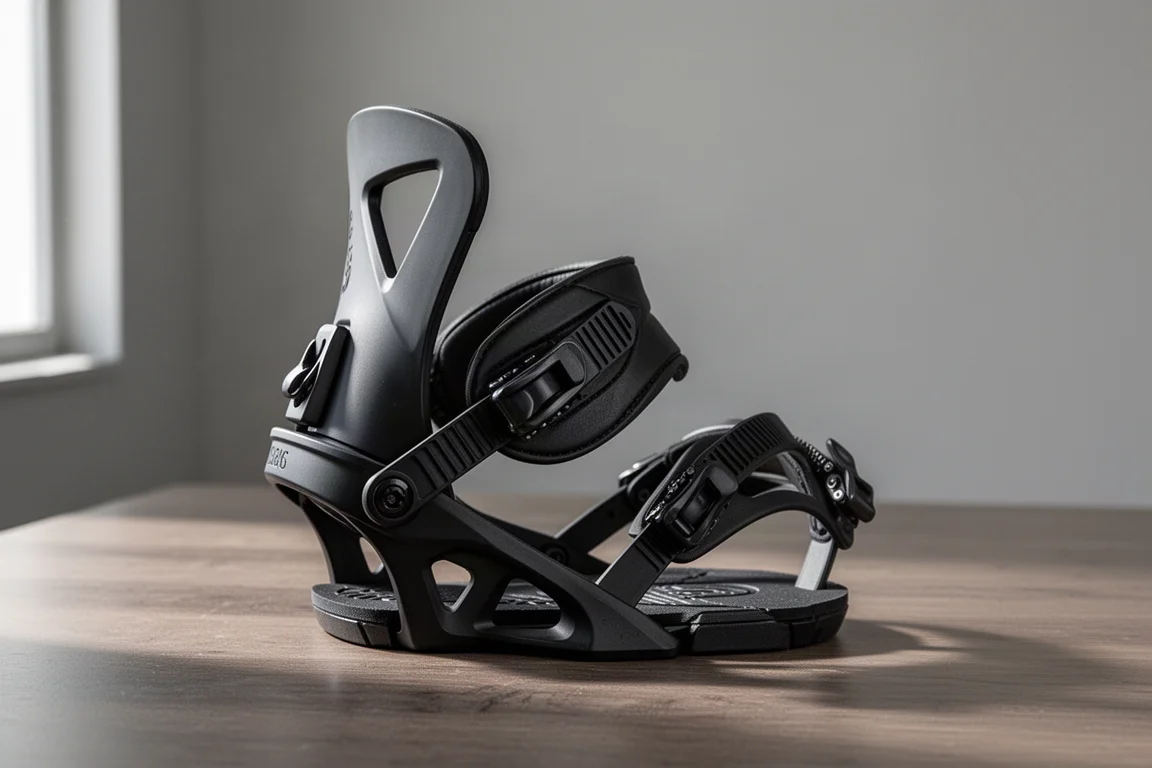
The Union Atlas Step On brings a damp, cruiser-friendly ride to the step-on category, with a responsive highback and a chassis that lets the board flex naturally.
Introduction
Step-on bindings continue to improve, and the Union Atlas Step On is a solid example of that progress. Tested across a full day at Copper Mountain that swung from warm sun to fresh snow accumulation and chewed-up, icy groomers, this binding delivered a smooth, damp ride with a noticeably responsive feel. It is an interesting proposition: a step-on system aimed at riders who want more performance than typical step-on offerings, without giving up comfort.
It should be said up front that this is not a binding aimed at converting strap loyalists. It is built for riders who already like the step-on concept and want a more responsive, better-damped version of it.
Adjustability and Setup
Centering the binding works differently from most Union bindings. Instead of sliding the heel cup back and forth with screws, you center the binding using the disc itself. That means the binding will not mount in line with your inserts; it has to be mounted perpendicular to the holes to get it properly centered. It is a slightly unusual approach, but otherwise the setup is fairly rudimentary.
Toe ramp adjustment is minimal, giving you just enough room to keep toe hang in check. The highback adjustment is also unconventional. Rather than a flip tab, forward lean is adjusted with a small screw. The binding ships with small plastic pieces in the box that push the highback forward for more lean, and they are easy to overlook. Do not throw them away, since they are the intended mechanism for adjusting forward lean.
Entry, Exit, and Locking In
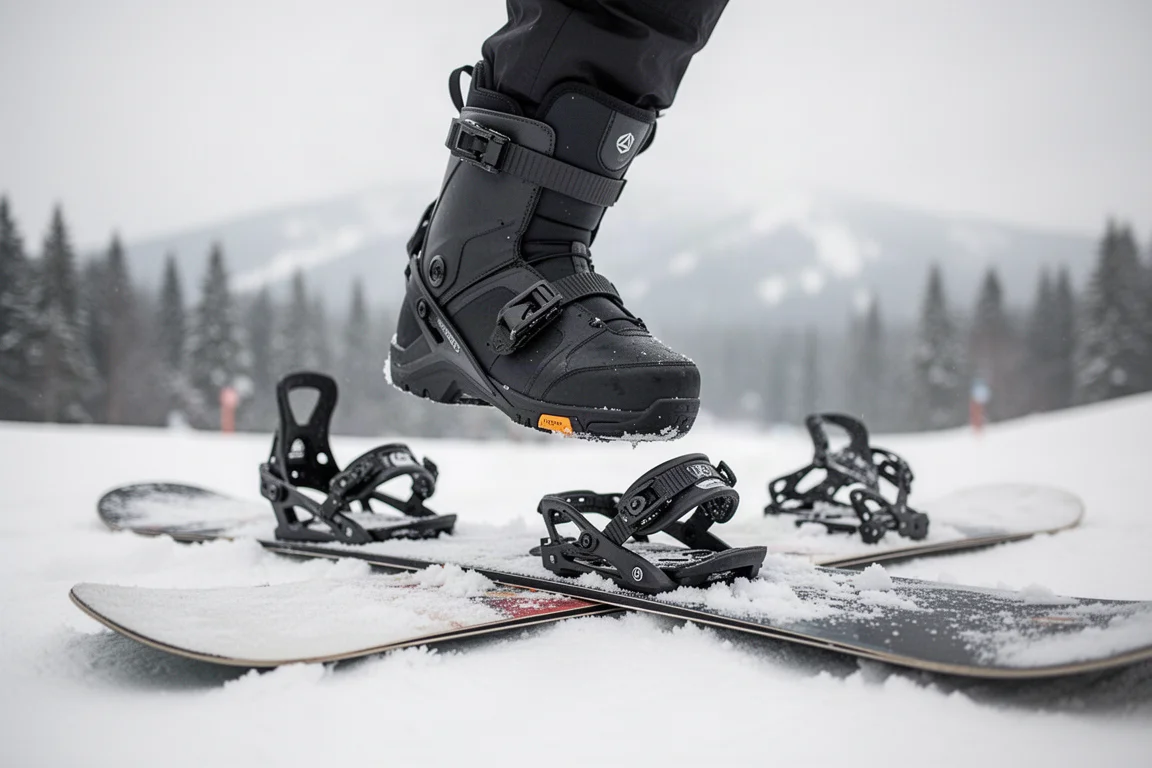
As with any step-on system, you need that satisfying double heel click to know you are fully locked in. On the very first run, a single heel click left the binding only partially engaged. The reassuring part: the toe pins held firm even while wrenching side to side, and once the heels were fully clicked in, the connection felt completely solid. That issue appeared only once, likely due to rusty step-on habits rather than a design flaw.
Exit takes a bit of effort, particularly with new bindings. Trying to simply kick the foot out does not work well. The technique that works is twisting the boot as you pull out, and then it releases smoothly. Once fully engaged, the binding held without any play, feeling genuinely one with the boot.
Highback Performance
The highback is the standout here. Because it essentially becomes an extension of your boot, heelside turns feel super responsive and genuinely satisfying. It still offers some lateral give, so when you are loading up an ollie or pressing, there is enough mobility to keep things playful.
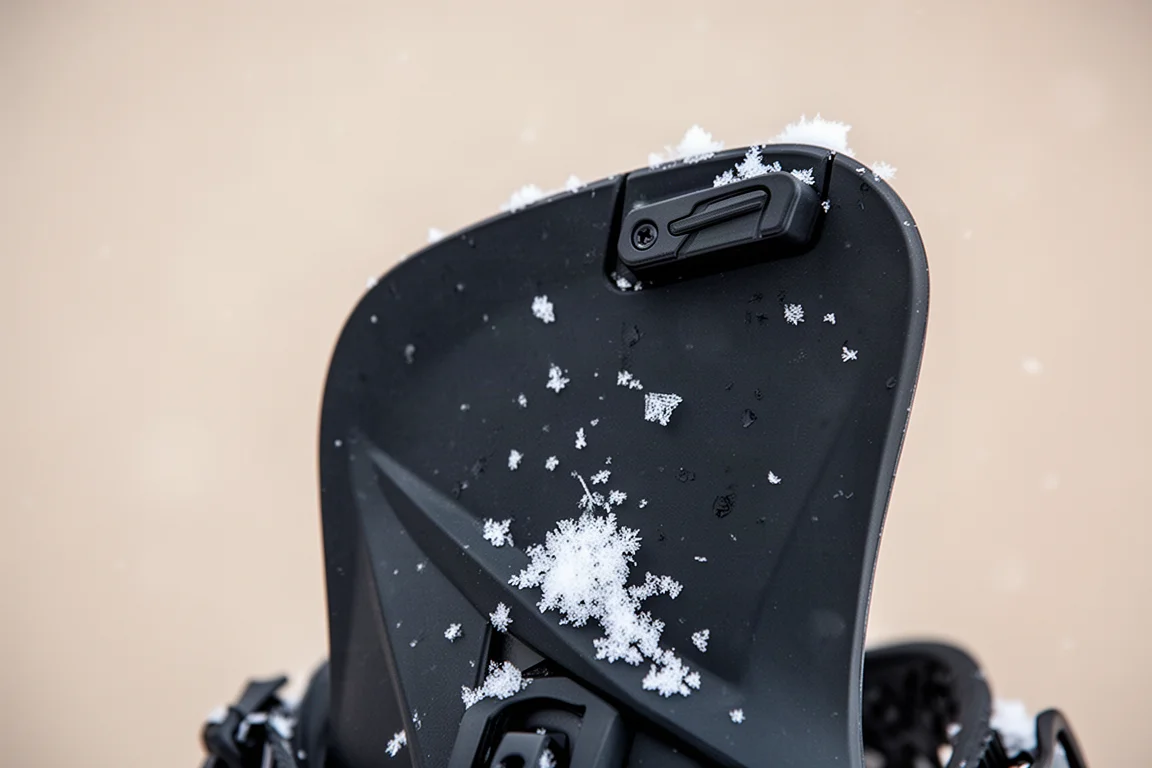
What makes this highback unusual is that it doubles as the entry mechanism for clipping in, and it includes a lock that keeps it flipped up when exiting so it does not keep re-engaging. That small touch makes the system noticeably easier to use, especially for riders who do not normally ride step-ons. The highback is asymmetrical, aligning better with the natural angle of your legs, and it is not soft. Expect responsiveness rather than a laid-back flex.
Flex and Ride Feel
With no straps in the equation, all of the flex comes from the chassis and the highback. The chassis borrows from the Falcor design and pairs it with the Union Force footbed, creating a ride that is nicely damped without feeling dead.
The key detail is how the chassis handles board flex. Unlike some other step-on designs that create hard break points, landing tail-heavy does not produce that sharp edge that threatens to snap a topsheet. Even though the base is wider, the board still flexes naturally underfoot, so it never feels like a plank strapped to your foot.
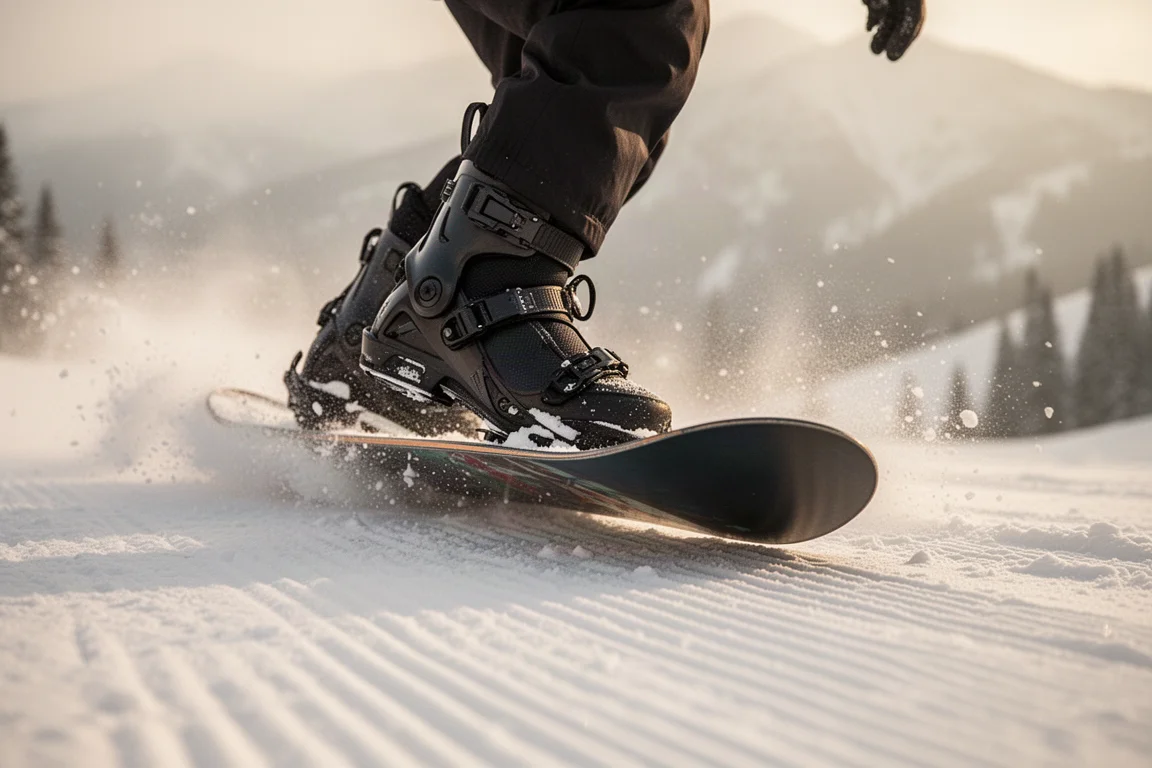
The combination of the footbed and base tray soaks up chatter and vibration well, resulting in a comfy, cruisy ride that is smooth without being overly rigid. A stiffer Atlas base tray would likely have made this binding far too harsh, so the damping here is a deliberate and welcome choice.
Things to Consider Before Buying
The main caveat is psychological. Even when fully locked in, there was a lingering doubt about whether the heel was truly engaged, which is a known aspect of riding any step-on system. Riders who trust the double click will be fine.
The rental boots used during testing were genuinely poor, which affected toeside performance, so boot quality matters enormously with this system. That is a step-on reality rather than a binding flaw, but it is worth factoring in.
Buying Advice
This binding makes sense for riders who already like step-ons and want something more responsive and better damped. It is comfortable, smooth, and absorbs chatter nicely, making it a great choice for a cruiser-oriented ride. It is also an improvement over earlier step-on systems on the market.
If you prefer traditional straps, this is simply not going to change your mind, and that is fine. Comparable options worth looking at include the Flux DS Step-On, the Nitro Step-On, and the Nidecker Carbon Supermatic.
Conclusion
The Union Atlas Step On does what it sets out to do: a damp, comfortable, responsive step-on binding with an excellent highback and a chassis that respects how a snowboard should flex. For committed step-on riders wanting more performance, it is an easy recommendation. Strap loyalists will want to look elsewhere.
Product link
View more details for Union Atlas Step-On
This product is mentioned in the review. Check the specifications, options, and compatibility before buying.
View more details for Union Atlas Step-OnFurther reading
Related Reviews

Snowboard Bindings
2024 Union Ultra Snowboard Bindings Review: A Cushy, Freestyle-Focused Favorite
Two seasons on the 2024 Union Ultra: a lightweight, tweakable freestyle binding with standout comfort, a damp molecular bushing, and thoughtful hardware fixes.

Snowboard Bindings
32 Team Phase Binding Review: A Fast Entry Binding Built for Freestyle Laps
The first binding from 32 uses the Phase chassis for quick step-in entry with a softer, freestyle-leaning flex. Here's how it performed on the snow.

Snowboard Bindings
Arbor Cypress Snowboard Binding Review: A Laid-Back Cruiser That Can Charge
A closer look at the Arbor Cypress binding's adjustability, strap feel, and that oddly tall highback before you decide to buy.