Outdoor Gear
Six Unexpected Outdoor Gear Items Worth a Closer Look
An extreme-cold boot, a winter sleep system, a lay-flat hammock, rugged radios, and two items that are much harder to recommend.
Introduction
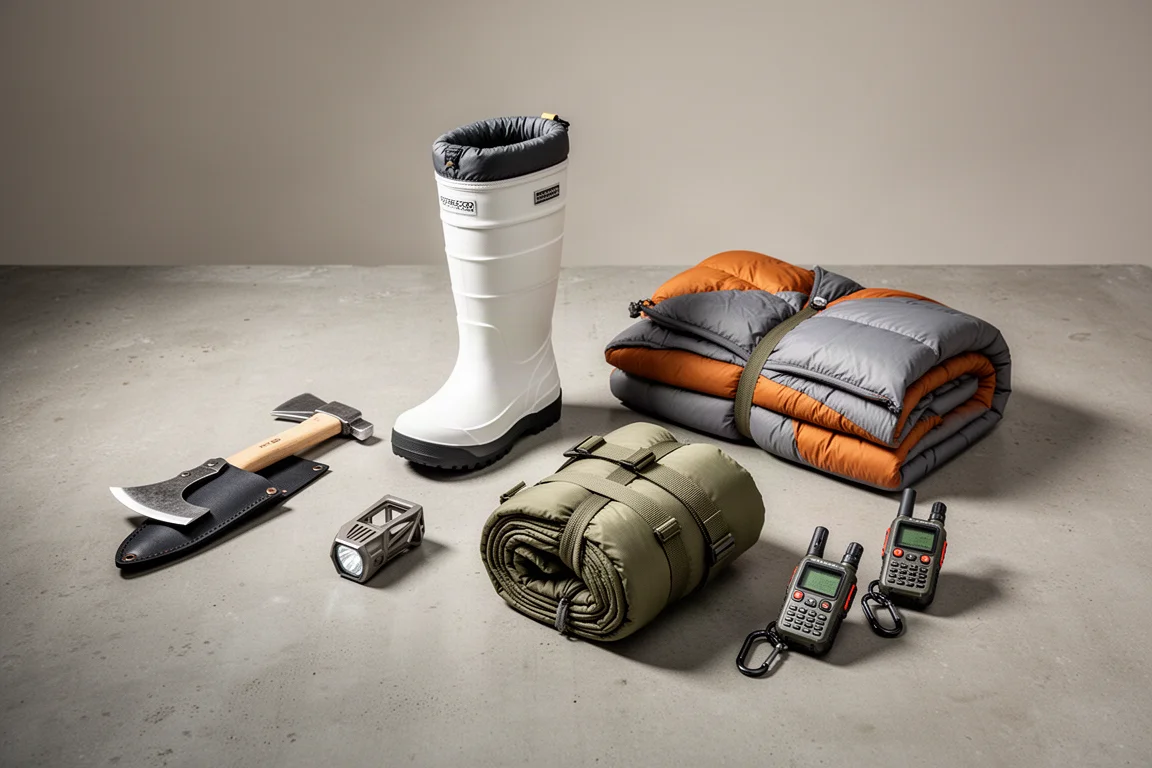
Sometimes the gear that shows up covers more ground than any single trip ever could: a handheld chopping tool, a pocket light, an extreme-cold boot, a winter sleep system, a hammock, and a pair of backcountry radios. Some of it is genuinely clever. Some of it is baffling. All of it is interesting enough to talk about.
This roundup walks through what each item actually is, what it does well, and where the trade-offs sit, so you can decide whether any of it belongs in your own kit.
What to Know Before You Buy
These six items have almost nothing in common except that they are all built for time outdoors. Two of them, the boot and the sleep system, target serious cold weather. Two are about shelter and carrying. Two are about light and communication.
Because the use cases are so different, the most useful approach is to judge each item against the conditions you actually expect to meet. A boot rated for extreme cold makes little sense for mild winters, and a complicated light makes little sense if you want one button and instant brightness.
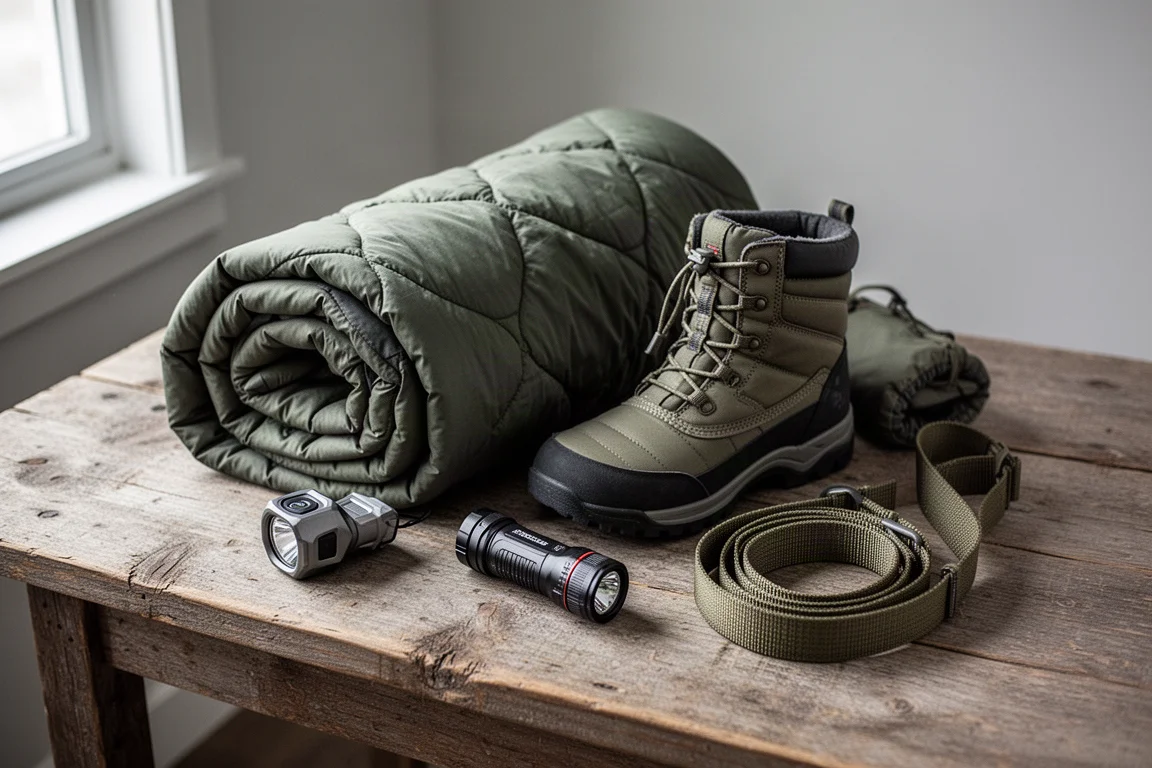
Price matters just as much. Several of these products sit at the upper end of their category, and in a few cases a simpler, cheaper alternative covers the same job. Where that is true, it is worth saying plainly.
Axis Hand Axe: A Handheld Chopper With a Serious Price
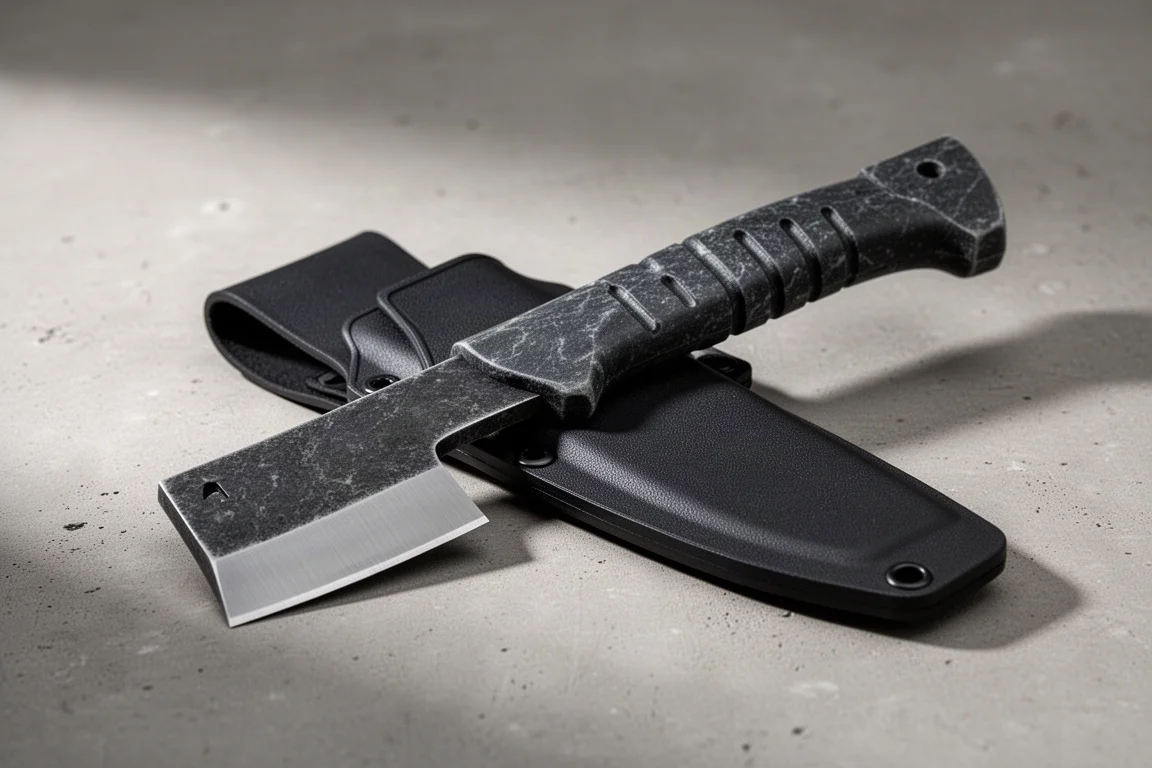
The Axis Hand Axe is a compact chopping tool designed to be gripped in one hand while you chop. It is made from D2 steel, 3/8 of an inch thick and 7 inches long overall, with a 5.3 inch blade, and it arrives with a Kydex sheath that holds it snugly.
In hand, the idea is more interesting than the execution. Finger positioning changes what you can do with it, and some grips rub against the fingers during harder work. It can also be lashed to a handle to become a full-size axe, though that setup is described as tedious for the sake of avoiding a hatchet.
It is genuinely versatile. It will cut cheese, cut sausage, chop, and slice, and it is light for what it is. The sticking point is the $185 price. For a fraction of that, a folding saw covers most of the same work for most people. This is one for the dedicated bushcrafter who builds shelter by hand and wants a single tool that does many jobs.
Wuben X4: A 1,500-Lumen Light With a Steep Learning Curve
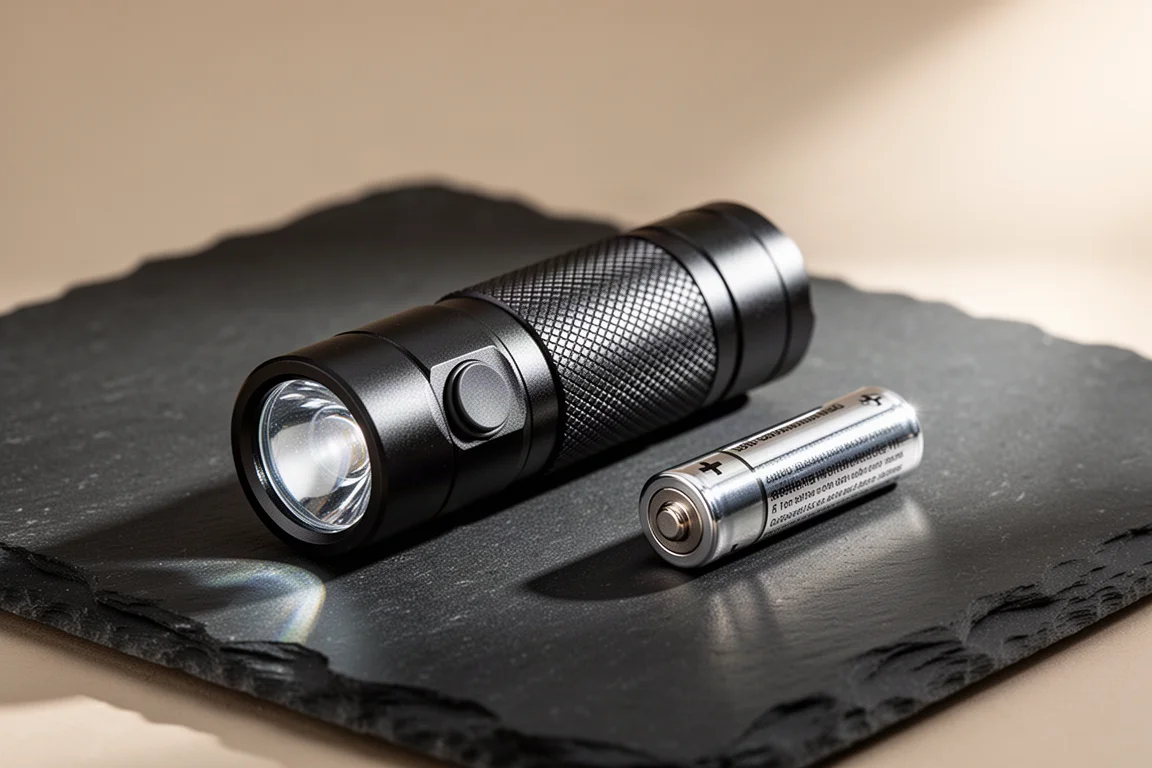
The Wuben X4 is a flashlight that tries to do a great deal at once. A slide selector moves between four positions: locked, side light, front light, and moonlight. Turning it on requires holding a button, and changing modes means twisting a side knob rather than pressing the same button again.
That layout is the core problem. In the dark, pulling a light out of a pocket and needing to remember which position the selector sits in works against the whole point of a flashlight. The side dimming control also reverses depending on how the light is held, and a rear button only functions in moonlight mode. The side light adds a white output plus a set of colors that are hard to reach, including blue, teal, yellow, and red.
On paper the numbers are good. At 1,500 lumens for $50, the output per dollar is fair. The difficulty is entirely in the interface, which demands time and attention a flashlight should never ask for.
Alaska Gear Company Bunny Boot: An Extreme-Cold Boot With a Proven Design
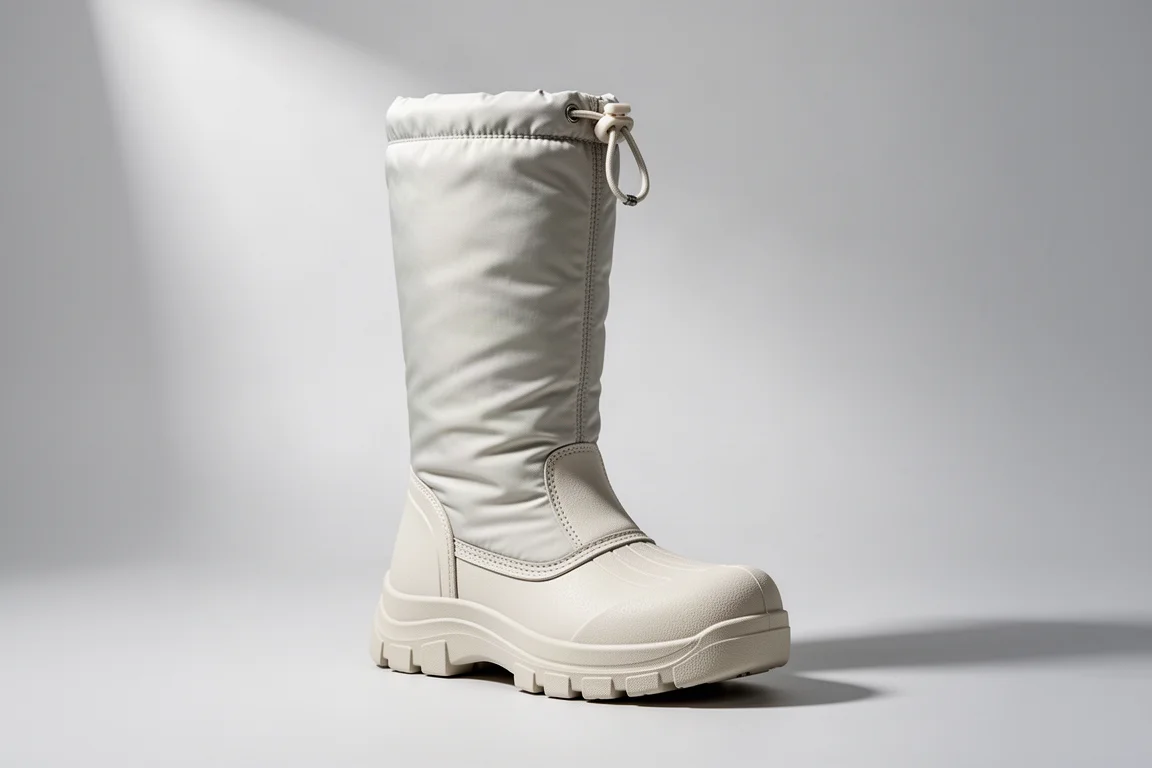
The Bunny Boot from Alaska Gear Company is built for conditions most people never encounter. Its comfort rating reaches -25°F, and it uses fully waterproofed insulation with an insole aeration system. The design is a proven one, tested by the company in the environments it was made for.
What stands out immediately is the volume. The boot stands about 3 inches taller than a normal boot and weighs roughly 3.5 pounds each, or about 7 pounds for the pair. That bulk is the point: insulation and waterproofing stacked up for deep cold and deep snow. The company also warns that feet will sweat inside them, which is the trade-off for keeping weather out.
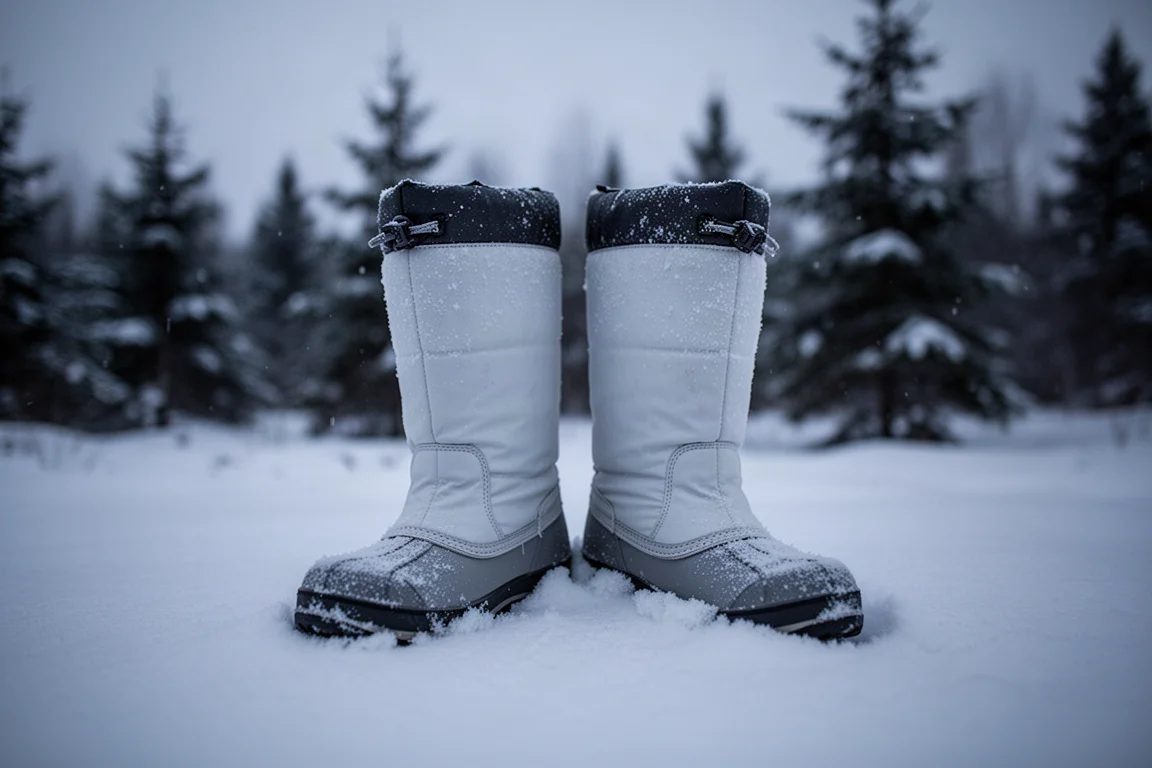
Pricing is more reasonable than the size suggests: $290 on sale against a $350 list price. For anyone heading into genuine winter extremes, that is a defensible number, and it is hard to find this much cold-weather capability for less.
Zenbivy -5°F: A Backcountry Bed for Deep Winter
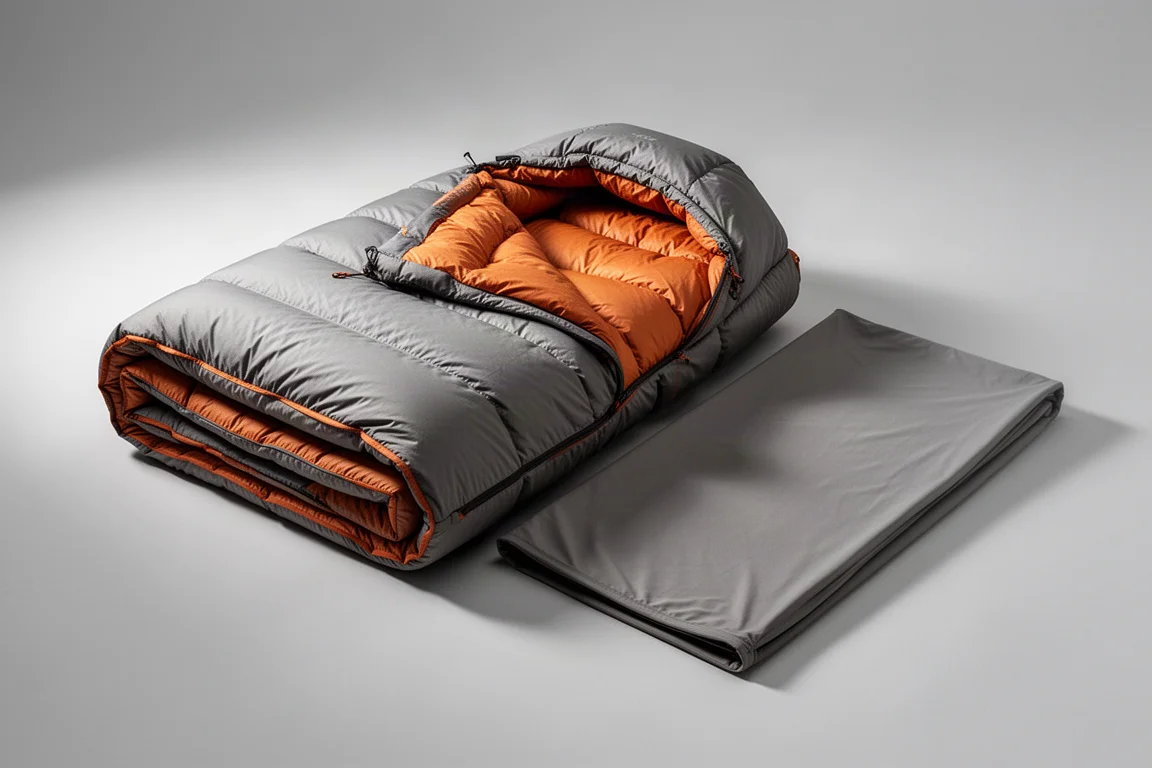
The Zenbivy -5°F is less a sleeping bag than a bed you carry. A fitted sheet goes over an air mattress and fits most mattresses, while the quilt lays over the top. A fast foot box closes over your feet as soon as you slide in, and color-coded side walls clasp together so the quilt stays where you put it.
The result is the comfort of a bed at home without the constriction of a mummy bag. The quilt stays around you as you move, so rolling over does not open a draft underneath, and the hood can be pulled back or over the top. Back, side, and stomach sleepers are all accommodated, which is unusual for a sleep system.
The fill is 800 fill down, which is what makes a -5°F rating plausible in a package this packable. At $370, it sits at the premium end of winter camping gear, but for a system that covers deep winter conditions it represents strong value.
Amok Hammock: A Perpendicular Lay-Flat Design
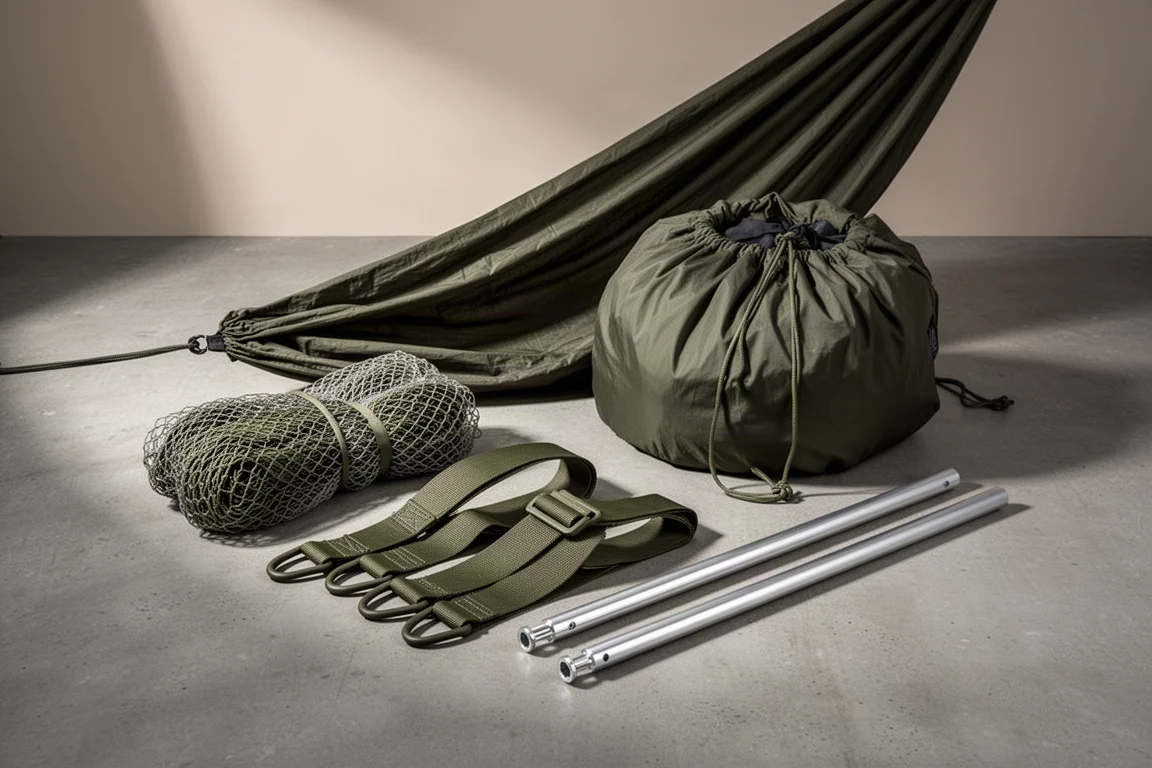
The Amok Hammock takes a different approach to hanging. Instead of lying head to foot along the line between two trees, you lie perpendicular to it, which produces a flatter sleeping position. The company claims you can sleep on your back, your side, or your stomach.
The details are thoughtful. Interior pockets hold gear and a phone, there is a dedicated spot for a Nalgene bottle, and the setup can be adjusted into a chair configuration. A bug net comes with it, and a tarp is available separately. The version here is the extra-large, and an ultralight version is also offered.
Setup took only a few minutes and was among the easiest hammocks to pitch, despite looking complicated. The slow part was inflating the sleeping pad and threading it into the sleeve. Poles are optional but add interior room, which matters if hammocks feel tight. The hammock is $219, the sleeping pad is sold separately at $150 with a claimed R5 rating, and the tarp adds further cost.

For anyone who wants a flat, roomy lay and does not mind a little pad work, the build quality and design here are excellent.
Rocky Talkie: Rugged Radios for Group Trips
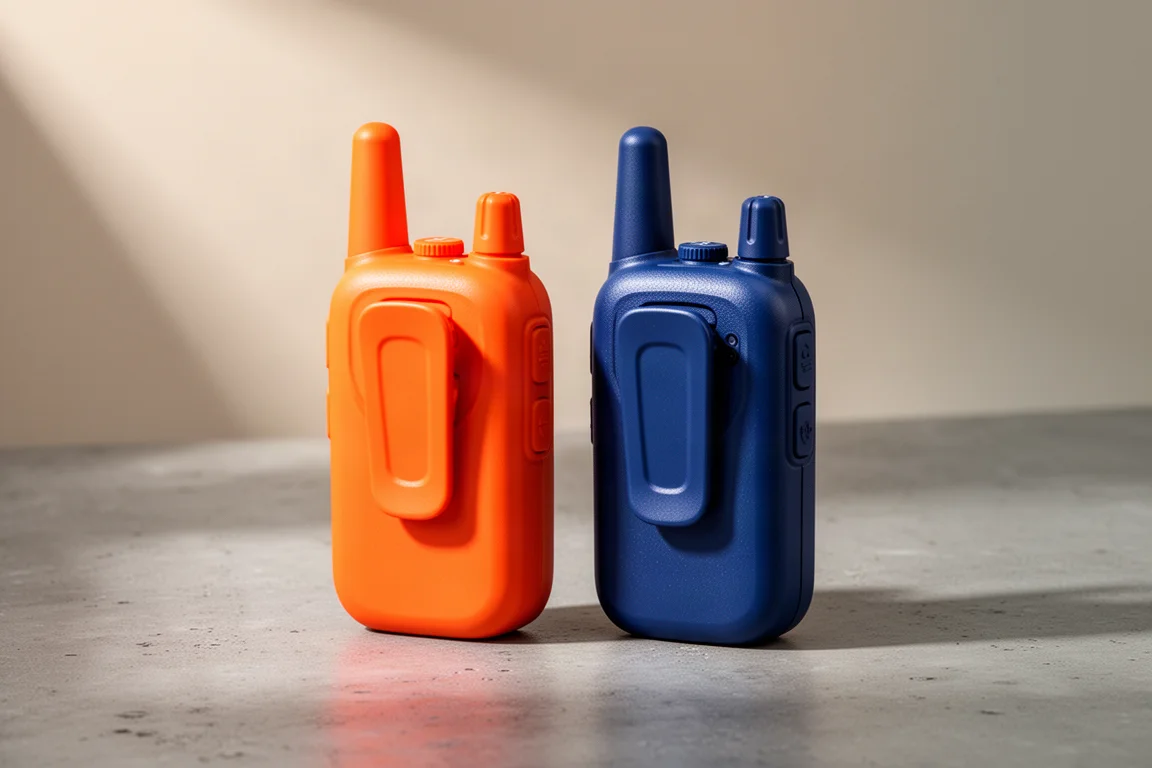
Rocky Talkie radios are built for outdoor group communication, whether the group is spread across separate camps or split up along a trail. The manufacturer claims the highest signal strength available before a license or permit is required, with a 35 mile line-of-sight range and roughly a mile of usable range in woods and mountains.
Durability is the headline. A carabiner clips the radio to a sternum strap or shoulder strap, and a second carabiner secures it to a belt so a dropped radio is not a lost radio. Battery life runs three to five days, and the operating range covers -25°F to 120°F, well beyond what most trips will ask of it.
In a real-world test in a city setting, audio stayed clear to about half a mile and broke up around 0.6 to 0.7 miles, with reception noticeably better outside a vehicle than inside one. The price is $110 per radio, which is high for the category. The case for these is durability and simplicity for people who spend time outdoors, not raw range.
Overall Buying Advice
If the goal is cold weather capability, the boot and the sleep system are the two items here that solve problems nothing else can: the Bunny Boot for standing and moving in extreme cold, the Zenbivy for sleeping through it. Both sit at the upper end of their categories, and both are worth it only if your conditions match their ratings.
For shelter and communication, the Amok Hammock stands out for anyone who wants a flatter lay and more interior room, while the Rocky Talkies make sense for groups that want a rugged, simple radio and can accept the per-unit price. The Axis Hand Axe and the Wuben X4 are the two that ask the most of a buyer: the axe for its price against simpler tools, the light for an interface that never becomes second nature. Neither is a bad object, but both are easy to leave on the shelf.
Conclusion
Six items, six very different answers. The cold-weather gear and the hammock are the easiest to recommend within their intended conditions, the radios are a solid but expensive option for groups, and the axe and the flashlight are best left to buyers who specifically want what they offer. Match each one to the trips you actually take, and the right choices become fairly clear.
Further reading
Related Reviews
Outdoor Gear
Backpacking Gear Evolution: 100 Years of Technology Compared
We tested backpacking gear from 1925, 1975, and 2025 across a three-day hike in Yosemite. Here's how technology has transformed comfort, weight, and the outdoor experience.
Outdoor Gear
Best Affordable Hiking Watches: Five Rugged Options for Outdoor Adventures
Five durable hiking watches that balance ruggedness, functionality, and value for outdoor enthusiasts who need reliable GPS tracking and weather resistance.
Outdoor Gear
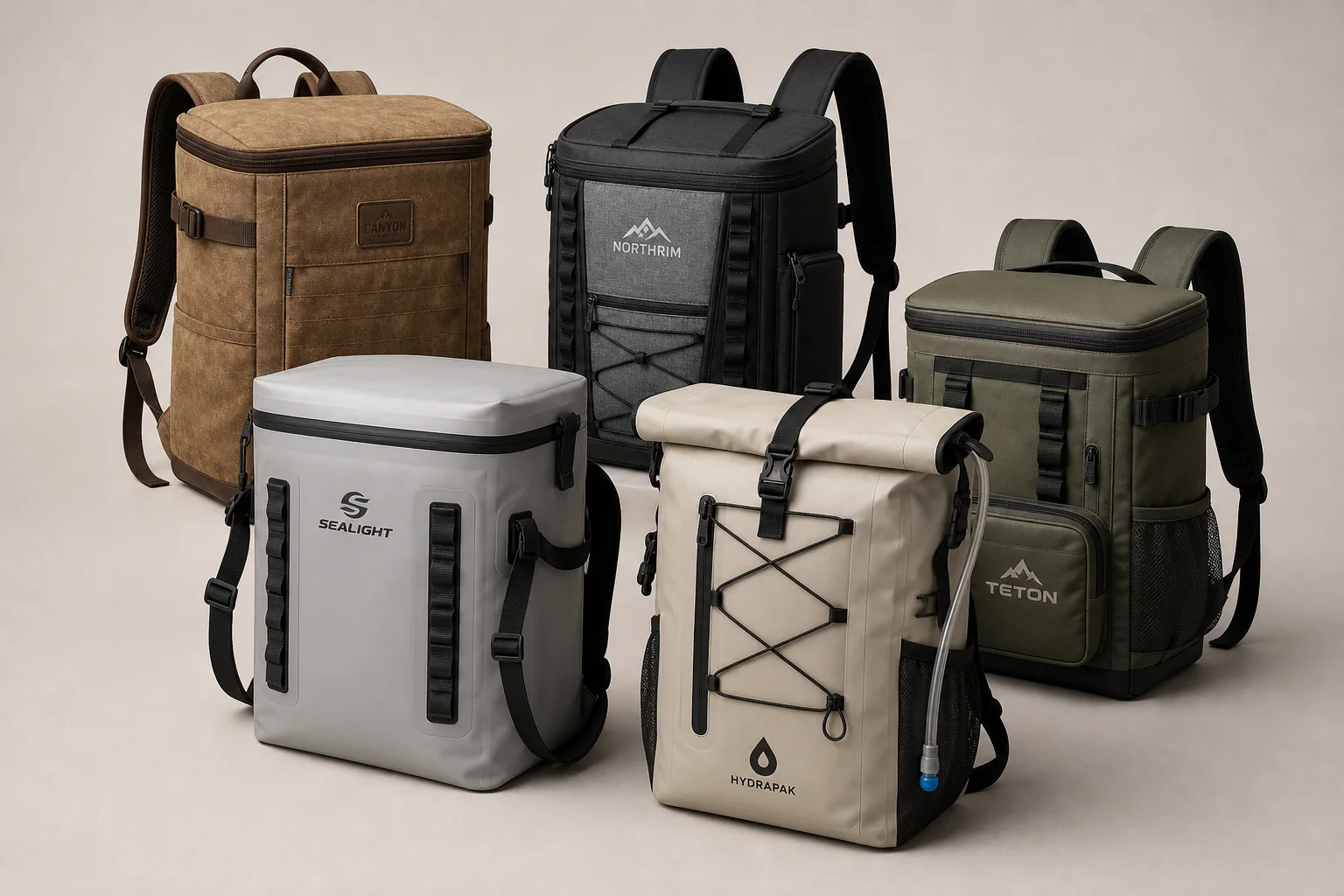
Best Backpack Coolers 2026: Five Practical Options for Outdoor Adventures
Five backpack coolers with distinct cooling capabilities, storage features, and design trade-offs to help you choose the right one for your outdoor needs.