Cookware
Saucier vs Sauce Pan and Saute Pan vs Skillet: Four Pans Worth a Second Look
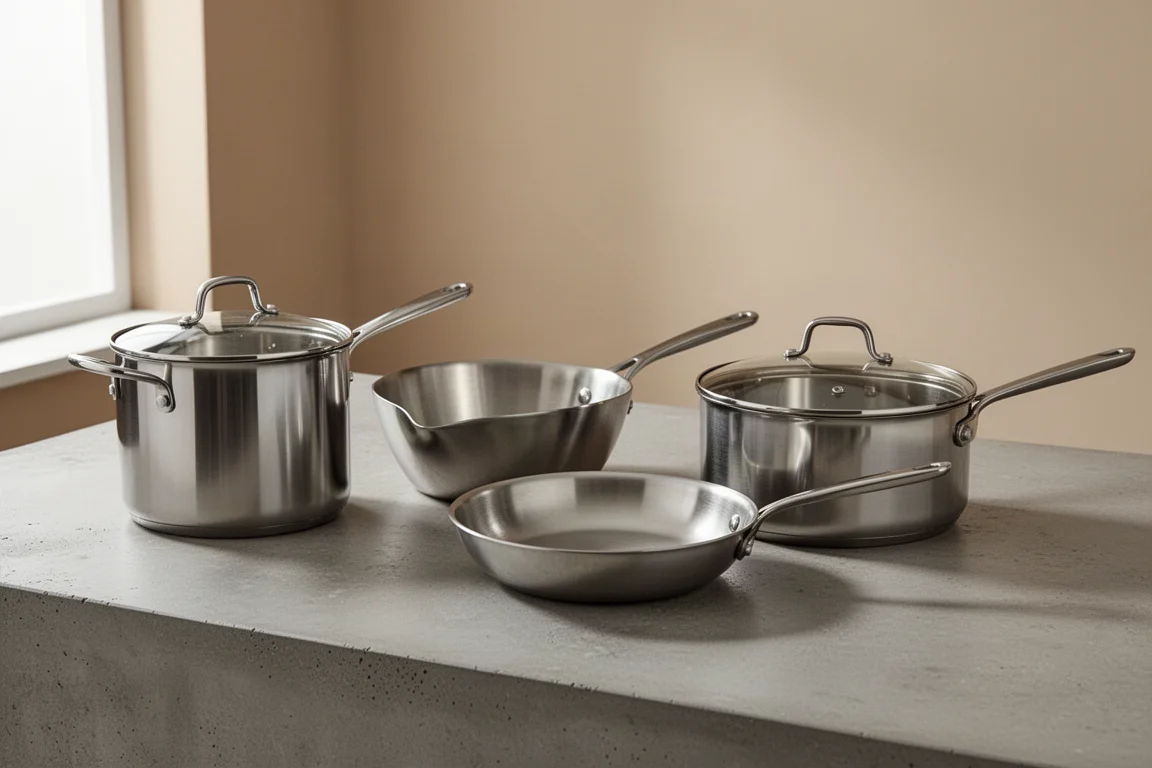
Four fully clad stainless steel pans, including an All-Clad sauce pan, a Le Creuset saucier, an All-Clad skillet, and a Made In saute pan, and when each one earns its place.
Introduction
Some cookware gets all the attention, while quieter workhorses go overlooked. The saucier and the saute pan fall squarely into that second category. Both have passionate fans, and both raise the same practical question: should you buy specialized gear like a saucier or saute pan, or are you better off sticking with kitchen essentials like sauce pans and skillets?
To help you decide, we compared each specialist pan against its closest relative: the All-Clad sauce pan versus the Le Creuset saucier, and the All-Clad skillet versus the Made In saute pan. All four are fully clad stainless steel pans that have been tested and reviewed, and each has clear strengths worth understanding before you spend money.
The Saucier: A Rounded Twist on the Sauce Pan
Mention the word saucier among cookware enthusiasts and you are in for an earful. People love these pans. A saucier is essentially a rounded sauce pan with a wider mouth and flared walls. It can do everything a sauce pan can, but its design makes certain tasks, like pastry cream, caramel, and even your morning oatmeal, a little easier. The name also belongs to the French cook responsible for sauces, stocks, and soups, and these vessels are well suited to that work.
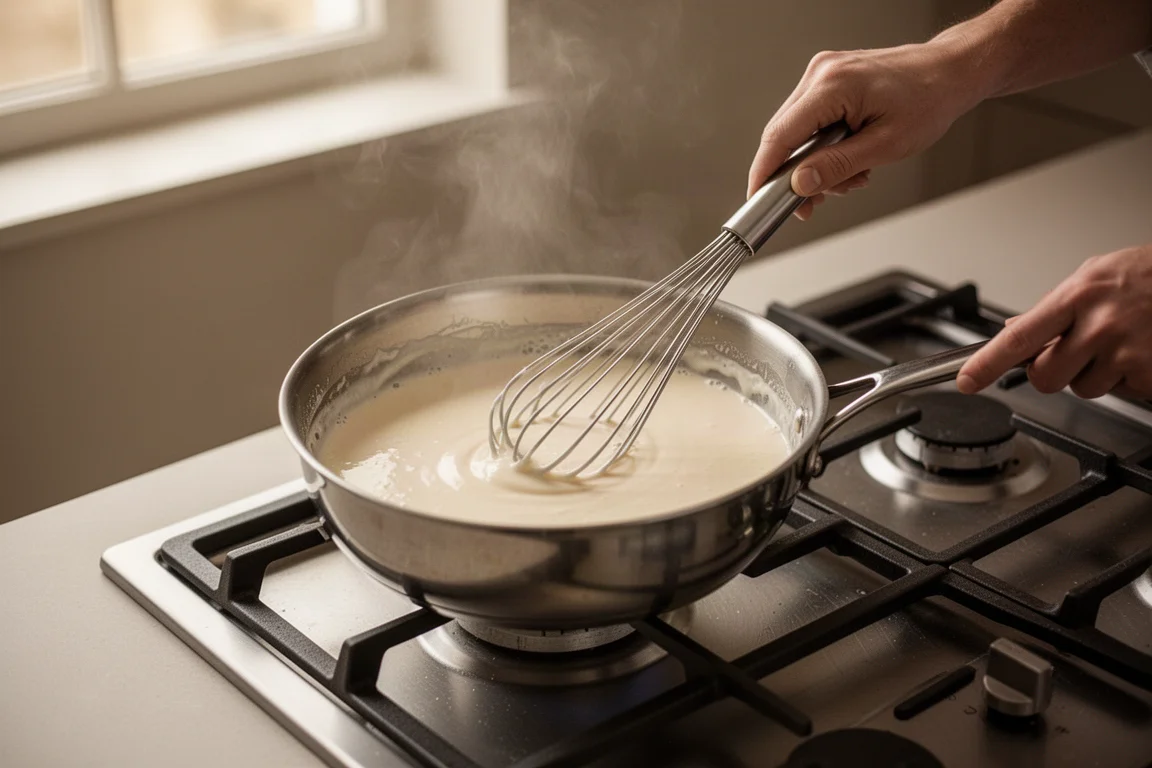
The closest relative is the sauce pan, and comparing the two shows exactly where the differences lie. Both pans offer a nice broad cooking surface with plenty of room to stir so everything cooks evenly, and both have comfortable, trustworthy handles whether you are standing at the cooktop or carrying the pan to the sink. Both are also fully clad stainless steel, which means they heat quickly, respond fast to temperature changes, and present a non-reactive stainless cooking surface. They are both genuinely user-friendly pans.
Sauce Pan vs Saucier: The Key Differences
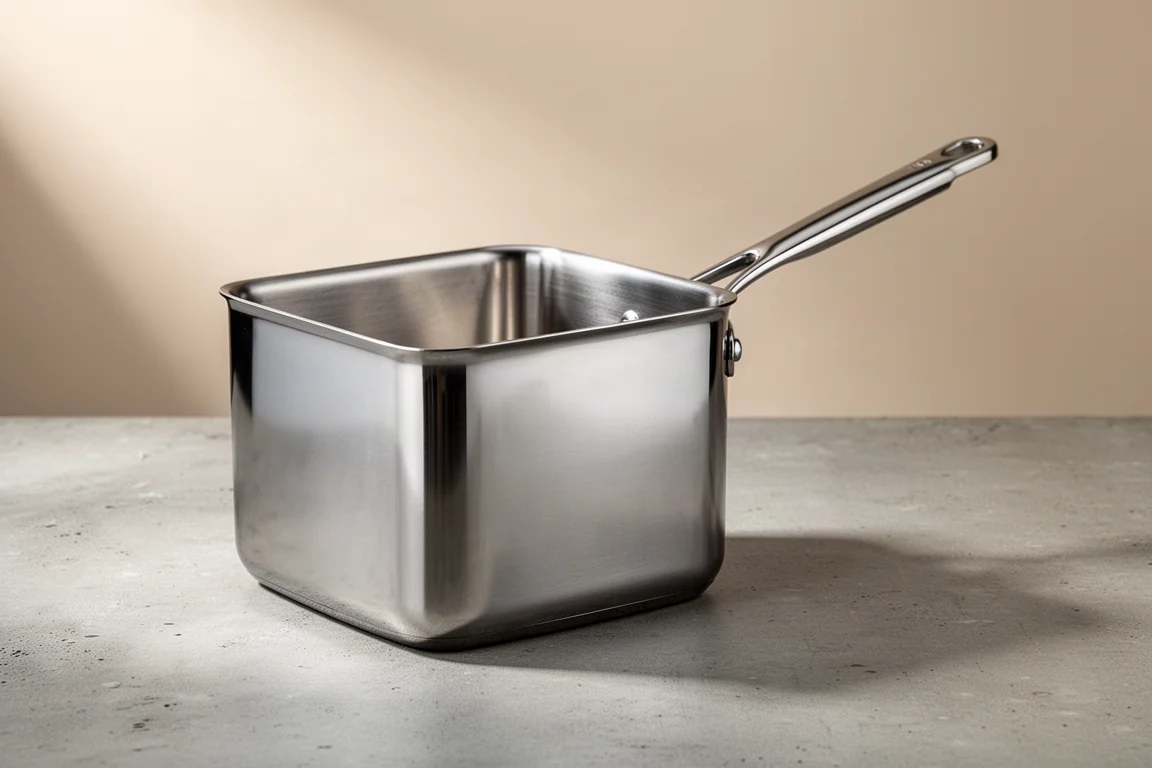
The sauce pan has tall L-shaped walls, which creates interior corners. That is not a flaw, and you can absolutely make great food in one, but food can get trapped in those corners, so you have to pay a little attention while cooking and a little scrubbing at cleanup. The saucier’s sloped, rounded walls leave essentially nowhere for food to get stuck, which makes stirring easier and cleanup noticeably simpler.
The All-Clad sauce pan is a favorite in this category and shares most of the saucier’s virtues, including the broad cooking surface and the comfortable handle.
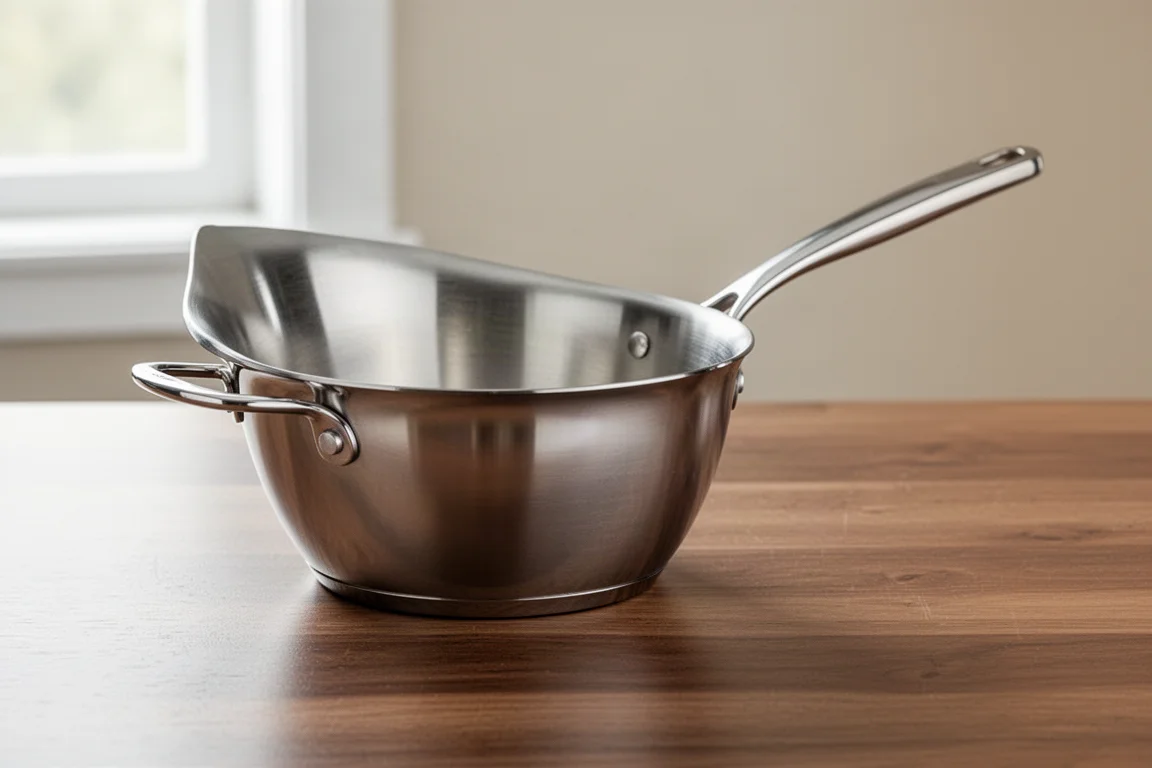
The Le Creuset saucier is the standout rounded alternative, and once you start using one you appreciate how the small differences add up.
What Makes a Good Saucier
A few traits separate a great saucier from an average one. First, the cooking surface should be broad. Models that are too small feel cramped when you stir, while an overly large surface spreads food into a thin layer that is harder to control and more likely to burn. Second, the handle should be sturdy and comfortable. Some tested models had handles that angled at awkward positions or had sharp edges that dug into hands; a good one feels secure the whole time you are cooking. A helper handle is not essential, but it is nice when you are carrying the pan around the kitchen.
Third, and most importantly, are the walls: low, flared, and free of sharp corners. Weight matters too, and the Le Creuset sits right at the sweet spot at two pounds, twelve ounces.
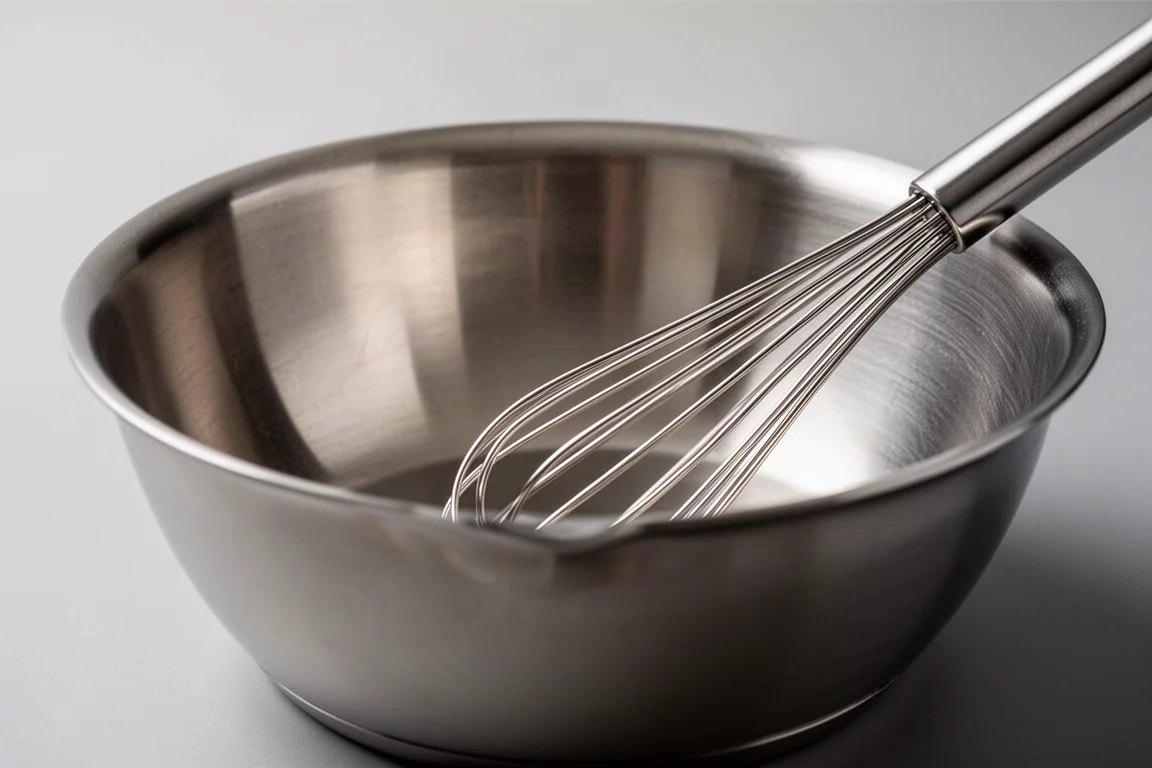
So, can a saucier replace a sauce pan? Probably not. Sauce pans are more common and handle the same jobs, and sauciers are pricey. But if you whisk and stir often, a saucier earns its keep.
The Saute Pan: Skillet Meets Sauce Pan
A saute pan is a cross between a skillet and a sauce pan. It usually comes with a lid, is nice and wide, and has high L-shaped sides. It is great for browning and searing, shallow frying, braising, and yes, even sauteing. In many test kitchens it is a bit overlooked because recipes that would use one get pushed into a skillet or a dutch oven instead. Even so, there are plenty of times when this is really the best pan for the job.
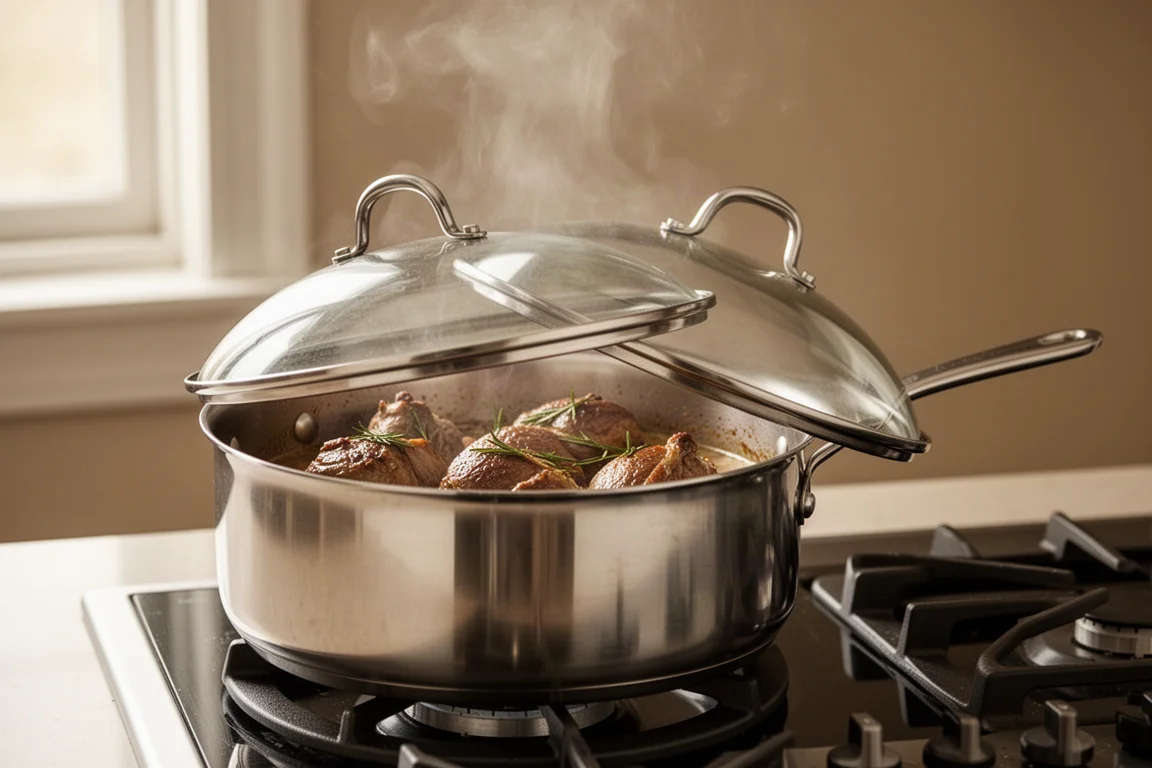
Its closest relative is the skillet, and both winning examples here are fully clad stainless steel, with stainless, aluminum, and stainless sheets bonded together before the pan is formed. That construction delivers even cooking with no hot spots, and both pans work on the stove or in the oven with plain stainless handles.
Skillet vs Saute Pan: The Key Differences
Both pans have wide cooking surfaces, but the shapes perform differently. The skillet has low, flaring sides that bow outward, which is great for browning and for encouraging evaporation. The saute pan’s sides are taller and straighter, and with a big domed lid it holds a lot of food without spilling, which makes it excellent for braising and simmering. Because saute pans often carry heavier food and liquid, they add a helper handle.
The All-Clad skillet is the winning example here, especially strong at browning thanks to those low flared sides.
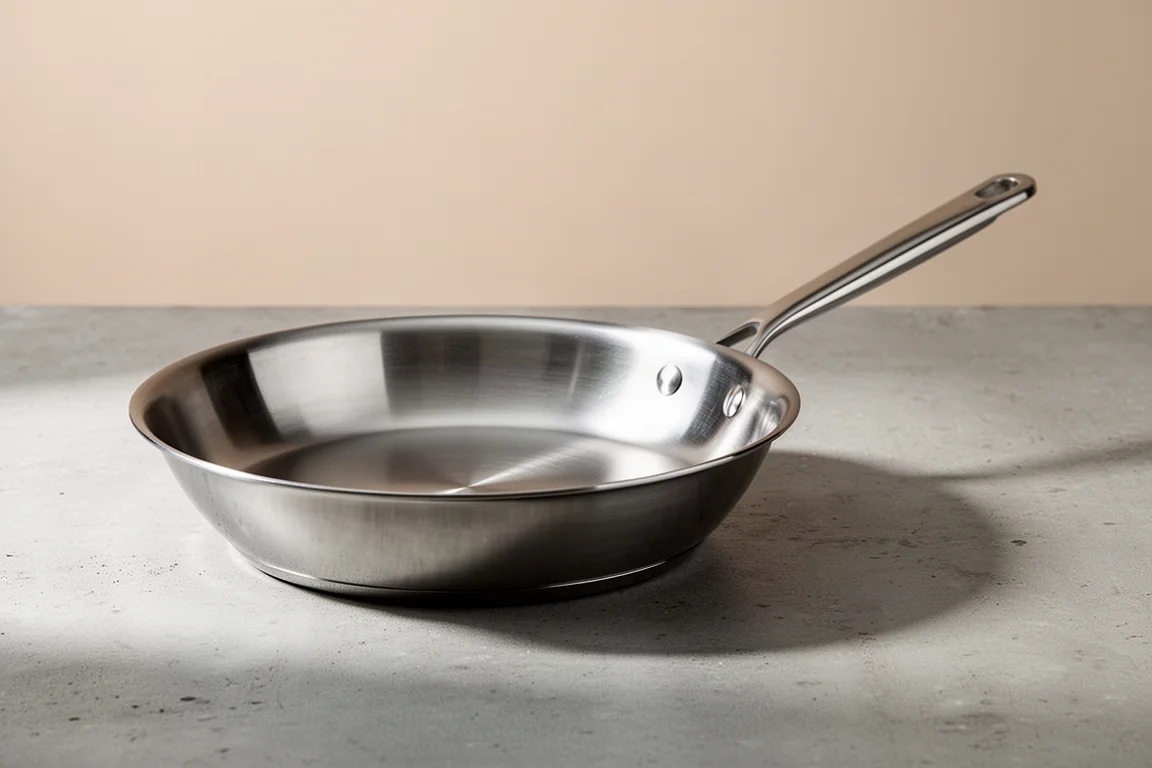
The Made In saute pan stood out from a full lineup of tested competitors for its broad surface, well-judged side height, and comfortable low handle.
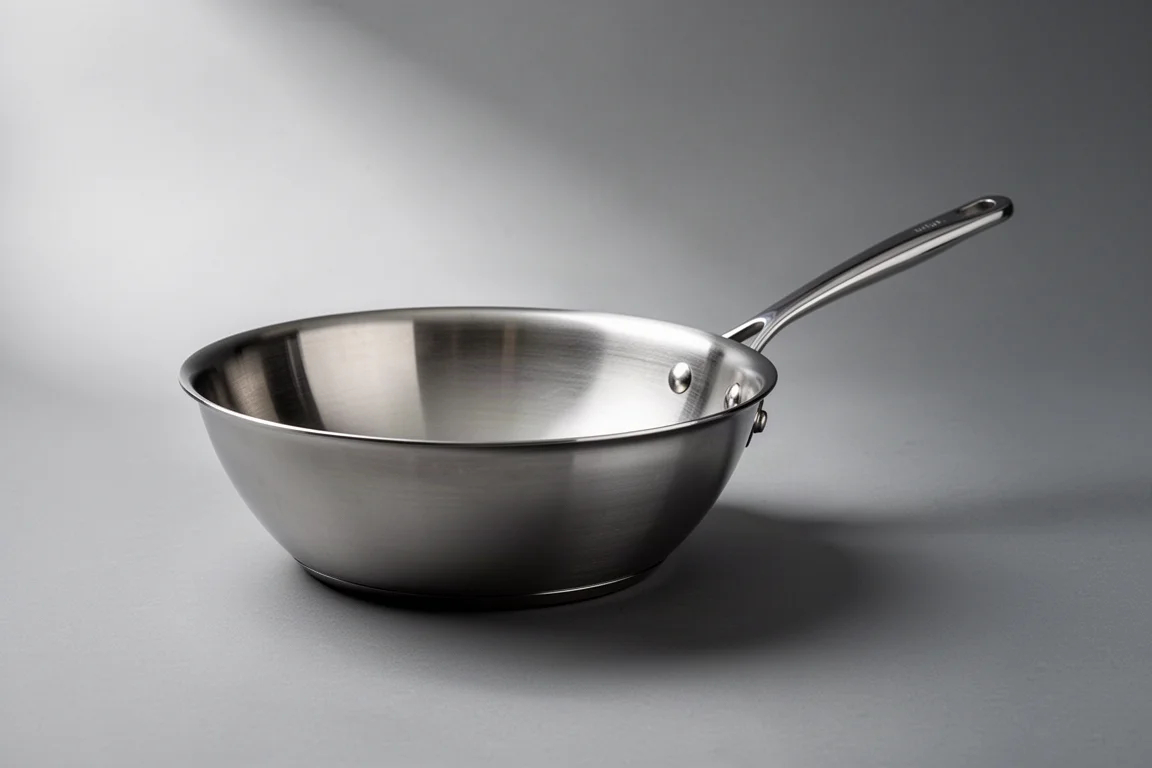
What Makes a Good Saute Pan
When a full lineup of fully clad saute pans was tested, a few traits set the winner apart. First, a broad cooking surface matters: if the pan is too narrow, meat crowds when you brown it, while a broad surface lets greens cook quicker because they spread into a thinner layer. Second, side height needs balance. Tested pans ranged from two to three inches, and the higher sides were not that helpful; they made it harder to reach in with tongs and started to feel like a halfway sauce pan. Around two and a half inches works well. Third, a low, level handle that is comfortable to grip makes a real difference, especially one with a slight dent that helps you hold on when pouring out sauces.
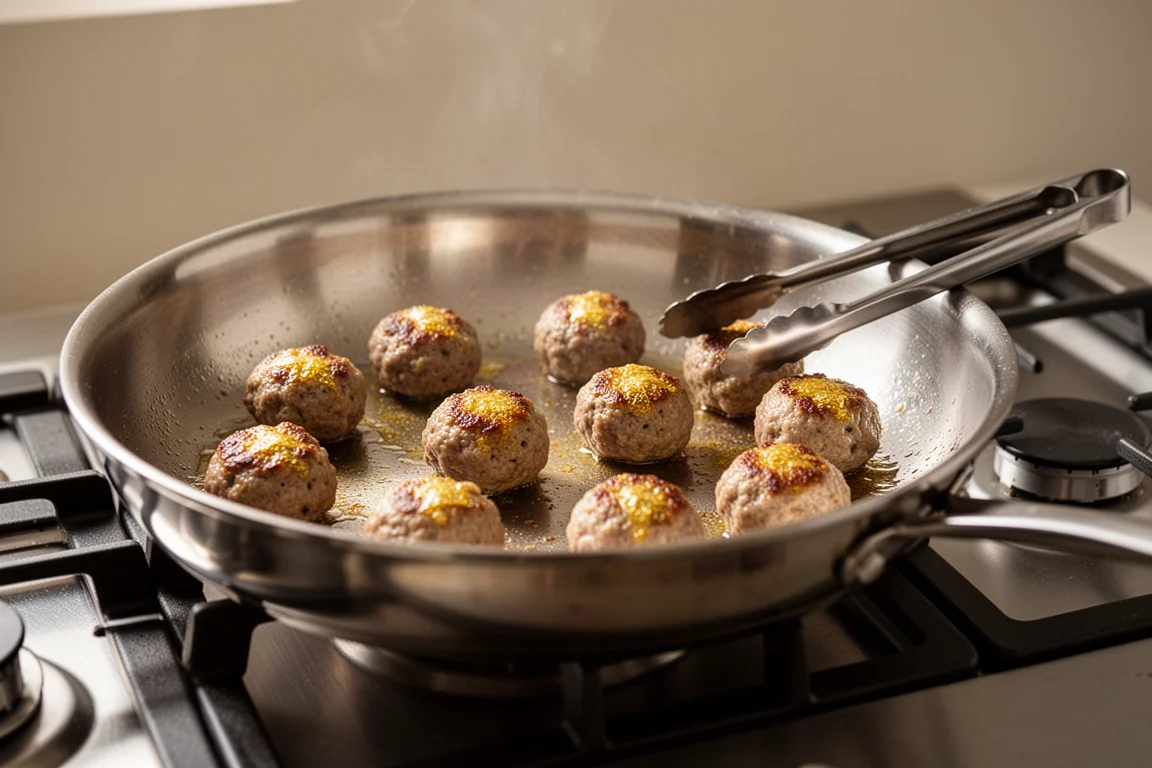
So, can a saute pan replace a skillet? Not really. A skillet remains terrific at browning, while a saute pan is designed to hold a lot more food. Even skillet loyalists admit that, but the saute pan fills a genuine gap.
Overall Buying Advice
If you already own a great skillet and a great sauce pan and want to expand into more specialized cookware, both the saucier and the saute pan make sense. The saucier suits cooks who whisk and stir constantly and want easier cleanup, while the saute pan suits anyone who braises, shallow fries, or cooks large batches. If you are still building a core collection, the sauce pan and skillet remain the more common and versatile starting points.
Conclusion
Neither specialty pan is essential, but both are genuinely useful. The saucier’s rounded walls make stirring and cleanup effortless, and the saute pan’s tall straight sides and lid make it the best tool for braising and big batches. Match the pan to the way you actually cook, and either one can be a purchase you never regret.
Further reading
Related Reviews
Cookware
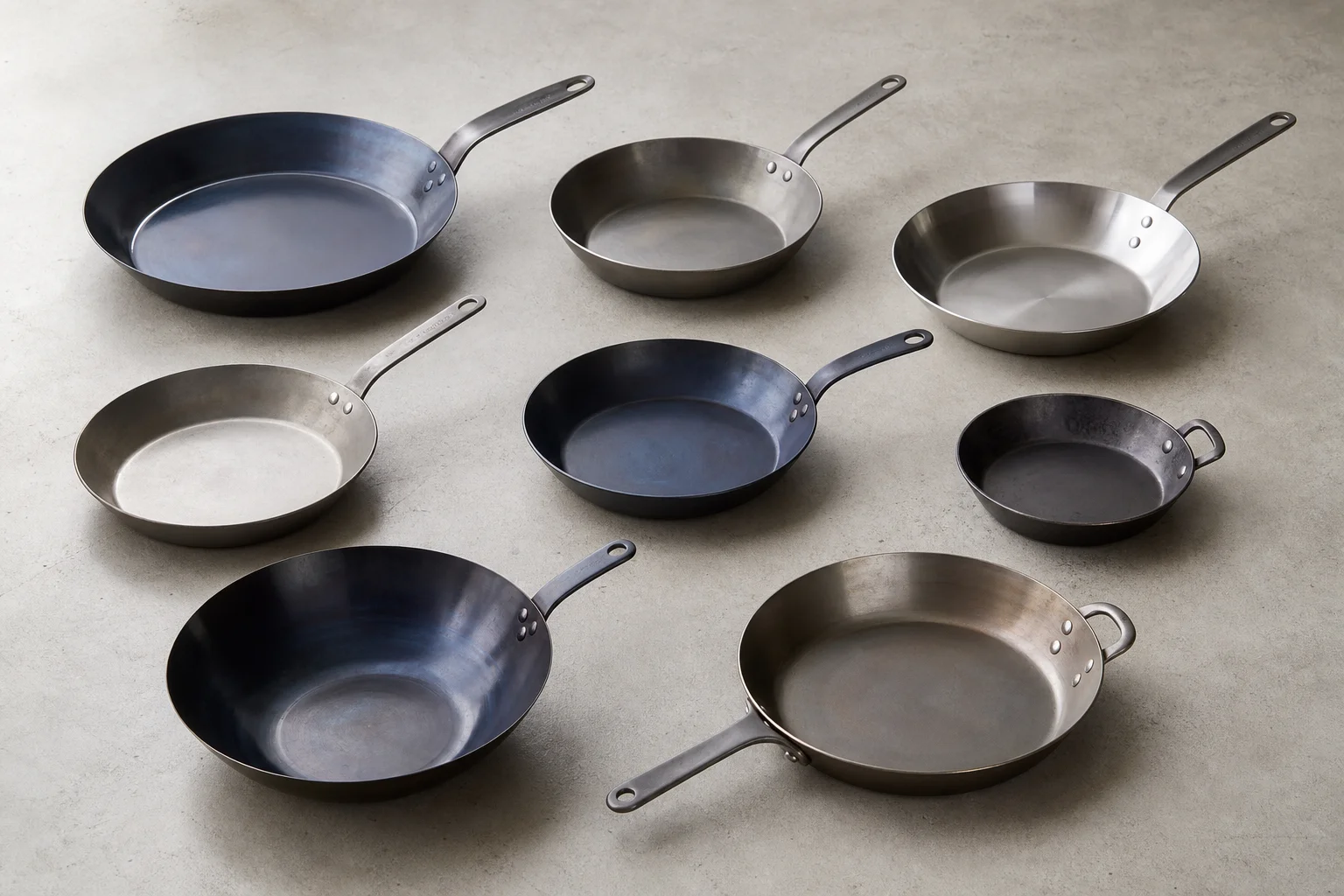
Best Carbon Steel Pans Tested: Which Brands Deliver Real Value
We tested eight popular carbon steel pans with controlled durability, heat, and cooking tests. Here's which ones perform best and which to avoid.
Cookware
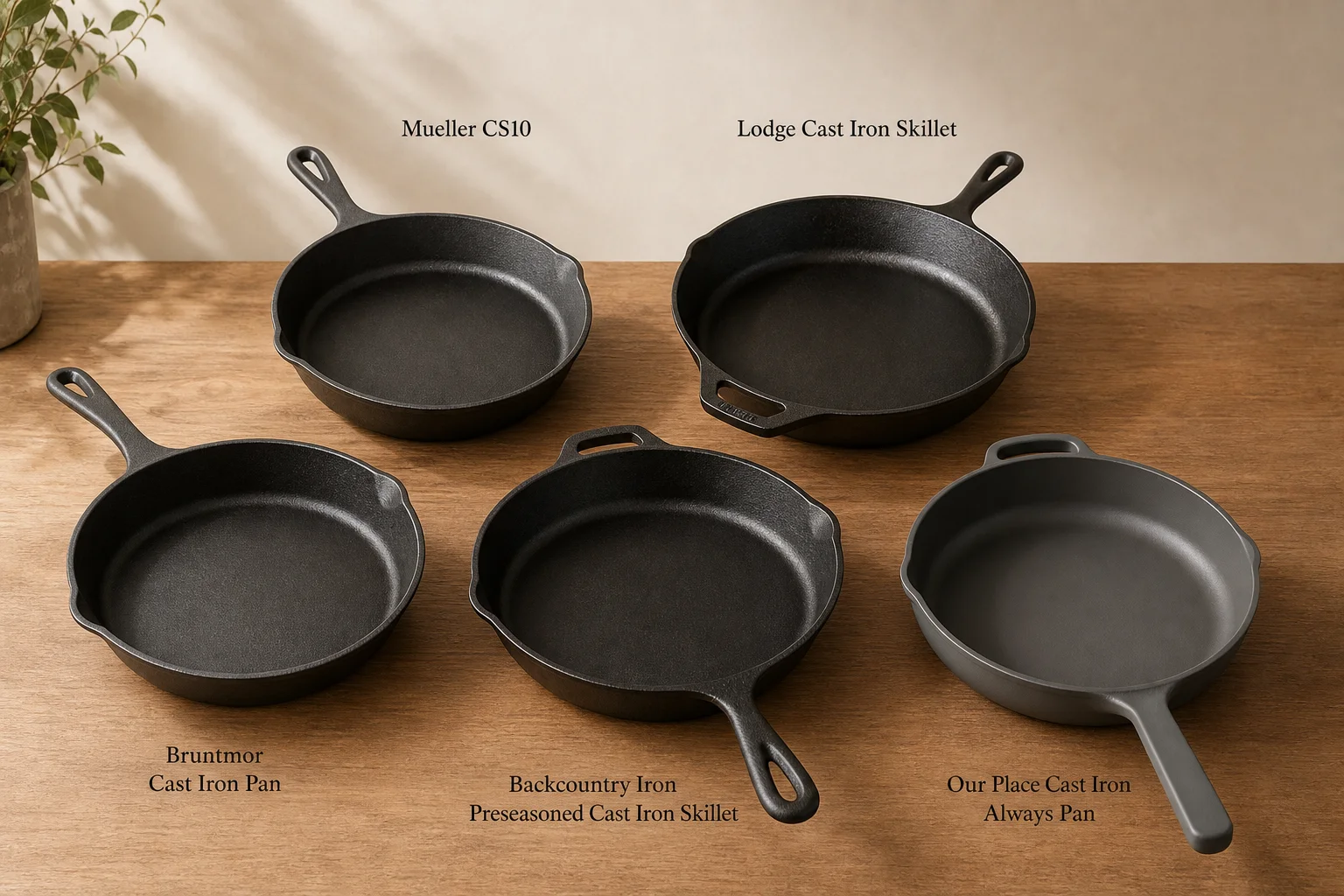
Best Cast Iron Pans 2026: Five Options from Budget to Premium
A practical breakdown of five cast iron skillets, from affordable Mueller to premium Our Place, with clear strengths and trade-offs for different cooking needs.
Cookware
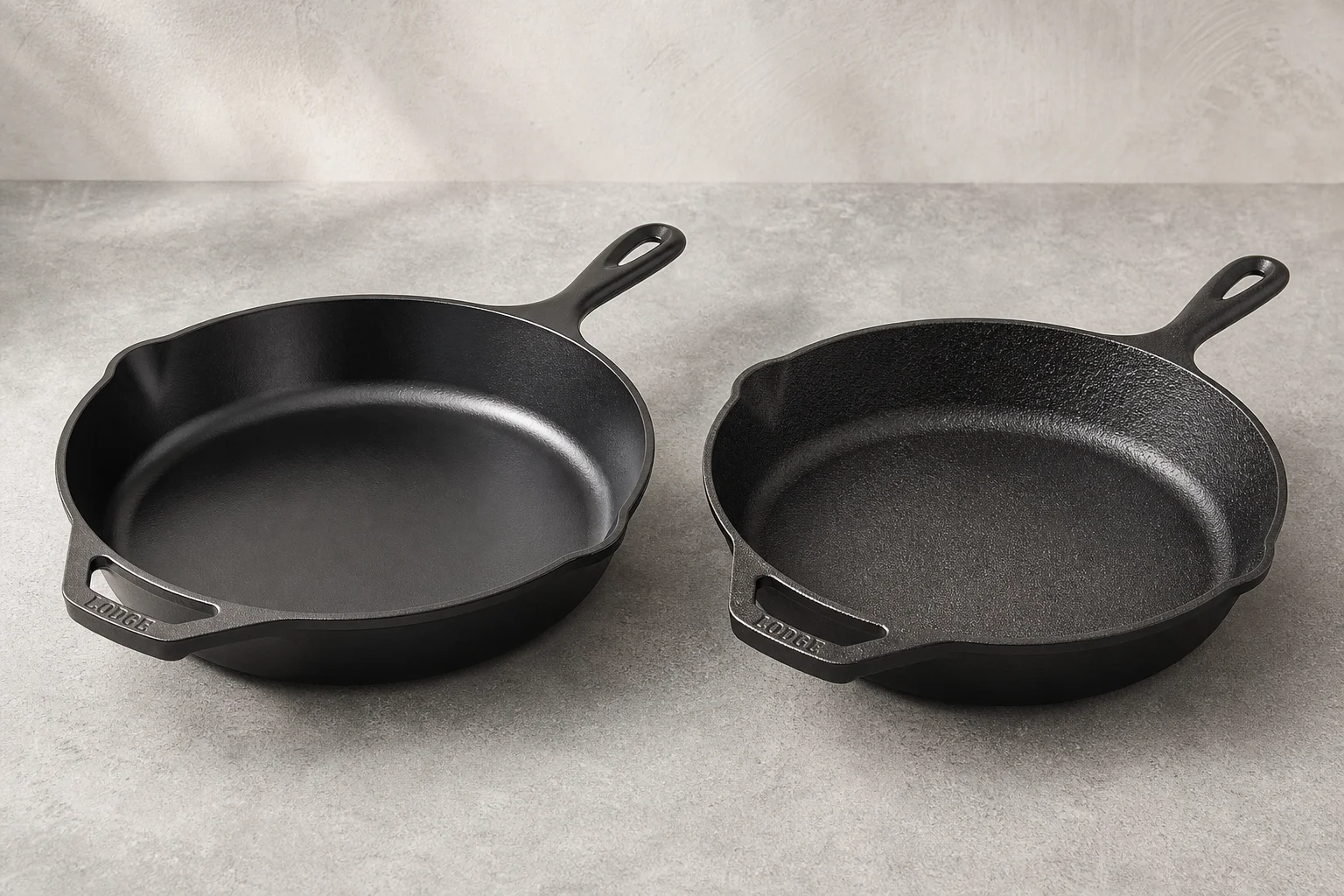
Best 12-Inch Cast Iron Skillets: Premium Craftsmanship vs. Reliable Budget Option
Two standout 12-inch cast iron skillets tested for heat retention, surface finish, and durability. One premium choice and one budget-friendly alternative that both deliver.