Running Shoes
Under Armour Velocity Elite 2 Review: A Firmer, Low-Drop Carbon Racer With Trade-Offs
Under Armour's updated carbon plate shoe adds more Peabax foam and a scooped plate, but a heavy build and firm ride narrow its appeal to forefoot strikers and short, fast efforts.
Introduction
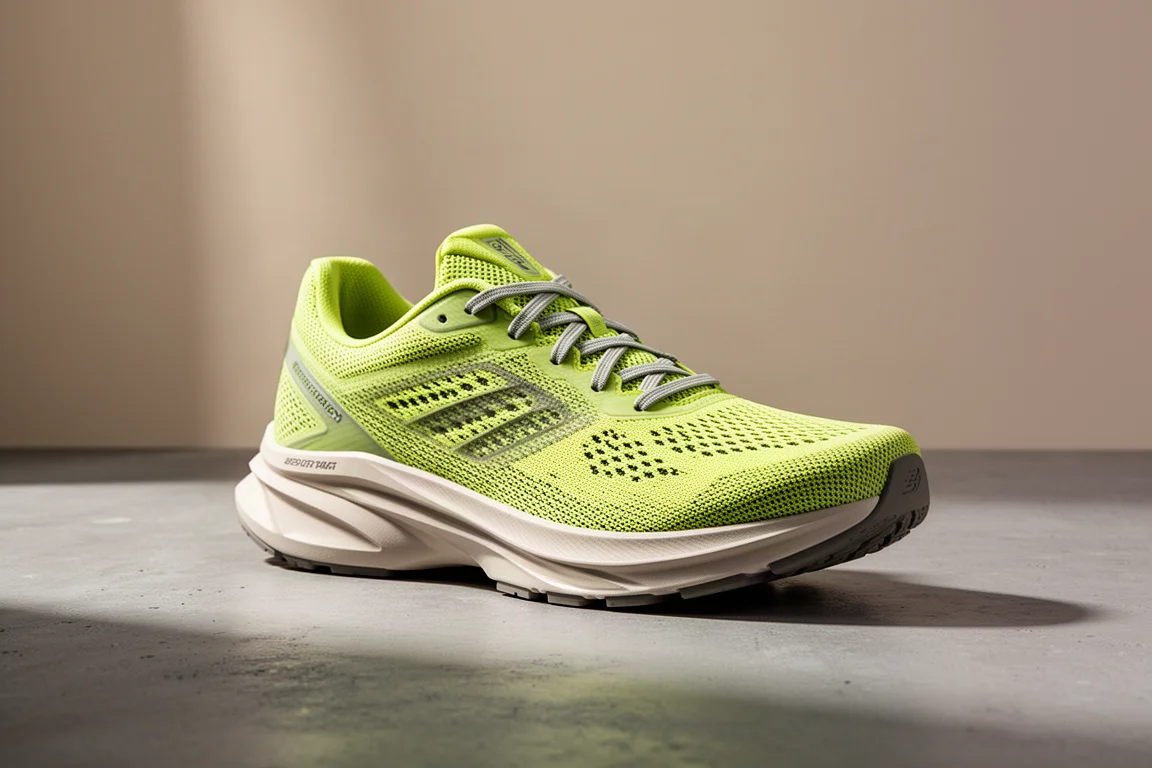
The Under Armour Velocity Elite 2 is Under Armour’s follow-up carbon plate racing shoe, and it arrives with a clear goal: more Peabax foam in the midsole to improve the ride. After extensive testing at intervals, parkrun pace, and steady running, the picture is mixed. It is an improvement over the original, but it remains a distinct and somewhat niche proposition compared with the leading carbon racers.
Specs and Design Changes
Under Armour lists an 8 mm drop on its website, but confirmed the stack height at 30/9.5 mm in the heel and 37.5 mm in the forefoot, which works out closer to a 2 mm drop. The tester pair in a UK men’s 8.5 weighed 9.1 oz (258 g). Pricing comes in at $250 in the US, unchanged from the previous generation, but £225 in the UK, slightly more expensive than the first Velocity Elite.
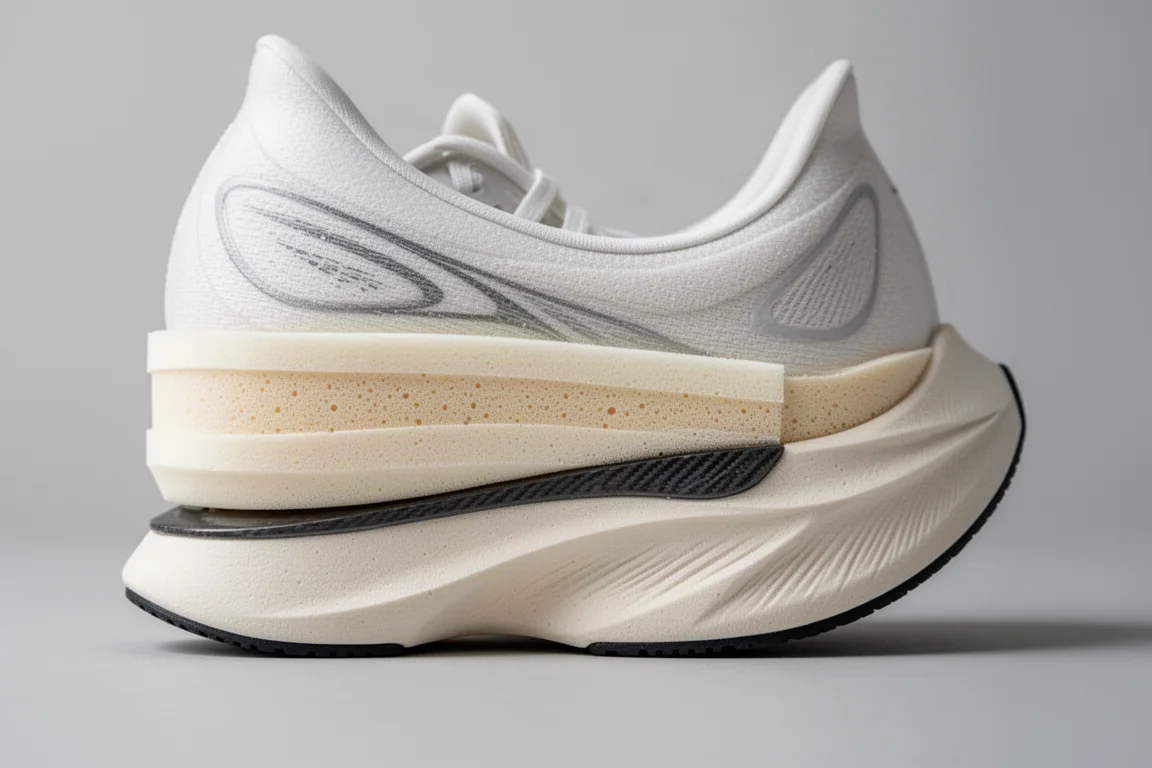
The biggest change is the midsole, which now carries a larger volume of bio-based Peabax foam, most of it added in the forefoot. It remains a dual-density setup: a bouncier, more resilient Peabax layer on top with a firmer, more durable Under Armour Flow layer underneath. That durable Flow layer also removes the need for a rubber outsole. Inside, a full-length carbon fiber plate has been updated with a scooped shape to encourage faster foot turnover, and there is a cutout in the midsole to save weight. A TPE sock liner adds extra resiliency on landings, and the Warp 2.0 upper is unchanged from the last generation.
Fit and Sizing
The fit is a highlight. Testers ran in their normal running shoe sizes with no sizing changes needed, and the upper was widely praised: a good amount of toe box room, a tight hold around the midfoot and heel, no heel irritation despite a slightly firm heel collar, and nice breathability with plenty of flex. One tester called the upper the best part of the whole shoe.
There are caveats. The shoe leans narrow and restrictive, so wider feet may notice the squeeze. The tongue is unusually narrow, which costs a full wrap feel around the midfoot and leaves slight insecurity there, even with the laces buckled down tightly. The toe box is generous, arguably longer than some race shoes, but most testers had no complaints overall.

Ride and Performance
This is where the Velocity Elite 2 divides opinion. The ride is firmer and less bouncy than most carbon shoes, and despite the listed 8 mm drop it feels like a genuinely low-drop, flat platform until you reach the pronounced forefoot rocker and sharp upward sweep at the toe. It clearly favors forefoot strikers. When testers dropped back onto their heels, the low drop made running fast feel unnatural and awkward.
At its best, it is an excellent interval shoe. In sessions like 10x400 m reps and 24x60 seconds on 30 seconds off, the scooped plate felt nimble and poppy, and running hard up on the toes engaged the deeper wedge of foam where the shoe delivers most of its energy return. The faster you go and the further forward you land, the better it responds.
Sustained efforts are where cracks show. Over a hard 3K or 5K, the shoe felt sluggish in the closing minutes: heavy, firm, and harder to engage the plate than lighter, softer rivals. At slower paces, testers described feeling almost like a knot of foam under the ball of the foot, as if the shoe has an all-or-nothing sweet spot you need to get up and over. It is not versatile enough for easy runs, and while some hoped the durable design would extend to comfortable longer miles, half marathon and marathon use feels a step too far for most testers.
The weight is the central problem. At 258 g it is heavier than most carbon racers, and it does not compensate with the explosive bounce you would expect from that mass. Other heavy super shoes use their foam volume to justify the weight; this one gives you the weight without the bounce. Compared with the first Velocity Elite, it is more aggressive and more focused on racing, but correspondingly less versatile.
Durability and Outsole
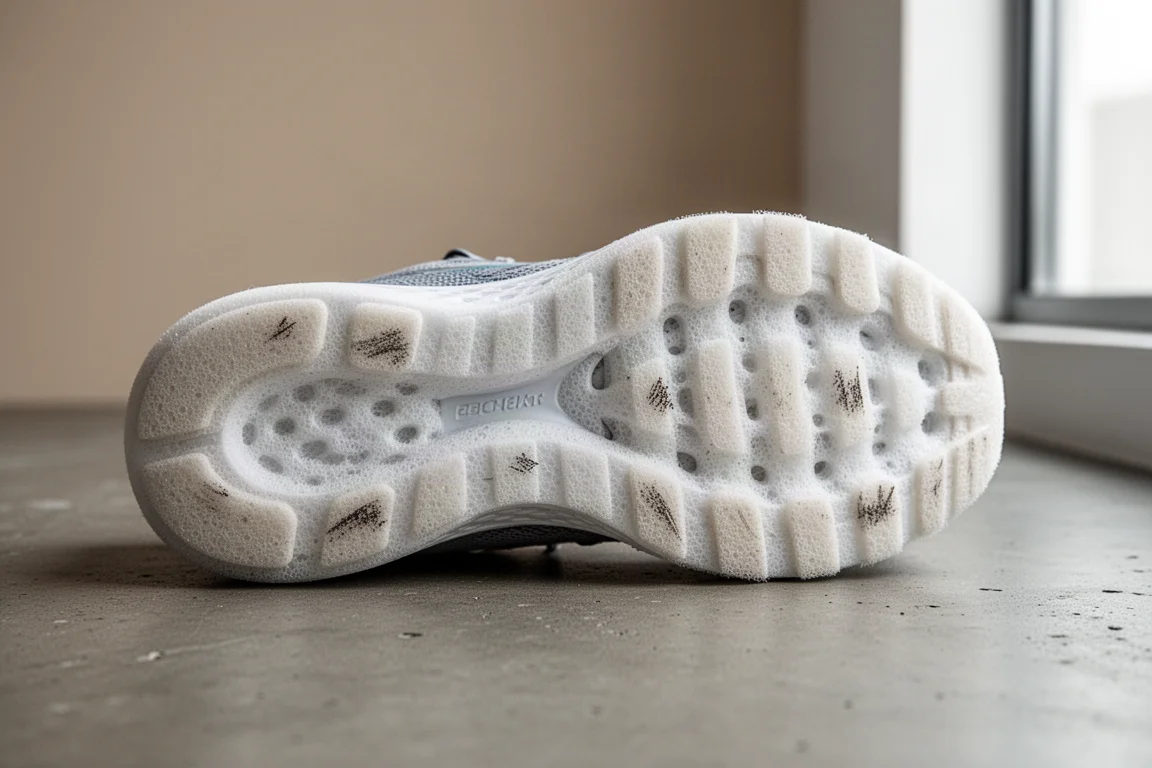
One clear win is durability. The rubberless Flow outsole showed barely a scuff after 50 km, some of it off-road, including an all-out parkrun on grass. That is a significant tick, though some testers wanted more grip, particularly on uneven wet surfaces.
Durability and Verdict
That outsole resilience reinforces the sense that Under Armour has built a shoe meant to last, and the comfortable, breathable upper could make it useful for faster training runs, such as 10-mile efforts with intervals built in. For all-out racing, most testers would look elsewhere.
Things to Consider Before Buying
If you are a forefoot striker, like a genuinely low-drop platform, and enjoy a firmer, nimble ride for 5Ks and track sessions, the Velocity Elite 2 has real appeal. If you want the bouncy, propulsive feeling of the best super shoes, or you need a shoe for longer races and slower paces, it is likely to disappoint. It is also priced at the same level as the leading carbon racers, which makes its shortcomings harder to overlook. That said, it has already been seen discounted to around £160, and at that super-trainer price point it becomes a much more interesting option.
Conclusion
The Under Armour Velocity Elite 2 is a step forward: more Peabax foam, a sharper racer identity, a great upper, and excellent outsole durability. But the heavy build, firm ride, and narrow sweet spot keep it behind the top tier of carbon racers. For short, fast efforts on the toes, it works. For everything else, the competition is simply stronger right now.
Product link
View more details for Under Armour Velocity Elite 2
This product is mentioned in the review. Check the specifications, options, and compatibility before buying.
View more details for Under Armour Velocity Elite 2Further reading
Related Reviews

Running Shoes
Best Road-to-Trail Running Shoes: Three Versatile Options for Mixed Terrain
A practical guide to three road-to-trail running shoes that handle both pavement and mild trails, with clear strengths and trade-offs for different runner types.

Running Shoes
Best Running Shoes for Achilles Tendonitis: Three Options Explained
Three running shoes with different heel drops and support features designed to help reduce Achilles tendon pain during walking and running.

Running Shoes
Best Running Shoes for Women: Five Top Choices Ranked
A ranked guide to five women's running shoes, from versatile daily trainers to high-performance racing options, with real strengths and trade-offs for each.