Running Shoes
Under Armour Velocity Elite 2: First Run Review of a Firmer, Punchier Super Shoe
A bigger dose of biobased PX foam and a sharper plate make the Velocity Elite 2 a clear step up from the original, but its firm, heavy character may divide runners.
Introduction
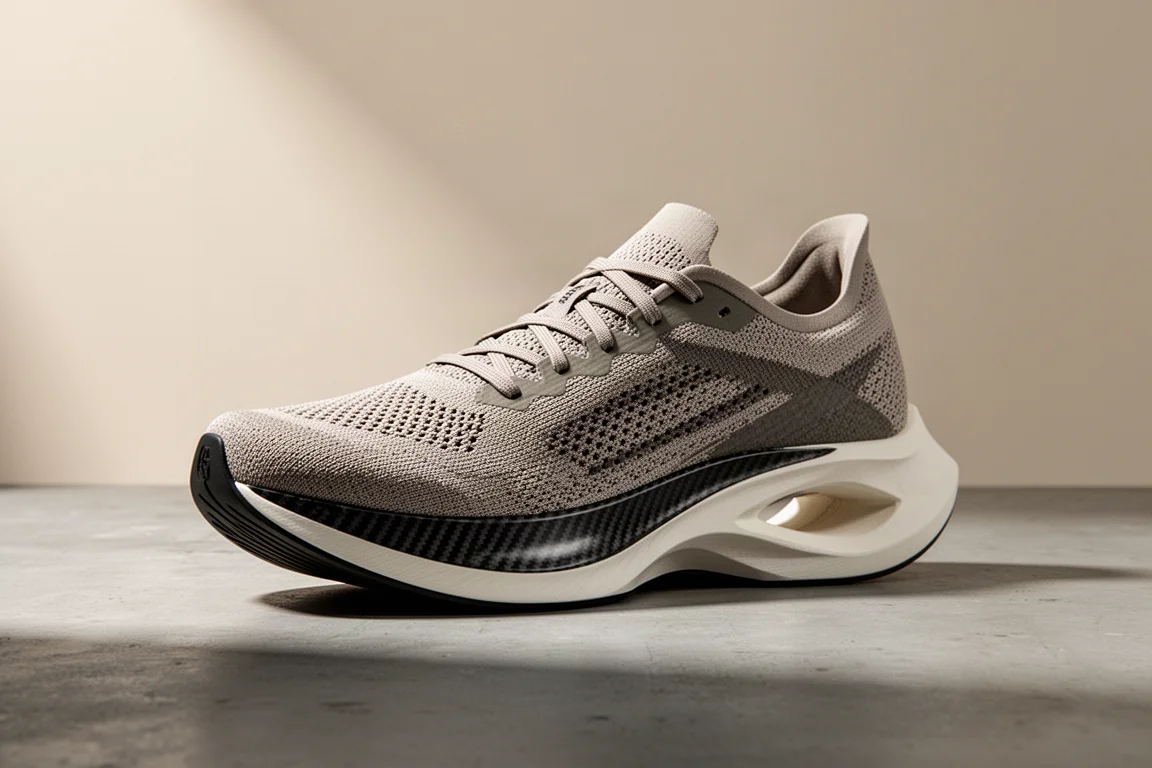
The Under Armour Velocity Elite 2 is the successor to Under Armour’s first carbon plate racing shoe, and it arrives with a significant overhaul. Priced at £225 in the UK and $250 in the US, it sits directly among the most expensive super shoes on the market, and that is exactly where expectations get demanding.
After a first run that mixed easy miles with fast track intervals, the picture is mixed but interesting: this is a clearly improved shoe with a distinct, traditional racing feel that some runners will love and others may find too firm for the price.
What Has Changed in Version 2
The headline update is a much larger volume of Under Armour’s biobased PX foam in the midsole, with notably more of it positioned under the forefoot. The shoe remains a dual-density design, with Flow foam underneath acting as both a midsole layer and the outsole. Flow foam is a durable material, and it creates that firmer base layer beneath the bouncier PX foam on top. A full-length carbon plate runs between the two layers, now partially exposed through a midsole cutout that trims a little weight.
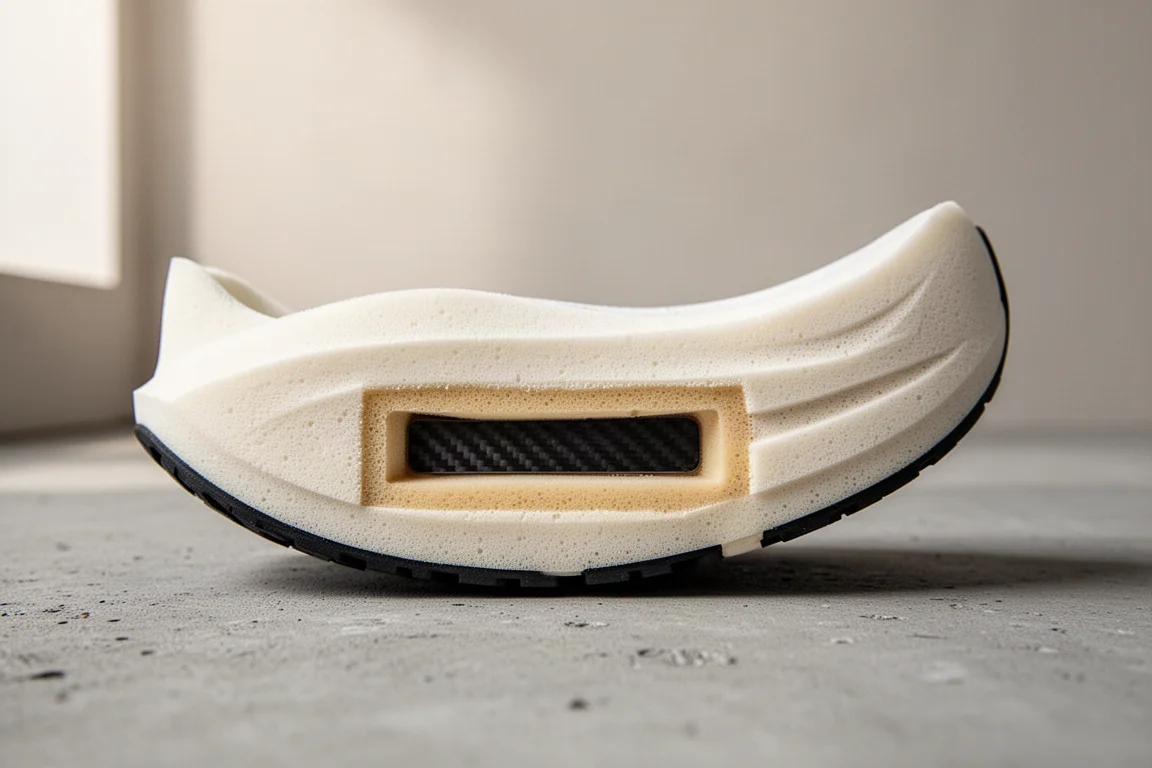
It weighs 258g (9.1 oz) in a UK size 9, which is a jump up from the first version and genuinely heavy for a super shoe. Under Armour lists an 8mm drop, though early impressions elsewhere suggest it rides closer to 2mm, because much of the drop is concentrated in a sharp toe spring at the very end of the shoe. On the road, it certainly feels like a low-drop shoe.
Fit and Sizing
The upper is the redesigned Warp 2.0: breathable, good looking, and light on padding and heel structure, yet it wraps the foot securely for fast running. One quirk is the unusually narrow tongue, which leaves small gaps at either side of the midfoot and makes you buckle the laces down tight for full lockdown. The toe box is generous, with plenty of wiggle room, and testers found sizing true to their regular running shoe size worked well.
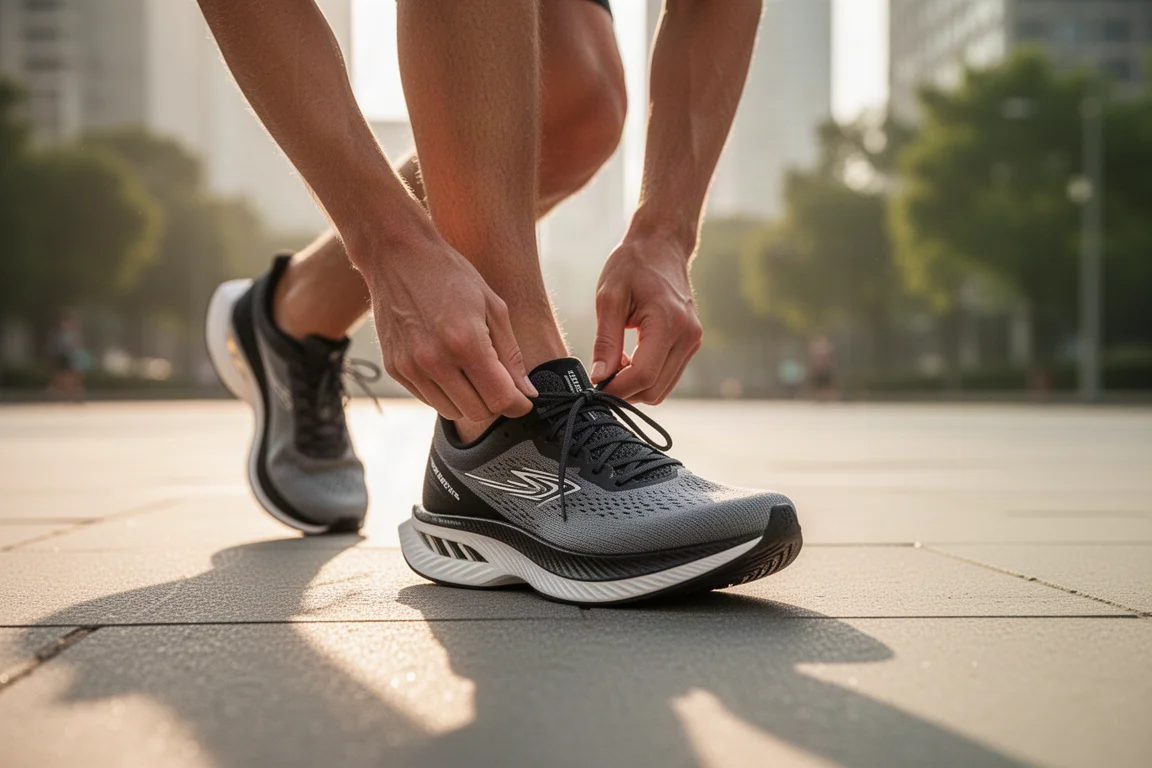
That said, fit feedback varied. One tester felt the forefoot was a touch restrictive over the top of the toes and suggested some runners may want to go up half a size, while another found the fit close to perfect in their normal size with no hot spots or rubbing. The safest advice: start with your usual running shoe size, and consider a half size up if you dislike any pressure across the top of your forefoot.
Ride and Performance on the Road
The first thing you notice is the pronounced rocker, which tilts you forward noticeably when walking and rolls rapidly off the forefoot into toe-off. The ride is punchy, stiff, and direct rather than soft and springy. At easy and slower paces, there is genuine energy coming back from the PX foam, more than in the original Velocity Elite, but the shoe performs best when you are up on your midfoot or forefoot and attacking the run with intent.
At those faster paces, the plate kicks in, the foam compacts, and the shoe feels responsive and sharp. On a track session of 10 x 400m reps at around 75 seconds, it turned over nicely and felt controlled, if not exactly nimble.

The trade-off is weight and firmness. Compared with heavier but bouncier rivals, you carry the grams without getting an equivalent amount of soft spring back. At easy paces, the midsole offers little in return, and a heel-striking runner doing longer races may find the rollover less forgiving than in shoes with a fuller-length rocker or higher drop.
Where It Fits in Your Shoe Rotation
This is very much a specialist tool. It is not a versatile all-rounder, and against the current elite racing field, it does less for you than bouncier, lighter alternatives. But reframed as a fast training shoe for interval sessions and fartlek work, it makes a lot of sense: durable, stable, responsive at pace, and comfortable enough for regular use.

The pricing is the sticking point. The small UK price hike puts it above several direct competitors that many runners would pick first for all-out racing. At £200 or less, this would be a much easier recommendation as a speedy training companion.
Buying Advice
Go with your normal running shoe size and tighten the laces for midfoot lockdown. Buy it if you want a firm, traditional-feeling fast shoe for hard sessions, and you land midfoot or forefoot. Look elsewhere if you want maximum bounce, a lightweight racing feel, or an out-and-out race day weapon.
Conclusion
The Velocity Elite 2 is a genuine improvement on the original, with more bounce, better midsole tuning, and a ride that rewards committed, fast running. It may well be Under Armour’s best shoe to date, but at this price it faces stiff competition from lighter, springier super shoes. For the right runner, though, it could be exactly the punchy, no-nonsense racing shoe they have been looking for.
Product link
View more details for Under Armour Velocity Elite 2
This product is mentioned in the review. Check the specifications, options, and compatibility before buying.
View more details for Under Armour Velocity Elite 2Further reading
Related Reviews

Running Shoes
Best Road-to-Trail Running Shoes: Three Versatile Options for Mixed Terrain
A practical guide to three road-to-trail running shoes that handle both pavement and mild trails, with clear strengths and trade-offs for different runner types.

Running Shoes
Best Running Shoes for Achilles Tendonitis: Three Options Explained
Three running shoes with different heel drops and support features designed to help reduce Achilles tendon pain during walking and running.

Running Shoes
Best Running Shoes for Women: Five Top Choices Ranked
A ranked guide to five women's running shoes, from versatile daily trainers to high-performance racing options, with real strengths and trade-offs for each.