Running Shoes
Under Armour Velociti Elite 2 Review: A Fast, Nimble Racer With a Firm Personality
The Velociti Elite 2 brings bio PEBAX, a carbon plate, and razor-sharp turnover to the start line, but a shallow toe box and firm ride limit its ideal race distance.
Introduction
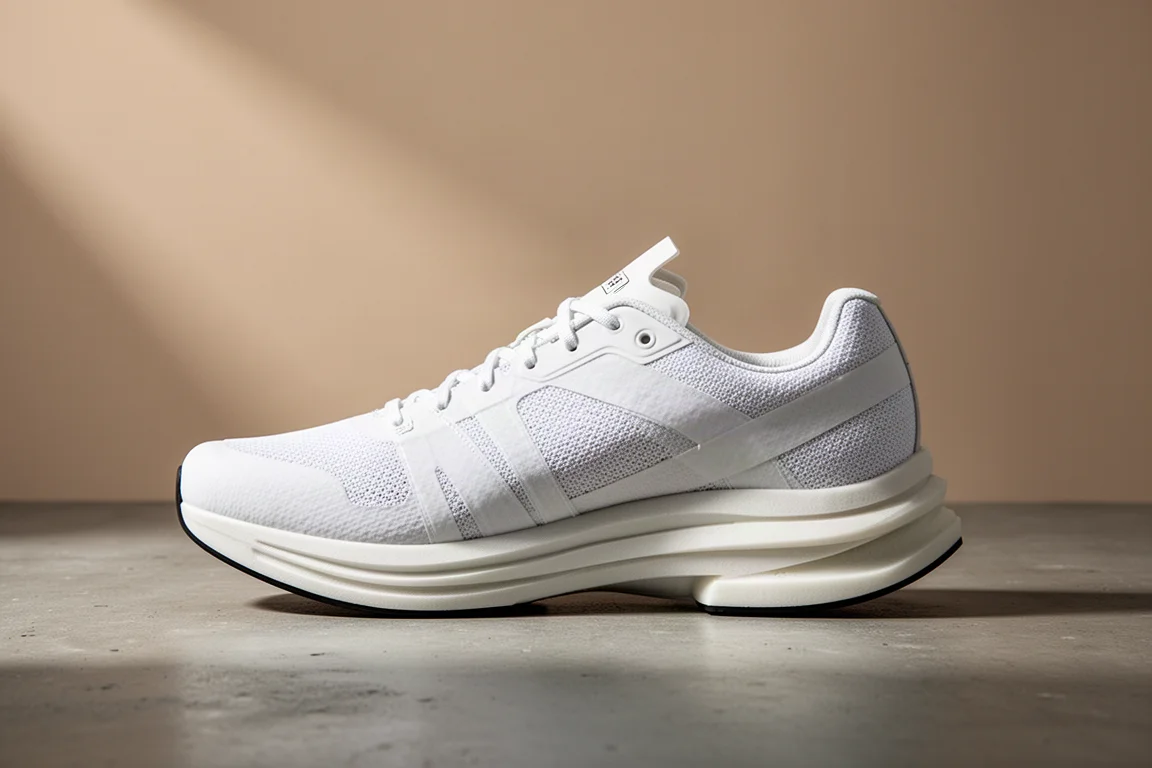
Under Armour’s latest racing shoe arrives with the ingredients serious racers expect: a bio PEBAX midsole, a carbon plate, and no traditional outsole. On paper, that looks like a recipe for a genuine race contender. After putting real miles on the Velociti Elite 2, the picture is more nuanced: it is an outstanding fast-day shoe with a firm edge that suits shorter racing distances, plus a toe box quirk you should know about before buying.
Who This Shoe Is For
The Velociti Elite 2 is built for runners who want a responsive, nimble shoe that rewards fast turnover. If you race 5Ks, 10Ks, and half marathons, and you like a firm, energetic ride rather than something soft and mushy, this shoe is squarely aimed at you. It also handles mile-pace efforts on the track, which makes it versatile across the entire fast end of a racing calendar.
If your goal is the full marathon distance and you prefer a cushioned, forgiving ride late in the race, this probably is not the shoe for that day. Under Armour’s racer leans firm, and that firmness becomes harder to live with the longer you run.
Specs and Build
The shoe has a 39.5 mm stack height with a 2 mm heel drop, meaning 37.5 mm of foam under the forefoot. The midsole’s main component is bio PEBAX, a PEBAX material that uses castor beans and castor oil as part of the production process, making it somewhat more sustainable than traditional PEBAX production.
Under that big layer of foam sits a carbon plate, and underneath that is another layer of midsole foam that also acts as the outsole. Under Armour calls this material SC Flow, and it does double duty: it cushions like a midsole material while providing traction and durability because you can run directly on it.
Up top, Under Armour’s Warp 2.0 upper is a lightweight, breathable, but strong material combining textiles with tape overlays that the brand describes as acting like seat belts to keep your foot locked into position. The tongue is lightly padded, the heel has a small amount of structure and just a touch of padding, and the rest is nicely floppy, which is exactly what many runners want from a race shoe. The complete shoe measures 8.7 oz, or 248 g.
Ride and Performance
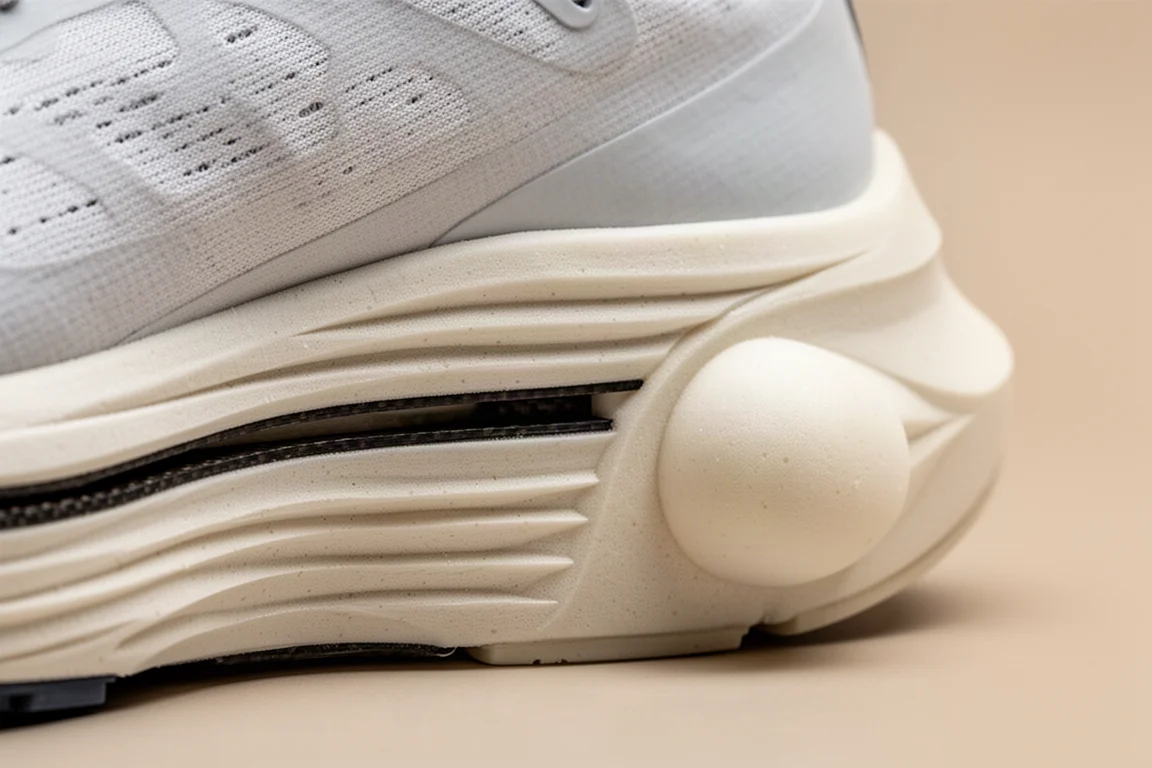
This is a very fast, very lightweight shoe, and it is super nimble. One standout design detail is a large protrusion of foam to the side of the ball of the foot. As your foot hits the ground and rolls forward, that extra foam acts almost like a reverse speed bump: once you pivot past that bulbous portion, you get a really strong push-off and excellent responsiveness and bounce from the foams.
The flip side shows up at moderate and easy paces. When warming up or running recovery pace mid-workout, the shoe feels like it tips you back into your heels, almost like a negative heel drop. That underlines what this shoe really is: a fulcrum point near the ball of the foot that makes it excellent for forefoot strikers running at speed.

The bio PEBAX makes the ride firmer than some runners will prefer. It is not a shoe for the marathon distance for that reason, but at threshold pace, 10K pace, 5K pace, and even mile-pace track efforts, it felt exceptional, like it was begging you to run faster. It brings to mind the Endorphin Pro 2, another shoe that was tremendous fun at the half marathon but just a bit too firm for 26.2. The shared castor-bean lineage in the PEBAX is part of that comparison too. Under Armour expects around 400 km of use from the shoe, which is a strong durability claim for a racer this light.
Fit and Upper
The Warp 2.0 upper is very lightweight and breathable, and it keeps the foot snug and locked down in all the right ways. There is more width here than is typical for racing shoes, which will suit runners who usually find racers too narrow.
The main drawback is an extremely shallow toe box. There is not a lot of vertical space, and the material clamps down on the top of the toes. On the very first run, that produced a blister on some of the outer toes of the right foot, and a longer run would likely have caused real problems. On the second run, a track session of roughly an hour and a half to an hour forty, there was no chafing during the workout, but afterwards the shoe suddenly felt like it was clamping down hard enough that untying the laces was an immediate priority.
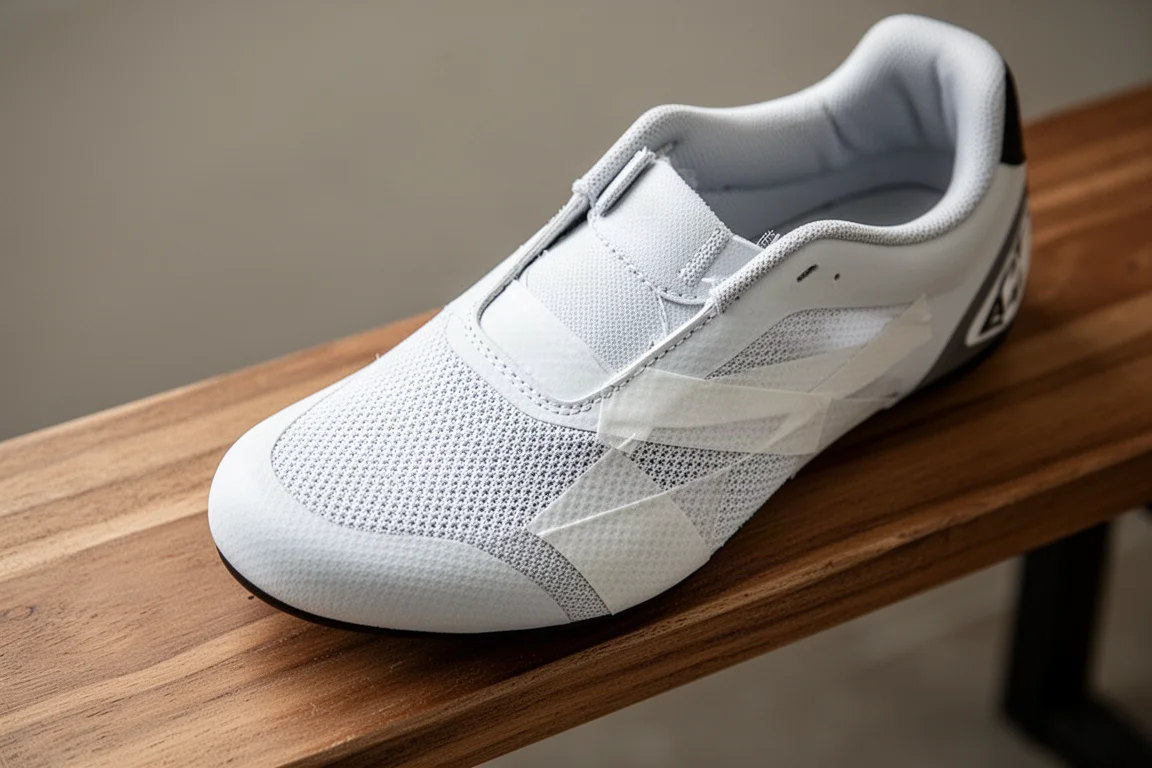
Otherwise, the upper is genuinely excellent: breathable, secure, and beautifully light. Just size and try carefully if you have sensitive toes or a high instep.
Alternatives and Buying Advice
The Velociti Elite 2 is available now and sells for $250. The most directly comparable shoe currently on the market is the On Cloudboom Echo 3 at $290. It shares the same fun, fast, nimble character and the same limitation: too firm for the full marathon, better suited to 10K to 15K territory. You pay more for the On, and neither is a marathon racer for most preferences.
At exactly the same $250 price point sits the Hoka Rocket X 2, which uses carbon fiber and a PEBAX midsole with a touch of rubber on the outsole. It is also a bit firmer than ideal and better suited to half marathon racing than the full distance. The deciding factors are fit and breathability: the upper fits better on the Rocket X 2, but the Velociti Elite 2 breathes noticeably better.
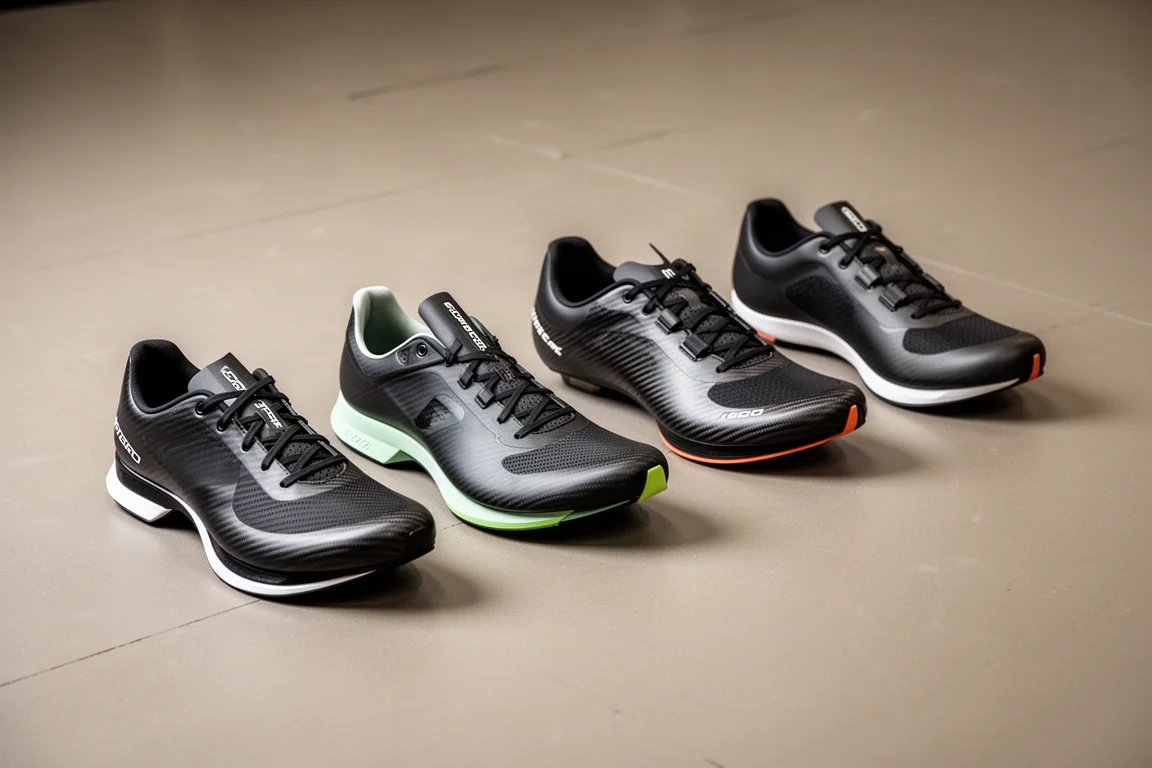
If you build a rotation around the Velociti Elite 2, it can double as both your race-day shoe and a big chunk of your workout shoe, since there is arguably no pace it cannot handle. Pair it with a comfortable daily trainer for easy miles, and consider adding a dedicated long-run shoe for the moderate, marathon-pace-infused efforts that sit between easy days and fast intervals.
Conclusion
The Under Armour Velociti Elite 2 is a serious race contender for the right distances. Its bio PEBAX midsole, carbon plate, and clever SC Flow outsole-midsole combination deliver a fast, nimble, responsive ride that shines from mile pace up through half marathon effort. The shallow toe box and firm ride hold it back from being a universal pick, and marathoners should look elsewhere. But if you want a lightweight racer that is lively rather than mushy for your next 10K or half marathon, this is a genuinely compelling option at $250.
Product link
View more details for Under Armour Velociti Elite 2
This product is mentioned in the review. Check the specifications, options, and compatibility before buying.
View more details for Under Armour Velociti Elite 2Further reading
Related Reviews

Running Shoes
Best Road-to-Trail Running Shoes: Three Versatile Options for Mixed Terrain
A practical guide to three road-to-trail running shoes that handle both pavement and mild trails, with clear strengths and trade-offs for different runner types.

Running Shoes
Best Running Shoes for Achilles Tendonitis: Three Options Explained
Three running shoes with different heel drops and support features designed to help reduce Achilles tendon pain during walking and running.

Running Shoes
Best Running Shoes for Women: Five Top Choices Ranked
A ranked guide to five women's running shoes, from versatile daily trainers to high-performance racing options, with real strengths and trade-offs for each.