Running Shoes
Under Armour Infinite Elite Review: A Heavy but Fun Daily Trainer, Plus Two Alternatives Worth a Look
Under Armour's new max-stack daily trainer brings a beaded HOVR Plus foam that shines at moderate paces. We compare it with the Saucony Triumph 21 and Adidas UltraBoost 5X.
Introduction
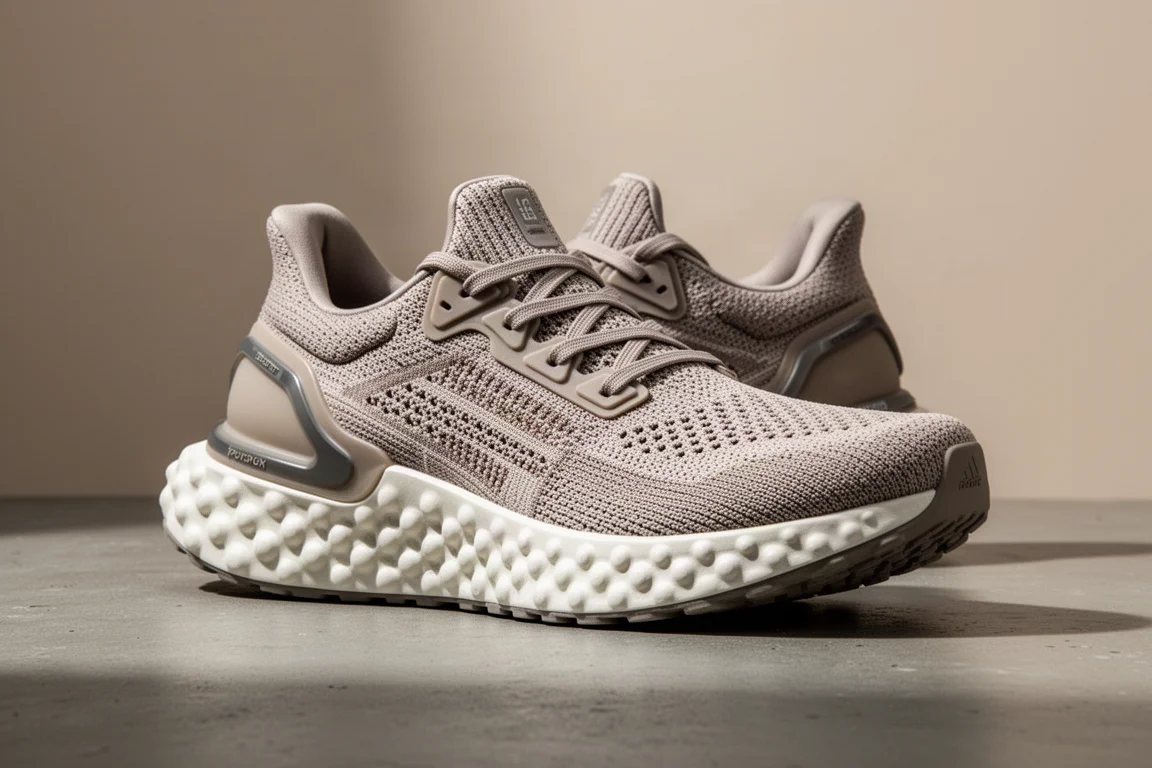
For years, Under Armour’s performance running line felt like it was standing still. The new Infinite Elite changes that impression. It is a big, bold, max-stack daily trainer built around a brand-new HOVR Plus midsole foam, and while it has real drawbacks, it is a promising sign of what Under Armour might do next in running.
In this review, we break down what the Infinite Elite does well, where it comes up short, and how it stacks up against two alternatives with a similar beaded-foam character: the Saucony Triumph 21 and the Adidas UltraBoost 5X.
Under Armour Infinite Elite: Specs and On-Foot Feel
On paper, the Infinite Elite lists a 36 mm stack height with an 8 mm drop, giving 28 mm in the forefoot. In practice, the shoe looks and feels even bigger than that, with sidewalls of foam rising well above where the foot actually sits. The midsole is built entirely from HOVR Plus, a beaded foam that visually recalls the PWRRUN Plus used in older Saucony Triumph models and the classic Adidas Boost era. Under Armour has not disclosed the exact formulation.
Protection comes from a “thin web” rubber outsole, which despite its name applies a generous, thick layer of rubber in high-wear areas, with some exposed foam to keep weight down. The upper is Under Armour’s IntelliKnit, paired with heavy padding on the tongue, heel cup, and Achilles flare, plus a large TPU heel clip for stability. All of this adds up: the listed weight is a chart-topping 11.8 oz in a US men’s size 9, though a real-world pair weighed in at about half an ounce lighter, around 11.3 oz or 320 g.
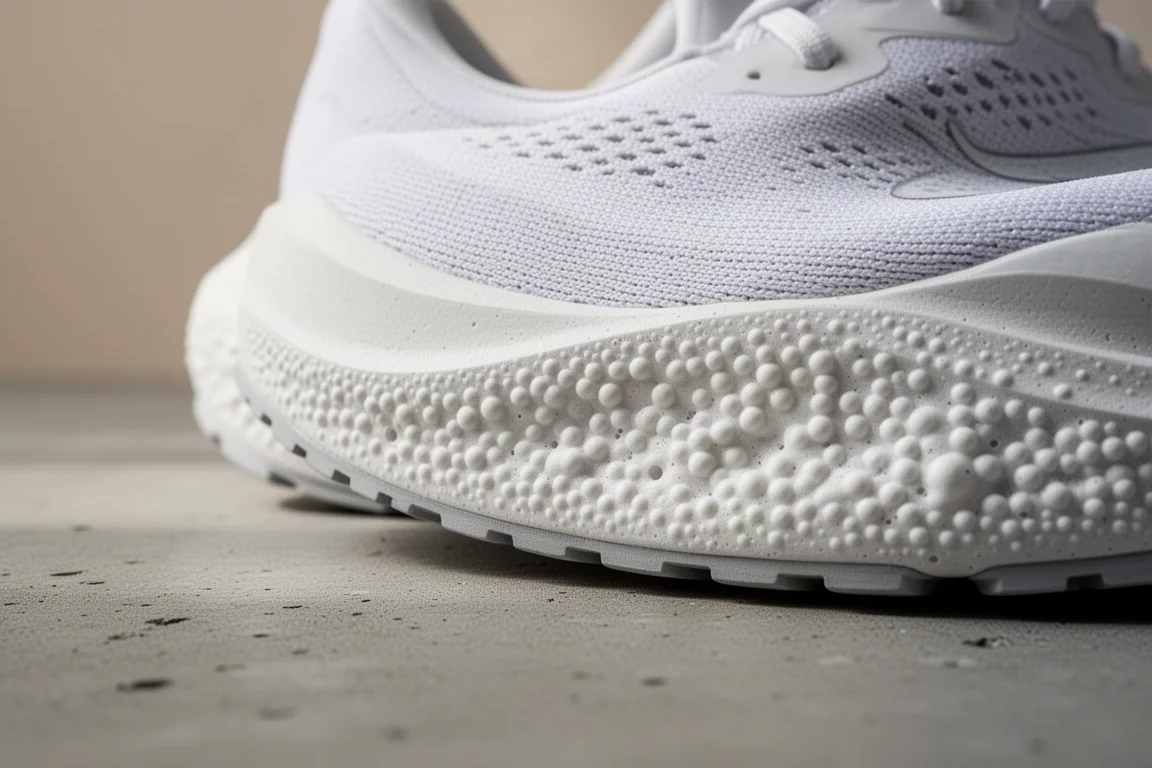
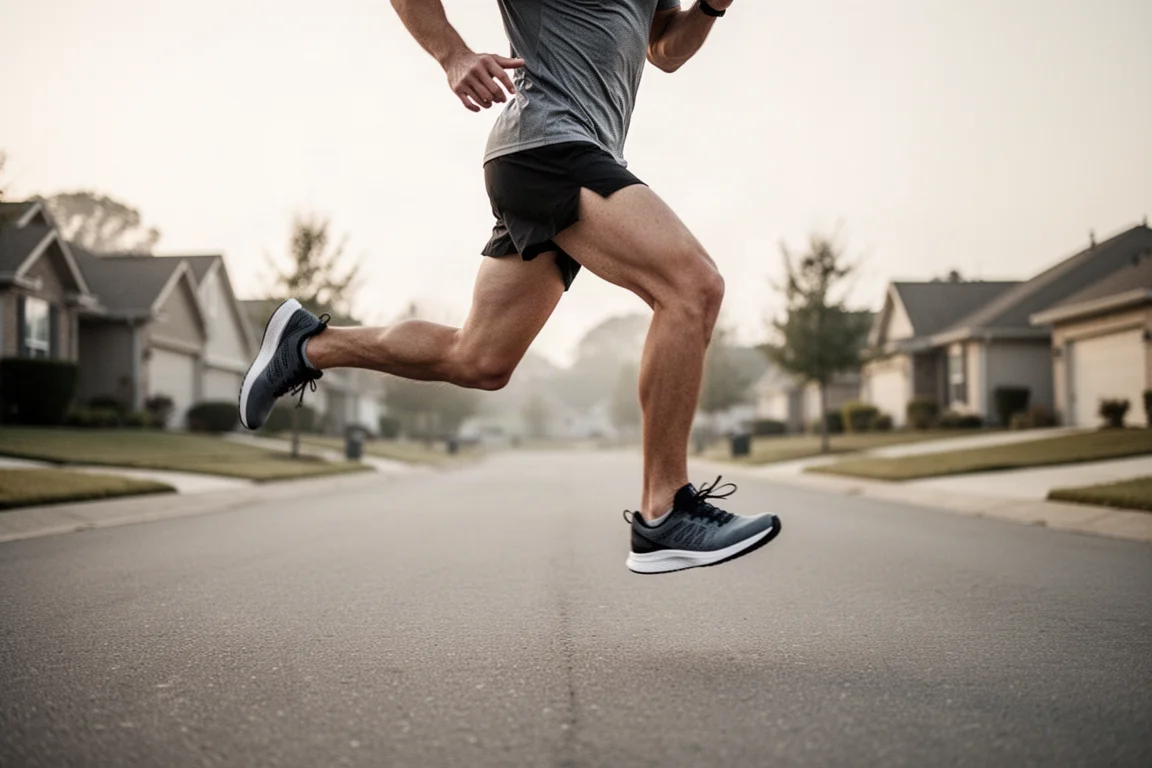
Despite the weight, the ride is the most interesting part of this shoe. It runs firmer than many daily trainers, so it is not a max-cushion squish-fest for easy cooldown miles. Where it truly comes alive is at easy-to-moderate paces with light pace changes. The compression and decompression of the foam deliver a pleasant rhythm and bounce, giving daily runs with a bit of spice a genuinely fun, cruiser-like feel. The character is often compared to early, firmer versions of PWRRUN PB, with an almost Styrofoam-like feel that works in the shoe’s favor at quicker paces. It is heavy enough that it never quite threatens shoes like the Super Blast or Invincible, but it is still a rewarding ride.
Where the Infinite Elite Falls Short
The upper is the biggest letdown. IntelliKnit has the word knit in the name, but it lacks the stretch, softness, and comfort that knit materials are known for. The fit is reasonable but overly padded, and the material runs warm, acting a bit like a sweat sponge. Visually, the execution feels frumpy rather than premium, which is disappointing for a shoe carrying the Elite name. If you are the type of runner who does not choose shoes by looks, this matters less, but the performance of the upper still leaves room for improvement.
Within an Under Armour rotation, the Infinite Elite would anchor everything: easy runs, recovery runs, and long runs with pace changes, paired with the Flow Velocity Elite 2 as a race option for shorter distances. That pairing shows how central this shoe is to the brand’s current running lineup.
Saucony Triumph 21: The Familiar Feel
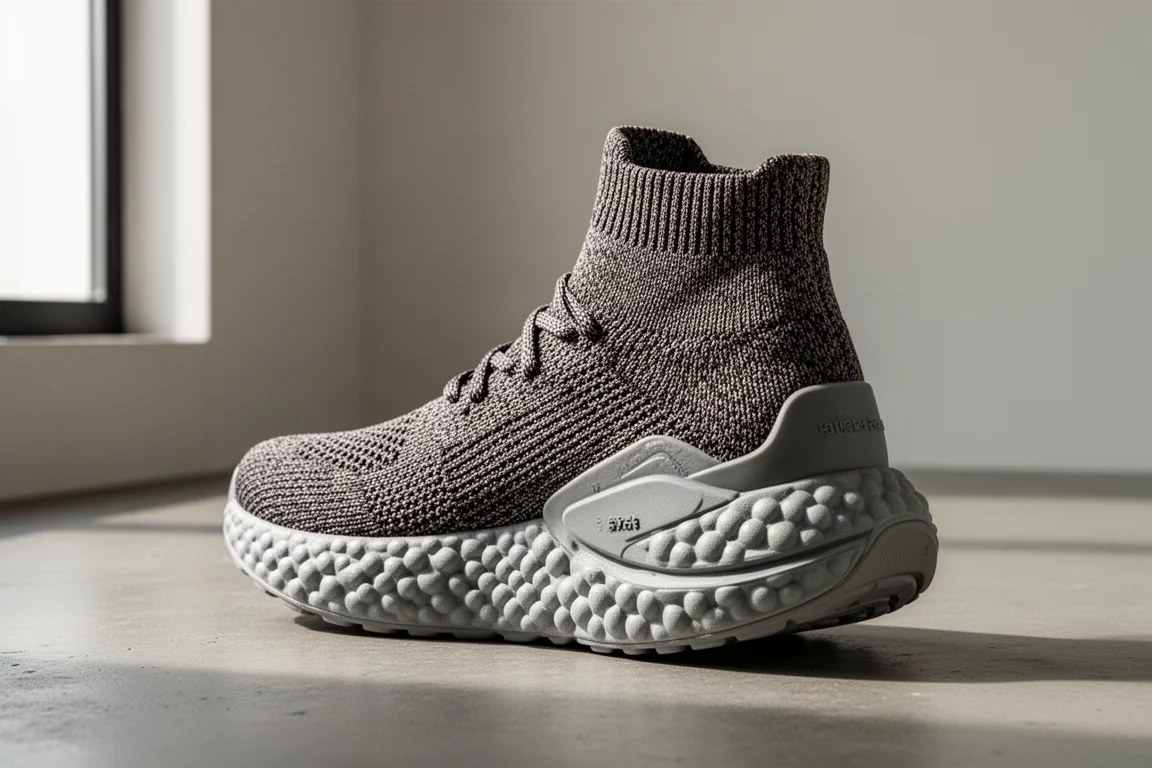
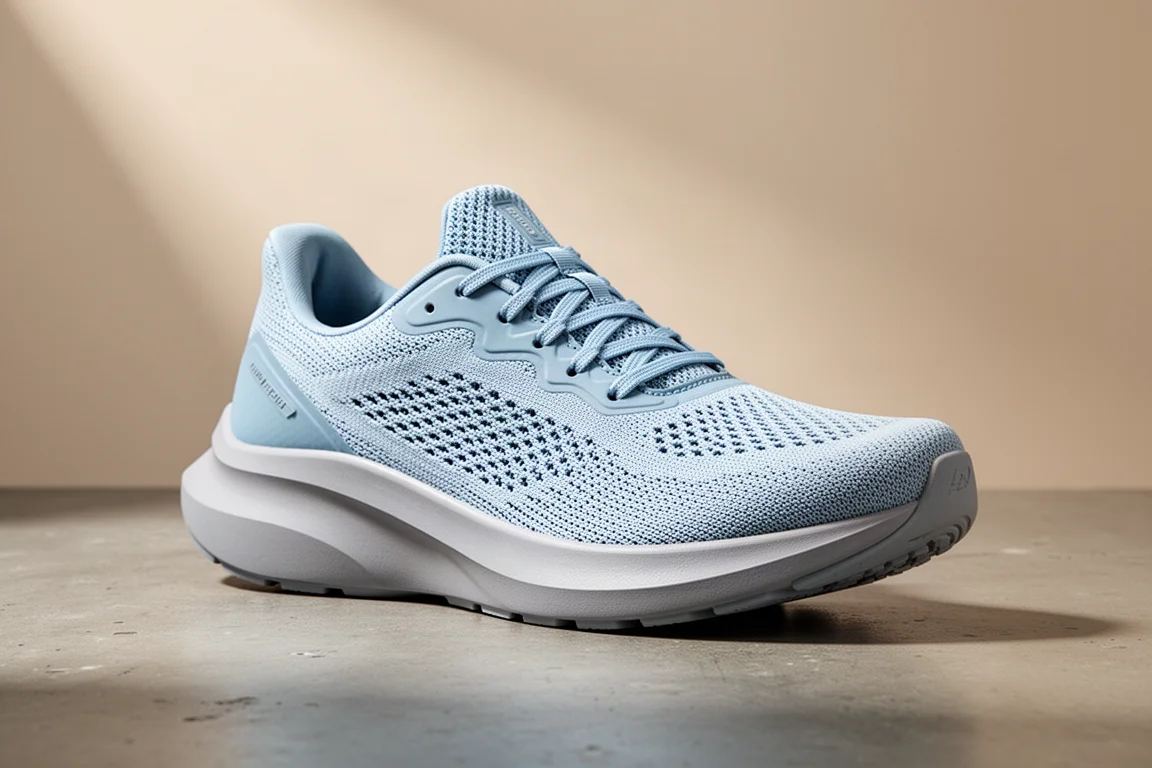
The Saucony Triumph 20 and 21 are near-identical shoes with only minor upper changes, and both use PWRRUN Plus, a beaded foam that looks and feels remarkably similar to HOVR Plus. Like the Infinite Elite, the Triumph runs a touch firm for pure easy-day preferences, but it comes to life once you move quicker than an easy pace, which is when its cushioning feels best.
The key difference is price. The Triumph 20 and 21 launched at $160, the same as the Infinite Elite, but the Triumph 21 has been out long enough that it can still be found for around $120 in some places. If you want the same beaded-foam ride character for less money, it is a compelling option. The Triumph 22, with its different foam, is a noticeably different experience and less comparable.
Adidas UltraBoost 5X: The Comfort Pick
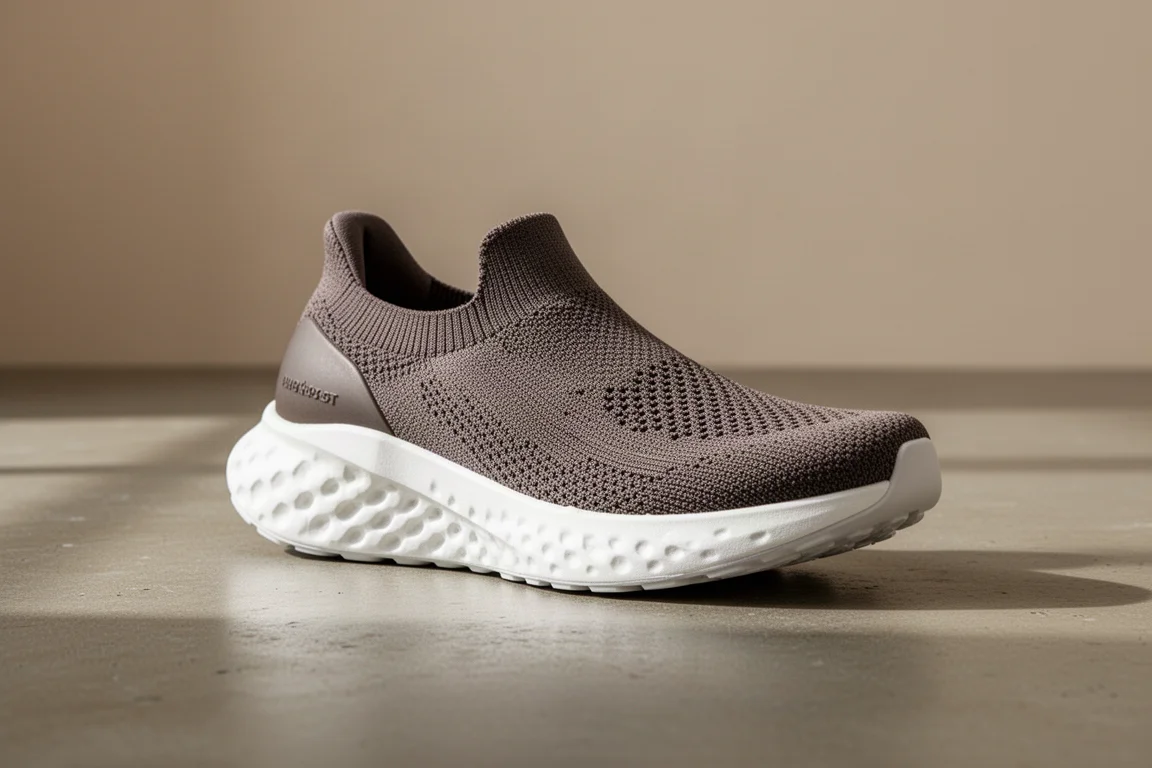
The UltraBoost 5X uses Light Boost, a lighter formulation of the original Boost material that made the line famous. As the name implies, it cuts weight, but it also trades away some rebound. The result is a softer, slightly mushier ride, which is arguably the right direction for a max-cushion shoe in this category.
If your priority is comfort, better looks, and a plusher feel underfoot, the UltraBoost 5X is the pick. The trade-off is price: it comes in at $180, a premium over both the Infinite Elite and the Triumph.
Which Shoe Should You Buy?
The Infinite Elite is a strong option for long runs and high-mileage daily training. For bigger, taller runners, its cushioning level may be exactly right. It is also a genuinely good entry point for athletes coming from team or ball sports into running, a group that makes up a large part of Under Armour’s customer base.
At $160, the price feels fair for what the shoe delivers on the ride, even if the upper and weight hold it back from being an easy recommendation for everyone.
View more details for Under Armour Infinite Elite
Conclusion
The Under Armour Infinite Elite is a meaningful step forward for a brand that had drifted out of the running conversation. The HOVR Plus midsole is genuinely fun at easy-to-moderate paces, and the shoe earns a place in a high-mileage rotation despite its weight and underwhelming upper. Choose it if you value ride character over refinement; choose the Triumph 21 if you want a similar feel for less, or the UltraBoost 5X if plush comfort matters most.
Further reading
Related Reviews

Running Shoes
Best Road-to-Trail Running Shoes: Three Versatile Options for Mixed Terrain
A practical guide to three road-to-trail running shoes that handle both pavement and mild trails, with clear strengths and trade-offs for different runner types.

Running Shoes
Best Running Shoes for Achilles Tendonitis: Three Options Explained
Three running shoes with different heel drops and support features designed to help reduce Achilles tendon pain during walking and running.

Running Shoes
Best Running Shoes for Women: Five Top Choices Ranked
A ranked guide to five women's running shoes, from versatile daily trainers to high-performance racing options, with real strengths and trade-offs for each.