Running Shoes
Under Armour Infinite Elite 2 After 100 Miles: Still the Soft Recovery Day Pick?
One hundred miles in, the Infinite Elite 2 has lost a little freshness but kept the plush, lively ride that made version 2 a genuine step forward.
Introduction
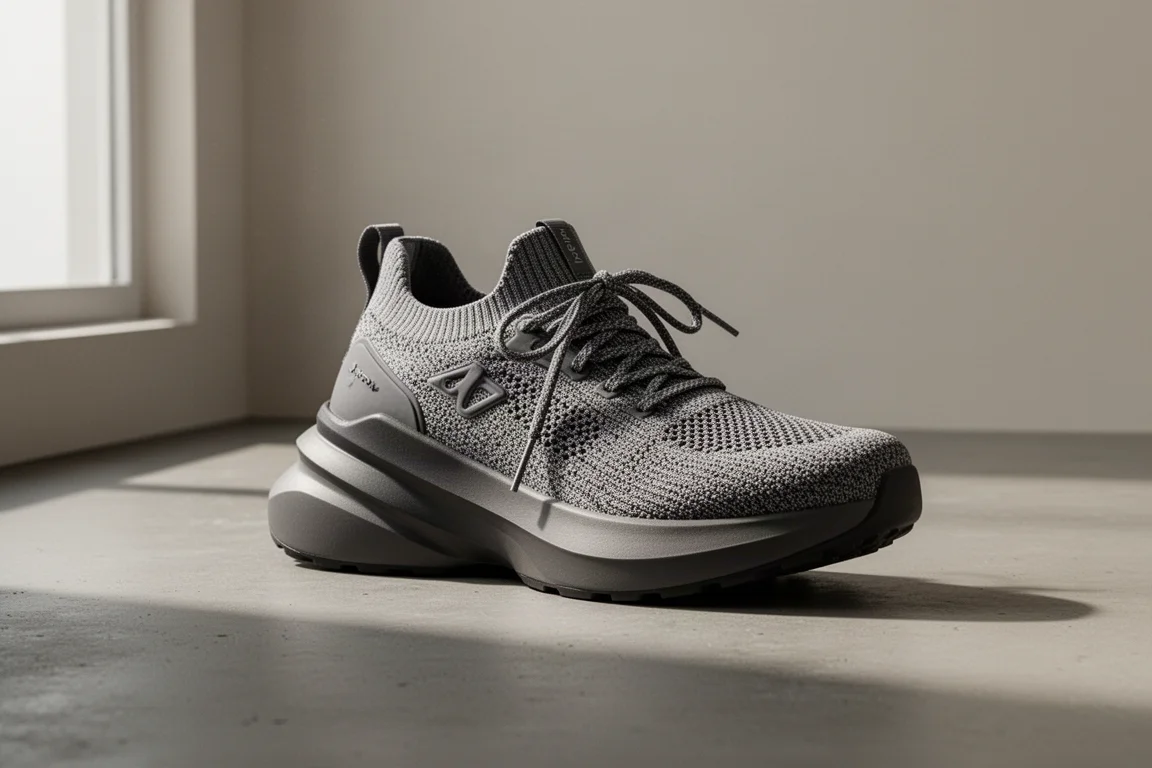
Some shoes fade quietly over their first hundred miles. The Under Armour Infinite Elite 2 has lost a little of that out-of-the-box freshness, but it has not lost the reason to reach for it. Under Armour gave the second version a lighter, softer ride than the original, and it was a refreshing change. The question this follow-up answers is simple: after 100 miles, is it still a shoe worth buying, or has the softness gone stale?
The short answer is that it is still very much worth buying, provided you buy it for what it does best.
How the Shoe Fits Into a Running Rotation
Under Armour positions the Infinite Elite 2 as a max cushion shoe, and that is exactly how it earns its place. Max cushion shoes sit as a subset of the daily trainer category: more stack height, more comfort, and usually a small sacrifice in outright speed and performance in exchange for it.
In practice, this is a recovery day shoe. The day after a big workout, when the legs feel heavy and the goal is simply to move, get the blood flowing, and encourage active recovery, this is the shoe that makes those runs feel pleasant instead of punishing. The softness and squish are genuinely enjoyable when the body needs a break.
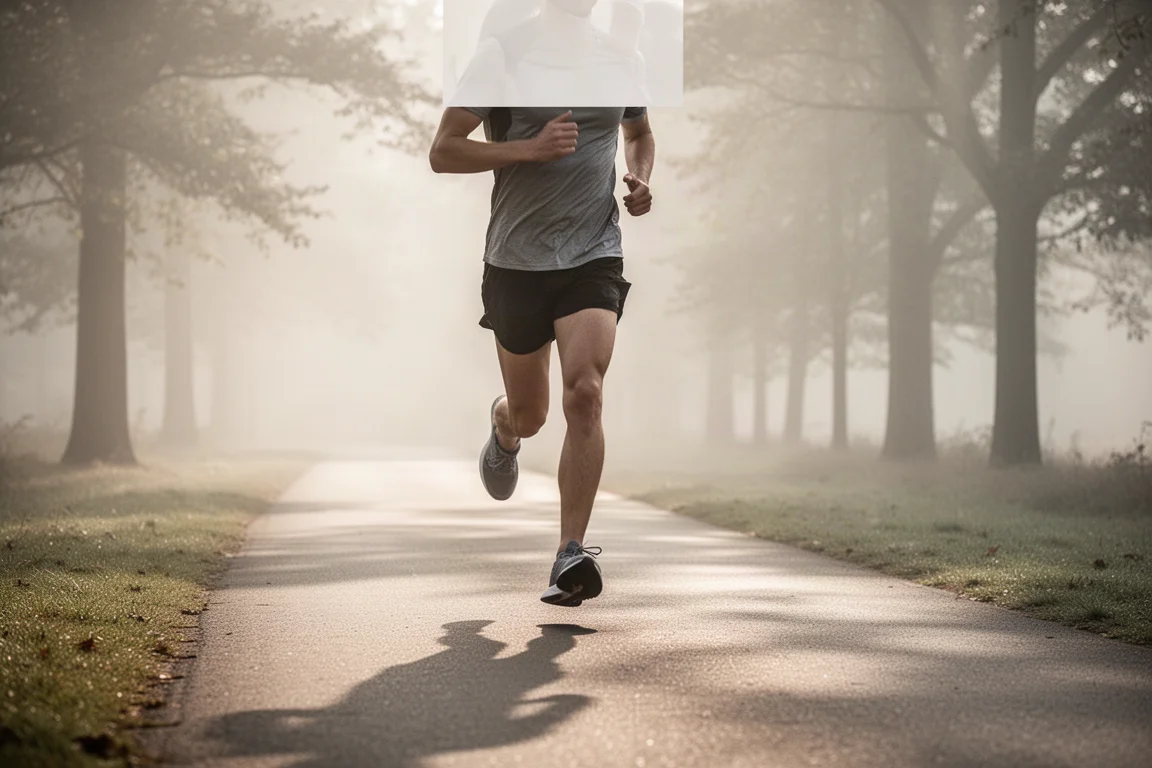
The foam is not purely soft, though. It compresses quickly but does not stay stuck in that compressed state, decompressing in an energetic way that keeps the ride from feeling mushy. That liveliness opens up other uses. Some runners could use it as a tall daily trainer. Others might treat it as a long run shoe, including the moderate uptempo miles that come with half marathon or marathon preparation, though not true 10K race pace. In this testing, it was mostly reserved for recovery running rather than those faster duties.
Durability After 100 Miles
The shoe no longer feels fresh out of the box. The foam is still airy and cushioned, but it has grown a little denser than it was at mile one. As the miles accumulated, the shoe became less appealing for light workouts or long runs and more clearly settled into its best role as a recovery shoe. There has been a noticeable change from mile 1 to mile 100, though nothing that suggests the shoe is dying anytime soon.
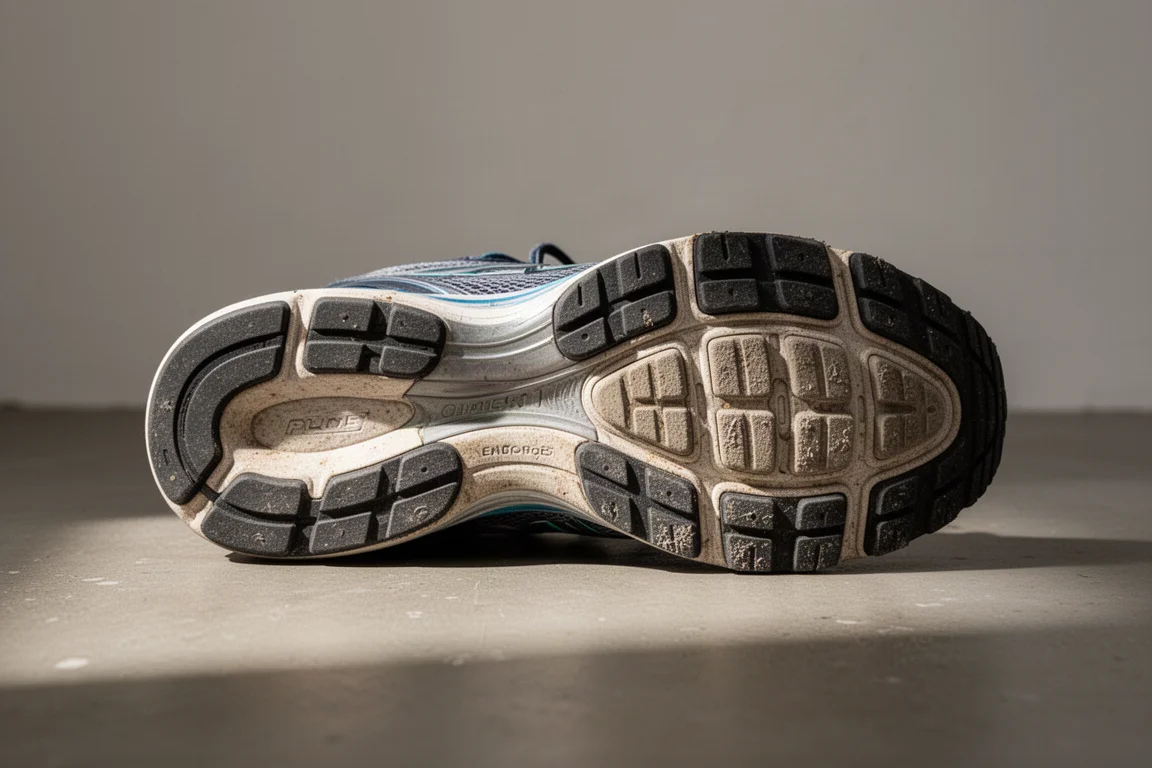
The outsole tells a similar story. There is visible wear on the rubber in the highest-impact areas, typically the center of the forefoot pads and the outside of the heel on both shoes, but the wear is even and completely in line with expectations at this mileage. The rubber coverage is plentiful and holding up well.
The upper has held up too. It is not the most elegantly designed shoe, and both the aesthetics and some material choices leave room for improvement, but durability has been solid. The softer lining around the heel collar shows a couple of areas of light wear, yet nothing is breaking down or wearing faster than expected. It simply looks like a shoe with 100 honest miles on it.
Where It Sits in the Under Armour Lineup
The daily trainer from Under Armour is the Sonic, now on its seventh version. It has become softer and lighter than in past iterations, and the upper has been stripped down, perhaps a little too minimalistically. That makes a max cushion companion genuinely necessary, and that is precisely the role the Infinite Elite 2 fills: the recovery run and long run cushion option in the lineup.
For race day, the Velocity Elite handles the duty. It uses a beaded PEBA race-caliber foam on top and a durable EVA blend bottom layer that can be run on directly instead of rubber, with a carbon fiber plate between the two. There is technically a Velocity and Velocity Pro positioned as speed work shoes in between, but given how durable the Velocity Elite’s bottom layer is, a three-shoe lineup of Sonic, Infinite Elite 2, and Velocity Elite covers most needs comfortably.
Alternatives Worth Considering
Mizuno Neo Zen
The Neo Zen is marketed as a daily trainer rather than a max cushion shoe, but the ride between the two is quite similar. It also comes in cheaper at $150. The knit upper is a genuine highlight, with comfort to spare.
The bigger difference is in the midsole dynamics. The Neo Zen compresses in a more controlled way, which makes it feel more stable, but it does not decompress as quickly, giving it a slightly mushy sensation. That makes it a better fit for shorter-than-usual easy runs and shorter recovery runs rather than the longest cushioned efforts.
Adidas Ultra Boost 5X
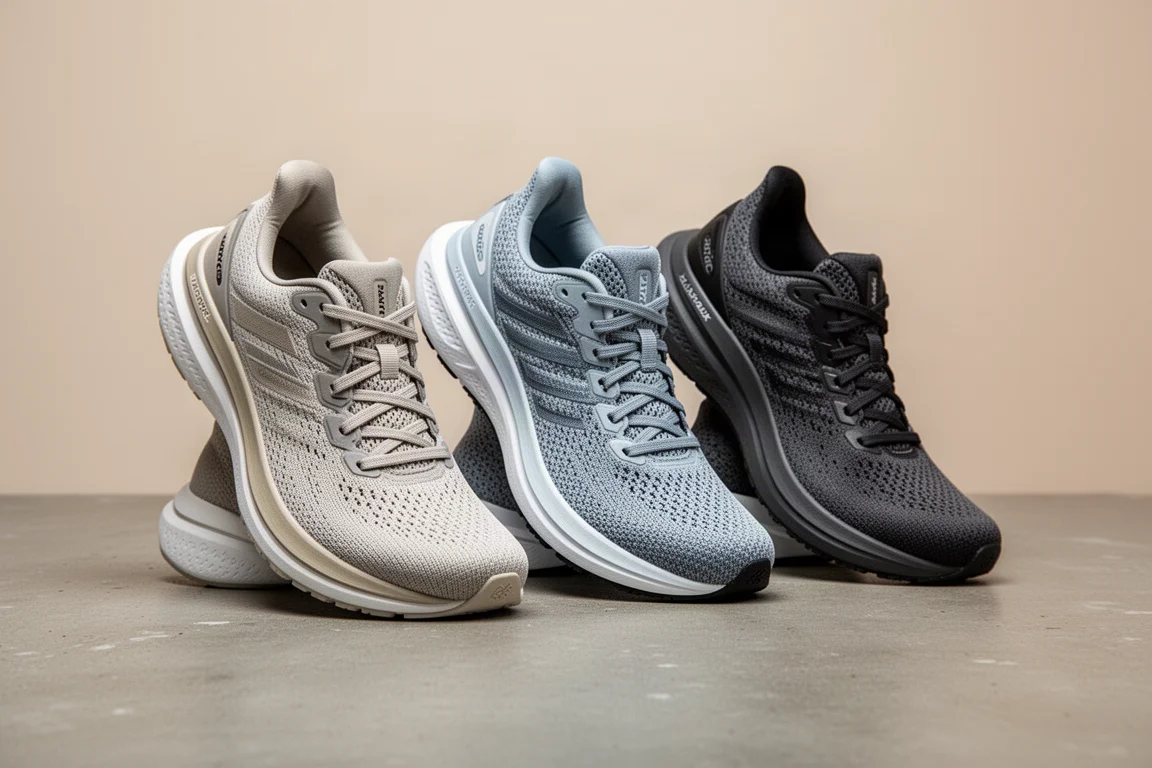
This looks like the shoe Under Armour was targeting. It is also a max cushion shoe built around a beaded foam with comfort emphasized over raw performance. The upper is more premium than what the Infinite Elite 2 offers, combining knit and neoprene materials for a noticeably more comfortable and more breathable feel.
The Light Boost midsole feels denser overall than the Infinite Elite 2’s foam. For runners who dislike very squishy shoes or worry about bottoming out in a soft midsole, the Ultra Boost 5X feels more stable with a balanced amount of cushion and bounce. It normally retails at $180, but it can currently be found on sale for $135, which makes it a very viable option if the Infinite Elite 2’s looks do not win you over.
Buying Advice
At $160, the Infinite Elite 2 is a solid price for a max cushion shoe with this ride quality. It is plush enough for recovery day but light and peppy enough for everyday use, and even after several months and 100 miles, it remains a shoe worth being excited to run in.

If your priority is a plush recovery shoe with a lively, energetic feel, this is the pick. If you want more stability and shorter easy days, look at the Neo Zen. If you want a denser, more premium-feeling max cushion shoe and can catch it on sale, the Ultra Boost 5X is the smarter spend. Under Armour has been an on-again, off-again brand when it comes to performance running, but the Infinite Elite line shows the brand is in a serious on-again phase, at least for now.
Conclusion
After 100 miles, the Infinite Elite 2 has softened slightly and settled firmly into its recovery-day role, but it has not lost the comfort or the lively bounce that made it a strong update. For runners who want a genuinely comfortable max cushion shoe that still feels energetic underfoot, it remains an easy recommendation at $160.
Product link
View more details for Under Armour Infinite Elite 2
This product is mentioned in the review. Check the specifications, options, and compatibility before buying.
View more details for Under Armour Infinite Elite 2Further reading
Related Reviews

Running Shoes
Best Road-to-Trail Running Shoes: Three Versatile Options for Mixed Terrain
A practical guide to three road-to-trail running shoes that handle both pavement and mild trails, with clear strengths and trade-offs for different runner types.

Running Shoes
Best Running Shoes for Achilles Tendonitis: Three Options Explained
Three running shoes with different heel drops and support features designed to help reduce Achilles tendon pain during walking and running.

Running Shoes
Best Running Shoes for Women: Five Top Choices Ranked
A ranked guide to five women's running shoes, from versatile daily trainers to high-performance racing options, with real strengths and trade-offs for each.