Running Shoes
Under Armour HOVR Machina 3 Review: A Daily Trainer That Sits Between Two Camps
The HOVR Machina 3 brings dual-density HOVR foam and built-in running metrics, but its weight and firmness limit the range Under Armour claims for it.
Introduction
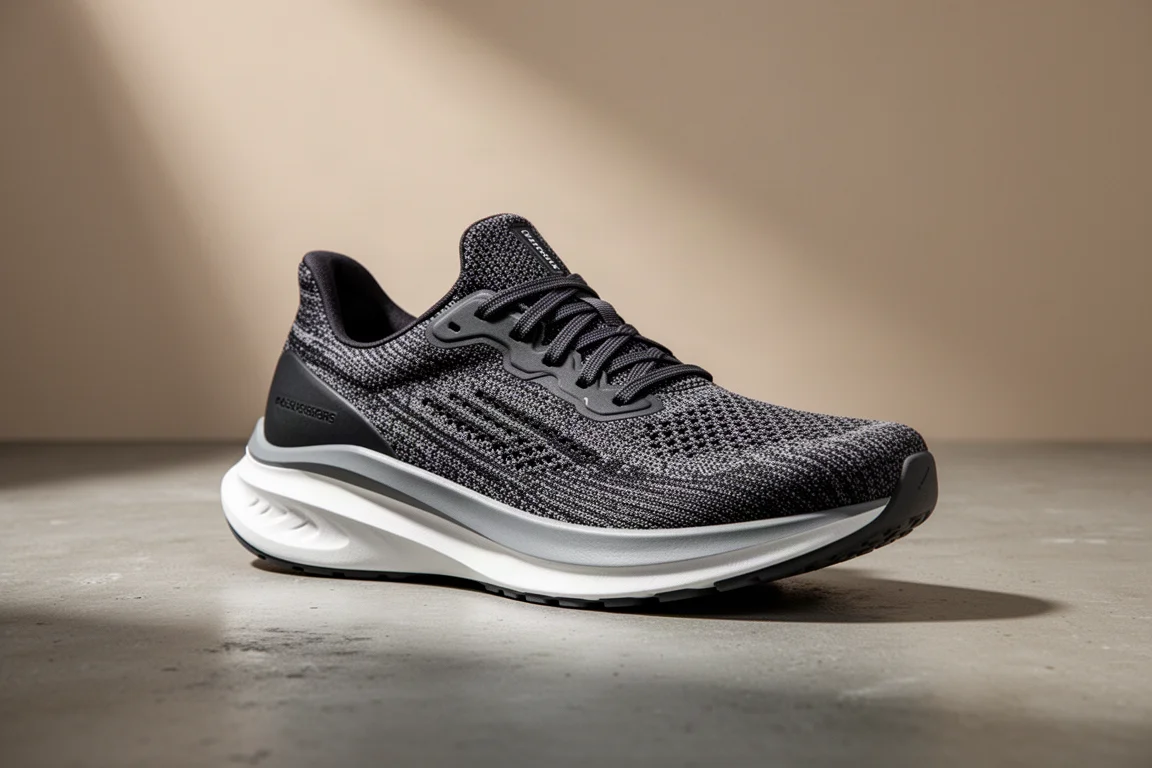
The Under Armour HOVR Machina 3 arrives with a familiar brief: a shoe pitched as combining the softness of a long-run trainer with the liveliness of a racing flat. After putting roughly 30 to 50 miles into it across easy runs, a 90-minute effort, faster sessions and some compacted trails, the honest summary is that it is a comfortable, solidly built shoe that has not moved on enough from its predecessor, and one that struggles to stand out in a crowded daily trainer market.
Key Specs at a Glance
The women’s version weighs 269 grams (9.4 oz) with the men’s at 300 grams (10.6 oz). Drop is 8mm, with a 28mm heel and 20mm forefoot stack in the women’s shoe. The men’s stack has come down slightly from the previous generation’s 31mm heel and 23mm forefoot, while the women’s remains the same. Pricing sits at $160 in the US and £140 in the UK.
What Changed From the HOVR Machina 2
Visually, the Machina 3 looks very similar to the Machina 2, with little change to the overall silhouette. The main internal tweak is that the HOVR midsole foam is now dual density: slightly firmer foam in the forefoot and slightly softer foam in the rear, intended to give softer landings followed by a firmer, springier toe-off.
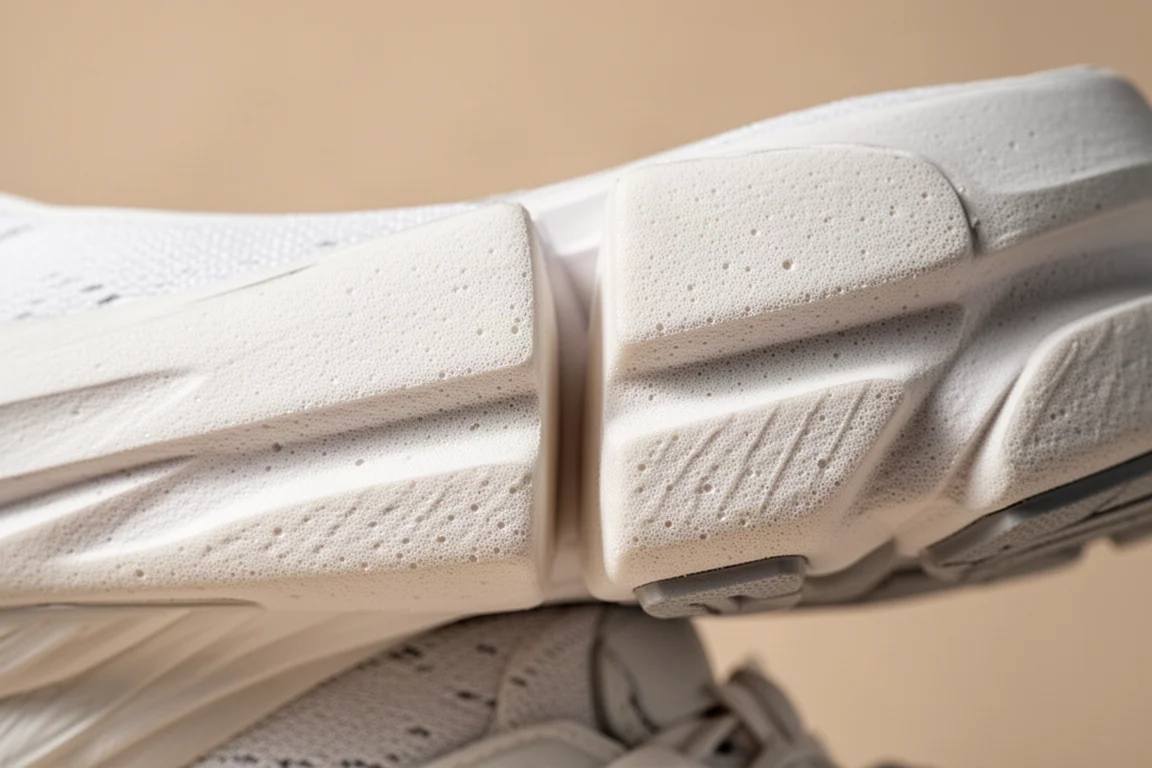
Notably, there is no mention of the PEBAX plate found in the Machina 2, and given that it would normally be a headline feature, it appears to be gone. The external heel counter from the previous model has also been removed, leaving only a small external heel clip for some rearfoot support. The upper is a dense, overlay-free mesh with a padded dual-layer feel across the top of the foot, generous cushioning around the heel collar, a padded tongue, and a small kickback flick that keeps collar padding away from the Achilles. Inside, an EVA sockliner adds a little extra softness and protection.
Flip the shoe over and there is still ample outsole rubber for grip and durability. Overall, this feels like a shoe built to last: some midsole compression appeared after the first 50 miles, but the foam does not look likely to degrade quickly.
On foot, though, the padding-heavy fit and the added weight make it feel more like a saloon than a sports car. That is fine for comfort, but it undercuts the racing-flat positioning.
How It Runs: The Test Miles
Step-in comfort is genuinely good. The cushioning is plush, the uppers feel soft from the inside, and the shoe feels natural before you even start running. Once moving, however, the story changes. Despite the softer rearfoot foam, the heel does not offer a great deal of give, and the overall sensation can be a bit clumpy and slappy at 300 grams.
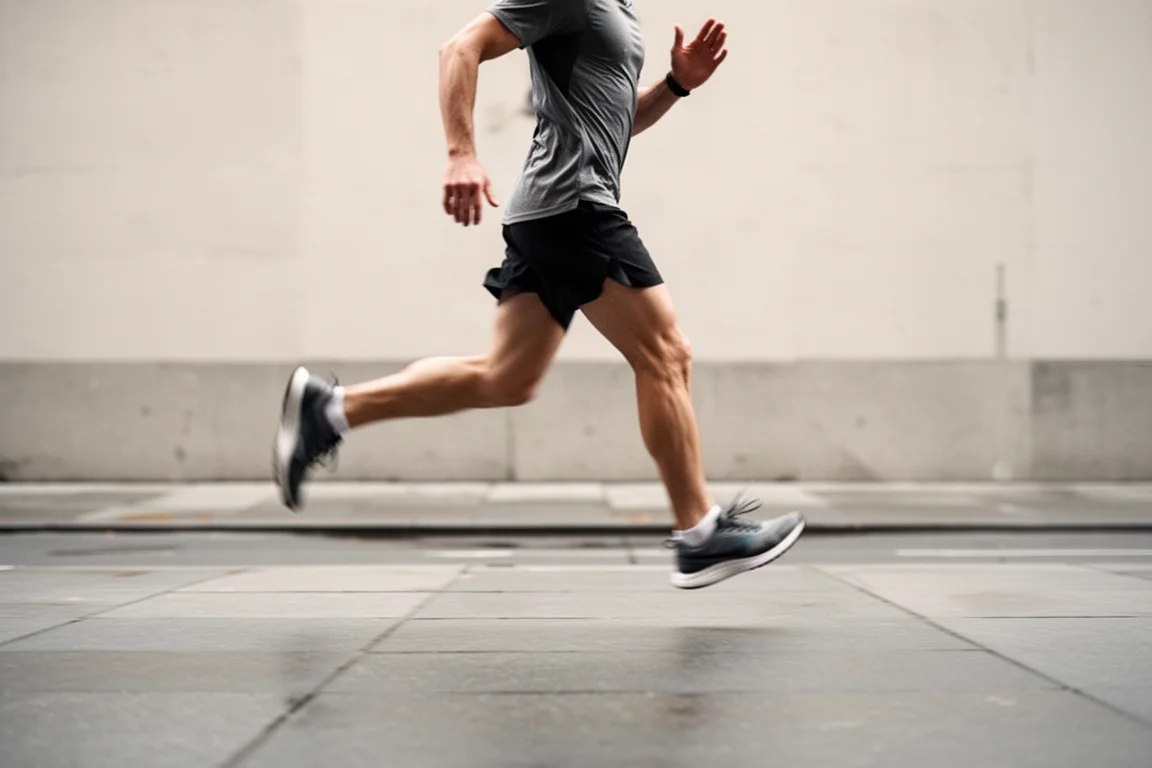
The bigger issue is range. Under Armour pitches this as a versatile daily trainer with both softness and speed, but it is arguably too heavy to go fast in and not quite soft enough to be a great easy-day cruiser. The shoe worked best at middling paces, around eight-minute miles, with fast turnover and a mid-to-forefoot landing. At very easy nine- or ten-minute-mile paces it felt clunky, and it does not have the snap to compete in faster workouts.
In the current market there are daily trainers that are lighter, punchier and more responsive while still offering more cushioning for easy miles. For genuinely leisurely runs, something like a Cloudmonster offers similar weight with noticeably more cushioning and protection.
Connected Features: Bluetooth Chips and the MapMyRun App
Like the Machina 2, these shoes contain Bluetooth-connected chips that pair with the MapMyRun app. They track cadence and other form metrics, beam them to your phone in real time, and provide real-time coaching plus post-run form tips. Little has changed in how the app works or what it offers.
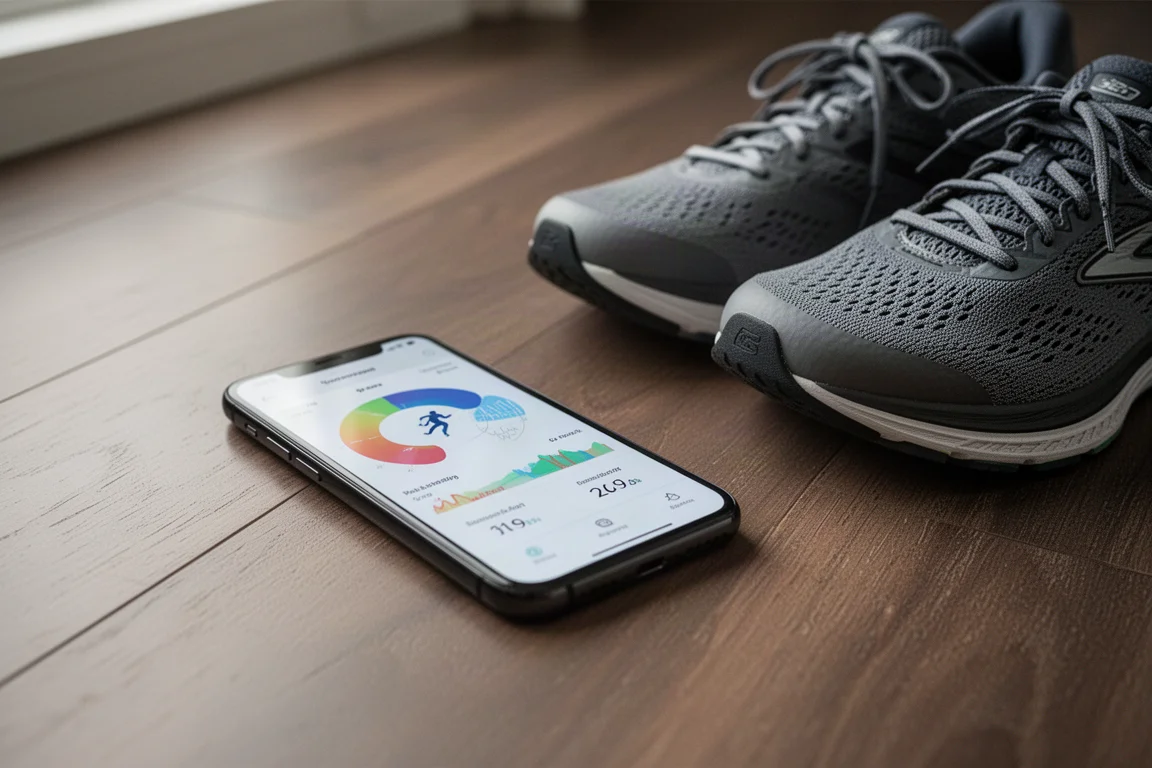
The connected tech is a genuine plus and one of the more interesting parts of what Under Armour brings to its shoes, though there is room to grow, such as foot-based power tracking. One practical caveat: the shoes connect only to MapMyRun, which will be a barrier for runners who keep their data elsewhere.
Who Should Actually Buy This Shoe
If you have to pick a use case, the Machina 3 works best for steady, middle-intensity runs where turnover is quick but you are not chasing race pace. Its firm, stable base also makes it a plausible gym and running crossover shoe, handling box jumps and similar work before jumping on a treadmill.
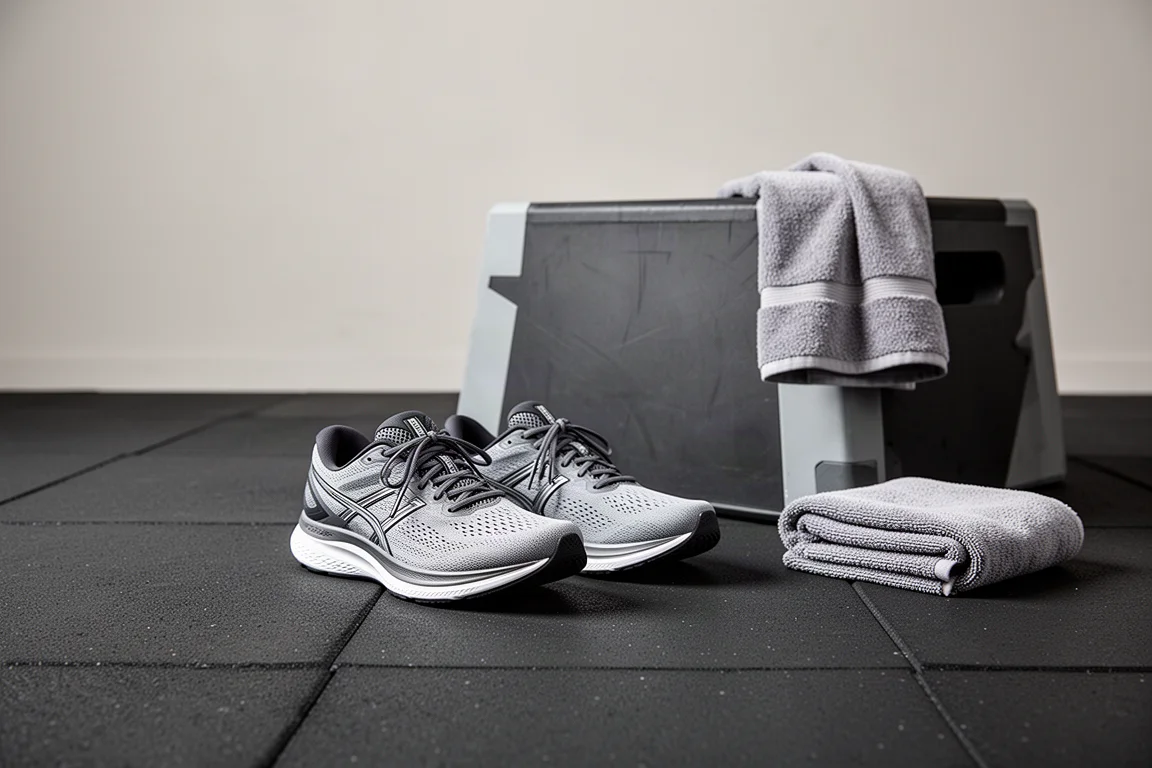
Fit is straightforward: it ran true to size in a UK 8.5, felt roomy and comfortable even on relatively wide feet, and true to size is a safe recommendation for most people.
Buying Advice
For $160 in the US or £140 in the UK, the value case is hard to make. The shoe has not changed enough from a predecessor that was already middling, and there are better options in the easy-day market, the speed-training market and the versatile daily trainer market alike. If you want a firm, durable, connected shoe for steady middle-pace running or gym crossover use, it can work. Otherwise, look elsewhere first.
Conclusion
The HOVR Machina 3 is a comfortable, well-built, true-to-size trainer with genuinely useful connected features, but it falls between two camps: too heavy and clumpy to feel fast, not cushioned enough to be a standout easy-day shoe. It is a thumbs down for now, and one hopes the next generation brings a genuinely new foam or a stripped-back design.
Product link
View more details for Under Armour HOVR Machina 3
This product is mentioned in the review. Check the specifications, options, and compatibility before buying.
View more details for Under Armour HOVR Machina 3Further reading
Related Reviews

Running Shoes
Best Road-to-Trail Running Shoes: Three Versatile Options for Mixed Terrain
A practical guide to three road-to-trail running shoes that handle both pavement and mild trails, with clear strengths and trade-offs for different runner types.

Running Shoes
Best Running Shoes for Achilles Tendonitis: Three Options Explained
Three running shoes with different heel drops and support features designed to help reduce Achilles tendon pain during walking and running.

Running Shoes
Best Running Shoes for Women: Five Top Choices Ranked
A ranked guide to five women's running shoes, from versatile daily trainers to high-performance racing options, with real strengths and trade-offs for each.