Running Shoes
Under Armour Flow Velocity Wind 2 Review: Light, Firm and Versatile
A lightweight daily trainer with a firm, traditional ride, built-in run tracking and impressive durability, but the competition at this price is fierce.
Introduction
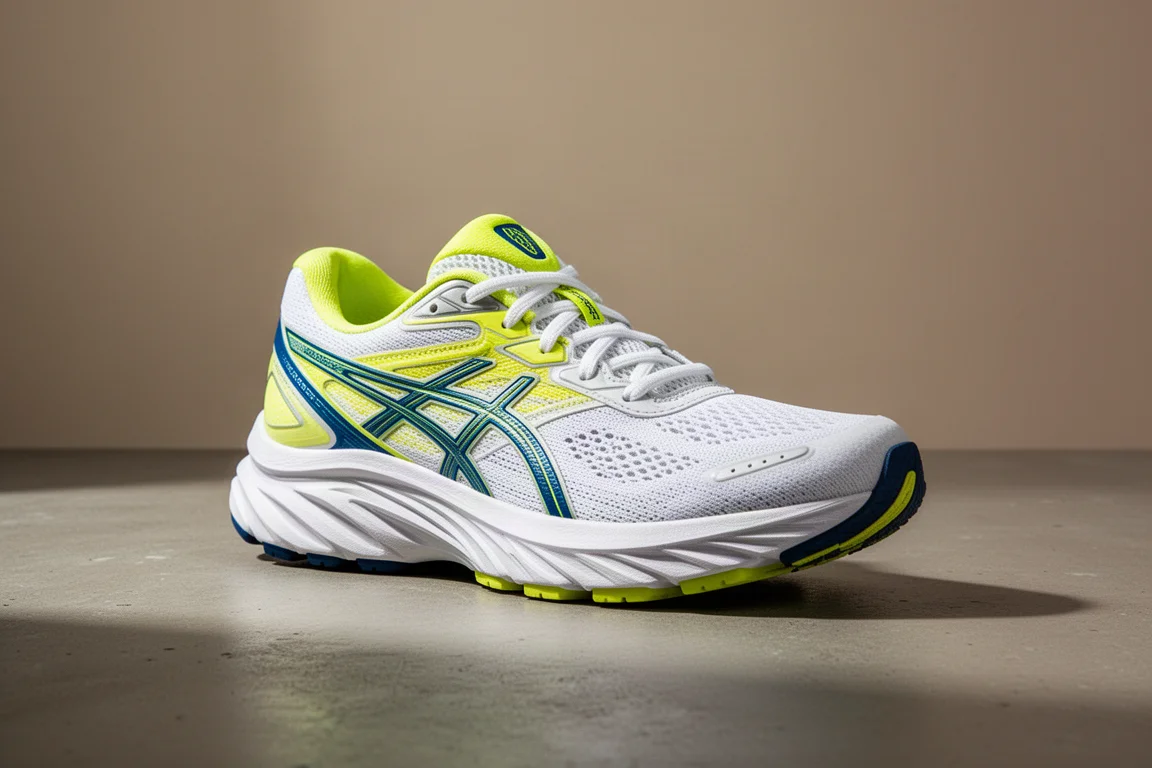
Under Armour bills the Flow Velocity Wind 2 as light and effortless speed. After a fair few test miles, the honest summary is that this is very nearly the same shoe as the original Velocity Wind, and that is not a bad thing. It is Under Armour’s lightest shoe, it runs firm and nimble, and it held up well even on an 18-mile long run. The question is less whether it is good and more whether it stands out against very strong competition at its price of £140 in the UK and $160 in the US.
Fit and Upper
The upper uses Under Armour’s Warp Zonal structured design, where vertical and horizontal tapes give structure and support in the right places while flexing with the natural movement of the foot. That keeps the shoe held and snug without adding weight from unnecessary overlays. There is a decent amount of padding in the heel collar and a lightly padded, gusseted tongue.
Sizing ran true to size: a UK 8.5 fit exactly as expected. The shoe feels instantly comfortable, hugging the foot without feeling restrictive, with just enough room in the toe box and a nice hold around the heel and tongue.
Weight, Midsole and Sensor Tech
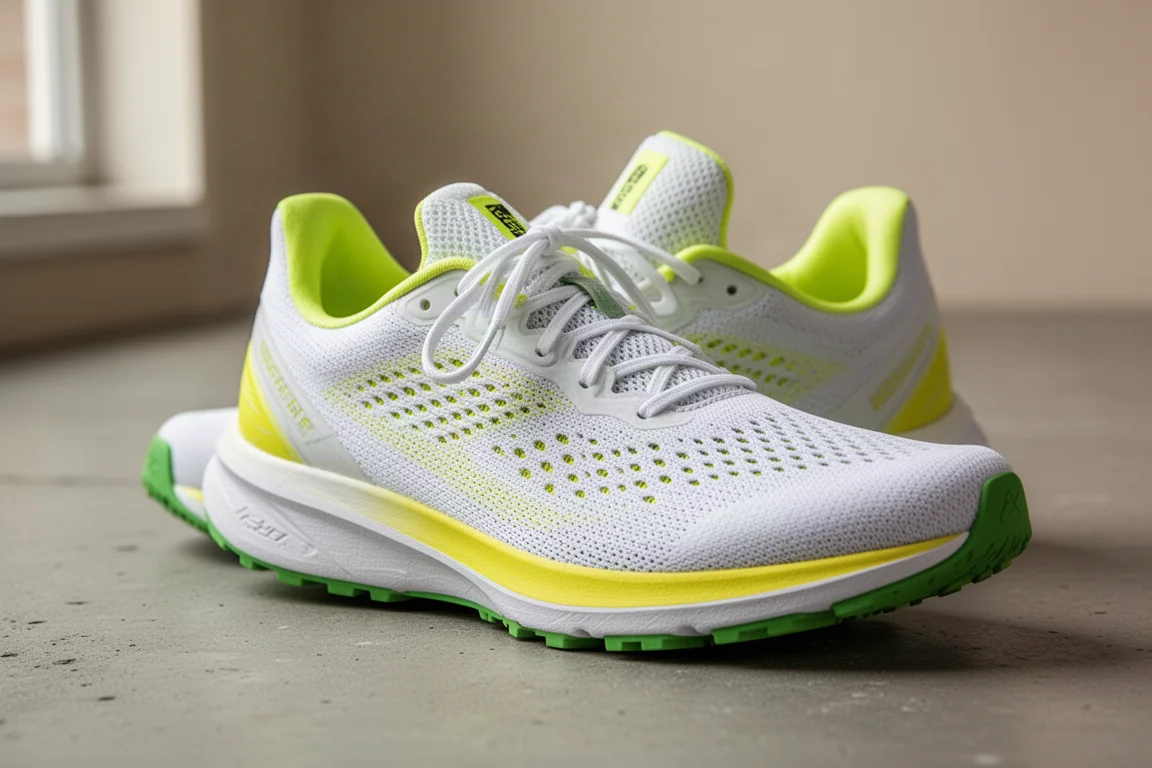
The men’s version weighs 241 grams (8.5 ounces) in a US equivalent of the tested size, with the women’s at 227 grams (8 ounces), a shade lighter than the first generation. The midsole uses the Flow foam cushioning system with a single-piece outsole, delivering cushioning, durability and traction without any outsole rubber, which also saves weight. Stack heights stay the same as the original: 26mm in the rear, 18mm in the forefoot, an 8mm drop, with a 4mm molded EVA sock liner cradling the foot, in gender-specific shapes.
Uniquely, the sole also embeds a sensor that tracks pace, cadence, stride length and distance, syncing with MapMyRun for real-time and post-run coaching tips.

Ride and Run Test
At around 40 test miles, the verdict on the ride is clear: this is almost an identical shoe to the original, with only slightly different uppers. It is firm, much firmer than the soft super foams common today, and there is very little give or squish in the midsole. That firmness can feel disconcerting over the first few miles, but the shoe breaks in and comes into its own as the miles add up.
What the firmness delivers is a light, nimble, agile run with a direct ground-contact feel that encouraged a faster turnover. Steady runs felt more natural, and the shoe responded well to upturns in pace, holding its own in interval sessions and at marathon pace. The big surprise was the long run: an 18-mile, three-hour Sunday run went well, the shoe still felt light at the end, and there was no real foot fatigue despite the minimal cushioning.
The overall shape of the ride is not unlike a firmer, more traditional Saucony Ride-style feel, but with a little more response from the foam despite the firmness. Because it does not get heavy over long miles, it could plausibly help you race a marathon. Comfort is also a strong point: the padded heel collar cocoons the foot nicely, and the disappearing fit makes it a happy shoe over middle distances like a half marathon.
If you dislike a direct ground feel and want softness in the midsole, this is not the shoe for you. But if you like some ground contact, good stability and a shoe that makes your feet do some of the work, it deserves a look. It is genuinely versatile: capable at a range of paces, distances and even a little off-road.
Durability
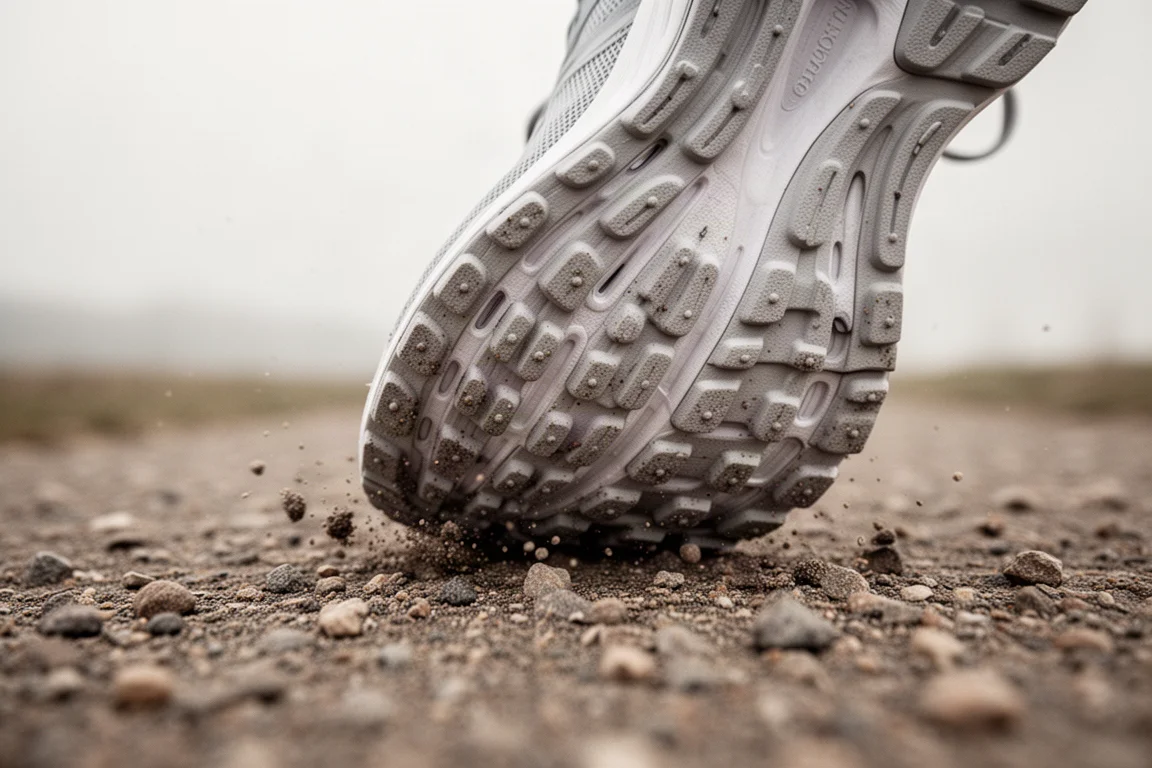
Durability looks like a genuine strength. Despite having no rubber on the outsole, with the midsole foam doing that job itself, there is barely a scratch after testing on gravel and rough surfaces that would normally cut up an exposed outsole. The firm Flow foam appears built to hold up well over time.
Built-in Run Tracking
The embedded sensor connects with MapMyRun and fires data in real time, offering real-time coaching on core form metrics such as cadence and stride length. As a bonus feature, it works: it gives extra information beyond what a phone in an armband would offer, and it is most interesting for newer runners who have not yet invested in a watch.
For most runners who already own a watch, it is not a replacement, and it would not be a reason to buy the shoe on its own. Two caveats: getting the most from MapMyRun requires a subscription for some features, and the shoe does not connect with other running apps.
Verdict
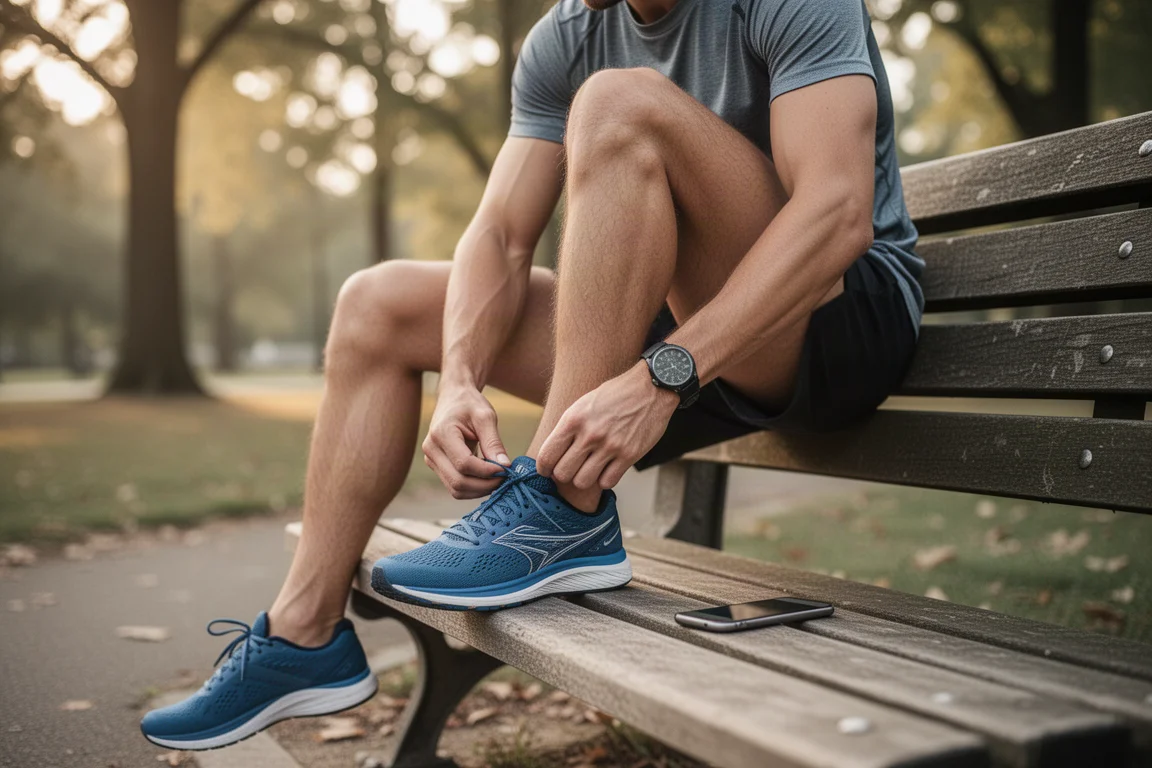
If you liked the original Flow Velocity Wind, you will like this one; the ride underfoot feels exactly the same. If you did not like the first version, nothing here will change your mind. As a do-it-all daily trainer that can cope at a number of paces, distances and a bit of off-road, it is one of Under Armour’s better shoes, with a zippy, natural feel and brilliant stability compared with softer super foam shoes.
Buying Advice and the Competition
The biggest problem is the competition at this price point. The Saucony Endorphin Speed 2 at a similar price is more versatile, more punchy and faster, and a better pick for racing a half or full marathon alongside training. The Puma Velocity Nitro 2, often available sub-£100 on sale, is a little heavier but covers the same runs and training with more softness underfoot, at a much lower price. The Hoka Rincon 3, at around £105, matches the lightness and swiftness, and while arguably less durable, it likely wins on value for money.
One final tip: because the second version rides so much like the first, if you can find the original on a deal when this goes on sale, you may be just as well off picking up the first generation for less.
Conclusion
The Under Armour Flow Velocity Wind 2 is a really good shoe: light, firm, stable, comfortable and impressively durable, with a nice bonus in the built-in run tracking. For runners who enjoy a firmer, more traditional ride with a direct ground feel, it slots easily into a rotation. Just be aware that fierce rivals at the same or lower price make it a tough buy at full retail.
Product link
View more details for Under Armour Flow Velocity Wind 2
This product is mentioned in the review. Check the specifications, options, and compatibility before buying.
View more details for Under Armour Flow Velocity Wind 2Further reading
Related Reviews
Running Shoes
Best Road-to-Trail Running Shoes: Three Versatile Options for Mixed Terrain
A practical guide to three road-to-trail running shoes that handle both pavement and mild trails, with clear strengths and trade-offs for different runner types.
Running Shoes
Best Running Shoes for Achilles Tendonitis: Three Options Explained
Three running shoes with different heel drops and support features designed to help reduce Achilles tendon pain during walking and running.
Running Shoes
Best Running Shoes for Women: Five Top Choices Ranked
A ranked guide to five women's running shoes, from versatile daily trainers to high-performance racing options, with real strengths and trade-offs for each.