Backpacking Tents
Ultralight Two-Person Tents Compared: Sea to Summit Alto 2P, Telos 2P, and Big Agnes Tiger Wall
A practical comparison of two Sea to Summit ultralight two-person shelters and a lighter rival, covering headroom, pad fit, ventilation, and the weight trade-offs that matter most.
Introduction
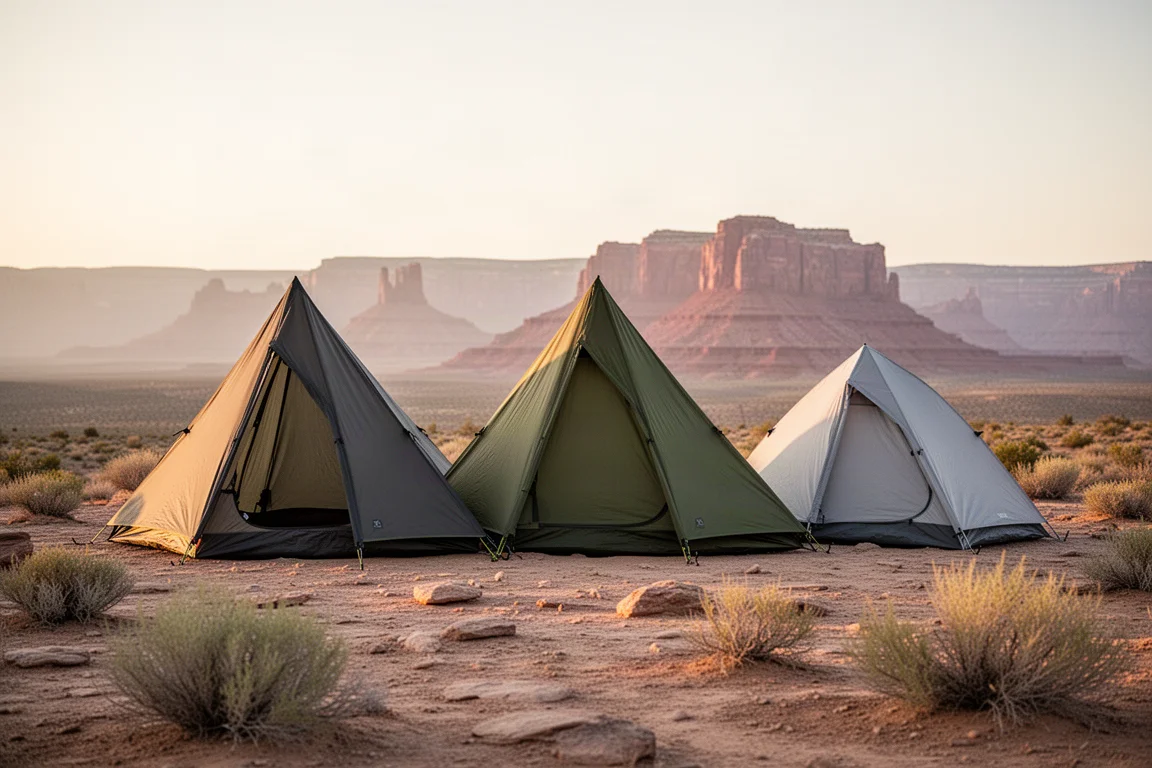
Two-person backpacking tents sit on a simple tension: every feature you add costs weight. Sea to Summit works both sides of that trade-off with the Alto 2P and the Telos 2P, and the Big Agnes Tiger Wall sits beside them as a lighter option with a different balance of interior space.
This comparison looks at what each shelter does well, where the compromises land, and which one is likely to suit the way you actually hike.
Sea to Summit Alto 2P: Semi-Freestanding Ultralight
The Alto 2P is a semi-freestanding design, which means the pole structure does not hold the whole shelter up on its own. Two points must be staked out before the tent pitches properly, so plan on ground where you can drive stakes. Staking the remaining corners is optional, but a fully tensioned pitch opens the interior up and makes the tent noticeably more usable.
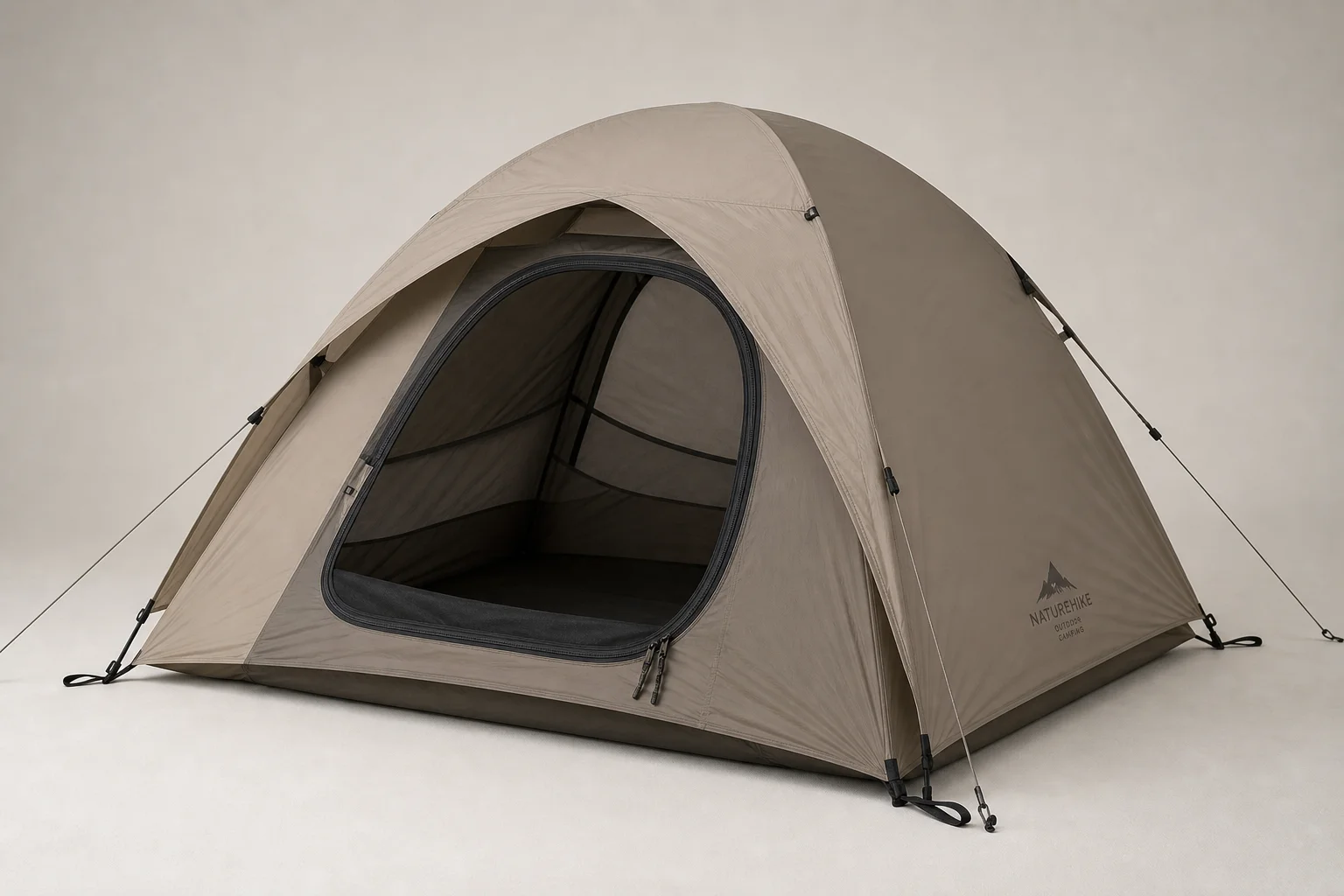
Inside, the roominess is the first thing you notice. The front, back and both side walls are almost completely vertical, and a brow pole at the top bows upward to create a vent that can be zipped open or closed. That vent earns its place: in cold, snowy winter conditions the Alto stayed essentially free of condensation, which is unusual for a shelter in this weight class.
The doors use a curved, rainbow-style zip that generally needs two hands to operate, which is the most common complaint about this door layout. Vestibule space is adequate rather than generous, with enough room under each side for a backpack, boots and loose gear, and the doors roll back and toggle out of the way when you want the view.
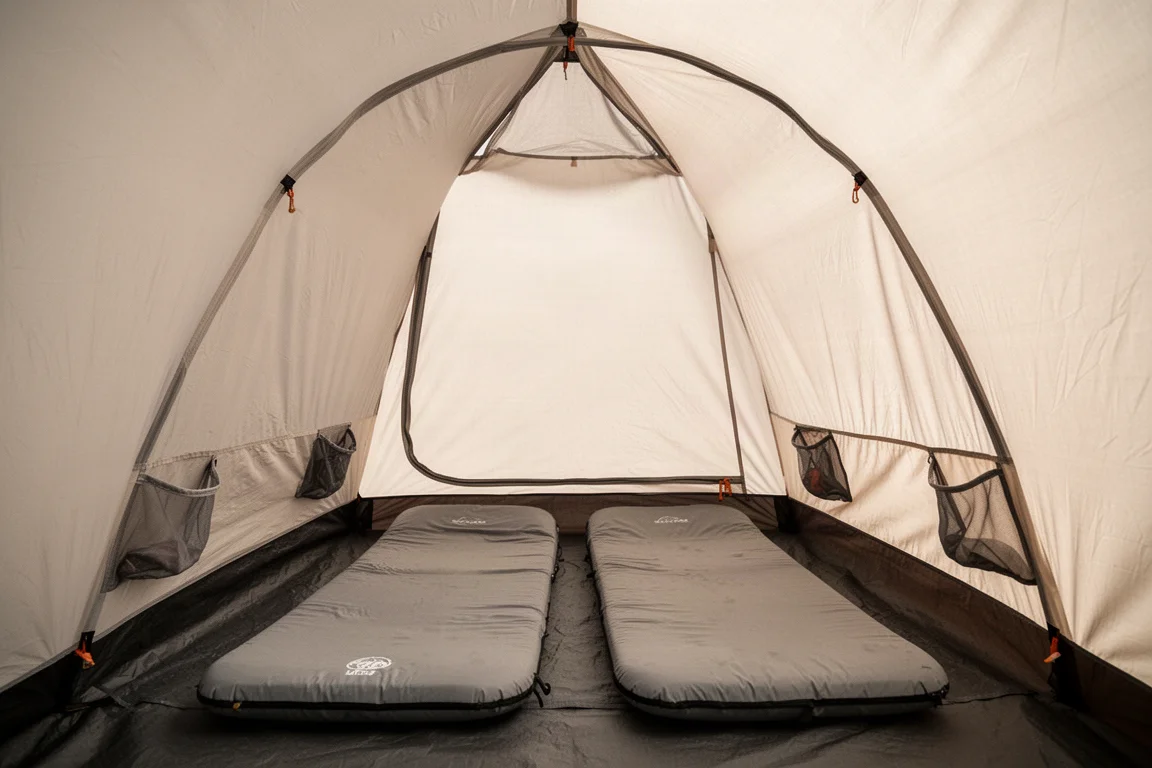
Every corner is color coded and adjustable, so the nylon can be re-tensioned after a damp night without redoing the entire pitch, and a rigid insert at each corner helps square out the floor for a little extra usable width. The tent ships with separate stuff sacks for the fly and the inner body, which lets a wet fly ride on the outside of your pack while everything else stays dry, and both sacks double as snap-in pockets inside the tent. The pole bag converts into a light bar with a plastic insert and a diffusing panel for a headlamp, though it is bulky enough that many hikers will leave it at home. The pole sack is double ended, which is convenient for packing but easy to lose small items through.
Interior dimensions are the real decision point. Sea to Summit lists 53 inches of width at the head and 38 inches at the foot, and that taper matters: two 20-inch pads fit only if they narrow toward the foot, so two rectangular pads will not both work. Length is 83 inches, with enough foot room that a sleeping bag does not press against the end wall, and headroom is the best available in a semi-freestanding tent of this type, with two people able to sit upright at the same time.
Sea to Summit Telos 2P: Freestanding Comfort for Two
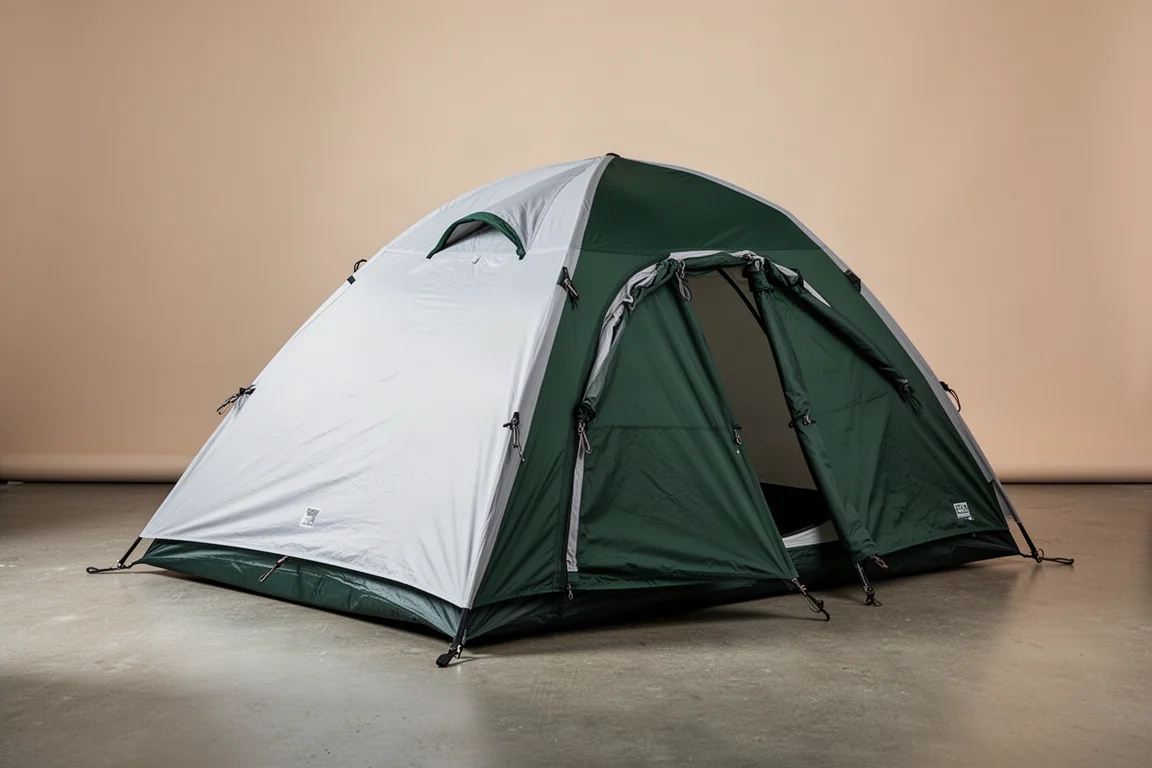
The Telos 2P is the freestanding version of the same concept. Its poles stand the shelter up on their own, so no corner stake-out is needed to make it habitable, and the corners do not have to be tensioned out the way the Alto’s do. The cost is weight: the Telos comes in at 3 pounds 10 ounces, about 11 ounces more than the Alto.
Most of the design carries over. It uses the same brow pole and tension ridge to lift headroom, the same near-vertical walls, the same controllable top vent and the same light bar accessory. What changes is floor space. The Telos takes a 25-inch wide pad alongside a 20-inch pad, which helps couples with mismatched pads or anyone who prefers a wider sleeping surface. The fly, inner tent and poles separate for a split load between two hikers.
Big Agnes Tiger Wall: A Lighter Alternative
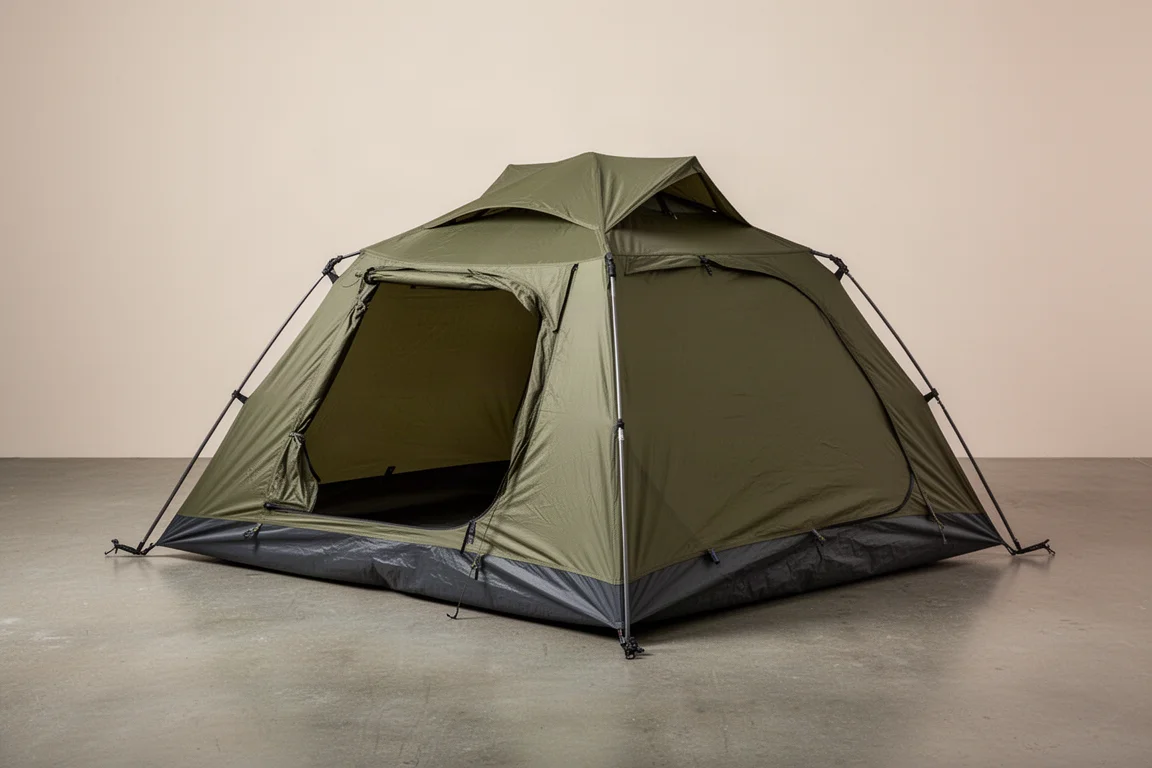
The Tiger Wall is a well-liked lightweight two-person shelter, and it undercuts the Telos 2P on weight. The trade-off is headroom. The Alto 2P offers noticeably more clearance above your head, which shows up when two people want to sit up at the same time or when you are waiting out weather inside. Door zippers are the other detail worth checking, since fabric can catch in the zip on some Big Agnes designs.
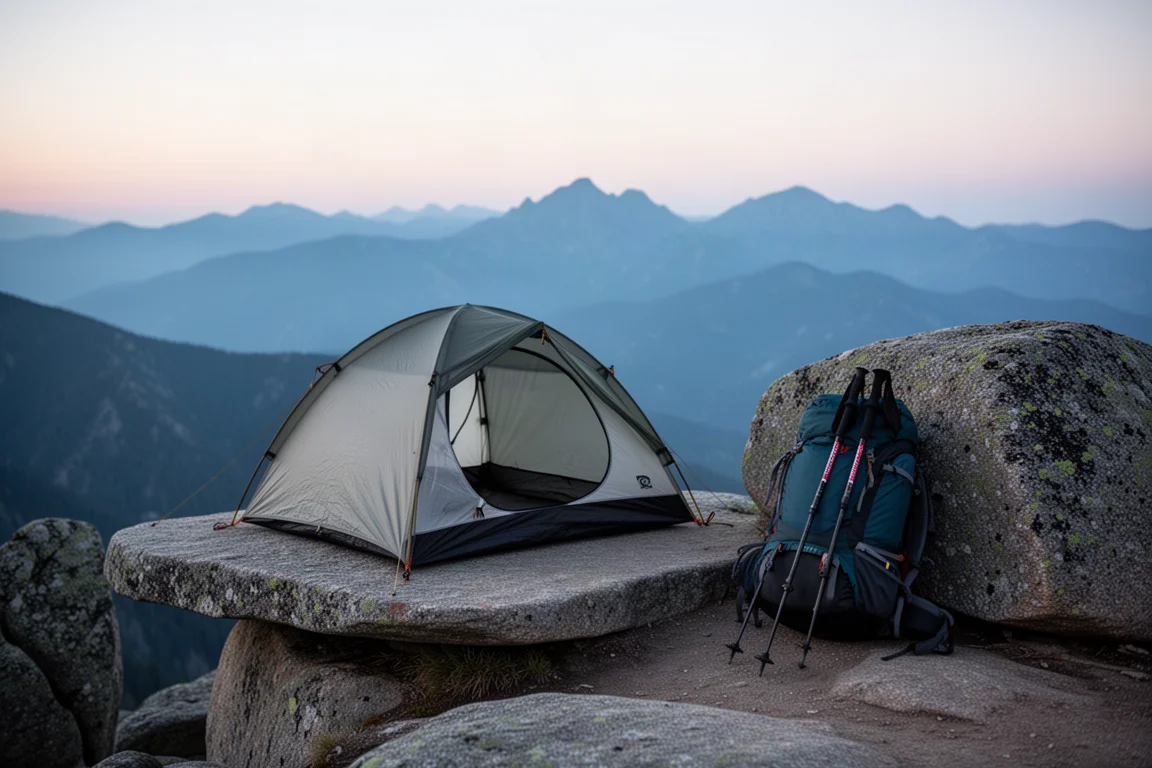
For hikers who count every gram and rarely spend long evenings sitting inside a tent, that lighter build is a fair exchange. For everyone else, the extra interior volume of the two Sea to Summit shelters is the more comfortable place to be.
Ventilation and Condensation Control
Both Sea to Summit shelters handle moisture the same way. The brow pole lifts the top of the tent into a shallow ridge, and the vent beneath it opens or closes from inside, giving damp air a controllable escape route at the highest point of the shelter. That is the feature behind the Alto’s condensation-free performance on cold, snowy trips.
The light bar accessory follows the same thinking: a plastic insert and a white diffusing panel that spread a headlamp beam across the ceiling instead of leaving it as one harsh spot. It is a pleasant extra rather than a reason to buy the tent, and it is bulky enough that many hikers will leave it behind.
Interior Space and Pad Fit for Two
Pad shape is the detail that catches people out. The Alto’s 38-inch foot width means two pads only fit when they taper, so if you already own two rectangular pads, plan on a different shelter or a different sleeping setup. The Telos solves this with more floor width, fitting a 25-inch and a 20-inch pad together.
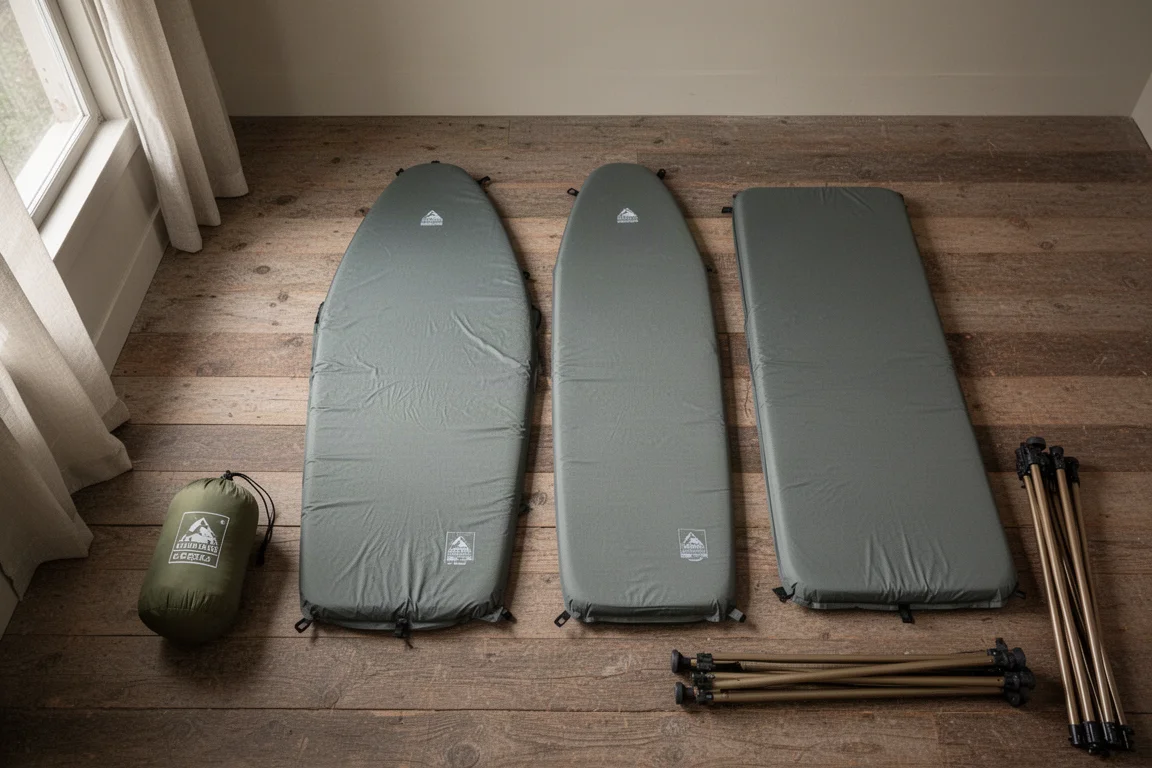
Sitting height is the second measurement that rarely makes it onto a spec sheet. In the Alto, two people can sit upright at the same time, which makes a long storm or a buggy evening far more bearable than lying flat in a low tunnel tent. Foot room is generous as well: with 83 inches of interior length, a sleeping bag should not be compressed against the end wall, which matters on cold nights.
Packed Weight and Packability
The Telos 2P weighs 3 pounds 10 ounces, and the Alto 2P is roughly 11 ounces lighter. Neither packs down into a bulky load, and both separate into fly, inner body and poles so the weight can be split between two people. If you are counting grams, the Alto is the more efficient choice; if you would rather not depend on stake placement, the Telos earns its extra 11 ounces.
One packing note applies to both: the pole sack is double ended, which speeds up loading but makes it easy to drop small items straight through the other end if it is not closed.
Buying Advice
Start with your sleeping pads, because they decide more here than any other piece of kit. Tapered pads open up the Alto 2P, while rectangular pads point you toward the Telos 2P or a wider shelter. Next, be honest about stake placement. The Alto needs two reliable stake points, which is rarely a problem on forest floors and alpine meadows but can be awkward on rock slabs and tent platforms, where a freestanding design like the Telos is simply easier to live with.
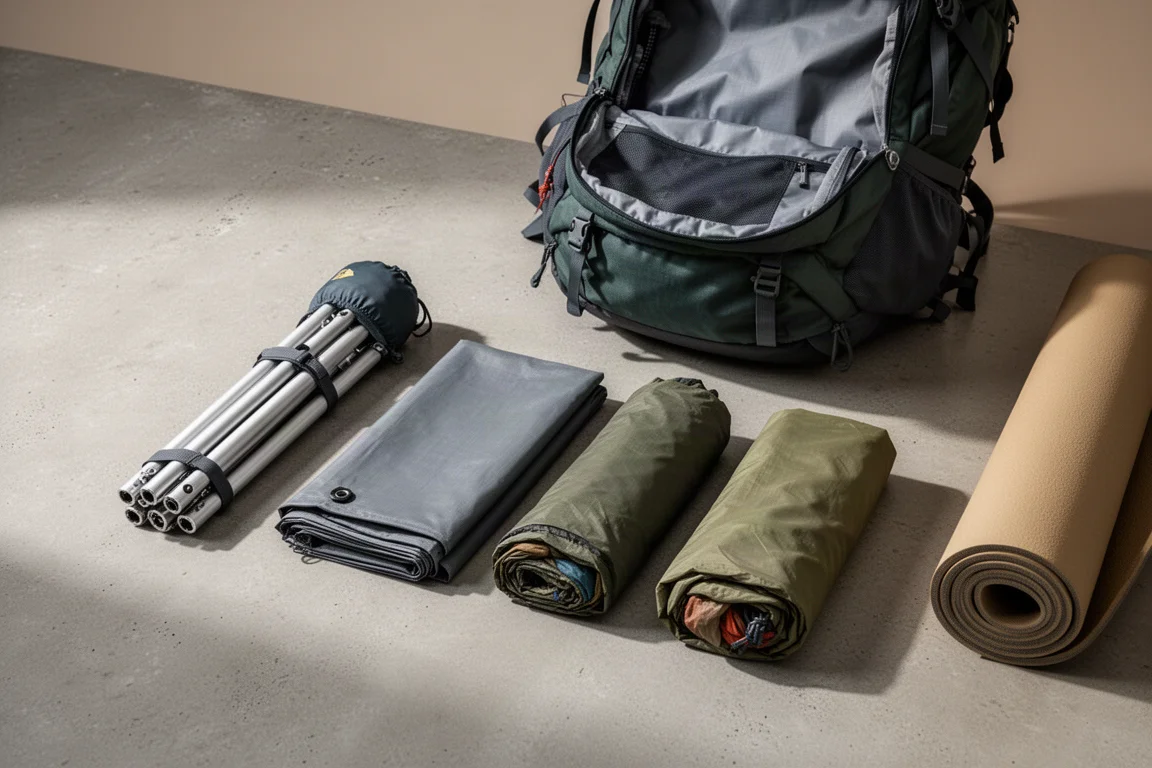
Finally, decide how much the last 11 ounces are worth to you. Hikers who feel every gram will lean toward the Alto or the Tiger Wall; hikers who value sitting up, spreading out and pitching without fuss will get more out of the Telos. Whichever you choose, check the packed length against your pack and confirm your pad dimensions before you commit.
Conclusion
All three tents answer the same question in different ways. The Alto 2P trades two stake points for the lightest build and the most headroom in its class. The Telos 2P adds 11 ounces for freestanding pitching and more floor width. The Tiger Wall strips weight further and asks you to accept less sitting height. Match the shelter to your pads, your campsites and your tolerance for carrying a little more, and any of the three will serve you well.
Further reading
Related Reviews
Backpacking Tents
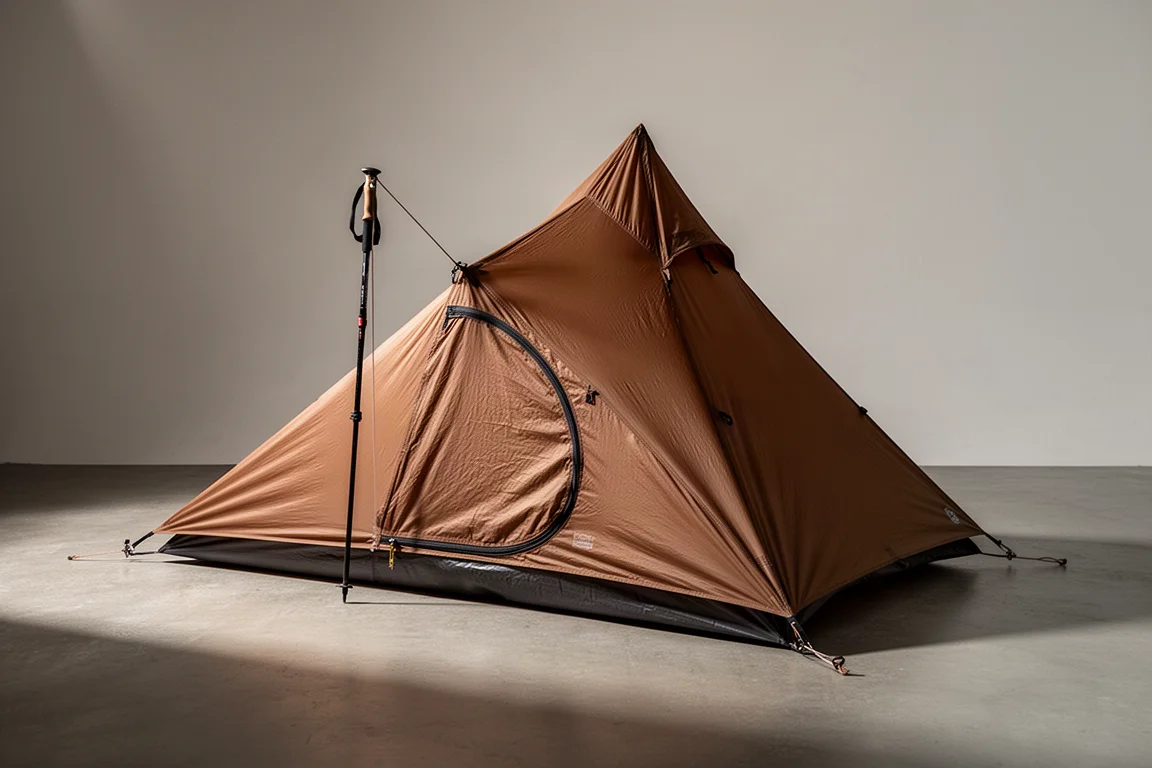
3F UL Lanchan Pro 1 Review: A 1 lb 8 oz Single-Wall Trekking Pole Tent
A practical look at the 3F UL Lanchan Pro 1, a single-wall trekking pole shelter with a 1 lb 8 oz weight, 20D silnylon fabrics, and a roomy 90 x 31 x 49 inch interior.
Backpacking Tents
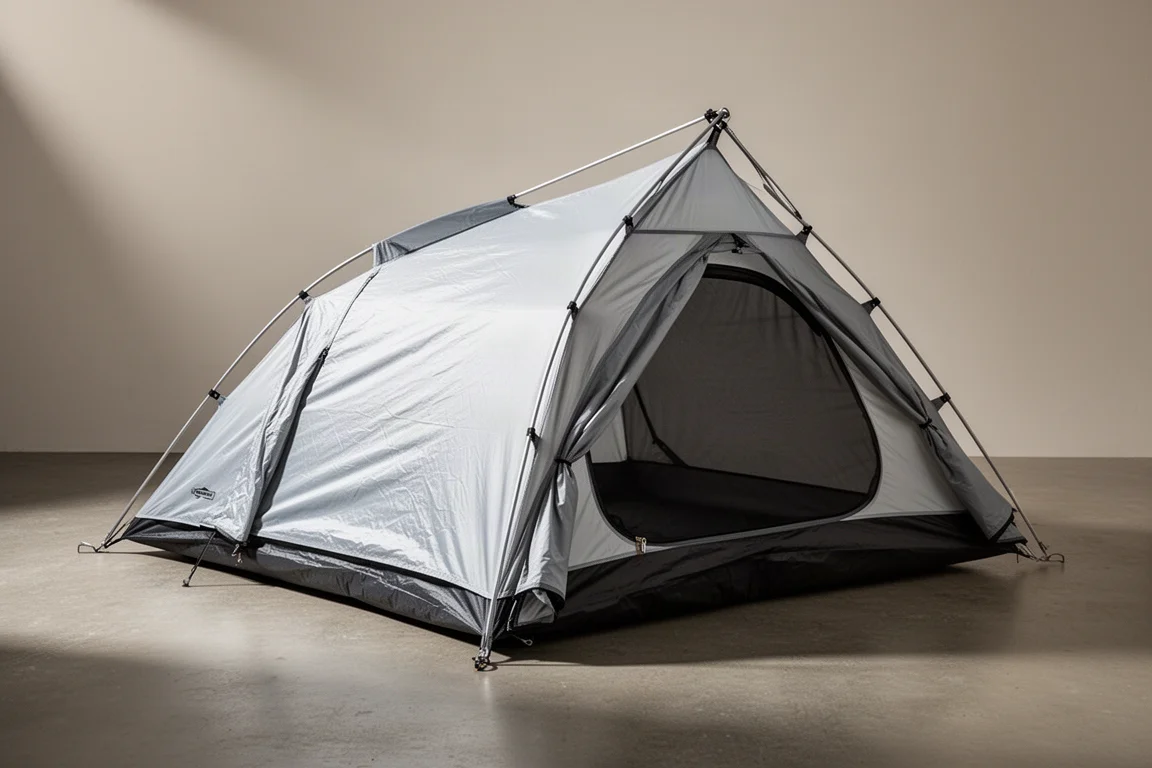
3F UL Taiji 2-Person Tent: A Convertible Backpacking Shelter Worth a Closer Look
A practical look at the 3F UL Taiji two-person tent, covering its materials, true two-person interior, fly-first pitching, and the seasonal inner swap that lets one shelter cover more of the year.
Backpacking Tents
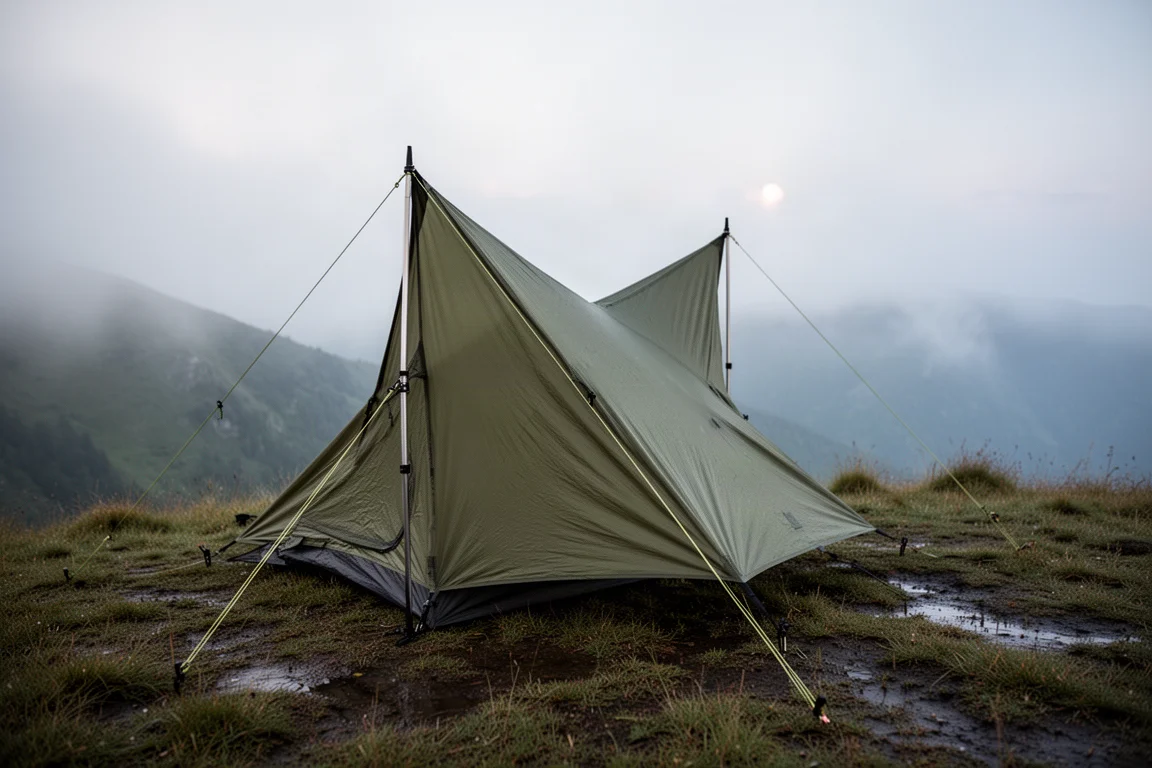
3FUL Lanshan Twoerson Pro Review: A Light Trekking Pole Shelter That Struggled in Rain
A two-person trekking pole shelter with a 2026 redesign, pitched with sticks and put through a night of steady rain. Here is what worked, what did not, and what to check before buying.