Camping Gear
Ultralight Hammock Camping Setup: Five Pieces Worth Weighing Against a Tent
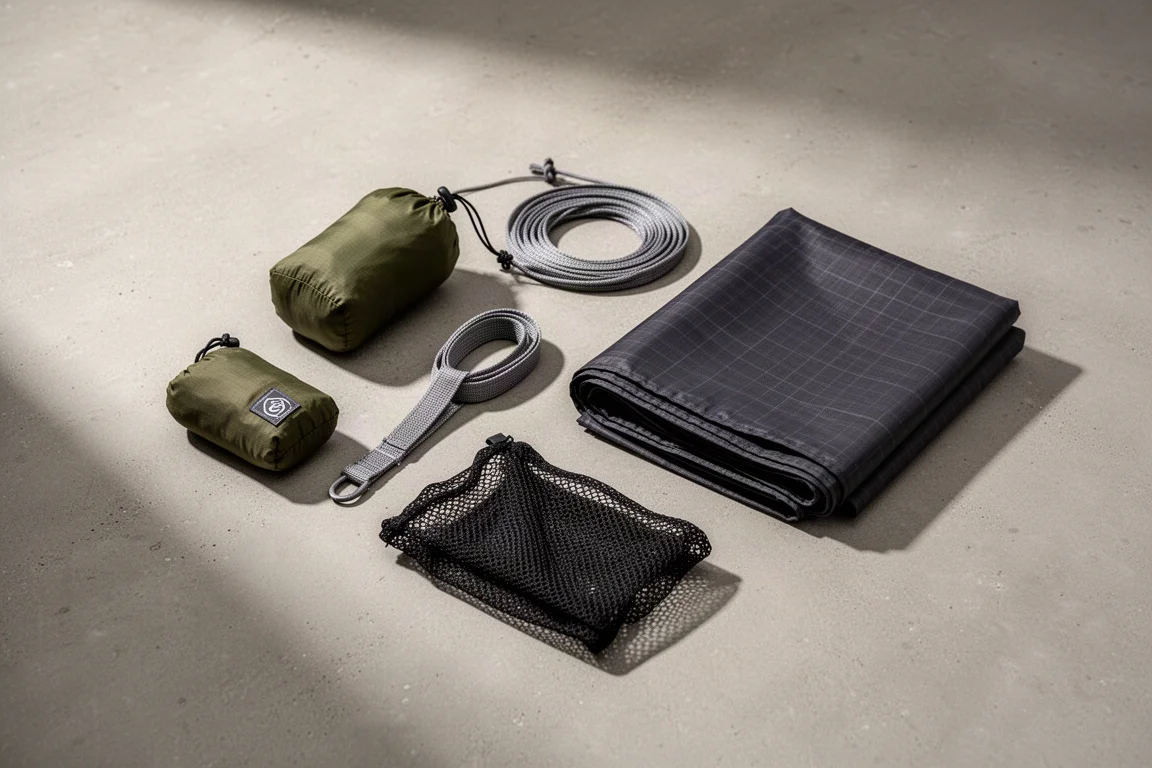
A five-piece hammock camping kit at a claimed 16.05 ounces, and how it compares with a 17.9-ounce backpacking tent.
Introduction
A hammock setup has traditionally carried a real weight penalty on a backpacking trip. Heavy borrowed straps, a bulky homemade rainfly, and improvised bug protection can push a hammock system well past four pounds, which is a big part of why so many long-distance hikers eventually go back to sleeping on the ground.
This five-piece build takes the opposite approach. Every component was picked for minimum packed weight, and the complete hammock system comes to a claimed 16.05 ounces and roughly $379 for the full kit.
Those numbers are worth putting next to a tent. The current standard Zpacks Duplex weighs 17.9 ounces and costs $699, and the lighter Duplex version comes in at 14.9 ounces. In other words, a full hammock kit can now match a lightweight tent on weight while costing noticeably less. The real question is no longer the scale, but how you sleep, change, and store gear in each shelter.
What to Look For in an Ultralight Hammock Setup
Five things decide whether a hammock kit is worth carrying: packed weight, suspension strength, bug protection, weather coverage, and how much practice the pitch demands.
Weight and cost are the easiest to compare. Add up the hammock, straps, bug net, and tarp, then weigh that total against whatever shelter you already own. A kit only makes sense if it lands within an ounce or two of your current setup, because that is what removes the main argument against hammock camping.
Suspension strength and coverage come next. Tree straps need a stated load rating you can trust, and they need enough length to reach around the trunks you actually encounter. On the weather side, look for a tarp that packs small, pitches taut, and covers the full length of the hammock when wind shifts the rain sideways.

The last factor is the learning curve. An asymmetrical tarp is lighter than a rectangular one, but the shape asks more of you during setup, especially in wind and rain. Budget a few practice pitches at home or on a short overnight before you rely on it far from a trailhead.
The Hammock: Hummingbird Hammock Single Hammock
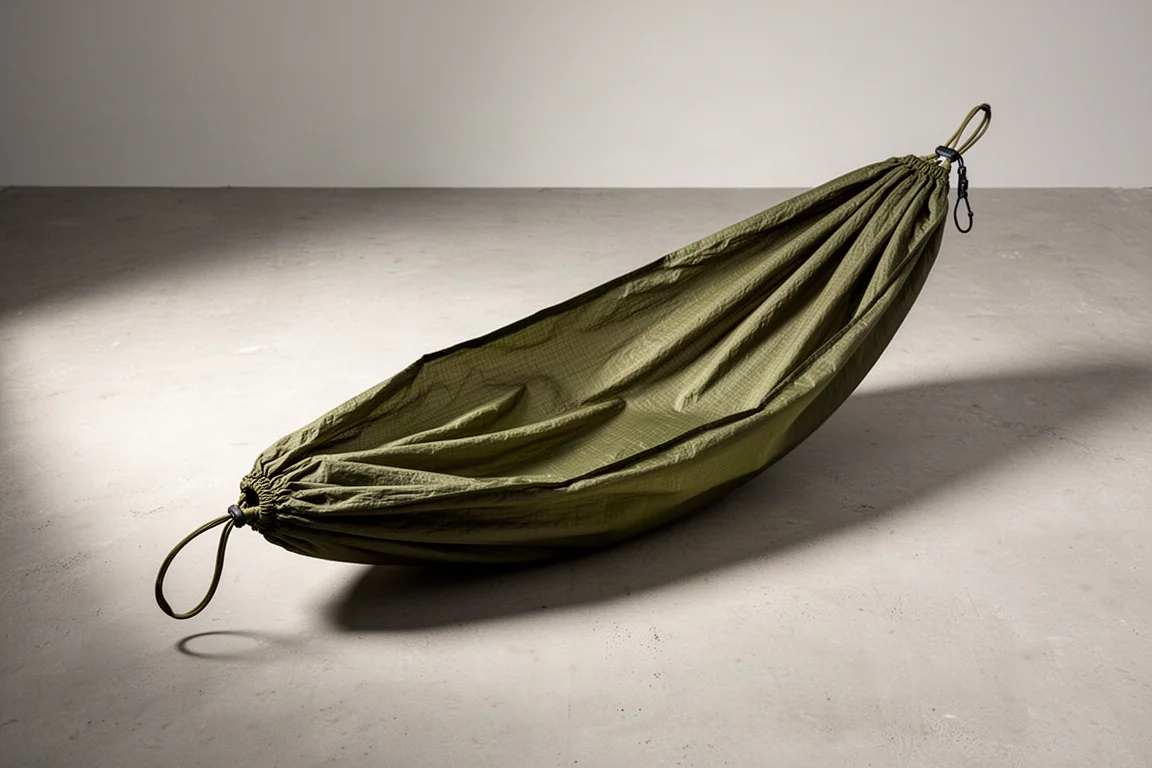
The core of the kit is the Hummingbird Hammock Single Hammock, which weighs 5.2 ounces and costs $74. It is made from the same type of material used in skydiving and base jumping parachutes, a fabric chosen to stay thin and light while remaining strong and wind resistant. It also packs down small, which matters when the rest of your kit is already competing for space.
Note that the suspension is not included, so the hammock and straps are bought as two separate pieces.
The Suspension: Hummingbird Hammock Straps
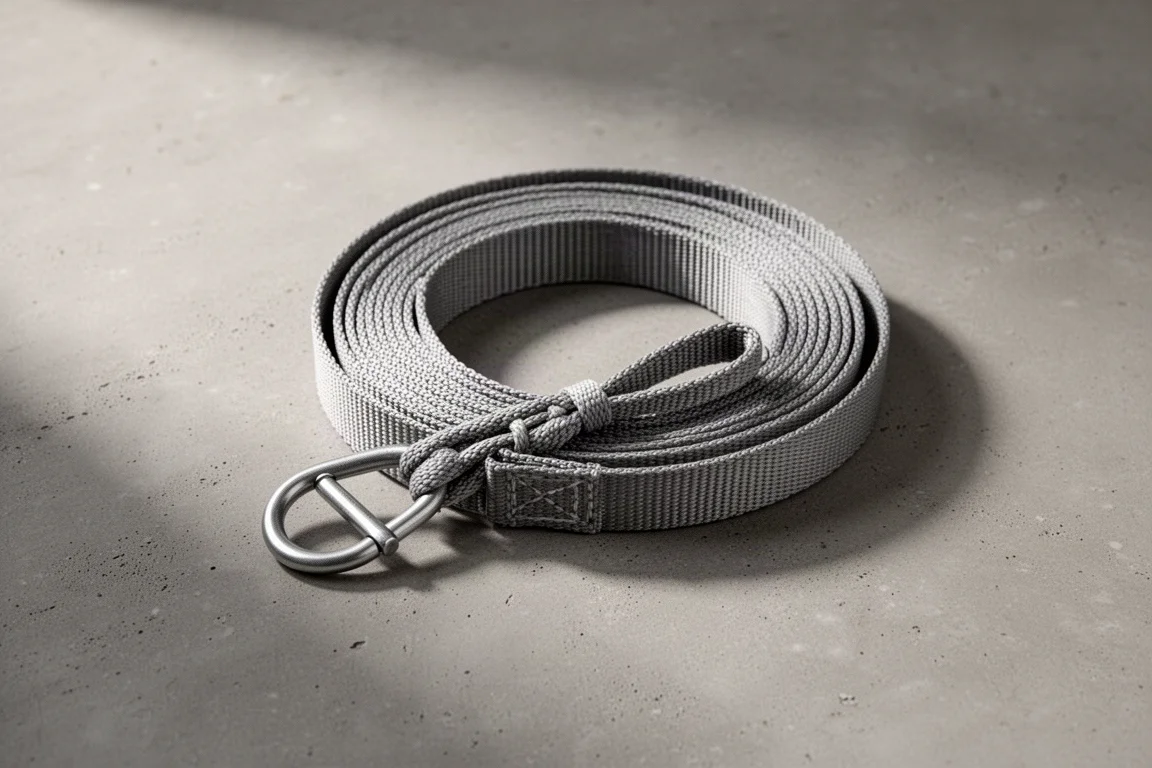
The matching straps use one-inch tree-safe Dyneema webbing with whoopie slings and are rated to hold up to 400 pounds. Two lengths are offered: a 100-inch version at 1.55 ounces, and a 152-inch version at 2.33 ounces for $55.
The lighter 100-inch straps were sold out at purchase time, so the longer set was the practical choice. That turned out to be a reasonable trade anyway, because an extra 52 inches of webbing makes it far easier to work with thick trunks and widely spaced trees, where a short strap simply will not reach.
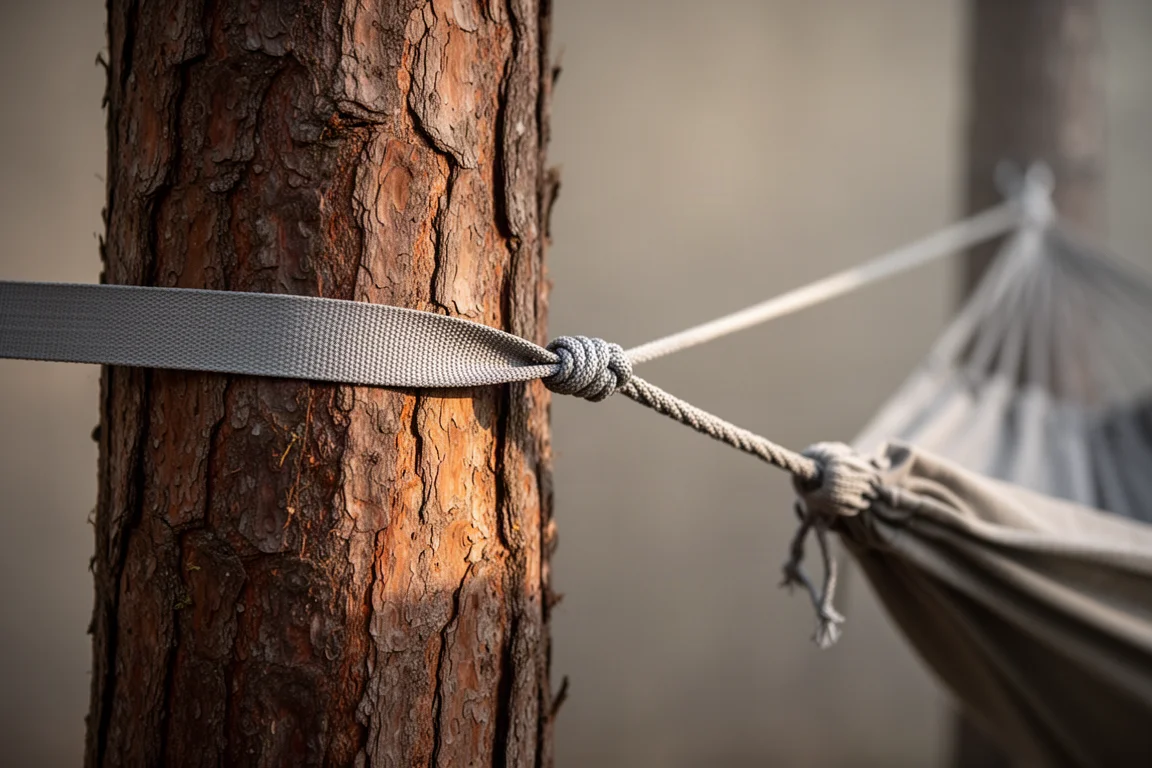
For anyone building a similar kit, the decision comes down to whether you would rather save roughly three quarters of an ounce or gain a meaningful amount of rigging flexibility. On real trails, with mature trees and awkward spacing, the longer strap is usually the safer pick.
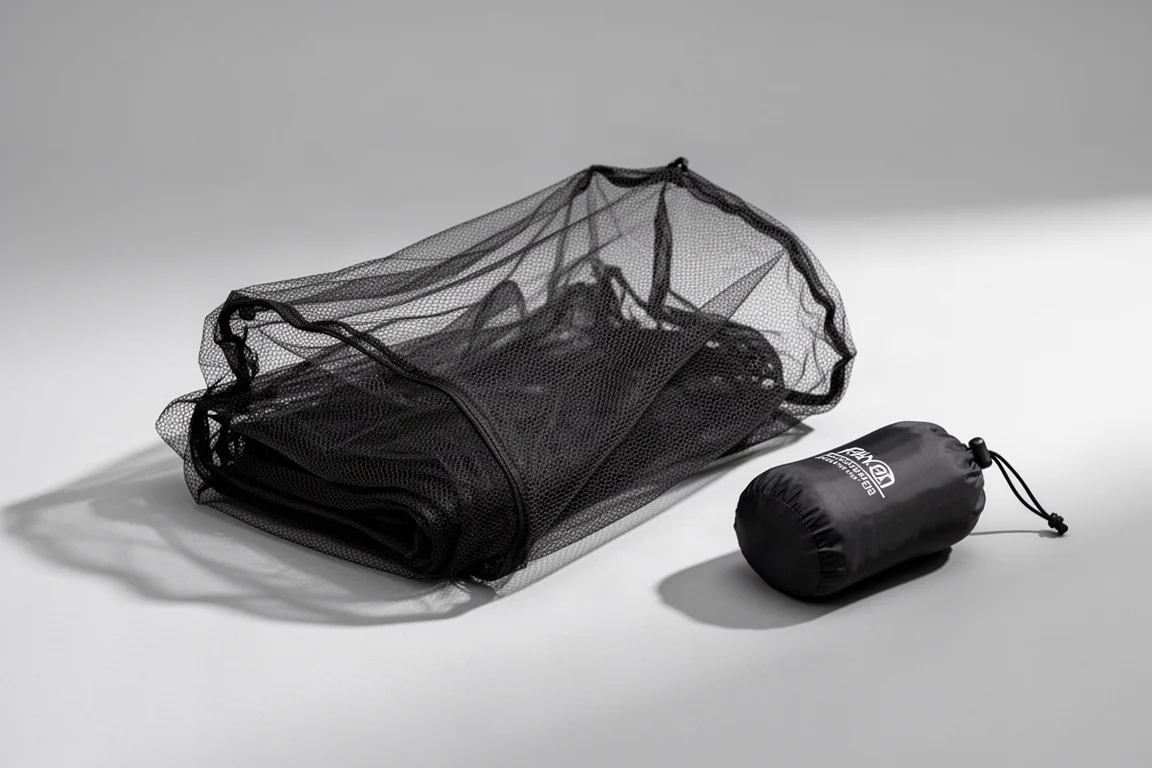
The Bug Net: Hummingbird Hammock Ultralight Warbler Bug Net
For warm-weather trips, a bug net is not optional. Sleeping without one is possible in theory and thoroughly unpleasant in practice, and a tent provides insect protection as standard, so a hammock should match it.
The Hummingbird Hammock Ultralight Warbler Bug Net uses a very fine mesh to keep insects out. It weighs 5.5 ounces and costs $40, which keeps the whole kit comfortably under a pound before the tarp is added.
The Rainfly: Dutchware ASM Tarp with Dyneema Composite Fabric
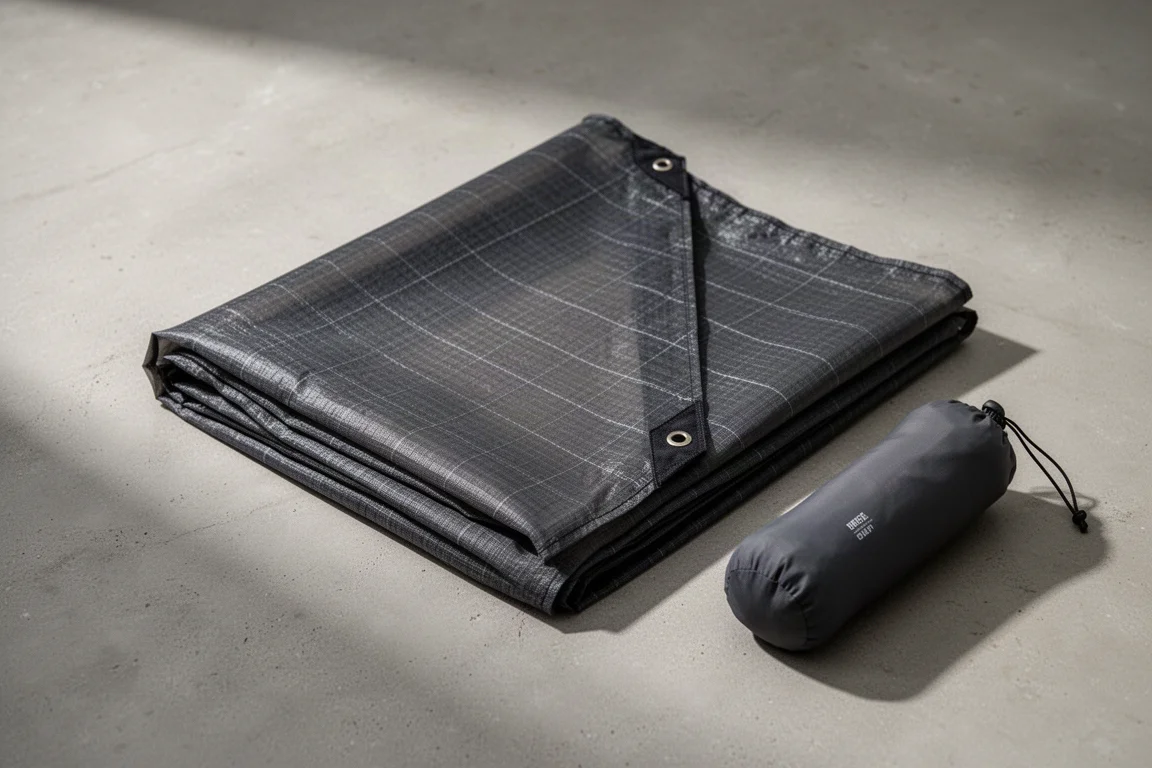
The tarp is where this setup gets interesting. The Dutchware ASM Tarp is built from Dyneema Composite Fabric and weighs just 3.05 ounces, which is a remarkable figure for anything that has to shed rain.
It is also asymmetrical, and that shape is the main thing to think about before buying. An asymmetrical tarp saves weight, but it demands more attention when you pitch it, particularly when rain or wind is coming in from an angle and you are trying to create a protected zone around the hammock. Practising the pitch before you depend on it is the sensible move.
The tarp is the most expensive single component in this hammock kit.
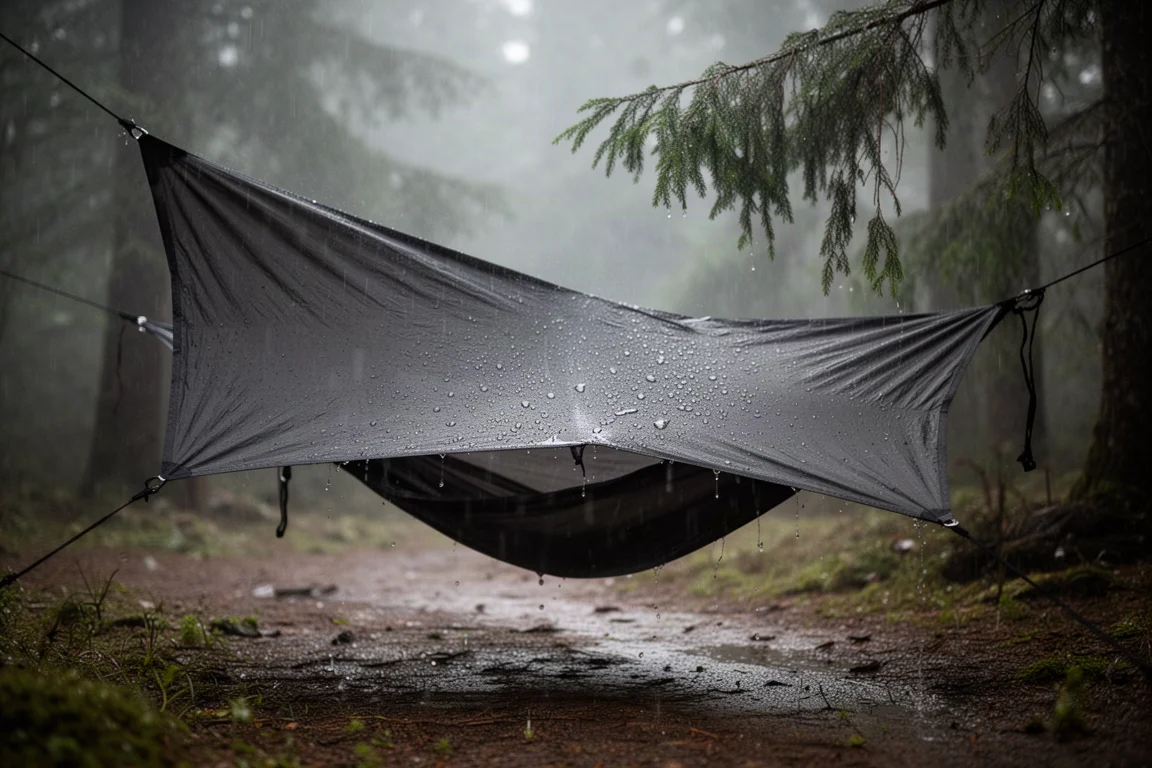
If you mostly camp in settled summer weather, the low weight and small pack size are easy to appreciate. If you expect driven rain and gusty conditions on a regular basis, plan on spending real time learning the shape until the setup becomes second nature.
The Ground Alternative: Zpacks Duplex
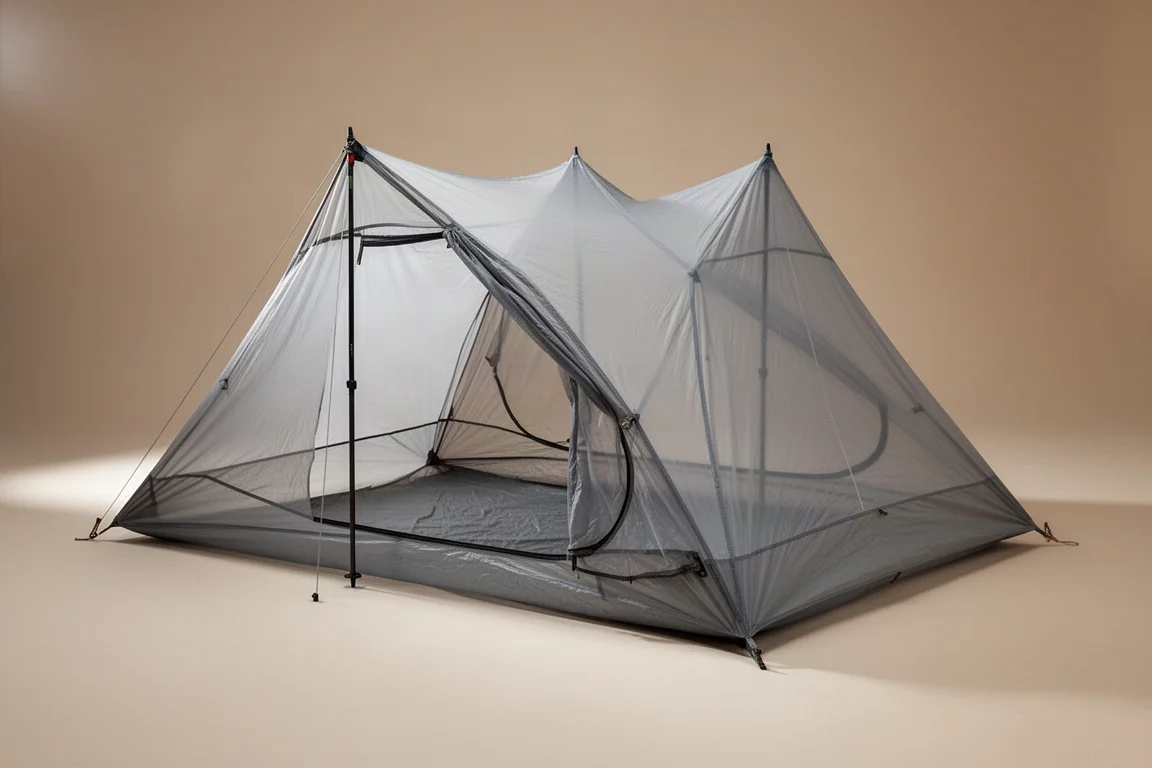
The comparison shelter here is the Zpacks Duplex, a backpacking tent that weighs 17.9 ounces in its current standard form and costs $699. A lighter version is also available at 14.9 ounces.
What a tent offers is not weight savings but living space. An enclosed shelter gives you a defined bubble for changing clothes, lets you spread your gear out rather than balancing it on a hammock or tucking it under a tarp, and keeps that gear protected when it rains. Those are the practical advantages that a hammock setup, however light, does not replicate.
Buying Advice: Weighing Hammock and Tent
The honest starting point is your existing shelter’s packed weight. If your current tent sits around 17 to 18 ounces, a hammock kit at a claimed 16.05 ounces removes the weight objection entirely, and at roughly $379 for the complete setup it also comes in well below the price of the tent it replaces.
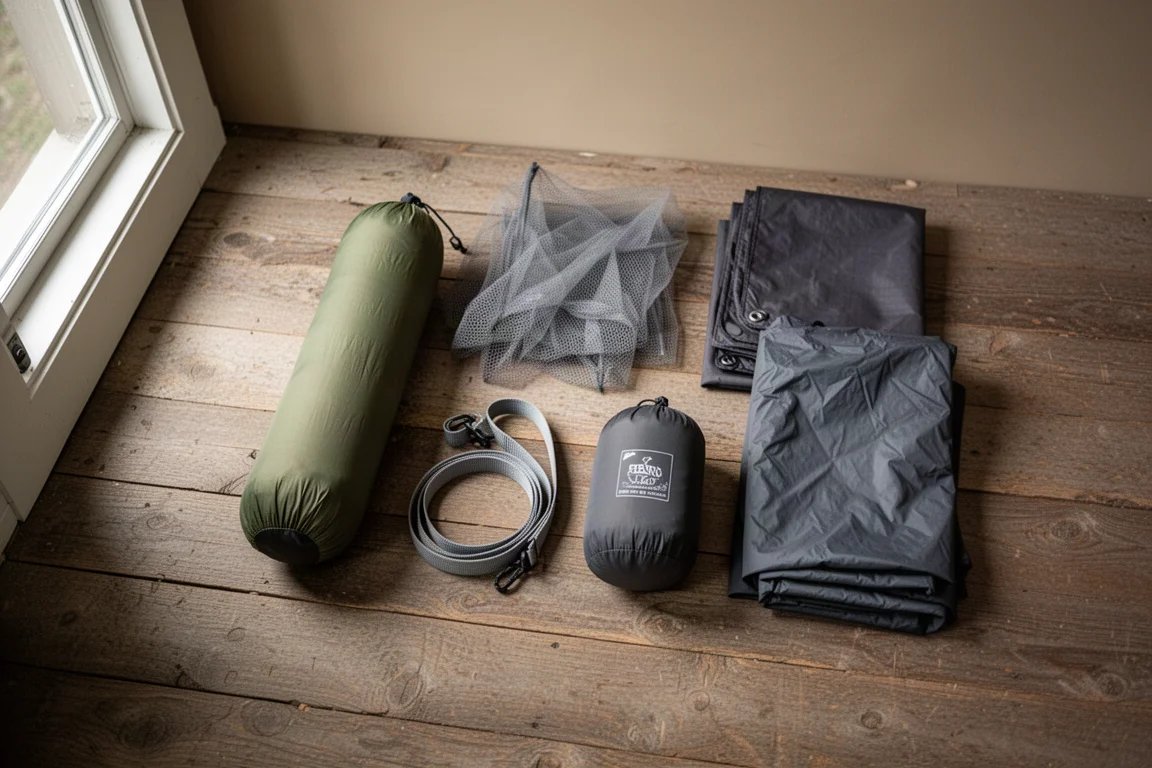
What you are trading away is the enclosed space. Changing clothes, keeping gear dry and spread out, and having a defined indoor area are all easier in a tent. A hammock wins on comfort for some sleepers and on flexibility of campsite, since you are not limited to flat, clear ground.
A sensible approach is to treat the hammock as a second option rather than a straight replacement. Learn the pitch, test it on short trips, and keep the tent for trips where weather or campsite conditions favour being on the ground. Two shelters that each weigh under 18 ounces give you a genuine choice without punishing your pack.
Conclusion
This hammock kit answers the classic objection to hammock camping. At a claimed 16.05 ounces and about $379, it is lighter and cheaper than the 17.9-ounce, $699 tent it is measured against, and the individual components all earn their place: a 5.2-ounce hammock, rated Dyneema suspension, fine-mesh bug protection, and a 3.05-ounce Dyneema Composite Fabric tarp.
The trade-offs are the ones that have always come with hammocks. You give up enclosed space, an easy place to change and store gear, and the simple pitch of a tent, and you take on the learning curve of an asymmetrical tarp. Weigh your current shelter, decide how much those comforts are worth to you, and this setup is a genuinely competitive answer.
Further reading
Related Reviews
Camping Gear
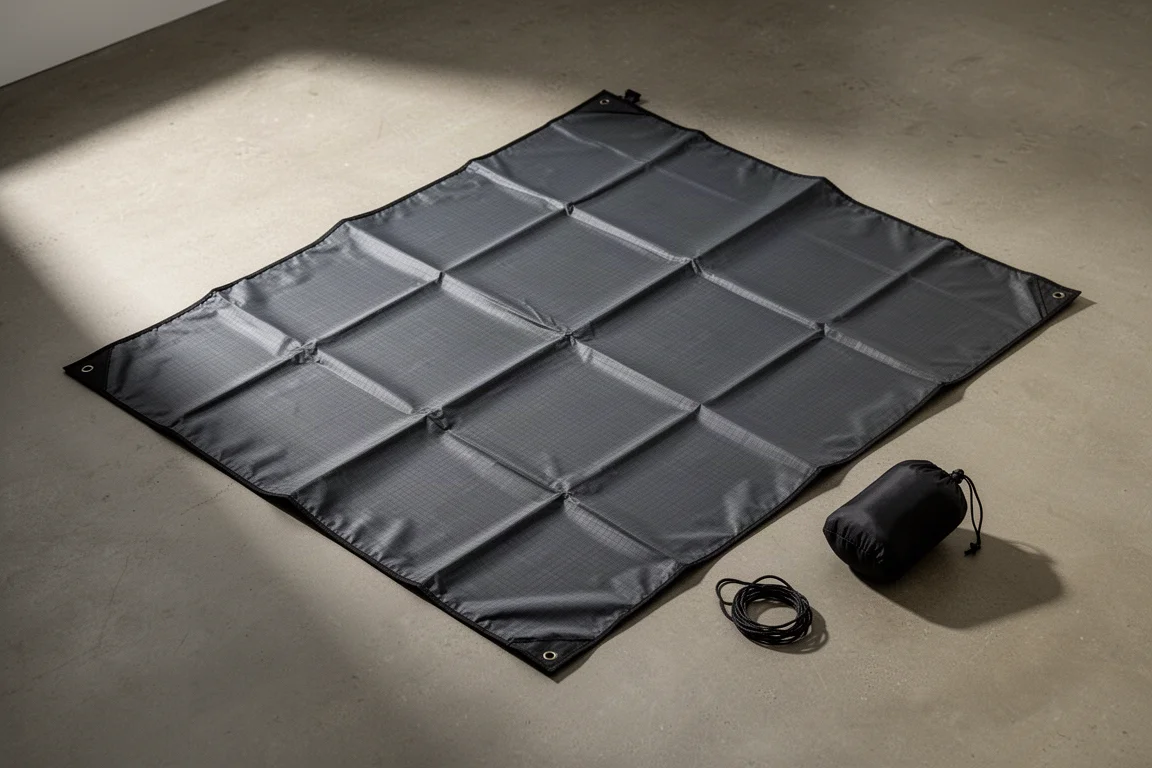
3FUL Ultralight Ground Sheet Review: A Two-Person Footprint Worth Packing
A 6.7 oz two-person ground sheet in ripstop silnylon, priced around $30. Here is what it protects, what it does not do, and who should pack it.
Camping Gear
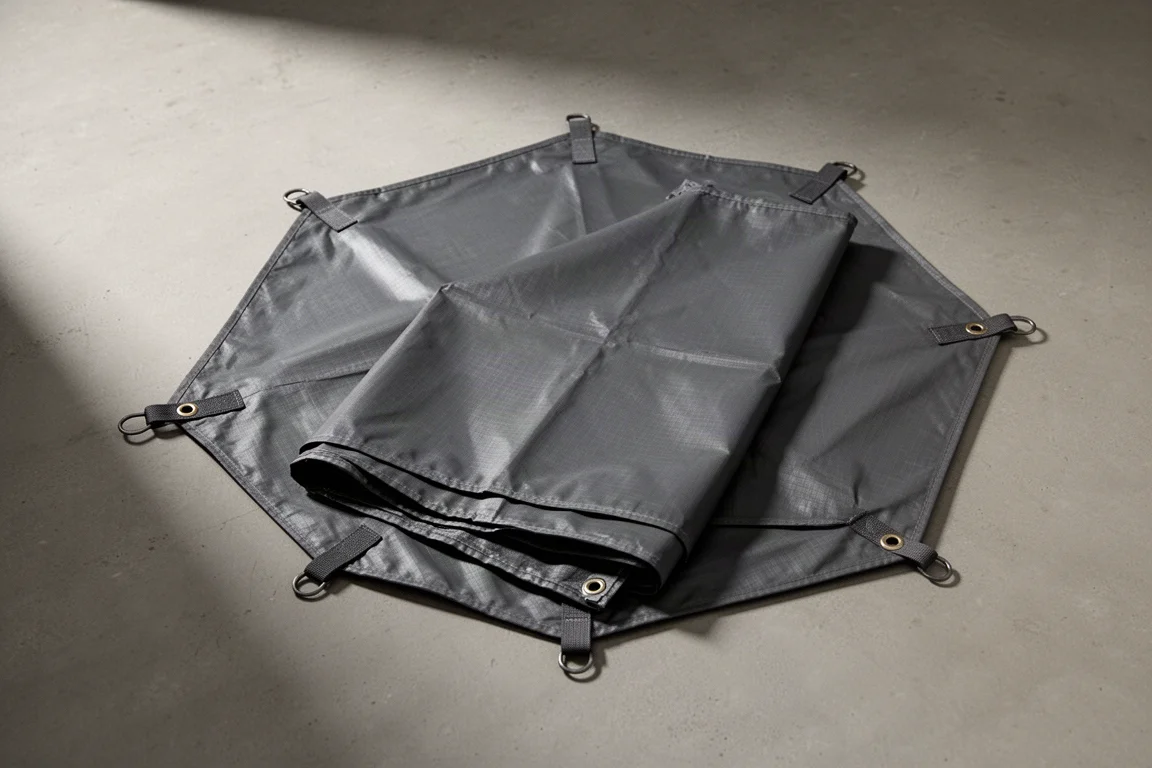
Backcountry Light Dual-Function Tarp and Floor Review: A Footprint First
A dual-purpose tent floor and tarp that keeps falling rain off you, but cannot block wind. Here is where it works and where it does not.
Camping Gear
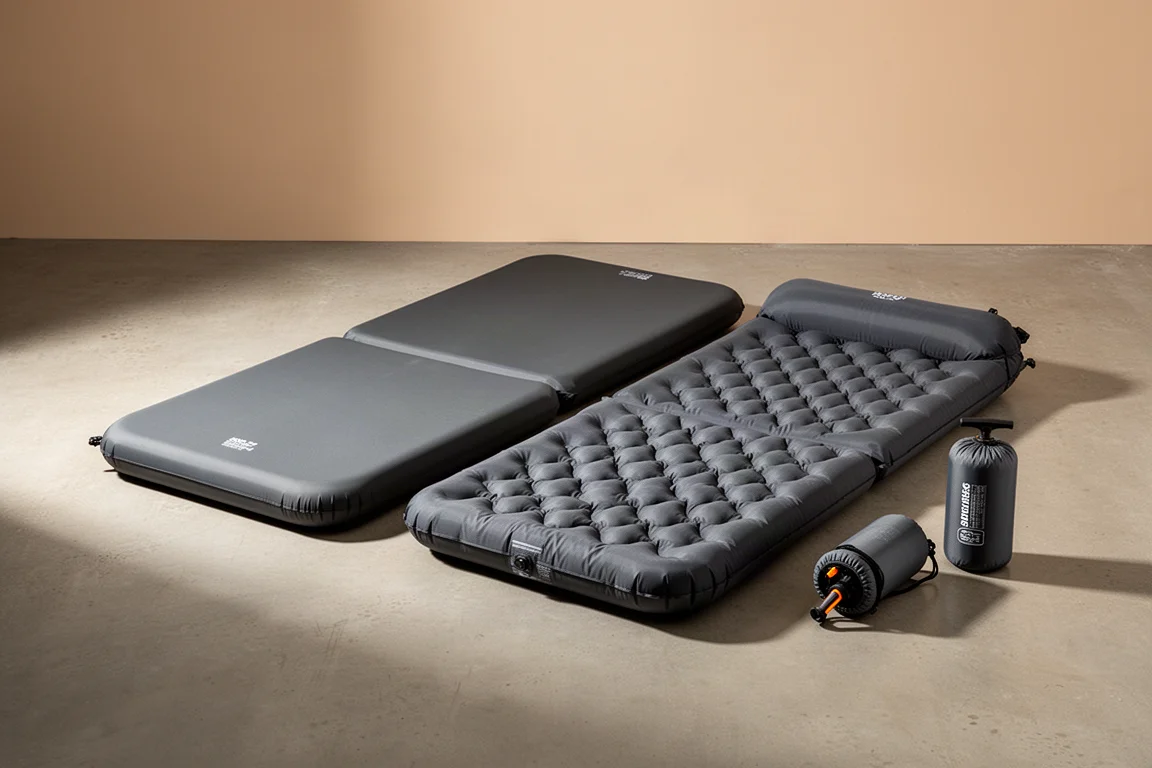
Best 2-Person Camping Mattresses for Couples: 10 Options Compared
A practical comparison of ten two-person camping mattresses, covering self-inflating pads, air pads and air mattresses for couples.