Outdoor Gear
Three Ultralight Gear Items: When Weight Savings Are Worth It and When They Are Not
A closer look at three ultralight gear choices, the ounces they save, and the comfort and capability they give up in return.
Introduction
Ultralight backpacking runs on a simple promise: carry less, move easier. The catch is that every gram you remove has to come from somewhere, and the trade is not always a good one. A lighter item can cost comfort, capability, or money, and the value of that trade depends entirely on how you use it.
This look at three ultralight choices focuses on what each one actually saves, what it gives up, and who is likely to be happy with the result. The numbers are small in every case, but the practical differences are not.
Two of the three items are easy to recommend for the right buyer. One is a genuinely harder call, and another only makes sense for a narrow group of users. Taken together, they add up to a useful lesson about how to spend a weight budget.
How These Three Items Were Compared
Each item was judged on four things: the weight it saves against the conventional alternative, the weight it actually delivers compared with what is advertised, how it performs in the conditions it was bought for, and what it costs. Claimed weights matter, but measured weights matter more, and comfort and safety are not optional extras.
The comparison baseline is a pack that already weighs somewhere between 20 and 35 lb. In that range, adding or removing a single pound is barely perceptible on the back. That does not make weight irrelevant, but it does mean a pound saved is not automatically worth a real loss in comfort or function.
Helinox Chair Zero: The Pound That Earns Its Place
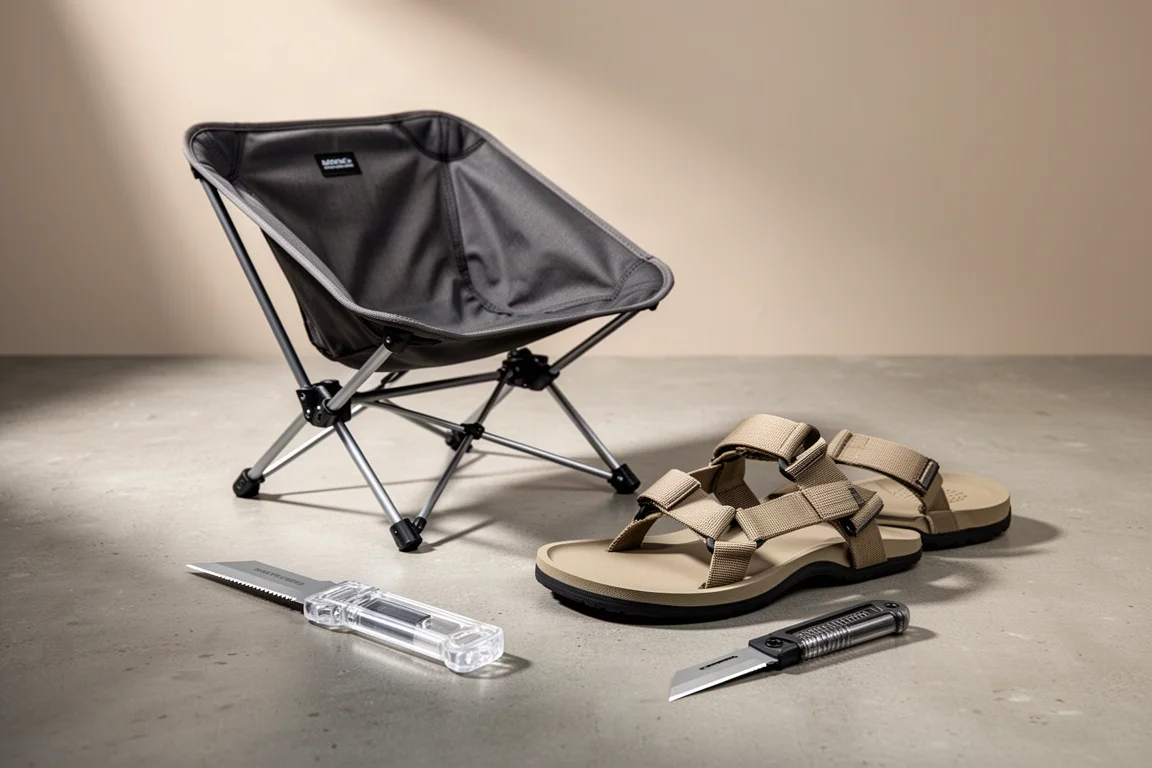
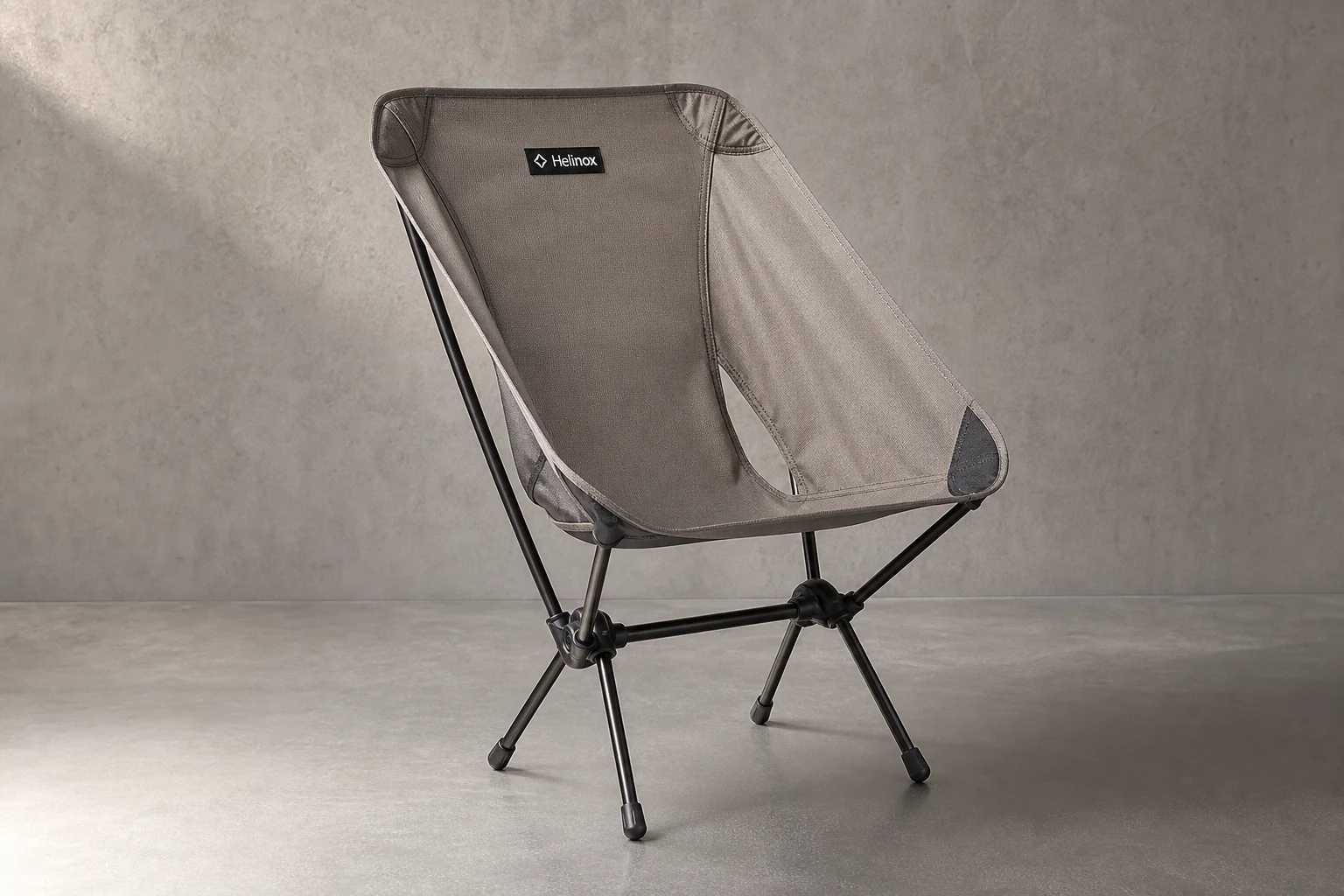
The Helinox Chair Zero weighs right around one pound. The usual ultralight substitute is a foam seat pad of roughly 3 oz, and on paper the chair looks like an obvious place to cut weight. In practice, that comparison misses what the chair is for.
A seat pad is better than bare ground, but it is still a noticeable step down from sitting in a chair with a back. The difference between the two is far more obvious at the end of a long day than the difference between a 20 lb pack and a 21 lb pack, or a 35 lb pack and a 36 lb pack.
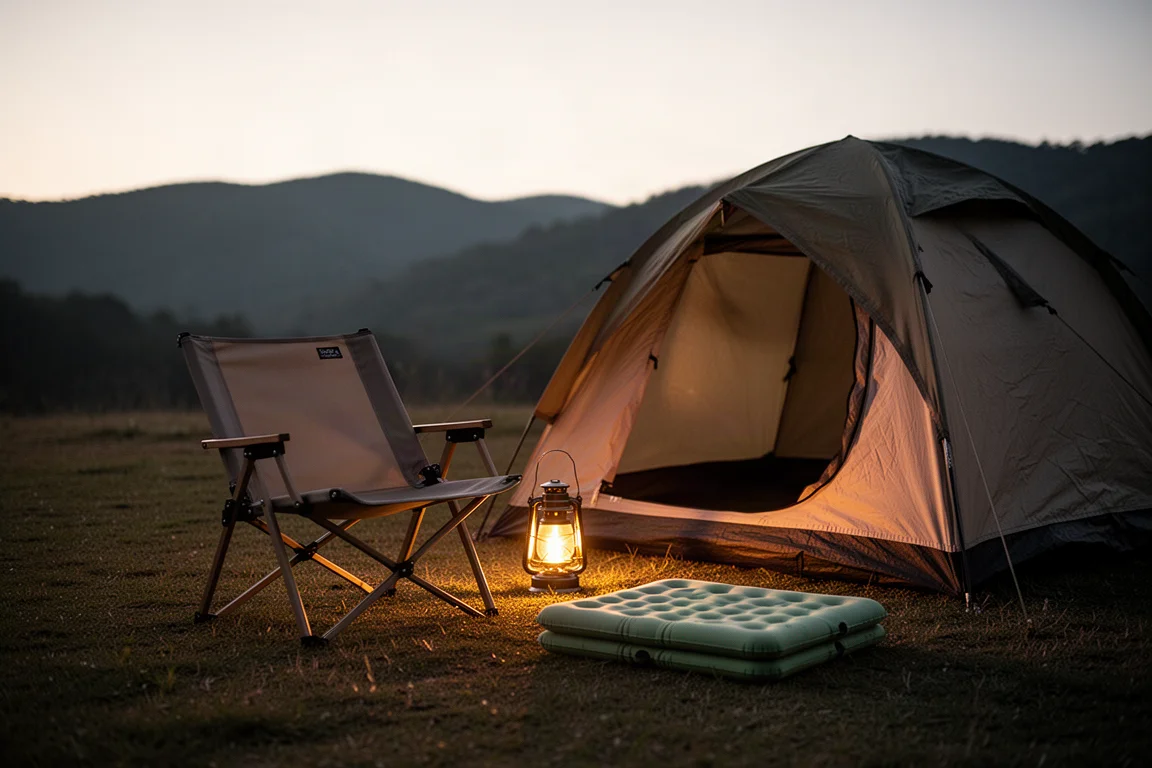
For hikers who spend a lot of time sitting at camp, that makes the chair a reasonable use of a pound. For hikers who arrive late, eat, and sleep, a seat pad remains the smarter choice. The argument for the chair is about how much discomfort a pound of pack weight is worth avoiding, not about whether the chair is heavy in isolation.
Xero Z-Trail Sandals: Small Savings, Real Compromises
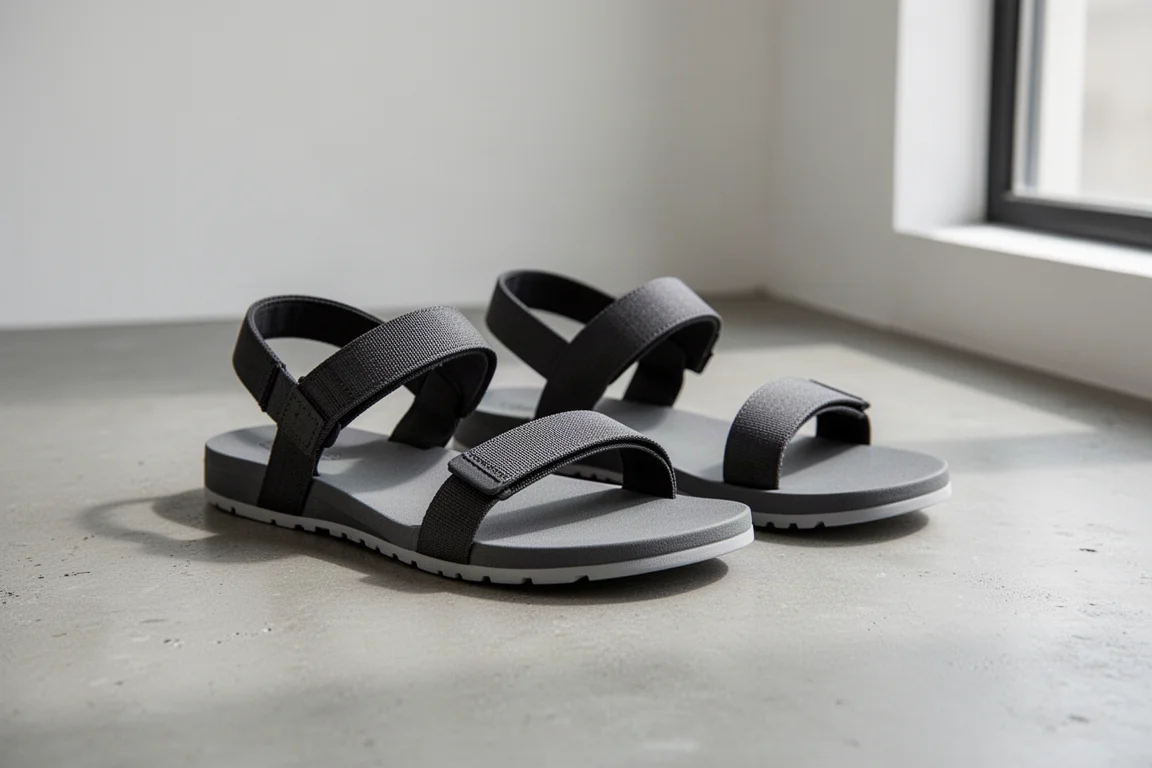
These minimalist sandals were bought as packable footwear for water crossings, replacing a heavier and bulkier pair of sport sandals that had been carried just in case. The advertised weight for a men’s size 9 pair is 6.6 oz. The measured weight came in at 7.5 oz per sandal, or about 15 oz for the pair, roughly 2 oz above the published figure.
That would be a minor annoyance on its own. The bigger issue is the baseline: the heavier sandals being replaced weighed only 1.5 oz more per sandal, so the total saving came to about 3 oz. The minimalist pair also cost more than $60, with a price increase announced for September, against $45 for the heavier pair.
Performance in the water is where the trade-off becomes clearest. The flexible sole allows moving water to push the toes back, which leaves them exposed to rocks and sharp objects in the riverbed. A stiffer sole holds its shape and handles uneven ground and river rock better.
Comfort is a matter of preference, and the minimalist design is deliberate rather than a defect. Even so, for the specific job of crossing rocky streams, a 3 oz saving is difficult to justify.
Bach Knife: Light Enough to Forget, Limited in Use
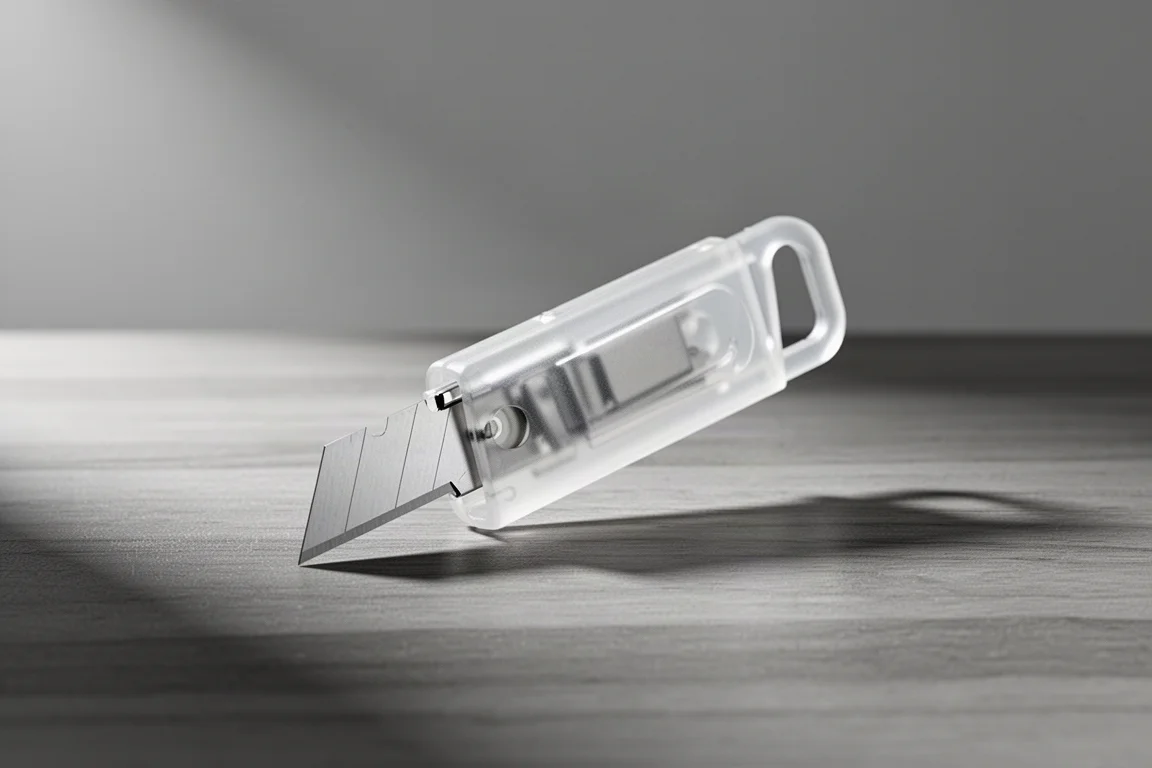
The Bach Knife is light enough that a typical kitchen scale will not register its weight, and that is the entire point. It is a razor blade in a plastic holder rather than a conventional knife, aimed at hikers who rarely cut anything but want something in the pack just in case.
In use, the design shows its limits. It is difficult to open and close, it feels insecure in the hand, and nothing prevents the blade from retracting into the plastic housing while cutting. The result is a tool that does not feel solid under load, which matters when the alternative to a clean cut is an injury far from help.
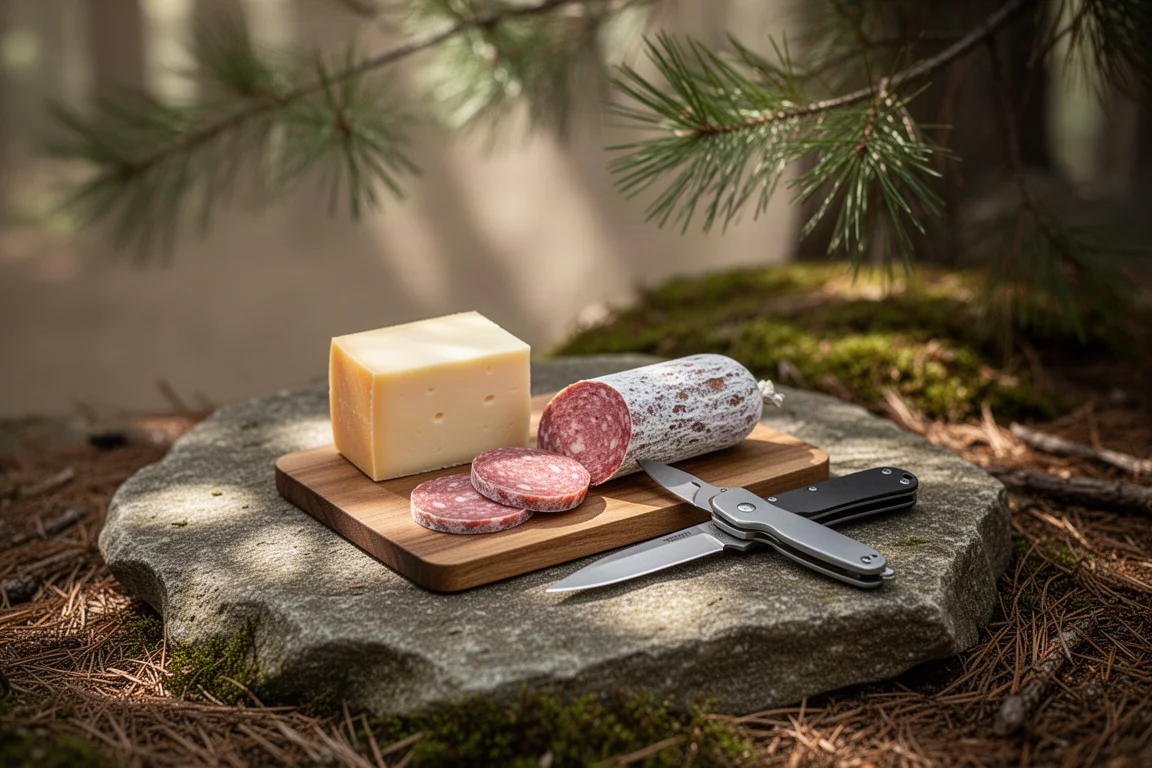
A lightweight conventional folding knife weighs about 2.4 oz, including a short length of paracord added to the handle, and it feels considerably more secure to hold and use. For occasional tasks such as slicing cheese or summer sausage, or trimming moleskin, that extra weight buys a tool that behaves predictably. For hikers who genuinely never use a knife, the razor-blade holder remains a defensible just-in-case item.
What the Trade-Offs Add Up To
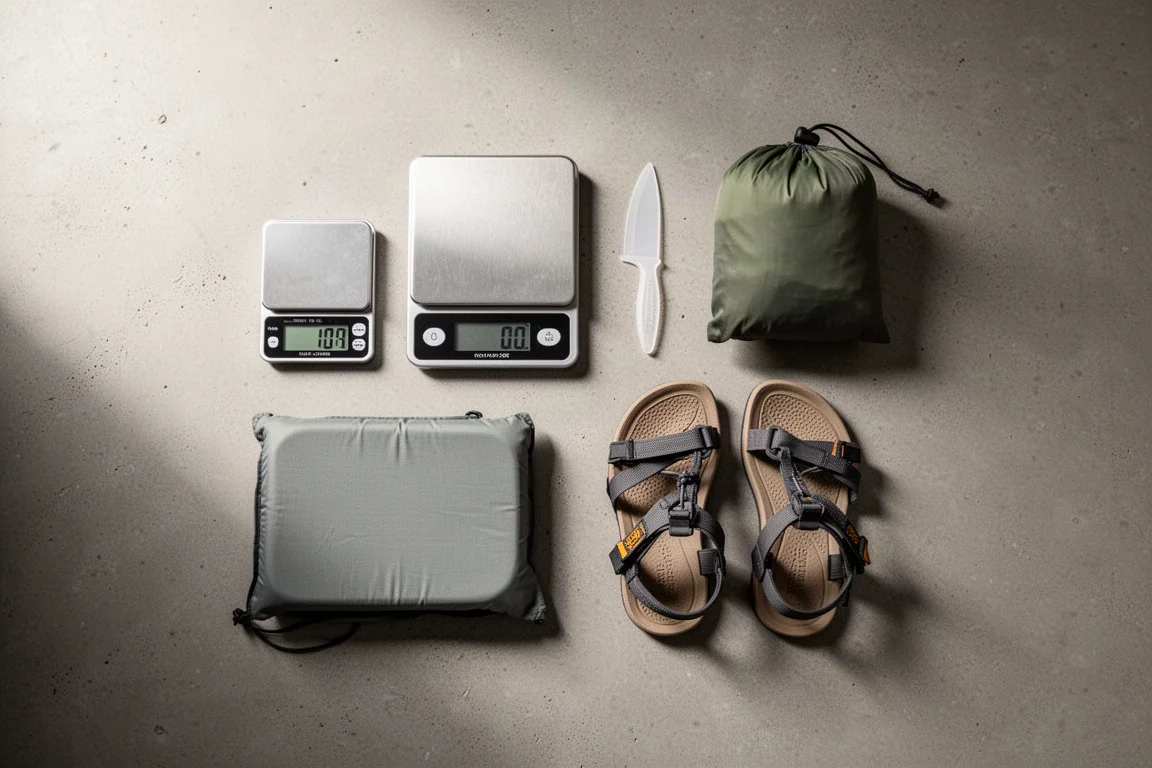
Swapping all three items back to their conventional alternatives adds 1 lb 3 oz to a loadout. That figure is worth keeping in perspective: it is not an insurmountable amount, even by ultralight standards, and it buys noticeably more comfort at camp, better footing in rivers, and a cutting tool that feels safe to use.
The reverse is also true. Anyone who wants to reclaim that pound and a bit can do it here, as long as they accept the compromises each item carries. The decision is less about discipline and more about which discomforts are worth paying to avoid.
Overall Buying Advice
The chair is the easiest recommendation of the three for backpackers who sit at camp. It costs a pound and returns more comfort per gram than almost anything else in a pack, and that pound is unlikely to be noticed in an already loaded pack.
The sandals make sense only if pack volume matters more than a few ounces and the riverbeds on the route are gentle. Hikers who regularly cross rocky streams will likely prefer a stiffer sandal and accept the extra 3 oz.
The knife is a genuine niche product. If a knife rarely leaves the pack, the razor-blade holder is nearly free in weight terms. If cutting tasks are routine, a 2.4 oz folding knife is the safer and more capable choice.
Buy the item that matches the job you actually ask it to do, and the weight budget tends to sort itself out.
Conclusion
Ultralight gear is not automatically better gear. Three items, three small weight savings, and three very different outcomes: one pound well spent, three ounces that buy less than expected, and a tool that trades away too much capability for a weight that barely registers. Match the trade to how you actually use your gear, and the pack gets lighter without the trip getting worse.
Further reading
Related Reviews
Outdoor Gear
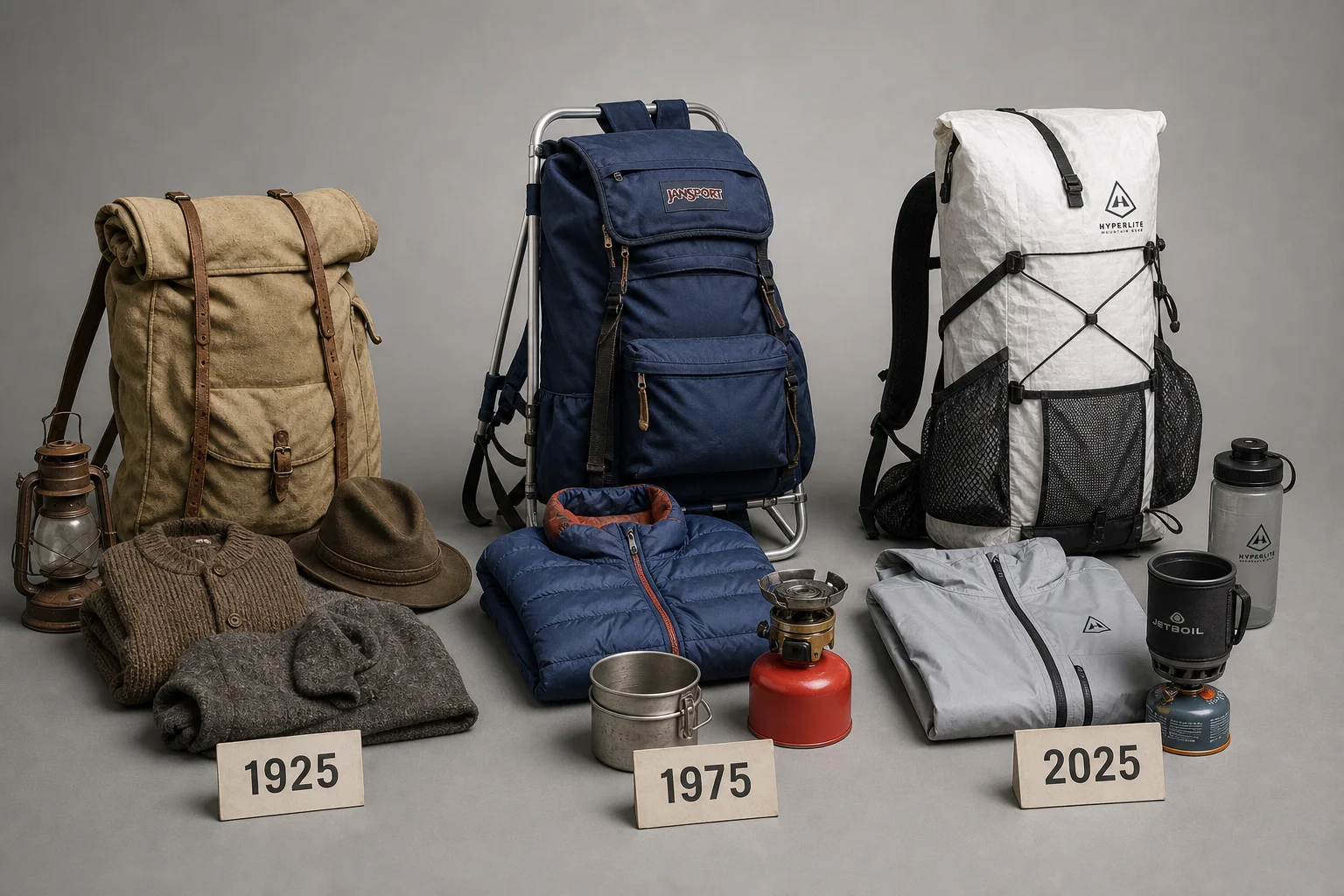
Backpacking Gear Evolution: 100 Years of Technology Compared
We tested backpacking gear from 1925, 1975, and 2025 across a three-day hike in Yosemite. Here's how technology has transformed comfort, weight, and the outdoor experience.
Outdoor Gear
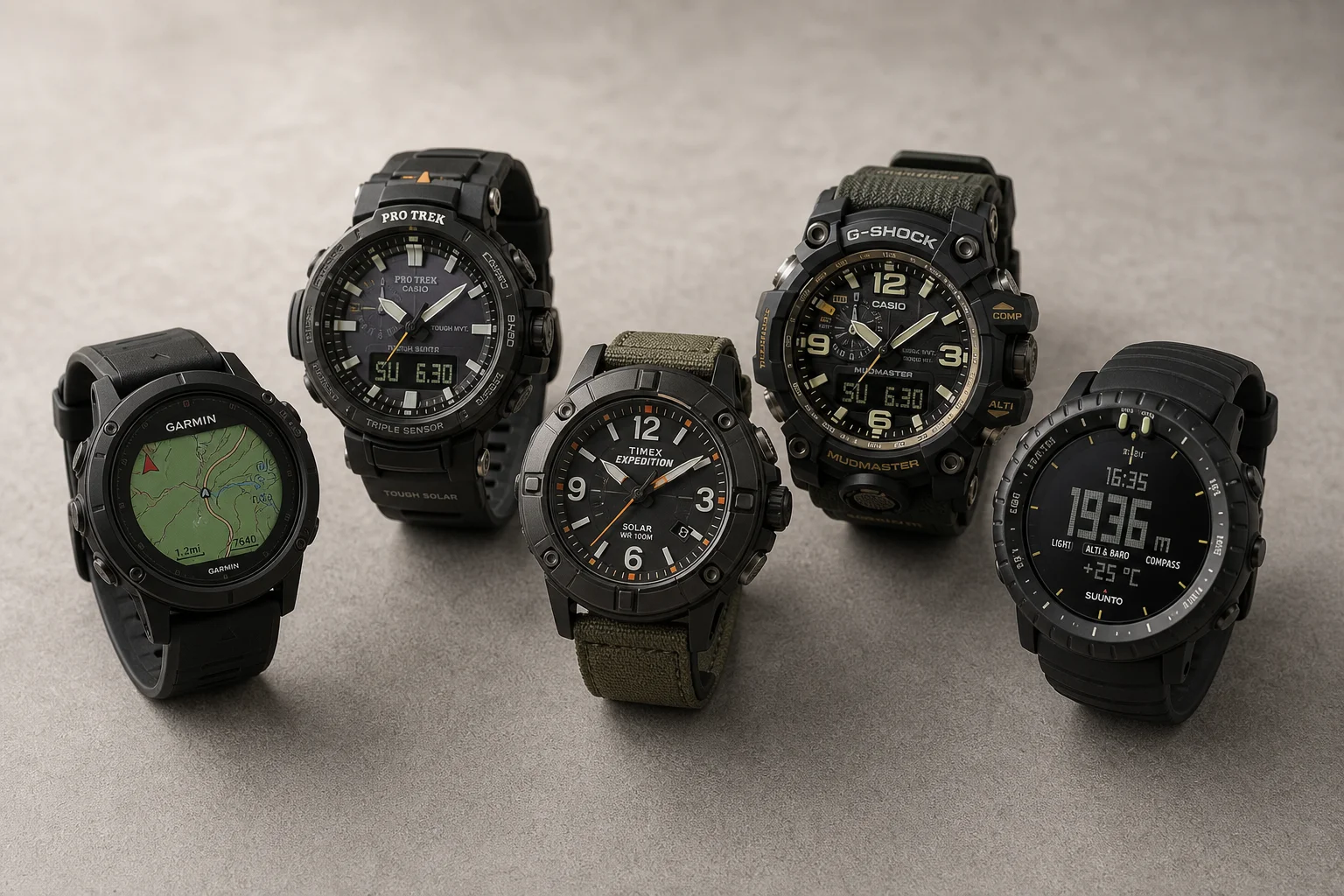
Best Affordable Hiking Watches: Five Rugged Options for Outdoor Adventures
Five durable hiking watches that balance ruggedness, functionality, and value for outdoor enthusiasts who need reliable GPS tracking and weather resistance.
Outdoor Gear
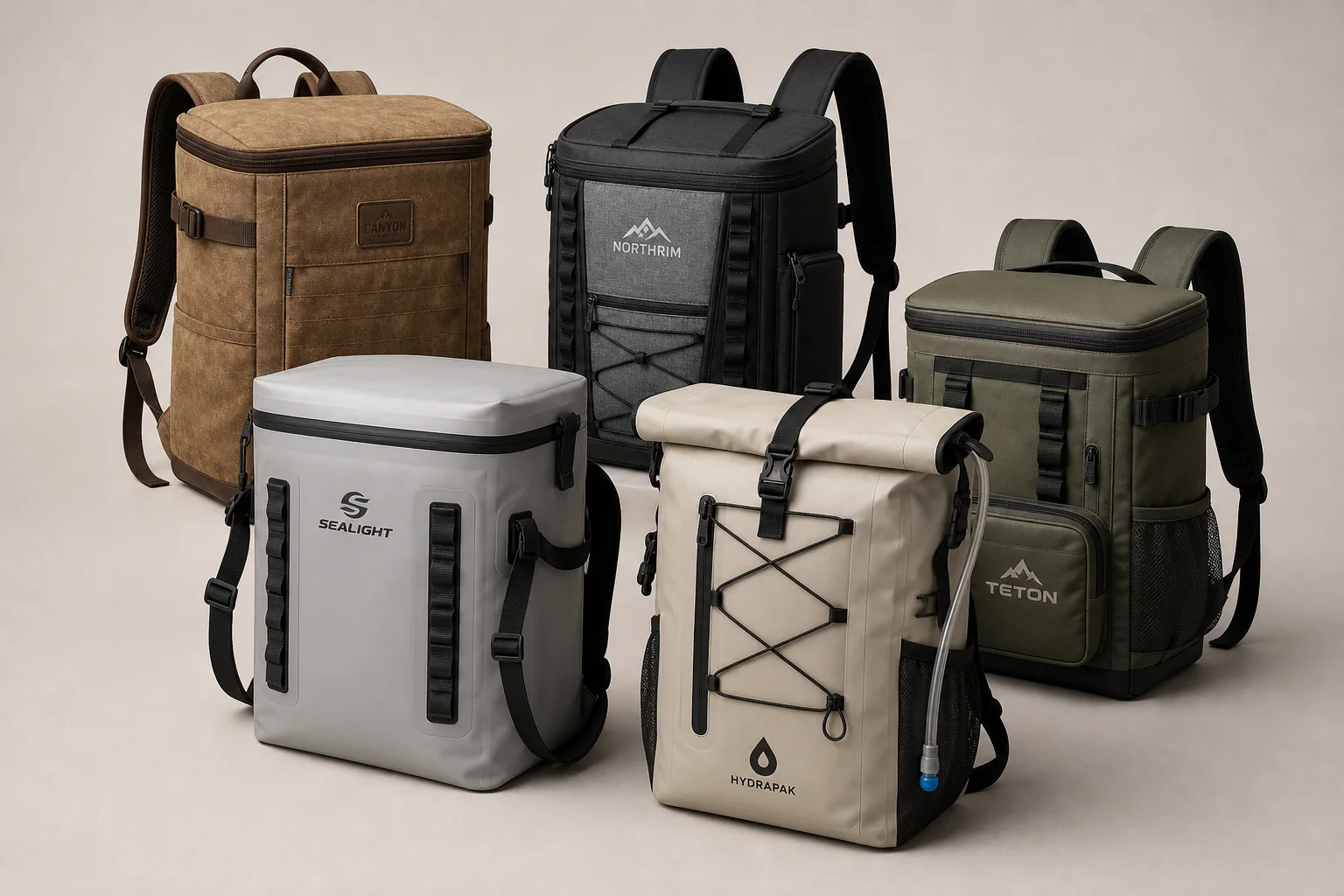
Best Backpack Coolers 2026: Five Practical Options for Outdoor Adventures
Five backpack coolers with distinct cooling capabilities, storage features, and design trade-offs to help you choose the right one for your outdoor needs.