Outdoor Gear
Three Ultralight Gear Swaps That Aren't Worth the Weight Savings
A close look at three popular ultralight swaps, a one-pound camp chair, a minimalist trail sandal, and a razor-blade knife, and where the grams saved cost more than they give back.
Introduction
Ultralight packing rewards simple arithmetic. Remove grams, carry less, walk farther. The trouble is that some of the most popular weight-saving swaps give back far less than the numbers suggest, either because the item being dropped was doing more work than its weight implied, or because the lighter replacement does not hold up once it is actually on the trail.
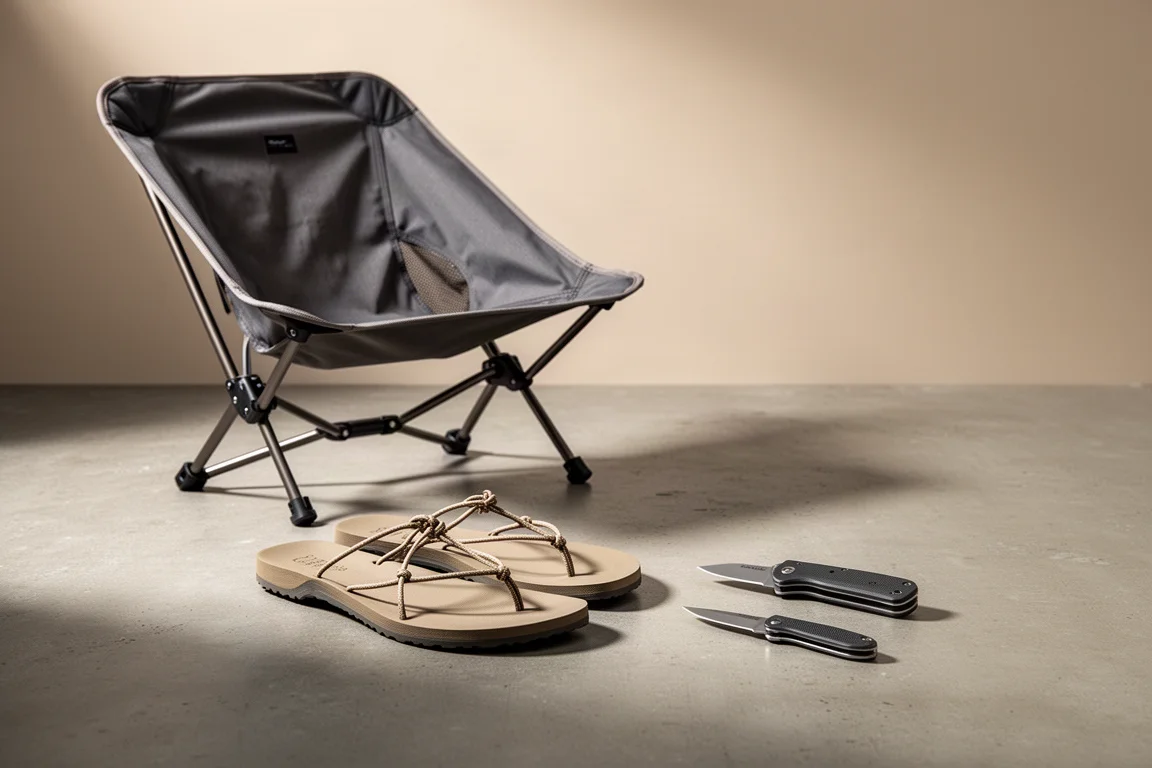
Three items come up again and again in that conversation: the Helinox Chair Zero, the Xero Z-Trail sandal, and the Bakknife. Each one replaces something heavier, and each one saves real weight on paper. What follows is a look at what that saved weight actually buys, and where the trade stops making sense.
What Actually Matters When You Cut Weight
A pound is not a very persuasive number once it is spread across your back. On a 20 lb pack, going to 21 lb is barely perceptible, and the same holds at 35 lb versus 36 lb. That is why arguments about single items so often end in a stalemate: the weight difference is real, but the sensation of carrying it usually is not.
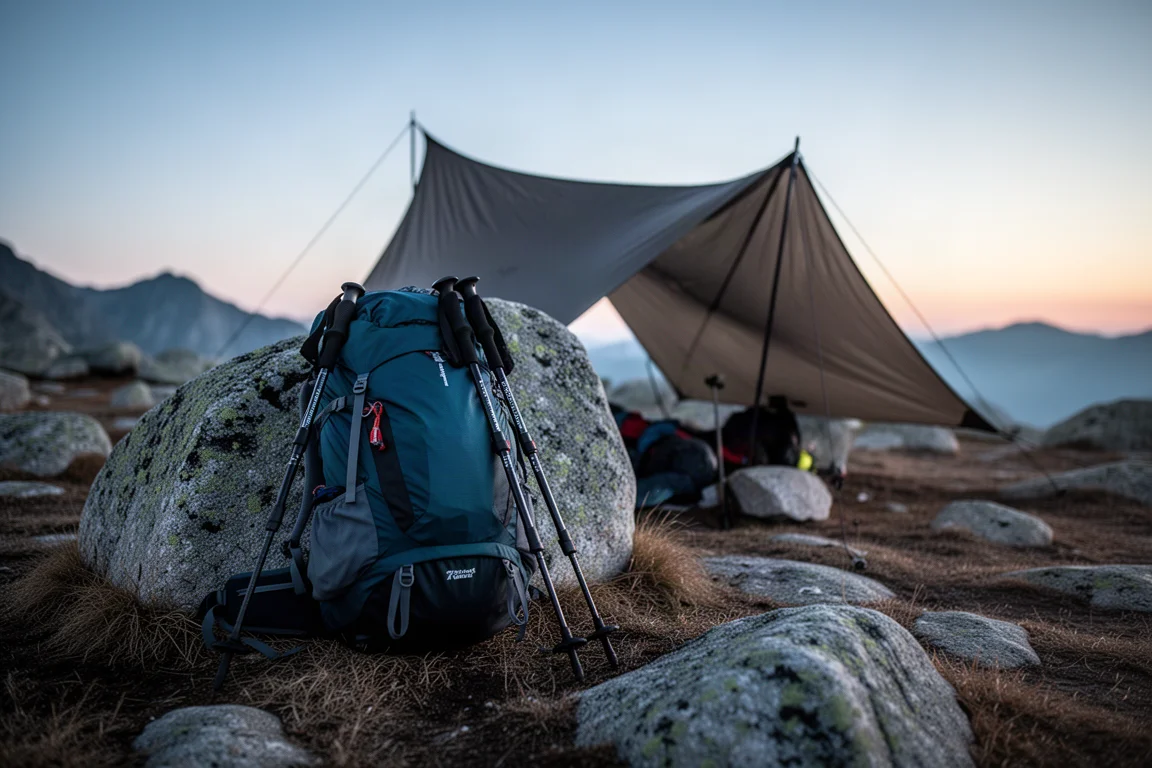
What you do feel, every hour of the evening and every step through a riverbed, is comfort and control. A seat that keeps you off cold ground, a sole that protects your toes from rock, a blade that stays where you put it: those differences show up immediately, while the extra pound mostly does not. The useful question, then, is not how much a swap saves, but what it costs in use.
Helinox Chair Zero: A Pound That Earns Its Place
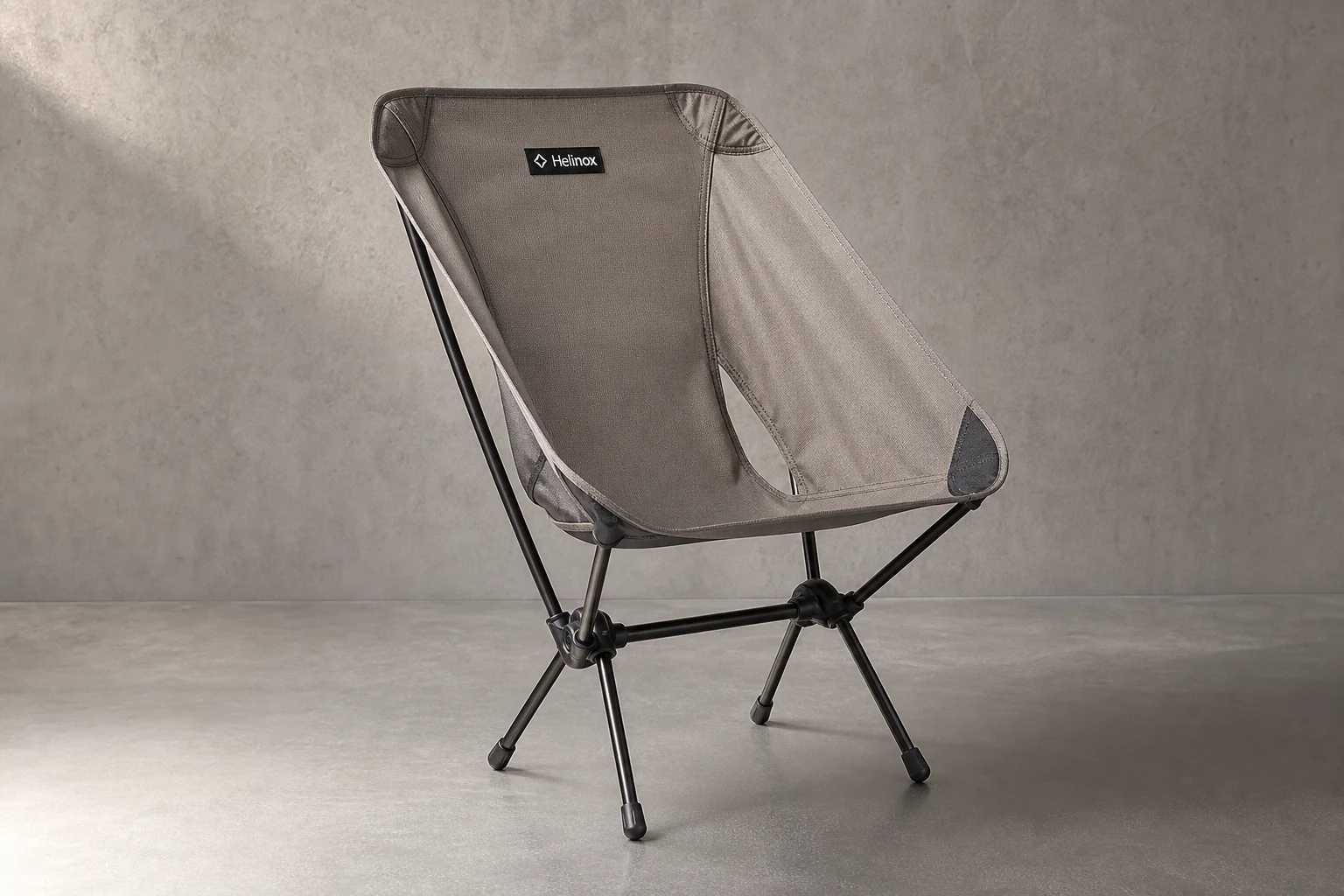
The Helinox Chair Zero sits right at one pound, and the usual ultralight alternative is a foam seat pad of around 3 oz. On a spreadsheet that is a saving of roughly 13 oz, and it is the reason the chair attracts so much criticism from weight-focused packers.
The counterargument is that the two items are not really substitutes. A seat pad is better than bare ground, but it is still a long way from a chair with a back and a frame. Sitting on the ground for an evening is a discomfort you notice constantly, while an extra pound in a pack that already weighs 20 lb or more is one you mostly do not. Judged that way, the pound is buying more comfort than it costs in effort.
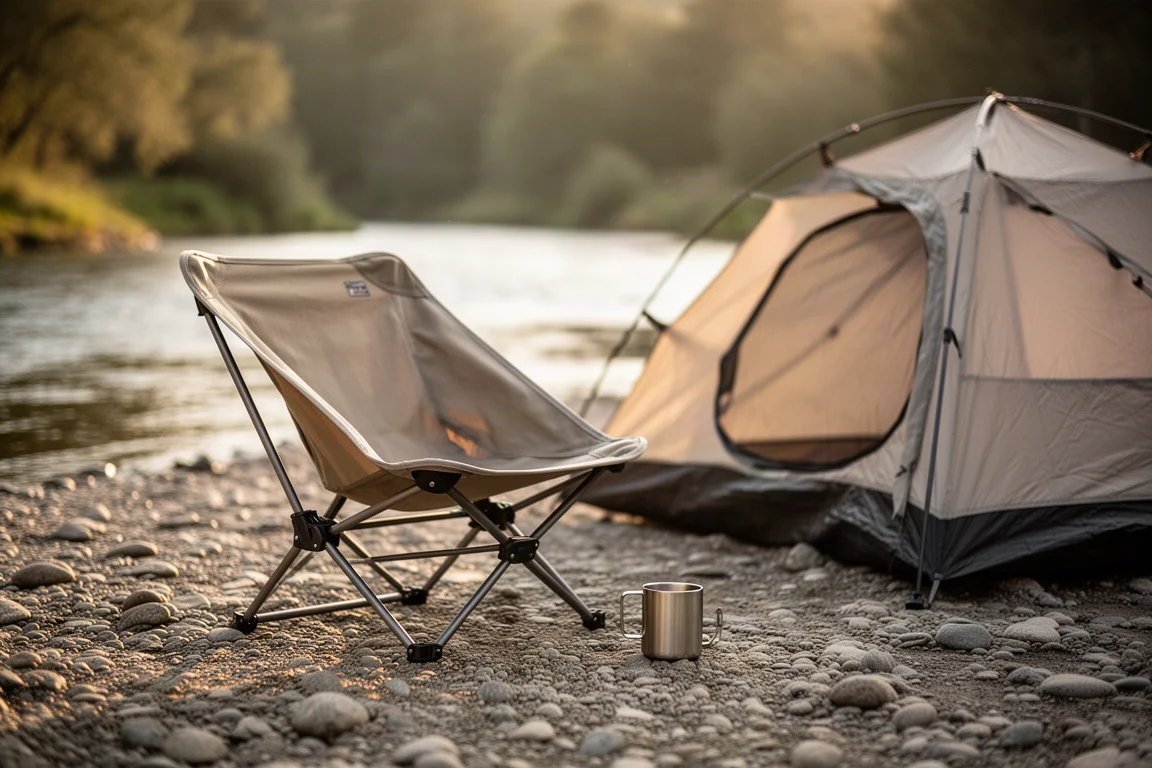
That does not make the chair right for every trip. It is a luxury item by design, and on a fast, distance-focused hike a seat pad may still be the better call. But for trips where camp is somewhere you actually spend time, the Chair Zero is one of the few ultralight accessories that gives back more than it takes.
Xero Z-Trail: The Weight Savings That Weren’t
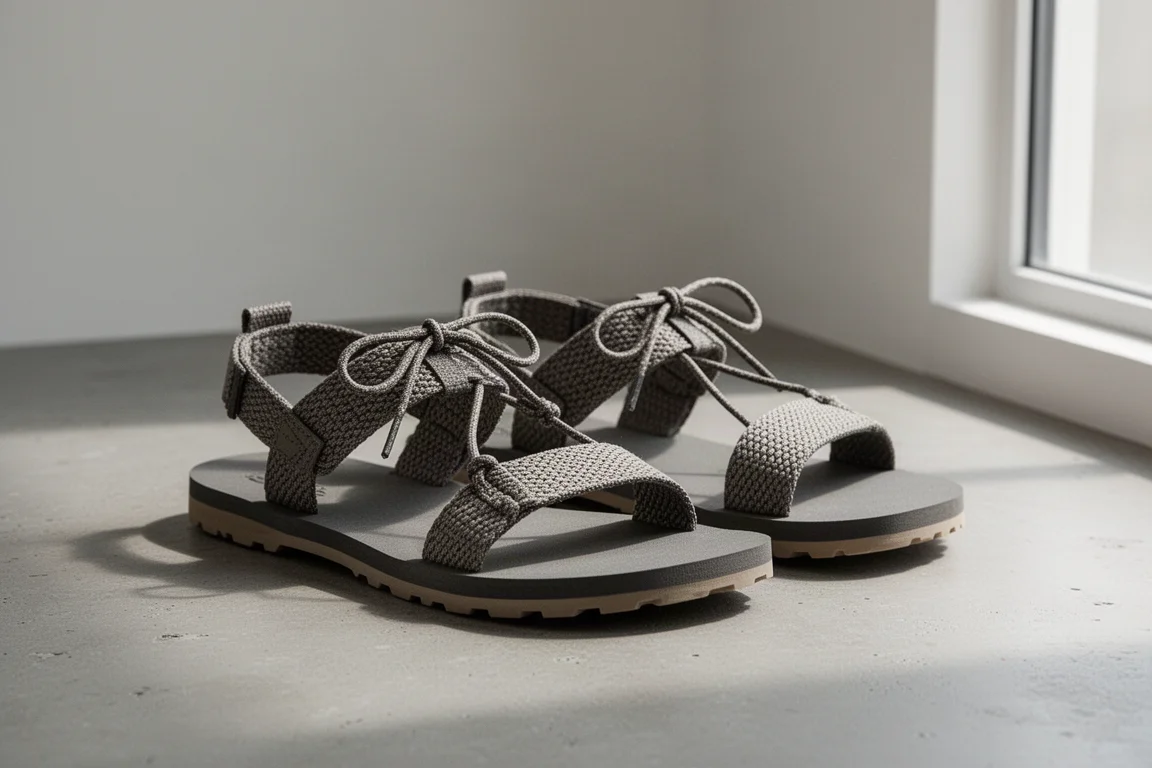
The Xero Z-Trail is sold as a minimalist sandal light enough to throw in a pack for water crossings. The advertised weight for a men’s size 9 pair is 6.6 oz, which is the kind of figure that makes a bulky sport sandal look absurd by comparison.
Measured, that pair came in at about 7.5 oz per sandal, roughly 15 oz for the two, or about 2 oz per sandal heavier than advertised. That matters because the sandals are not competing with nothing. They are competing with the bulky sandals they are meant to replace, and those heavier sandals weighed only 1.5 oz more per foot, so the real saving came to around 3 oz in total.
Then there is the fit question. The Z-Trail is built around a flexible, barefoot-style sole, and that flex works against you in exactly the conditions the sandals are meant for. On rocks, uneven ground, and riverbeds, a stiffer sole holds its shape and keeps the foot protected, while a flexible one lets moving water fold the toes back and expose them to whatever is underfoot. Add a price above $60 for the Xero pair against $45 for the heavier alternative, and the case for the swap gets thin.
Bakknife: Ultra-Light, Hard to Trust
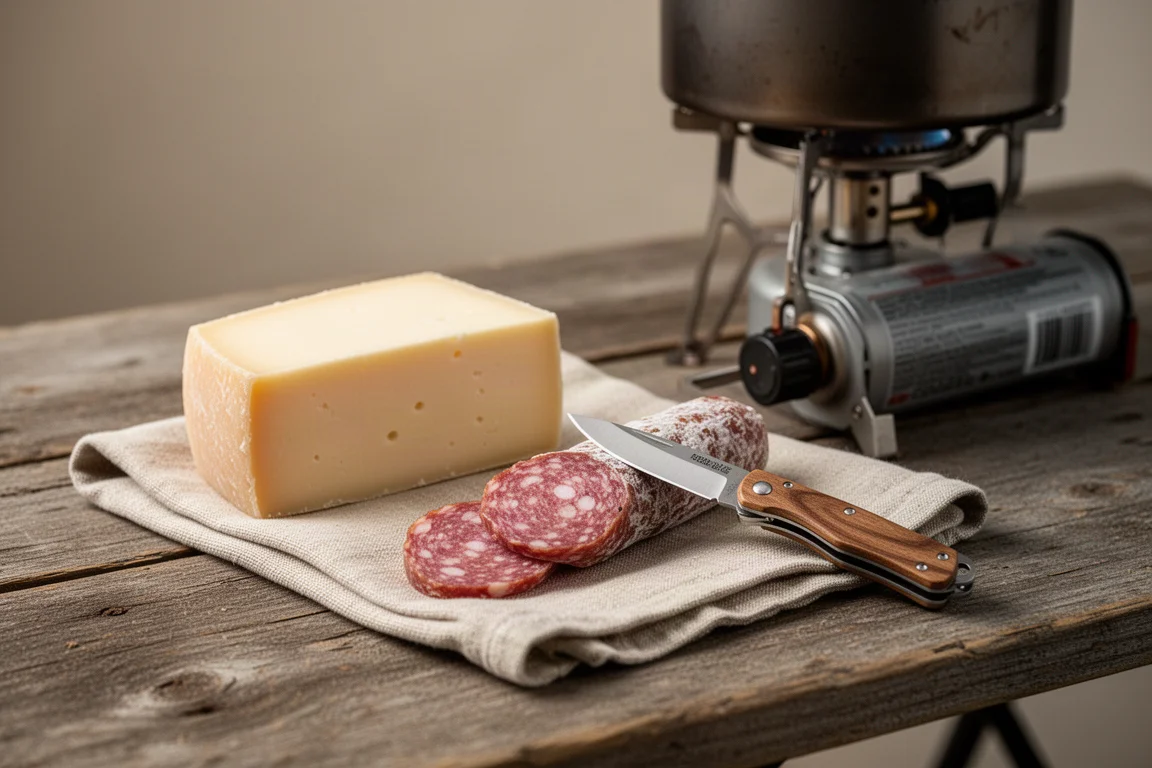
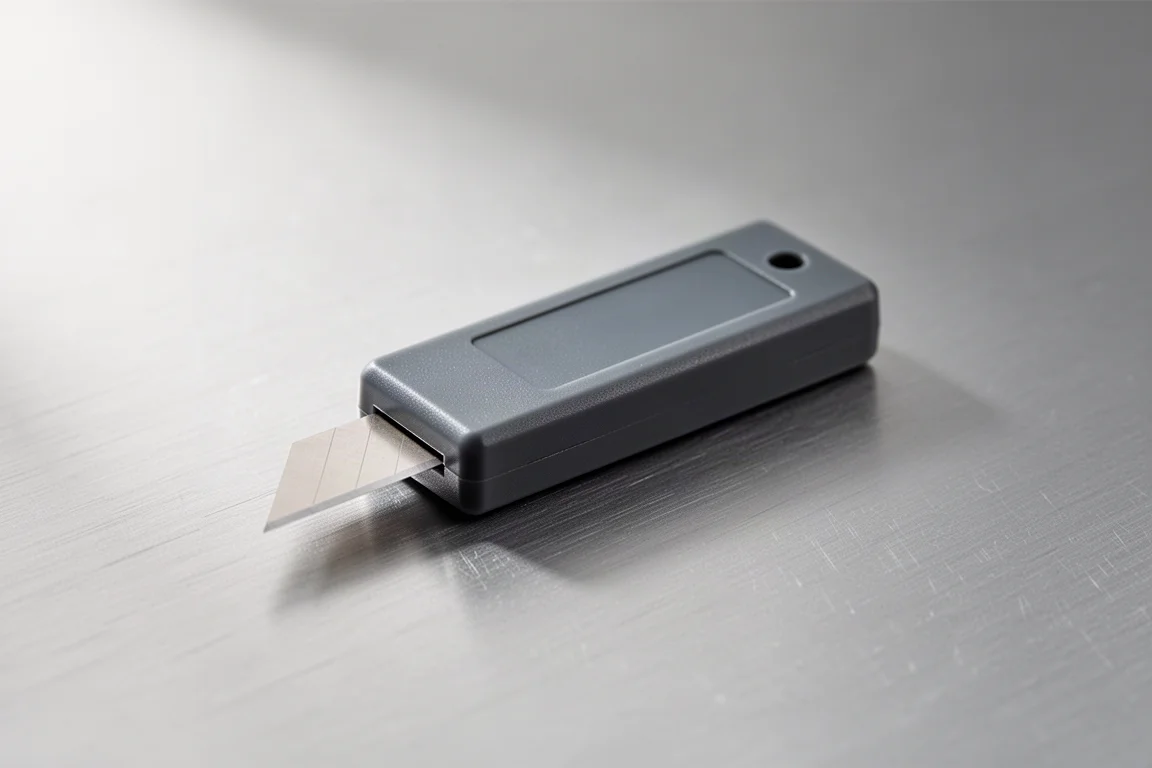
The Bakknife is less a knife than a razor blade held in a plastic body, and its weight is genuinely remarkable. It is light enough that a kitchen scale may not register it at all. For a hiker who carries a knife mainly for cutting cheese and summer sausage and almost never uses it otherwise, that is a tempting proposition.
In the hand, though, the compromises show. It is awkward to open and close, there is nothing to stop the blade retracting into the plastic while you cut, and it does not feel solid under load. A conventional lightweight folder is a different experience entirely. The comparison point here weighs 2.4 oz including a short length of paracord, and it feels stable and predictable every time it is opened.
That difference is about safety as much as comfort. A blade that can slide back into its holder mid-cut is a blade that can end up in your hand, and a minor cut far from a trailhead is a much bigger problem than a few ounces in a hip pocket. The Bakknife makes sense for one narrow case: a hiker who almost never uses a knife and wants something minimal for emergencies. For anyone who actually cuts things, the weight saved is not worth the risk.
What the Trade-Offs Add Up To
Replacing all three of these ultralight picks with the heavier alternatives adds up to roughly 1 lb 3 oz. In ultralight terms that is a real number, but it is not an insurmountable one, and it buys a chair to sit in, sandals that protect your feet in a riverbed, and a knife that stays open when you use it.
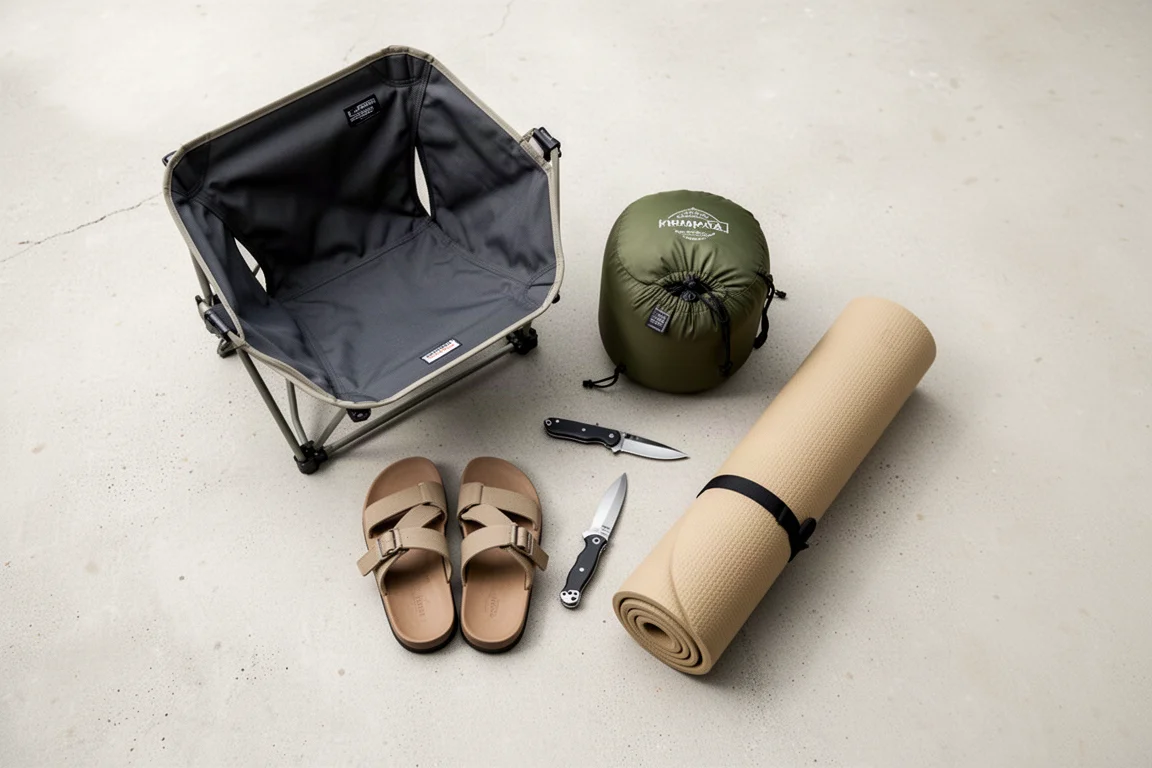
The pattern across all three is the same: the ultralight version wins on the scale and loses in use. That does not mean weight should be ignored. It means each swap deserves a second question. Does the lighter item do the same job? If it does not, the grams saved are being paid for somewhere else, usually in comfort, protection, or safety.
Conclusion
Weight savings are easy to measure and easy to overvalue. The Helinox Chair Zero earns its pound by turning an evening of discomfort into an evening of sitting properly. The Xero Z-Trail saves around 3 oz against the bulkier sandals it replaces, costs more, and gives up protection on rocks. The Bakknife saves nearly everything and gives up the confidence to use it.
For most packs, the honest calculation is not which item is lightest but which item is worth carrying. Bring the chair if you sit at camp. Bring sandals with a sole that holds up in a riverbed. Bring a knife you trust.
Further reading
Related Reviews
Outdoor Gear
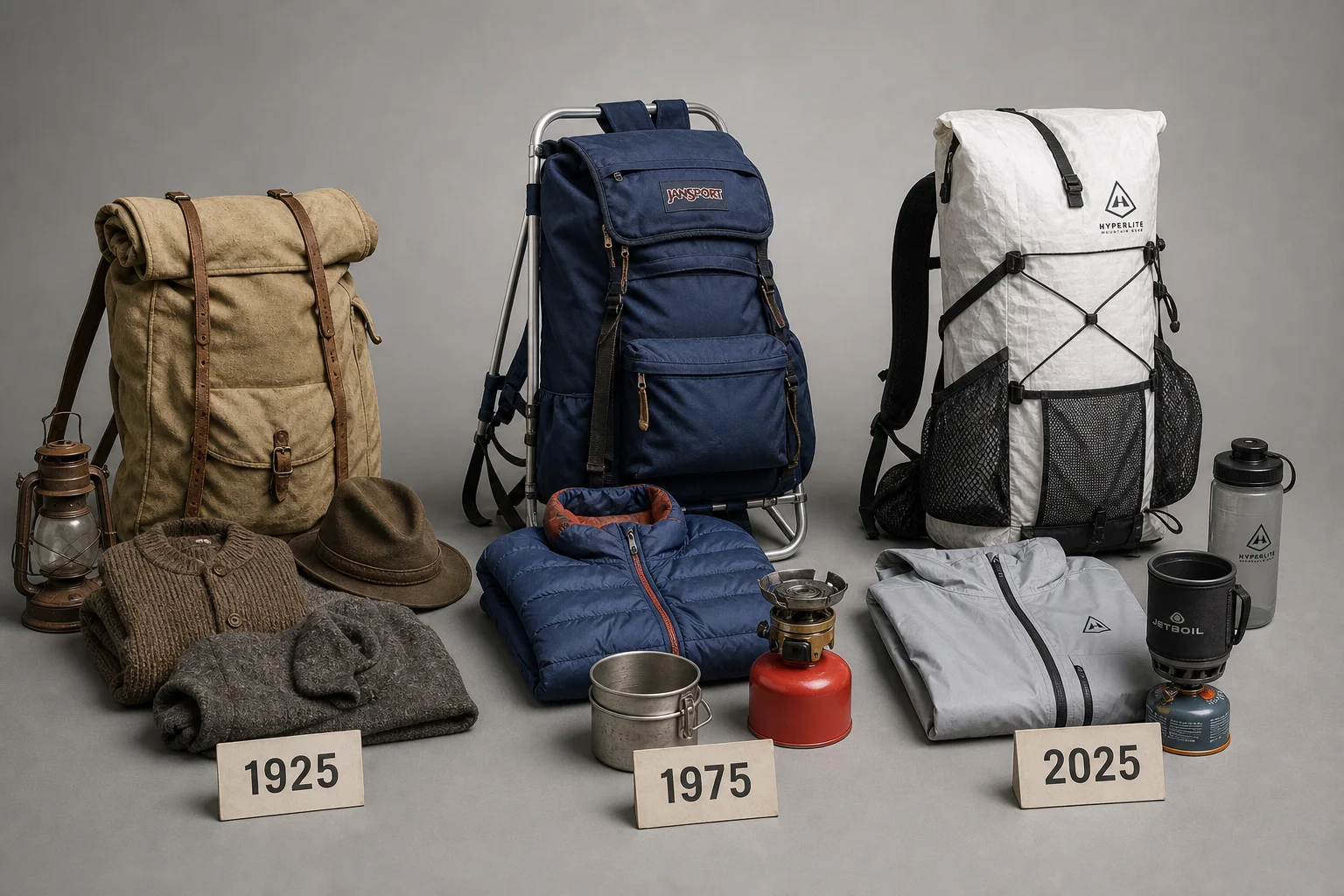
Backpacking Gear Evolution: 100 Years of Technology Compared
We tested backpacking gear from 1925, 1975, and 2025 across a three-day hike in Yosemite. Here's how technology has transformed comfort, weight, and the outdoor experience.
Outdoor Gear
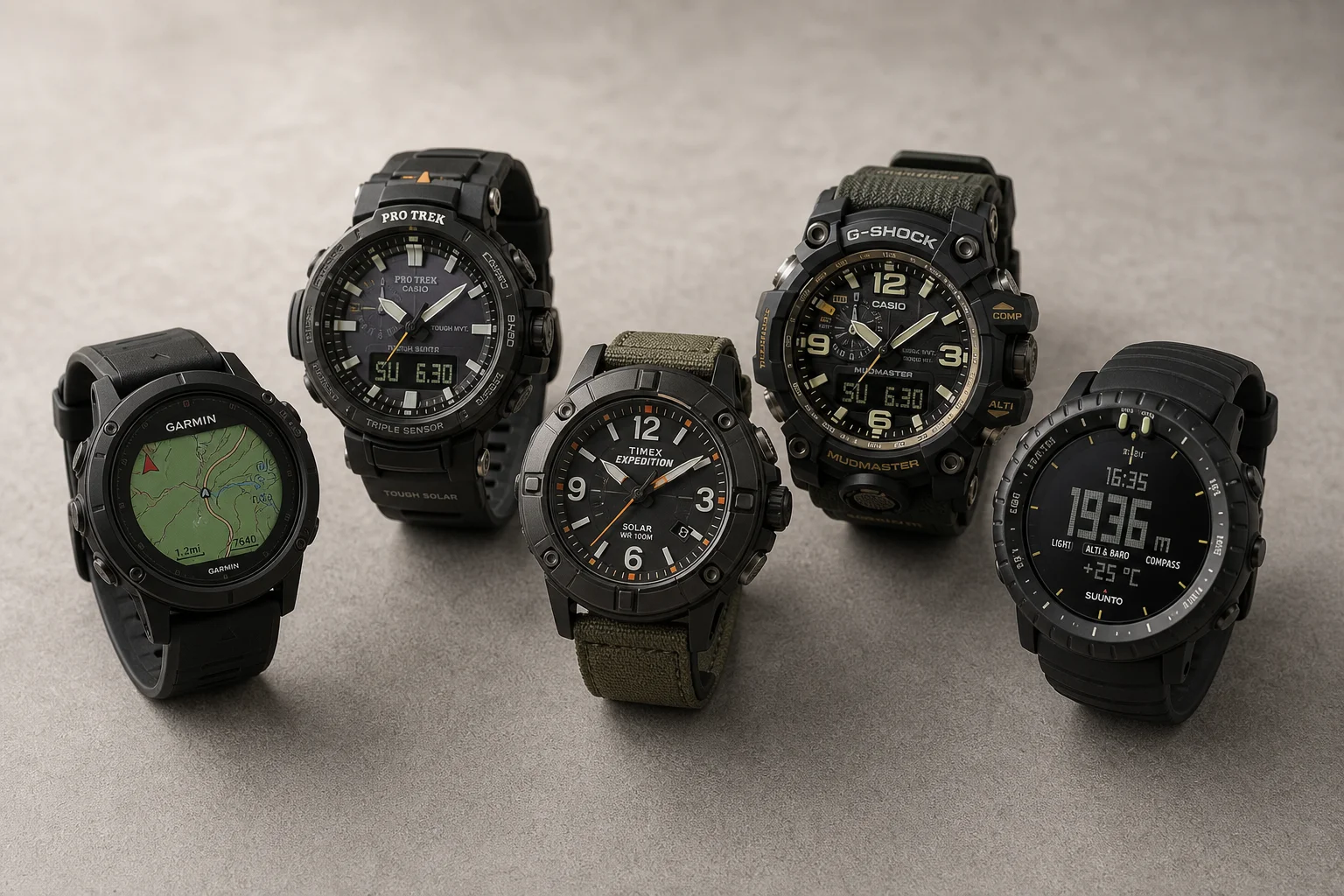
Best Affordable Hiking Watches: Five Rugged Options for Outdoor Adventures
Five durable hiking watches that balance ruggedness, functionality, and value for outdoor enthusiasts who need reliable GPS tracking and weather resistance.
Outdoor Gear
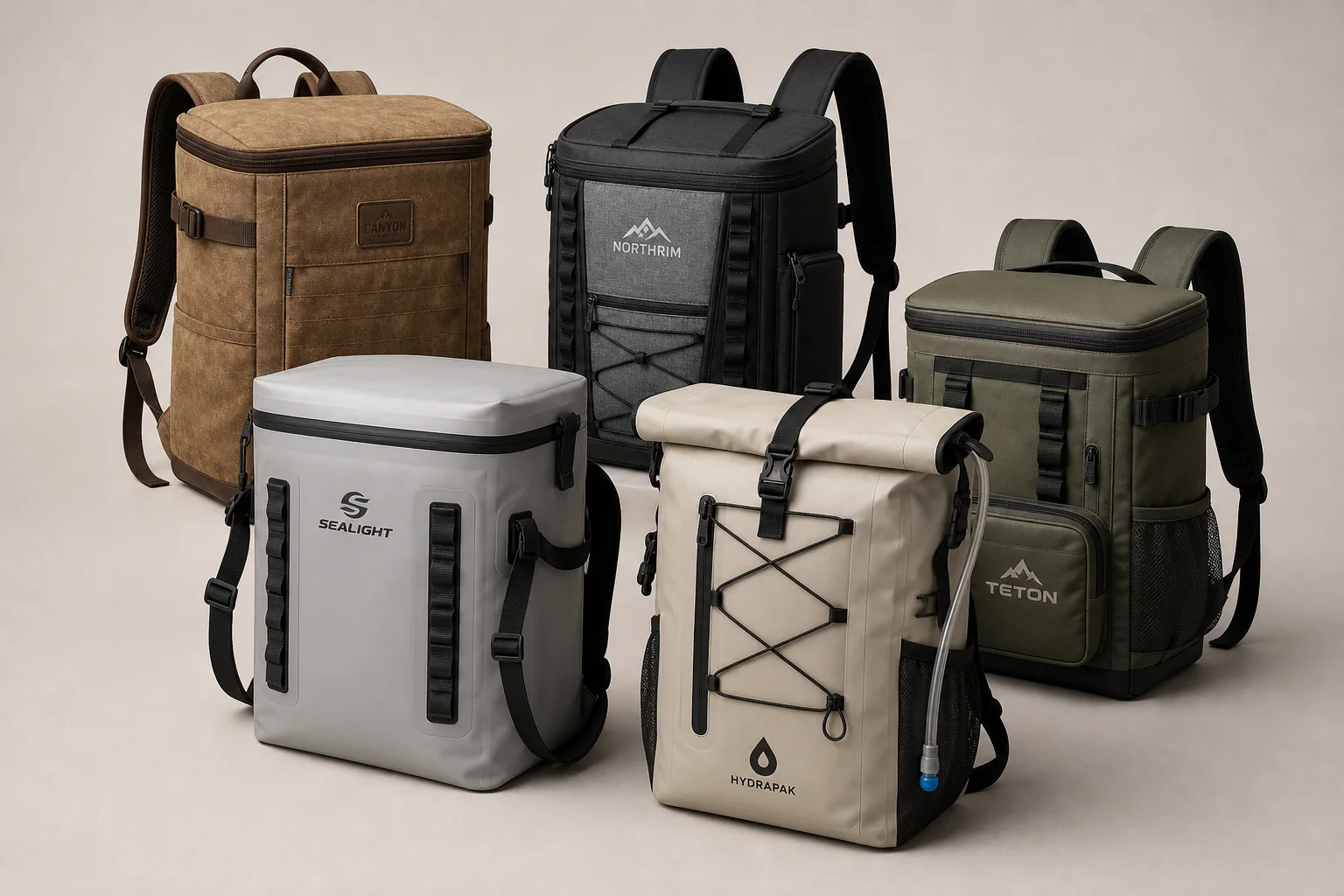
Best Backpack Coolers 2026: Five Practical Options for Outdoor Adventures
Five backpack coolers with distinct cooling capabilities, storage features, and design trade-offs to help you choose the right one for your outdoor needs.