Outdoor Gear
Ultralight Down Jackets Compared: Black Diamond Deploy Hoodie, Ghost Whisperer, and Decathlon MT100
Three lightweight down jackets at very different price points, from a 1,000 fill hoodie built for gram counting to a full-featured puffy that costs around $100.
Introduction
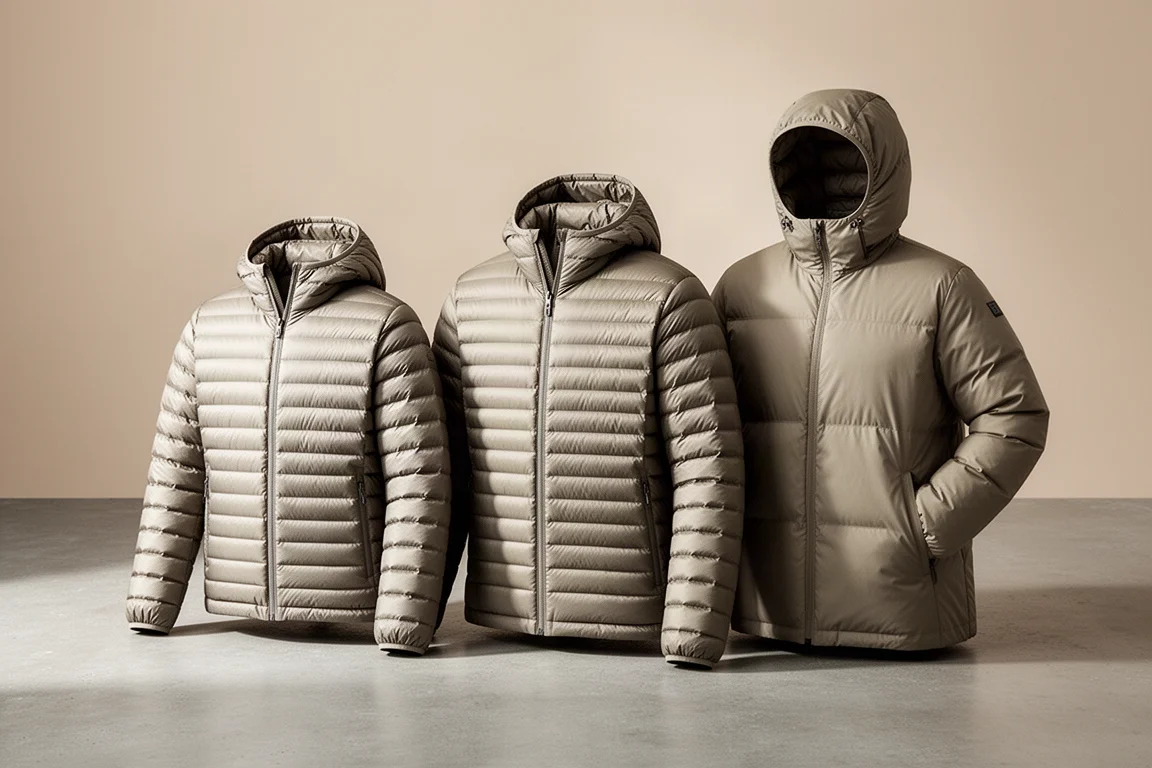
Ultralight down jackets have become one of the most competitive corners of backpacking gear, and the three jackets below sit at very different points on the weight and price spectrum while solving the same problem: staying warm without carrying much.
The Black Diamond Deploy Hoodie is the newest and the most extreme of the group, positioned as one of the lightest down pieces available. The Mountain Hardwear Ghost Whisperer is the established reference point that many hikers already own or have owned. The Decathlon MT100 is the value play, a full-featured down jacket that costs a fraction of the others.
What Matters Most in an Ultralight Down Jacket
Four things decide whether a down jacket earns a permanent place in your pack: fill power, packability, face fabric, and features.
Fill power describes the size of the down plumes inside the jacket. Higher fill power means larger plumes, so fewer of them are needed to create the same loft and warmth. That is what allows a 1,000 fill jacket to compress smaller than an 800 fill one. It is also why 1,000 fill down costs so much more, and for most hikers an 800 or even 700 fill jacket is entirely sufficient.
Face fabric matters just as much. Thinner nylon saves grams but leaves the jacket more exposed to abrasion and tears. Thicker nylon adds durability at the cost of weight and packed size.
Features follow the same logic. Drawcords, pockets, and full-length zippers add convenience and grams, while elastic-only cuffs and hems remove hardware and weight.
Price is the final variable, and it separates these three jackets more sharply than anything else.
Black Diamond Deploy Hoodie: The Lightest Option Here
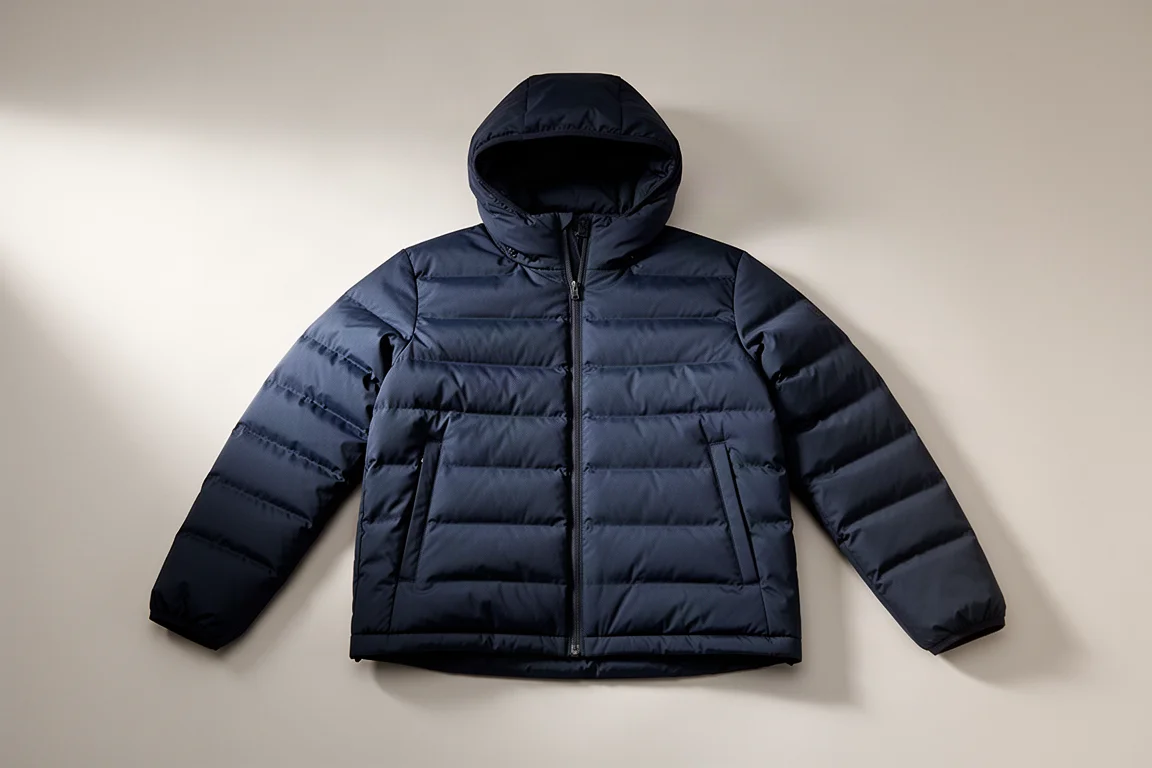
The Black Diamond Deploy Hoodie is built around 1,000 fill power down, and it is the lightest jacket in this comparison. Because the plumes are so large, less down is needed to reach a given loft, which is what lets the jacket pack down smaller than almost anything else in its class.
The design is deliberately minimal. There are no drawcords and no strings anywhere on the jacket. Elastic around the cuffs, the hem, and the hood opening provides the only adjustment, and on a chilly trip that turned out to be enough. The hood closes down around the head without needing a cinch, and the waist did not need one either.
Fit is a genuine strength. Despite the weight-saving intent, the Deploy Hoodie does not feel tight or restrictive, and there is room to wear a layer underneath without the jacket pulling across the shoulders. It works just as well around town as it does on the trail.
The trade-offs are real, though. The 4D nylon ripstop face fabric is exceptionally thin, thinner than most hikers will have handled before, and the very small zipper caught repeatedly during testing before settling down. The shell has held up without rips so far, but this is a jacket that rewards care.
It normally sells for around $395 and has been seen on sale for roughly $296, so it is worth watching for a discount.
Mountain Hardwear Ghost Whisperer: Proven Warmth in a Familiar Design
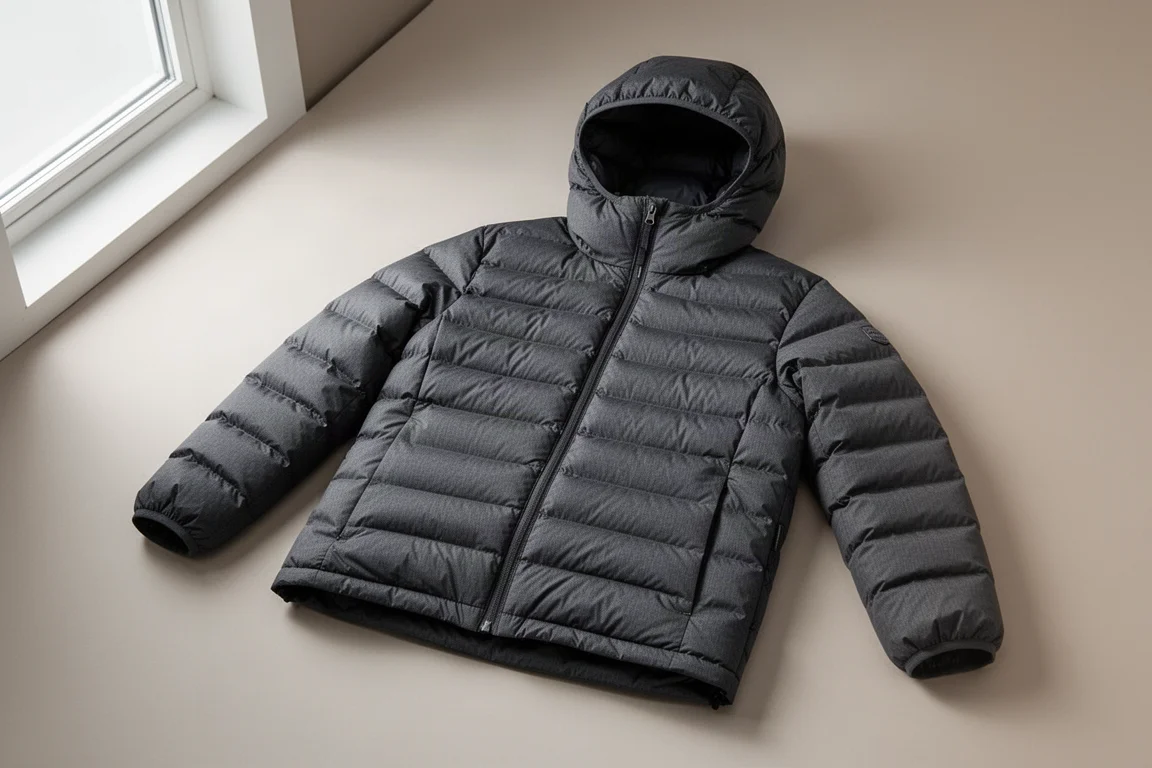
The Mountain Hardwear Ghost Whisperer is the jacket most ultralight hikers already know. It has been used across multiple seasons and trips, and its warmth sits in the same range as the other two jackets here, with no meaningful gap between them in cold conditions.
The resemblance between the Ghost Whisperer and the Deploy Hoodie is striking in both silhouette and intent, which says something about how well established this formula has become. If you would rather buy a design that has already proven itself over years of use than a brand new one, this is the more conservative choice.

It remains a strong option for anyone who wants a lightweight down layer with a long track record, and its warmth per gram is still competitive against newer 1,000 fill designs.
Decathlon MT100: The Budget Pick That Does the Most
The Decathlon MT100 takes the opposite approach. It is a proper down jacket with a full-length zipper, hand pockets, a hood, a hem drawcord, and elastic cuffs, and its face fabric is noticeably thicker than the ultralight shells above.
It uses 800 fill duck down. Duck down costs less than goose down, feels very similar in the hand, and the loft looks comparable to the more expensive jackets here. The baffle construction is much the same as well, so the warmth on offer is closer than the price difference would suggest.
At around $100, it costs a fraction of the alternatives, and for new hikers, or for anyone upgrading from a heavier or less warm jacket, it is very hard to argue with.
Fit, Warmth, and Layering in Practice
Warmth across the three jackets was close enough that it was difficult to separate them in the field. The Deploy Hoodie and the Ghost Whisperer felt comparable on cold days, and the MT100 held its own despite the lower fill power.
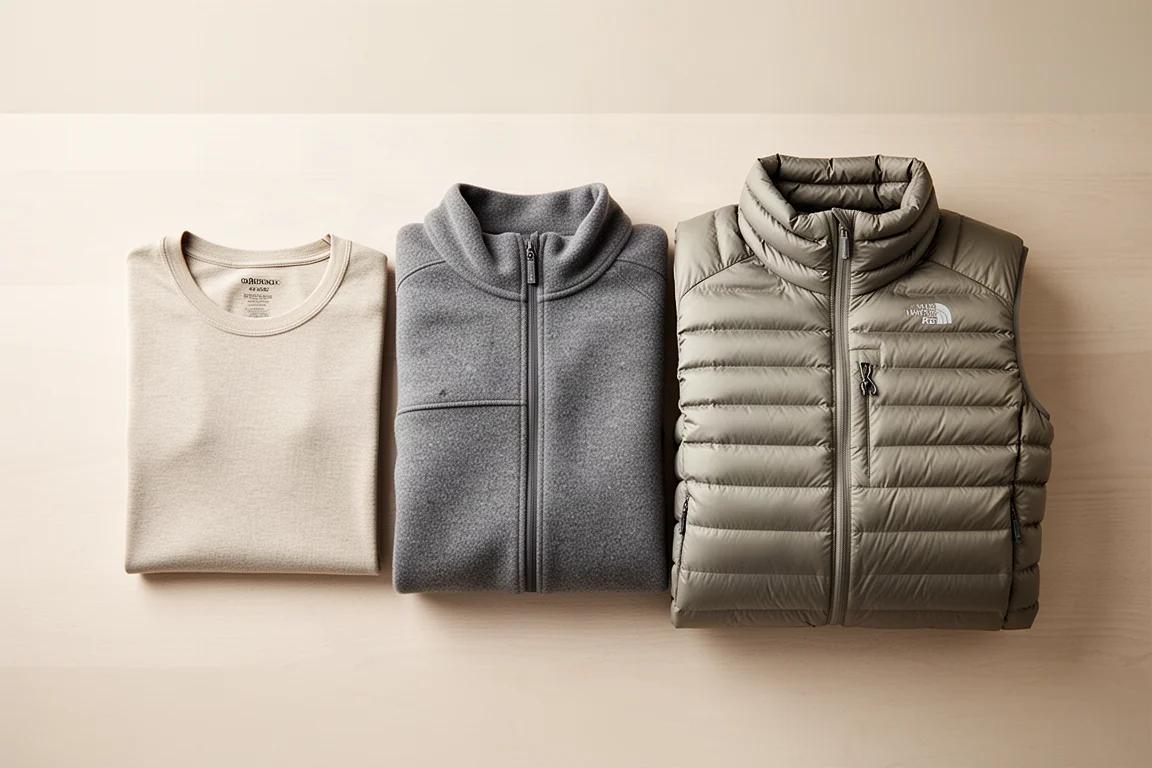
Layering is where the fit differences show up. The Deploy Hoodie has more room through the torso than its weight suggests, which makes it easy to wear over a fleece or a mid-layer without feeling restricted. The elastic cuffs and hem seal without any hardware, and they stayed comfortable rather than tight over long days.
For most three-season use, all three jackets will handle the same conditions. The difference is how much you are willing to trade in durability and features to get the weight down.
Durability and the Trade-Offs of Thin Fabrics
The most interesting engineering story here is the face fabric. A 4D nylon ripstop shell is about as thin as outdoor textiles get, and it is the main reason the Deploy Hoodie is so light. Thin fabric means less abrasion resistance, and a jacket like this belongs under a shell in brushy terrain rather than out on its own.
The zipper is the other weak point. The Deploy Hoodie uses a very small, light zip that jammed several times during testing, although it kept working and has not failed.
The MT100 takes the opposite route. Its thicker shell adds meaningful durability and still packs down reasonably well, which is part of why it works so well as a first down jacket. The Ghost Whisperer sits between the two, with a shell that has clearly survived multiple seasons of real use.
Who Should Buy Which Down Jacket
The right choice depends on what you value most.
If shaving grams is the priority and you are comfortable treating a jacket gently, the Black Diamond Deploy Hoodie is the lightest option here and one of the more impressive pieces of weight engineering in the category. Buying it on sale makes the decision easier.
If you want a proven ultralight down jacket with years of real-world history behind it, the Mountain Hardwear Ghost Whisperer is the dependable pick.
If value matters most, the Decathlon MT100 is the easiest recommendation in this group. Around $100 buys a full-featured down jacket with a hood, pockets, and a more durable shell, and for new hikers or anyone upgrading from heavier gear it is the sensible place to start.
One note on fill power before you decide: 1,000 fill is genuinely impressive, but it is not necessary for most people. An 800 fill jacket will keep you warm in the same conditions for far less money.
Conclusion
Three jackets, three different answers to the same question. The Black Diamond Deploy Hoodie wins on weight and packed size and asks for careful handling in return. The Mountain Hardwear Ghost Whisperer remains the reference ultralight down jacket for good reason. The Decathlon MT100 delivers most of the practical warmth for a small fraction of the price, which makes it the easiest one to recommend to anyone who is not counting every single gram.
Further reading
Related Reviews
Outdoor Gear
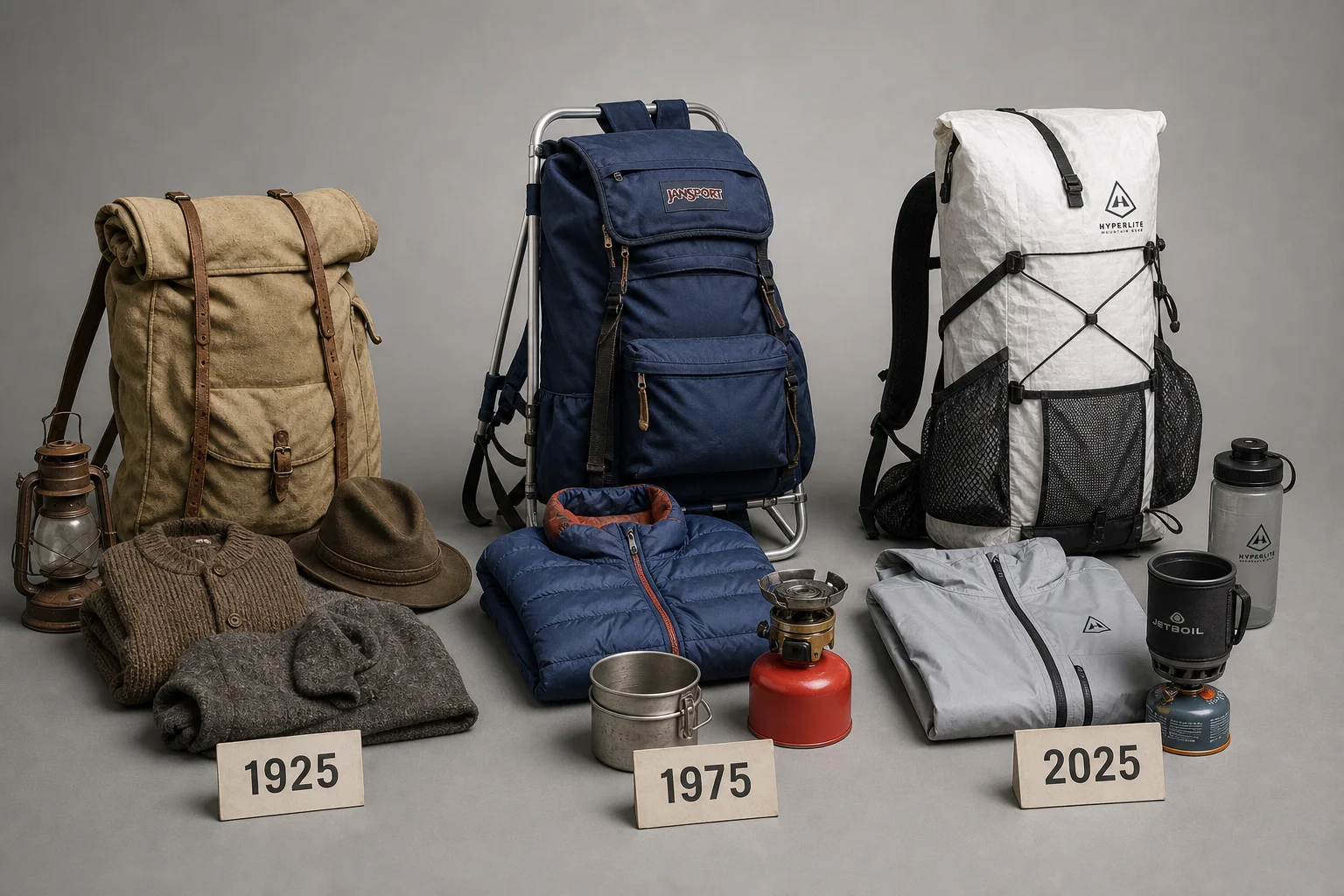
Backpacking Gear Evolution: 100 Years of Technology Compared
We tested backpacking gear from 1925, 1975, and 2025 across a three-day hike in Yosemite. Here's how technology has transformed comfort, weight, and the outdoor experience.
Outdoor Gear
Best Affordable Hiking Watches: Five Rugged Options for Outdoor Adventures
Five durable hiking watches that balance ruggedness, functionality, and value for outdoor enthusiasts who need reliable GPS tracking and weather resistance.
Outdoor Gear
Best Backpack Coolers 2026: Five Practical Options for Outdoor Adventures
Five backpack coolers with distinct cooling capabilities, storage features, and design trade-offs to help you choose the right one for your outdoor needs.