Camping Gear
Ultralight Camping Gear: Finding the Sweet Spot Between Weight and Comfort
Six pieces of ultralight camping gear that save real weight without giving up space, warmth or a decent night's sleep.
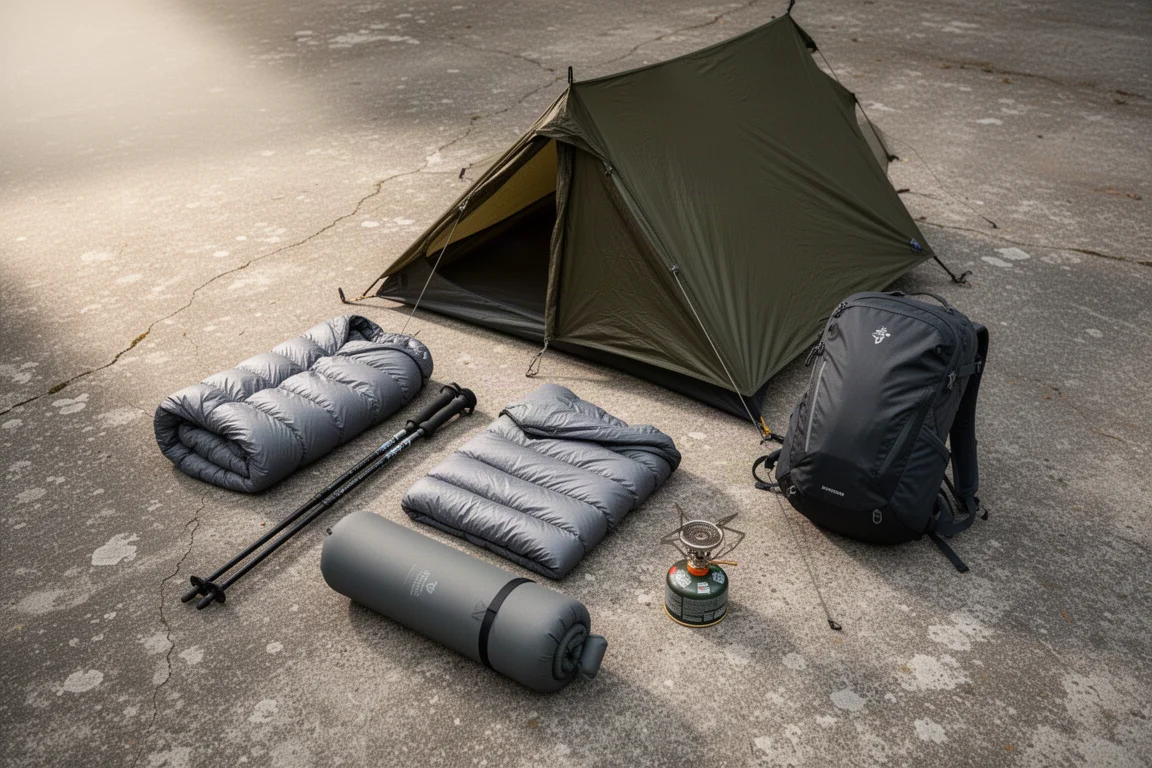
Introduction
The word ultralight gets attached to a lot of camping gear, and the lightest items are not automatically the best ones to carry. A shelter that weighs almost nothing can still be cramped, cold and awkward to pitch, and a stove that saves 100 grams may struggle the moment the wind picks up.
This guide looks at six pieces of gear that sit closer to a practical sweet spot. Each one saves meaningful weight without asking you to give up too much space, warmth or comfort, and each entry sets out the trade-offs plainly so you can judge which grams are worth spending and which are worth saving.
How to Judge Ultralight Camping Gear
Weight is only one number in the decision. Interior space, packed bulk, durability and how a piece of kit behaves in poor weather usually matter more once you are actually out on the hill.
It helps to think in categories. Your shelter, sleep system and backpack make up most of what you carry, so those are the areas where a lighter option saves the most. Smaller items such as stoves, cook sets and pillows behave differently: there, a few extra grams often buy a noticeable improvement in how the gear works.
Bulk deserves as much attention as weight. A pad or quilt that compresses down small leaves room for everything else, and in a modest pack that can matter more than the figure on the scale. It is also worth being honest about the trips you really take. A specialist shelter that only suits short fair-weather camps is a poor investment if your plans run to multi-day routes.
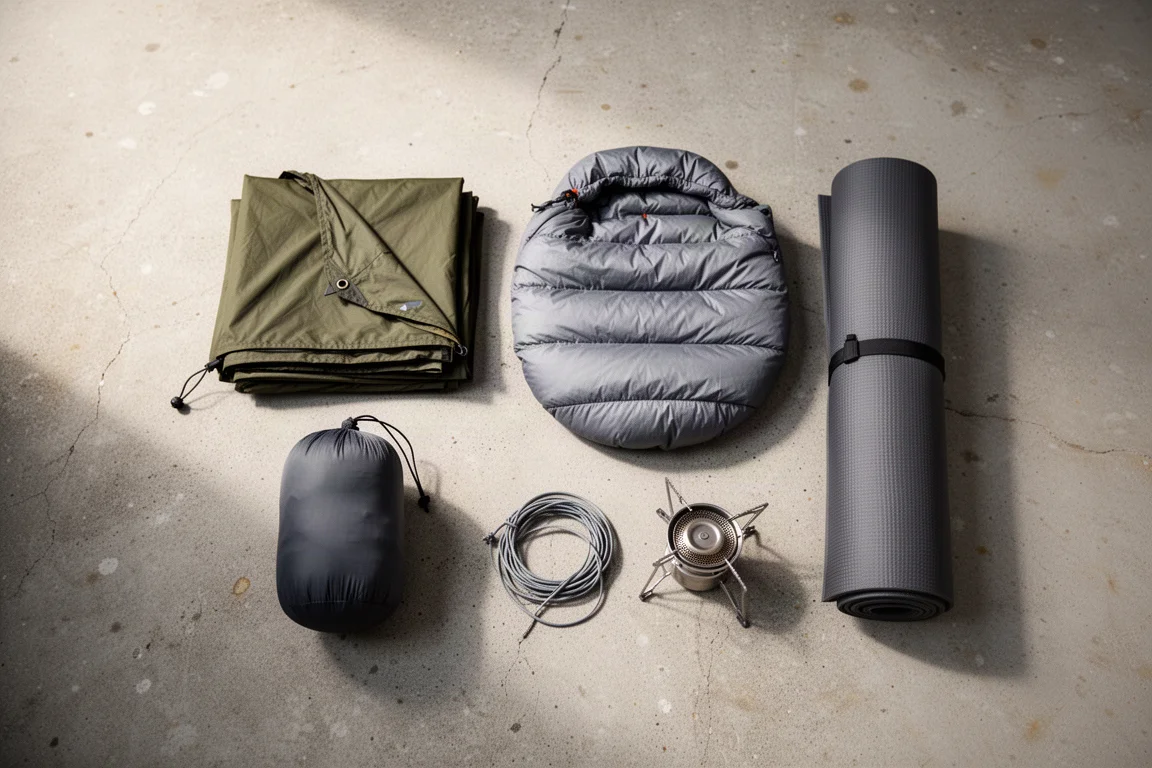
Every pick below follows that logic: a small weight penalty in exchange for space, warmth, durability or control. None of them is a compromise on the basics of a good night out.
Durston X-Mid Pro: Lightweight Shelter With Real Living Space
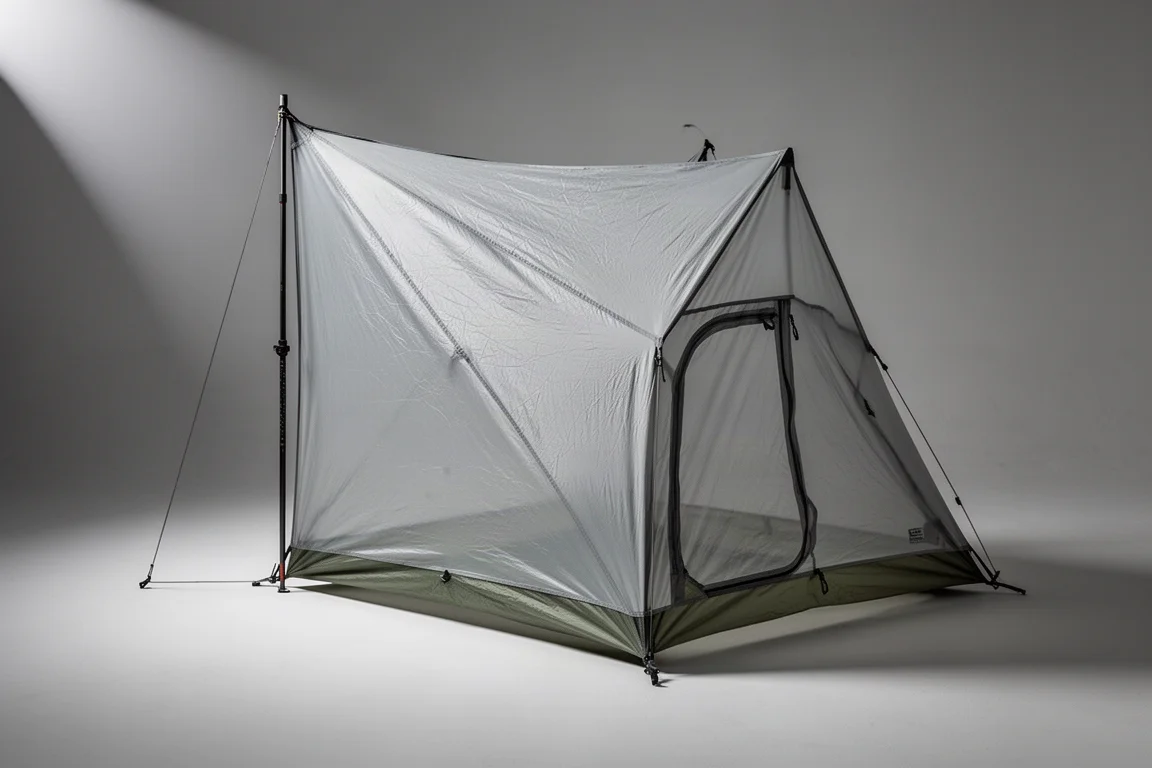
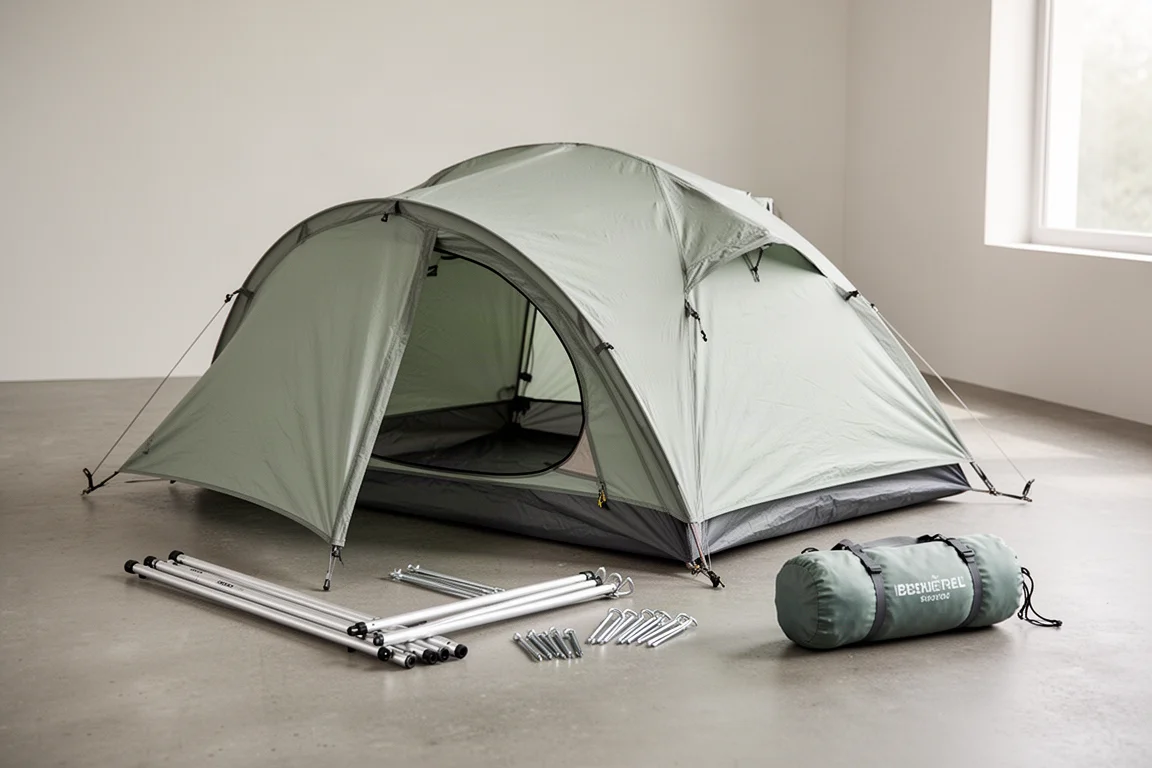
The Durston X-Mid Pro is a trekking pole tent that weighs around 440 g, placing it among the lightest shelters you can carry. It also gives you noticeably more room inside than the most minimal ultralight designs, so the low weight does not mean living in a box.
There are two costs to weigh up. The first is price: a UK seller lists the X-Mid Pro at around £860. The second is the pitching method. Because it relies on trekking poles, anyone who does not already walk with poles would have to carry a pair just for the shelter, which adds weight back to the base weight. For hikers who use poles anyway, that is not a real penalty at all.
Terra Nova Solar Photon 2: More Room for a Modest Weight Penalty
The Terra Nova Solar Photon 2 weighs roughly 850 g and has been used on long-distance UK routes such as the West Highland Way. It gives away a few hundred grams to the lightest tents but returns considerably more interior space, which is exactly the trade that pays off across several nights.
Extra room changes how a tent feels at the end of a hard day. You can spread out, keep your pack and boots inside, and sort your kit without contorting yourself. On a walk of 80 or 100 miles, that comfort is worth more than the weight saved by a smaller shelter.
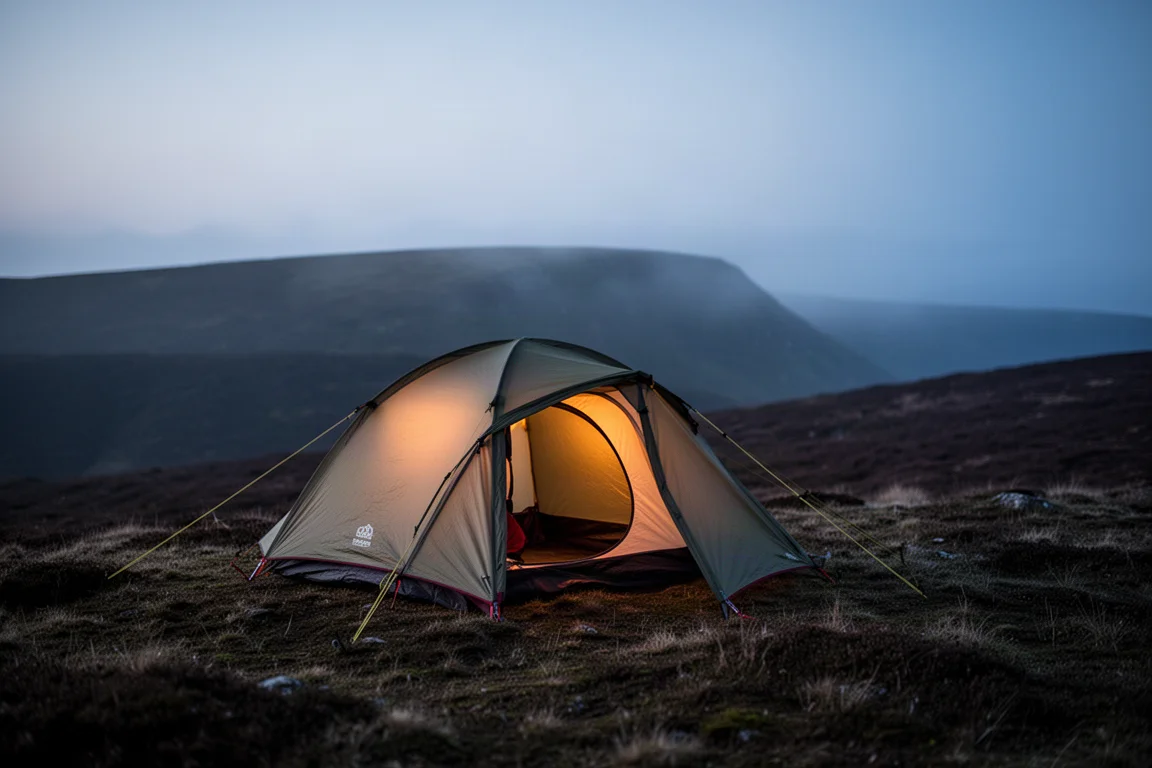
Weight is also not the same thing as performance. A slightly heavier tent is often the more robust one, and durability matters if you plan to use the same shelter season after season rather than for a single trip.
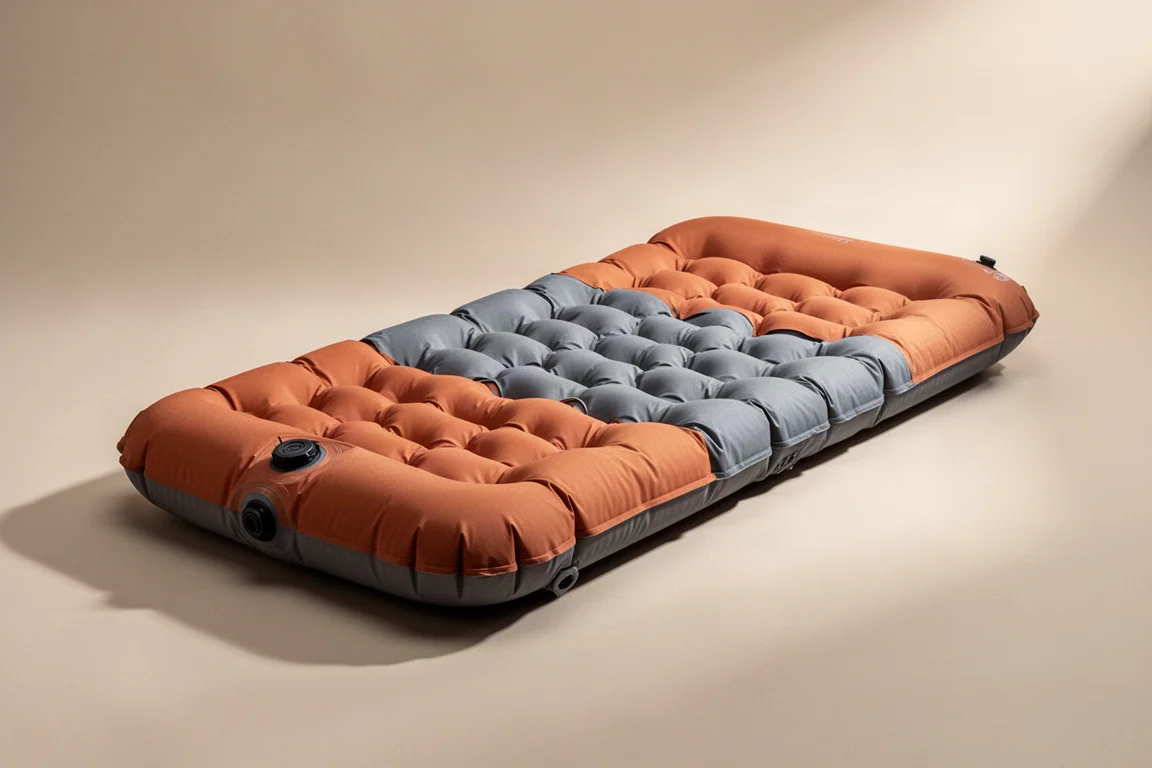
Sea to Summit Comfort Light: A Sleeping Pad Worth the Bulk
The Sea to Summit Comfort Light is a comfort-first sleeping pad. It is bulkier and heavier than the thinnest inflatables, but it is more comfortable to sleep on, it can be folded over and used as a seat, and it feels more durable than a minimal pad.
Sleep is the part of a kit that people most often regret skimping on. If a decent night’s rest is non-negotiable for you, this is one of the places where carrying extra weight makes obvious sense, and those grams can be recovered from smaller items that matter far less.
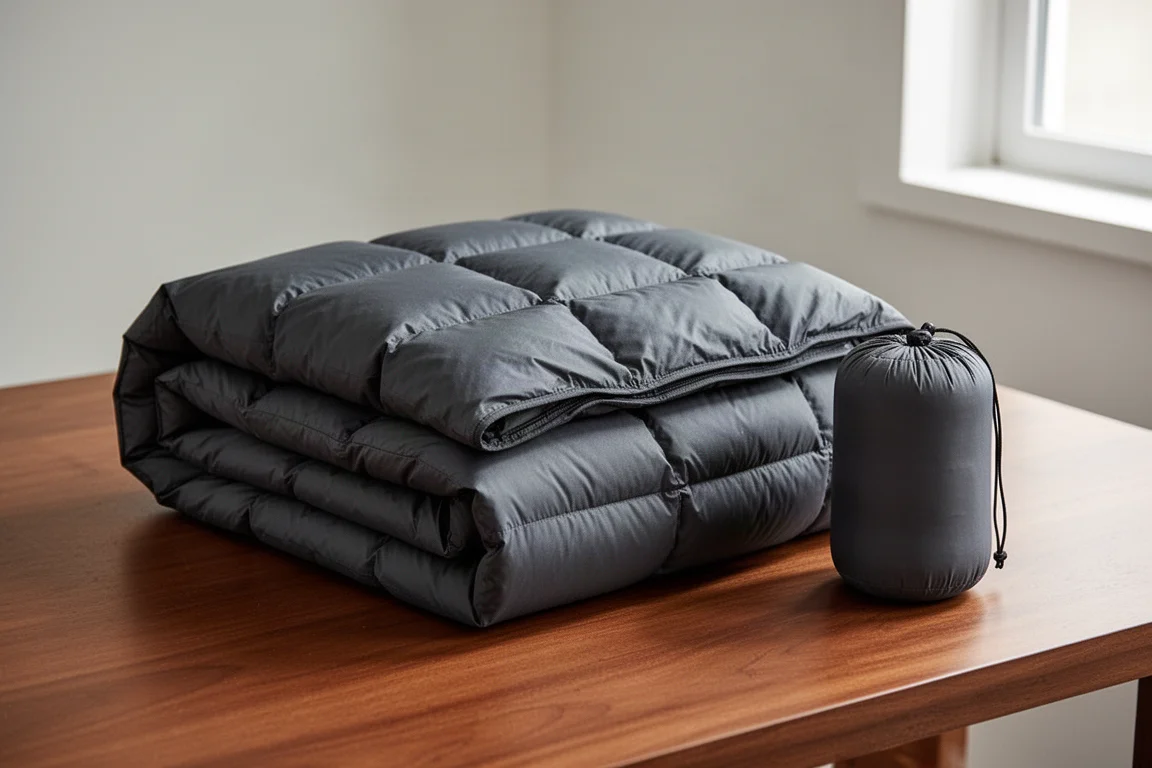
Therm-a-Rest Vesper 0: A Quilt That Packs Down Tiny
The Therm-a-Rest Vesper 0 is a 0-degree down quilt, and its strongest quality is packed size. It compresses small enough to sit in a 30-litre pack alongside a tent and a sleeping pad, which makes it a good fit for anyone trying to keep bulk under control.
For multi-day trips where every litre of pack space counts, a quilt that disappears into the bottom of the bag is a genuinely useful piece of kit. It is also one of the clearest examples of a weight-saving item that does not ask for a comfort sacrifice in return.
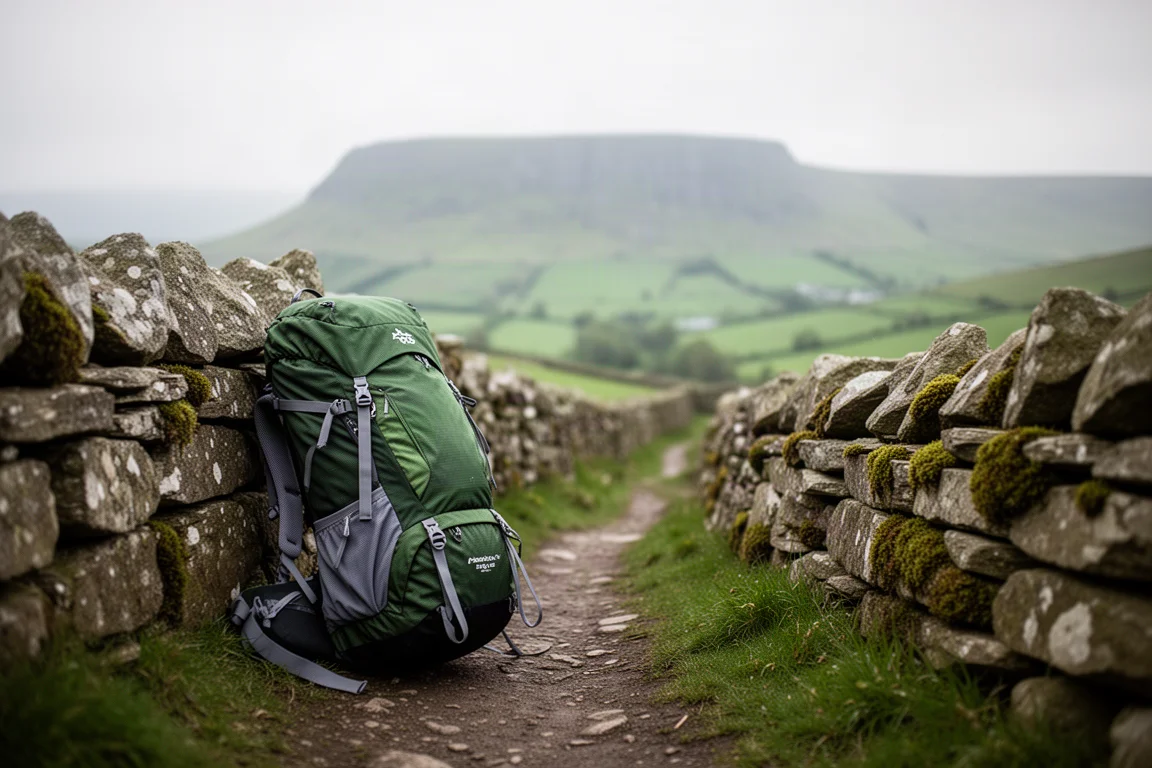
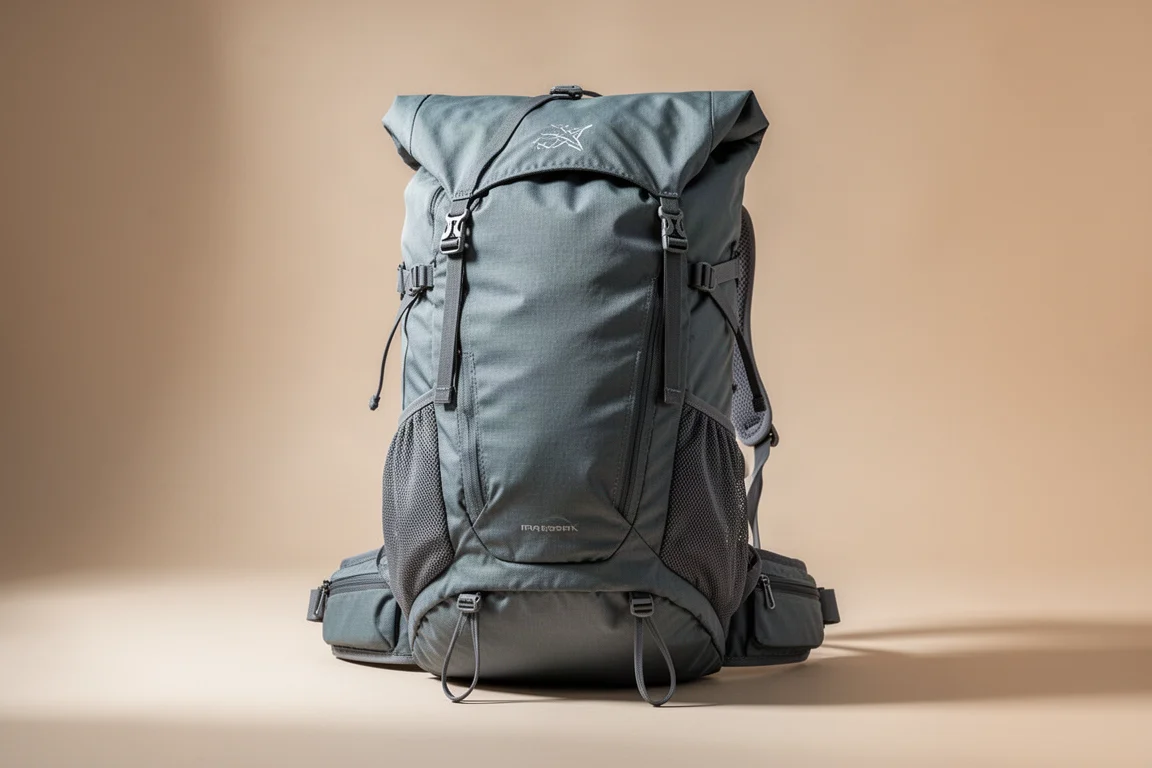
Atom Packs Mo EP50: A Sub-Kilo Pack for Multi-Day Trips
The Atom Packs Mo EP50 is a lightweight backpack that comes in under a kilogram and is built for multi-day trips. It offers quick access to water, plenty of storage, and it is hand-sewn in Cumbria, with the option of having one made to your own measurements. It costs around £300.
That price reflects craftsmanship rather than a mass-market production line. A standard pack from a larger brand will do a similar job for less money, but a custom pack is a different proposition: you are paying for the fit, the features and the fact that it was made by hand in small numbers.
For most multi-day walkers, a pack in this weight class is the single most noticeable upgrade in the whole kit. It sits against your back all day, so comfort, access and how it carries matter as much as the number on the scale.
Soto WindMaster: Where a Few Extra Grams Pay Off
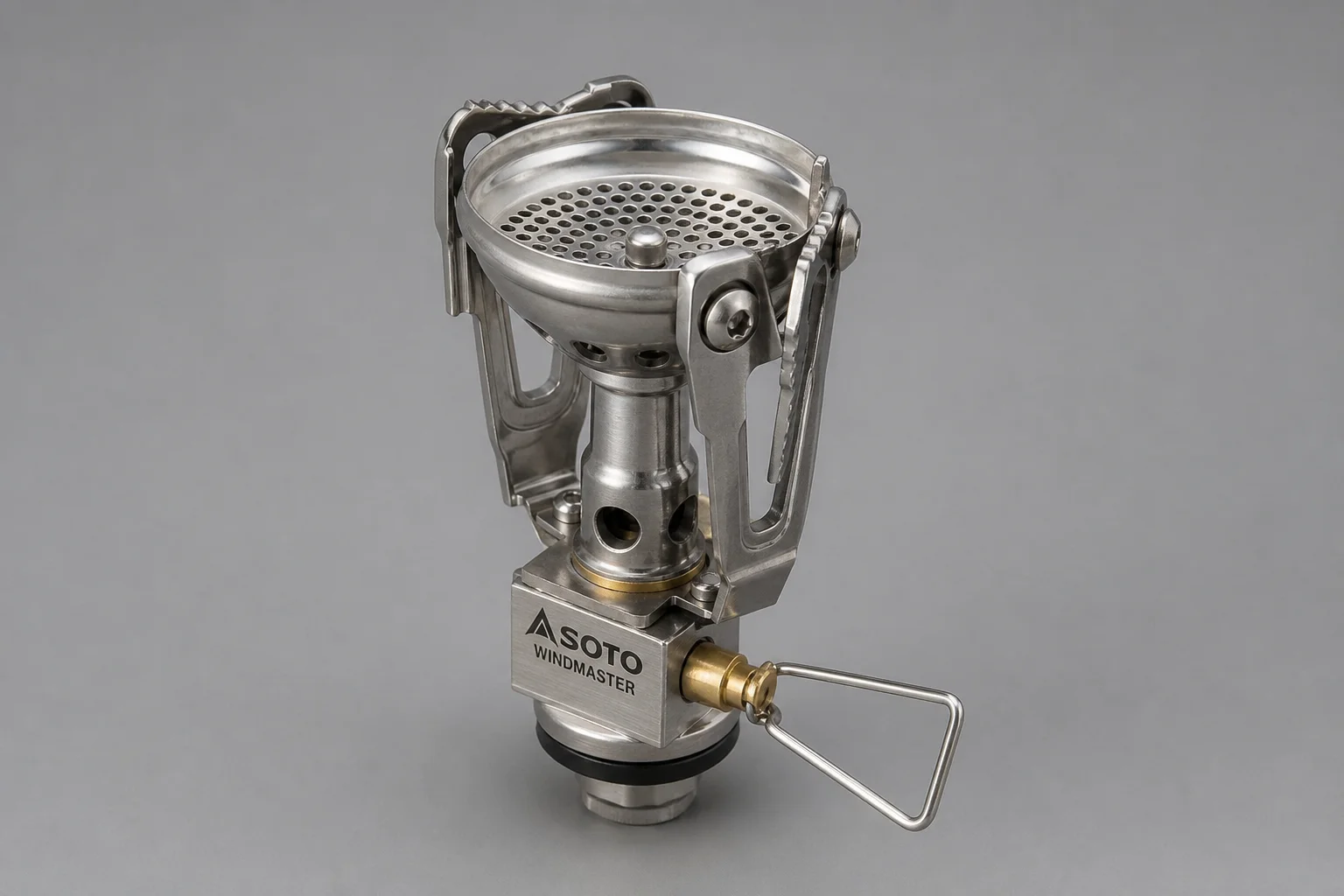
The Soto WindMaster weighs a little more than the lightest canister stoves, often by 50 to 100 g, but it is more efficient, it works far better in windy conditions and it can simmer. For anyone who cooks a proper meal at camp rather than only boiling water, that small penalty is easy to justify.
Stoves are a good example of how personal gear choices are. Some campers accept poor wind performance to save every gram, and if that suits the way they travel there is nothing wrong with it. The point is to know which side of that trade you fall on before you buy.
Buying Advice: Where to Spend Weight and Where to Save It
If you have one budget for lighter gear, spend it on the three heaviest categories: your backpack, your shelter and your sleep system. Those items account for most of the weight in a pack, so improving them has the largest effect. Everything else can stay ordinary.
Price is the other variable. Ultralight gear is expensive because of specialist materials and small-scale manufacturing. Fabrics such as DCF are costly and harder to work with, and many of the lightest shelters and packs come from small workshops rather than large factories. That craftsmanship is real, but it also means you pay a steep premium for the final 100 grams.
Budget options deserve to be taken seriously. Mainstream tents that weigh around 2 kg complete long-distance routes every year, and cheaper packs do the same job as premium ones for most walkers. The sensible approach is to decide which items you genuinely care about, spend there, and accept a little extra weight elsewhere.
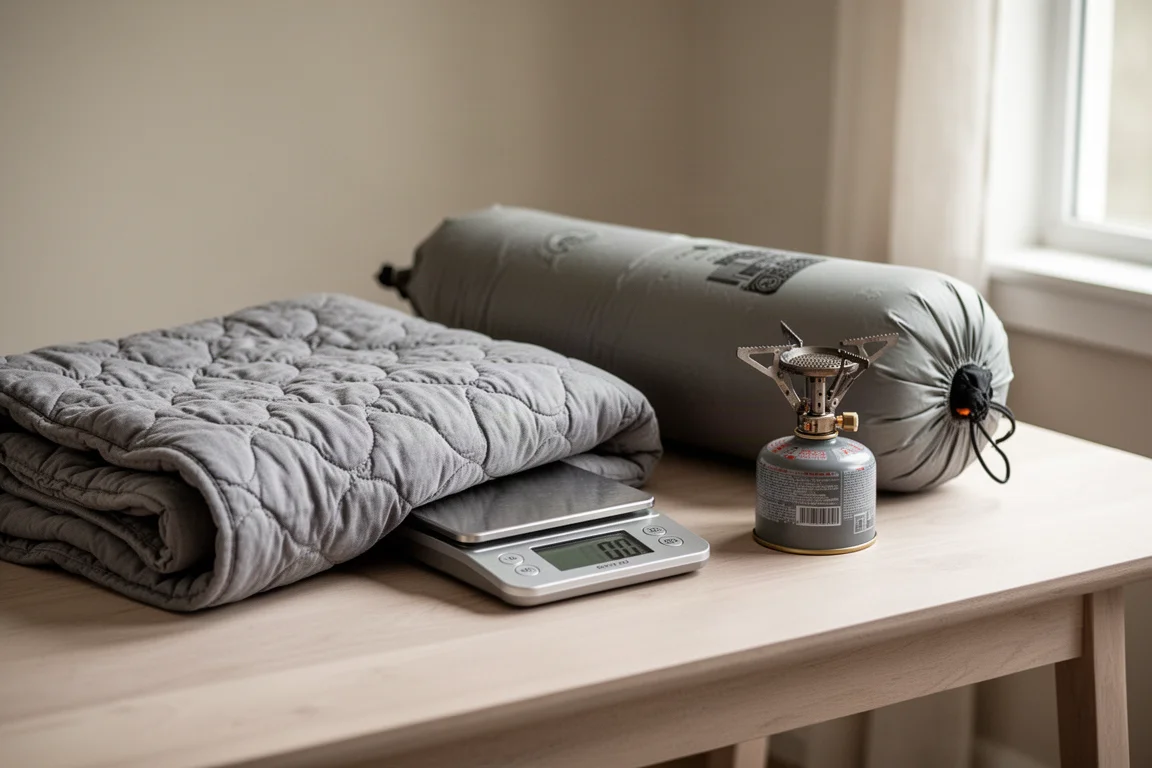
It also helps to audit your kit after a few trips. Make a note of what you never used, and if the same item goes unused two or three times, leave it behind next time. Much of the weight people carry comes from gear packed just in case, and that is the cheapest saving available to anyone.
Finally, be sceptical of seasonal marketing. Every year brings new names and new claims, and a gram saved here or there rarely changes a trip. Gear that fits the walking you actually do will serve you far better than the lightest option on the shelf.
Conclusion
The sweet spot for ultralight camping is personal. The Durston X-Mid Pro shows how little a shelter can weigh, the Terra Nova Solar Photon 2 shows what a modest weight penalty buys in space, and the Sea to Summit Comfort Light and Therm-a-Rest Vesper 0 cover the sleep side of the equation. The Atom Packs Mo EP50 handles the pack, and the Soto WindMaster makes the case for a few extra grams on the stove.
Pick the items you care about most, spend your weight budget there, and keep the rest simple. You will walk further and sleep better than you would by chasing the lowest possible number.
Further reading
Related Reviews
Camping Gear
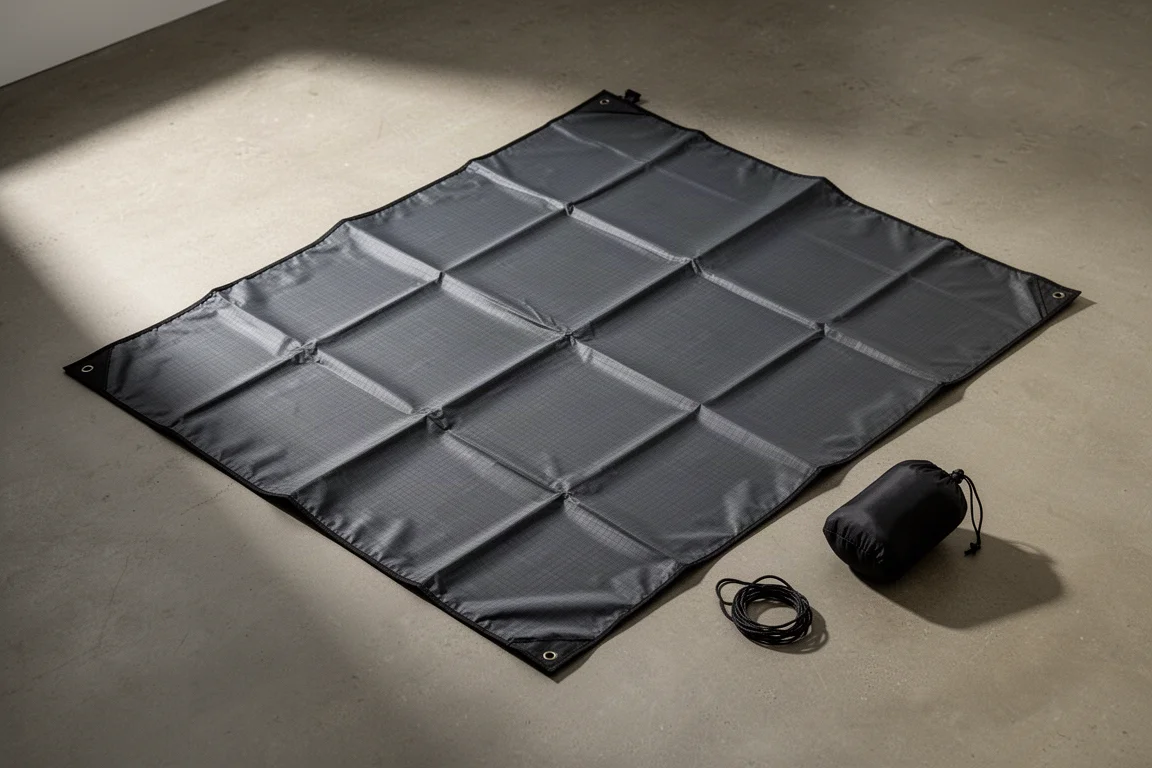
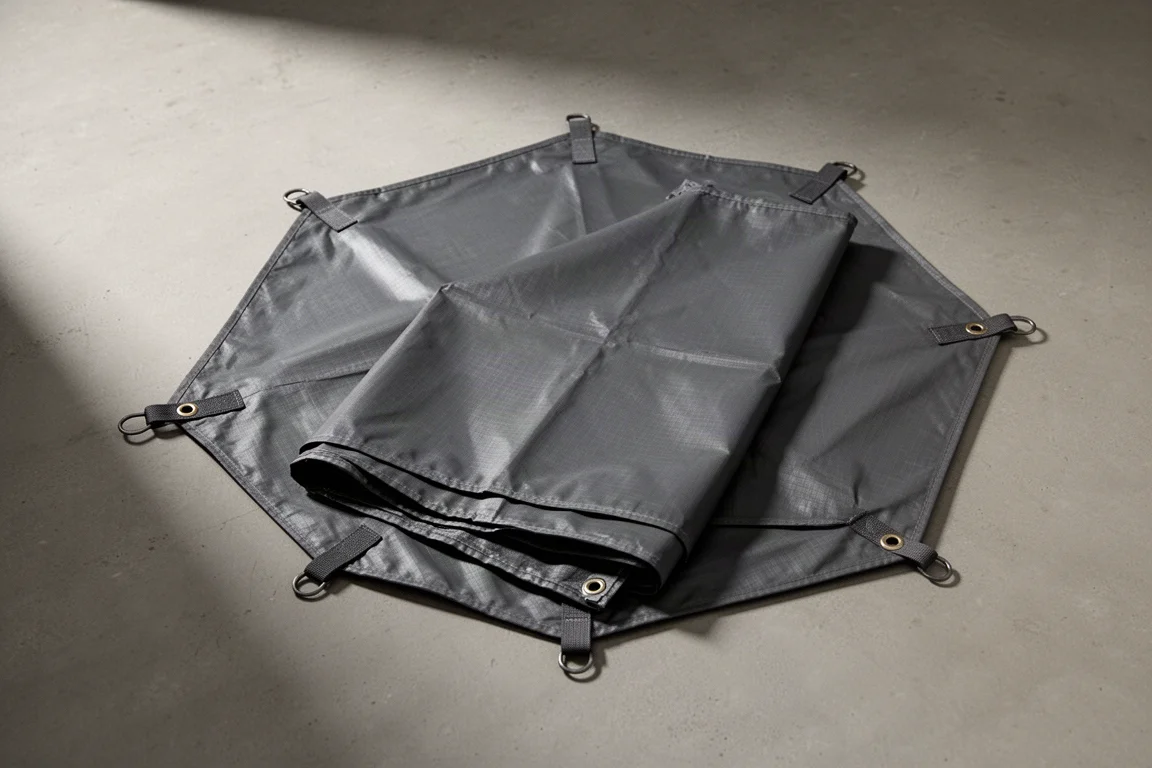
3FUL Ultralight Ground Sheet Review: A Two-Person Footprint Worth Packing
A 6.7 oz two-person ground sheet in ripstop silnylon, priced around $30. Here is what it protects, what it does not do, and who should pack it.
Camping Gear
Backcountry Light Dual-Function Tarp and Floor Review: A Footprint First
A dual-purpose tent floor and tarp that keeps falling rain off you, but cannot block wind. Here is where it works and where it does not.
Camping Gear
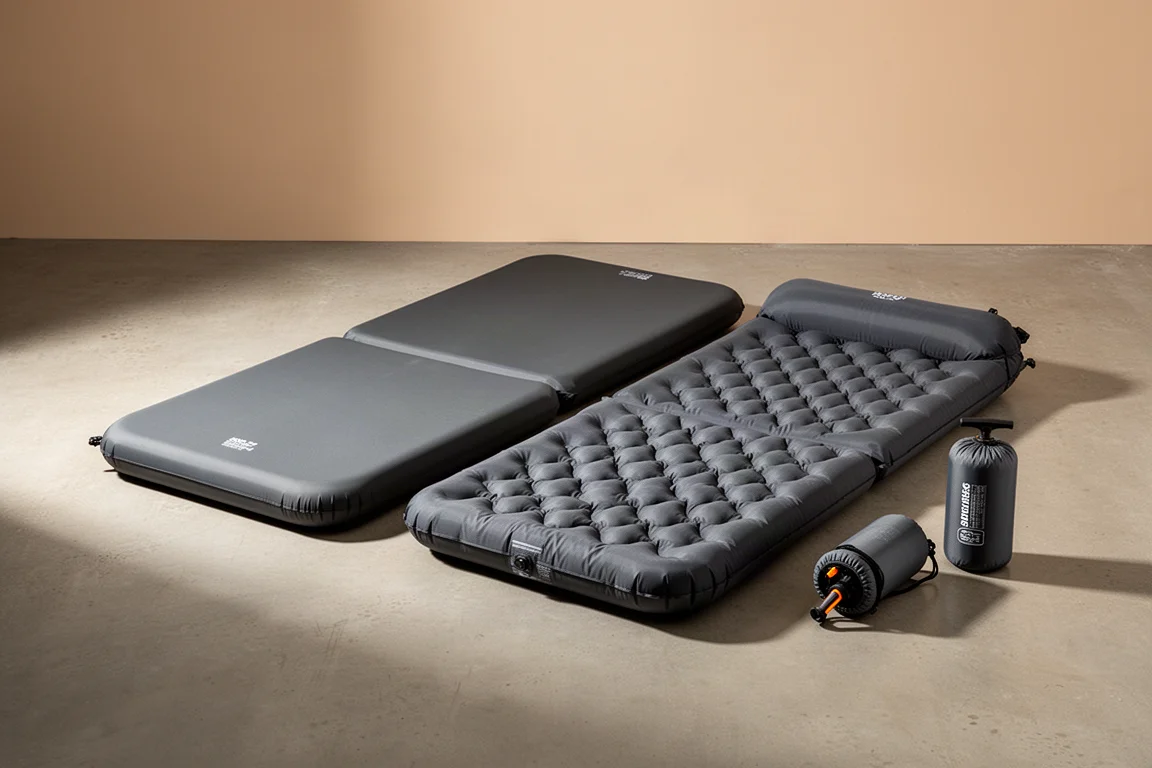
Best 2-Person Camping Mattresses for Couples: 10 Options Compared
A practical comparison of ten two-person camping mattresses, covering self-inflating pads, air pads and air mattresses for couples.