Backpacking Tents
Ultralight Backpacking Tents: Seven Picks for Thru-Hiking and Weekend Trips
A practical look at seven ultralight backpacking tents, from Dyneema single-wall shelters to budget nylon options, and how to match one to the trip you actually take.
Introduction
Ultralight backpacking tents are less a single category than a set of answers to different problems. A weekend shelter, a long-distance thru-hike, a tent shared with a partner and a dog, and a first setup on a tight budget all pull the decision in different directions.
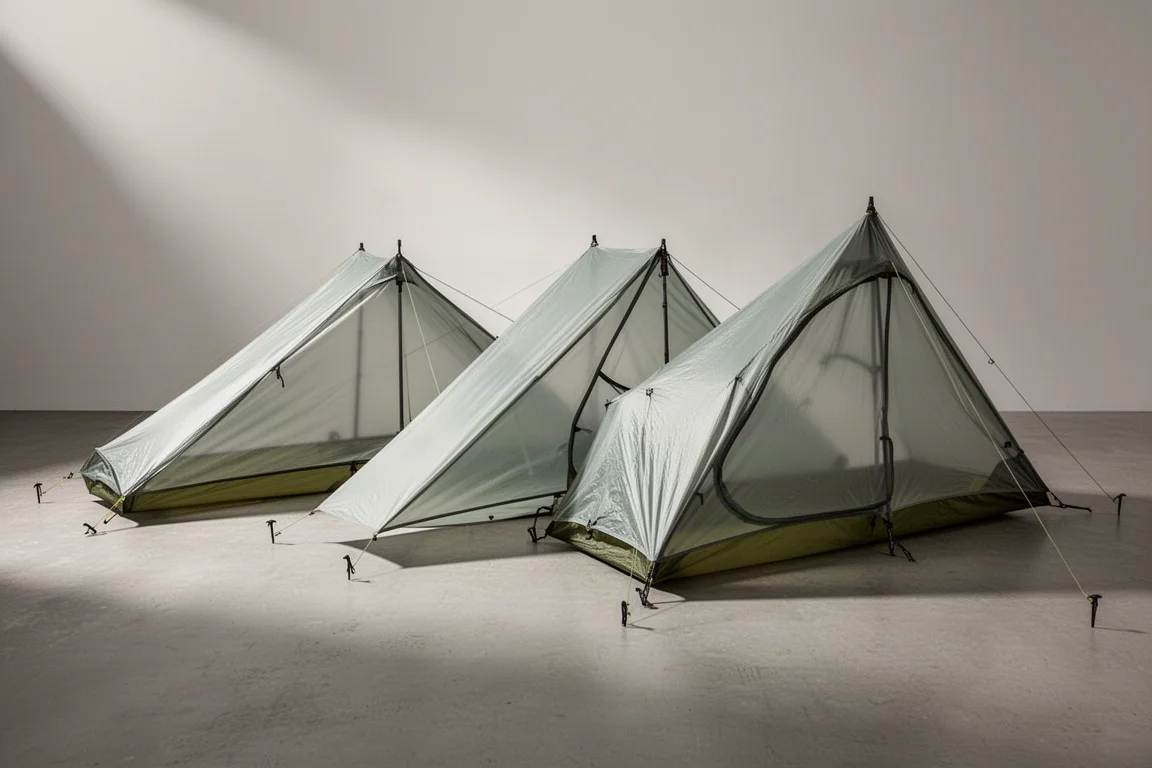
This roundup covers seven shelters: five Dyneema single-wall designs from Zpacks and two nylon options for backpackers watching the price tag. Two of the Zpacks models are no longer sold, and the current replacements for those designs are covered here as well, so the picture stays accurate if you go looking for one of the originals.
What to Look for in an Ultralight Tent
Weight is the headline number, but it is not the only one. The lightest shelters here are single-wall designs built from Dyneema composite fabric, a strong, waterproof material that does not require a ground cloth underneath. Skipping the ground cloth saves weight and removes a piece of gear to think about. Nylon single-wall tents cost considerably less and still keep packed weight low.
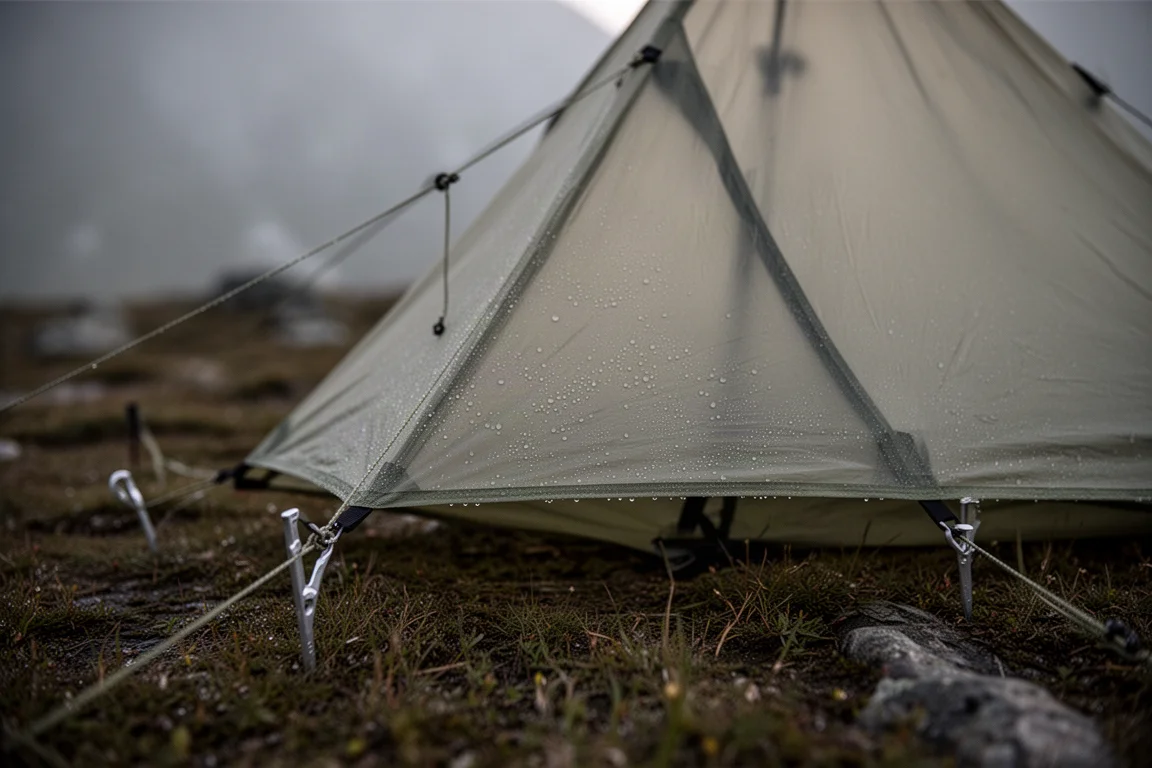
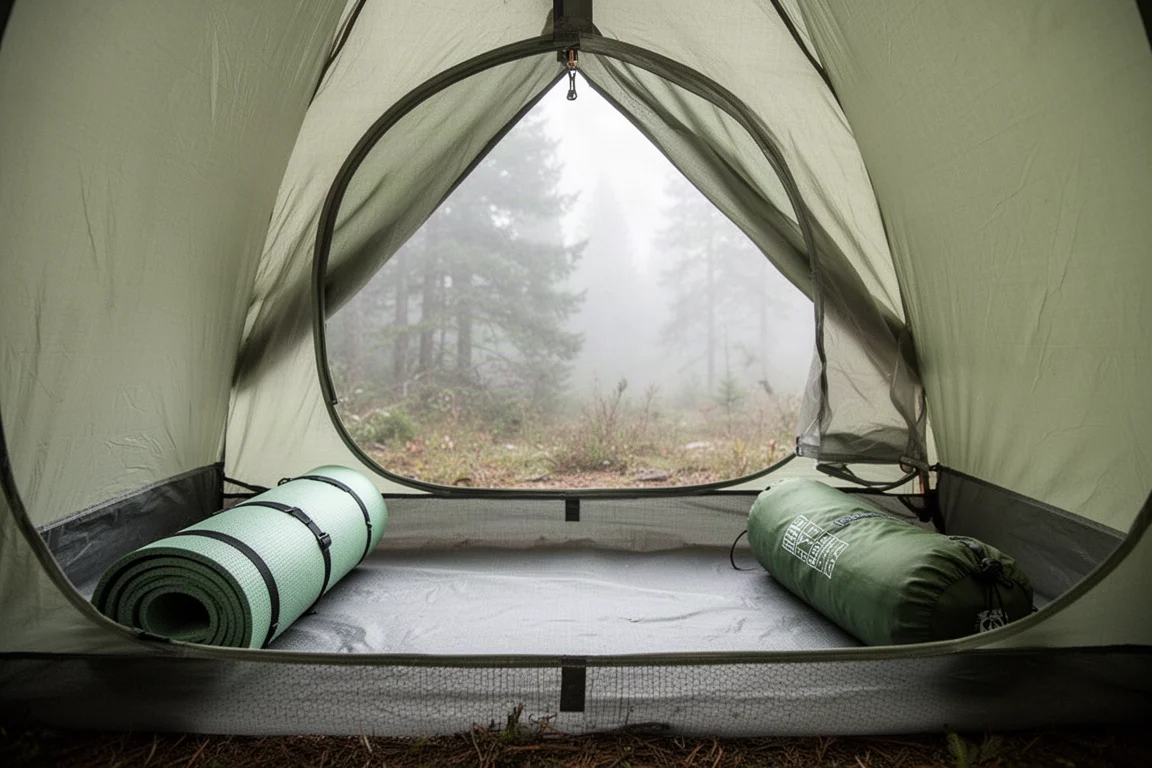
Interior detailing matters just as much. A bathtub floor with a mesh border lets condensation that forms on a single wall run down and pass through the mesh instead of pooling where you sleep. Doors shape daily use: zippered vestibule doors hold the shelter more securely, let less wind through, and reduce the fabric noise that comes with a shelter moving in gusty conditions. Mesh door design, whether a half-moon or an L-shaped opening, changes how easily you get out and whether you need to think about orientation when you pitch.
Pitch style is another fork in the road. The Zpacks shelters covered here rely on trekking poles, though freestanding options with lightweight poles are available from the brand for backpackers who prefer not to depend on their poles. Size is the final call: many solo backpackers carry a two-person shelter for gear room, while two people travelling together often prefer a three-person tent.
There is also a price ceiling to consider. Dyneema shelters sit in a premium band, while nylon tents sit far below it. Neither is automatically the better buy. The real question is how much weight and interior volume you want to trade for money.
Zpacks Duplex Zip: The Proven All-Rounder
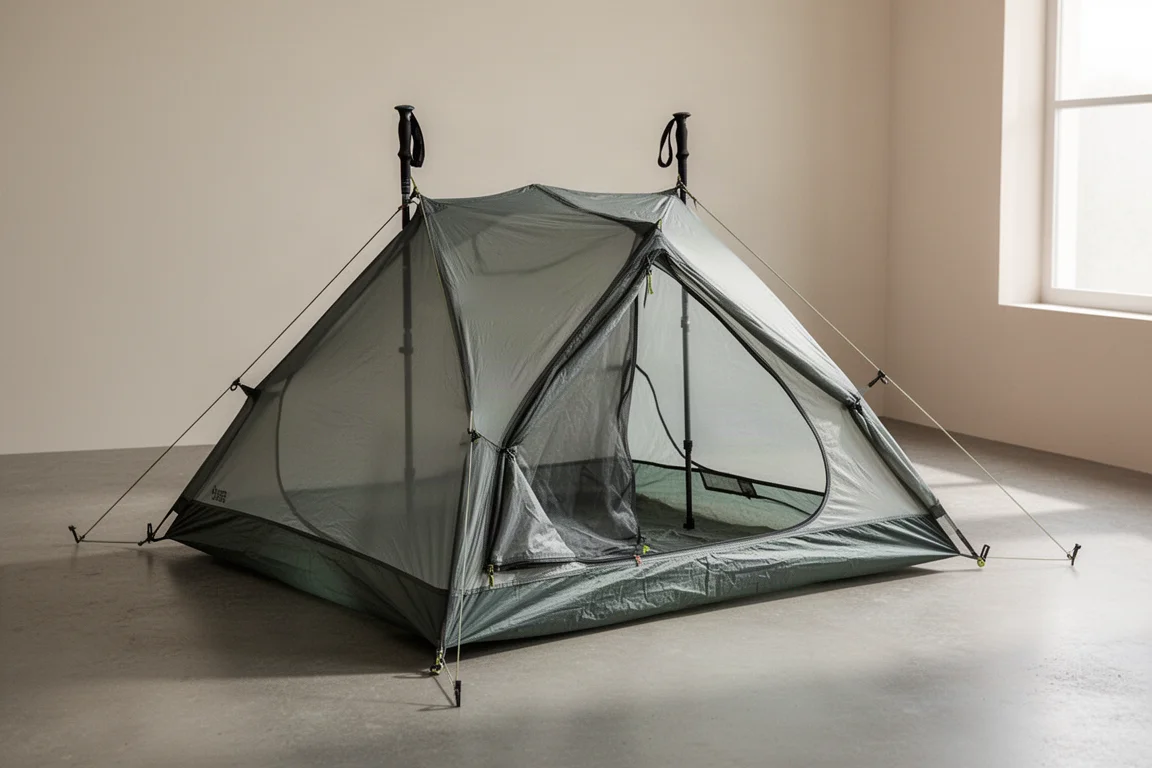
The Duplex Zip is a two-person, single-wall shelter made from Dyneema composite fabric. Like the rest of the Duplex family it has a vestibule and a zippered mesh door on either side, a bathtub floor, and a mesh border around that floor to manage condensation. Most Zpacks two-person designs land just over a pound and comfortably under a pound and a half.
The Zip’s distinguishing detail is its zippered vestibule doors, which replace the bungee cord and plastic clip used on earlier versions. Zipping the vestibules shut holds the shelter more securely, lets less wind through, and cuts down on the noise of fabric moving in wind.
The catch is availability: the Duplex Zip is no longer sold, having been effectively replaced by the Duplex Pro.
Zpacks Duplex Pro: Refined Doors, Same Low Weight
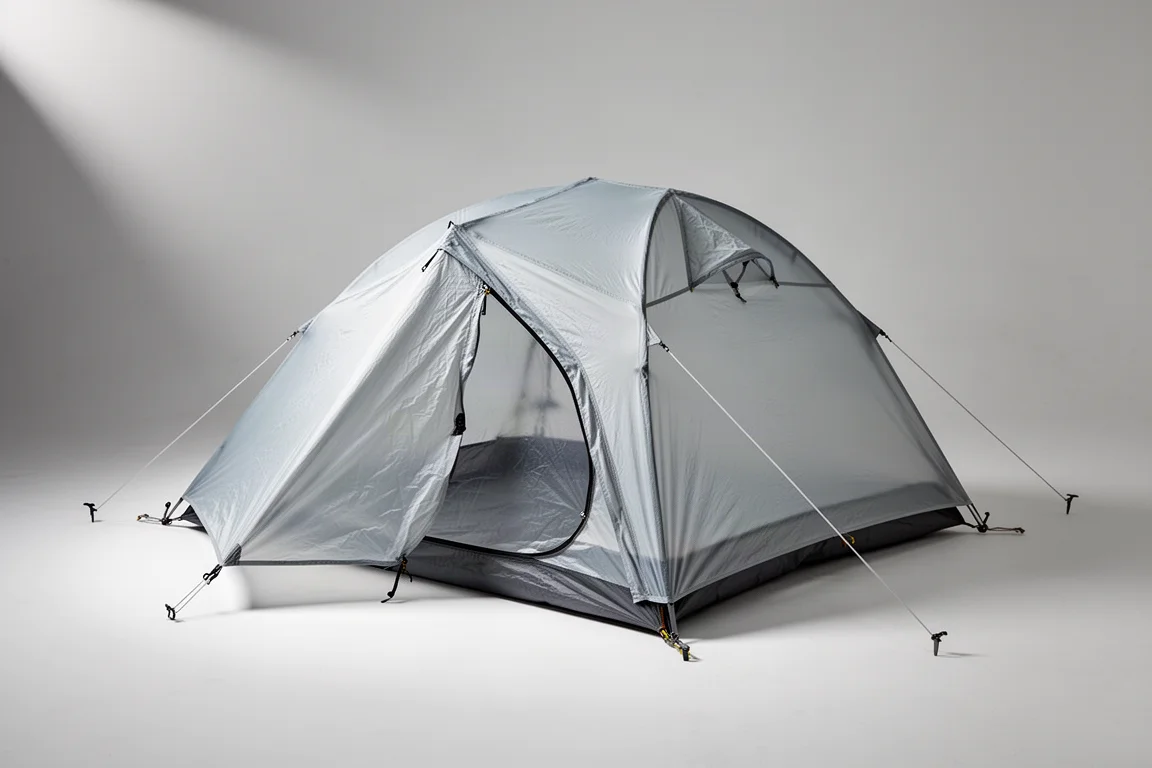
The Duplex Pro carries the same two-person, single-wall Dyneema layout and weighs 19.5 oz. The change that matters most is the mesh doors: double L openings on both sides instead of half-moon doors. That means you can exit from whichever side of the door you prefer, and you no longer have to worry about where the mesh opening sits relative to your head when you pitch.
For backpackers who wanted double L doors on a Duplex-style shelter, this is the model that delivers them.
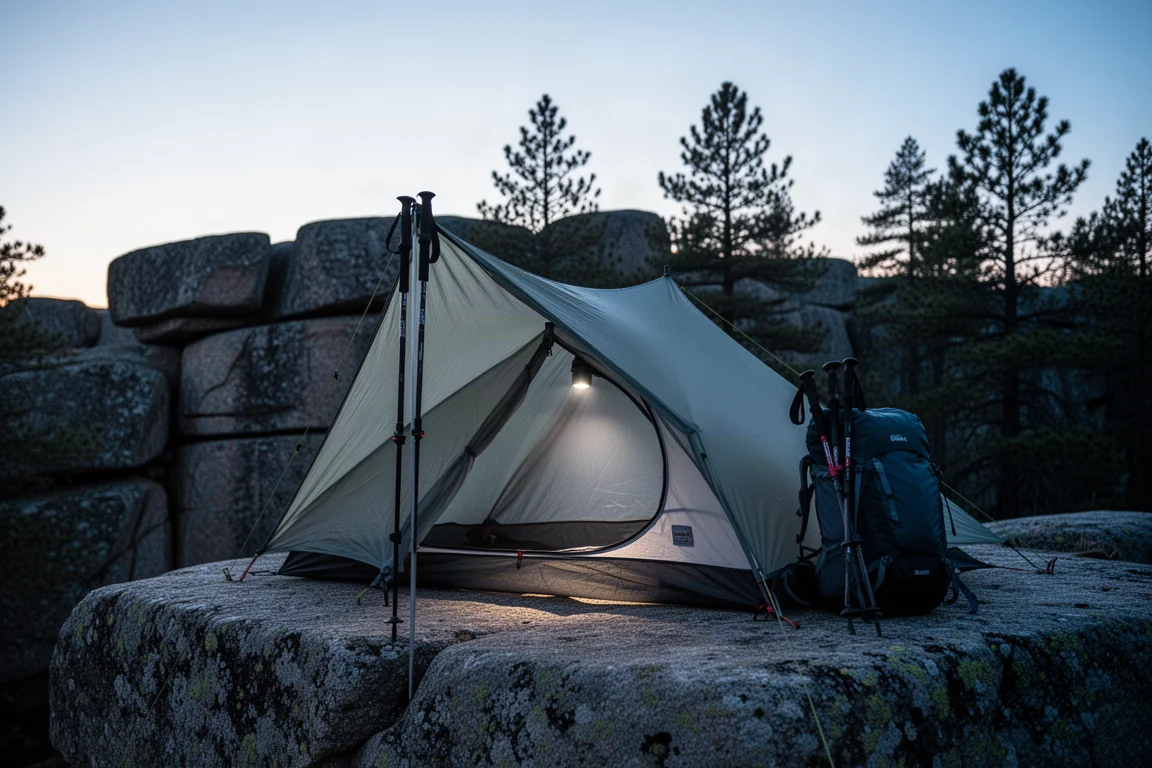
It is the closest current equivalent to the Duplex Zip, and for most trips it is the straightforward pick in the Zpacks two-person range.
Zpacks Duplex L: Extra Length for Taller Hikers
The Duplex L takes the standard Duplex design and adds head and leg room. Taller backpackers get more space to stretch out, and there is less chance of a sleeping bag pressing against a damp tent wall overnight. It keeps the same Dyneema construction, bathtub floor and mesh border as the rest of the family.
Like the Zip, the Duplex L is no longer offered for sale. The Duo Pivot is the model that has taken its place.
Zpacks Duo Pivot: More Head and Foot Space
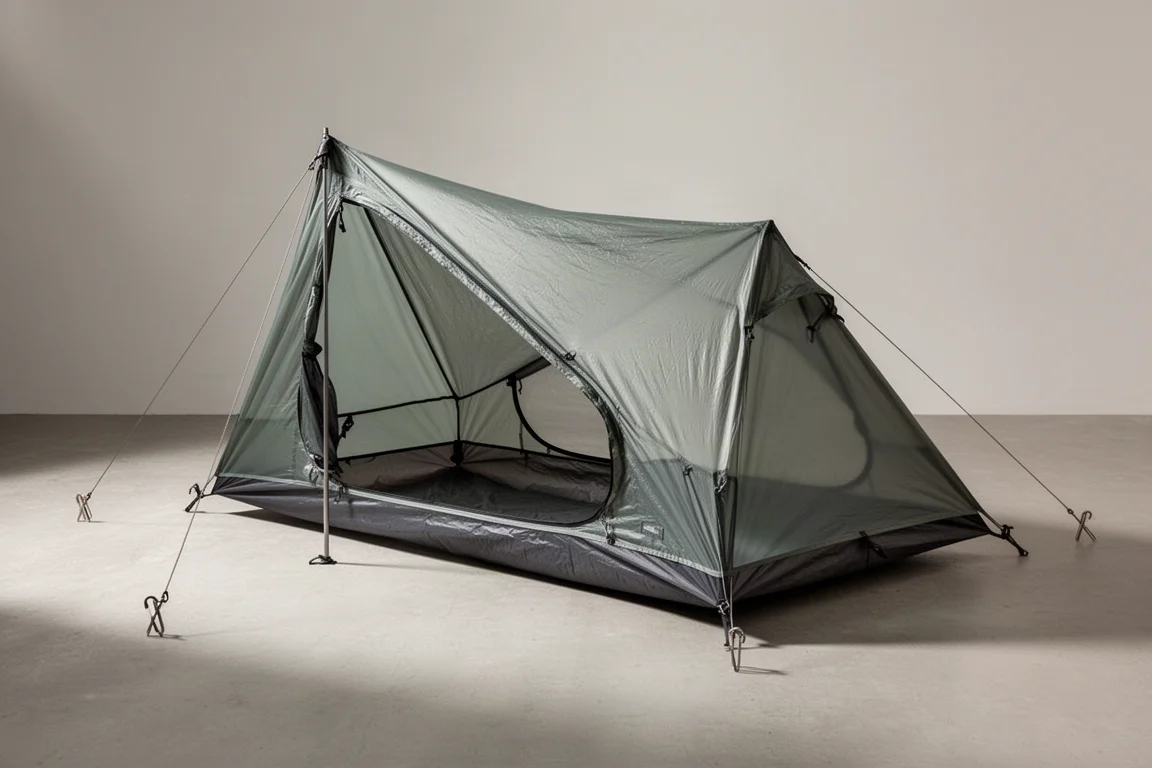
The Duo Pivot sets up with a separate short pole, roughly 32 in, that lifts one side of the shelter and creates noticeably more head or foot space depending on how you orient the tent. It has zippered vestibules, weighs 18.6 oz, and is priced at $849.
The mesh doors are single L openings on each side, so orientation deserves a moment’s thought: decide whether you want your head or your feet at the pole-supported end before you stake it out. The extra interior volume is the reason this shelter is the stronger choice when condensation is likely to be a bigger concern on a trip.
Compared with the Duplex L it replaces, the Pivot is the more successful attempt at opening up interior space.
Zpacks Trio Pivot: Maximum Room for Two Plus Gear
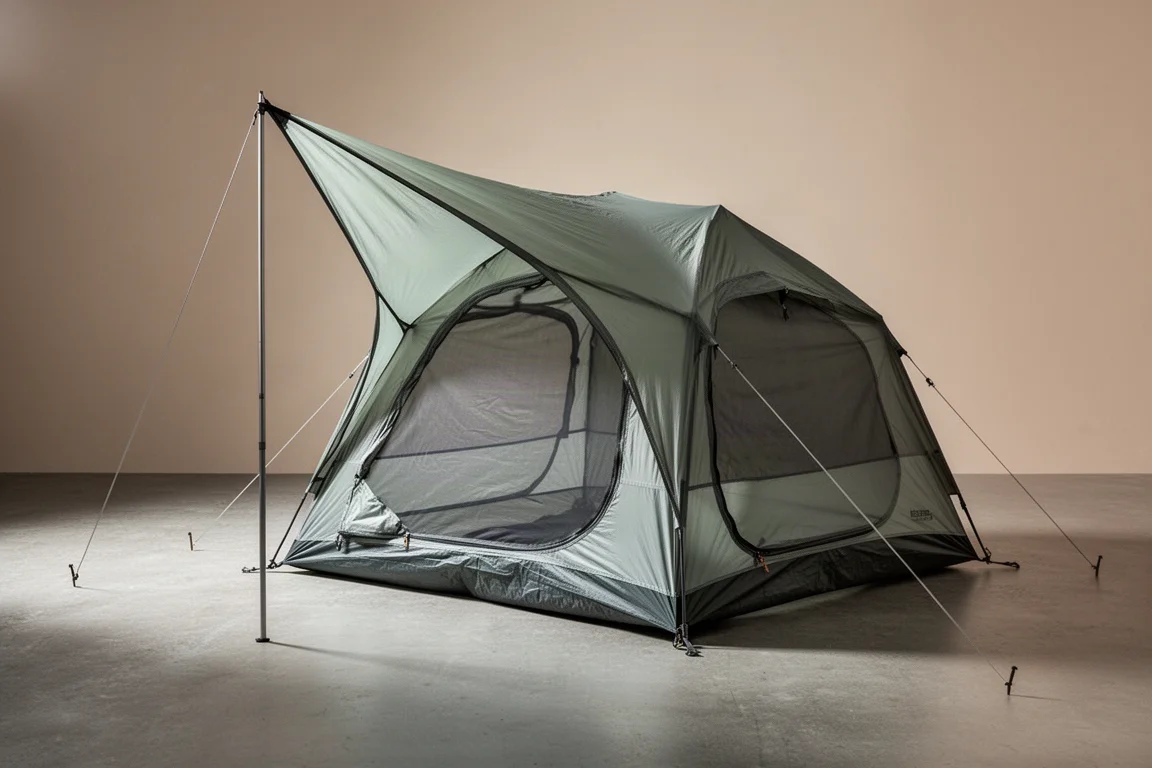
The Trio Pivot is essentially a Triplex with substantially more head or foot space, and it reads as a larger version of the Duo Pivot. It is a three-person single-wall shelter built from Dyneema, with a vestibule on either side, a bathtub floor with a mesh border, and a support pole that props up one side for extra room.
This is the roomiest ultralight shelter in this roundup, and it suits two people with a dog or a toddler comfortably. For a solo backpacker it is more space than needed, though it would be a genuinely luxurious way to travel. It requires trekking poles to pitch, and its mesh doors are single L openings on each side.
Lanshan 2 Pro: The Budget Standby
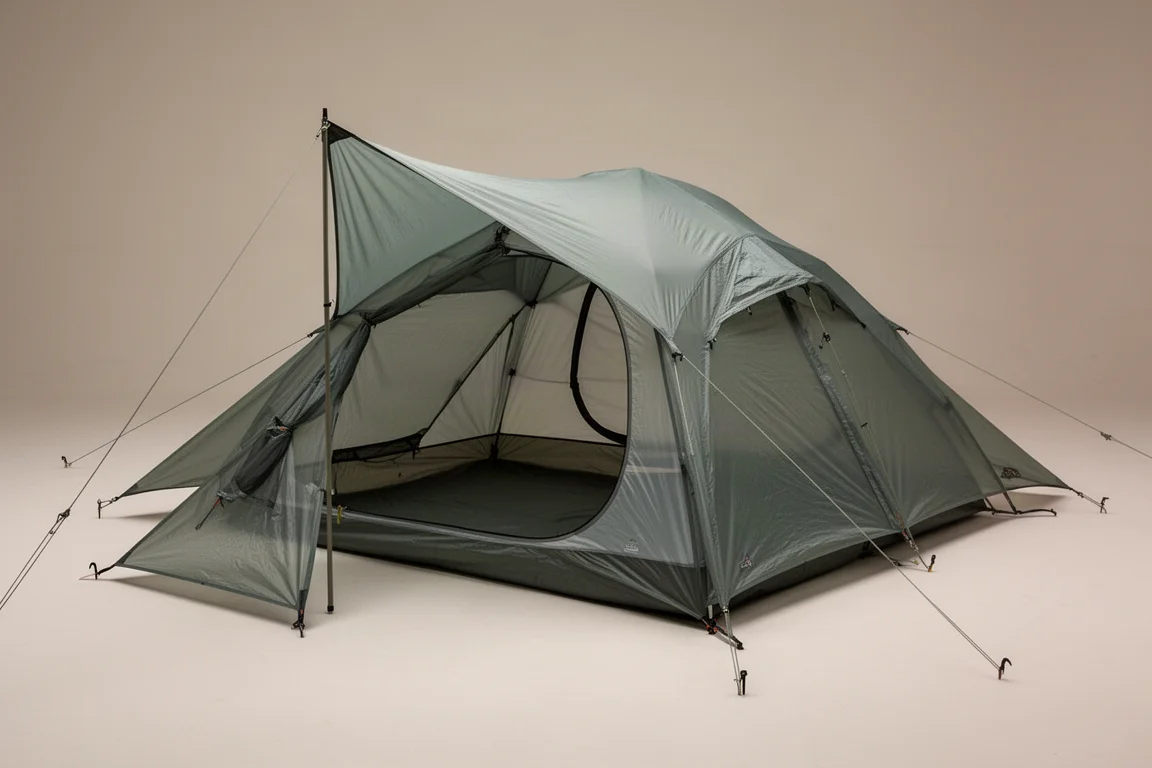
The Lanshan 2 Pro has long been the default budget recommendation for a two-person backpacking tent. It weighs 2 lbs and costs $190. It is not as budget friendly as it once was, but it remains a low-cost way into ultralight backpacking.
Gossamer Gear The Two: A Lighter Budget Alternative
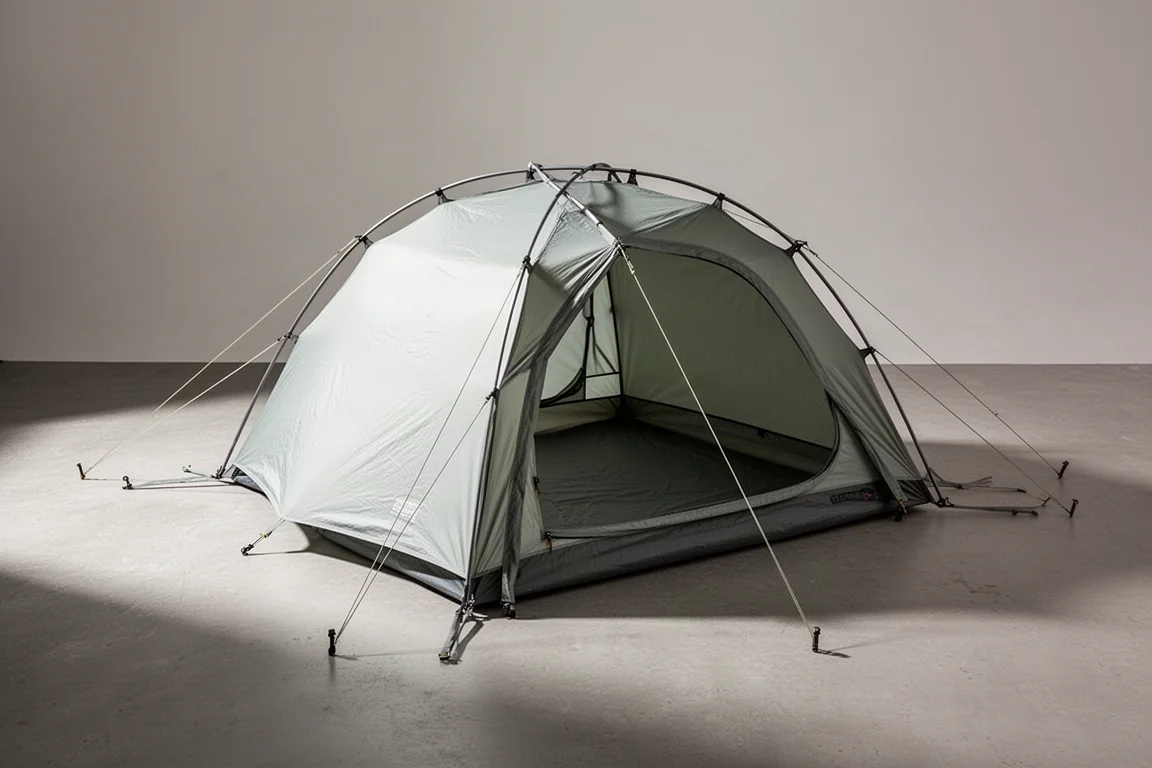
Gossamer Gear The Two is a two-person, single-wall nylon tent that weighs 24 oz, about half a pound less than the Lanshan 2 Pro, and it is currently listed at a sale price of $224. That works out to roughly $30 more than the Lanshan 2 Pro for a lighter shelter.
Buying Advice: Matching a Tent to Your Trip
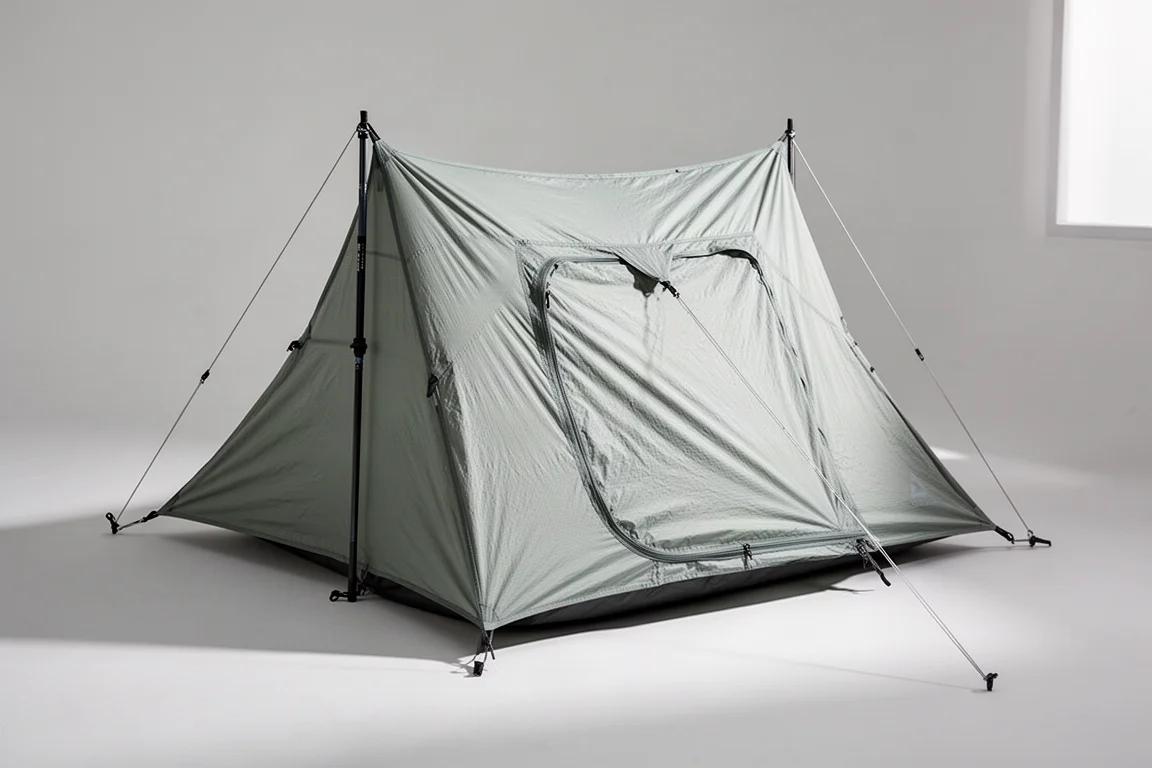
Start with how you travel. A solo backpacker who wants room for gear is usually better served by a two-person shelter, while two people travelling together will appreciate a three-person tent, especially with a dog or a small child in the mix. Taller sleepers should look at the models with added head and foot space rather than a standard-length design.
Then weigh conditions. More interior volume helps on trips where condensation is likely to be a bigger issue, and it also keeps a sleeping bag away from a damp wall. Drier, more forgiving conditions put less pressure on that decision.
Finally, be realistic about budget and availability. Dyneema shelters cost meaningfully more than nylon ones, and two of the Zpacks models covered here are no longer sold, so shoppers who want that style of shelter should plan around the Duplex Pro and the Duo Pivot instead. If price is the priority, the Lanshan 2 Pro and Gossamer Gear The Two are the practical entry points.
The deciding question is usually simple: how much weight are you willing to carry, and how much interior space do you want when you get there? Answer that, and the shortlist tends to sort itself out.
Conclusion
Seven tents, four clear use cases. A Dyneema two-person shelter with double L doors for most trips, a roomier pivot design for taller sleepers and condensation-prone conditions, a three-person option for two people plus a dog or a toddler, and two nylon tents for backpackers who want to keep the cost down. Match the shelter to the trip and to the price band, and any of these will do the job it was built for.
Further reading
Related Reviews
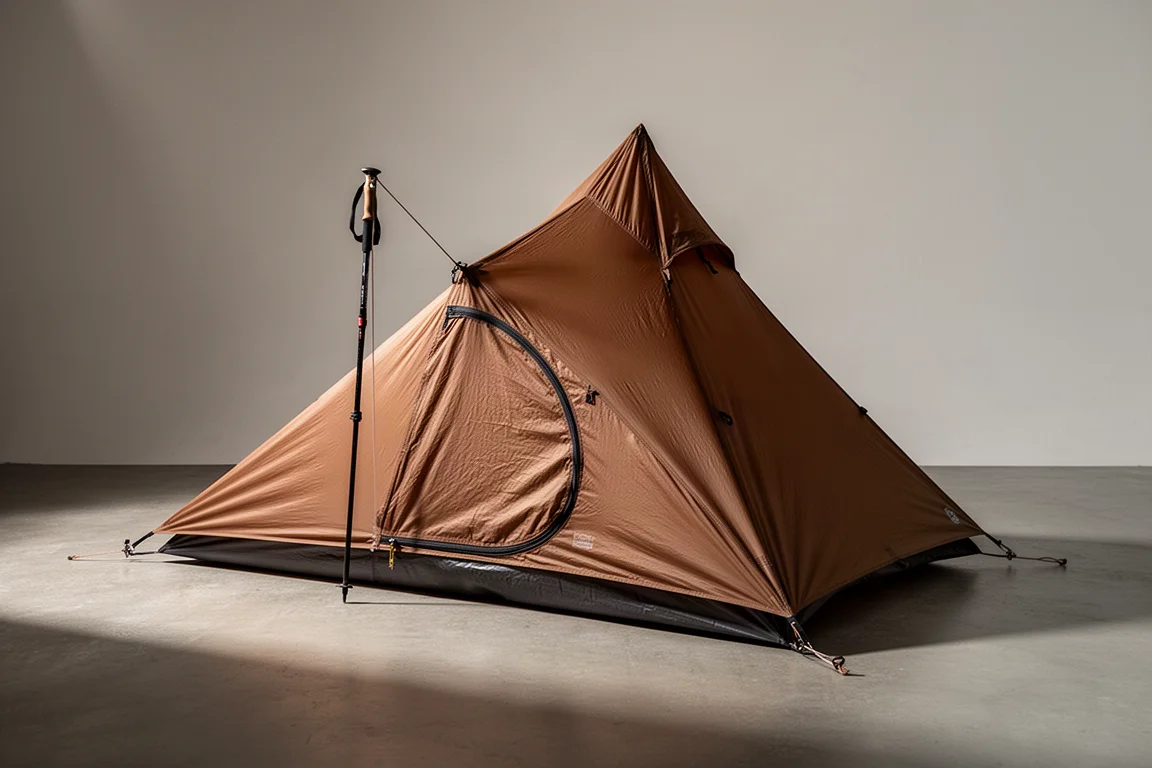
Backpacking Tents
3F UL Lanchan Pro 1 Review: A 1 lb 8 oz Single-Wall Trekking Pole Tent
A practical look at the 3F UL Lanchan Pro 1, a single-wall trekking pole shelter with a 1 lb 8 oz weight, 20D silnylon fabrics, and a roomy 90 x 31 x 49 inch interior.
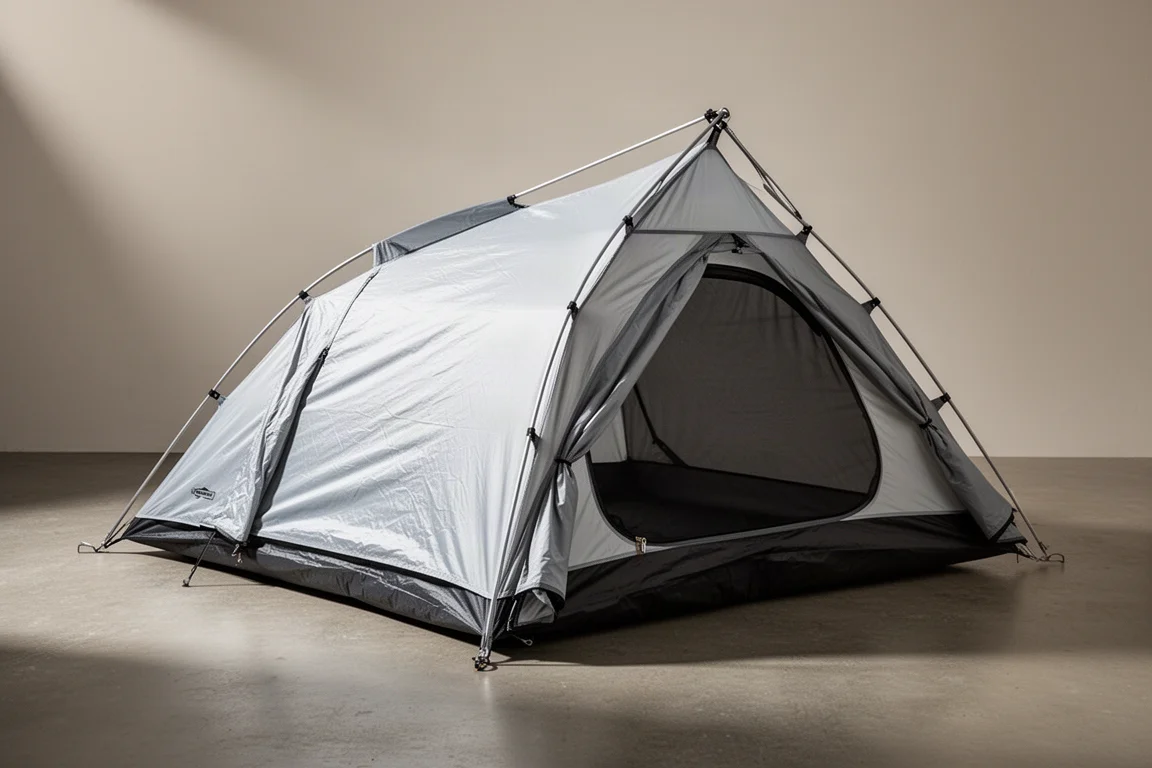
Backpacking Tents
3F UL Taiji 2-Person Tent: A Convertible Backpacking Shelter Worth a Closer Look
A practical look at the 3F UL Taiji two-person tent, covering its materials, true two-person interior, fly-first pitching, and the seasonal inner swap that lets one shelter cover more of the year.
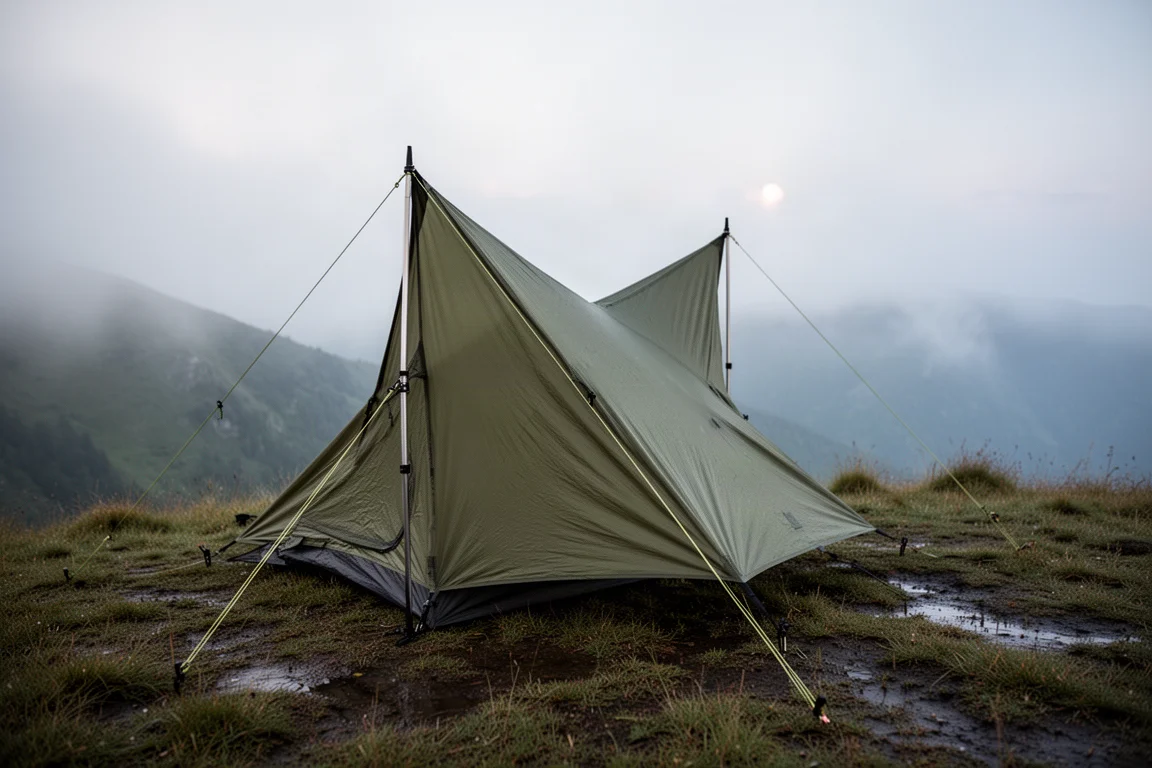
Backpacking Tents
3FUL Lanshan Twoerson Pro Review: A Light Trekking Pole Shelter That Struggled in Rain
A two-person trekking pole shelter with a 2026 redesign, pitched with sticks and put through a night of steady rain. Here is what worked, what did not, and what to check before buying.