Outdoor Gear
Ultralight Backpacking and Training Gear: Nine Picks Worth Testing
Nine pieces of outdoor and training gear, from a 948 g freestanding tent and a $75 pad rated at R 6.2 to an open trap bar and an off-road scooter, with the trade-offs that matter before you buy.
Introduction
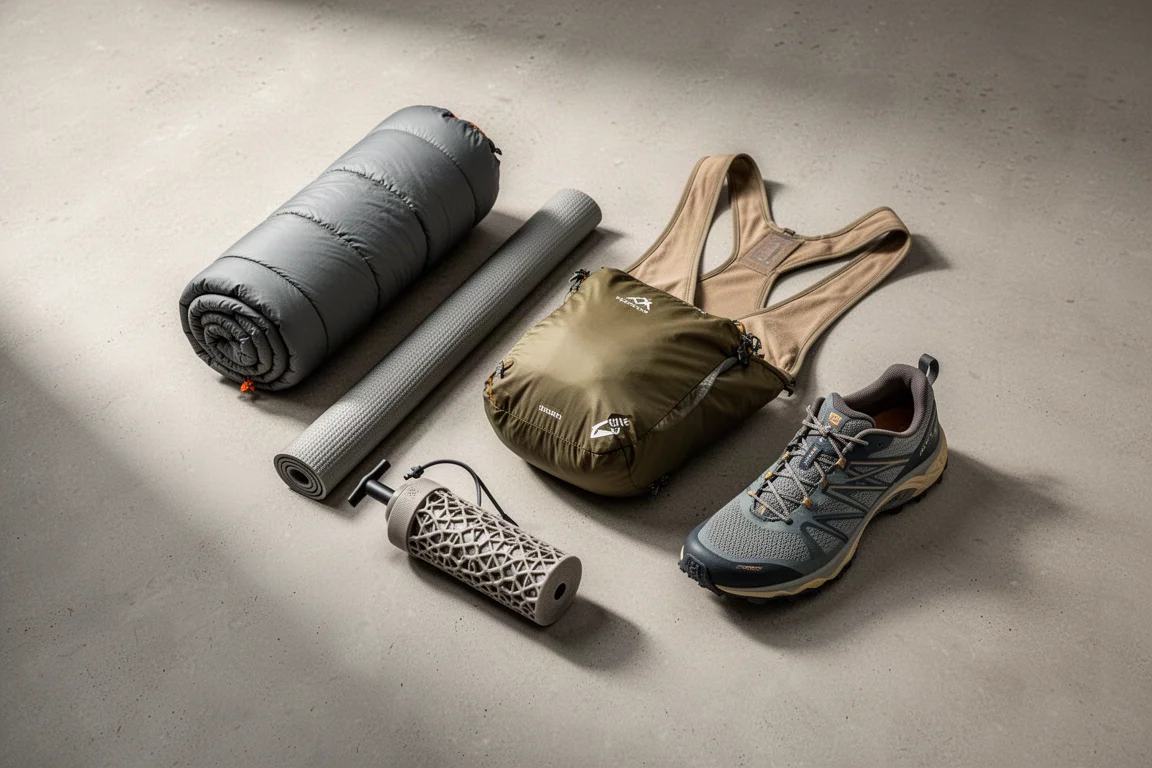
Some gear earns a place in a pack because it solves a specific problem: weight, warmth, wind, or the friction of setting up camp at the end of a long day. The nine items below cover that range, from a freestanding one-person tent that weighs under a kilogram to a $75 sleeping pad with an R value of 6.2, and a nine-gram pump that removes one of the least enjoyable chores in ultralight camping. There is also a piece of home gym equipment and an off-road scooter that changes how you cover the boring approach miles.
Not every item here is a clear win. Some carry real compromises, and one has limits that make it a niche tool rather than a universal upgrade. Each entry below covers what the product is designed to do, what stands out, and what to check before spending money.
How These Picks Were Chosen
The selection favors gear with a clear purpose rather than gear that simply looks good on a spec sheet. The priorities were weight where weight matters, warmth backed by a real testing standard, and designs that reduce fiddling at camp or in the gym.
Durability claims are treated carefully. Where a product’s long-term wear is still unproven, that is stated plainly rather than assumed. Where a company publishes test data, the standard used to produce that data is noted, because a number without a method is not worth much.
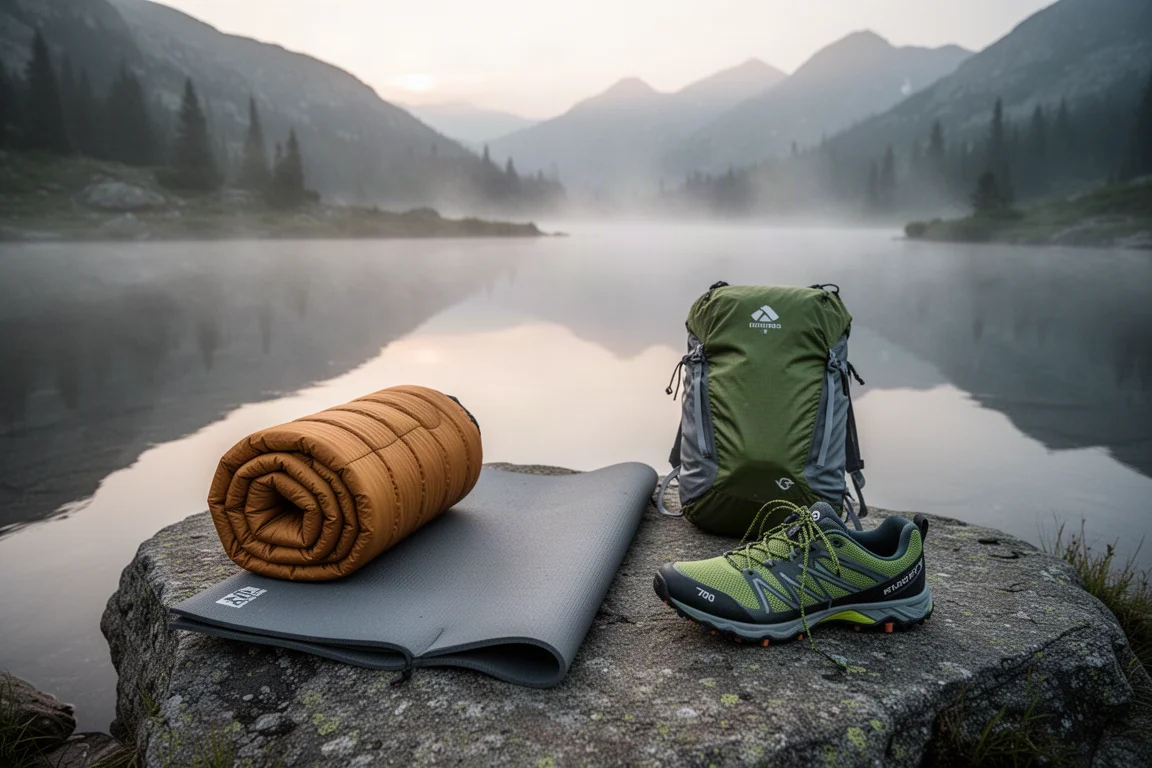
Several of these products come from smaller makers rather than large brands, which often means more focused design decisions and fewer compromises made for mass appeal.
Hoka Speedgoat 6: Comfort and Grip for Long Trail Days
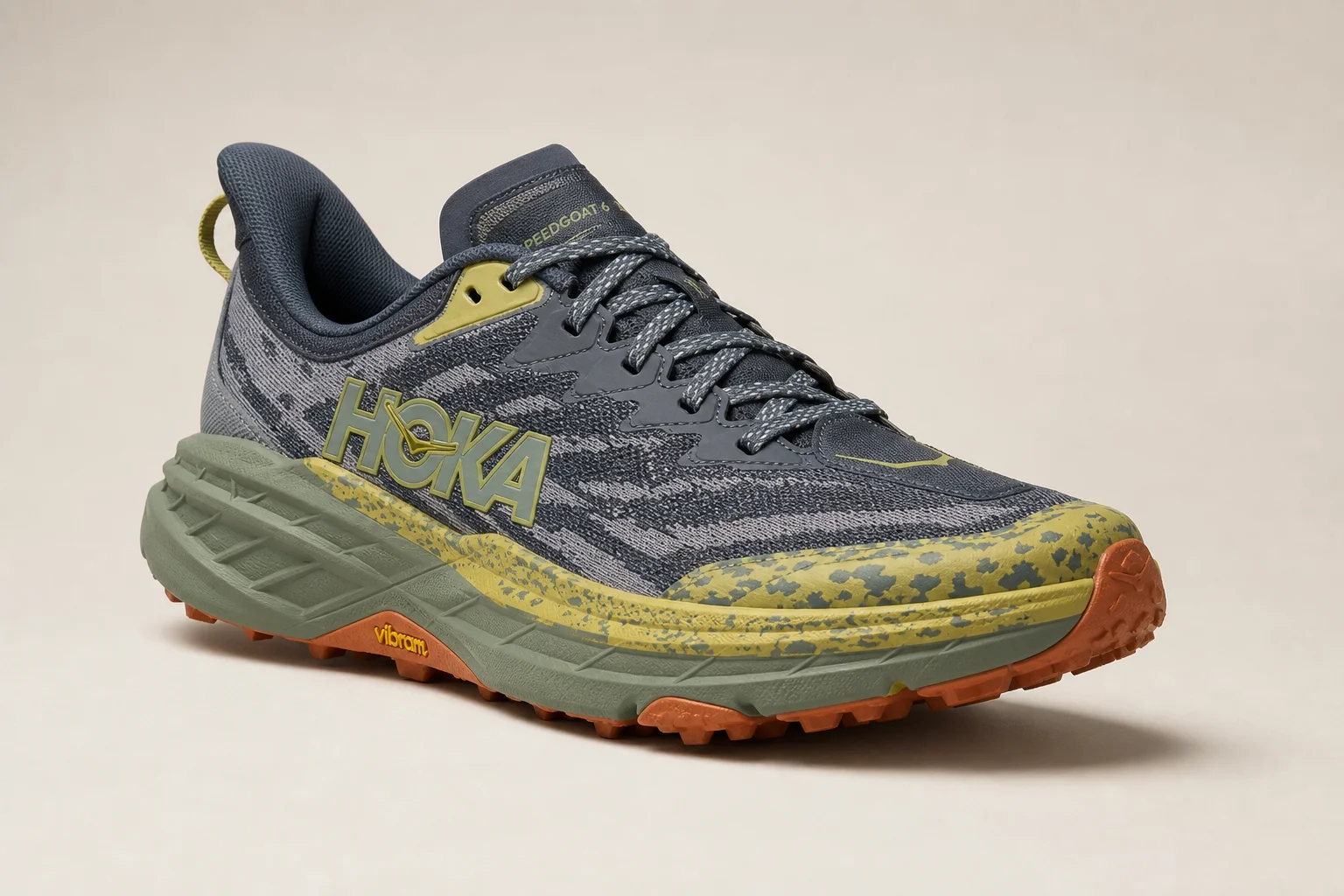
The Speedgoat line has been a reference point for long-distance trail running, and the sixth generation keeps the formula that made it popular: a Vibram Megagrip outsole for traction on mixed terrain, a tall stack height for cushioning over long days, and a heel that holds the foot securely while leaving room across the front of the shoe.
The most meaningful change is the upper. Hoka redesigned it to be more durable and to accommodate a wider range of foot shapes, so runners with a slightly wider forefoot should find more room than before, particularly in the wide version. The previous generation was known to press on the little toe and to wear prematurely in that area, so the redesign targets a genuine complaint rather than a cosmetic refresh.
Two things remain open questions. Upper durability and midsole resilience only reveal themselves over hundreds of miles, and the midsole on the previous version was known to pack out and leave the foot working harder. Buyers who log serious mileage should expect to judge those qualities for themselves.
Zpacks Super Nero: Frameless Carry With Vest-Style Shoulder Straps
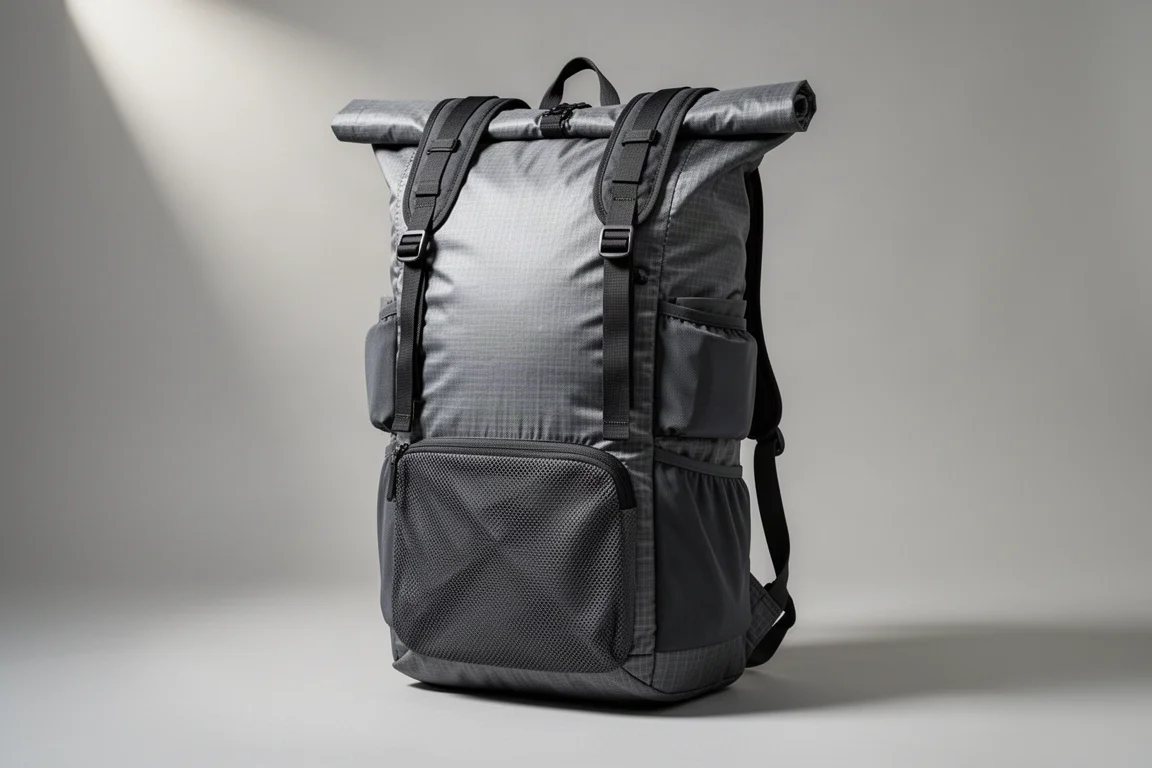
The Super Nero is a frameless pack built around vest-style shoulder straps, a first for the brand. Vest straps spread load across the shoulders and chest instead of concentrating it on the trapezius muscles, which makes them comfortable with heavier loads and reduces the case for a hip belt on ultralight trips.
Width is the other advantage. Wider straps create space for pockets, and this pack has three on each side: a long pocket that fits a water bottle or bear spray, a smaller front pocket for snacks or sunscreen, and a zippered pocket for keys or a phone. That layout keeps essentials reachable without stopping to take the pack off.
The rest of the design is conventional in the best way: side water bottle pockets that are easy to reach, a large front mesh pocket, bottom straps that can carry a chair, and a roll top that adjusts to load size. Hip belt options include a one-inch webbing belt, a padded belt, or no belt at all. Unused attachment points on the shoulder straps suggest the vest system will spread across the brand’s wider line.
Two issues are worth noting. The stretch shoulder pockets lack a top cinch, so items can shift or bounce, and a water bottle can fall out when bending over. A drawcord or a cinch over the top of those pockets would solve both problems.
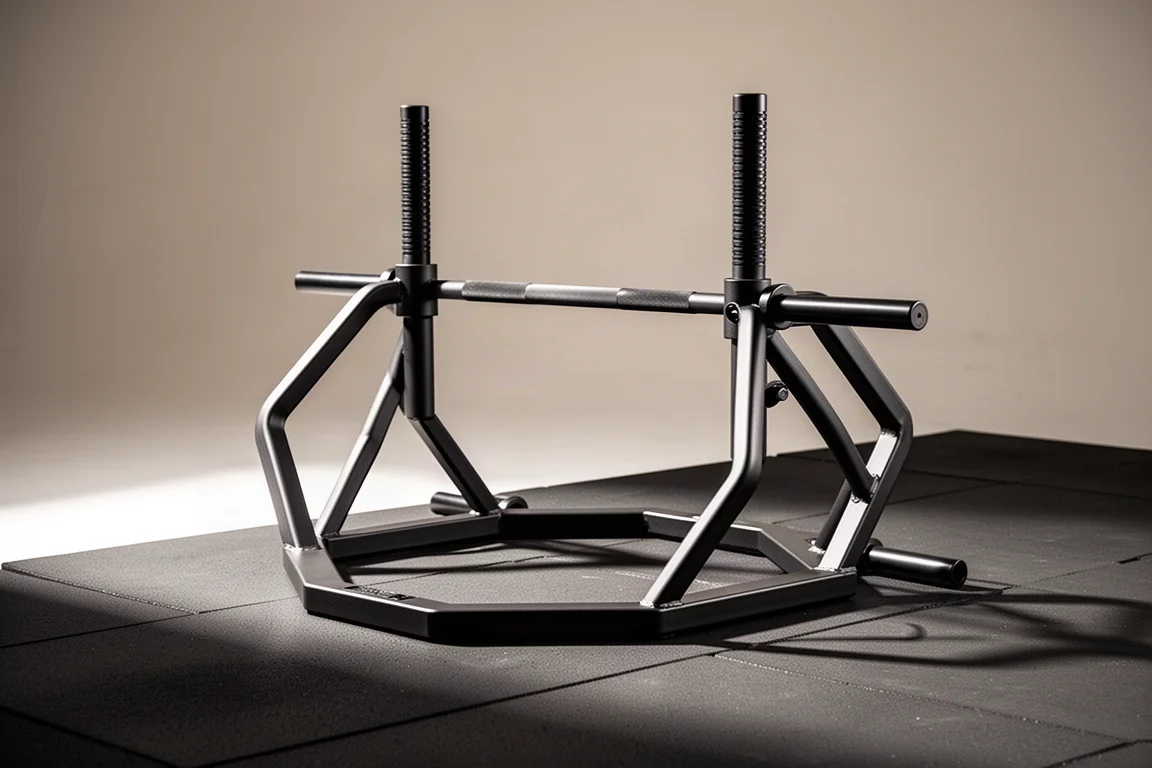
Bells of Steel Open Trap Bar: Better Deadlift Mechanics at Home
An open trap bar changes how a deadlift feels. Standing inside the bar removes the need to reach forward, and the vertical hand position is easier on the wrists and shoulders than a straight bar. Stance and hip position then decide the emphasis: a more upright setup loads the quads, while a position closer to a conventional deadlift shifts the work to the posterior chain.
Loading is simpler too. The bar rolls onto its own legs so plates slide on without a jack or a second pair of hands, which matters once the weight gets heavy. Open trap bars are also associated with a lower injury risk than a traditional barbell for deadlift variations, a meaningful consideration for anyone who wants to keep pulling while managing old injuries.
Bells of Steel positions its equipment as high quality at a fair value, and the trap bar is the centerpiece of a home gym built around that idea.
Nemo Dragonfly 1P: A Light Freestanding Shelter for Tight Sites
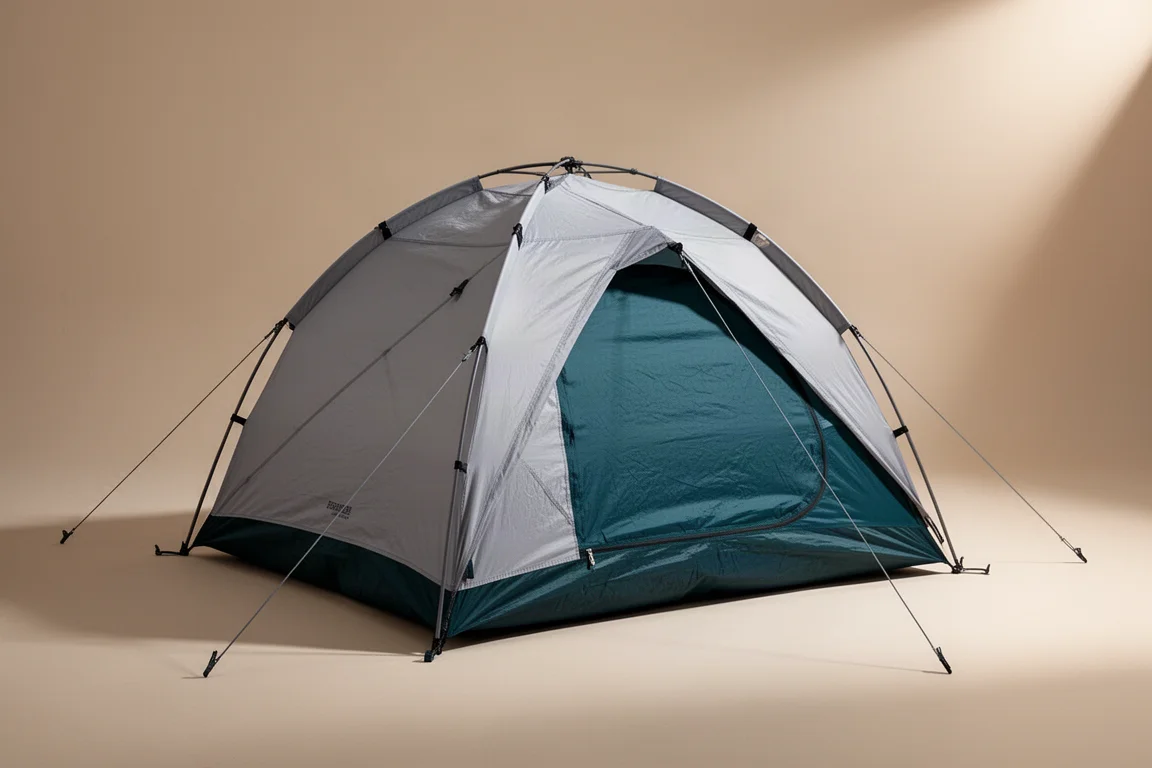
Freestanding one-person tents solve two problems at once. They pitch on ground that will not take stakes, such as sand or rock, and they need very little space, which matters on small tent pads where a trekking pole shelter would not fit at all.
The Dragonfly 1P is the lightest one-person freestanding tent in this roundup at 948 grams, which puts it under the one-kilogram mark. It also carries the storm worthiness of its two-person sibling: a shape that sheds wind well and a generous number of guy-out points for when conditions turn.
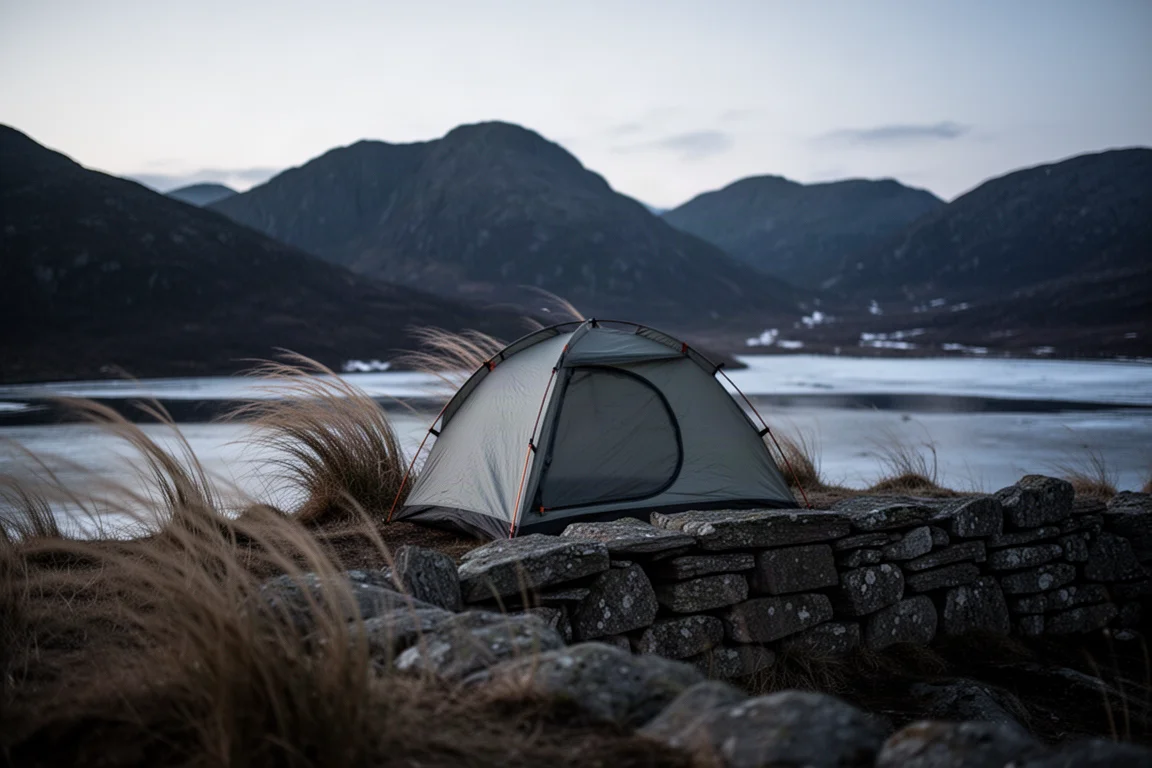
The trade-off is interior space. Freestanding one-person tents are typically tighter than trekking pole shelters of the same capacity, with room for a sleeping pad and a little gear beside it and not much more.
Anyone who wants to spread out at camp should weigh that against the pitching advantages, because on hard ground and small sites this style of tent is simply easier to live with.
Hikenture Sleeping Pad: Big Warmth at a Budget Price
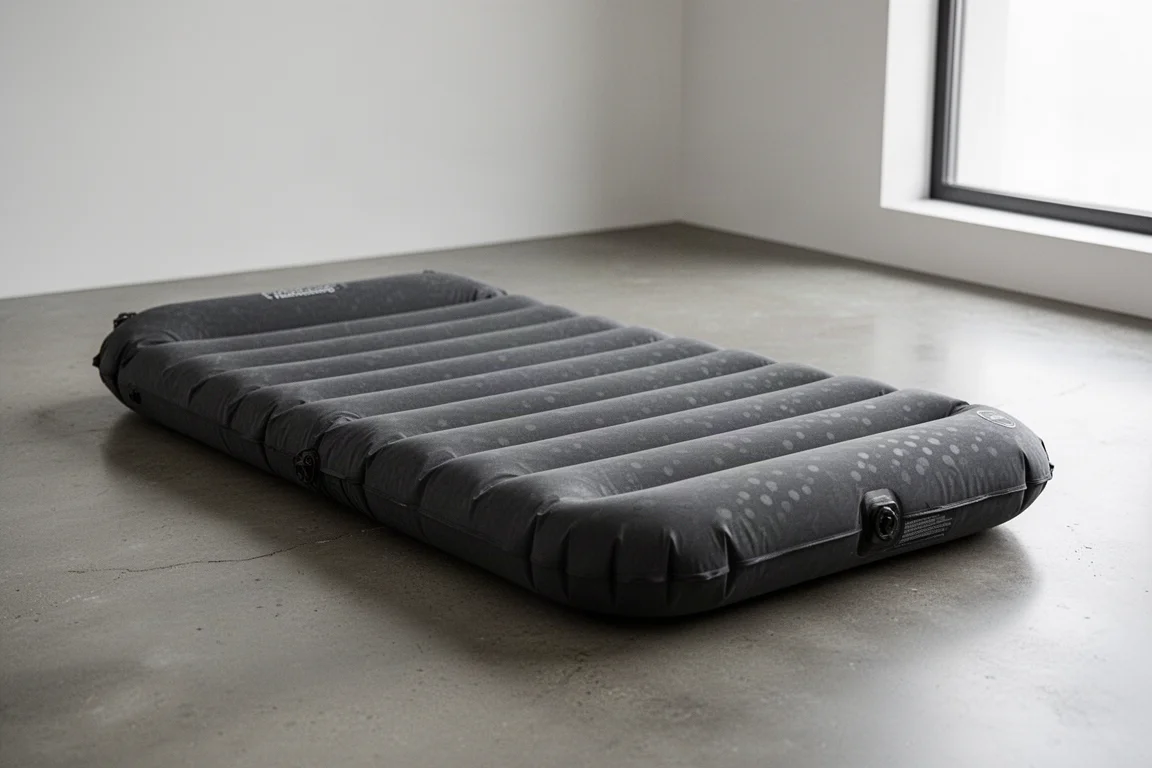
The Hikenture sleeping pad is the value story of this roundup. It uses a baffle layout similar to the Nemo Tensor line, which gives it a comparable level of comfort, and it pairs that with an R value of 6.2 at a weight of 620 grams in the regular wide size, all for $75 US. That combination of warmth and weight normally costs considerably more.
The R value comes from ASTM-standard testing, and the test report is published on the product page, which is unusual transparency at this price. The insulation itself is a mylar film suspended inside the pad rather than a single loose layer, with the film positioned close to the top and bottom surfaces and air pockets through the middle. That construction avoids the common failure mode where reflective layers settle at the bottom and lose much of their effectiveness.
Rock Front Quilt System: A Quilt That Stays Put
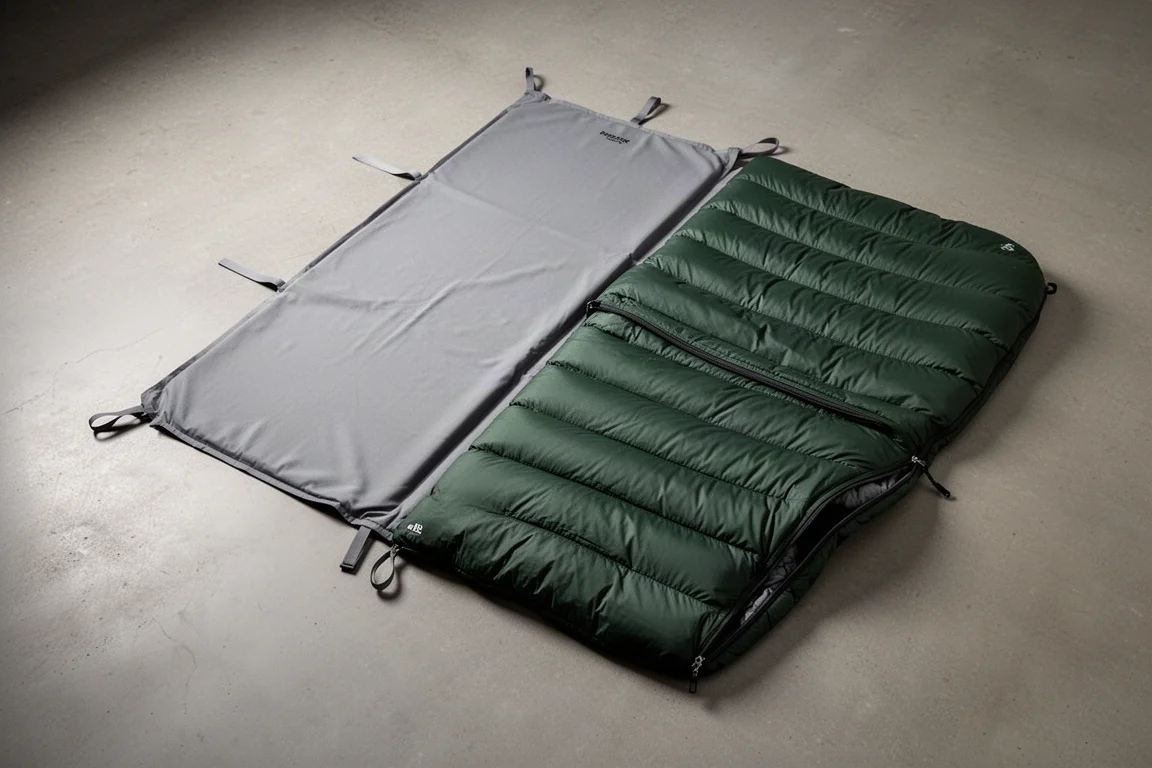
Quilts save weight but often demand pad straps and careful adjustment to keep drafts out. The Rock Front system takes a different approach: a sheet covers the sleeping pad and forms the base of the structure, and a zipper runs around the entire perimeter of that sheet to attach the quilt.
That single design decision creates flexibility. Unzip everything and the quilt drapes over you like a blanket on warm nights. Zip both sides and close the neck and the system feels as contained as a sleeping bag, while still allowing you to turn over freely underneath.
The pillow attachment is the other clever piece. A buckle system holds a pillowcase to the sheet, so any pillow can be slid in and cinched down, which means a comfortable pillow without a pad attachment becomes usable instead of ending up on the reject pile. The whole system, including the quilt, sheet and pillow attachment, weighs 628 grams and carries a comfort rating of -2 °C, all for $280 US. Every component is made in Ukraine.
Decathlon Pillow: Comfortable, Light, and Attachment-Free
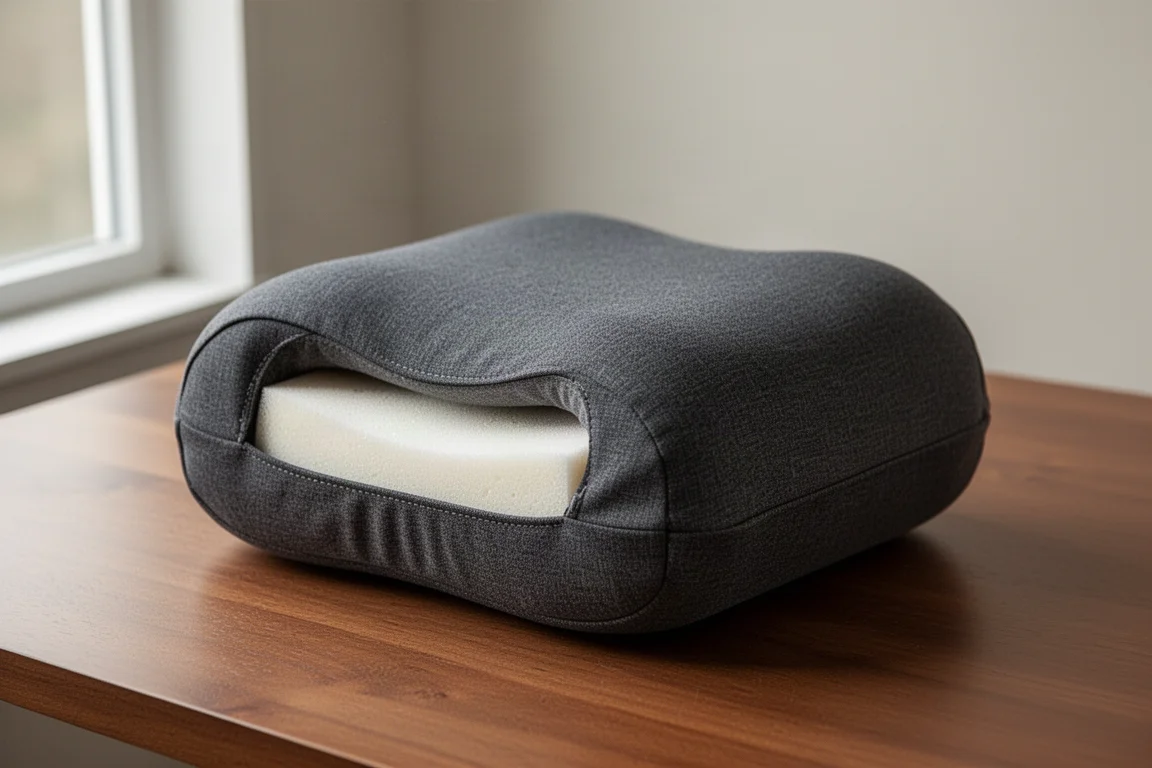
The Decathlon pillow is comfortable, has useful height, and includes a foam topper, all at a low weight. Its one weakness has always been attachment: without a way to fix it to a sleeping pad, it tends to migrate during the night.
Paired with a system like the Rock Front sheet, that weakness disappears, since the pillowcase and buckle arrangement holds any pillow in place. On its own, it remains a good choice for anyone who sleeps still or who is willing to accept a pillow that moves.
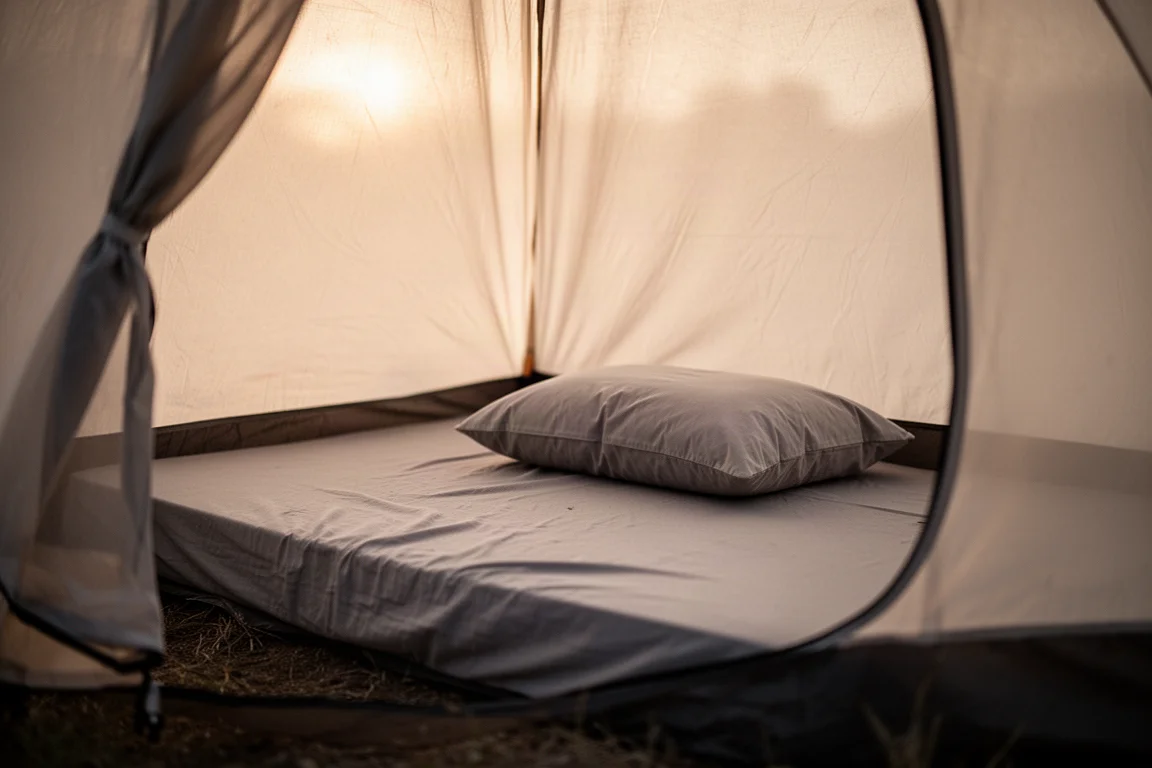
For side sleepers who need consistent height, the combination of a comfortable pillow and a reliable attachment system is worth more than either feature on its own.
Pad Pal: A Nine-Gram Pump for Ultralight Packs
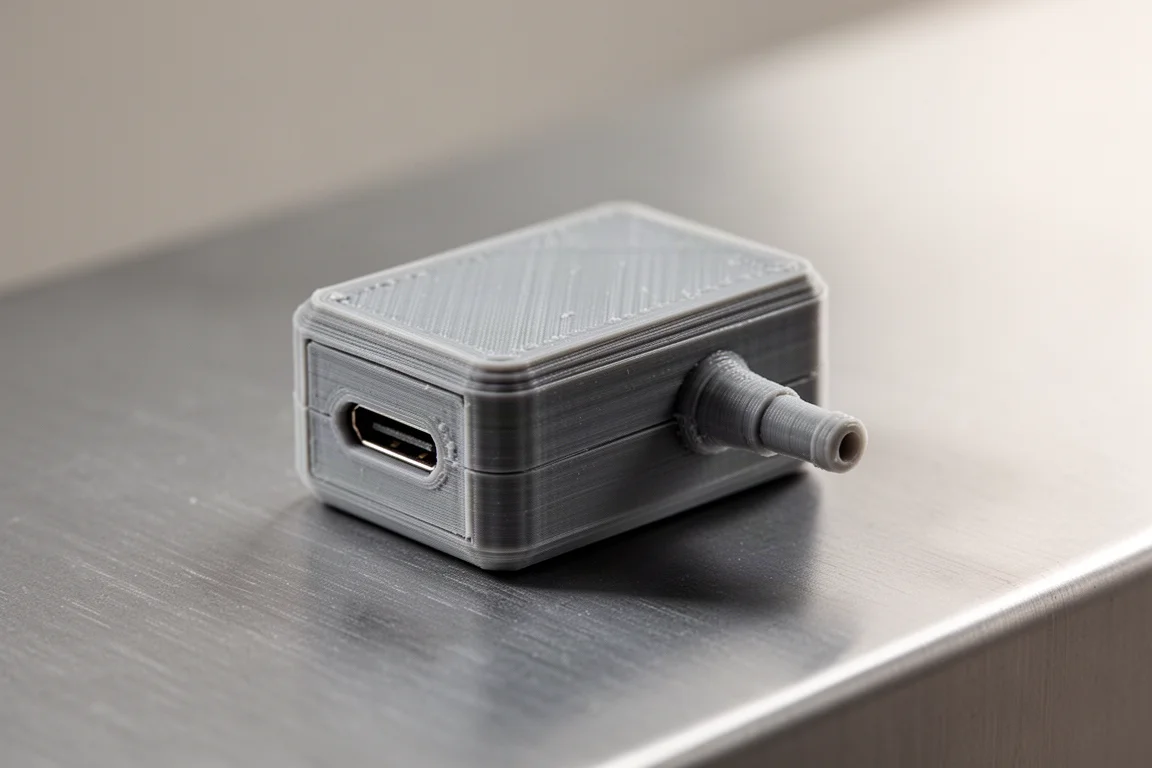
Inflating a sleeping pad by breath at the end of a hard day is one of the least enjoyable rituals in backpacking, and the Pad Pal exists to remove it. The pump weighs nine grams, which makes it the lightest option of its kind, and it is produced with 3D printing.
It works in two parts. A small fan moves air, and a pad-specific adapter fits over the fan to direct that air into the valve. There is no battery: a USB-C port accepts a cable from a power bank. A single press powers the unit on, and a double press starts inflation, with four speed settings. The highest setting is loud enough to be a poor choice in a busy campground, but it fills a pad quickly.
In practice it gets a pad to roughly 80 to 90 percent, and one or two breaths finish the job. That suits anyone who prefers a softer pad, and it is still a large improvement over filling a pad entirely by breath. Durability has held up to knocks and to being carried loose in a pack, though the USB-C port is the part most likely to wear over time. For thru-hikers and fast packers who count every gram, that is a reasonable trade.
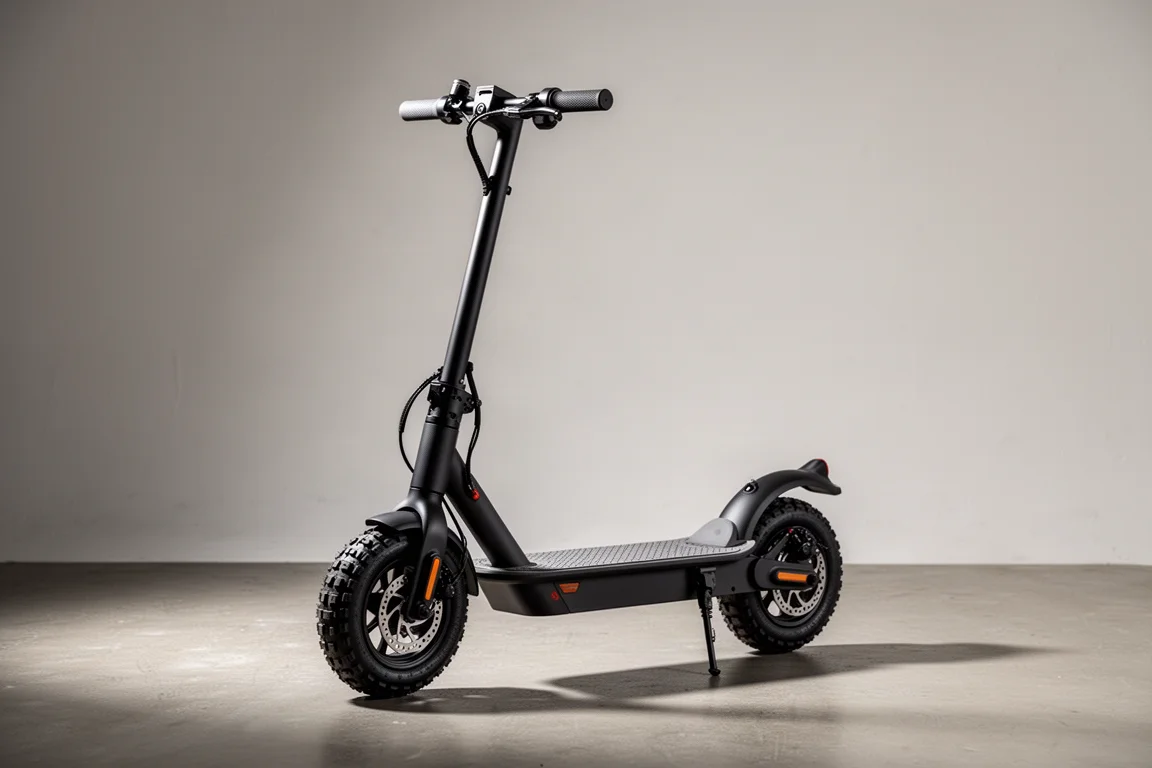
GoTrax Off-Road Scooter: Quick Approach Miles With Real Limits
The GoTrax off-road scooter is the odd item in this list, and it earns its place for one narrow use: covering long, dull approach roads. On a route with about 10 kilometers of ATV road before the trailhead, the scooter turned several hours of walking into roughly an hour.
It has genuine off-road capability, and for riders whose trips begin with a flat gravel or dirt approach, that can be a real time saver. The limits show up on gradients. Hills that look modest require walking, which undercuts the point of bringing it along. The thumb throttle is also less comfortable than a twist grip over rough ground, where bumps make the thumb jitter on the control.
This is a tool for specific terrain, not a replacement for hiking. Anyone with a long, mostly flat approach and no interest in those miles will get more from it than someone riding steeper routes.
Overall Buying Advice
Buy gear for the problem you actually have. If the goal is less weight in the pack, the frameless pack and the quilt system deliver the biggest change, and the pump removes a daily annoyance at almost no weight cost. If the goal is warmth for the money, the sleeping pad is the standout, and its published ASTM test report makes the R value easier to trust than most budget claims.
For shelter, decide between pitching flexibility and interior space before choosing a freestanding one-person tent. For training, the open trap bar is durable equipment that improves an exercise you will repeat for years, which is a different kind of value than a piece of gear you use a few weekends a season.
Whatever you choose, buy from a seller with a clear return window. Several of these items come from small makers, and fit and comfort matter more than any specification on a product page.
Conclusion
This group covers a wide range: an ultralight pack with vest straps, a sub-kilogram freestanding tent, a $75 pad with a 6.2 R value, a quilt system that solves drafts, and a nine-gram pump. Each one addresses a specific friction point, and each one has a limitation worth knowing before you buy.
Start with the item that fixes your most frequent frustration, and let the rest wait until a trip shows you that you need them.
Further reading
Related Reviews
Outdoor Gear
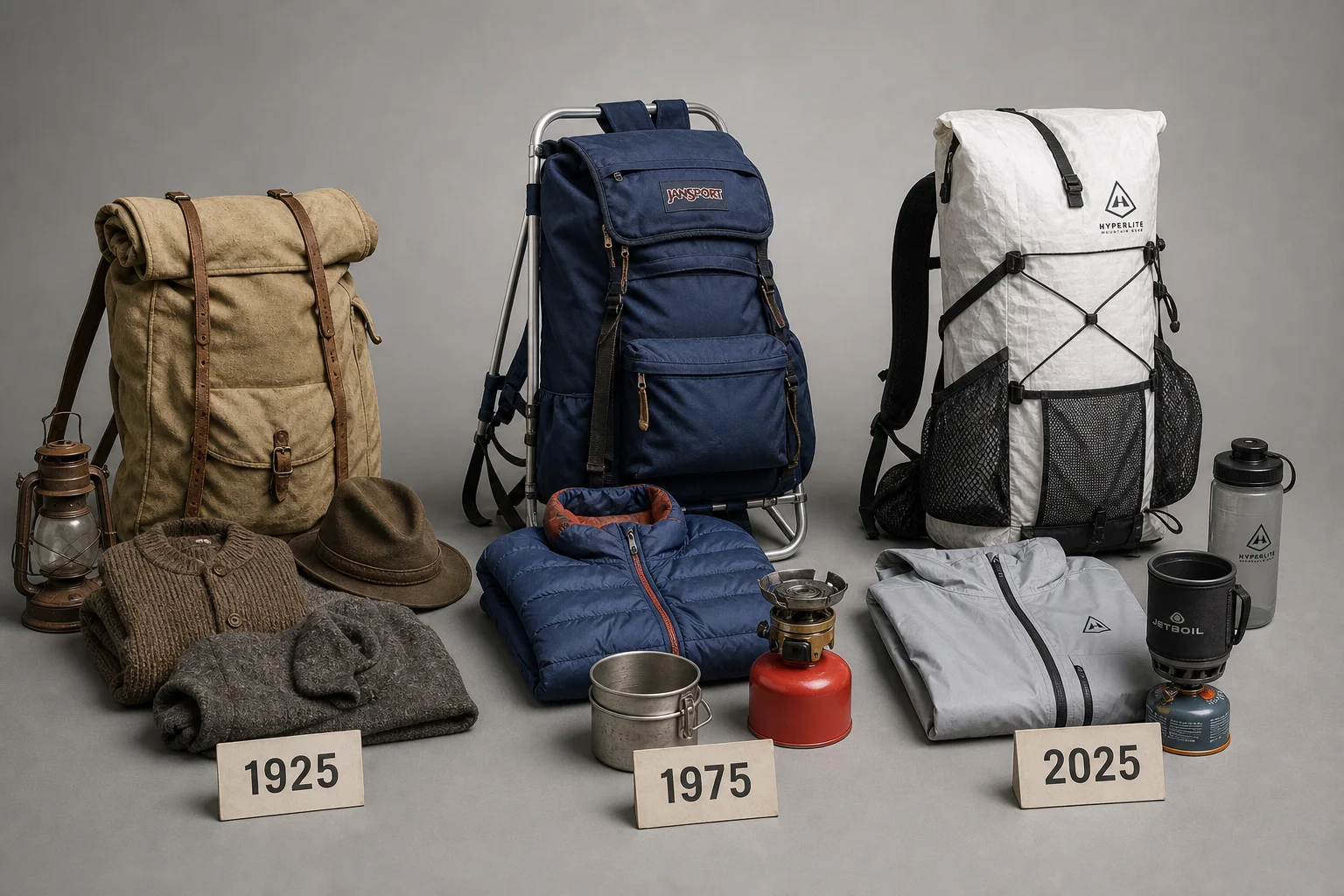
Backpacking Gear Evolution: 100 Years of Technology Compared
We tested backpacking gear from 1925, 1975, and 2025 across a three-day hike in Yosemite. Here's how technology has transformed comfort, weight, and the outdoor experience.
Outdoor Gear
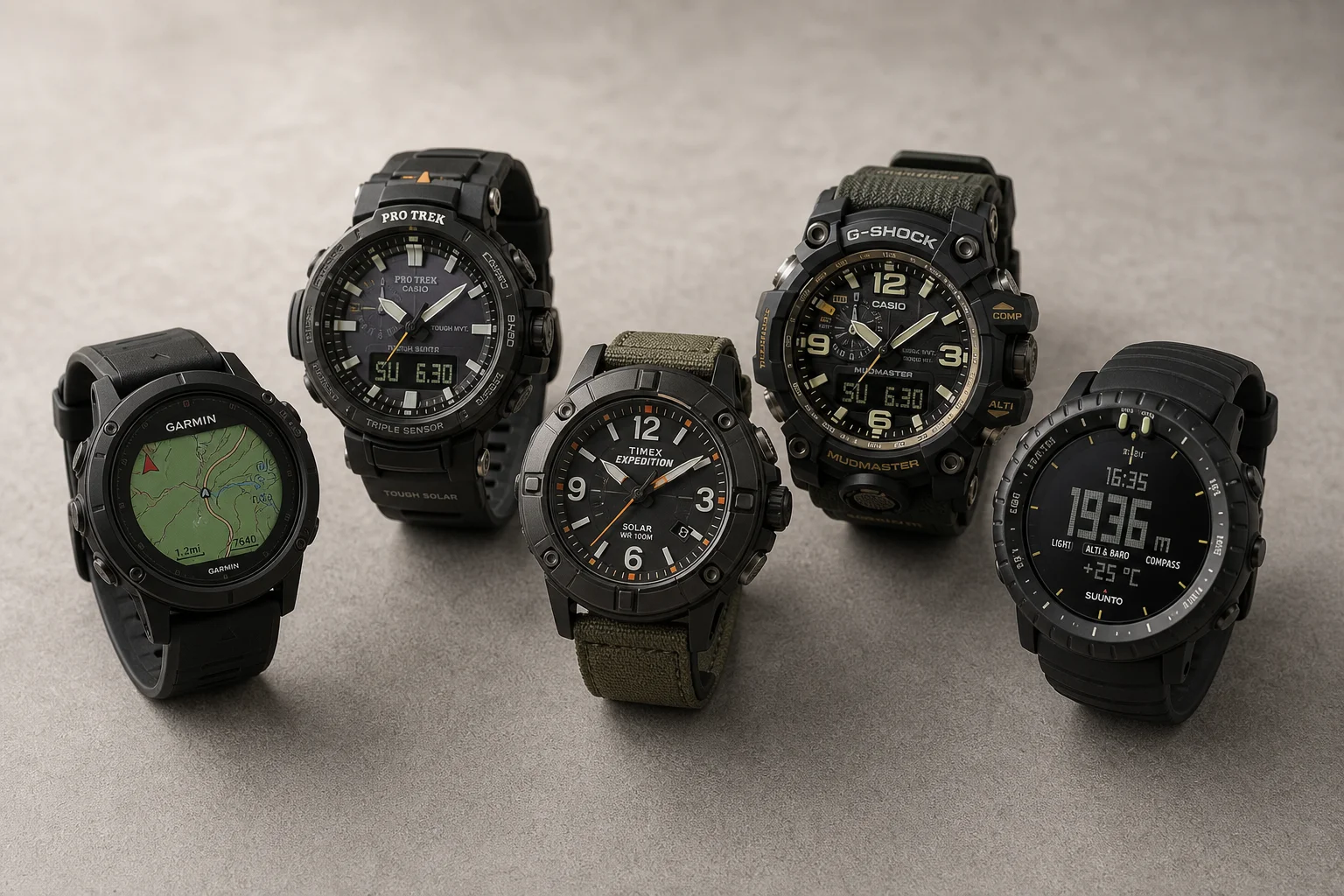
Best Affordable Hiking Watches: Five Rugged Options for Outdoor Adventures
Five durable hiking watches that balance ruggedness, functionality, and value for outdoor enthusiasts who need reliable GPS tracking and weather resistance.
Outdoor Gear
Best Backpack Coolers 2026: Five Practical Options for Outdoor Adventures
Five backpack coolers with distinct cooling capabilities, storage features, and design trade-offs to help you choose the right one for your outdoor needs.