Trail Running Gear
Ultra Running Gear Tested Over 51K: Four Pieces Worth a Look
Trail shoes, a mapping watch, an armband heart rate monitor, and a budget-friendly trail backpack put through a 51K coastal run.
Introduction
Running your first ultra distance changes how you look at gear. Comfort that holds up for two hours is not the same as comfort that holds up for five. To test that out, a 51K run along the Wales Coast Path on the Gower Peninsula became a full kit trial: a long, mixed-terrain day with road, sand, mud, grass, rocks, and plenty of climbing.
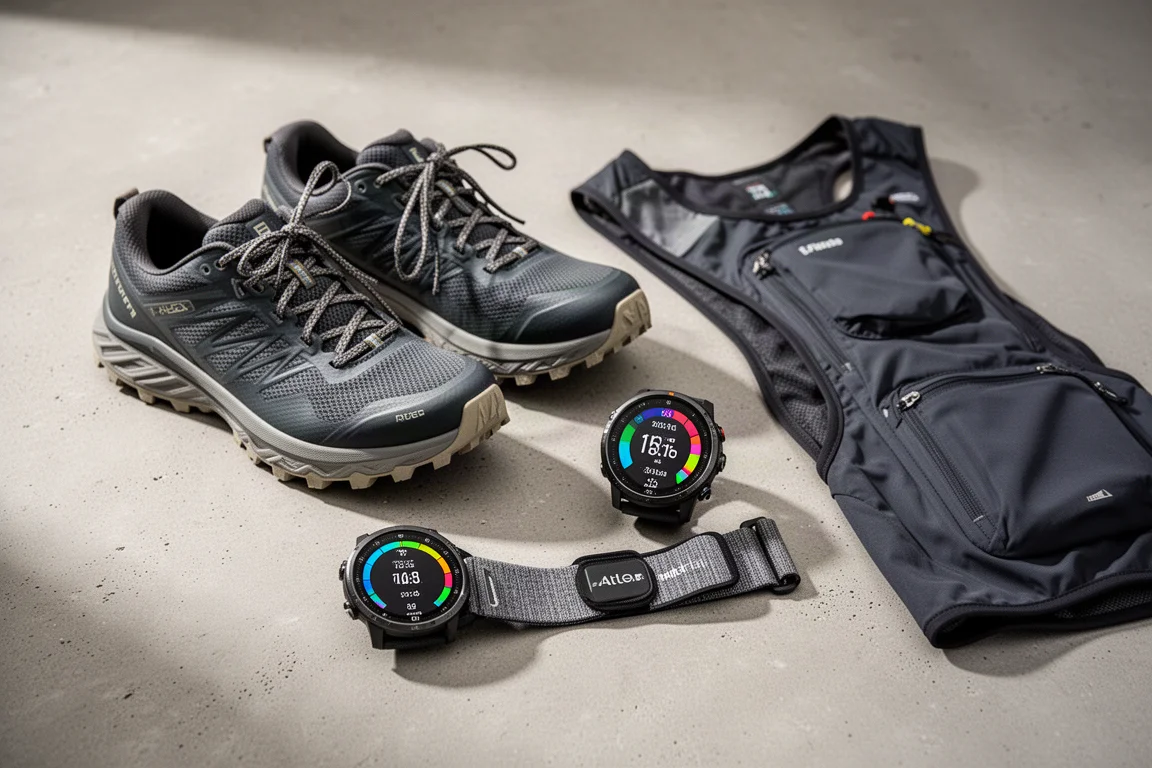
The lineup covered the Nike Ultrafly trail shoes on foot, the Garmin Forerunner 965 on the wrist for mapping and battery tracking, the COROS armband heart rate monitor, and the Decathlon Evadict trail running backpack. Here is how each one handled a longest-ever run.
The Long Run Setup
The route covered roughly 51K, mostly on coastal paths, with about 1,000 meters of elevation spread across many small climbs rather than one big mountain. Terrain varied constantly: beaches, sand dunes, forest tracks, rocky sections, muddy descents, and long grass stretches. Weather was sunny, the first clear day of the trip, which made for ideal testing conditions.
It was also a first attempt at running this far. Nothing longer than three hours had been attempted in years, so the gear had to prove itself over roughly five hours on the move.

Nike Ultrafly Trail Running Shoes
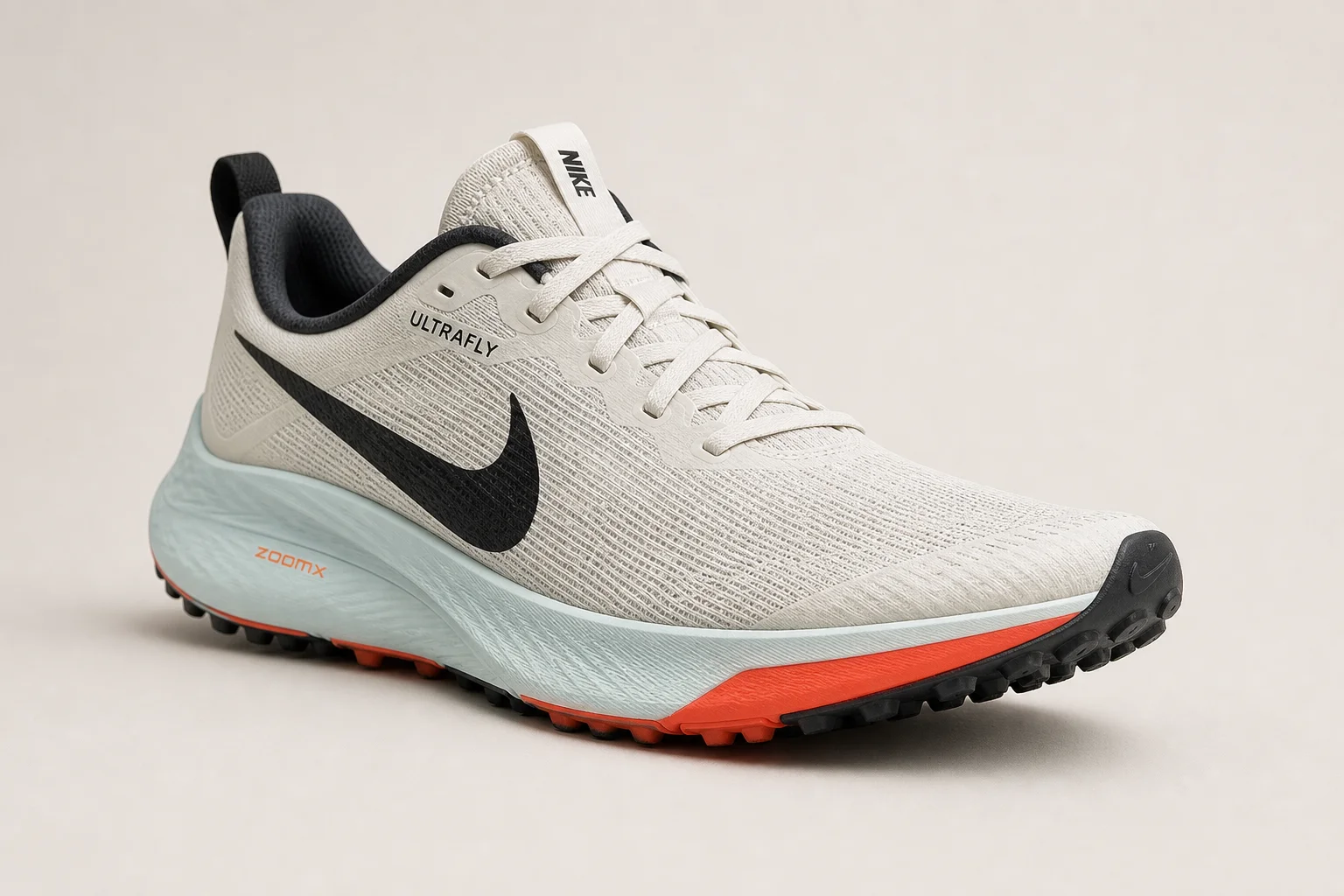
The Ultrafly impressed across most of the day. Despite carrying a fairly big stack, the shoes felt light and comfortable from start to finish, with no rubbing and no foot problems at the end of 51K. The ZoomX foam and carbon plate setup delivers a genuine leg-saving effect, making it easier to settle into a sustainable rhythm and keep ticking over even deep into the run. The next morning, legs felt noticeably better than expected after nearly two hours beyond any previous distance.
On the road sections that opened the route, the shoe performed well. It feels like a road shoe adapted for trails: soft and forgiving, with a relatively high drop for a trail shoe and a smooth rocker that rolls nicely at relaxed paces. The wide forefoot is a real asset on descents, adding stability so you can let your legs go on runnable downhills and trust the shoe to catch you.
Grip comes from a Vibram outsole, a big upgrade for Nike trail shoes, and it handled mud, slippery rocks, wooden staircases, and roots without issues. The midsole survived sharp foliage with no chunks taken out, thanks to a well-designed fabric wrap.
The main weakness is the upper. It is thin, with no overlays, and thorns repeatedly pushed through to prick the foot, sometimes staying lodged against the toes. It is essentially a road upper on a trail shoe, and while it has not ripped after around 80K of testing, it needs more protection for rough or overgrown trails. The wide base can also catch the opposite ankle if you get distracted, which narrow-footed runners may need time to adjust to.
For runnable terrain and long comfortable days, this is a strong pick, and it is the shoe of choice for an upcoming ultra on similar ground. Just avoid anything too deep or technical, given the shallow lugs.
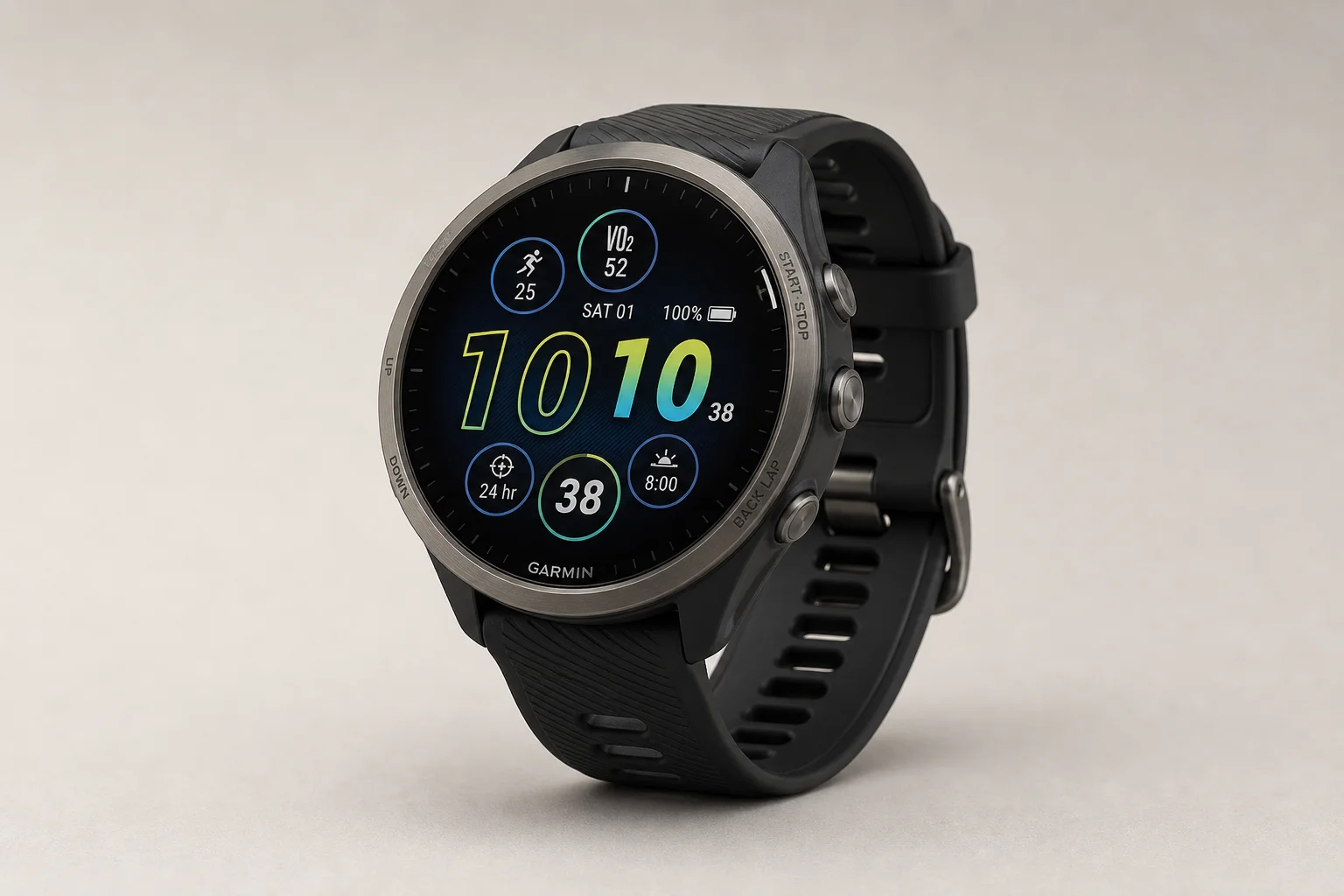
Garmin Forerunner 965
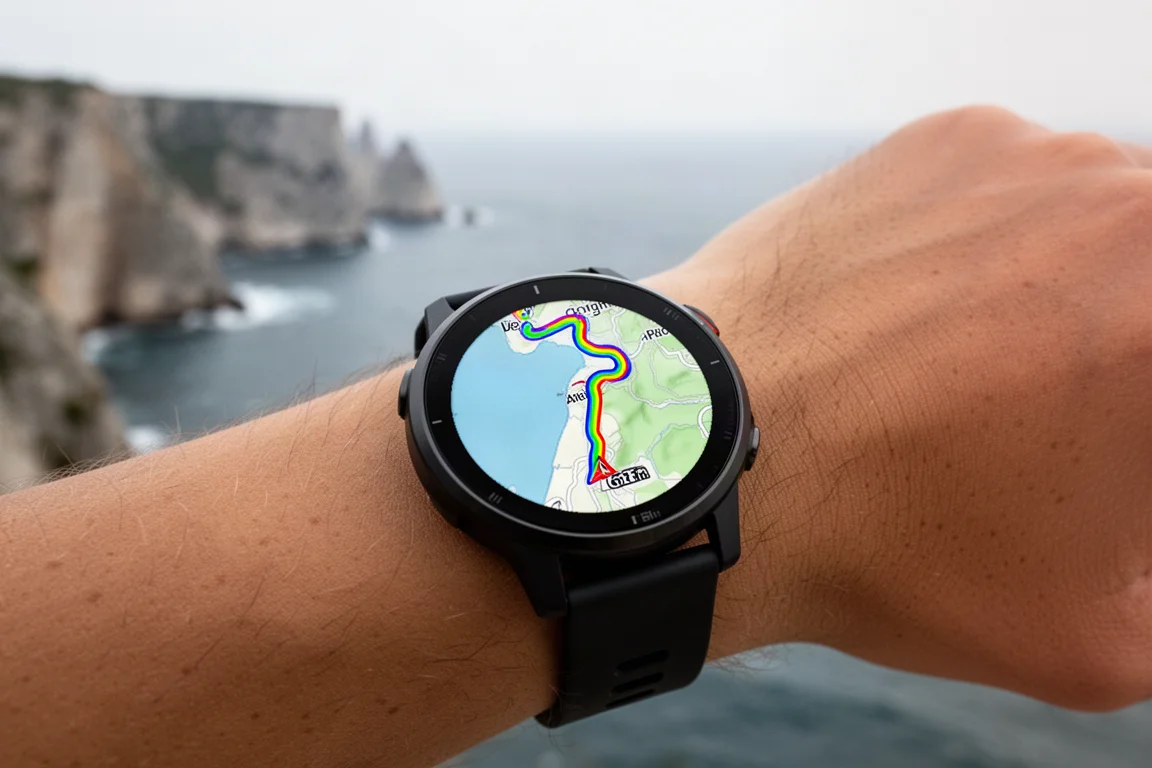
Mapping was the standout feature. The AMOLED screen is bright and clear, and route navigation held up across the entire coastal route with only a few wrong turns, most caused by trails that were genuinely hard to distinguish from the surrounding ground rather than by the watch itself.
Battery life took a hit on a day like this. Starting at 99% after an overnight charge, the watch ended the day at about 62% after nearly five hours of activity with the always-on screen, leaving around 40% by the end. That drain is noticeable, but never concerning, and the 965 remains a brilliant everyday watch. One caution: the non-sapphire screen picked up a small scratch during the run, something the hardier sapphire options in the range would likely have resisted.
COROS Heart Rate Monitor
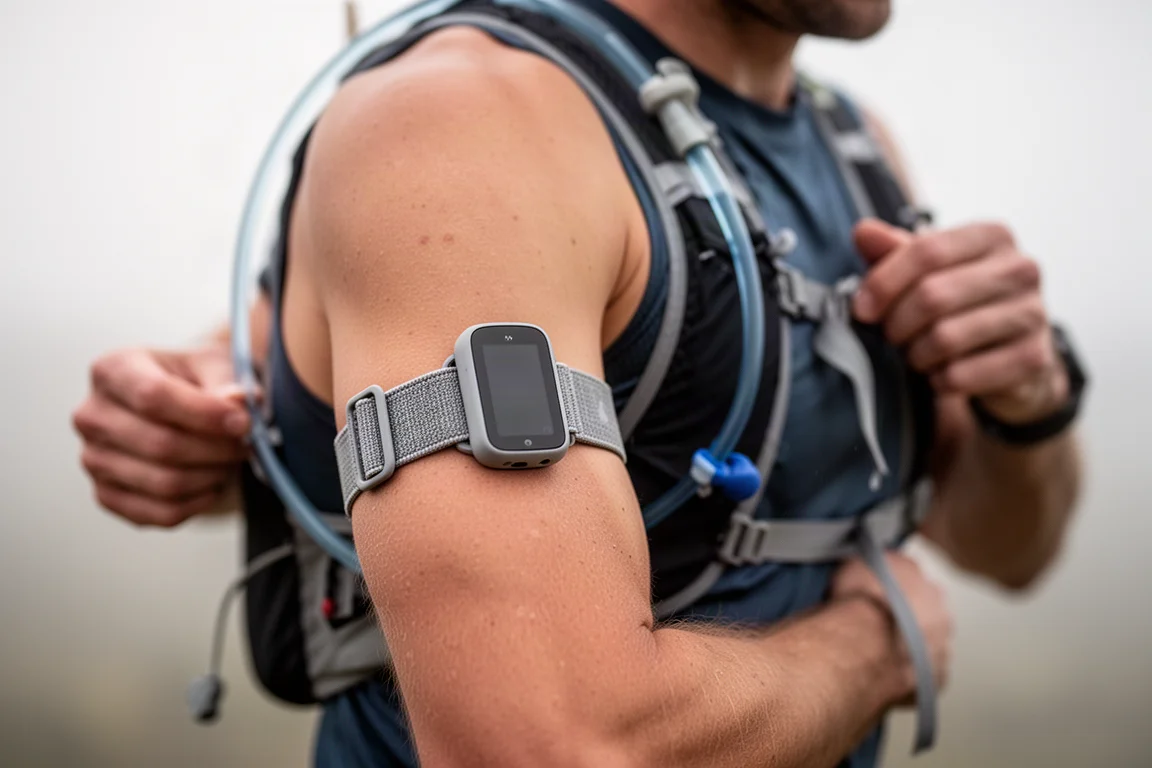
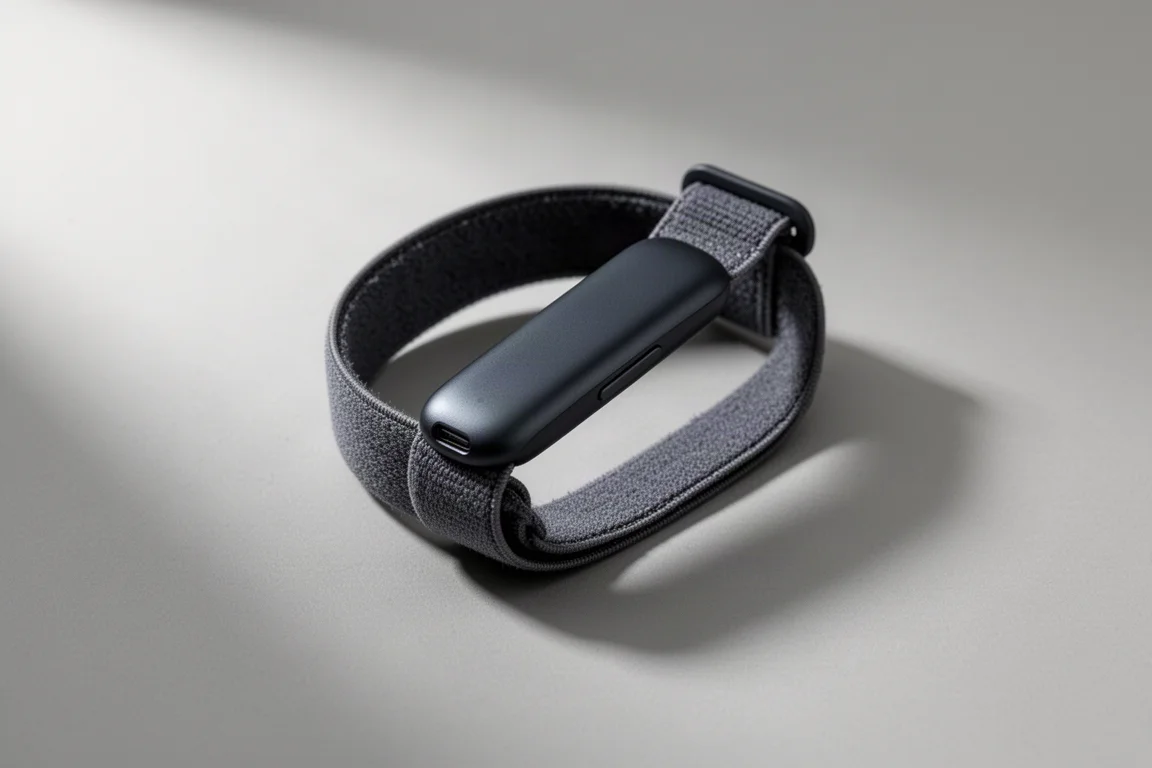
This armband monitor turned out to be the pleasant surprise of the trip. It turns itself on automatically when picked up, pairs automatically, and switches itself off when done, making it genuinely effortless to use.
Accuracy has been tested against a Polar H10 chest strap across easy runs, a track session, and a long tempo run, and it matched beat for beat. On this long run, the heart rate data looked sensible throughout.
The armband format also makes practical sense for ultra running, since a chest strap clashes with backpack straps over long distances. Worn high on the arm, it went unnoticed all day. It has become the preferred heart rate monitor going forward.
Decathlon Evadict Trail Running Backpack
Loaded for an ultra kit rehearsal, the Evadict carried a full hydration bladder, a 500ml flask, a jacket, an emergency blanket, and front pockets stuffed with gels and bars. Despite being full to the point of sloshing, it stayed comfortable for the entire 51K with no chafing and no rubbing.
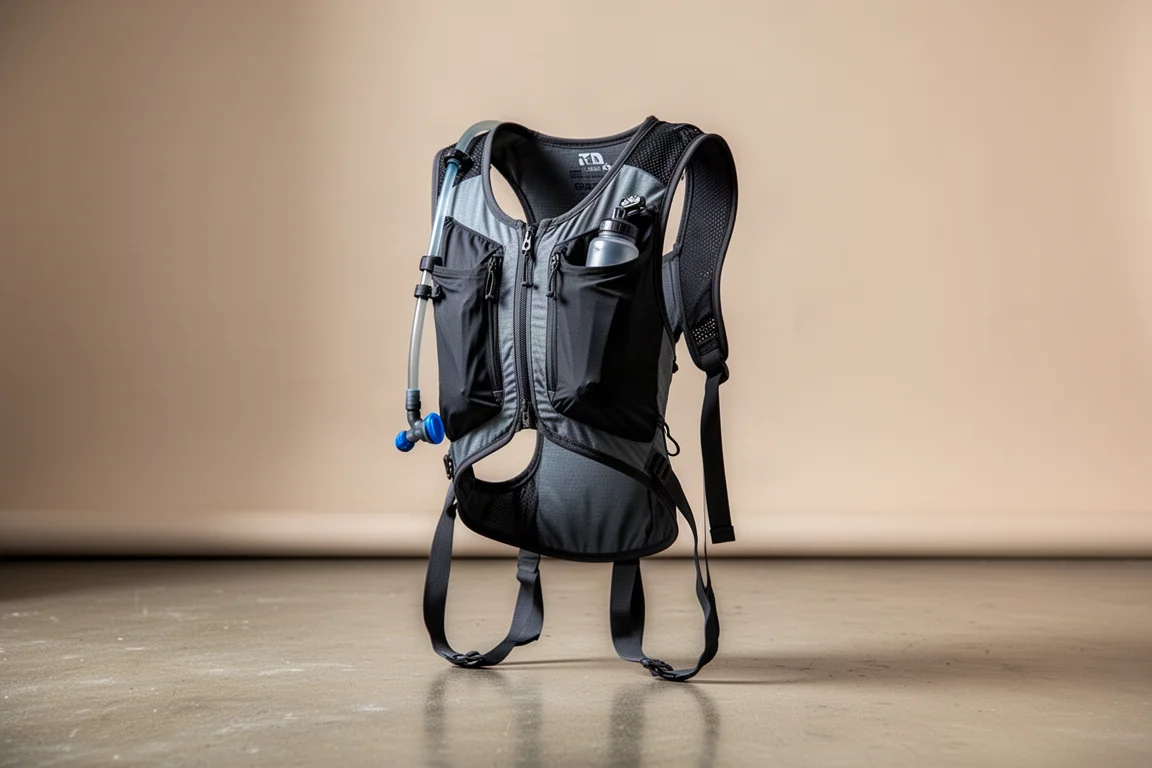
The three front straps are the key to dialing in the fit, and the magnetic hose clip is genuinely clever: it can be unclipped, moved anywhere on the pack, and reattached wherever you want the tube to sit, which solves the usual problem of a bouncing hydration hose. A waterproof phone pocket kept a phone dry all day, expandable pockets add flexibility, and there is an attachment point for a pole quiver.
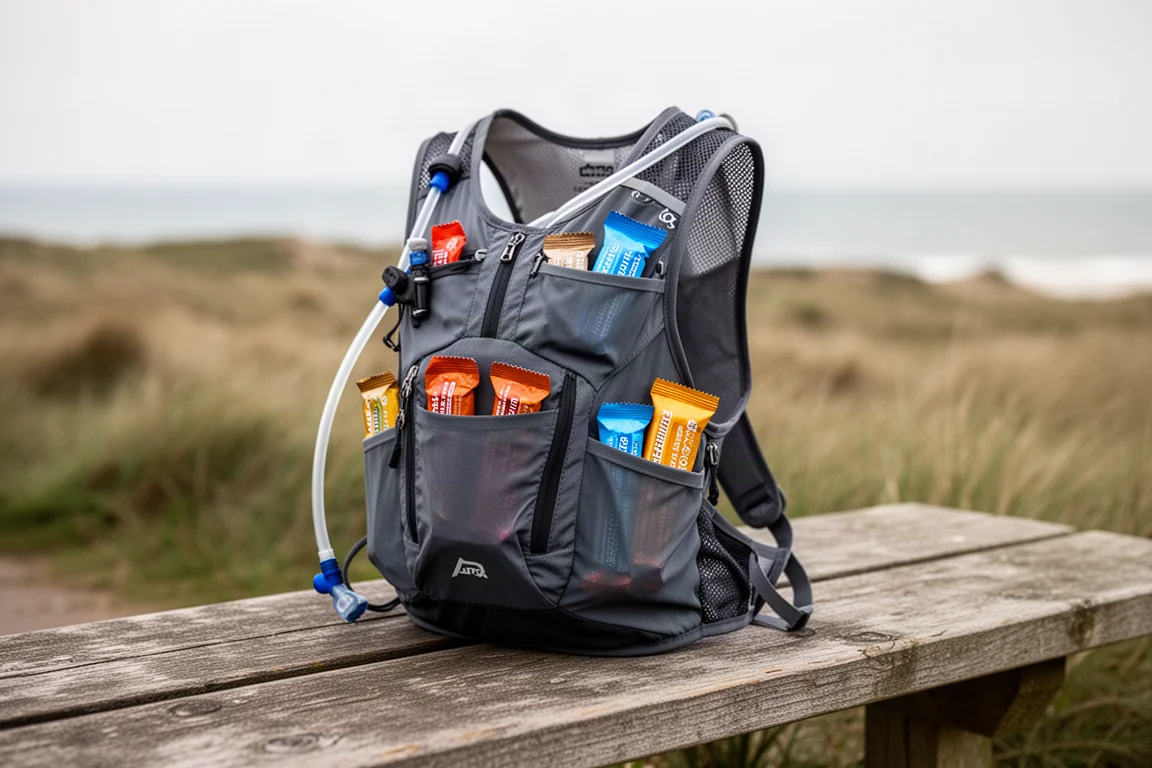
It comes in cheaper than many trail backpacks while doing the essentials very well, and it earned a repeat slot for the September ultra.
Buying Advice
For a first ultra or long mixed-terrain training block, this combination worked well together. Prioritize comfort and leg protection over weight: a cushioned, stable trail shoe with proven grip, a watch with reliable mapping, a heart rate monitor you forget you are wearing, and a pack that carries a full ultra kit without chafing. Check pack capacity against your event’s mandatory kit list, and remember that a lighter-feeling shoe is not always a light shoe, which matters far less over five hours than comfort does.
Conclusion
Every piece of kit here earned its place over 51K. The Ultrafly delivered all-day comfort and leg-saving efficiency with an upper that needs work for rough trails, the Forerunner 965 handled mapping brilliantly at the cost of some battery, the COROS armband monitor proved easy and accurate, and the Evadict backpack punched well above its price. For runnable ultra terrain, this is a lineup worth copying.
Further reading
Related Reviews
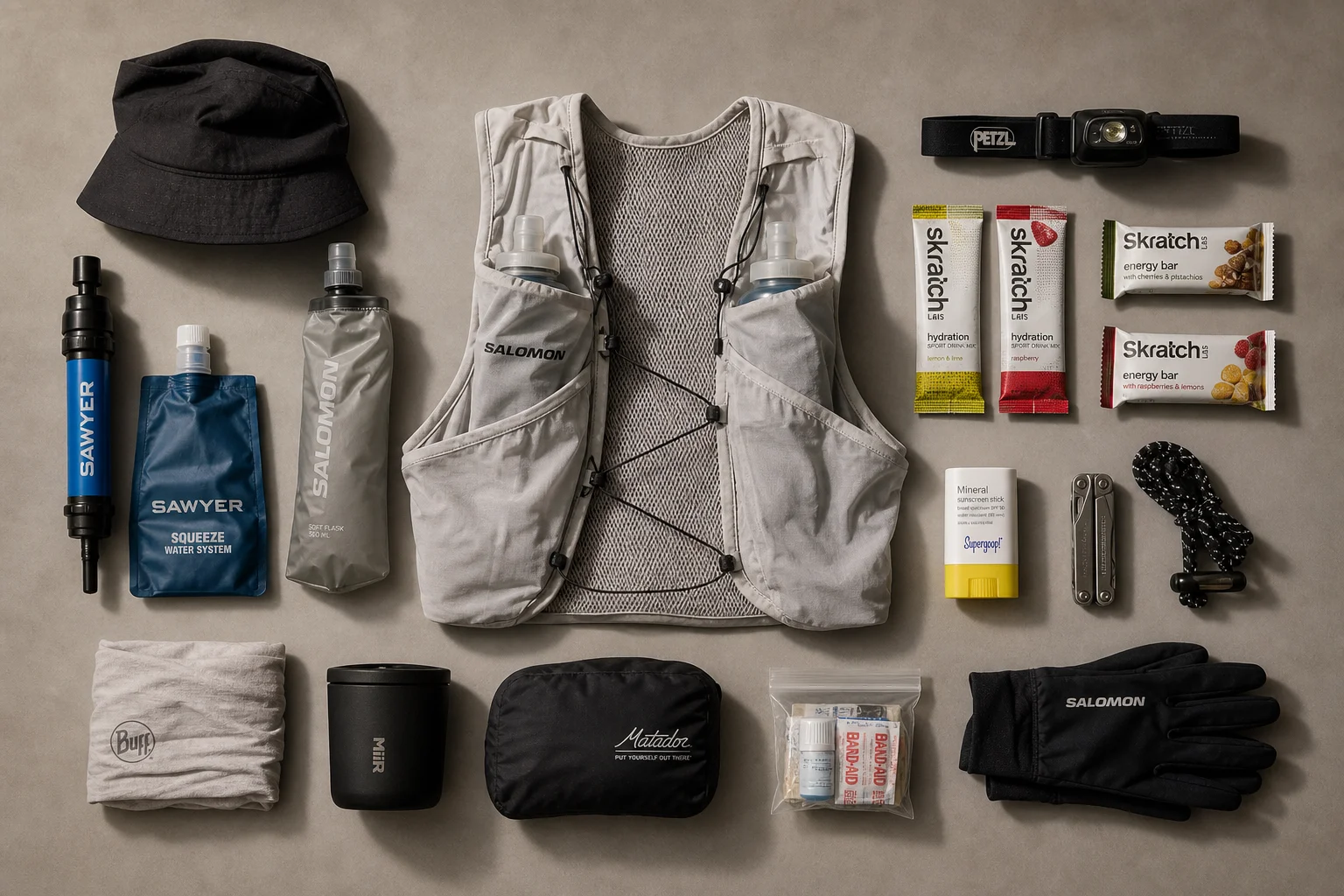
Trail Running Gear
28-Mile Trail Run Pack Loadout: Ultralight Gear for High Alpine Self-Supported Running
A complete breakdown of gear, clothing, hydration, nutrition, and safety equipment for a 28-mile high alpine trail run with 7,800 feet of elevation gain.
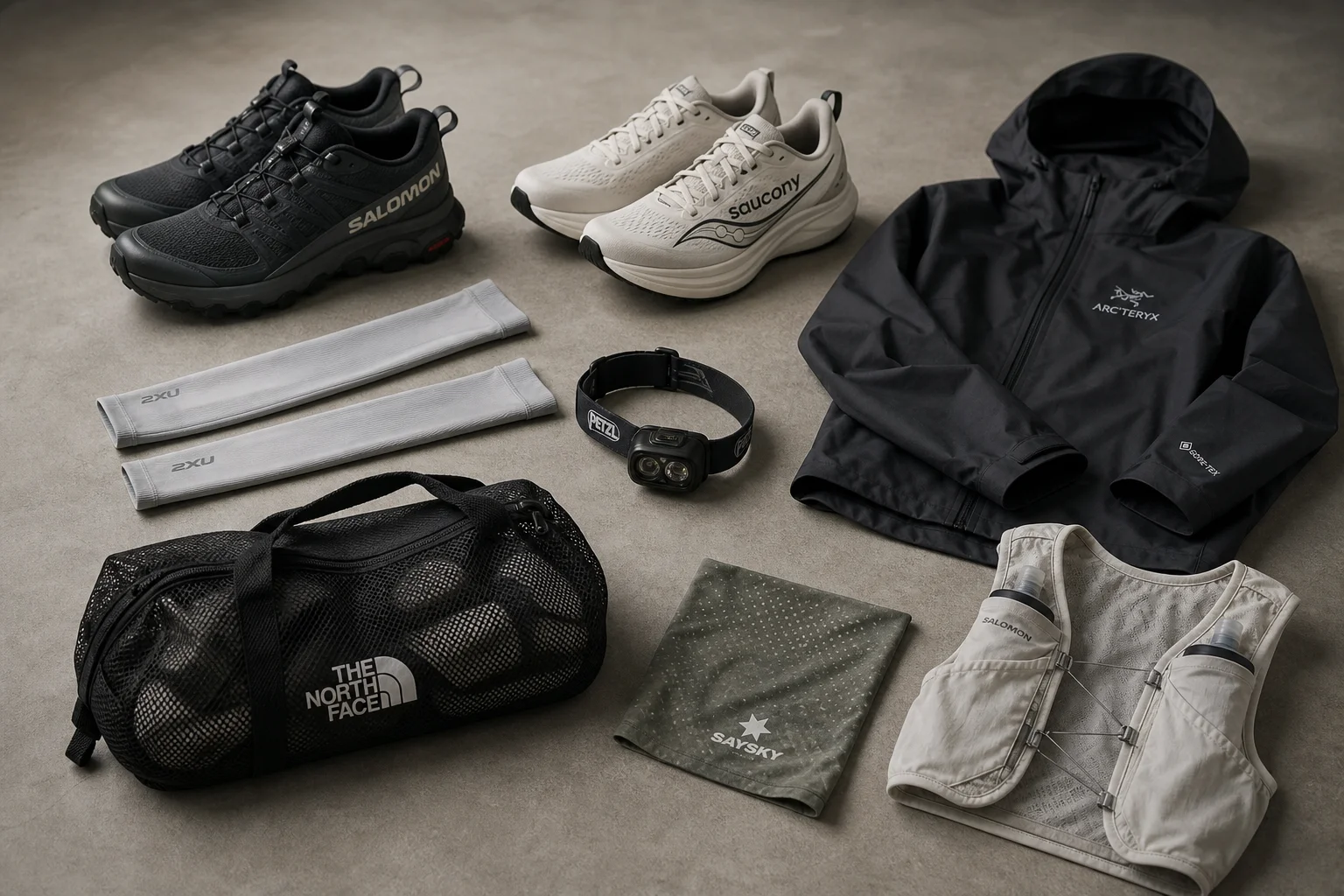
Trail Running Gear
Best Trail Running Gear 2025: Nine Products That Earned Real Use This Season
A curated look at nine trail and ultrarunning essentials that delivered genuine performance across training, racing, and adventure throughout 2025.
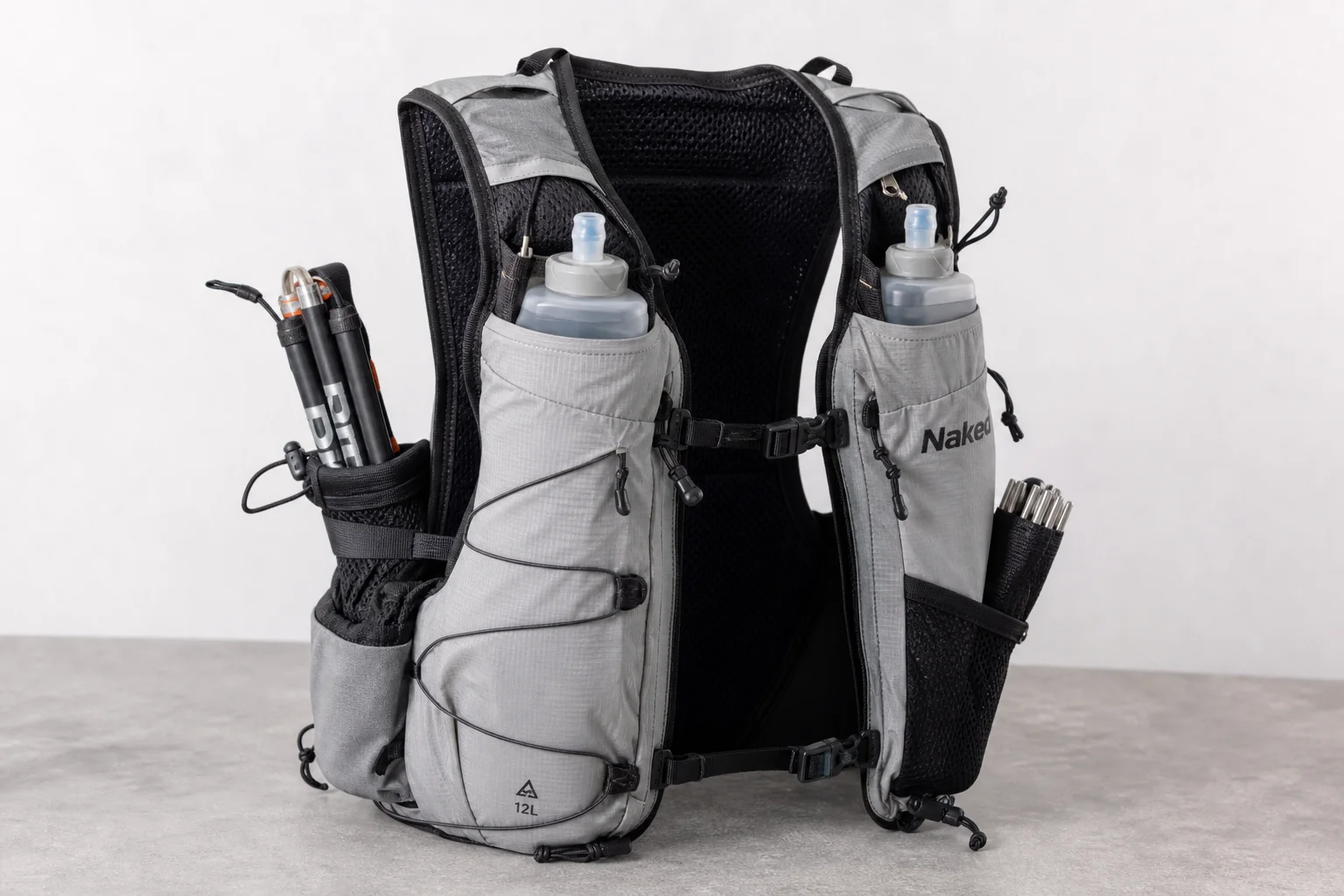
Trail Running Gear
Instinct Evolution 7L Pack Review: Versatile Trail Running Vest with Thoughtful Hydration Design
A detailed look at the Instinct Evolution 7L, a trail running pack that prioritizes accessible hydration and organized gear storage with some trade-offs in hardware simplicity.