Trail Running
Ultra Race Kit Essentials: The Gear Picked for a 48-Mile Trail Race
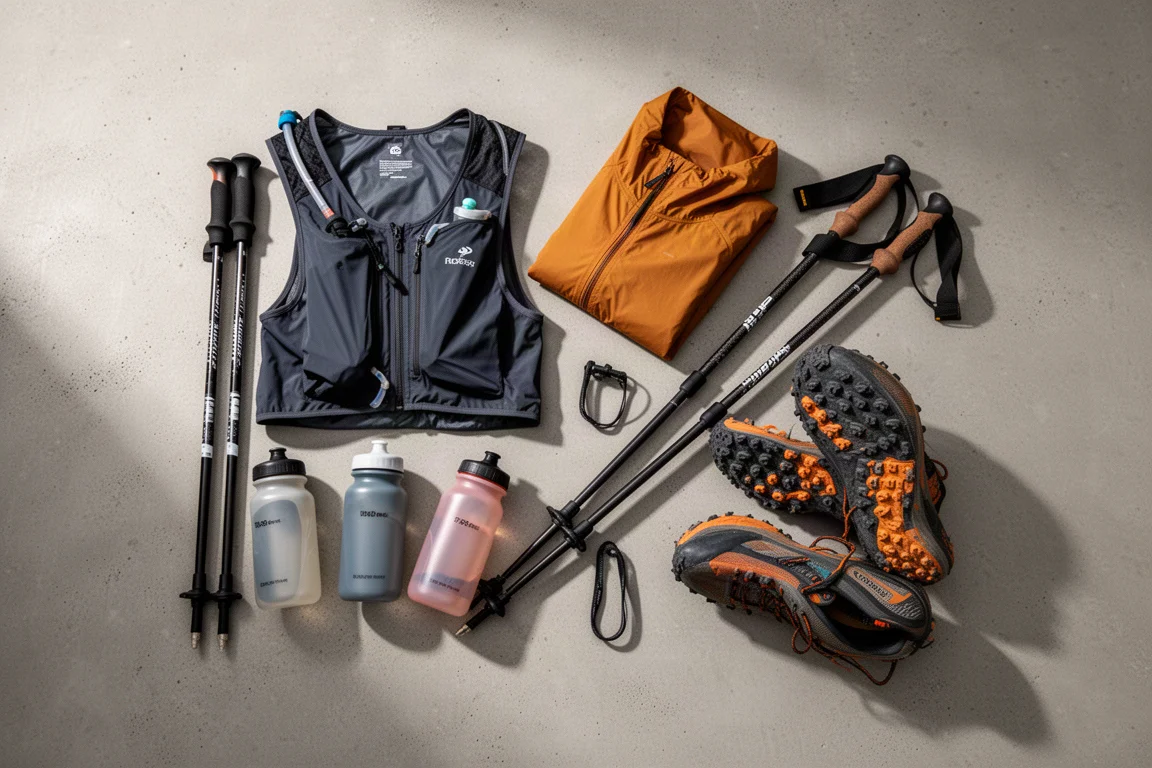
A practical trail running kit loadout for a 48-mile coastal ultra, from a race vest and carbon poles to three different shoe options with clear trade-offs.
Introduction
Putting together a kit list for a long trail race is a balancing act. You want enough gear to handle a full day on your feet, but nothing so heavy or fussy that it slows you down when the miles start stacking up.
This loadout was assembled for a 48-mile loop around a coastal island, with a 12-hour cut-off and roughly 4,500 feet of elevation. The forecast points to a damp start, then sun with light cloud and temperatures around 18 to 20 degrees. That shapes a lot of the decisions below: light layers, strong hydration options, and shoes that can handle a mix of tarmac, coast path, and dry trail.
Why Kit Selection Matters for a 48-Mile Race
A race like this rewards simplicity. The mandatory kit list is small, but every item still has to earn its place because you will carry it for half a day. Clothing choices lean technical and breathable for warm conditions, with a spare waterproof layer rolled up in a dry bag for unpredictable weather.
Nutrition and small safety items also matter. Gels with a high carbohydrate load, some real food for later in the race, electrolyte tablets, a charged phone, and a few extras like a buff, emergency bivvy bag, and first aid kit round out the loadout. None of it is glamorous, but it all helps you get from start line to finish.

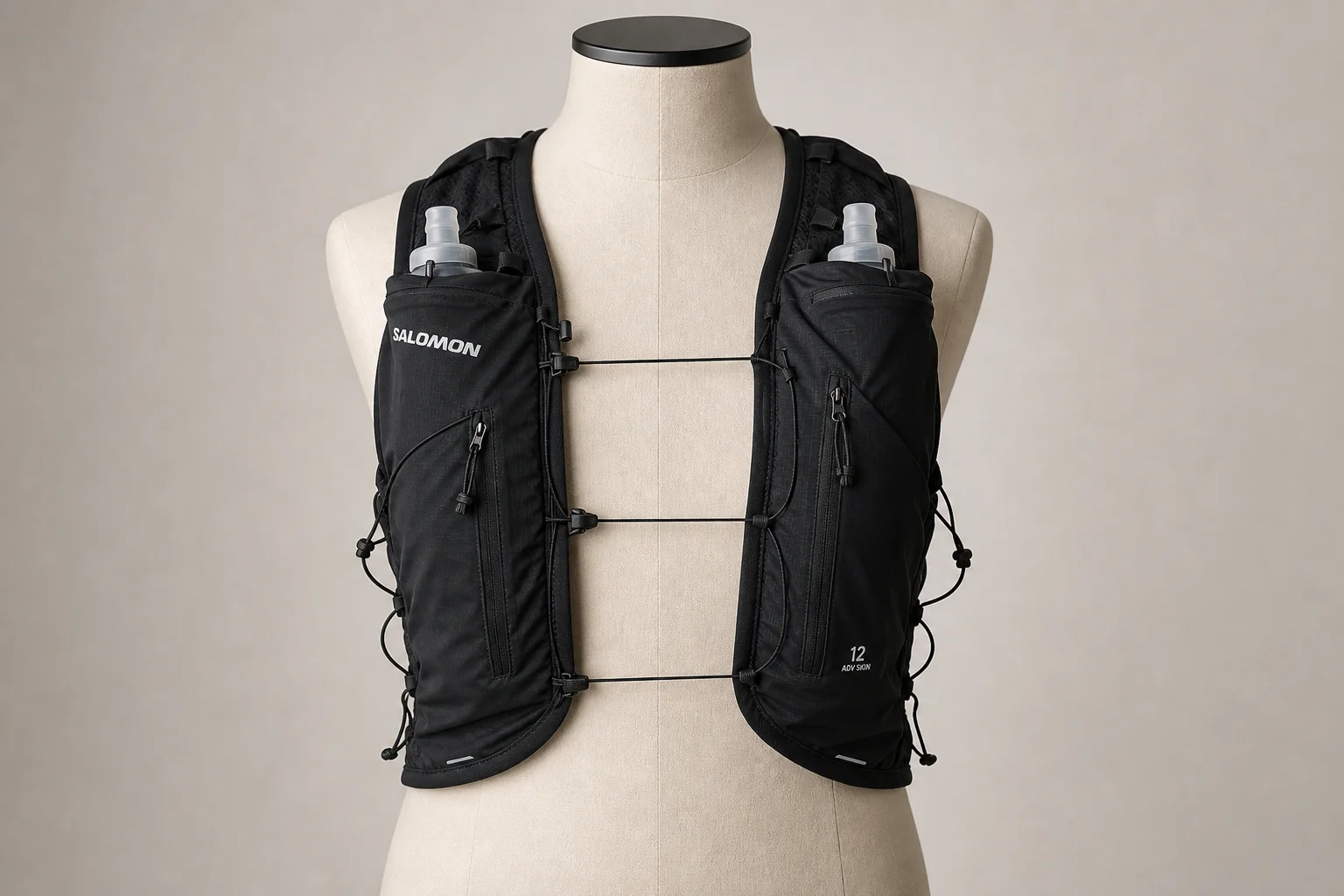
Race Vest: Salomon Advanced Skin 12
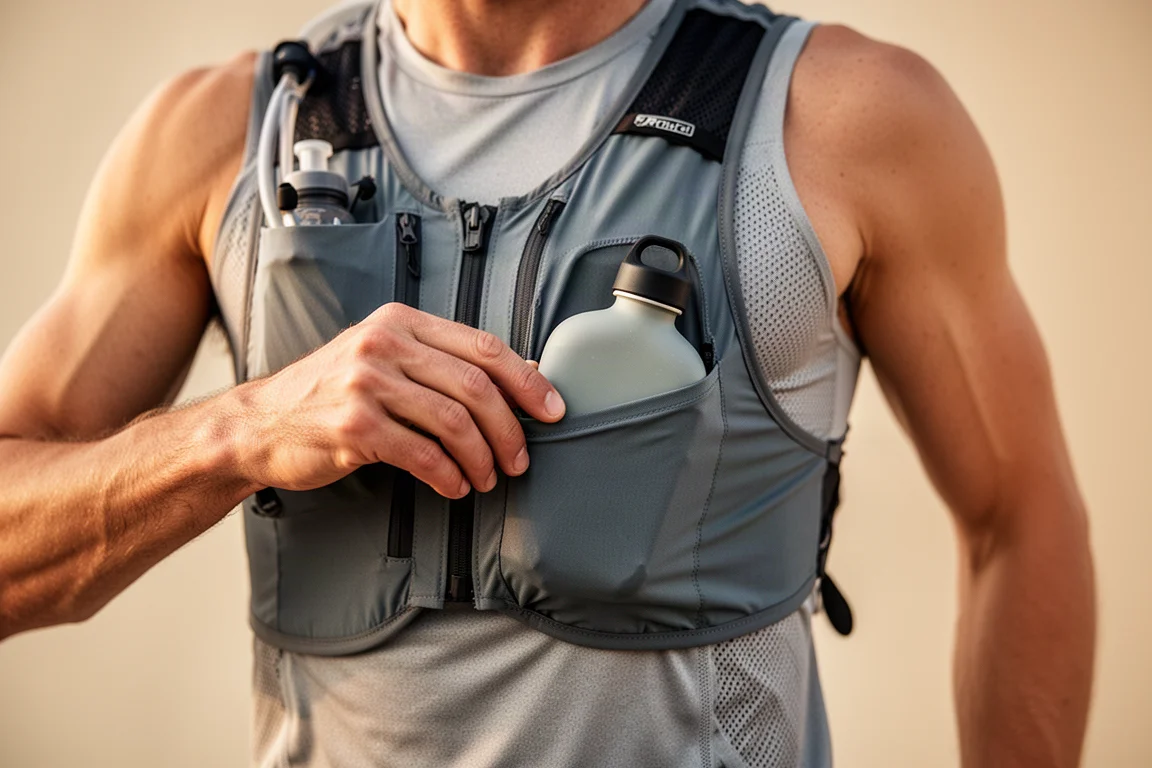
The Salomon Advanced Skin 12 is the carrying solution for all of this kit. It fits close to the body without bouncing, and the accessible storage pockets make it easy to grab gels, flasks, or a jacket while still moving. It comfortably holds the mandatory kit, two 500 ml soft flasks, and a rolled-up 3L waterproof jacket in a dry bag at the rear.
For anyone building a race setup around a checklist like this, the combination of fit and on-the-move storage is what makes this vest stand out.
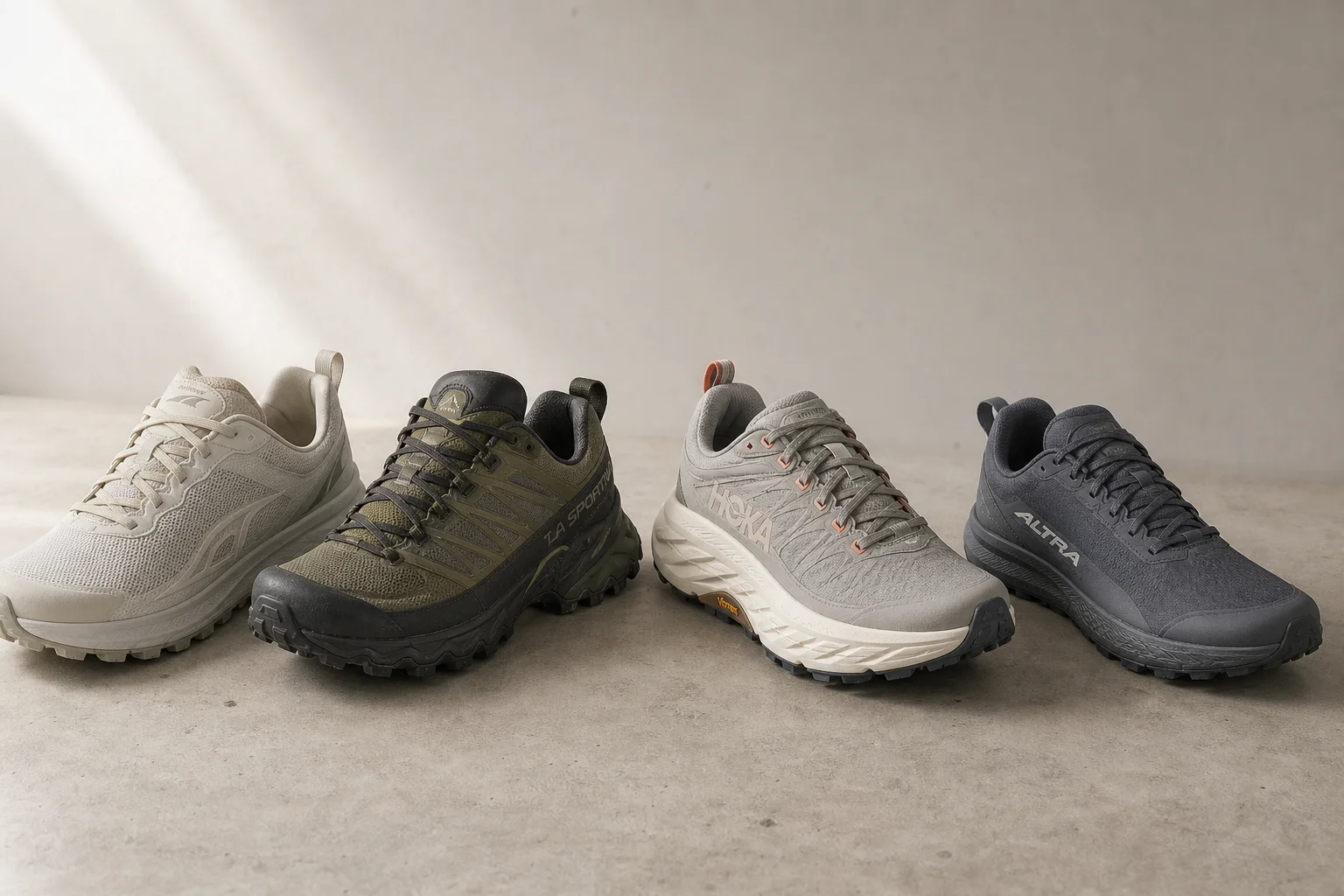
The Safe Bet: Saucony Exodus Ultra 2
If reliability is the priority, the Saucony Exodus Ultra 2 is the shoe that has never let its runner down, no matter the distance. No black toenails, no hot spots, no blisters, and no irritation over long outings. That track record makes it the conservative choice for race day.
A shoe you can put on without thinking about your feet for 48 miles is worth a lot, and this is the option that delivers exactly that.
The New Racer: Nike Ultrafly
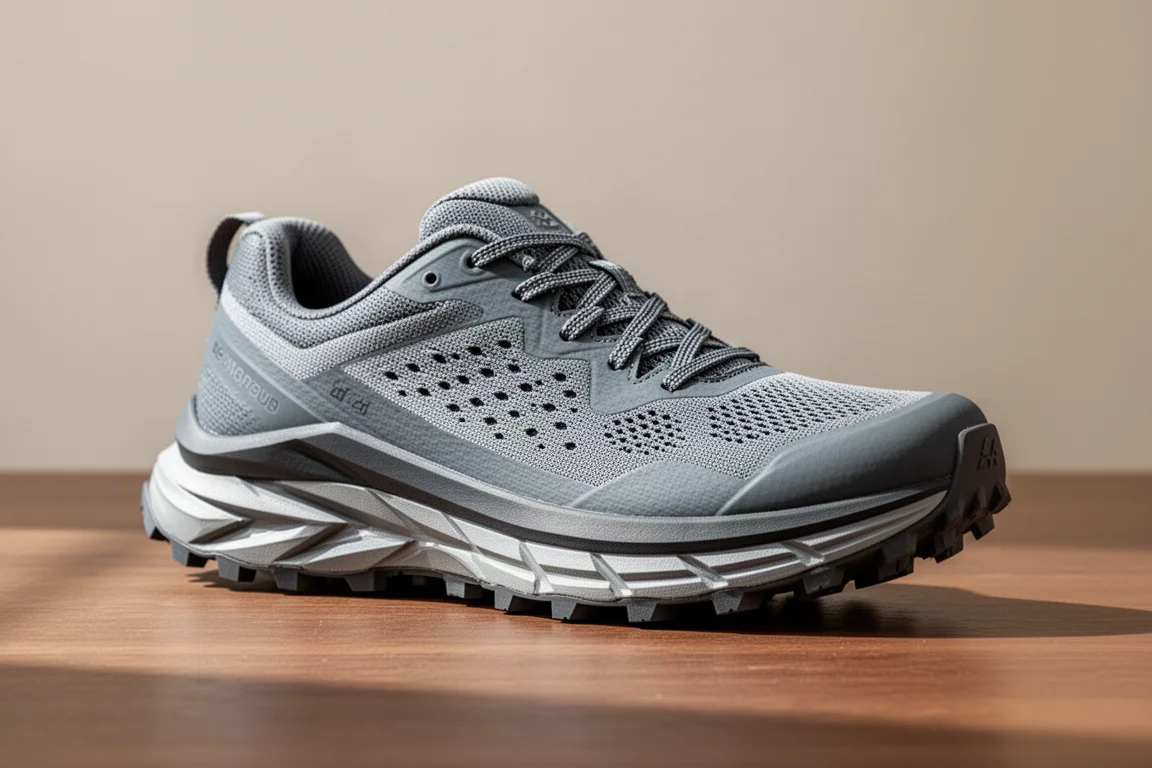
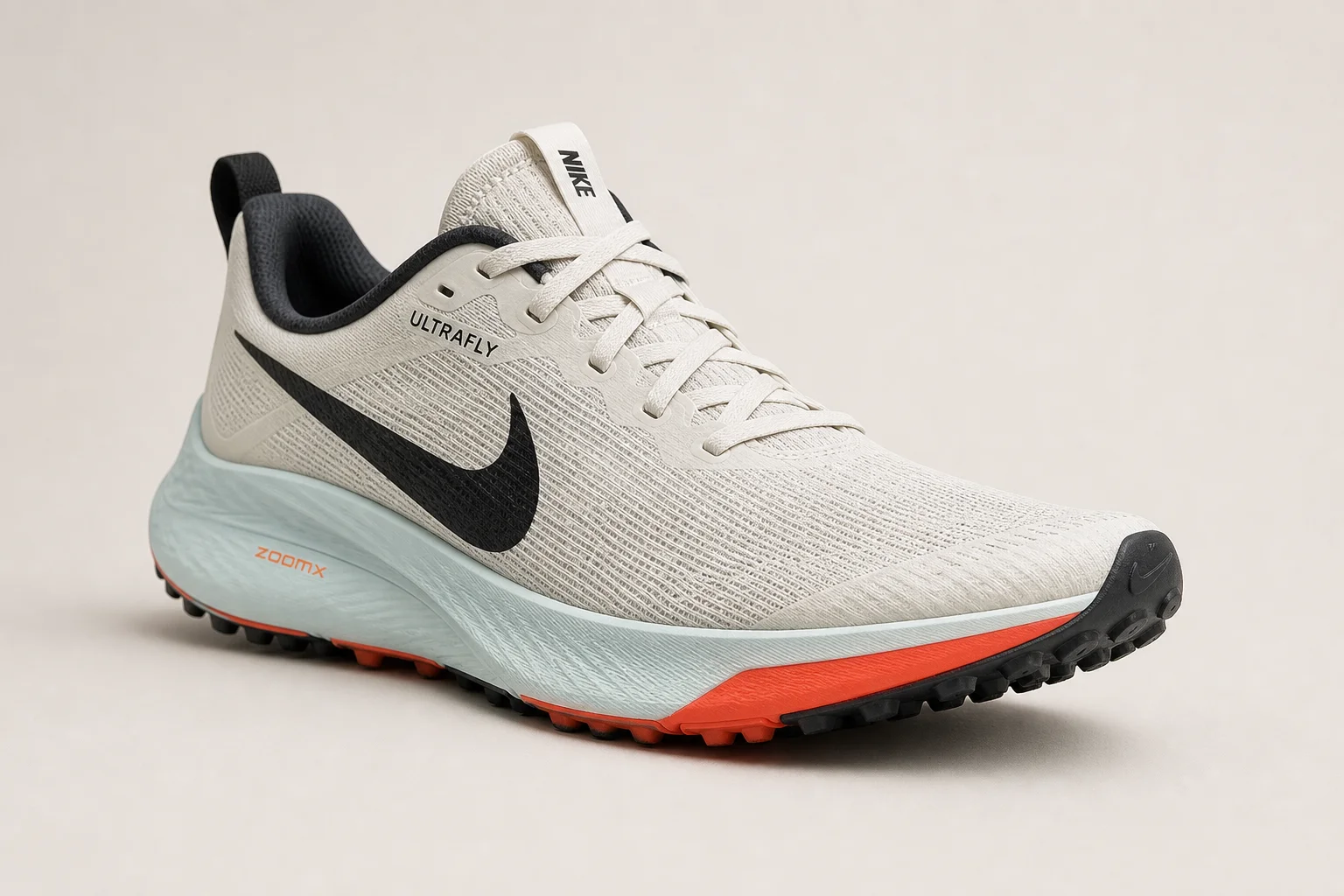
The Nike Ultrafly is a carbon-plated trail racing shoe built for ultra distances, and it arrives with plenty of hype. The big story is the outsole: Nike has finally fitted genuinely grippy rubber in the form of Vibram Megagrip Lite Base, so traction on dry and mixed surfaces should be strong. The lug depth is fairly shallow though, which raises questions about how it handles deep mud.
The plan is to lace them up for a first run before race day, and if they inspire confidence, race in them. After all, the shoe is designed for ultra marathon running, and a 48-mile race would be the perfect test.
The All-Rounder: Merrell Agility Peak 5
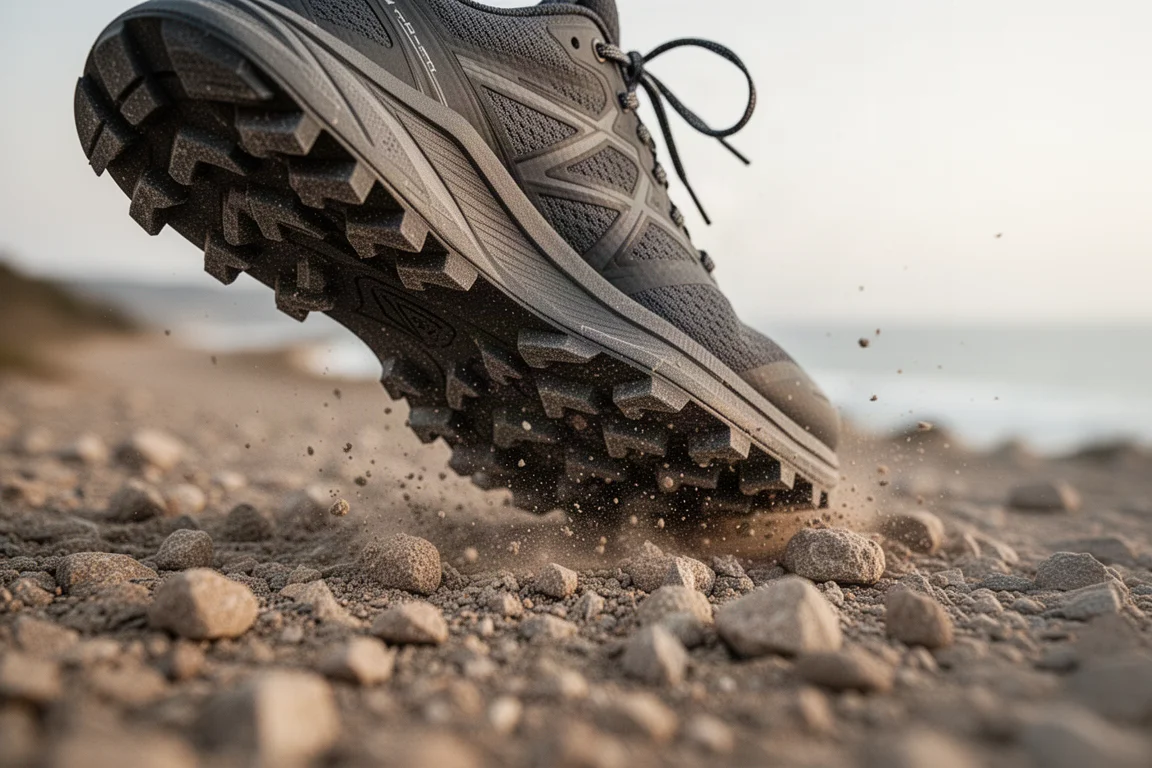
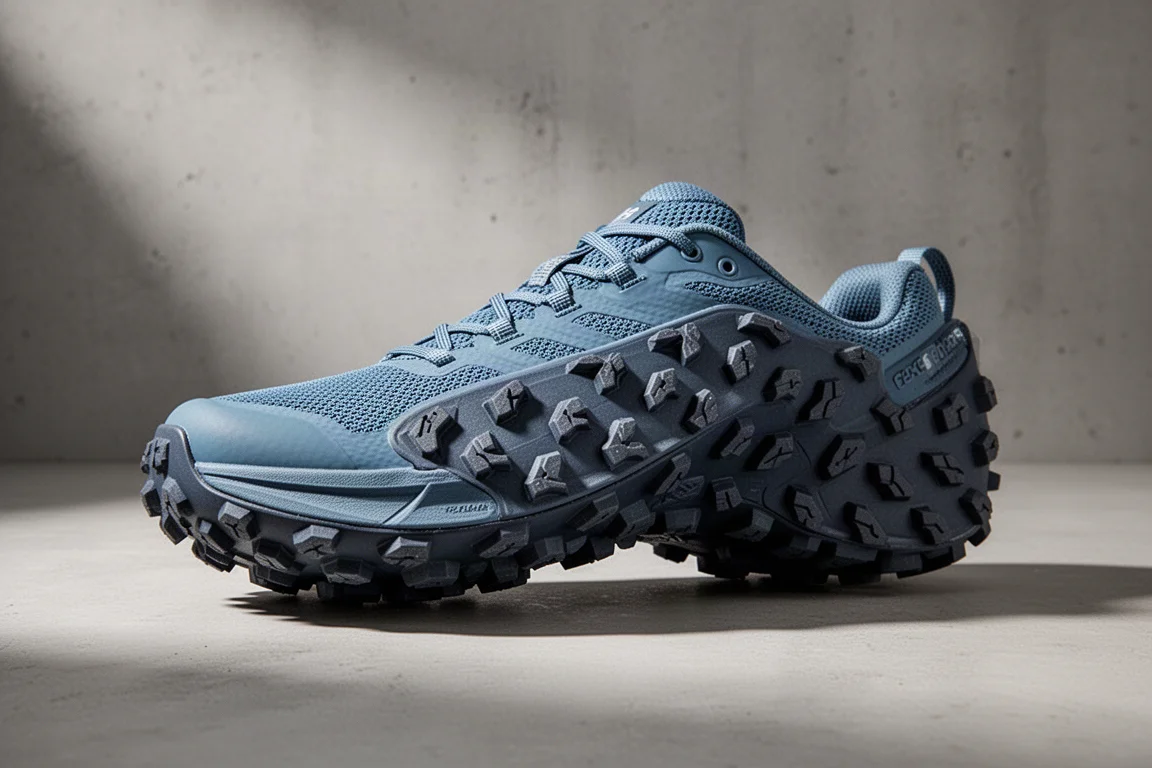
The Merrell Agility Peak 5 earned its spot with a strong first impressions run, followed by an 80-mile effort along technical coastal paths and tarmac. It stayed comfortable underfoot on the road sections, and the chunky 5 mm lugs paired with a Vibram Megagrip outsole handled everything thrown at it.
That mix of comfort and aggressive traction makes it a serious middle-ground option: more capable than a shallow-lug racer in the wet, while still comfortable for long days that include tarmac sections.
Running Poles: Harrier Havellen Pro Carbon
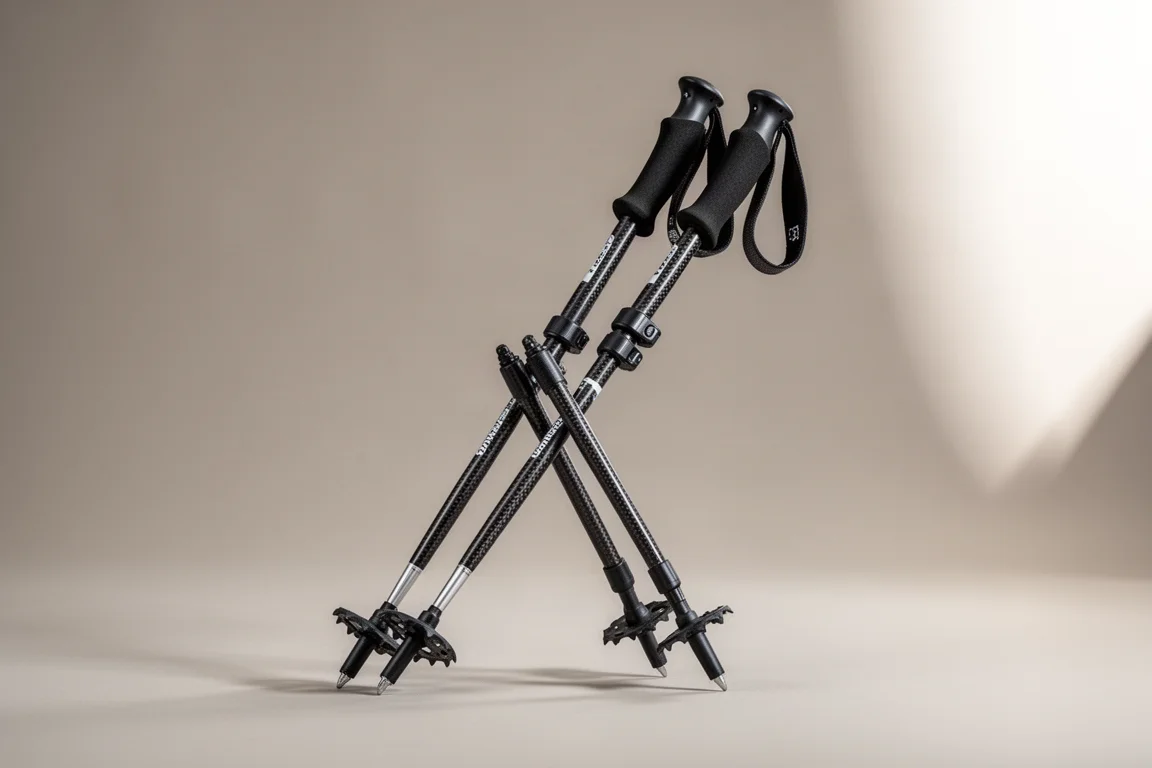
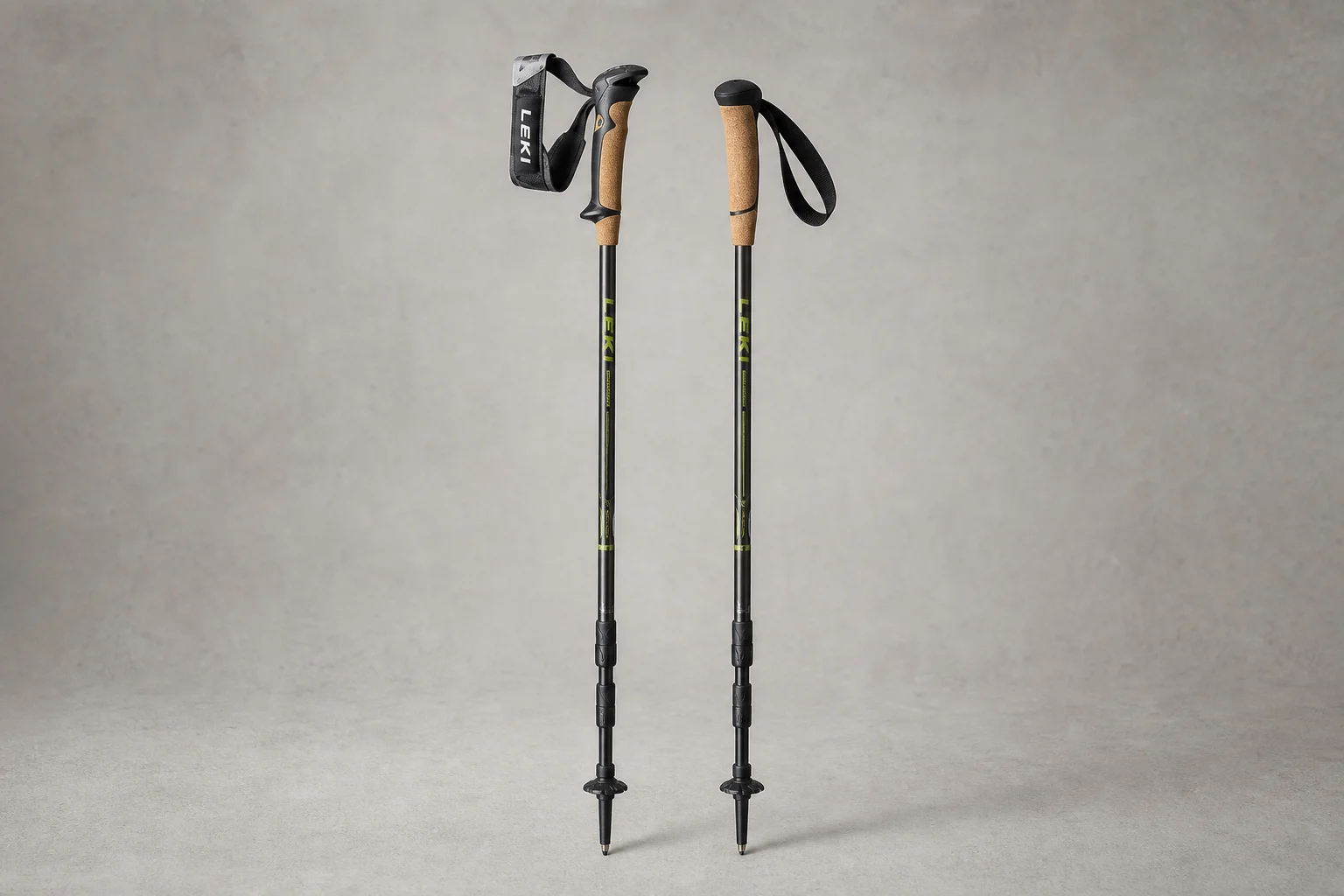
Even with only 4,500 feet of elevation spread across 48 miles, a set of poles can make a difference on the climbs and in the later miles. The Harrier Havellen Pro Carbon poles are great quality at a genuinely affordable price, which makes them an easy recommendation whether this is your first pair or an upgrade to an existing set.
They attach to the race vest in a quiver, ready to deploy if the terrain or fatigue calls for them.

Overall Buying Advice
If you are building a similar kit for a long trail race, start with the pieces that touch your body the longest: the vest and the shoes. A well-fitting vest with accessible storage removes friction at every checkpoint, and a shoe with a proven blister-free record is worth more on race day than any marginal performance gain.
New race-day shoes are tempting, and a carbon-plated racer can be a legitimate choice if it has been tested in training first. For shoes that are unproven over distance, keep a reliable alternative ready. Poles are a worthwhile addition for runnable routes with enough climbing to matter, especially affordable carbon options that stow away easily when not in use.
Conclusion
A 48-mile race is won with pacing, fueling, and gear that simply works. This loadout pairs a comfortable, well-organized race vest with three shoe options that cover the spectrum from proven comfort to new race-day speed, plus lightweight carbon poles for the climbs. Choose the pieces that match your own race conditions, test everything before the start line, and you give yourself the best chance of finishing strong.
Further reading
Related Reviews
Trail Running
How to Choose Trail Running Shoes: A Guide to Shoe Type, Cushioning, and Drop
Learn the three most important factors when selecting trail running shoes: shoe type, cushioning level, and heel-to-toe drop.
Trail Running
Trail Running Poles: A Complete Guide to Technique, Fit, and Use
Learn why trail running poles redistribute workload, how to choose the right length and strap system, and master three essential climbing techniques for longer races.
Trail Running
Arc of Attrition Kit List: The Gear Worth Packing for a Winter Ultra
A practical look at the shoes, waterproofs, lighting, race vest and poles lined up for a brutal 100-mile winter coastal ultra, and why each piece earned its place.