Trail Running
Arc of Attrition Kit List: The Gear Worth Packing for a Winter Ultra
A practical look at the shoes, waterproofs, lighting, race vest and poles lined up for a brutal 100-mile winter coastal ultra, and why each piece earned its place.
Introduction
The Arc of Attrition is a demanding proposition: roughly 100 miles of technical coastpath, relentless ups and downs, and a winter start in the UK that can hand you all four seasons in a single outing. In conditions like that, kit is not an afterthought. It genuinely can be the difference between reaching the finish line and not quite making it.
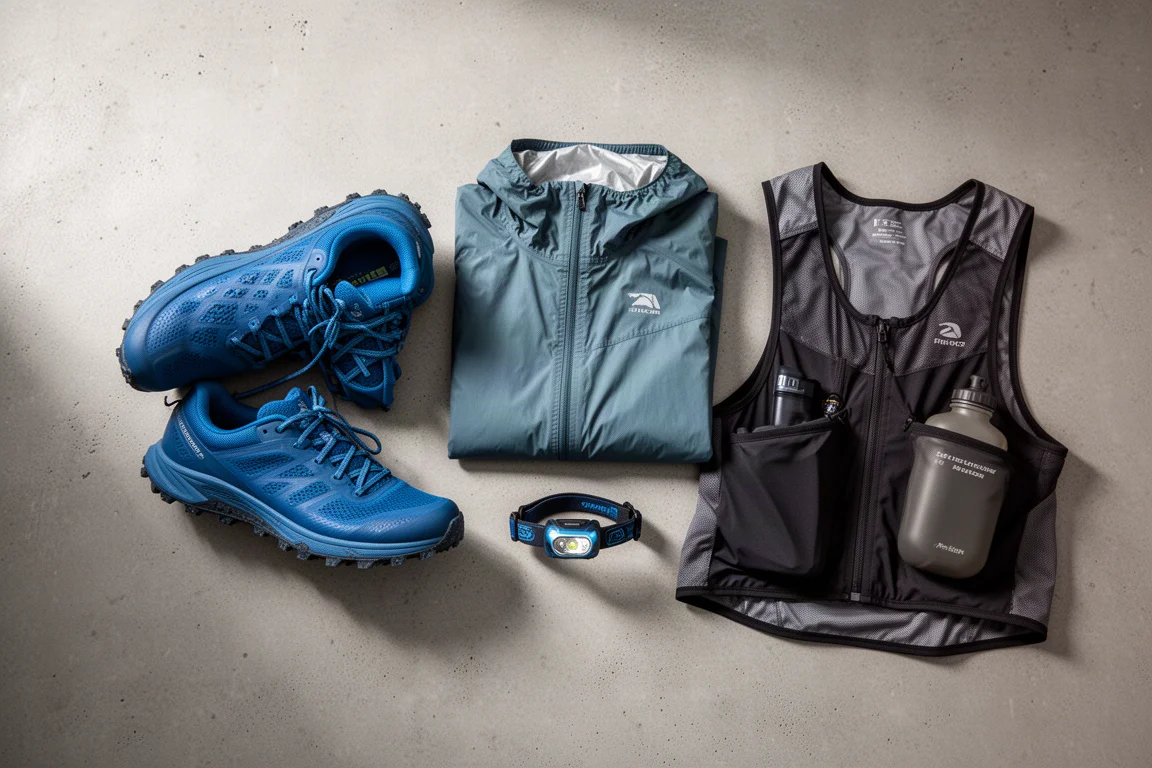
This roundup walks through the key pieces being trusted on the start line this year: the shoe choice, the waterproof jacket, the mandatory lighting setup, the race vest, the poles and the smaller extras that round out a winter ultra kit.
Shoe Choice: Merrell Agility Peak 5
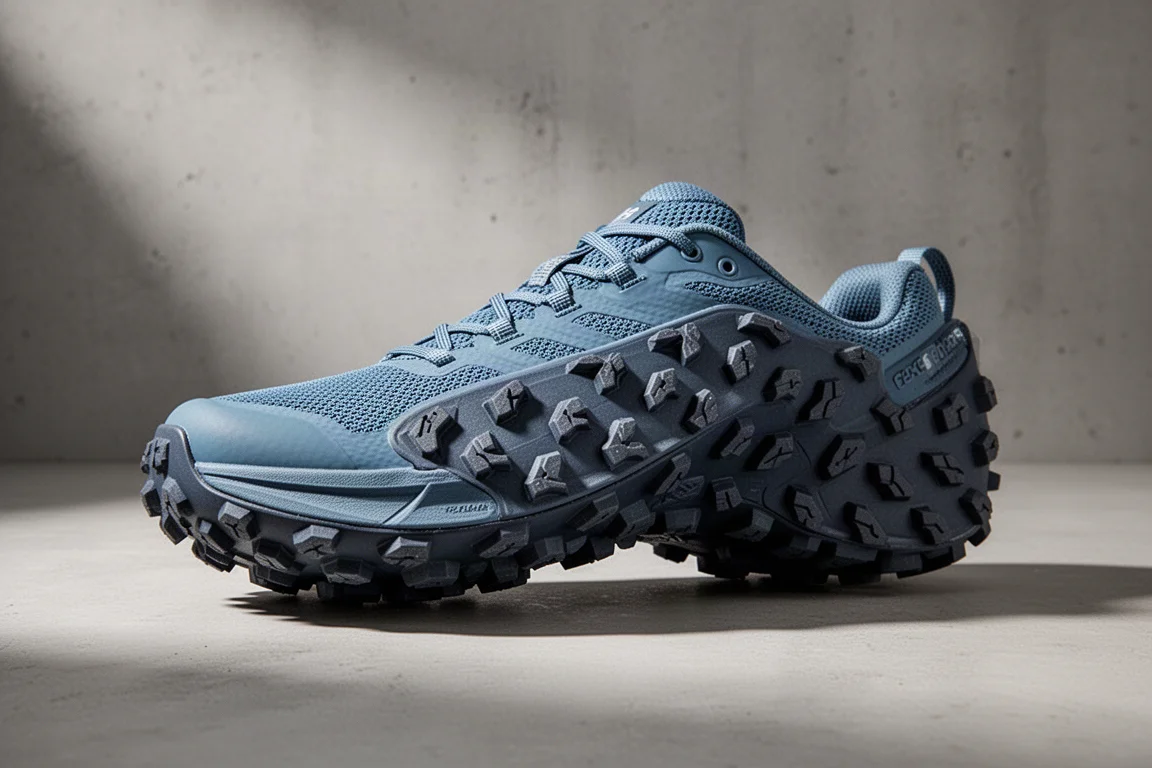
The Merrell Agility Peak 5 continues to impress on this kind of route, and it has earned the race day spot. The midsole carries a good level of cushioning for the longer tarmac sections, while the aggressively lugged 5mm outsole, clad in vibrant MegaGrip rubber, delivers strong traction in mud and dependable grip on rocky or wet rocky trails. Very few trail shoes manage both that well, which is exactly what this route demands.
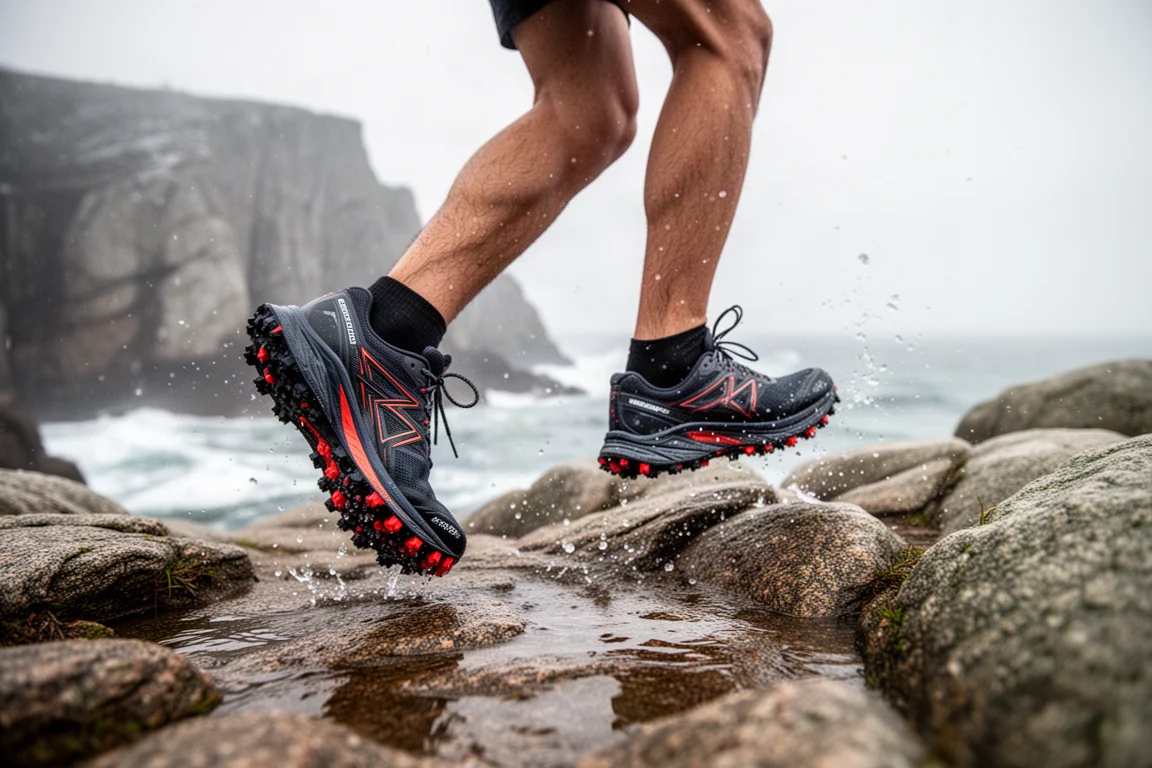
With a crew vehicle on hand, the plan is to carry several shoe options: a fresh pair of Agility Peak 5s bedded in before race day, an older pair with around 400 miles on them that has moulded comfortably to the foot, plus a couple of pairs of the original Exodus Ultra, a shoe that has never caused any foot issues. The Inov-8 X-Talon 260 V2 also goes in the car as an ultra-aggressively ludded fallback if the course turns exceptionally muddy. On long dry stretches, swapping into warm socks and dry shoes can be a small luxury that pays off over hours on wet trails.
Waterproof Jacket: Ron Hill Shield Dry GTX
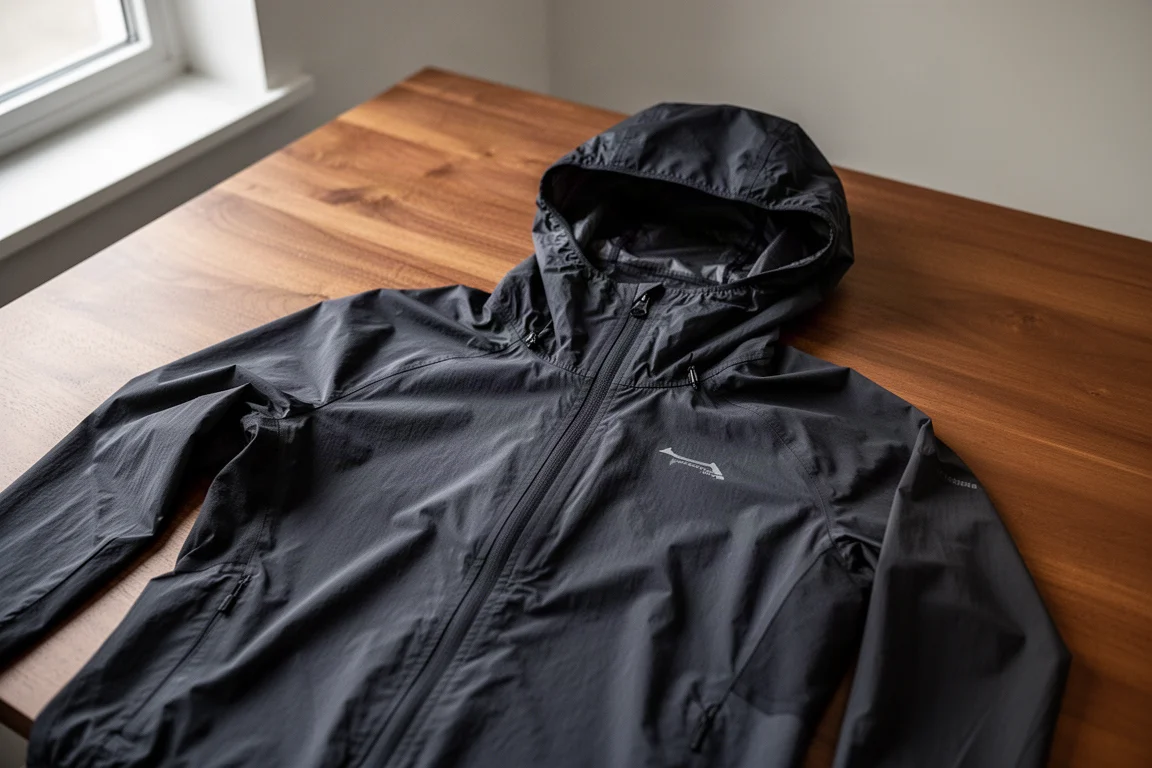
For the waterproof layer, the Ron Hill Shield Dry GTX has been in use for about three years and still amazes with its balance of protection and breathability. It is easily the best running waterproof jacket in this collection: super lightweight, packing down small enough to take up minimal room in a race vest, and ready for whatever the weather throws at you.
The one drawback is that there is no peak on the hood, so a water-resistant peak cap gets carried alongside it. That is a minor trade-off for a jacket this protective and this light.
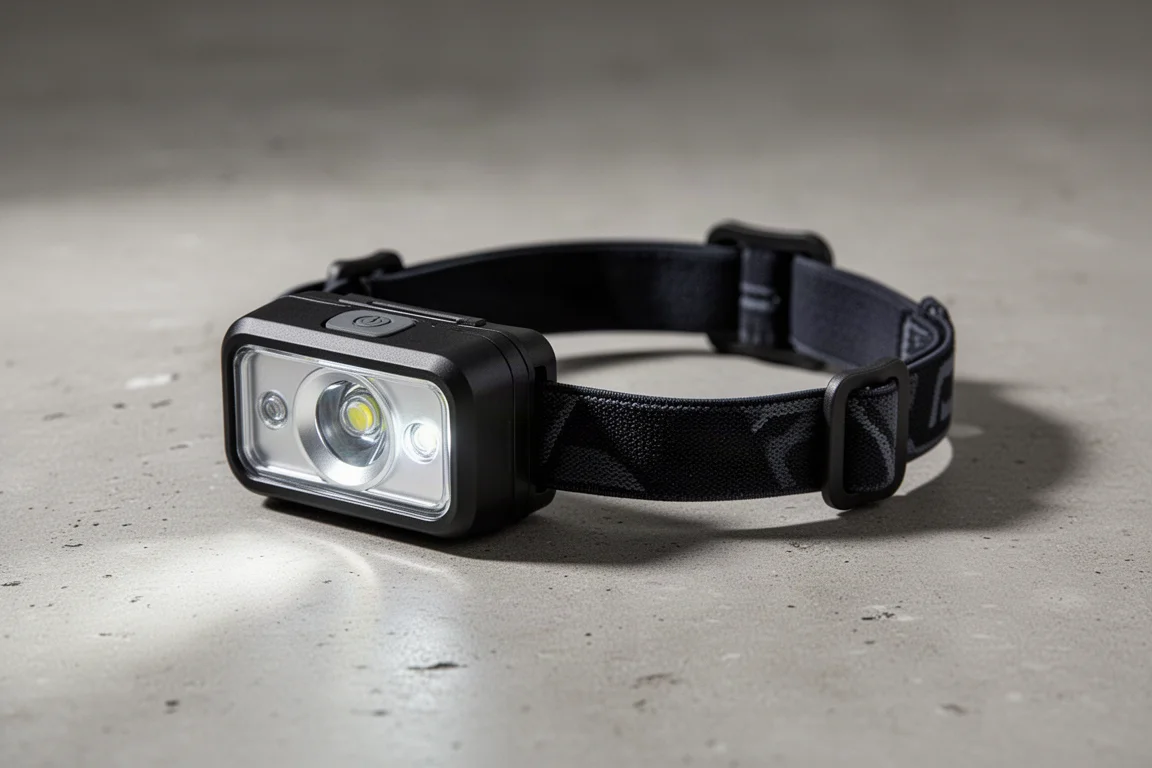
Lighting: Fenix HM65R DT and a Solid Backup
Race rules require two head torches with a minimum output of 100 lumens each, plus spare batteries for both units. The main light is the Fenix HM65R DT, a unit that has handled tough training runs and races for years, including a previous Arc of Attrition and the TDS, without a single failure. The addition of an amber light is a genuinely useful feature for this event: it cuts through foggy or misty conditions far better than standard white light, and those conditions are very possible on a winter coastpath night.

The backup is the Fenix HL32R-T, an excellent trail running head torch in its own right that makes a perfect second unit. Both travel with their spare batteries wrapped in the dry bag alongside the mandatory kit.
Race Vest: Salomon Adv Skin 12 Set
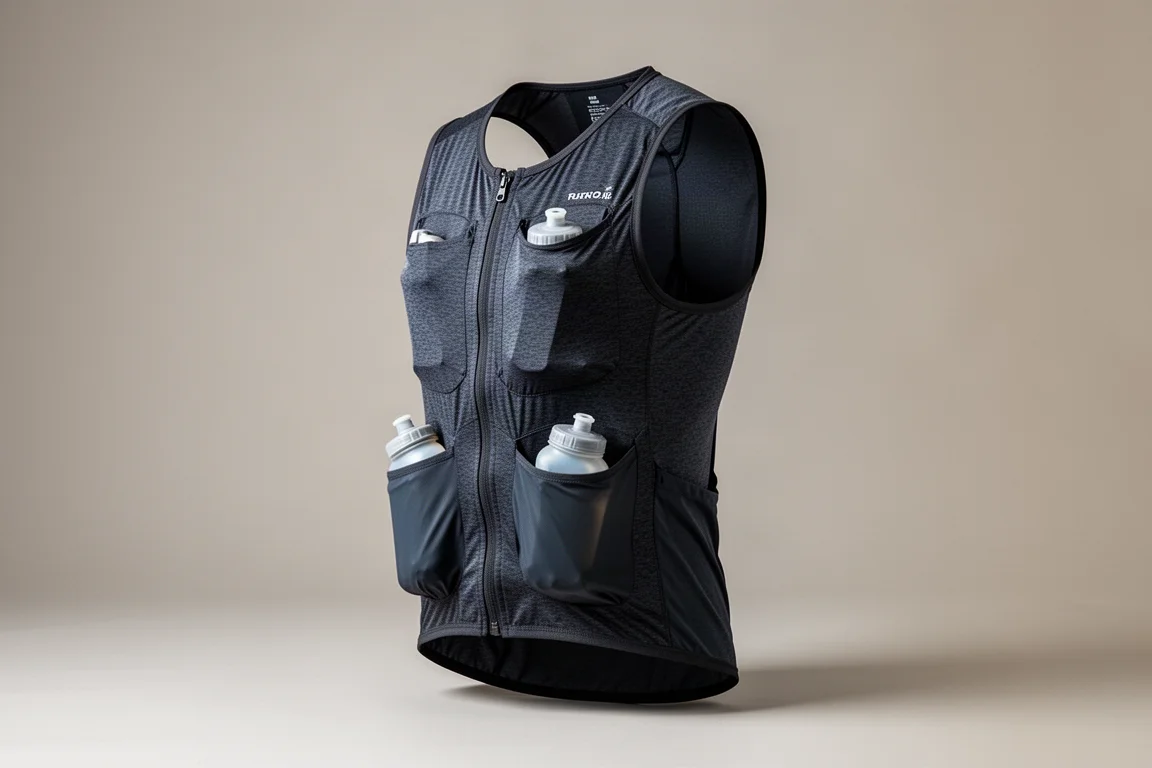
The Salomon Adv Skin 12 set has been the go-to race vest for a couple of years and has never let it down. It stays comfortable over very long periods, adjustments on the front are easy to make while moving, and above all it offers a huge amount of accessible storage, which matters most in a vest for this kind of race. There are two large stuff pockets on the front, two zip pockets above them, an easy-to-reach wraparound stuff pocket that joins at the back, and a dedicated waterproof jacket pocket at the top so you can grab your shell on the move.
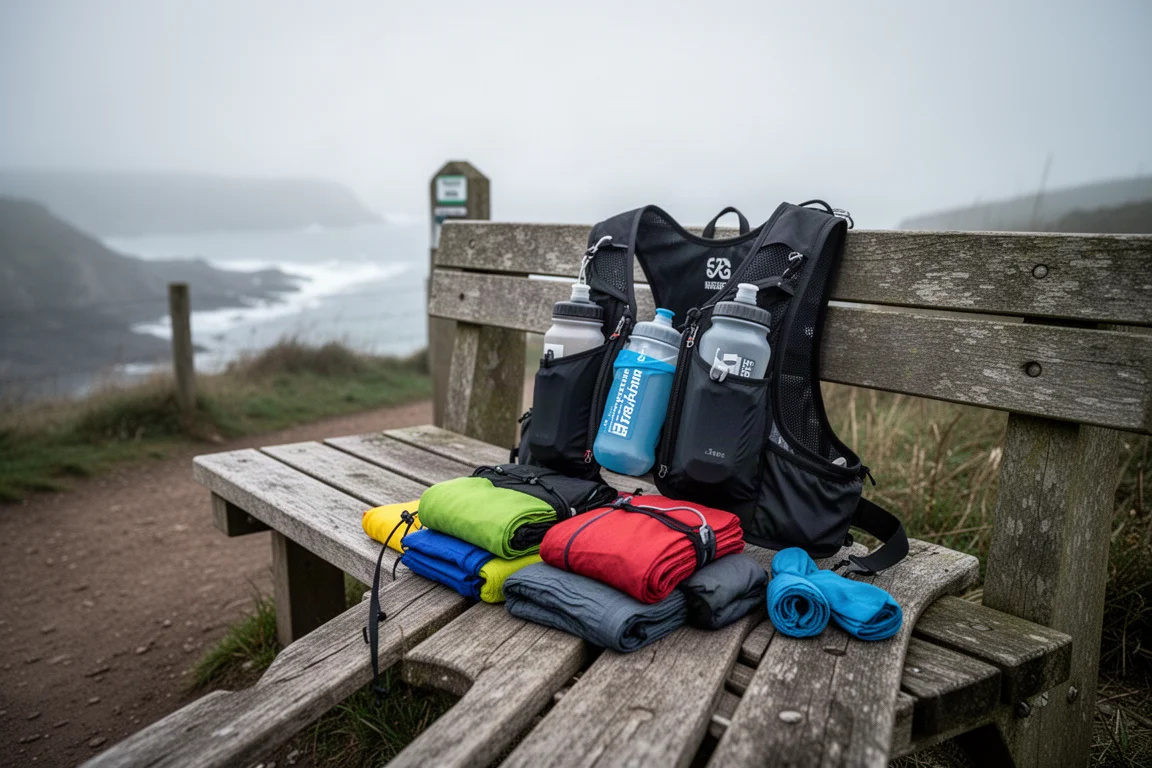
The mandatory kit, packed into a Sea to Summit 4L dry bag that has survived seven or eight years of hard use, includes a small first aid kit, a survival bag with an emergency whistle, lightweight waterproof trousers, a spare merino base layer, dual-fabric tights with good rubber grippers, the spare head torch and batteries, a spare buff, gloves, a warm hat and a few emergency gels.
Poles: Harrier Pro Carbon
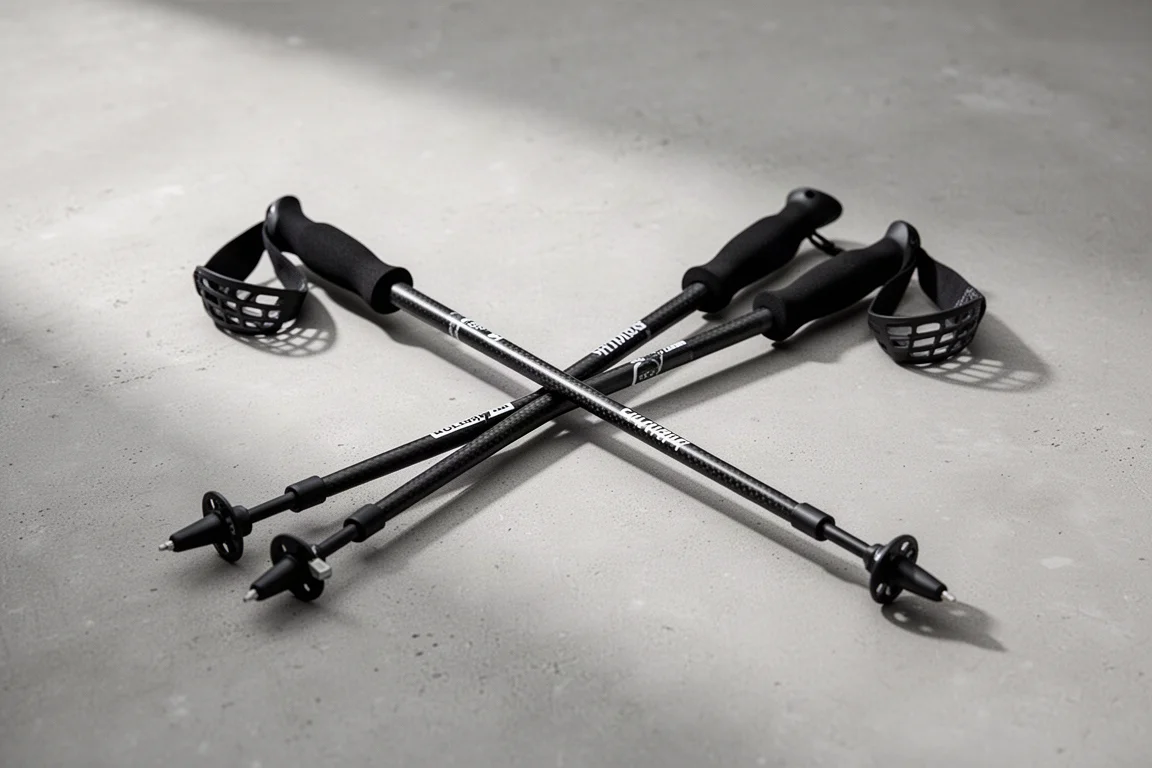
Poles divide opinion on this route, but the Harrier Pro Carbon pair, carried in a Salomon pole quiver on the back of the vest, have helped on every attempt, especially in the latter stages when the legs are gone. The caveat is honest: the coastpath spends a lot of time in narrow gullies, so if you are not well practised with running poles they can become more of a hindrance than a help. Use them only if you have trained with them.

Small But Important Extras
A Fenix PD35 V3 hand torch rounds out the lighting plan. It puts out a very powerful 1,700 lumens with a focused spotlight reaching roughly 250 to 300 metres, yet stays light, small and compact in the race vest. If you lose your bearings at night and come off the trail, that beam can pick out the next coastpath sign or the headland you are aiming for and get you back on track.
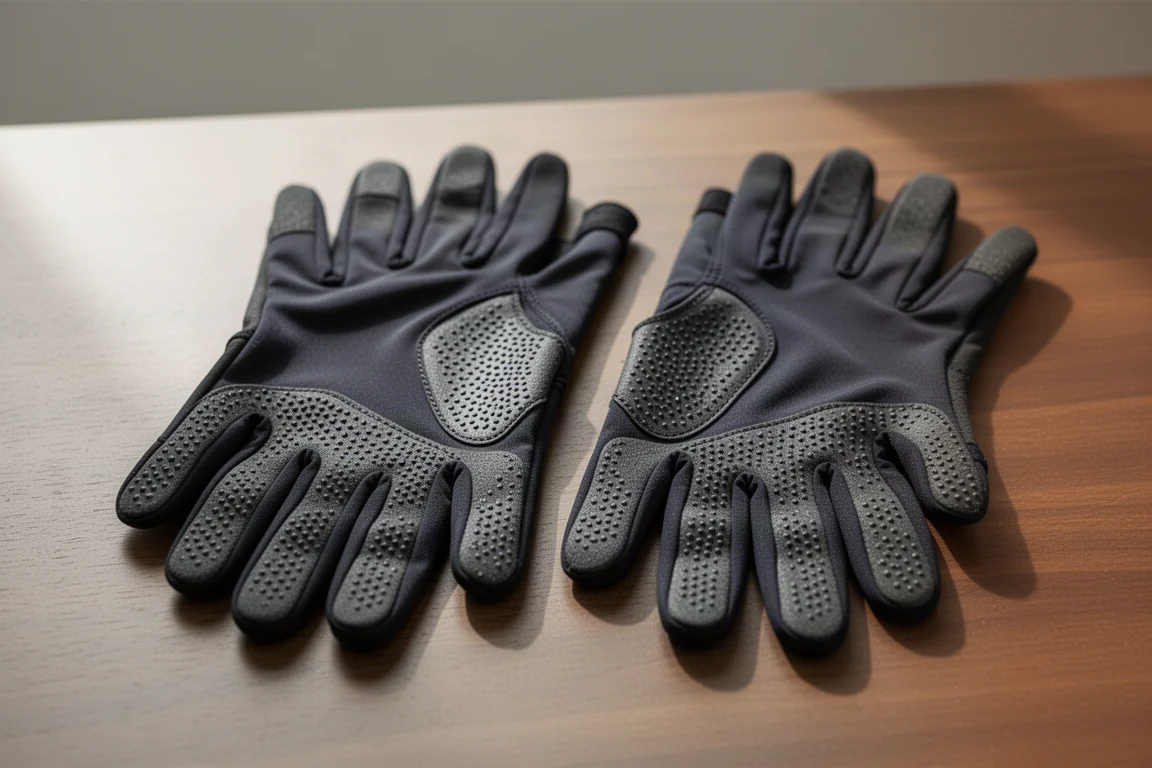
Gloves are part of the mandatory kit, and the DexShell waterproof pair strikes a rare balance: lightweight for a waterproof glove, not bulky, comfortable and highly breathable, with rubber grippers on the palms and touchscreen-friendly fingertips. A rechargeable rear light for the pack and a collapsible cup for warm fluids at checkpoints complete the picture.
Conclusion
A winter coastal ultra rewards preparation, and this kit list is built around three ideas: shoes that grip both mud and wet rock, waterproofs and lighting you can trust for hours, and a vest that keeps the mandatory kit organised and reachable. None of it is flashy for the sake of it; every item has been tested in training and earned its place. If you are building your own kit list for a similar event, start with the non-negotiables, test everything in the dark and the wet, and let familiarity, not novelty, decide what goes on the start line.
Further reading
Related Reviews
Trail Running
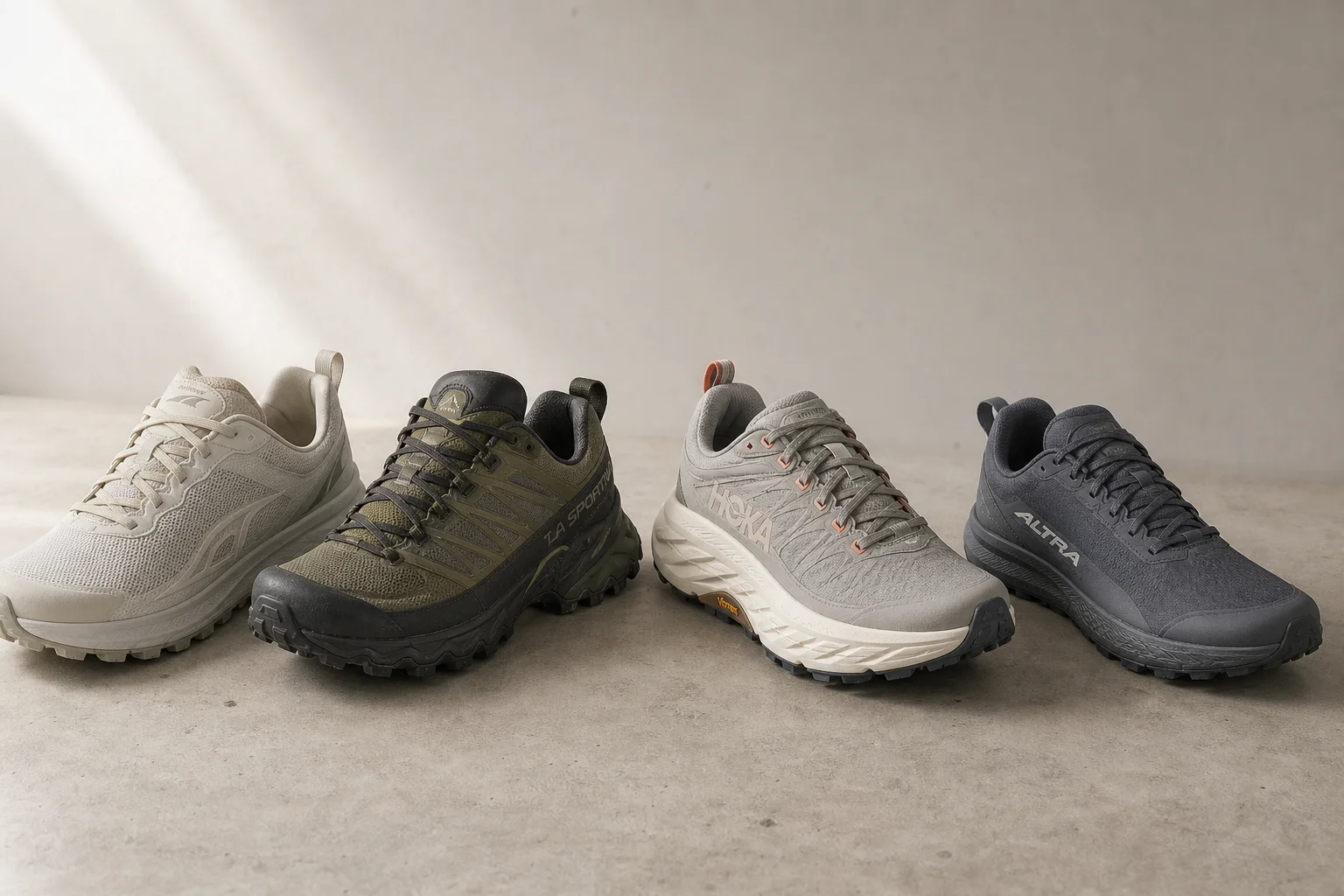
How to Choose Trail Running Shoes: A Guide to Shoe Type, Cushioning, and Drop
Learn the three most important factors when selecting trail running shoes: shoe type, cushioning level, and heel-to-toe drop.
Trail Running
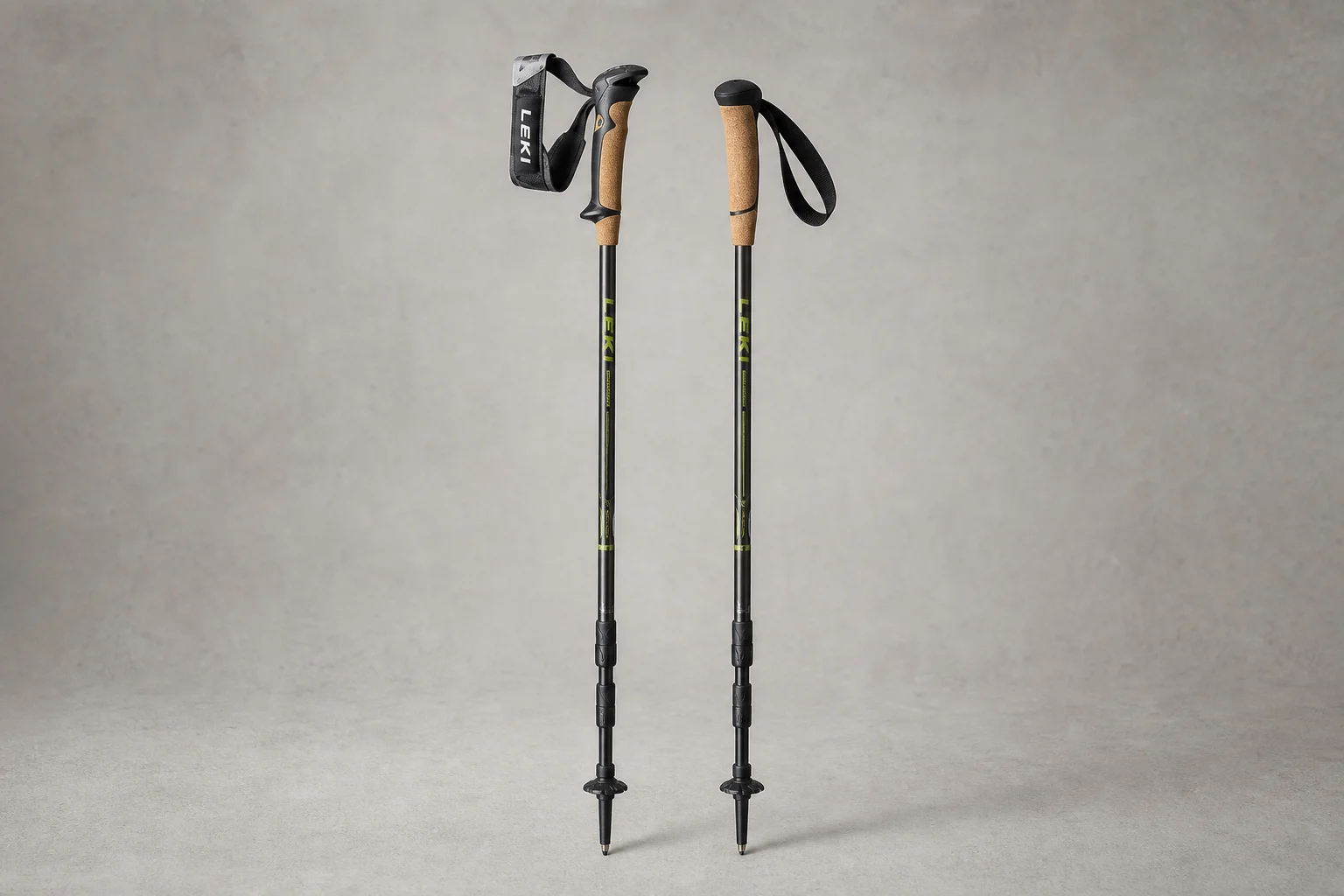
Trail Running Poles: A Complete Guide to Technique, Fit, and Use
Learn why trail running poles redistribute workload, how to choose the right length and strap system, and master three essential climbing techniques for longer races.
Trail Running
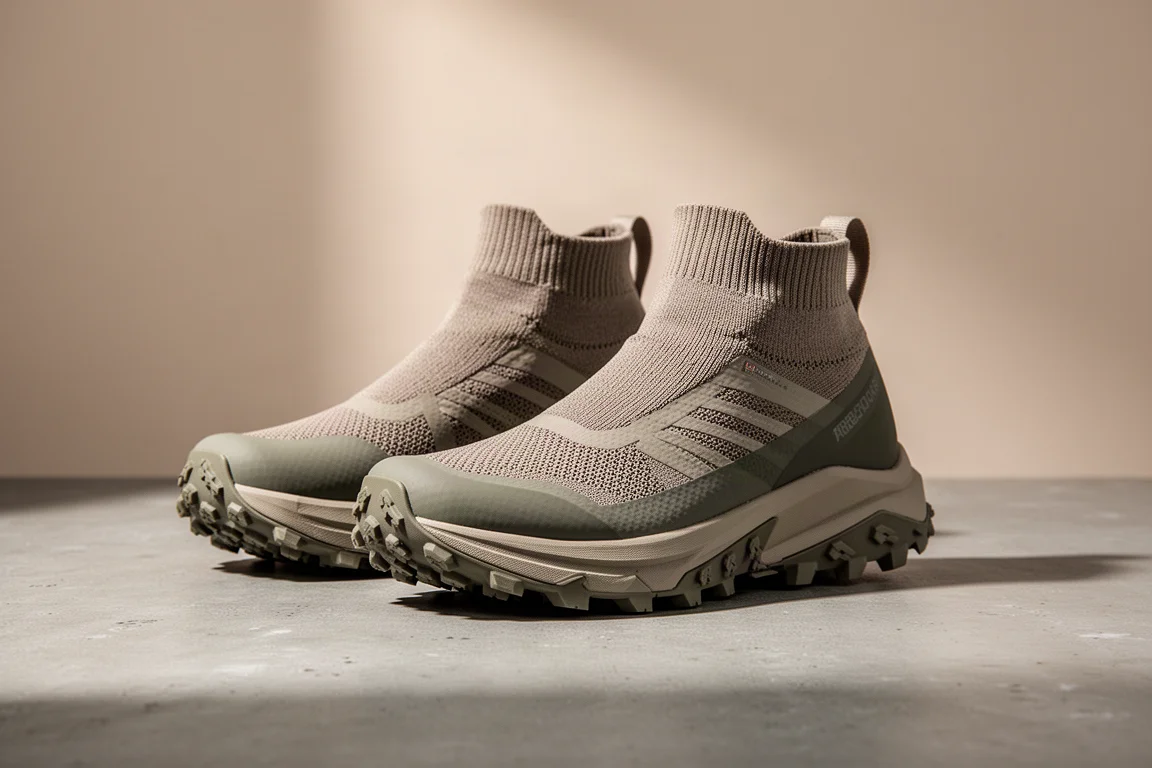
Ronhill Freedom Ultra First Impressions: A Performance-Driven Trail Racer
Ronhill's third trail shoe brings a booty-style Matrix Evo upper, Michelin supercritical foam, and a lighter build aimed at quicker training runs and race day.