Camping Gear
Ultimate Car Camping Comfort Gear: 9 Pieces for a Mobile Basecamp
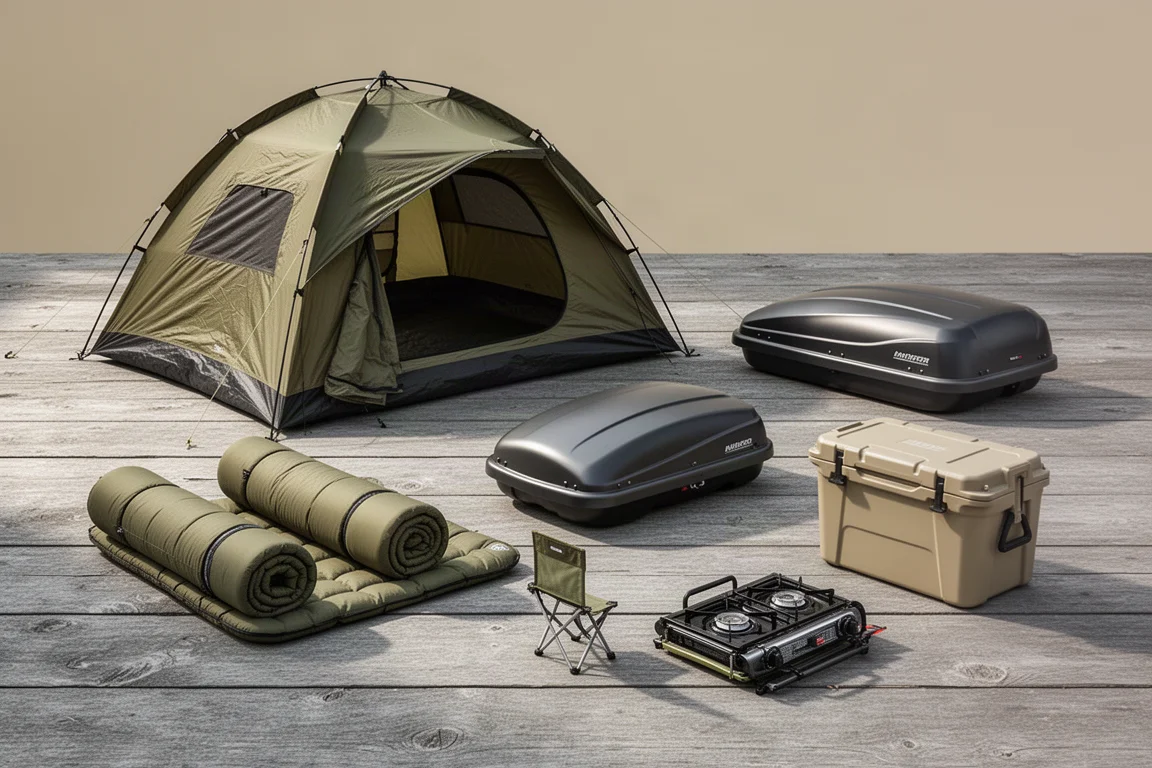
A nine-piece car camping setup built around a large family tent, insulated sleeping pads, a roof cargo box and a camp kitchen that nests flat.
Introduction
Camping usually gets described in two extremes. Either you are roughing it with the bare minimum, or you are glamping in something that amounts to a hotel with canvas walls. The setup below sits in the middle: mobile enough to pack into a normal vehicle, comfortable enough that a long trip never feels like a compromise.
This list comes from a family of five who camp for extended stretches, including a full month on the road in July. Not everyone in the family enjoys backpacking, but everyone enjoys camp, so the gear has been refined over several seasons around one goal: stay comfortable without needing a giant truck to haul it all.
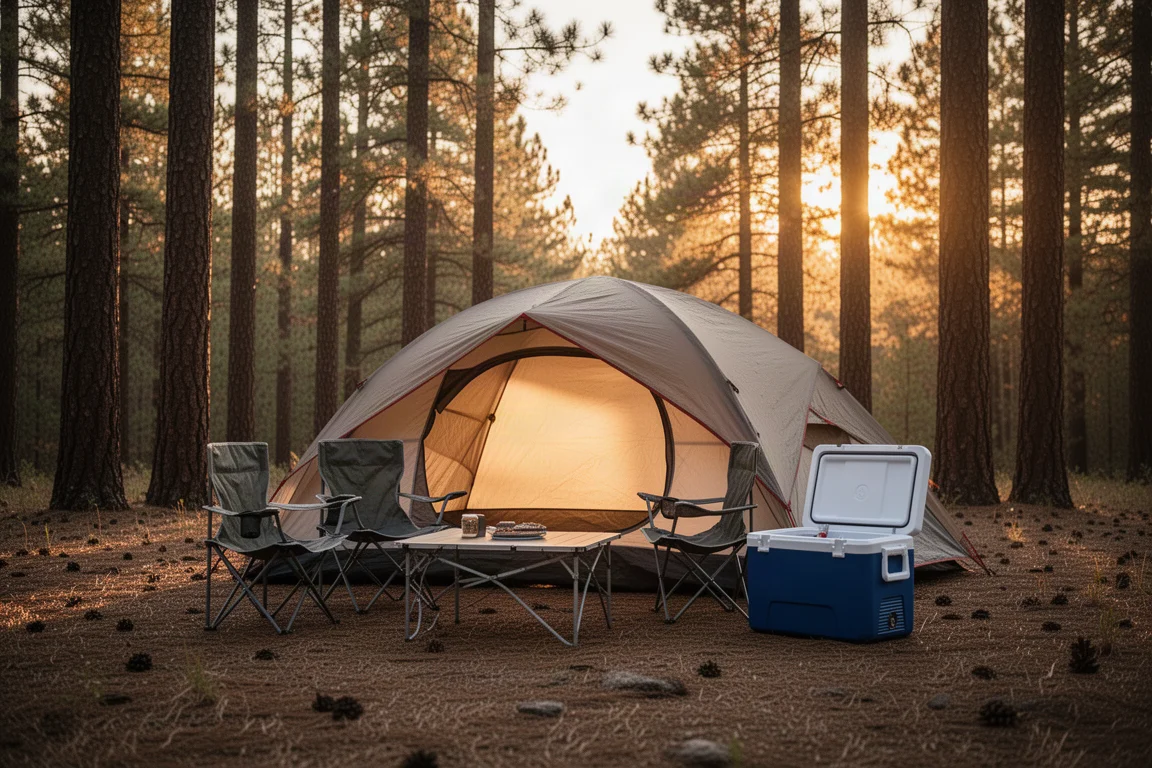
Across the nine items here you will find the sleep system, the storage that makes room for it, the seating, and the camp kitchen that ties it together. Each piece solves a specific problem, and the trade-offs are noted wherever they exist.
How This Setup Was Chosen
Three questions shaped this list. First, does the item pack small enough to fit a vehicle that is already carrying people and luggage? Second, does it add comfort or capability that a cheaper alternative cannot match? Third, does it hold up over repeated trips rather than a single season?
Insulation, packing efficiency and multi-day usability matter more here than headline specifications. A cooler that only holds ice for a day limits how long a trip can run, and an uninsulated air mattress can turn a cold-weather camp into a miserable night. Every item below earned its place by removing one of those limits.
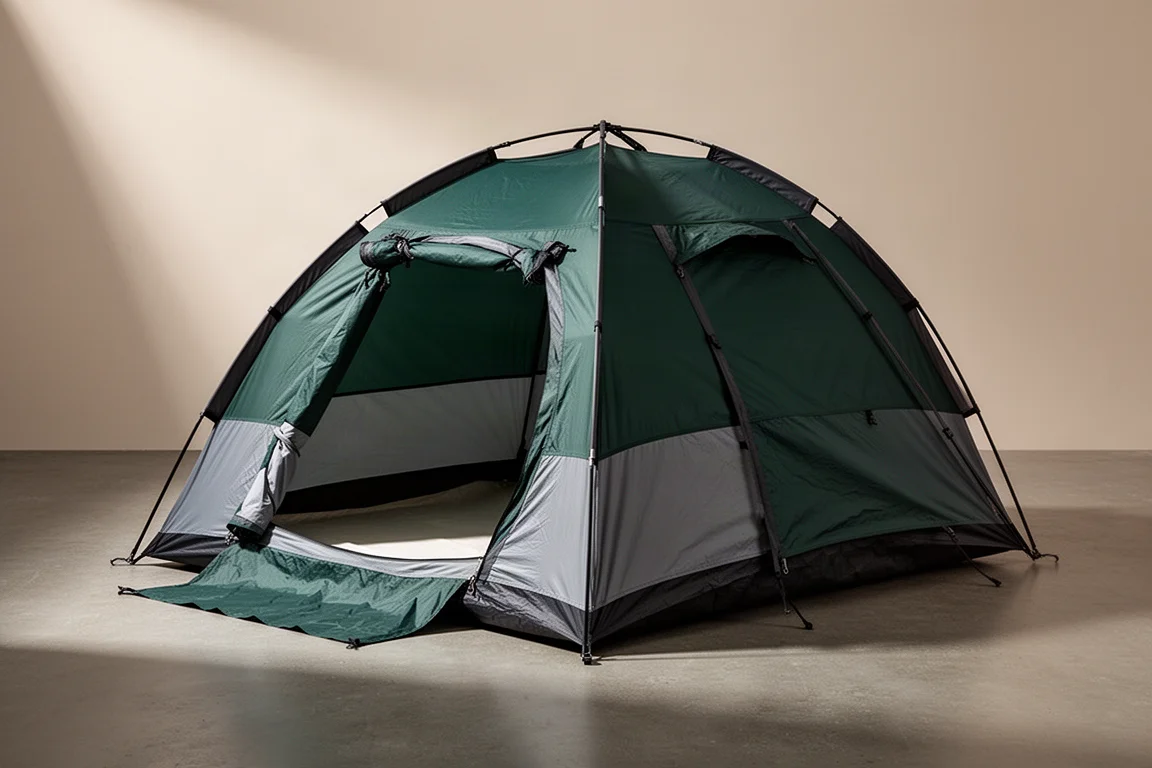
Nemo Aurora 6-Person Tent: Room for a Family
Family camping starts with the tent, and the sizing math is worth doing before buying. A six-person rating works out to roughly 20 inches of width per person, which gets tight once you add bags and a plush sleep system. This setup sleeps five instead, one of whom is a three-year-old, and that spare room is what makes two wide sleeping pads possible.
The Nemo Aurora is a clear step up from the budget tents many families start with. It provides the interior volume that a comfortable car camping setup depends on, and it pairs naturally with the sleeping pads below.
Exped MegaMat Duo: Insulated Sleeping Comfort
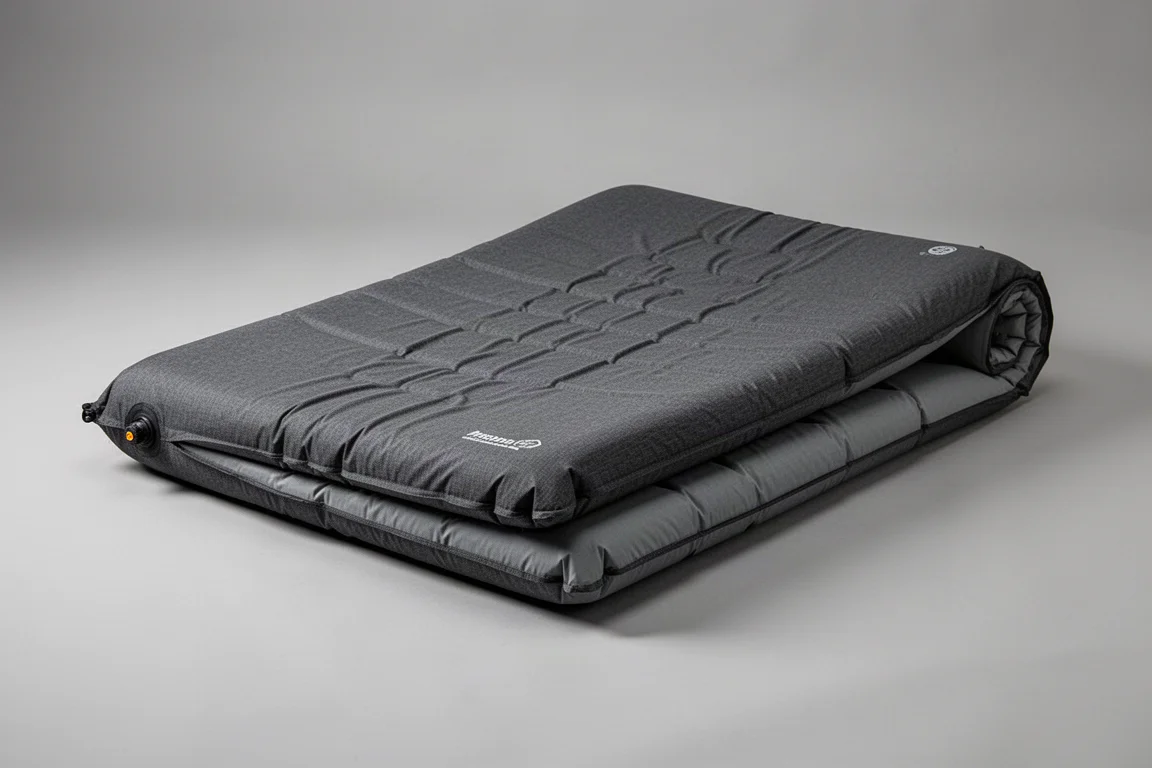
Two Exped MegaMat Duo pads fill the tent, and they are the single biggest comfort upgrade in the kit. Inflatable beds from brands such as Coleman and Intex are inexpensive and reasonably comfortable, but they have no insulation, which makes them a poor choice in colder camping areas. The MegaMat Duo adds the warmth layer that basic air beds leave out.
Motion transfer is the other difference. On a basic air bed, getting up in the middle of the night wakes your partner. On the MegaMat, you can shift position and barely disturb the person beside you. The trade-offs are worth knowing up front: these pads are a chore to pack away, and they are bulky when storage space is limited.
Yakima Skybox 18: Cargo Space That Clears the Hatch
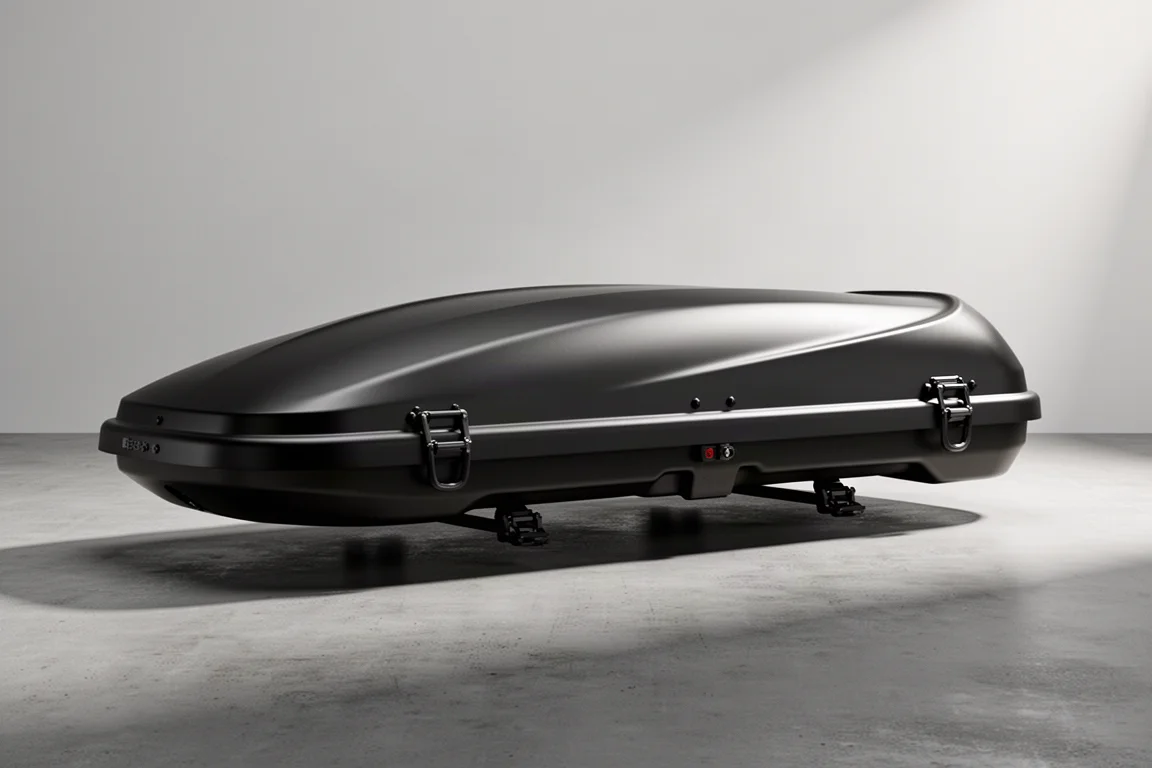
Space is the constraint that shapes everything else in a car camping setup. A roof cargo box like the Yakima Skybox 18 solves it by moving the gear you do not need during the drive out of the cabin. This one can shift far enough forward on the rack to clear the hatch on the vehicle, which matters when you open the back several times a day.
It also opens from both the driver side and the passenger side, so you can reach it from either side of the car. The tent, sleeping pads, sleeping bags and chairs all ride up top, leaving the interior for people and for the items you want within arm’s reach.
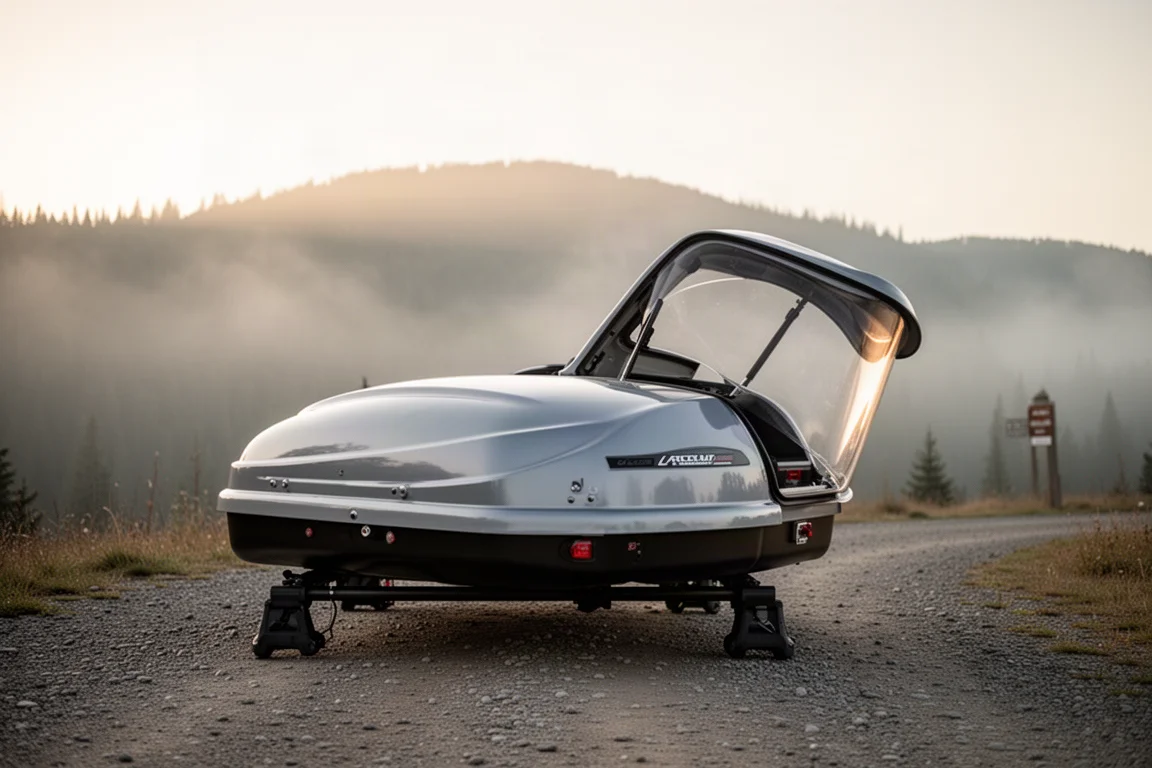
Because the bulky items live in the box, the rest of the load stays organized instead of being stacked around the passengers. That is the practical case for a cargo box: not extra capacity for its own sake, but a dedicated place for gear you will not touch until camp is set up.
Helinox Chair Zero: Lightweight Seating for the Backcountry
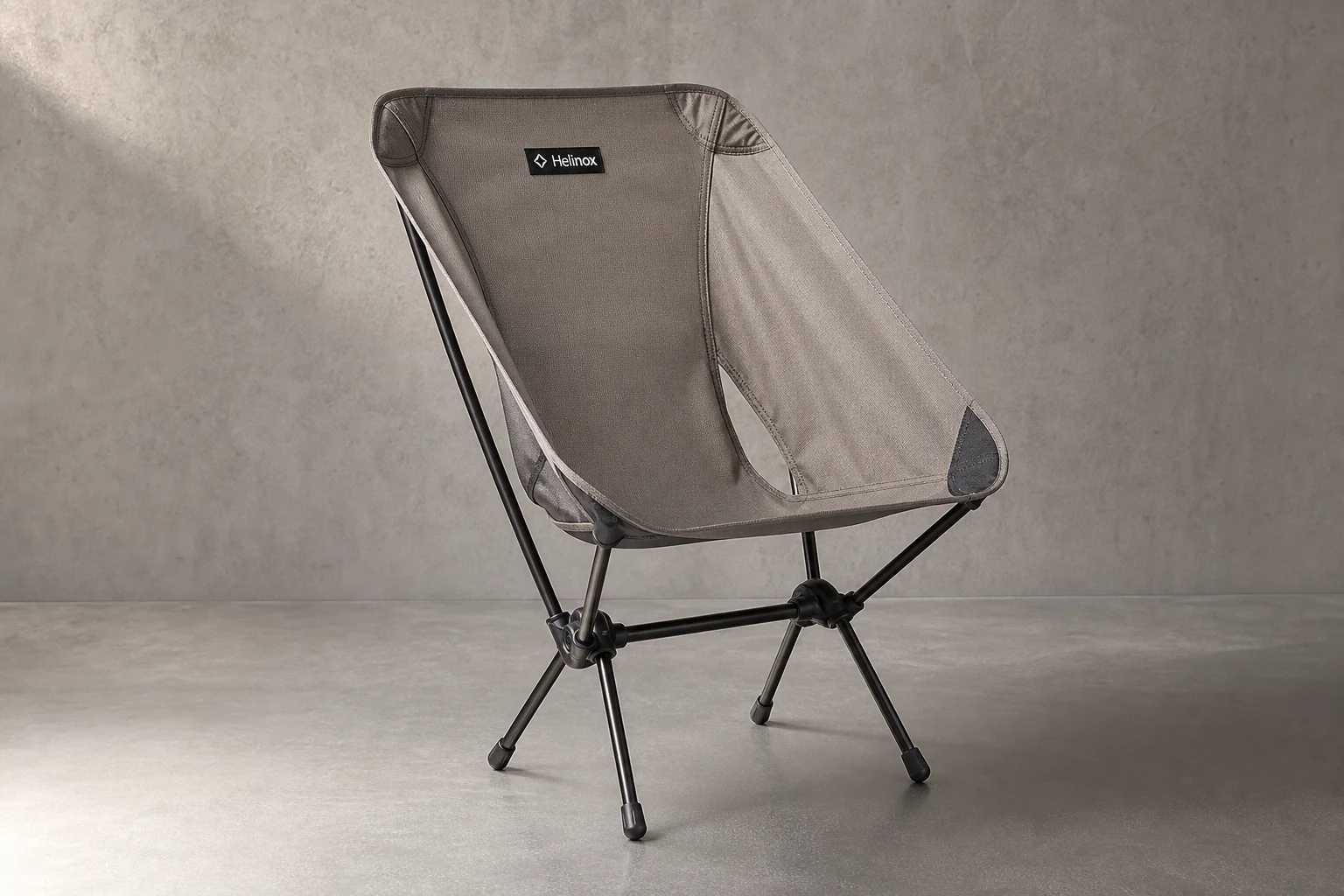
A chair changes camp more than most people expect, and the Helinox Chair Zero is the one that goes on nearly every trip, including backpacking trips where every gram counts. It packs down small and weighs very little, which is why it holds a permanent spot in the kit.
When the vehicle carries the load, heavier reclining camp chairs with shock-cushioned backs come along as well, and that recline is genuinely pleasant at the end of a long day. The Chair Zero stays the one that travels no matter how the trip is planned.
Moosejaw 55L Cooler: Multi-Day Ice Retention
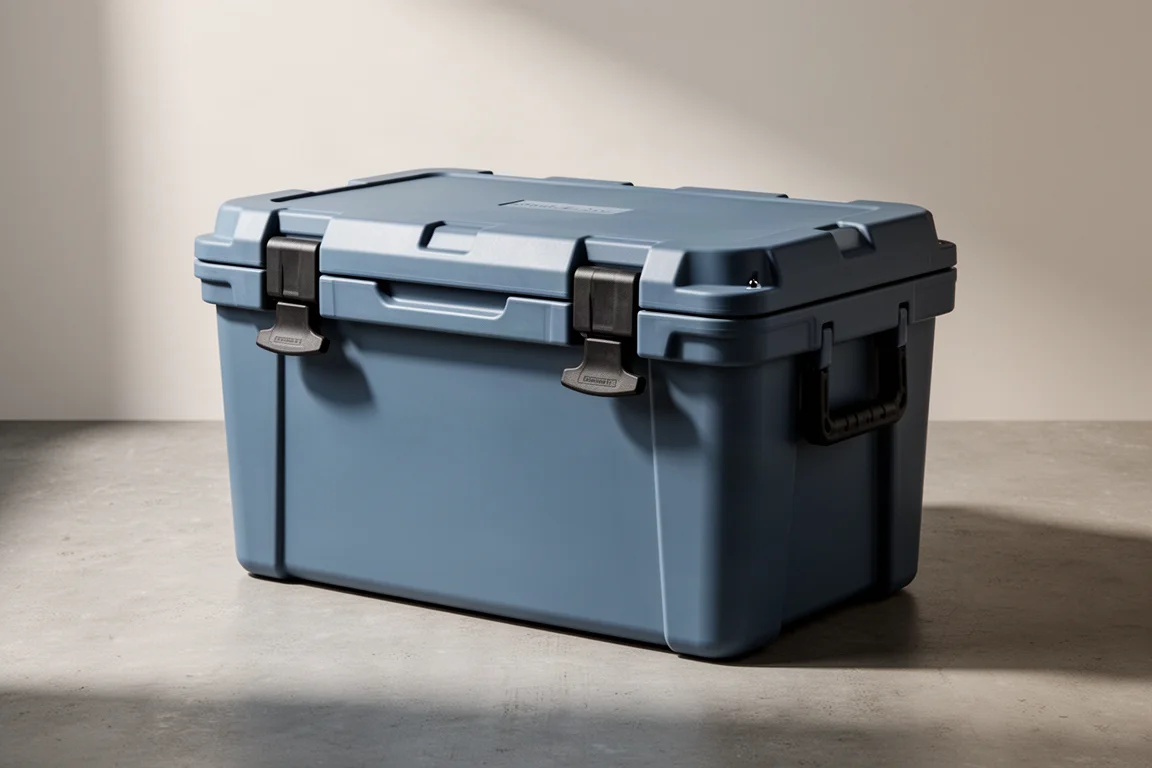
Food is the foundation of comfort at camp, and a well-insulated cooler is what makes good food possible on a multi-day trip. The 55-liter Moosejaw cooler fits neatly into the back of a 4Runner and keeps ice and food cold for three to four days at a time.
That retention is the difference between a short trip and a long one. Older coolers needed a fresh bag of ice roughly every day, which capped how far and how long the family could stay out. The Moosejaw build is hefty and close to indestructible, and the capacity suits a family of five.
GSI Pinnacle Pro Stove: A Two-Burner That Packs Flat
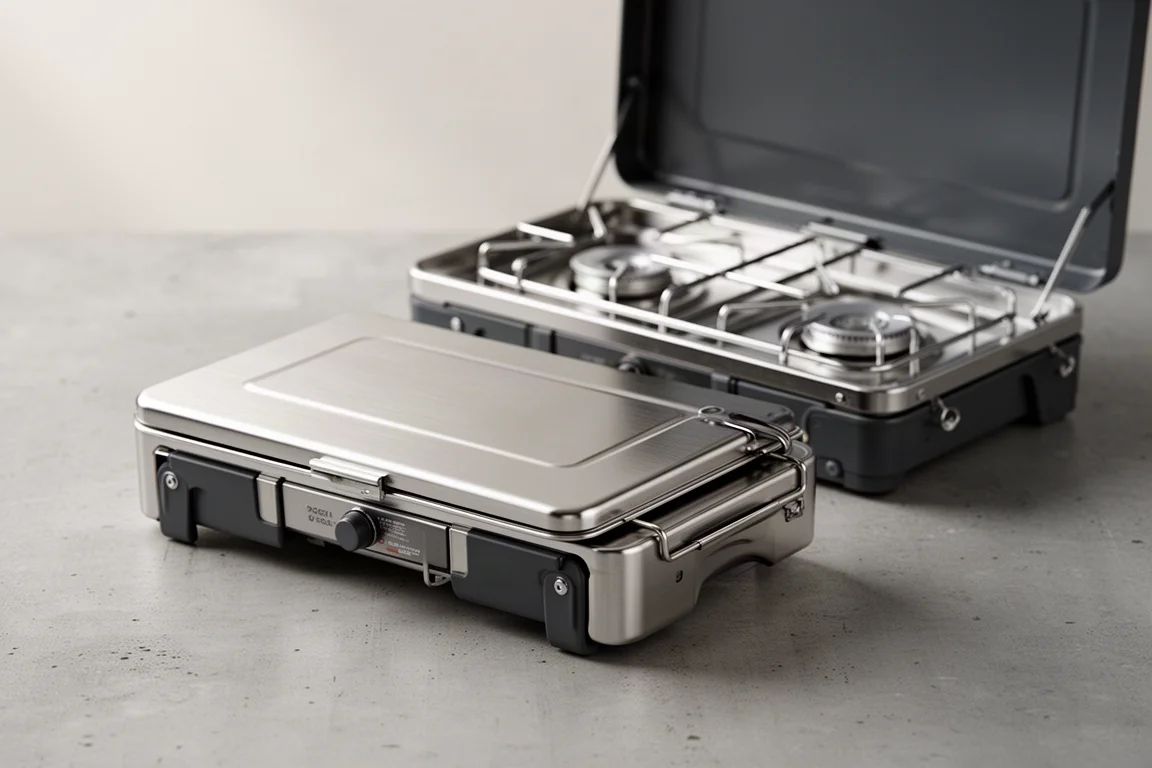
A cooler keeps food cold; a stove turns it into dinner. The GSI Pinnacle Pro is one of the sleekest two-burner stoves around, and its party trick is packing flat. Fully collapsed it measures roughly an inch thick, which is exactly what you want in a vehicle that is already full.
In practice it slides between the storage boxes and the cooler, so it takes up almost no usable space. Two burners also mean you can run a pot and a pan at the same time, which keeps meal prep quick when everyone is hungry.
GSI Pinnacle Pro Cook Set: A Kitchen That Nests
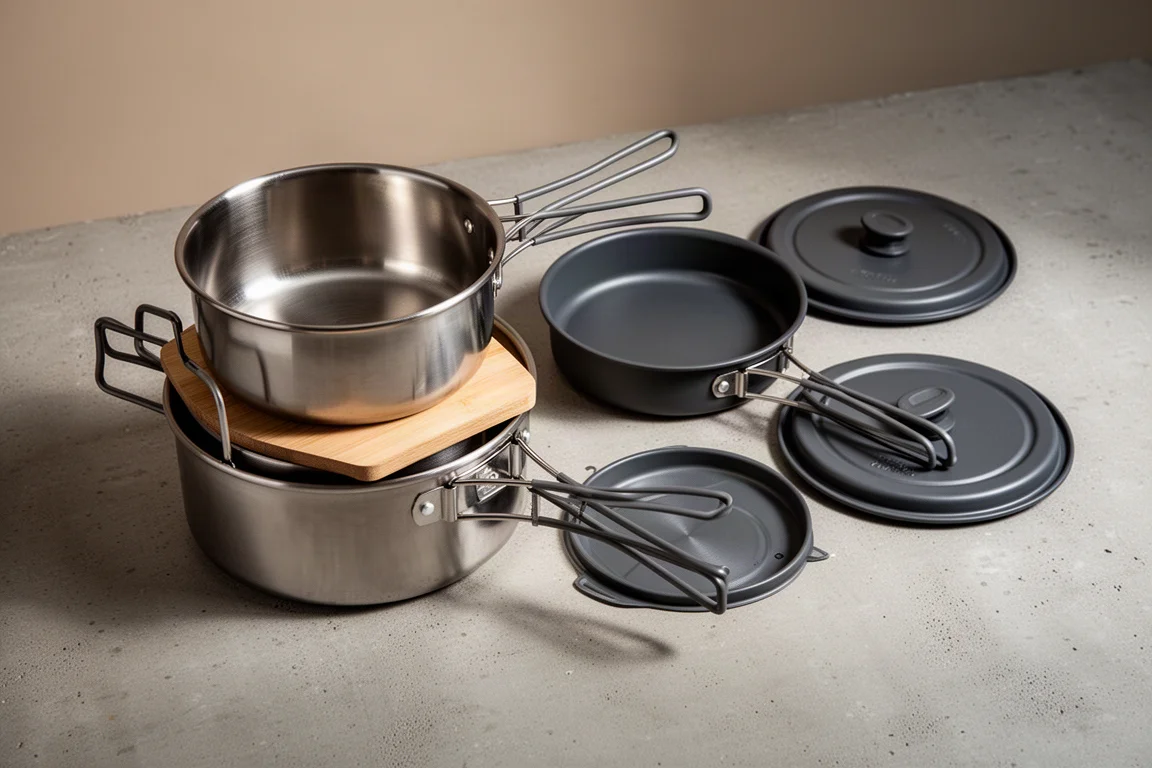
The stove is only half a kitchen. The GSI Pinnacle Pro cook set is the other half, and its appeal is the way everything nests inside everything else. The large pot drops into the pack sink, the small pot sits inside the large pot separated by the small cutting board, and the dish set stores inside the small pot.
From there the small lid goes in, then the pan, then the large lid, and the whole stack goes into the kitchen box with the utensils. It sounds like a small thing, but a cook set that packs into one tidy stack is far easier to live with on a long trip than loose pots and pans rattling around the cargo area.
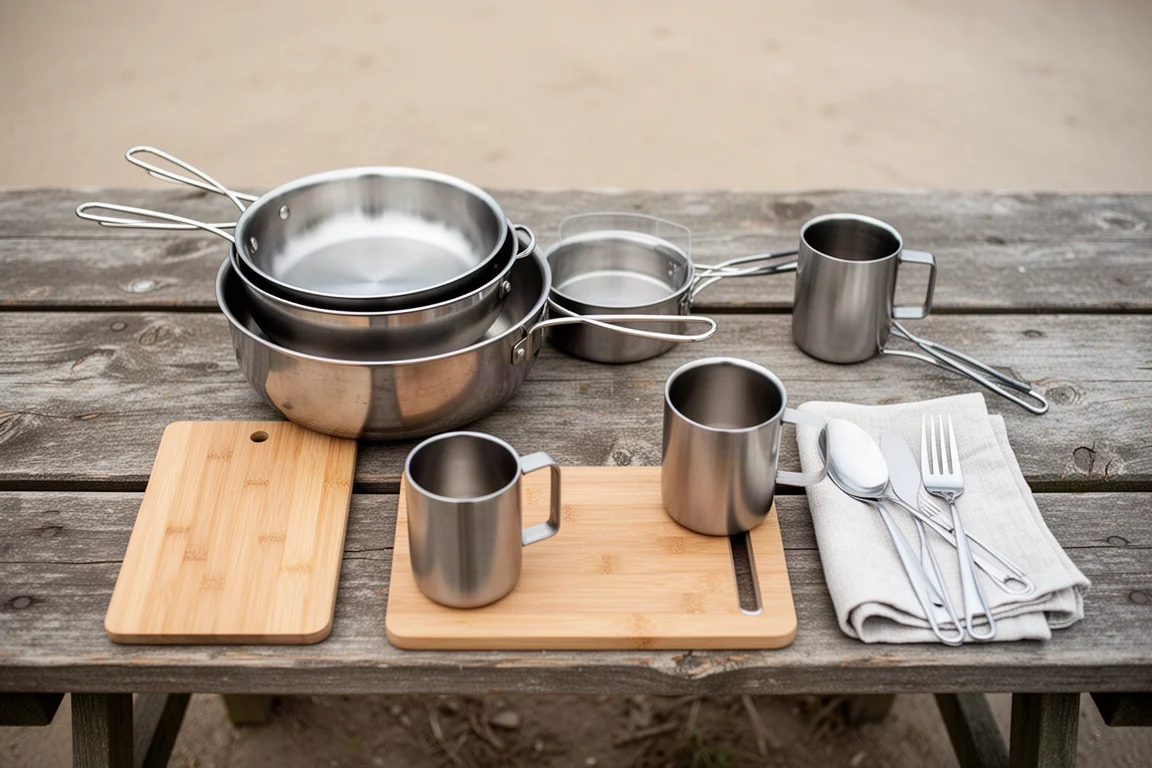
Nesting also means fewer decisions at camp. You open one box, lift out one stack, and the entire cooking setup is on the table.
GSI Pinnacle Pro Dish Set: Four Place Settings That Stack
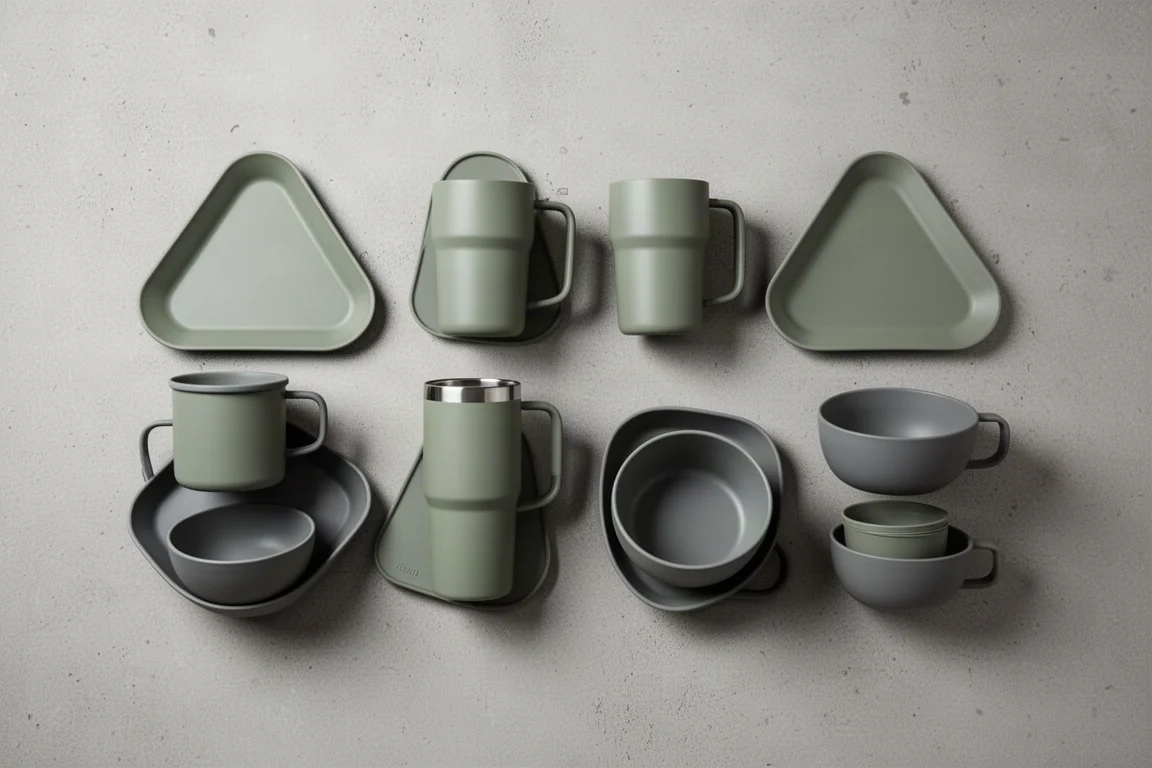
The matching dish set covers four people with four plates, four insulated mugs and four bowl-cups. The triangular shape looks unusual at first, but it is what allows the pieces to stack tightly and drop into the cook set instead of demanding their own storage space.
For a family that eats every meal at camp, dedicated tableware for four is a genuine convenience. Insulated mugs hold drinks at temperature through a slow breakfast, and the bowl-cups double as small serving vessels.
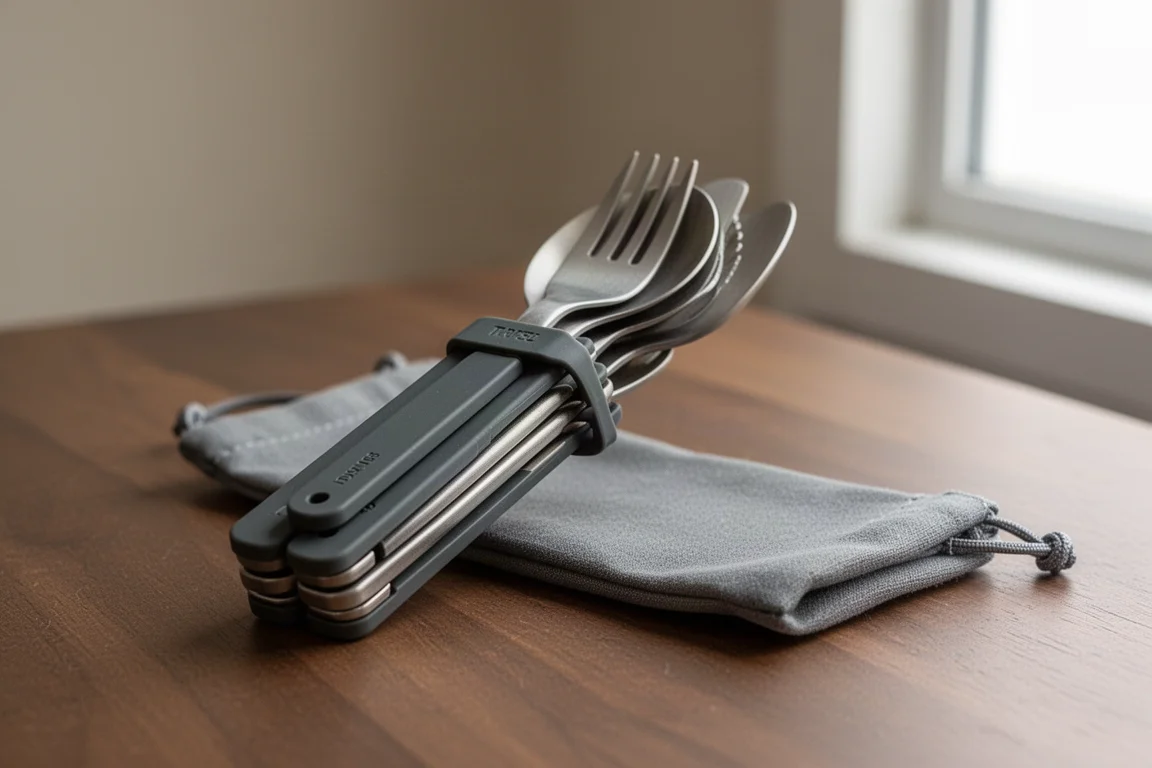
Full Windsor Magware Cutlery Set: Utensils That Live in the Kitchen Box
Rounding out the kitchen box is a Full Windsor Magware cutlery set, which travels alongside the miscellaneous camp utensils. Reusable cutlery removes the need to pack disposable forks and spoons, and keeping it in the same box as the cook set means it never gets left behind.
Small items like this are easy to overlook when planning a setup, yet they are the ones that get used at every single meal.
Overall Buying Advice
If you are building a similar setup, start with the two items that decide how a trip feels: the sleep system and the cooler. Insulation is what separates a comfortable night from a cold one, and multi-day ice retention is what separates a weekend from a longer stay. A tent sized one person below its rating gives wide sleeping pads room to breathe.
From there, add storage and seating as the budget allows. A roof cargo box unlocks the space for bulky comfort items, and a chair that packs small earns its place on every trip. The camp kitchen is where nesting design pays off most: a flat-packing two-burner stove, a cook set that swallows its own lids and pans, and tableware that stacks inside it all fit into less space than a single hard-sided suitcase.
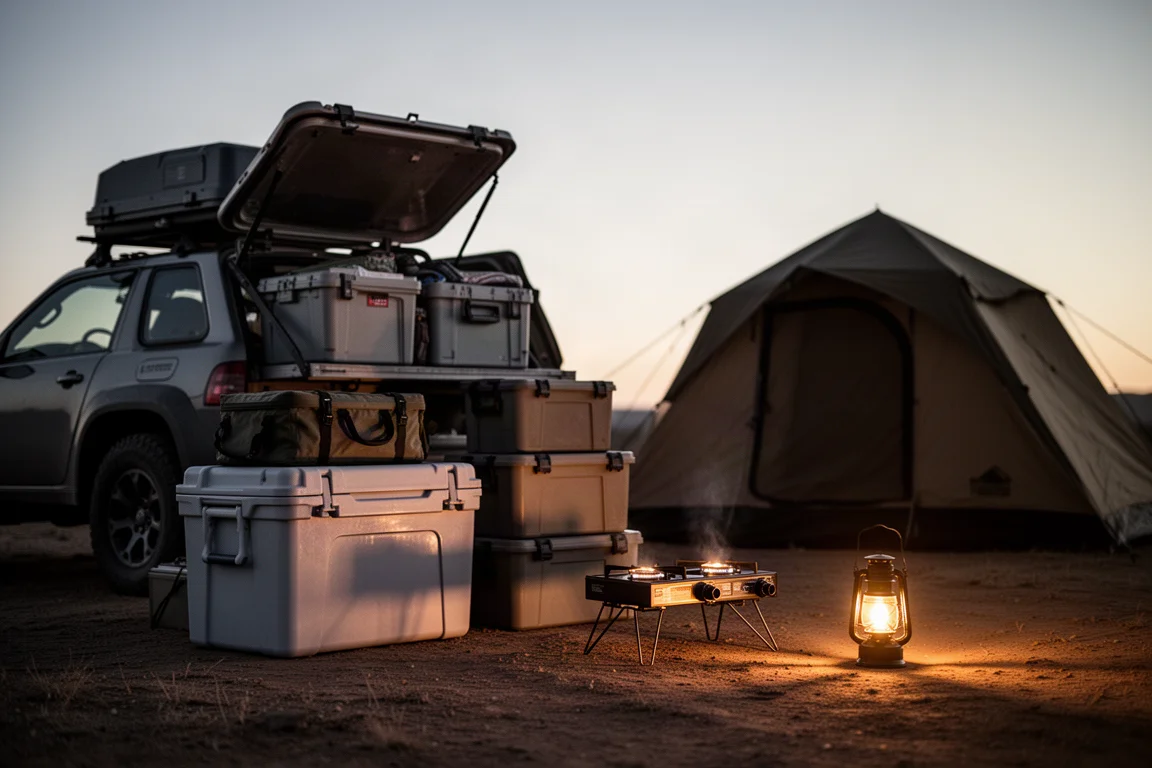
A collapsible canister grill is a pleasant addition if you prefer grilling to cooking on a stove, and it folds down to a few inches thick when the meal is over. It is optional rather than essential, since the stove and cook set cover the majority of camp meals.
None of these items require a large truck. They require a plan: bulky gear in the cargo box, the sleep system in the tent, the kitchen in one stack, and the cooler where you can reach it.
Conclusion
Comfort at camp is not about luxury. It is about removing the small frustrations that make a trip harder than it needs to be: a cold mattress, a cooler full of melted ice, a kitchen scattered across three boxes. The nine items here address those problems directly, and together they make a mobile camp that is genuinely pleasant to live in for a week or for a month.
Further reading
Related Reviews
Camping Gear
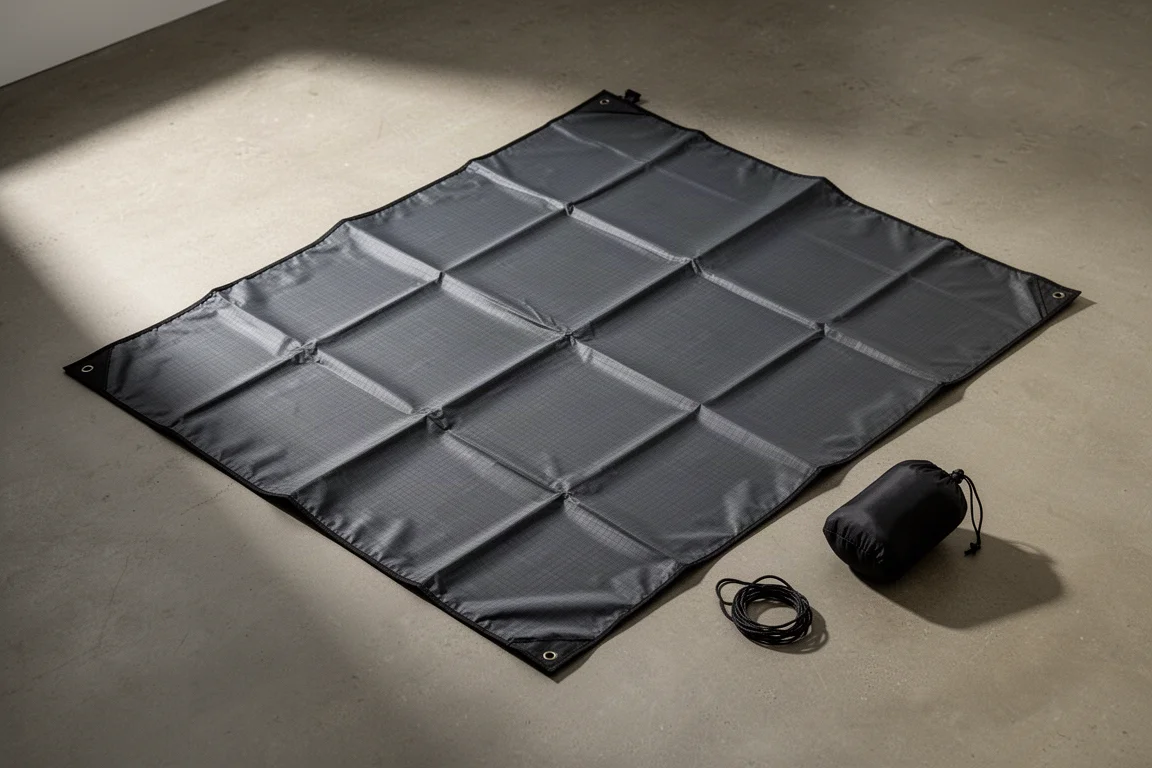
3FUL Ultralight Ground Sheet Review: A Two-Person Footprint Worth Packing
A 6.7 oz two-person ground sheet in ripstop silnylon, priced around $30. Here is what it protects, what it does not do, and who should pack it.
Camping Gear
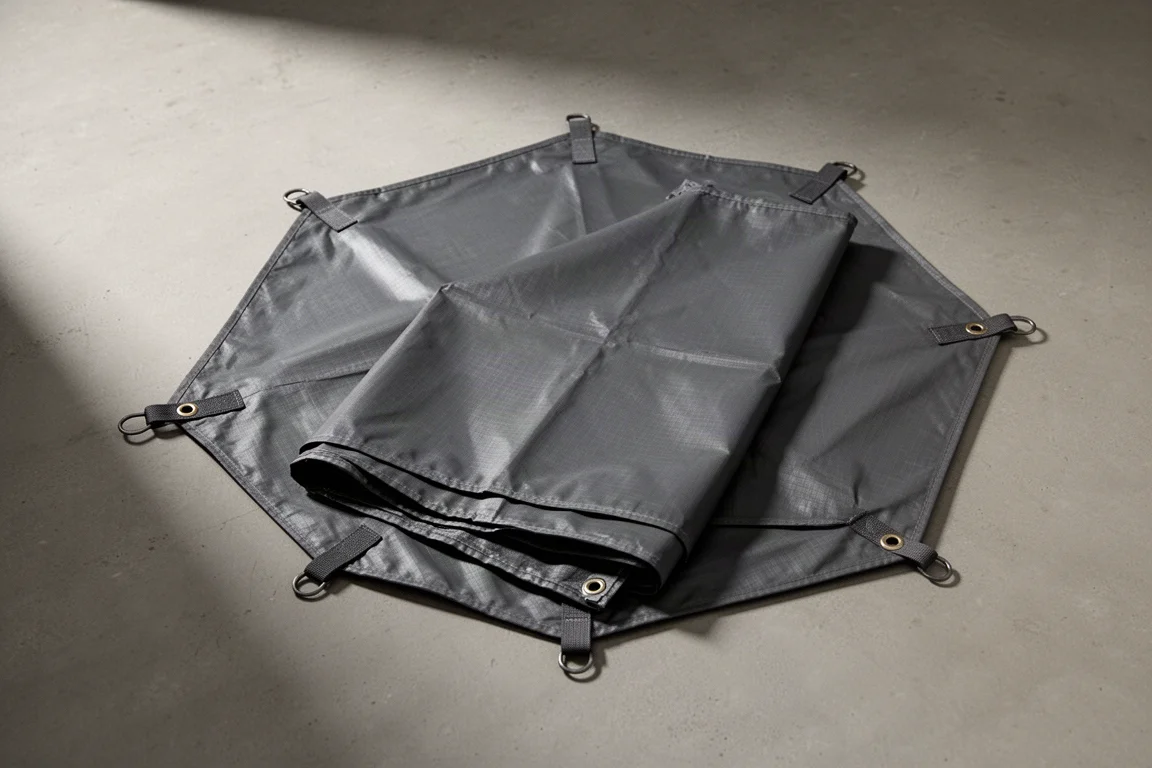
Backcountry Light Dual-Function Tarp and Floor Review: A Footprint First
A dual-purpose tent floor and tarp that keeps falling rain off you, but cannot block wind. Here is where it works and where it does not.
Camping Gear
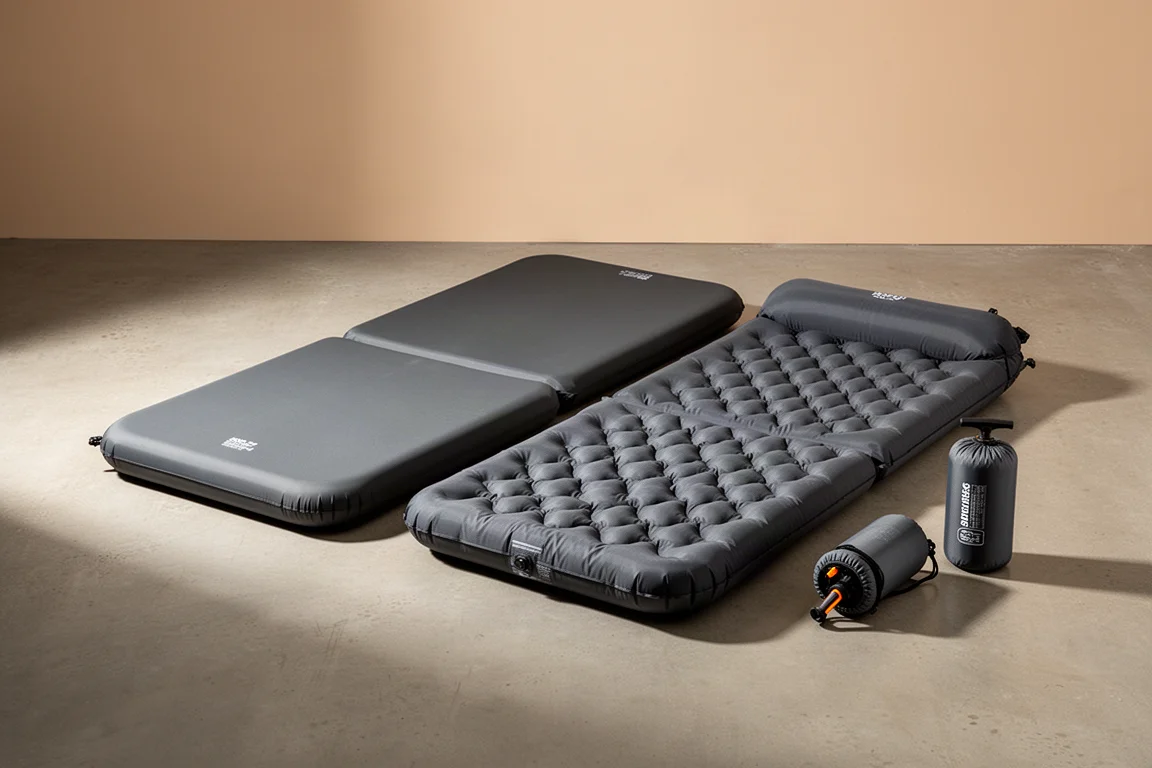
Best 2-Person Camping Mattresses for Couples: 10 Options Compared
A practical comparison of ten two-person camping mattresses, covering self-inflating pads, air pads and air mattresses for couples.