Tools
Ulsa Magnetic Socket Inserts: A Cheap Way to Turn Any Socket Into a Magnetic Socket
Small hexagonal magnetic inserts that slip into standard sockets, letting you build a magnetic socket set from tools you already own for under ten dollars a set.
Introduction
Magnetic sockets are one of those workshop conveniences that seem like a luxury until you have used them. They hold fasteners in place so a bolt or nut does not drop into an engine bay or roll off the bench while you maneuver the socket into place. The usual catch is that you have to buy magnetic or nut-holding sockets individually, and the specialized versions are rarely the sockets you want as a daily driver.
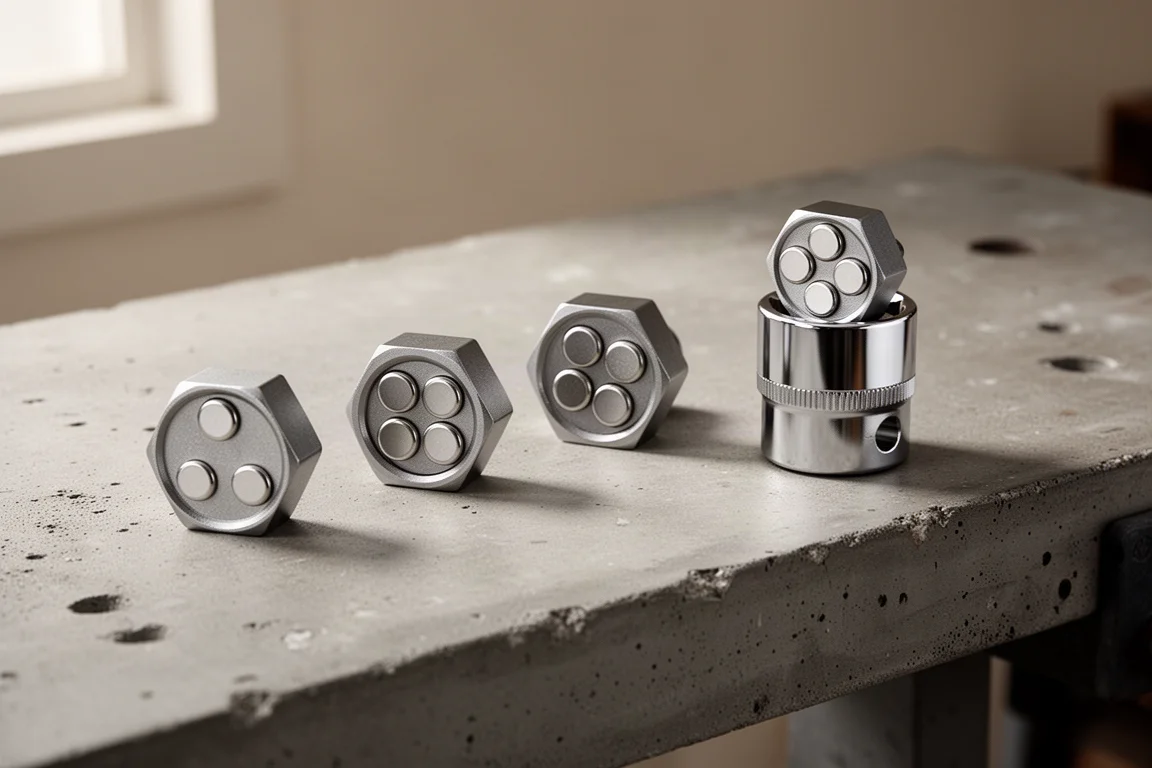
Ulsa’s magnetic socket inserts take a different approach. These are small hexagonal inserts with magnets on the back that slip into most any standard socket, whether six point or twelve point. Instead of replacing your sockets, you convert the ones you already own, which makes this one of the more affordable entries into magnetic socket territory.
What You Get in Each Set
Ulsa sells these in roughly five different sets, each arriving in a small paper tube with the inserts connected on a string. Sizes are split between metric and fractional:
- Metric: 4 mm to 14 mm, 10 mm to 19 mm, 18 mm to 24 mm, and 21 mm to 32 mm
- Fractional: 11/32 to 7/8, marked with red coloring so you can tell it apart from the metric sets
Each set costs under ten dollars, so even buying a couple of ranges covers a good chunk of a standard socket rail for the price of one specialty magnetic socket.
How They Work
The design is simple: a hexagonal steel insert with two, three, or four magnets on the back, depending on the size. Larger sizes get more magnets and correspondingly more holding power. The magnets face outward toward the fastener, so once the insert is seated in a socket, the open end grips nuts and bolts magnetically.
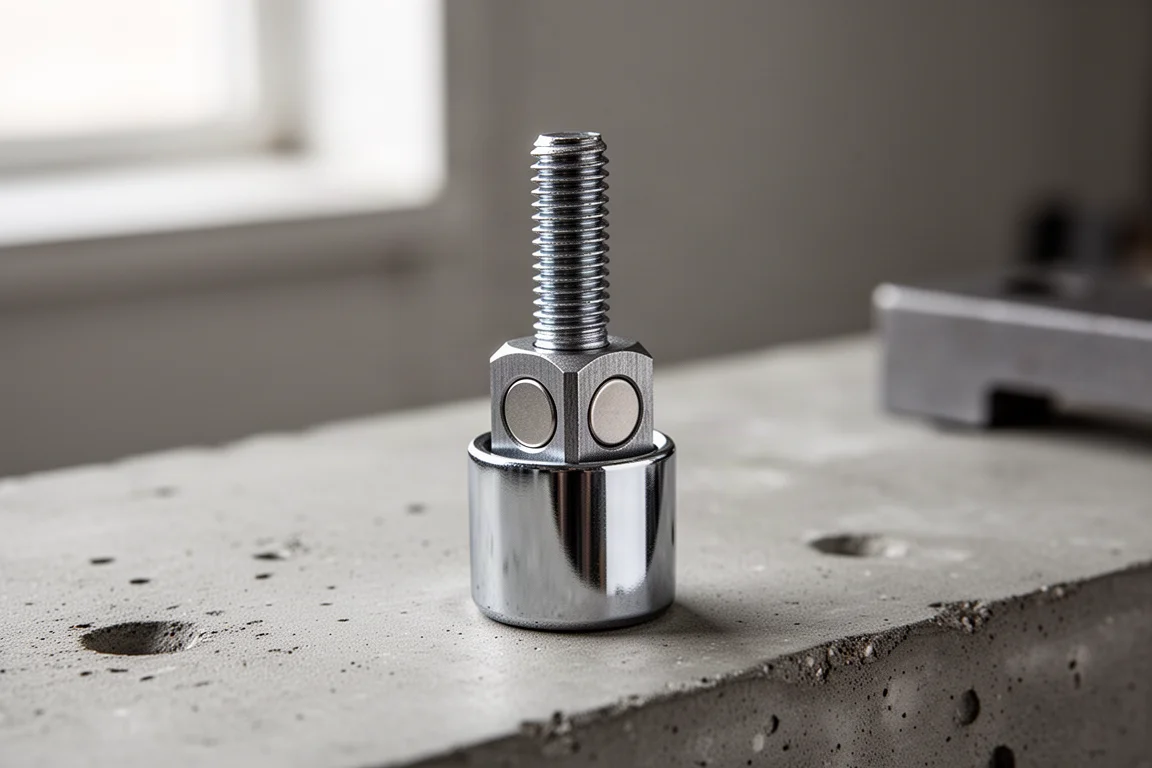
In practice that means you can tip a socket downward, work it into a constricted area, and the fastener stays put instead of falling out. It is a small quality-of-life improvement that adds up quickly when you are repeatedly starting bolts in awkward spots.
Holding Strength
The holding strength is genuinely respectable. Even a two-magnet insert can hold a bolt upright, and the larger three- and four-magnet versions will hold entire nuts hanging off the end of a socket with plenty of grip to spare.
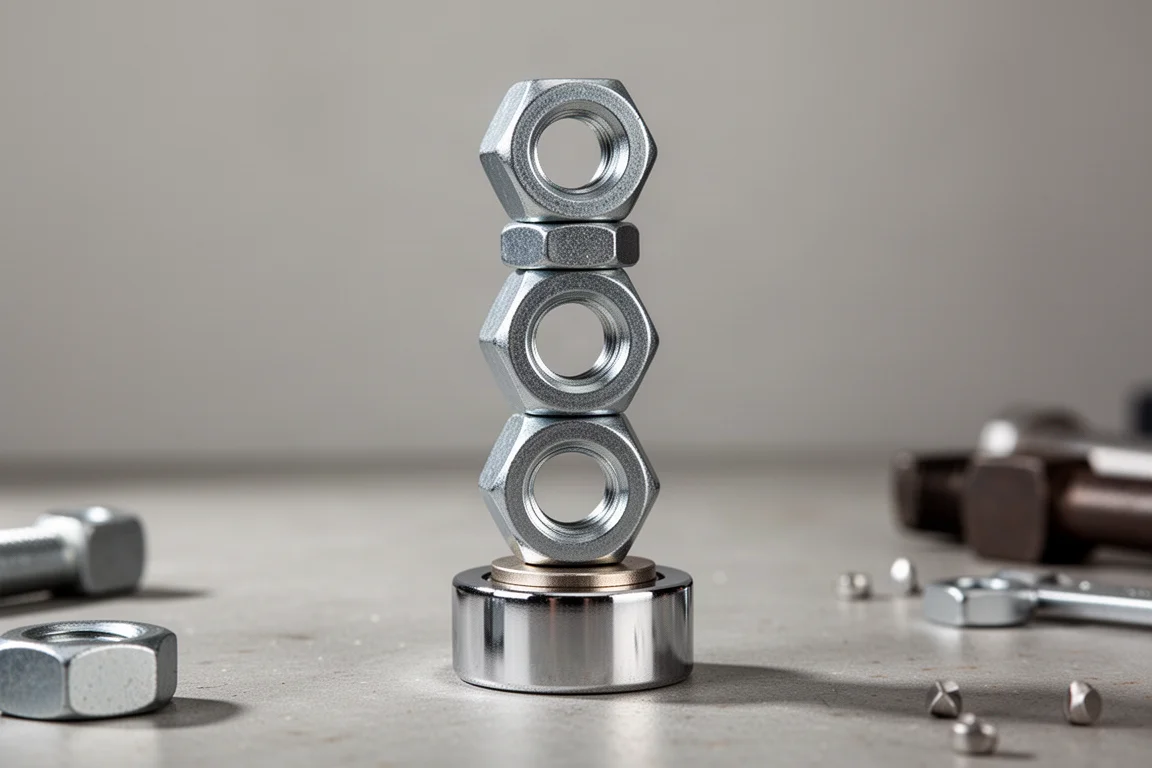
For deep sockets the insert sits far enough down that a nut still has plenty of clearance to seat properly. The strength is strong enough that most everyday fastening tasks will not test it at all.
Installation and Everyday Use
Installing an insert takes seconds. You free it from its string, which is easy with flush cutting pliers or a utility knife, check the size marked in very small print on the insert, and slide it into the socket. Very deep sockets may not let you push it fully home with a finger, but once seated it stays put and holds fasteners just fine.
Because the inserts are removable, you can move them between sockets as needed rather than committing one insert permanently to one socket. That flexibility is part of what makes the system appealing compared with buying dedicated magnetic sockets one at a time.
Limitations to Know Before Buying
There are a couple of practical limitations worth understanding before you buy. The most obvious: magnets do not work on stainless steel, so if you regularly work with stainless fasteners you may still need a physical or captive retention device instead of a magnetic field.
Shallow sockets are the other consideration. The insert adds its own thickness inside the socket, so in a shallow impact socket you lose that much available nut depth, which can be considerable. With capped nuts there is just a touch of a gap where the insert lines up, but they still hold fine in testing. In deep sockets, though, the clearance is generous and the insert works without issue.
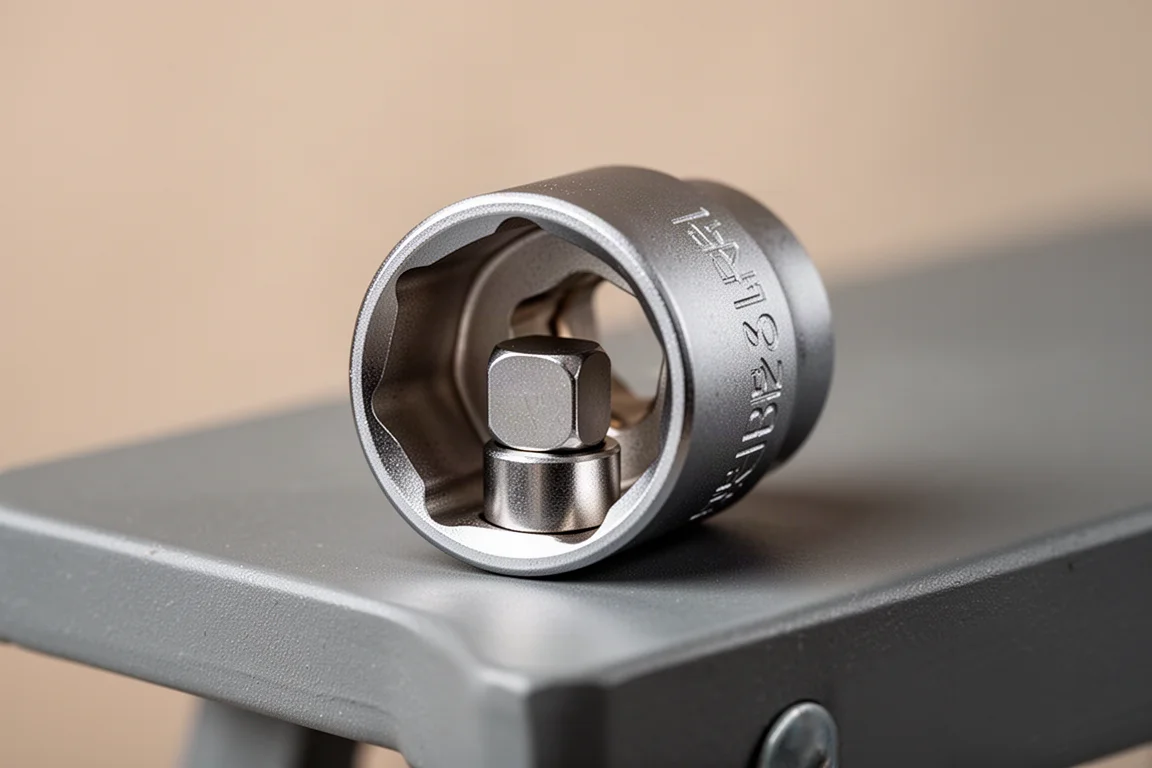
None of these are dealbreakers, but they shape where the inserts make sense. Deep and standard sockets are the sweet spot; very shallow sockets and stainless hardware are where you may want alternatives.
Buying Advice
If your socket collection is mostly standard and deep sockets in metric or fractional sizes, an Ulsa insert set is an easy recommendation at under ten dollars per set. Pick the size range that matches your most-used sockets, start with one set, and expand if the convenience proves itself in your workflow. They are available directly from the Ulsa site. If you work heavily with stainless fasteners or very shallow sockets, think twice or keep a traditional nut-driver on hand for those cases.
Conclusion
Ulsa’s magnetic socket inserts are a clever, inexpensive way to upgrade the sockets you already own instead of replacing them. With a few magnets, a simple hexagonal form, and a price under ten dollars per set, they turn a good chunk of a socket rail into magnetic sockets for very little money. Just match the set to your socket sizes and be mindful of stainless hardware and shallow sockets, and you have a genuinely useful workshop upgrade.
Product link
View more details for Ulsa Magnetic Socket Inserts
This product is mentioned in the review. Check the specifications, options, and compatibility before buying.
View more details for Ulsa Magnetic Socket InsertsFurther reading
Related Reviews

Tools
Best Contractor Grade Tape Measures 2026: Eight Models Tested Head to Head
We tested eight contractor grade tape measures from Milwaukee, DeWalt, Crescent Lufkin, Tajima, Stanley, Irwin, Gelan, and Craftsman to find the best value and performance.

Tools
Best Precision Screwdriver Sets 2026: Manual and Electric Options Compared
We compare 19 precision screwdriver sets, from budget manual kits to electric drivers, to find the strongest bits and best value.

Tools
Best Stud Finders 2026: Five Popular Models Put to the Test
We tested five popular stud finders on drywall, firewall, and lath and plaster surfaces to see which ones really find studs and avoid false readings.