Outdoor Gear
UCO Torch Lighter: An Affordable Alternative to the Soto Pocket Torch XT
A compact butane torch that matches the Soto Pocket Torch XT on flame output while costing noticeably less and staying easy to buy.
Introduction
Compact butane torch lighters fill a narrow slot in an outdoor kit, but when you need one, nothing else quite does the job. They light stoves, catch stubborn kindling, and reach into places an ordinary lighter cannot. The Soto Pocket Torch XT has been a dependable choice in that role for years, and it remains a well-made product from a Japanese company with a solid reputation. The complication is availability. It disappeared from Amazon a few months ago and has not returned, although it can still be found through the Soto Outdoors US page at roughly $27.
That gap has sent plenty of campers looking for an alternative that is simple to order, simple to return, and priced sensibly. The UCO Torch Lighter fits that description. It runs on butane, costs about $17 on Amazon at the time of writing, and shares the same basic design language as the Soto, including a telescoping barrel and a 2,300°F flame.
The two lighters behave so similarly that the meaningful differences come down to details: where the ignition and safety switches sit, how much fuel the chamber holds, and what each one costs. Based on limited field use so far, the UCO has performed well, and the details it changes are the ones that matter most when your hands are cold.
Who This Torch Lighter Is For
This is a lighter for people who actually use flame outdoors. If you cook on a canister or liquid fuel stove, build campfires with damp wood, or want a refillable torch that can reach deep into a fire pit, it does the job without fuss.
It also suits anyone who has been waiting for the Soto Pocket Torch XT to reappear on Amazon. The UCO is a close stand-in, and because it is a widely stocked product at a low price, buying and returning it is straightforward if something goes wrong.
It is not the right tool for everyone, though. If you regularly camp in deep winter conditions well below freezing, or you spend most of your time at high elevation, a butane torch of this type has limits that no amount of good design can fully remove. The same is true of the Soto.
Main Strengths and Everyday Handling
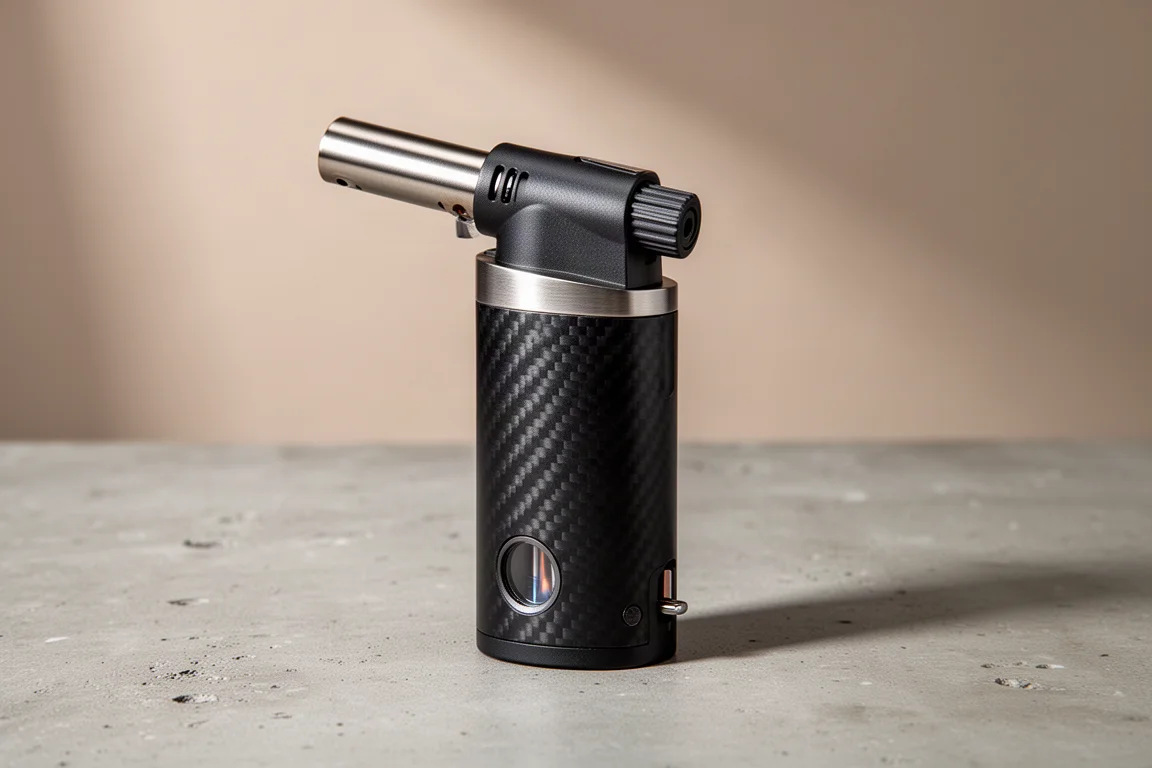
The build quality is the first surprise. Both lighters use the same materials, a plastic body paired with a zinc alloy component, and the UCO feels properly assembled rather than disposable. The body has a woven carbon-fibre look, which is cosmetic rather than structural, but it looks good and it resists showing every scuff.
The UCO is a touch bigger than the Soto in every direction, slightly longer, slightly wider, slightly thicker, and about 2 oz against the Soto’s 1.8 oz. Closed, it measures 4.5 inches long and 1.5 inches wide, and it extends to roughly 6.5 inches. The Soto reaches about half an inch further when both are fully extended.
Where the UCO clearly improves on the older design is the controls. The ignition switch sits on the side rather than the top, and the safety switch is a separate, dedicated part instead of being built into the igniter. That sounds like a small thing until you are wearing gloves, at which point the difference between pressing a single obvious switch and working a combined mechanism becomes very noticeable. There is also a lock that prevents the button from being pressed once the lighter is switched on, which is a sensible touch for storage.
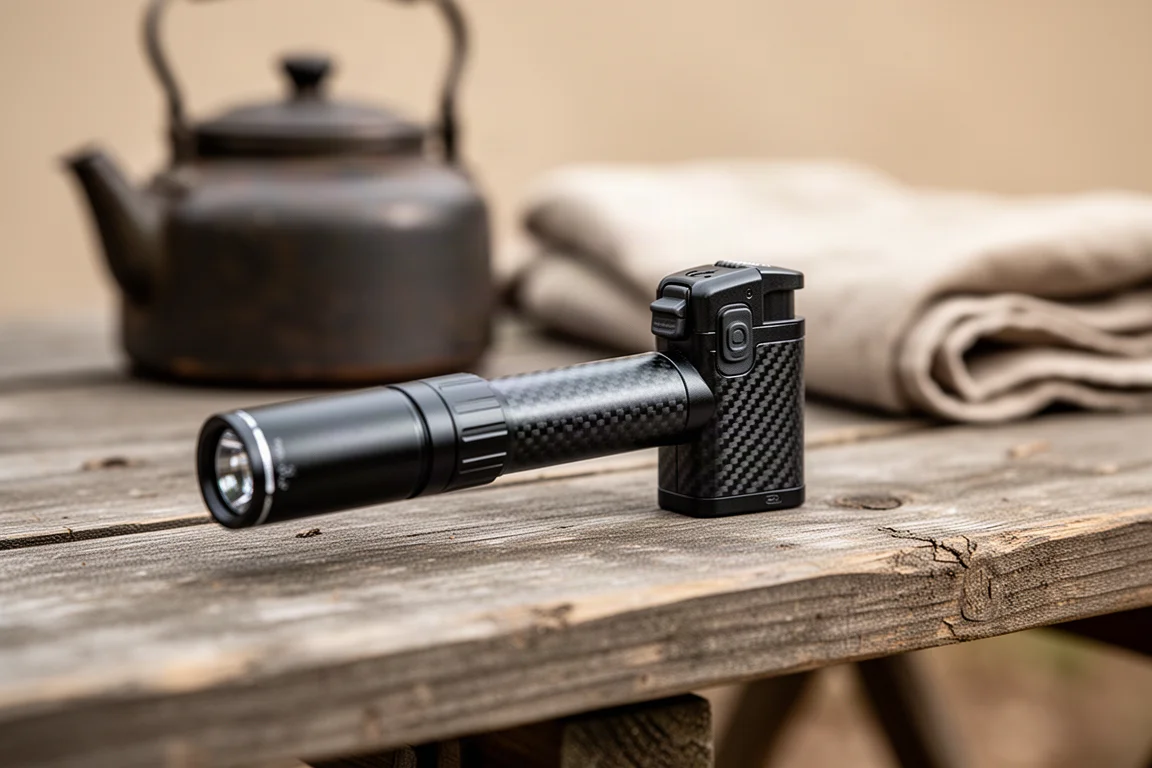
In use, the igniter has been reliable. It fires up every single time, occasionally asking for a second click, and the flame does not go out even when the lighter is shaken. The telescoping barrel is genuinely useful rather than a gimmick, letting you reach under a stove burner or into a fire without putting your hand near the flame. A fuel window shows how much butane remains, and the flame adjuster sits proud of the body so it is easy to turn. Leaving it on the highest setting has worked well.
Flame Performance and Weather Resistance
The two lighters produce the same 2,300°F flame, and the actual burner heads are the same size, even though the UCO’s outer housing is a little larger. Both deliver a fine, centralized flame rather than a wide, soft one, which is exactly what you want for lighting a stove efficiently.
Wind resistance is good, but it is worth being precise about the claim. This lighter is wind resistant, not windproof. It handles a breezy campsite far better than a standard disposable lighter, and it can still be blown out in the wrong conditions. The Soto carries the same limitation, despite how that product has sometimes been described.
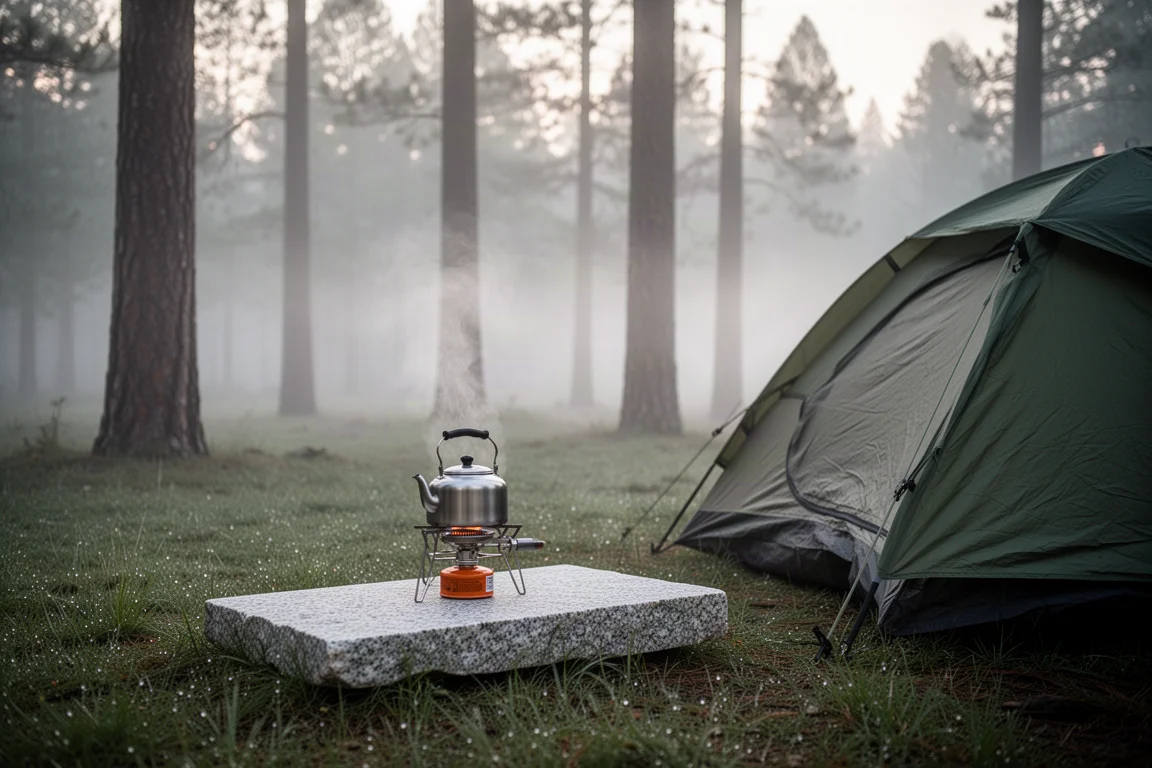
Real-world performance so far has been encouraging. Across a trip with average lows around 40°F, temperatures mostly below 50°F, heavy rain, and a lot of wind and moisture in the air, the lighter lit the stove every time without a single failure. That is a demanding combination for any butane torch, and it is the main reason the UCO looks like a genuine substitute rather than a cheap copy.
Fuel, Refilling, and Running Costs
Both lighters run on butane, and refilling is refreshingly simple. A standard 75ml Zippo canister connects directly to the port on the bottom of the lighter with no adapter needed, so you press it down, watch the fuel window, and you are done.
Fuel itself is inexpensive. A single canister costs around $4, and two can be picked up for about $8, and they last a long time in a lighter this efficient. The UCO has a noticeably larger fuel chamber than the Soto, which means it holds more butane, runs longer between fills, and is the kind of thing you fill and then forget about for months.
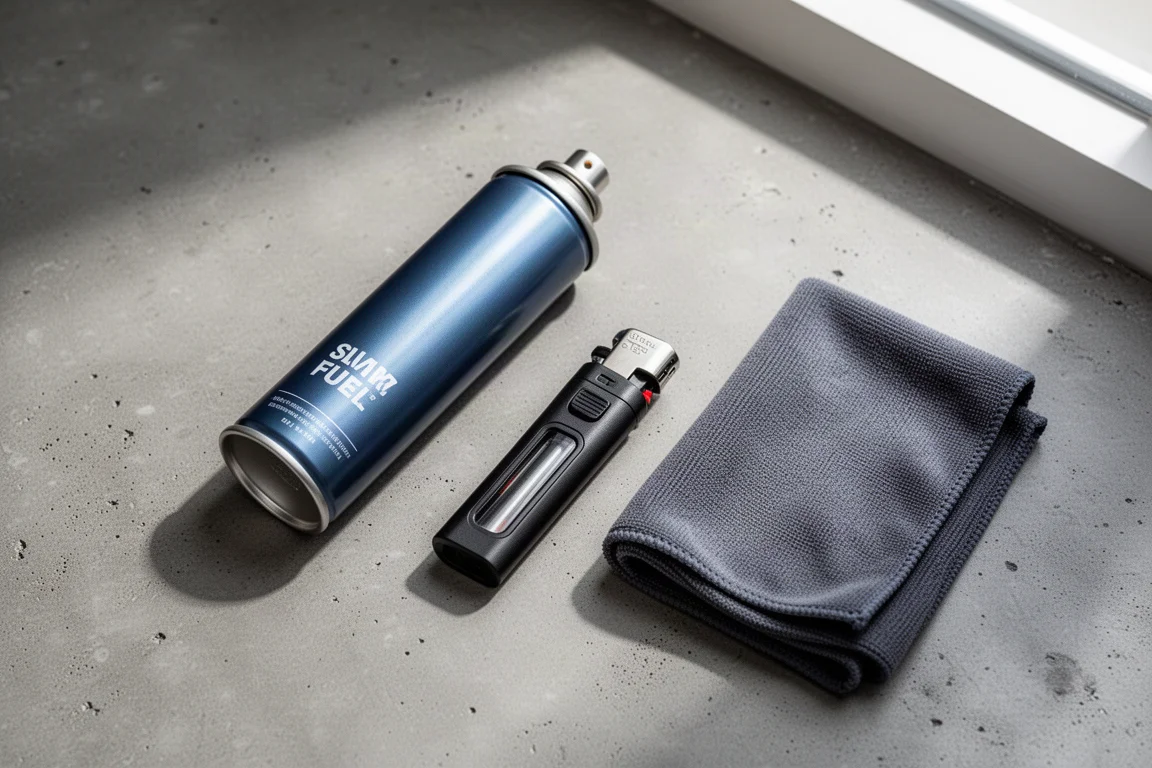
That larger chamber is one of the more practical advantages of the newer design. A lighter that needs refilling less often is a lighter you are more likely to have ready when you actually need it, particularly on a longer trip where you are not carrying spare canisters.
Things to Consider Before Buying
The main limitation is cold. Like the Soto, this lighter does not perform well in genuinely low temperatures, roughly below 30°F. The workaround is simple and effective: keep it in a pocket to warm it up before you use it, and it will behave normally. If you are camping in serious winter conditions, plan for that routine.
Elevation is the other weak point. Butane torches of this type generally struggle above 5,000 feet. This one, like the Soto, has been used at 6,000 feet without any issues, but the higher you go, the more likely you are to run into trouble, so treat altitude as a real consideration rather than a theoretical one.
A couple of smaller points are worth knowing. Ignition sometimes takes more than one click, which is normal for the category but not instant every time. The UCO is also a little larger than the Soto in every dimension, so if absolute minimum size is your priority, that difference matters. Finally, this assessment is based on limited field use so far rather than long-term ownership, and it reflects a first round of testing rather than years of wear.
Buying Advice
If you need a compact butane torch for lighting stoves and campfires, and you want to buy it somewhere with straightforward returns, the UCO is the easier purchase. At around $17 it costs roughly $10 less than the Soto, and it matches the older lighter on flame output, flame shape, materials, and burner size while adding a better safety switch, a larger fuel chamber, and an easier flame adjuster.
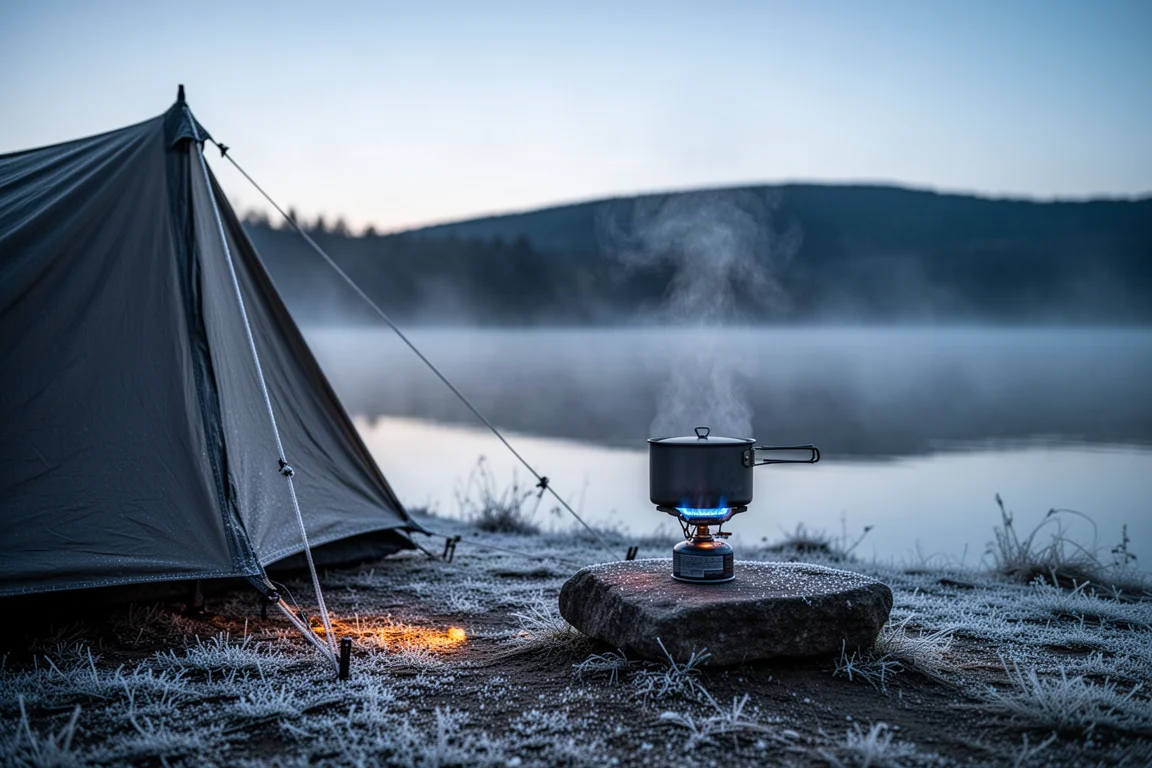
The Soto Pocket Torch XT has not stopped being a good product. It comes from a company with an excellent reputation, and the units in circulation have served people well. But it is currently harder to find on Amazon, it costs around $27, and buying an imported product outside the usual retail channels can make warranty exchanges more frustrating than they should be. If you want the slightly smaller body and the extra half inch of reach when fully extended, the Soto still makes sense. If price, availability, and easy returns matter more, the UCO is the more practical choice.
Either way, pick up a canister of butane at the same time. These lighters are inexpensive to run, but only if you actually have fuel on hand when the fire needs lighting.
Conclusion
The UCO Torch Lighter is a close, well-executed alternative to the Soto Pocket Torch XT. It produces the same 2,300°F flame from the same size burner head, uses the same materials, and handles cold, wet, windy conditions without failing to light. It also improves on the older design where it counts, with a dedicated safety switch that works with gloves, a lock for storage, a larger fuel chamber, and a simpler flame adjuster.
At about $17 it costs roughly $10 less than the Soto, and it is far easier to buy. The caveats are the same ones that apply to any butane torch of this type: keep it warm in freezing temperatures, expect reduced performance at high elevation, and understand that wind resistance is not the same as a windproof flame. For campers who want a reliable, refillable torch without spending much, it is a confident recommendation.
Product link
View more details for UCO Torch Lighter
This product is mentioned in the review. Check the specifications, options, and compatibility before buying.
View more details for UCO Torch LighterFurther reading
Related Reviews
Outdoor Gear
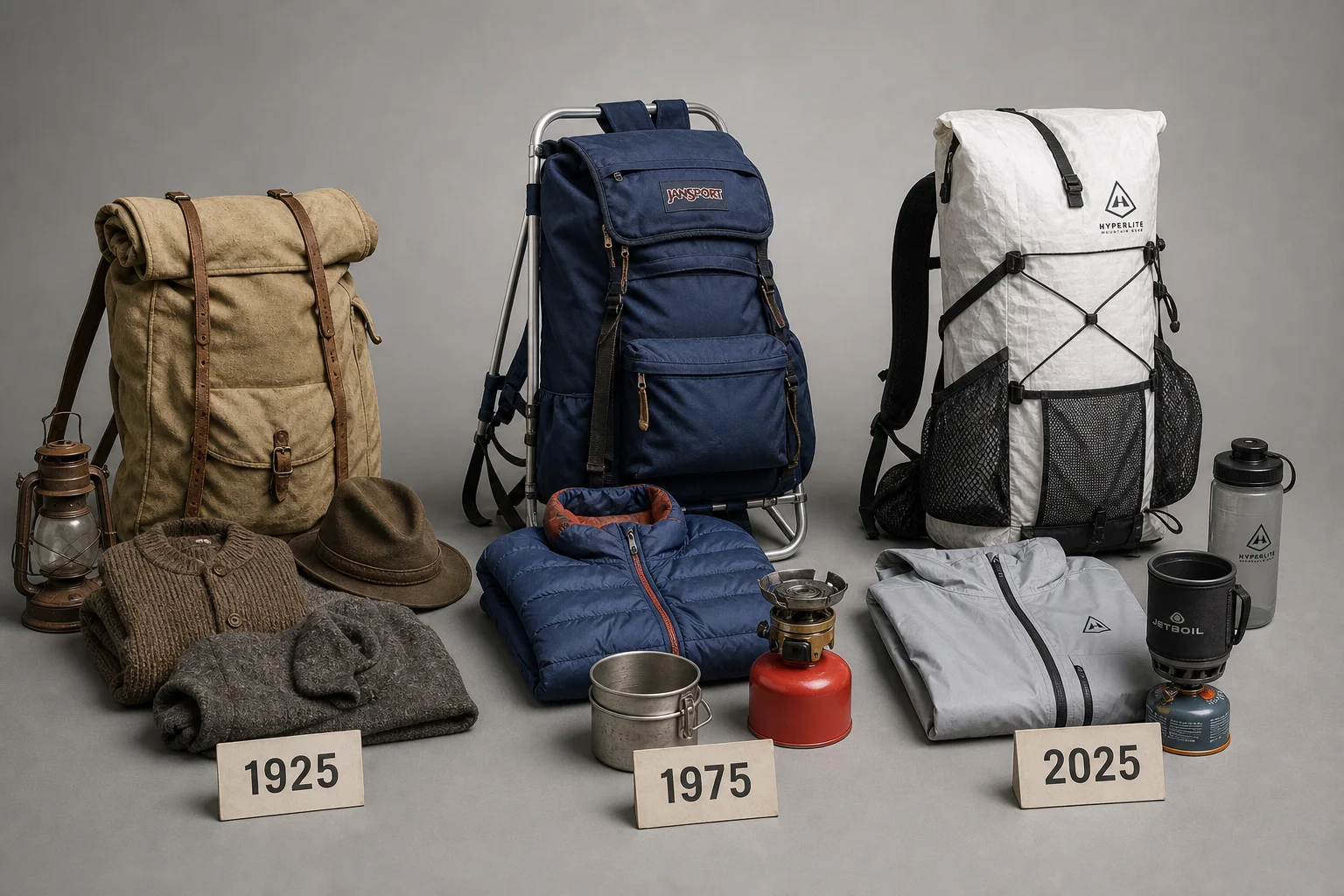
Backpacking Gear Evolution: 100 Years of Technology Compared
We tested backpacking gear from 1925, 1975, and 2025 across a three-day hike in Yosemite. Here's how technology has transformed comfort, weight, and the outdoor experience.
Outdoor Gear
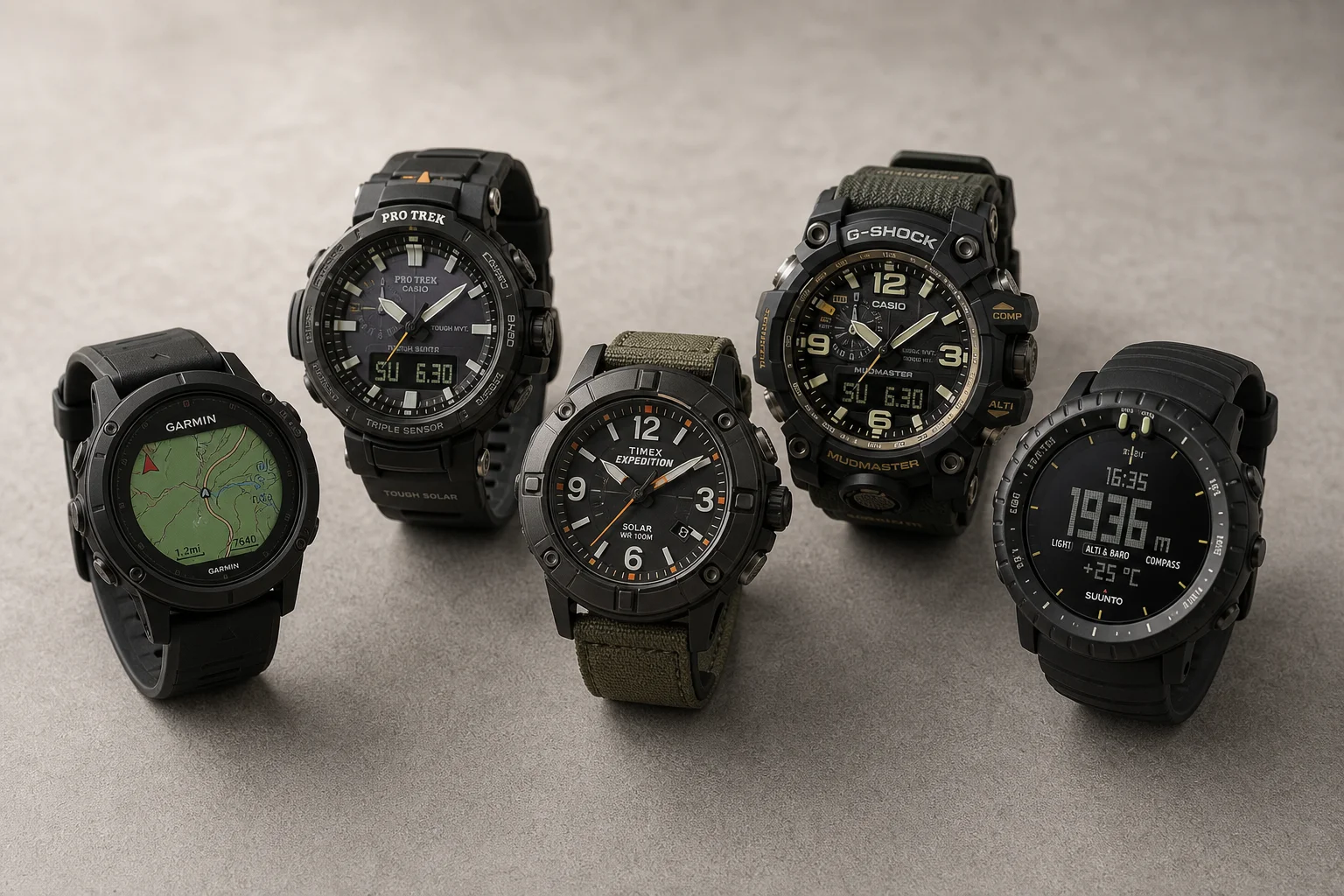
Best Affordable Hiking Watches: Five Rugged Options for Outdoor Adventures
Five durable hiking watches that balance ruggedness, functionality, and value for outdoor enthusiasts who need reliable GPS tracking and weather resistance.
Outdoor Gear
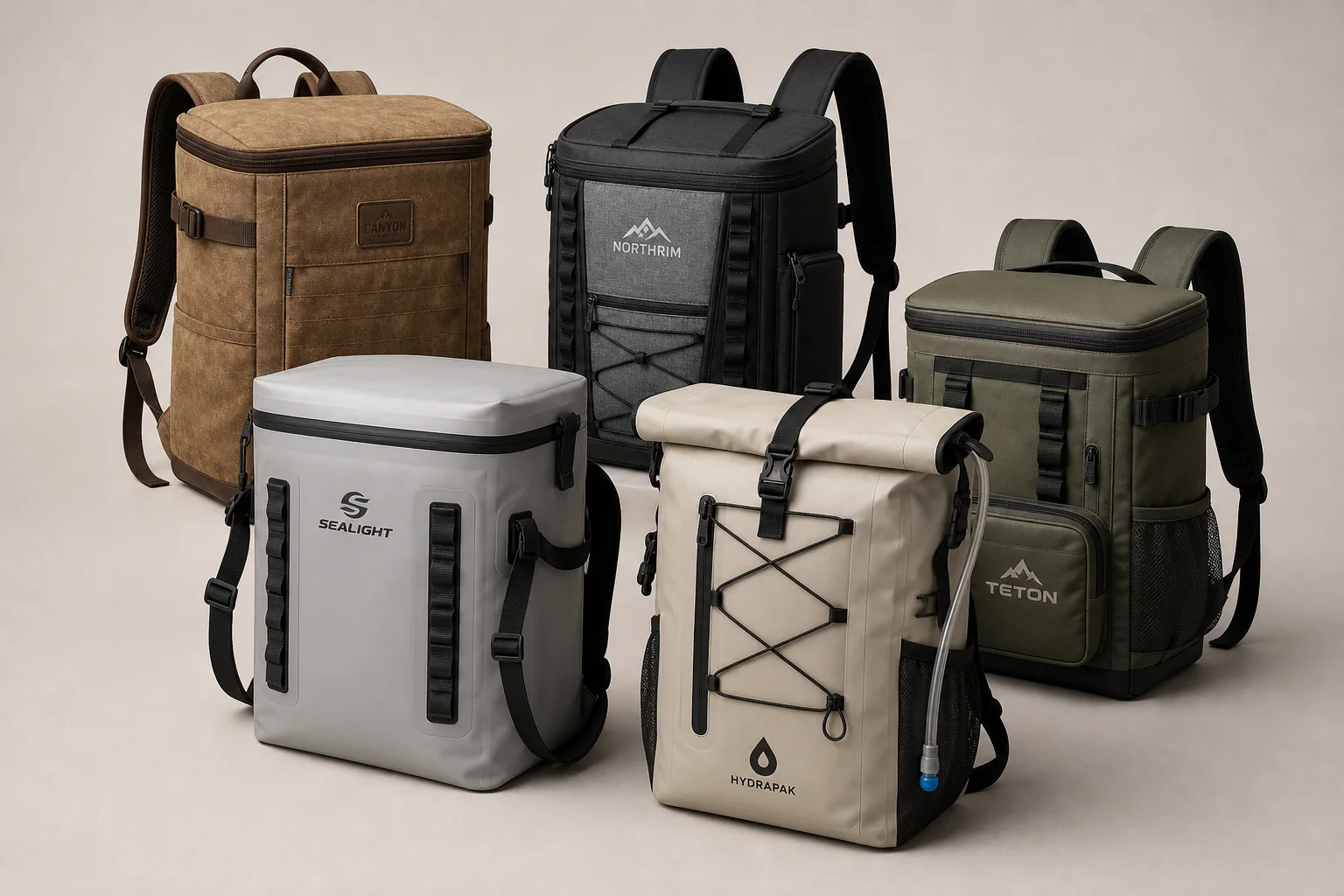
Best Backpack Coolers 2026: Five Practical Options for Outdoor Adventures
Five backpack coolers with distinct cooling capabilities, storage features, and design trade-offs to help you choose the right one for your outdoor needs.