Running Shoes
TYR Valkyrie Speedworks Review: A Beaded Pebax Daily Trainer Plus Three Alternatives Worth Knowing
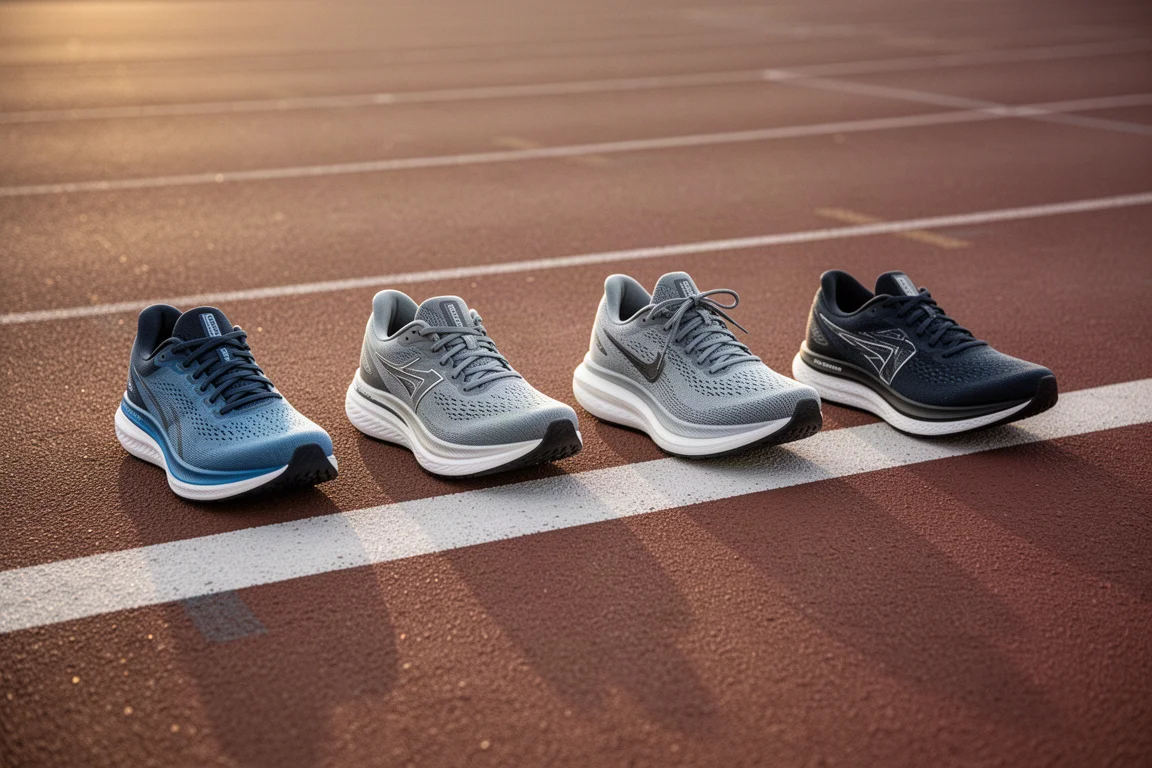
A closer look at the TYR Valkyrie Speedworks and how it stacks up against the Valkyrie Elite Carbon, Saucony Endorphin Speed 4, and Topo Cyclone 2.
Introduction
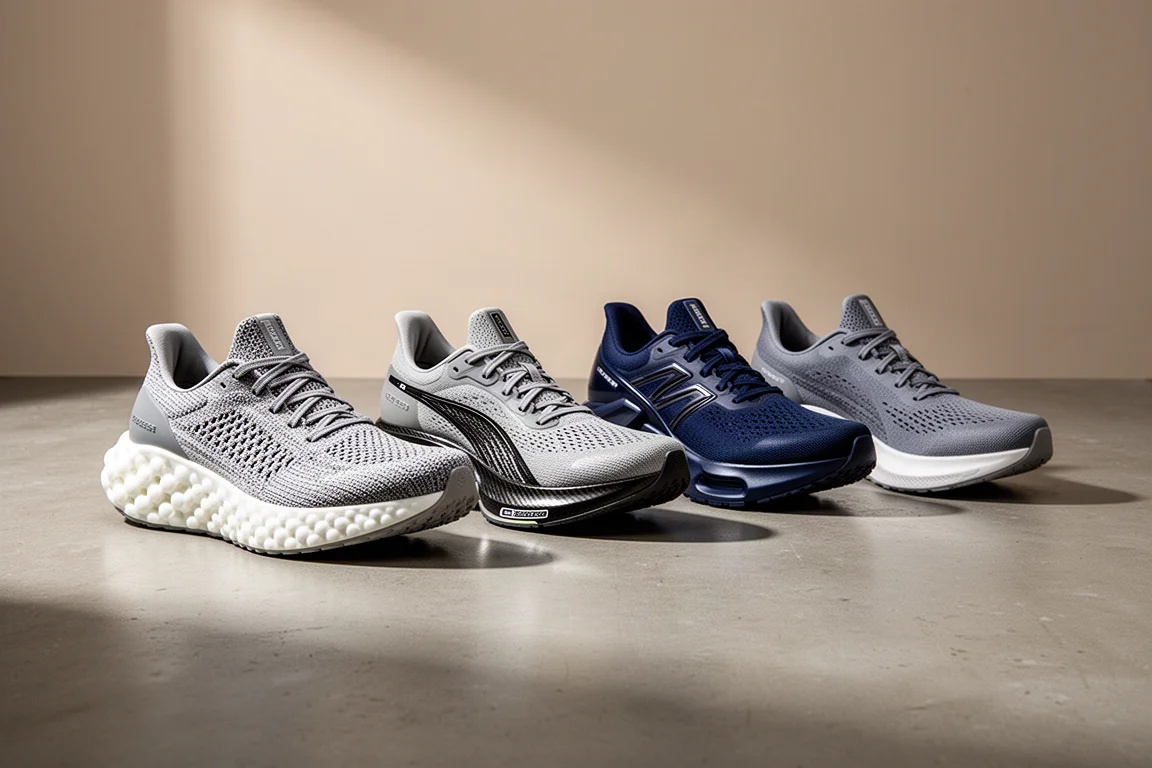
When TYR decided to enter the performance running shoe market, it did not stop at making a race day shoe. Alongside its carbon racer, the brand launched a training companion built on the same beaded Pebax midsole, but with a nylon plate instead: the TYR Valkyrie Speedworks. This review breaks down what the shoe offers, where it excels, and which alternatives make sense depending on how you run.
What We Looked For
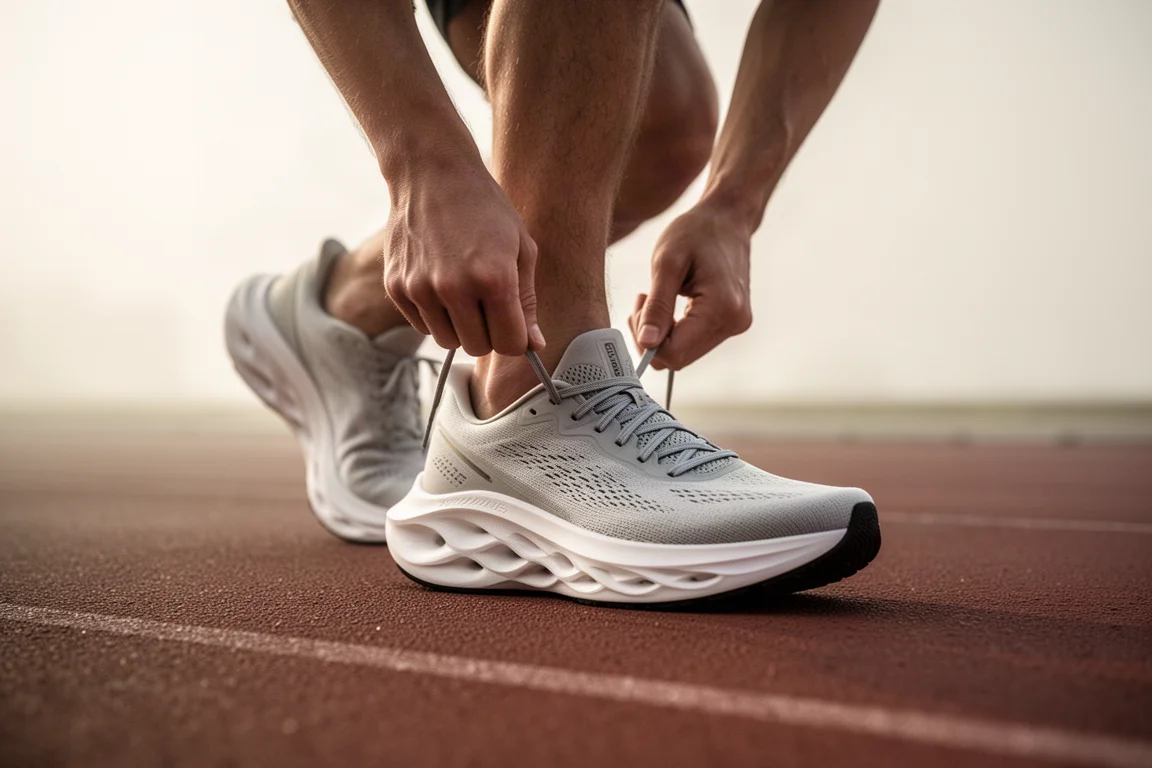
The evaluation focused on four things: midsole construction and how the beaded Pebax behaves at different paces, the fit and durability of the upper, how neutral and nimble the ride feels compared with stability-heavy rivals, and how the shoe justifies its price against direct competition.
TYR Valkyrie Speedworks: Specs and Design
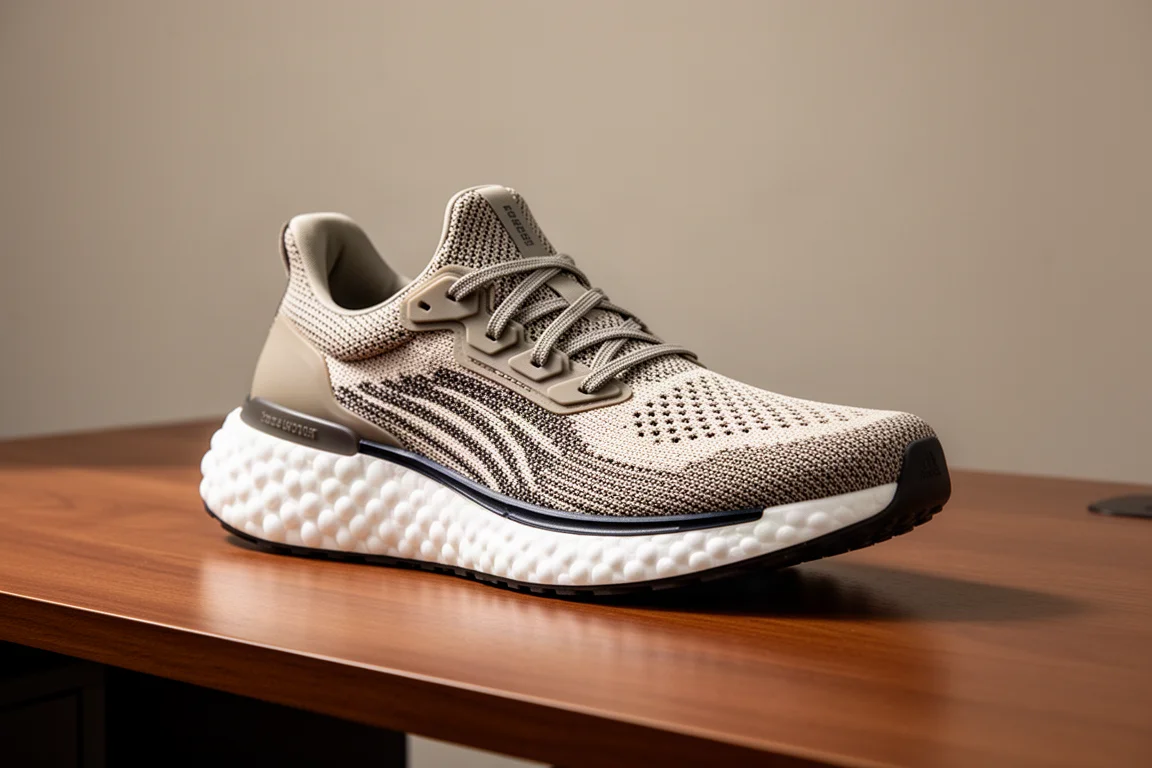
The Speedworks carries a 39.5 mm stack height at the heel with a 6 mm drop, leaving 33.5 mm under the forefoot. The midsole uses beaded Pebax in two layers, top and bottom, with a nylon plate sandwiched between them. Notably, that plate has no wings or other structural support elements, which is unusual in this category.
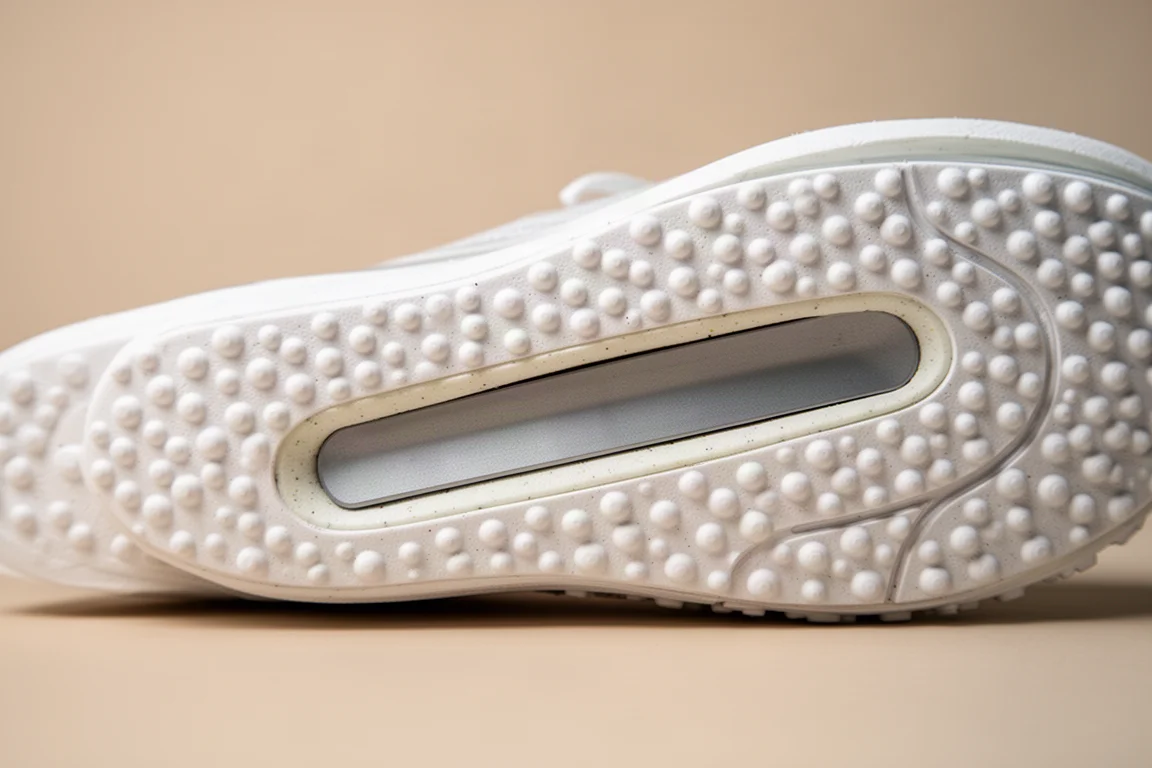
The outsole matches the rubber coverage of the Elite Carbon with a different rubber color: a large forefoot patch with holes and channels cut through so the midsole shows through, plus two heel strips with an exposed foam window revealing the wingless plate. The upper switches to TYR’s Alpha weave, a more forgiving daily training material that is still breathable and looks better suited to daily mileage than a racing upper. The gusseted tongue has light padding, the heel cup is moderately stiff with a light amount of padding, and the fit ran true to size with an anatomical toe box that leaves the toes room to move. Total weight is a light 8.1 oz (230 g).
How It Runs: Easy Miles to Workouts
This is a genuinely fun shoe to run in. Beaded PEBA delivers that squishy-then-springy sensation underfoot, and the Speedworks absorbs impact while bouncing back nicely across a variety of paces. At easy paces it is very comfortable, and because the nylon plate has no wings, the ride stays neutral and naturally floppy in a way that lets the foot do what it wants, avoiding the more stable and slightly clunky trend seen in many 2024 trainers.
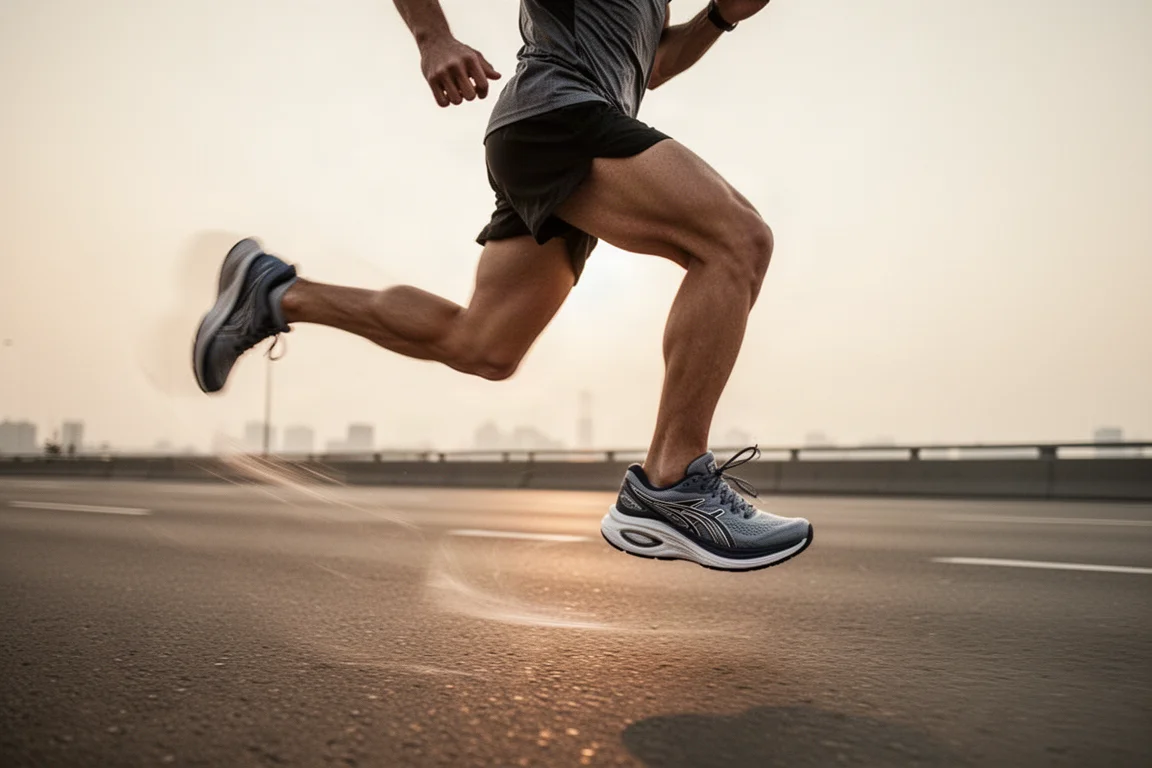
It also picks up the pace well. Beaded Pebax gives back more the more you put into each stride, so the pleasant squish of easy running becomes noticeably springier during strides or marathon training workouts. As speed increases, the shoe seems to shrink on foot and takes on a slipper-like feel that molds to the foot.
The main trade-off is in the forefoot. Despite a healthy stack in the heel and midfoot, the forefoot feels like it tapers away, with less beaded PEBA sensation up in the toes than the numbers suggest. Whether that comes from the rocker shape or the nylon plate is unclear, but it is the one downside worth knowing before buying.
TYR Valkyrie Elite Carbon: The Race Day Upgrade
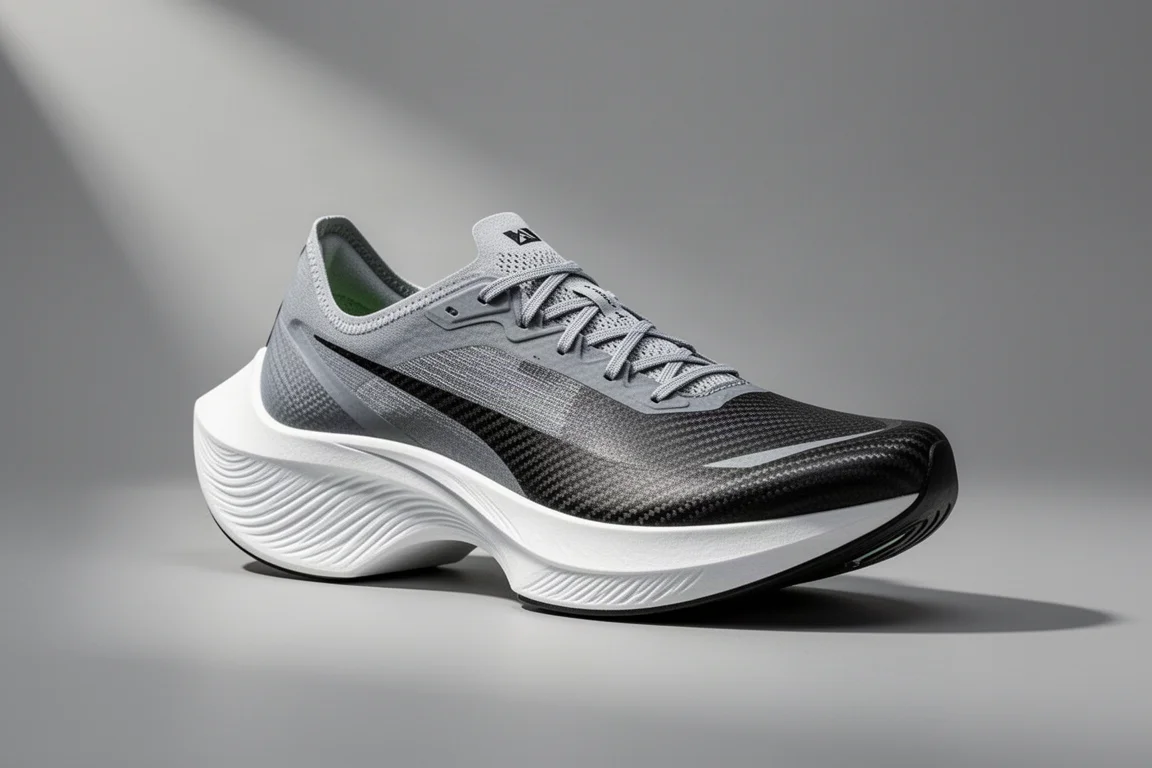
The Valkyrie Elite Carbon shares what appears to be very similar, if not identical, geometry with the Speedworks, but the carbon fiber plate gives it more substance in the forefoot and a stronger sense of the rocker design. That makes it better suited for racing and gives the Speedworks a clear role as its training companion. If you like the Speedworks, the transition to the Elite Carbon on race day makes a lot of sense, even though the two look alike on paper.
Saucony Endorphin Speed 4: The Closest Rival
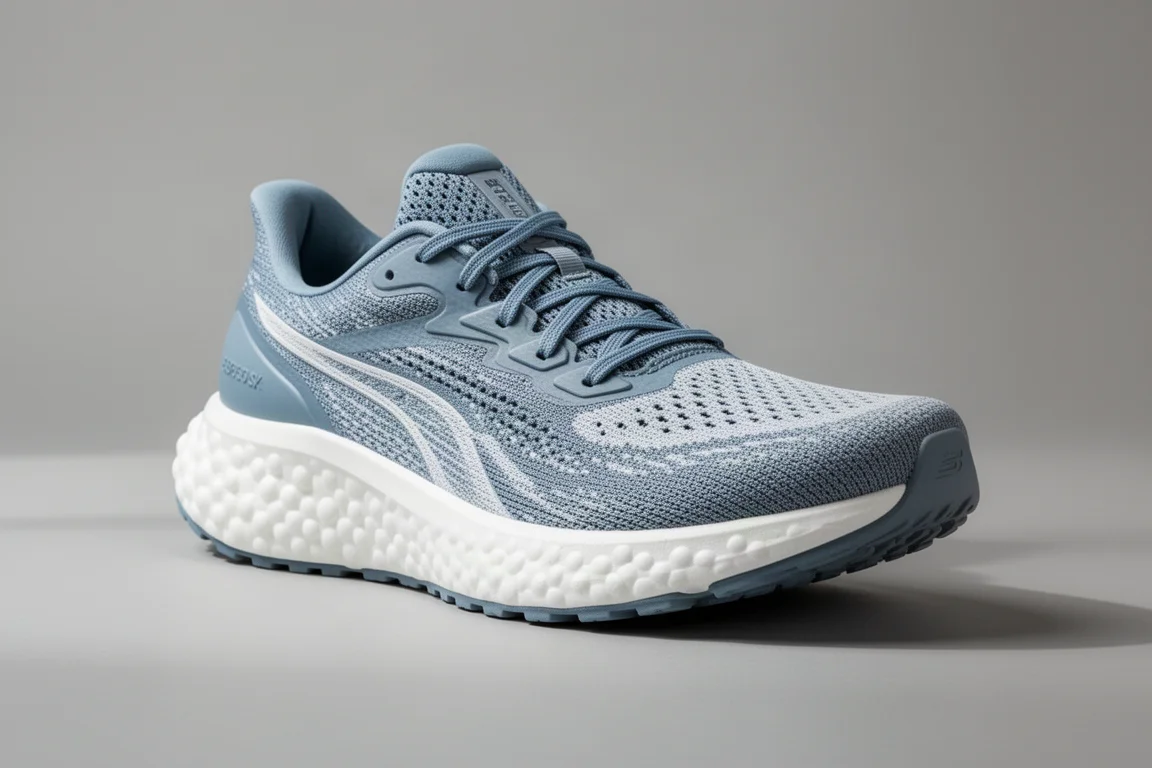
The Endorphin Speed 4 is remarkably similar on paper: a nylon plate, beaded PEBA foam, generous outsole rubber, and a daily trainer style upper, at the same $170 price. The key differences are that the Saucony uses a winged nylon plate, making it more rigid, and adds stability features: it is wider through the midfoot, carries a big chunky heel, and has a bit more pop in the forefoot than the Speedworks. Both shoes can be used in the same way, so the choice comes down to whether you prefer TYR’s more neutral, less structured feel or Saucony’s added stability and forefoot pop.
Topo Cyclone 2: The Lighter Budget-Minded Option
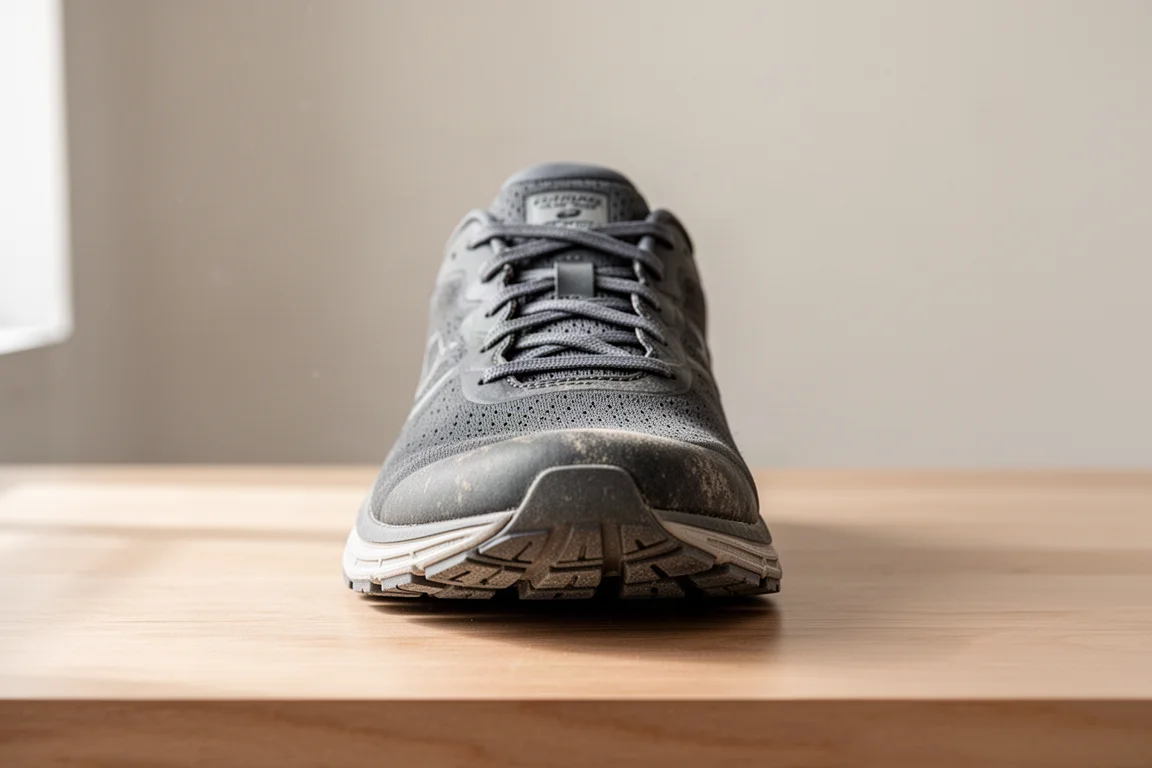
The Topo Cyclone 2 also runs beaded Pebax foam but with slightly less stack height, no plate, and Topo’s famously foot-friendly toe box. It is an even more neutral and very lightweight shoe. It works for easy running but is better suited to easy-plus efforts and workouts, making it a touch more speed oriented than the Speedworks. At $150, it saves you real money if you want a simpler, plainer ride.
Buying Advice: Which One Fits Your Rotation
The Valkyrie Speedworks costs $170, which is a lot of money, though it sits right at the going rate for plated daily trainers. Choose it if you want a comfortable, neutral, nimble trainer for easy runs and light workouts built on some of the best beaded Pebax implementation in this category. Add the Elite Carbon if you need a race day shoe that keeps more forefoot substance. Pick the Endorphin Speed 4 if you want more structure, stability, and forefoot pop at the same price. Pick the Cyclone 2 if you want a lighter, plate-free alternative with a roomy toe box for less money.
Conclusion
The TYR Valkyrie Speedworks is a confident second entry from a newcomer to performance running: a lightweight, neutral, genuinely enjoyable beaded Pebax trainer that pairs naturally with the Elite Carbon as a race day option. It gives up some forefoot foam, but for easy miles and light workouts it is one of the more compelling plated trainers available, and the Saucony Endorphin Speed 4 and Topo Cyclone 2 give you clear alternatives depending on budget and ride preference.
Further reading
Related Reviews

Running Shoes
Best Road-to-Trail Running Shoes: Three Versatile Options for Mixed Terrain
A practical guide to three road-to-trail running shoes that handle both pavement and mild trails, with clear strengths and trade-offs for different runner types.

Running Shoes
Best Running Shoes for Achilles Tendonitis: Three Options Explained
Three running shoes with different heel drops and support features designed to help reduce Achilles tendon pain during walking and running.

Running Shoes
Best Running Shoes for Women: Five Top Choices Ranked
A ranked guide to five women's running shoes, from versatile daily trainers to high-performance racing options, with real strengths and trade-offs for each.