Running Shoes
TYR Valkyrie Elite Version 2 Review: A Featherweight Super Shoe With a Demanding Personality
At 5.3 ounces with a 40/34 mm stack and a supercritical ATPU midsole, the TYR Valkyrie Elite Version 2 is one of the lightest super shoes available, but it rewards clean mechanics and punishes tired form.
Introduction
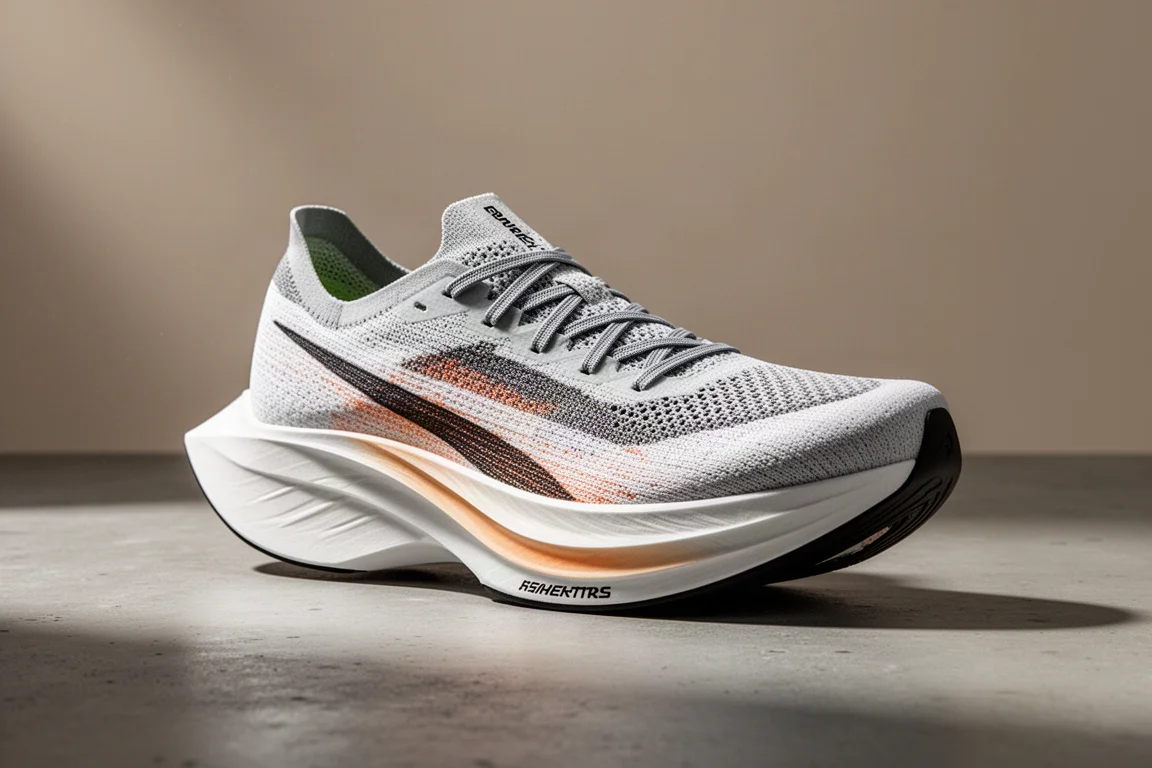
The TYR Valkyrie Elite Version 2 is one of the lightest super shoes on the market right now, and it knows exactly what kind of runner it wants. At 5.3 ounces in a men’s size 9 (150 grams), only a handful of racing shoes come in lighter. The spec sheet is genuinely impressive: a 40 mm heel and 34 mm forefoot stack for a 6 mm drop platform, wrapped around a supercritical ATPU-based midsole that is exceptionally soft and bouncy.
It retails for $280, which feels fair next to the rest of the super shoe market. But this is not a shoe for everyone, and understanding why is the key to whether it belongs on your race day feet.
Who This Product Is For
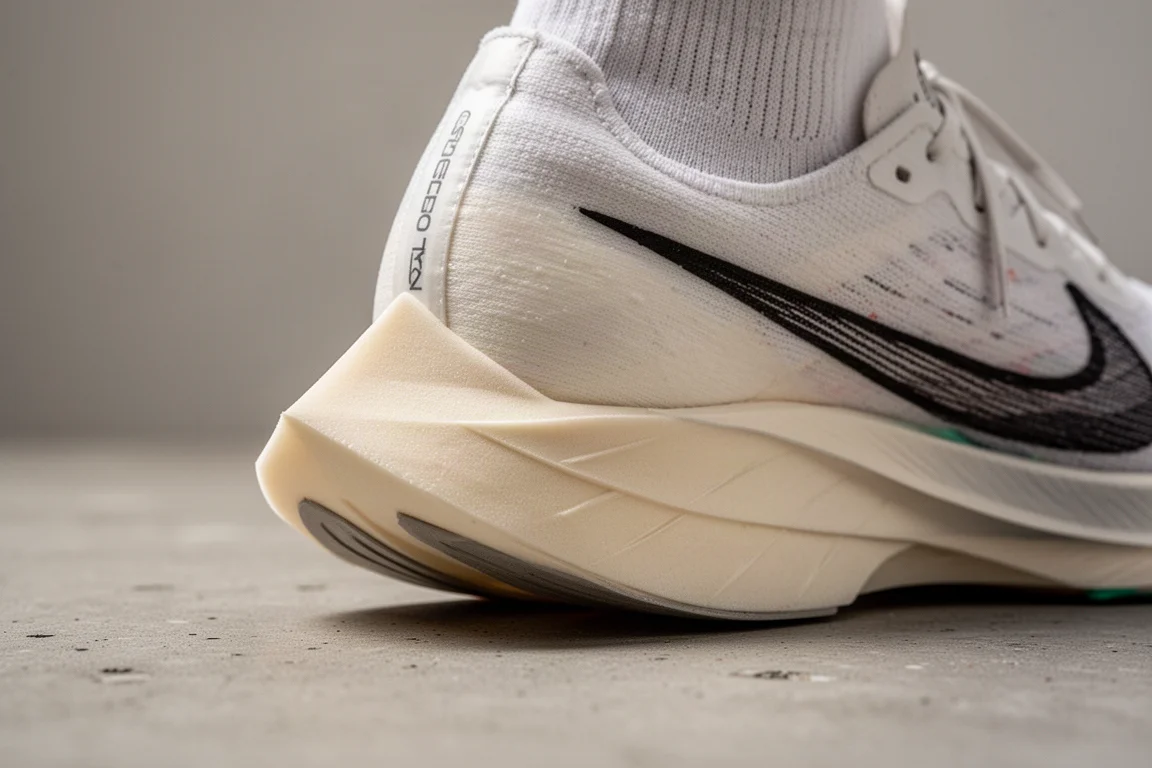
This is a shoe that responds to what you put into it. If you have solid mechanics, keep your stride relatively linear, and stay in control of your landing and cadence, it turns in a genuinely fun, energetic ride that can plausibly carry you through a marathon. The aggressive geometry, with a heel bevel that rolls sharply forward, gets you onto the midfoot and forefoot quickly, and the stiff plate rolls and catapults you forward at pace.
The honest caveat: for most runners, this is probably better suited as a 5K and 10K race shoe, because the geometry and soft foam demand a lot from tired legs.
Main Strengths
The ride is the headline. The foam has enormous decompression on landing, so you sink in and then the plate takes over right at its apex point, delivering a powerful, propulsive sensation that is comparable to the best racing shoes on the market. As the pace picks up, the shoe actually stabilizes, because you interact with the plate faster and it settles into a rhythm. It is most fun when you are moving quickly and feeling fresh.
The upper is a dialed-in performance fit. Volume is lower, width is average, the thin tongue and serrated laces hold securely, and there were no issues with lockdown. The heel collar curves backwards with a subtle retro calcaneal shape, and with essentially no rigid heel counter, the posterior area works surprisingly well for runners with some Achilles irritation or Haglund’s deformity, assuming the aggressive geometry suits you otherwise.
Things to Consider Before Buying
The same traits that make this shoe exciting create its limits. The soft, responsive foam mirrors whatever direction you load into it. When you get tired and your mechanics drift, with medial-lateral movement or rotational wobble, the shoe bounces you back in whatever direction you landed, and you end up fighting it. Cresting a hill on tired legs and letting the stride go downhill made the foot feel like it was bouncing around on landing. On fresh legs, the same effort at the same pace felt fine.
The forefoot tapers quickly, so if you need forefoot space and accommodation, this is a difficult shoe to recommend. Runners who like a sharp forefoot rocker will feel at home; others may not. At slower paces, the deep compression can even feel like a negative drop shoe despite the stated 6 mm platform.
Buying Advice
Context helps here. Lighter shoes in this space include the ASICS Metaspeed Ray at 4.5 ounces, an ATPU-based FlightFoam Turbo² shoe that amplifies the same squirrely, all-rocket personality with almost no stability, and the Mizuno Hyperwarp Pure at 4.9 ounces with around 34 mm of stack, a gentler geometry, and a more stable forefoot that makes it a favorite for mile through half marathon distances.
If you want something more familiar and balanced, the Puma Deviate Nitro Elite version 4 delivers a 6.0-ounce, roughly 8 mm drop package with a balanced rocker and propulsive ride that recalls early Vaporfly sensations done better. And if you have wider forefeet or want a marathon-ready choice, the New Balance SC Elite version 6, at 6.7 ounces with a wider forefoot and a controlled, steady supercritical foam ride, offers more structure and comfort. The Saucony Endorphin Elite 3, with its hyper-aggressive rocker and soft bouncy foam but heavier build, shares clear DNA with the Valkyrie’s character at a higher weight.
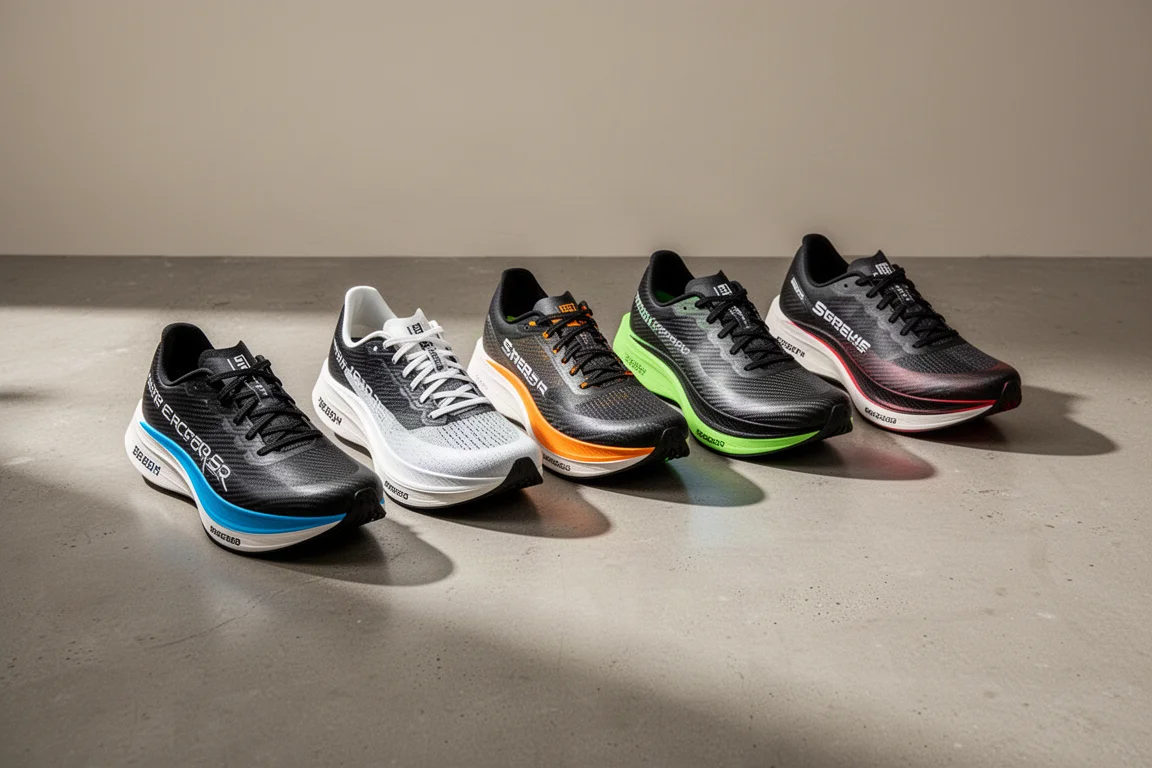
If your form holds together late in a race and you chase that ultra-light, ultra-bouncy sensation, the Valkyrie Elite Version 2 is a thrilling pick at $280. If you want forgiveness or forefoot room, look elsewhere.
Conclusion
The TYR Valkyrie Elite Version 2 is responsive, powerful, and honestly really fun to run in, until it isn’t. It rewards control and punishes fatigue, which makes it a specialist tool rather than a universal race shoe. For mechanically clean runners at 5K to 10K distances, it is one of the most exciting options available. For everyone else, the wider super shoe market offers more forgiving paths to fast times.
Product link
View more details for TYR Valkyrie Elite Version 2
This product is mentioned in the review. Check the specifications, options, and compatibility before buying.
View more details for TYR Valkyrie Elite Version 2Further reading
Related Reviews

Running Shoes
Best Road-to-Trail Running Shoes: Three Versatile Options for Mixed Terrain
A practical guide to three road-to-trail running shoes that handle both pavement and mild trails, with clear strengths and trade-offs for different runner types.

Running Shoes
Best Running Shoes for Achilles Tendonitis: Three Options Explained
Three running shoes with different heel drops and support features designed to help reduce Achilles tendon pain during walking and running.

Running Shoes
Best Running Shoes for Women: Five Top Choices Ranked
A ranked guide to five women's running shoes, from versatile daily trainers to high-performance racing options, with real strengths and trade-offs for each.