Running Shoes
TYR Valkyrie Elite Carbon Review: A Serious First Racer for Bigger, Stronger Runners
TYR's first carbon-plated racing shoe brings a stable, wide platform and a lively PEBA ride aimed at converted athletes and heavier runners.
Introduction
TYR is best known as a swim brand with a sideline in gym gear, so its first move into carbon-plated running shoes was always going to be interesting. The Valkyrie Elite Carbon arrived with a clear thesis: build a serious racer aimed at converted athletes, former lifters, and bigger, stronger runners who feel under-served by the current crop of super shoes.
At $250 it sits at the standard market price for a top-tier carbon racer, and after a first run that doubled as a 22-mile hard long run, it left a strong impression. This is essentially what many runners hoped a recent New Balance SC Elite update would be: bouncy and fast, but genuinely stable.
First Impressions: Design and Build
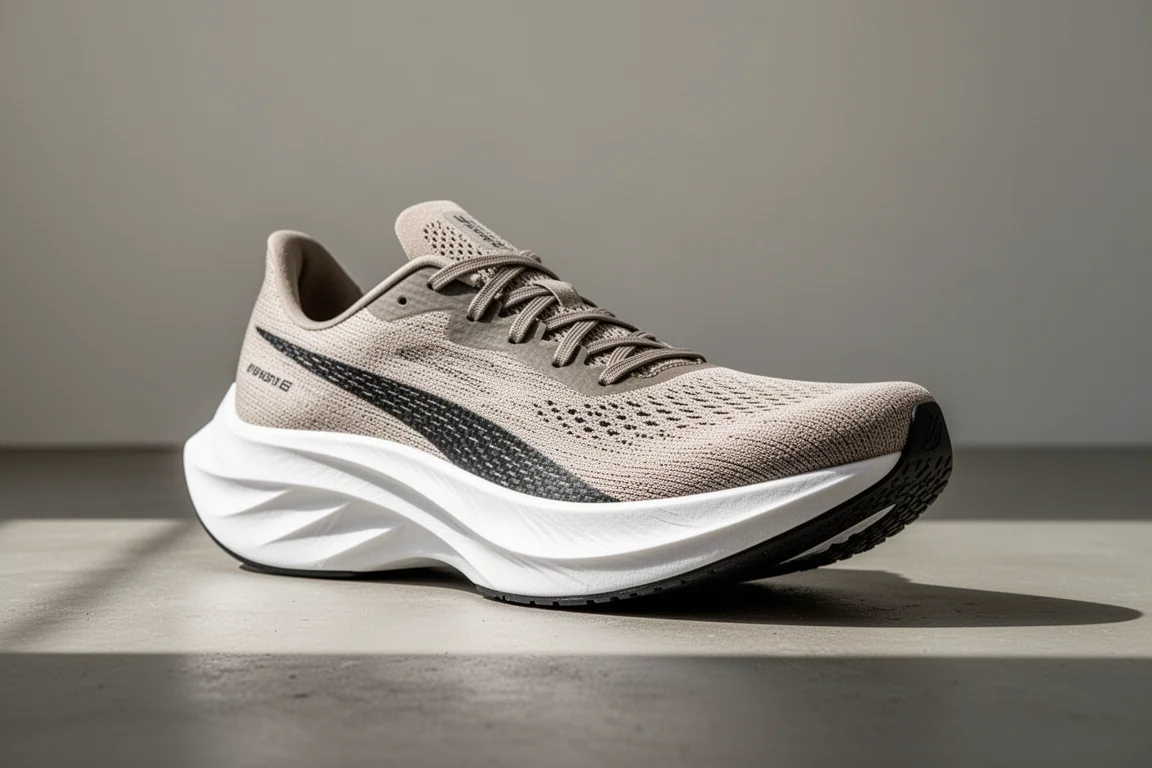
Out of the box, the Valkyrie Elite Carbon looks nothing like the neon, aggressive colorways that dominate the racing category. The black and silver finish is muted and metallic, with a clean, understated upper that reads as a shoe you would happily wear casually if it did not have a carbon plate in it. There is a small winged logo on the inside and the brand mark stamped on the forefoot, and that is about it.
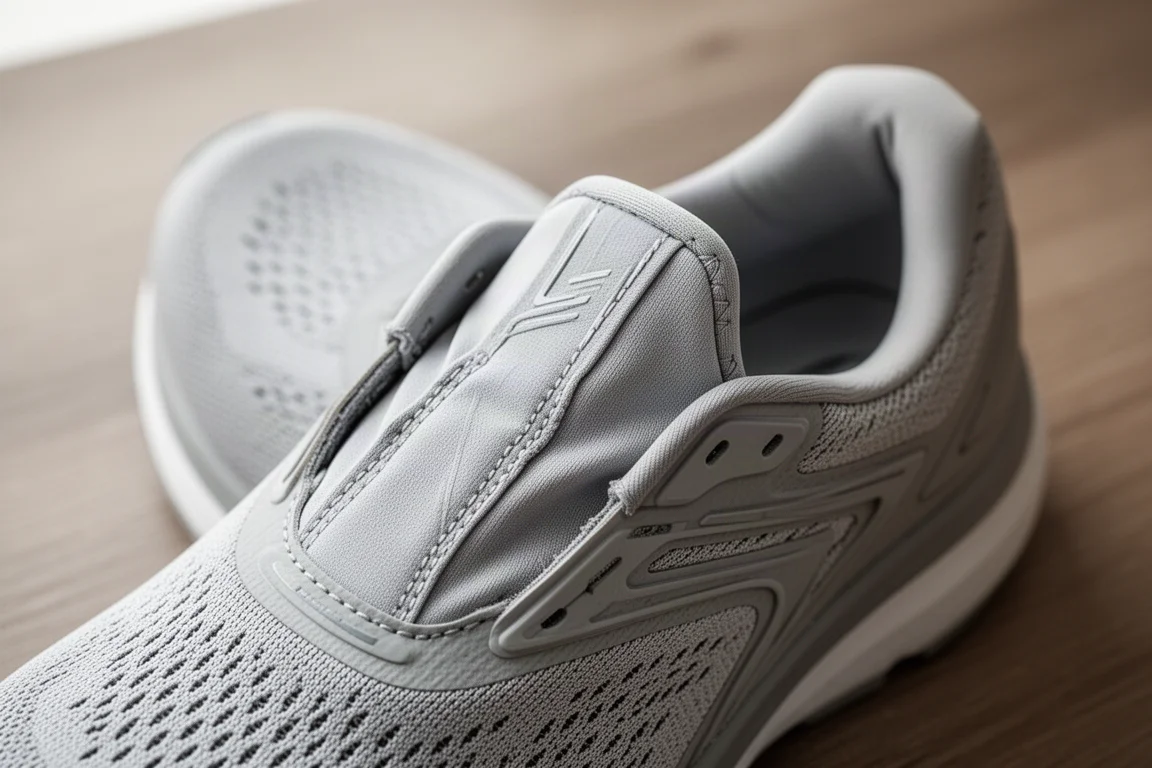
Build quality is a genuine highlight. The laces are essentially the same spec as the much-praised Vaporfly 2 laces, and they stayed tied through an entire 22-mile effort. On the scale, the right shoe measured about 241g and the left about 243g in a US 10.5, a difference of just 2 to 2.5 grams. That is better consistency than some far more established brands manage, and there were no visible weak points in the construction.
The fit runs true to size lengthwise with a decently generous but not especially wide toe box, closer to what you get from Nike or Saucony than a true wide fit. Runners with wide feet may want to go up half a size. The upper uses a lightweight mesh with a TPU-style overlay that should help keep some water out in wet weather, and the structured heel counter feels similar to what New Balance is doing with its elite racer.
Midsole, Plate and Ride
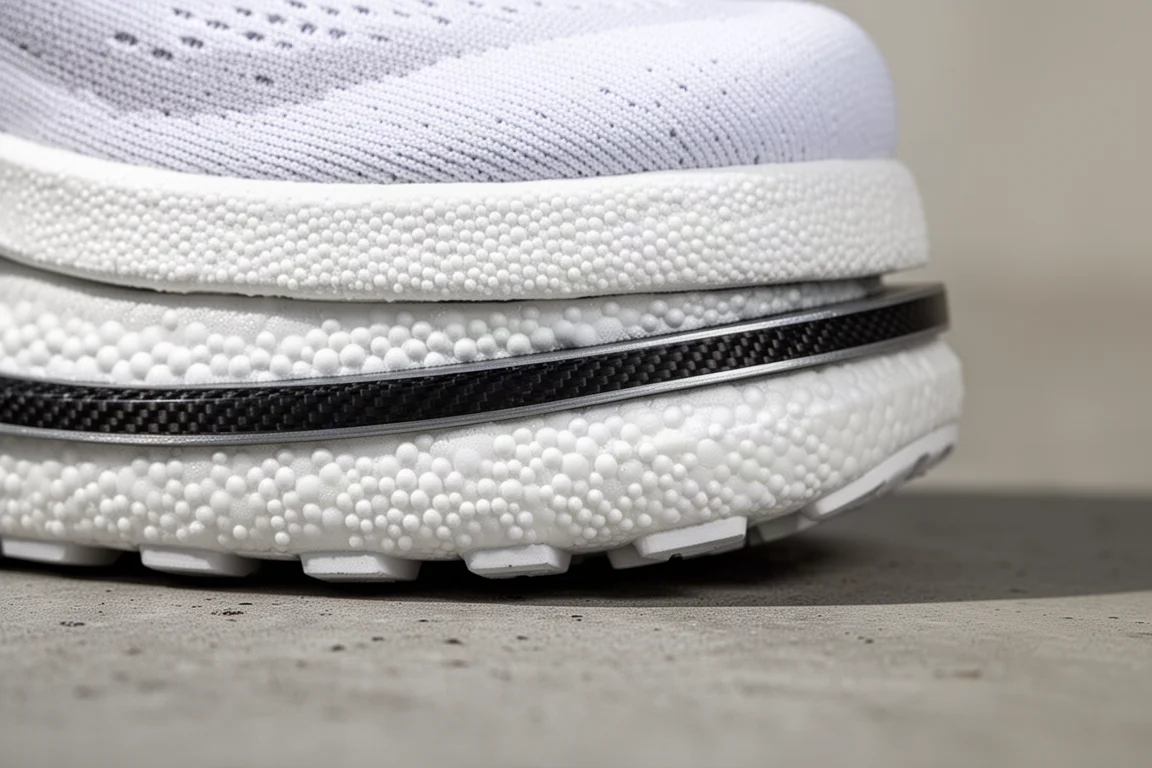
The midsole is 100% PEBA foam with a visible beaded texture, and it feels almost identical to the compound in the Saucony Power Run PB. It is not too soft and not too firm, with a nicely bouncy character, and it may well be sourced from the same supplier that makes that foam. A carbon fiber plate sits in the middle with a well-judged cutout, and importantly, less than half the foam sits below the plate, which keeps things from feeling harsh at everyday paces.

Geometry is the differentiator here. There is an aggressive forefoot rocker with plenty of stack at the front, while the back of the shoe is notably flatter, with only a slight curve. Drop is expected to be a bit lower than 10mm. The outsole has a decent amount of rubber, extended up the back to limit exposed foam in high-wear zones. One honest caveat: the rubber does not feel especially sticky in hand, so wet-weather grip is worth watching until it can be properly tested. In dry conditions over leaves and dirt it held up fine.
Stability and Handling
Stability is where this shoe earns its keep. The wide base and flat rear platform make it feel planted in a way few racers do, arguably even more so than the New Balance SC Elite V4. On tight corners, cul-de-sac turns, and uneven road surfaces, it stayed composed the entire run.
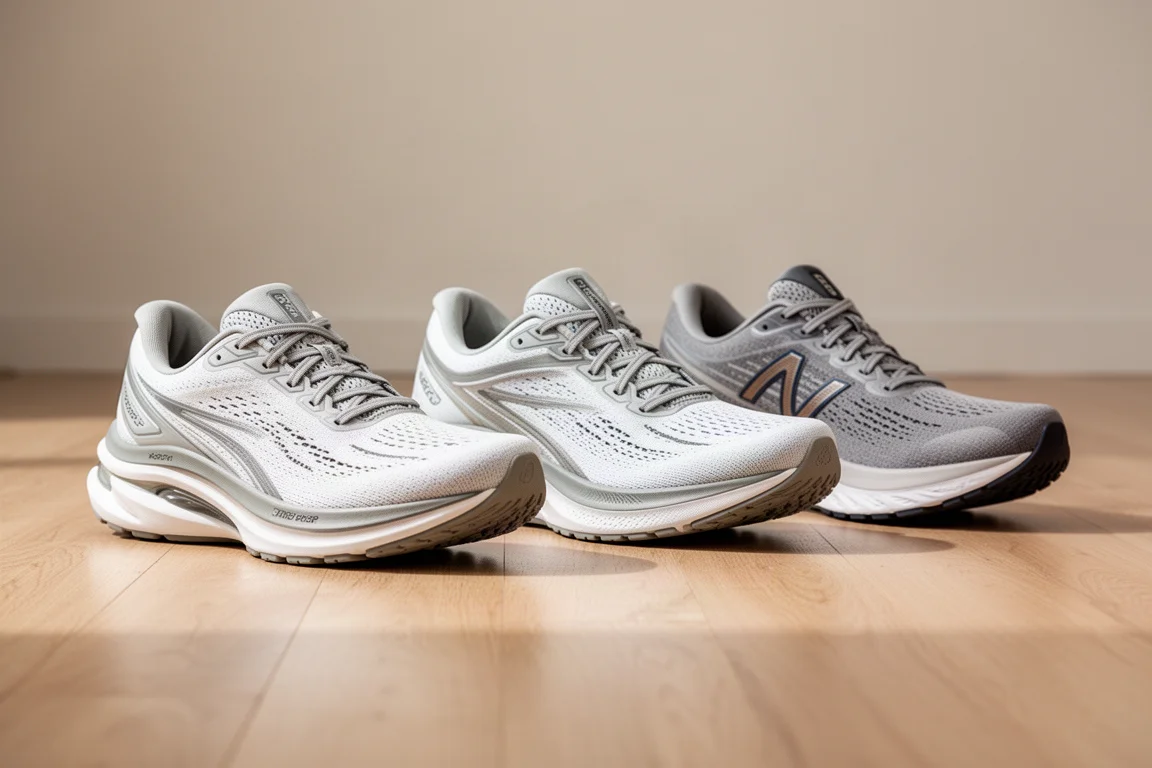
Despite the flat back, the aggressive forefoot rocker genuinely comes alive at marathon pace and faster, with a noticeable pop off the toe. It still worked well for a heel-to-midfoot striker, which is notable given the shoe is tuned around a forefoot landing. It is also stable enough to walk around in after a race, which is not something you can say about many super shoes.
Tested on a 22-Mile Long Run
The first run was a 22-mile Jack Daniels-style workout: two warm-up miles, four miles at threshold, ten relaxed miles, then two sets of two miles at threshold to close. That is a demanding debut for any shoe, and the Valkyrie handled it impressively.
Compared with a softer, less supportive trainer-racer like the Saucony Endorphin Speed 4, the TYR held up far better when the pace dropped and real power went through the shoe. The foam stayed lively for the duration, the lockdown was excellent with no hot spots, and the ride felt structured rather than mushy at relaxed 7:30 to 8:00 pace.
Who This Shoe Is For
TYR has a very clear target: bigger, taller, more muscular runners. If you are over about 5’10” or 5’11”, carry more than 150 to 160 pounds, or found the Vaporfly or SC Elite V3 too soft and the Adios Pro 3 too narrow, this is built with you in mind. It is also a natural pick for former athletes from ball sports and lifting backgrounds who now run.
Lighter, more efficient runners should think twice. The ride is firmer and more robust than a Vaporfly, and it rewards putting force through the shoe. If you are targeting a 3:30-plus marathon or a two-hour half marathon, there are better-suited options.
Buying Advice
At $250 the pricing is market-standard, and with the same durable foam-and-carbon pairing that has held up well in the Saucony Endorphin Pro 3, there is reason to expect decent longevity for both training and racing. It is also $35 cheaper than the Nike Alphafly 3, and for runners who need more support, it is arguably the better option.
The main hesitation is buying a $250 race day shoe from a brand new to running. If you are curious but cautious, it may be worth waiting for a discount or a broader test cycle. Among the current wave of new marathon racers, though, this one sits right at the top alongside the Hoka Rocket X1 as a shoe worth reaching for when it matters.
Conclusion
The TYR Valkyrie Elite Carbon is a remarkably confident first running shoe. It takes what the market leaders do well, refines it slightly, and adds a differentiation that actually matters: real stability and support for bigger, stronger runners. After 22 miles including serious threshold work, the early verdict is strongly positive. If the wet-weather grip holds up, this could become a default pick for a large group of runners the super shoe market has long overlooked.
Product link
View more details for TYR Valkyrie Elite Carbon
This product is mentioned in the review. Check the specifications, options, and compatibility before buying.
View more details for TYR Valkyrie Elite CarbonFurther reading
Related Reviews

Running Shoes
Best Road-to-Trail Running Shoes: Three Versatile Options for Mixed Terrain
A practical guide to three road-to-trail running shoes that handle both pavement and mild trails, with clear strengths and trade-offs for different runner types.

Running Shoes
Best Running Shoes for Achilles Tendonitis: Three Options Explained
Three running shoes with different heel drops and support features designed to help reduce Achilles tendon pain during walking and running.

Running Shoes
Best Running Shoes for Women: Five Top Choices Ranked
A ranked guide to five women's running shoes, from versatile daily trainers to high-performance racing options, with real strengths and trade-offs for each.