Running Shoes
TYR Maverick V1 First Run Review: A Lightweight Non-Plated Trainer With Serious Value
The TYR Maverick V1 brings race-adjacent foam to a non-plated daily trainer, undercutting the Mega Blast and Evo SL on both weight and price.
Introduction
The TYR Maverick V1 is a non-plated daily trainer that positions itself squarely against the biggest names in the category. TYR, a brand historically known for swimming and more recently for lifting gear, made a run at road running shoes about a year and a half ago, and the Maverick V1 is their newest attempt to break through with something genuinely competitive.
On paper, the pitch is simple: a new supercritical midsole foam called Flight Time, no plate, and a spec sheet that undercuts the most hyped trainers of 2025 on weight and stack-to-weight ratio, at roughly half the price of the shoe it is most often compared to. After putting a first run of eight miles on it, the picture that emerges is of a balanced, capable all-rounder with a couple of rough edges.
Why TYR Built the Maverick V1
TYR’s first road shoes, the Valkyrie Speedworks and the Valkyrie Elite Carbon, arrived just as the market pivoted away from older bead-based compounds toward newer supercritical foams. The Maverick V1 is the brand’s answer to that shift. It is explicitly designed to compete with the top non-plated trainers of the year, targeting the same buyers who circle the Adidas Evo SL and the Mega Blast.

For a brand trying to crack a crowded market, the strategy makes sense. Everyday runners increasingly want a single shoe that blends daily-trainer comfort with genuine speed capability, and that is exactly the lane the Maverick V1 is built for. It also comes with an anatomical fit and a wide, forgiving toe box, which sets it apart from most speed-focused trainers in this class.
Design and First Impressions
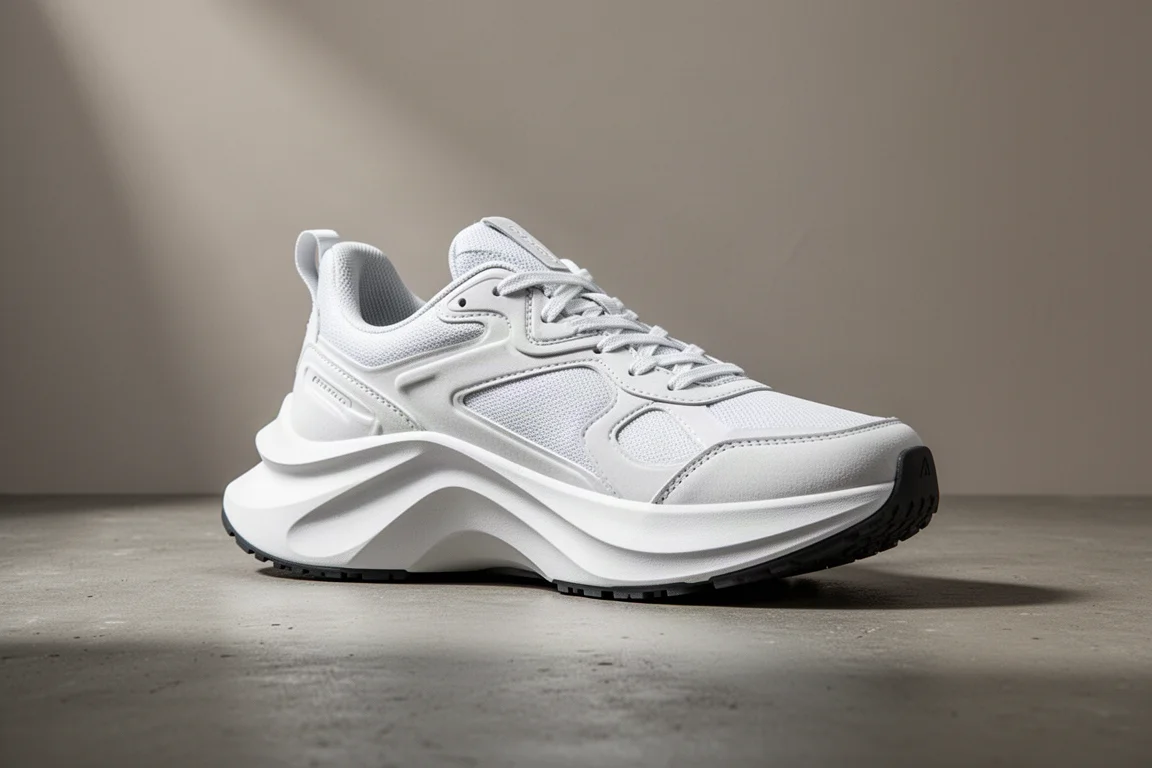
Styling is where the shoe splits opinion. Compared to the previous Valkyrie generation, which was angular, chiseled and timeless, the Maverick V1 looks busier, with contouring flares and sculpted bumps on the midsole that read as unnecessary. The white colorway in particular can look overstyled. If you value clean, minimal design, this is the least attractive part of the package.
The upper is the more meaningful concern. It has a rigid, starchy, structured feel that does not feel like a typical performance running material. Combined with a thin, cheap-feeling stock insole, the step-in experience is underwhelming, closer to slipping on a work boot than a fast trainer. The fit itself is fine, with a wide and voluminous toe box, but swapping the insole for an aftermarket option would likely be a worthwhile upgrade.
Construction quality otherwise is excellent. A left-right weight check showed near-perfect consistency between shoes, and rubber coverage on the outsole is generous, with a heel cutout similar to the one that helped the Saucony Aero Glide generate bounce at the back of the shoe.
Weight and Stack: Where the Numbers Get Interesting
This is where the Maverick V1 starts to make people pay attention. On the scale it measured 234 grams, against 240 grams for the Adidas Evo SL and around 249 to 250 grams for the Mega Blast. A relatively unknown brand delivering the lightest shoe of the group is genuinely surprising.
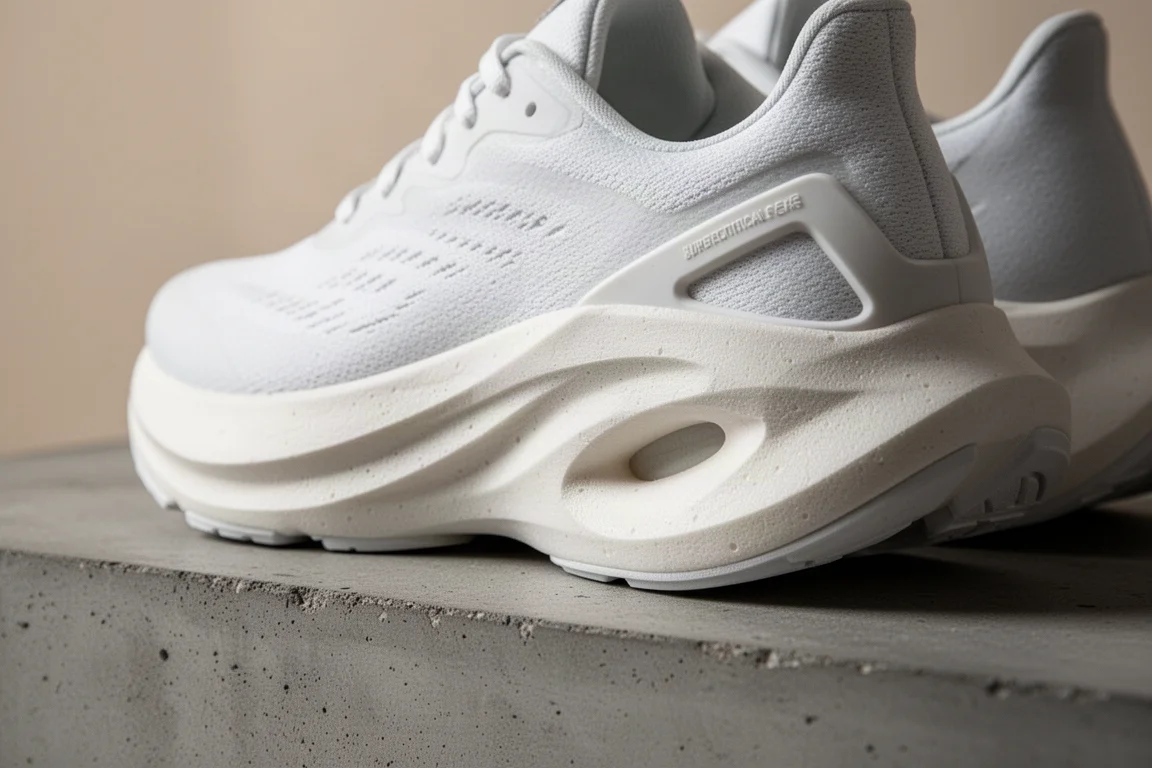
Stack height comes in at 41.4 mm, with quality control between the two shoes measuring 41.4 and 41.5 mm, nearly identical. That means a better stack-to-weight ratio than the Evo SL: more foam underfoot at a lighter total weight. The Mega Blast sits at roughly 44 to 45 mm out of the box.
For context, a standard daily trainer like the Saucony Aero Glide measures around 271 grams. The Maverick V1 sits far closer to the speed shoes than the standard trainers, and the specs alone set it up to be a potential standout in the category.
Ride Experience: Soft, Bouncy and Surprisingly Quick
The Flight Time foam feels softer than the Mega Blast out of the box while retaining a healthy density, and it turned out to be firmer underfoot than first impressions suggested. On the run, it sits somewhere between the Evo SL and the Mega Blast: the heel geometry resembles the Mega Blast, the rocker is distinctly Evo SL-like, and the heel landing bounce echoes the Aero Glide.
The pleasant surprise was the forefoot. It has a genuine snap that almost feels like a plastic plate, despite there being none. As pace increased through the run, the shoe kept responding, feeling capable well into the low 640s pace range, and it never felt fatiguing even deep into an hour-long effort. That late-run resilience is a trait usually reserved for shoes in a much higher price bracket.

Compared to the Evo SL, the Maverick V1 is less aggressive and does not push you onto your toes. That is a feature for many runners: the geometry stays neutral and stable, with no weirdness underfoot, making it easier to live with than the Evo SL while keeping most of the speed. It slots between the relaxed Aero Glide and the firmer Mega Blast, faster than a standard daily trainer like the Nova Blast but more forgiving than a dedicated tempo shoe.
It is a zone 3 champion: comfortable at relaxed paces, eager at steady paces, and quick when you decide to push. Simple construction, no plate, just a very good foam doing its job.
How It Compares
Against its intended rivals, the Maverick V1 blends daily-trainer comfort with speed-shoe quickness. Versus the Aero Glide it is quicker and more speed-capable; versus the Mega Blast it is softer, lighter, and slightly less pushy, and it cleans up some of the Mega Blast’s comfort issues at the heel; versus the Evo SL it has a better upper fit, similar firm step-in feel, and a less demanding geometry. It is not clearly better than either of the big two, but it is in the conversation at a fraction of the cost.
Against standard daily trainers like the Pegasus, Cumulus, 880 or Rebel class, it is a clear step up in foam quality and speed. It also easily outclasses the Rebel, a shoe it was partly benchmarked against. Standard trainers will still beat it on step-in comfort and easy-jogging feel, but the Maverick V1 offers more performance for the money.
Things to Consider Before Buying
The two main complaints are step-in feel and brand recognition. The stiff upper material and thin insole make the first minutes in the shoe less pleasant than they should be, though it is arguably a minor critique at this price point, and an insole swap is an easy fix. The upper is also a potential watch point around the heel area, where a previous TYR shoe caused Achilles rubbing, so keep an eye on that during the first runs.
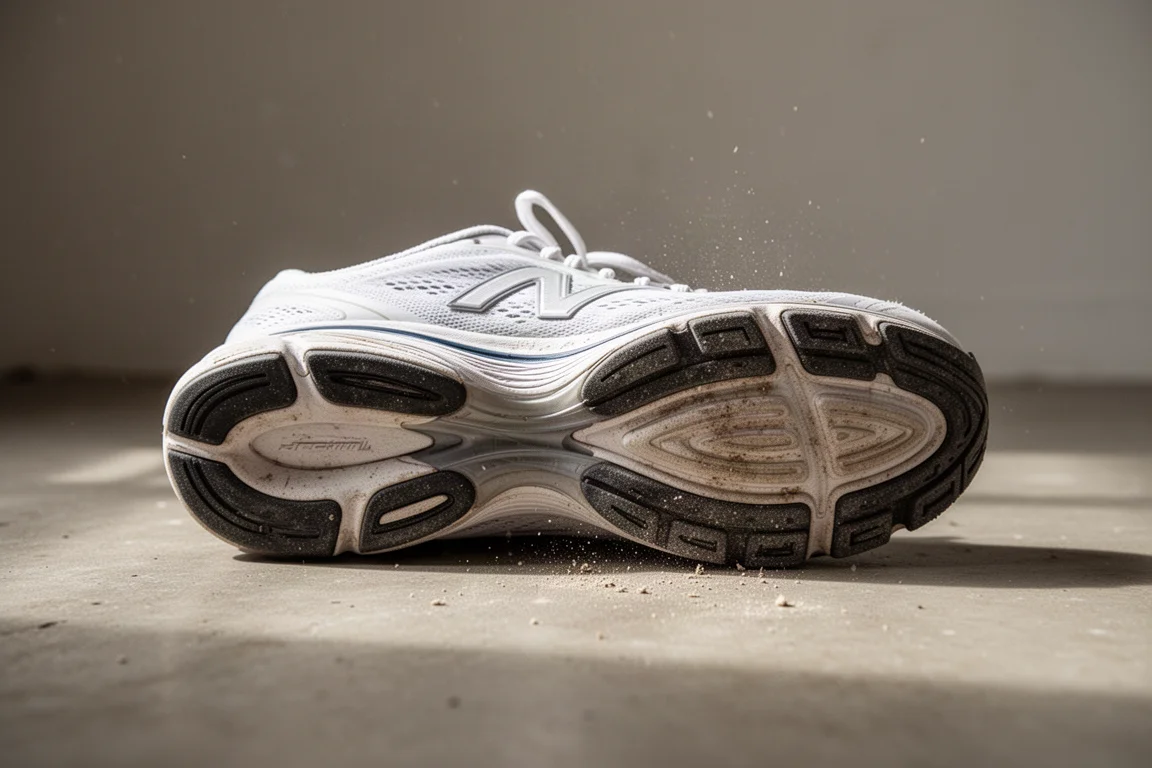
Durability is an open question. This is new foam from a relatively new road running brand, and long-term performance is untested. Long-run and double-day testing are still pending, though the first hour of running suggests it will hold up well over longer efforts.
The bigger obstacle may simply be perception. TYR is not on most runners’ shopping lists, and brand loyalty means many people will never consider it. That is a shame, because the shoe itself has very little that feels jarring. It is decently comfortable, decently smooth, decently fast, and it comes together remarkably well as a true all-rounder.
Buying Advice
Pricing is the story here. MSRP sits at 150 dollars, but the shoe launched with sitewide discounts in the range of 20 to 30 percent, putting it around 100 dollars. At that price, it may be the best value shoe in running right now: a legitimate performance runner at roughly half the cost of the Mega Blast, which retails around 220 dollars.
If you just bought the Mega Blast or the Evo SL, there is no reason to rush. But if you have been considering a do-it-all shoe in that mold and do not want to spend over 200 dollars, the Maverick V1 deserves a serious look. It earned an A on first run, with potential to climb higher once long-term durability and speed at faster paces are confirmed.
Conclusion
The TYR Maverick V1 is a complete banger of a first effort: light, stable, bouncy, and fast enough to hang with the most hyped trainers of the year, all while undercutting them badly on price. The styling and step-in feel will not win everyone over, but the ride quality more than makes up for it. For runners hunting for a single versatile shoe that covers easy miles, steady zones, and honest speed work, this is one of the strongest value picks available right now.
Product link
View more details for TYR Maverick V1
This product is mentioned in the review. Check the specifications, options, and compatibility before buying.
View more details for TYR Maverick V1Further reading
Related Reviews

Running Shoes
Best Road-to-Trail Running Shoes: Three Versatile Options for Mixed Terrain
A practical guide to three road-to-trail running shoes that handle both pavement and mild trails, with clear strengths and trade-offs for different runner types.

Running Shoes
Best Running Shoes for Achilles Tendonitis: Three Options Explained
Three running shoes with different heel drops and support features designed to help reduce Achilles tendon pain during walking and running.

Running Shoes
Best Running Shoes for Women: Five Top Choices Ranked
A ranked guide to five women's running shoes, from versatile daily trainers to high-performance racing options, with real strengths and trade-offs for each.