Fountain Pens
TWSBI Diamond 580 ALR vs Lamy Safari: Two Fountain Pens Compared
An aluminum-bodied piston filler meets a proven daily workhorse. We compare grip, writing feel, maintenance, durability, and value.
Introduction
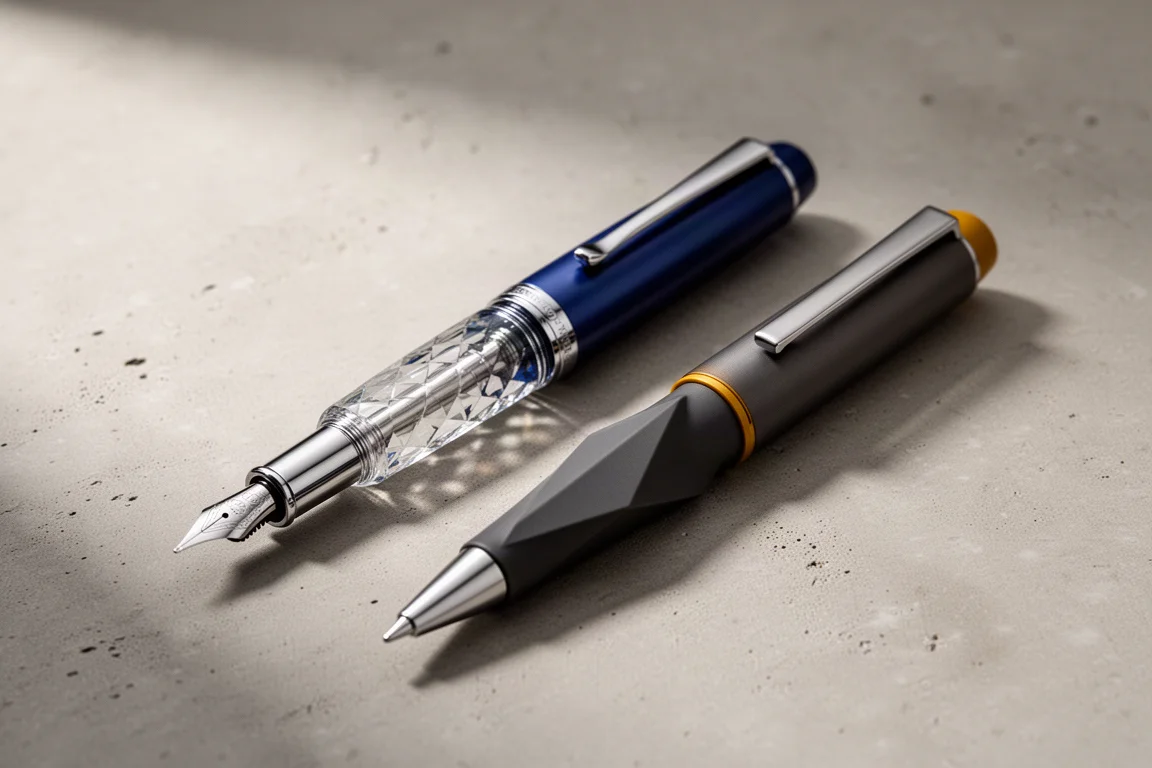
Some tools earn their place by being unremarkable in the best way, and the Lamy Safari is exactly that kind of pen: after more than three years of daily use, two of them have never missed a day. The TWSBI Diamond 580 ALR, on the other hand, is the kind of pen that pulls you in the moment you hold it in a shop. Both are fountain pens worth serious consideration, but they occupy very different places in a stationery setup.
This comparison looks at five factors that matter when evaluating any pen: how it feels in hand, how it glides on paper, ease of maintenance, durability, and value.
First Impressions: Weight, Build, and Materials
The Diamond 580 ALR immediately makes itself known. The AL and ALR models use a substantial amount of aluminum in the grip section, connector, and even the piston rod, paired with a thick, diamond-pattern resin barrel. The result is a pleasing, weighty presence that feels far more premium than its price suggests.

Virtually every component of TWSBI pens is designed and manufactured in Taiwan, and the attention to detail shows: machined aluminum parts, a crisply executed diamond-pattern resin, and a logo set in an aluminum housing. The Safari, by contrast, is a minimalist, clean, no-nonsense pen built around function rather than finish.
Ink Capacity and Filling
Neither TWSBI 580 model accommodates cartridges or converters. Instead, both use an integrated piston chamber, which holds a large amount of ink and greatly reduces how often you need to refill. A nib sleeve at the base of the cap keeps the ink from drying out between uses.
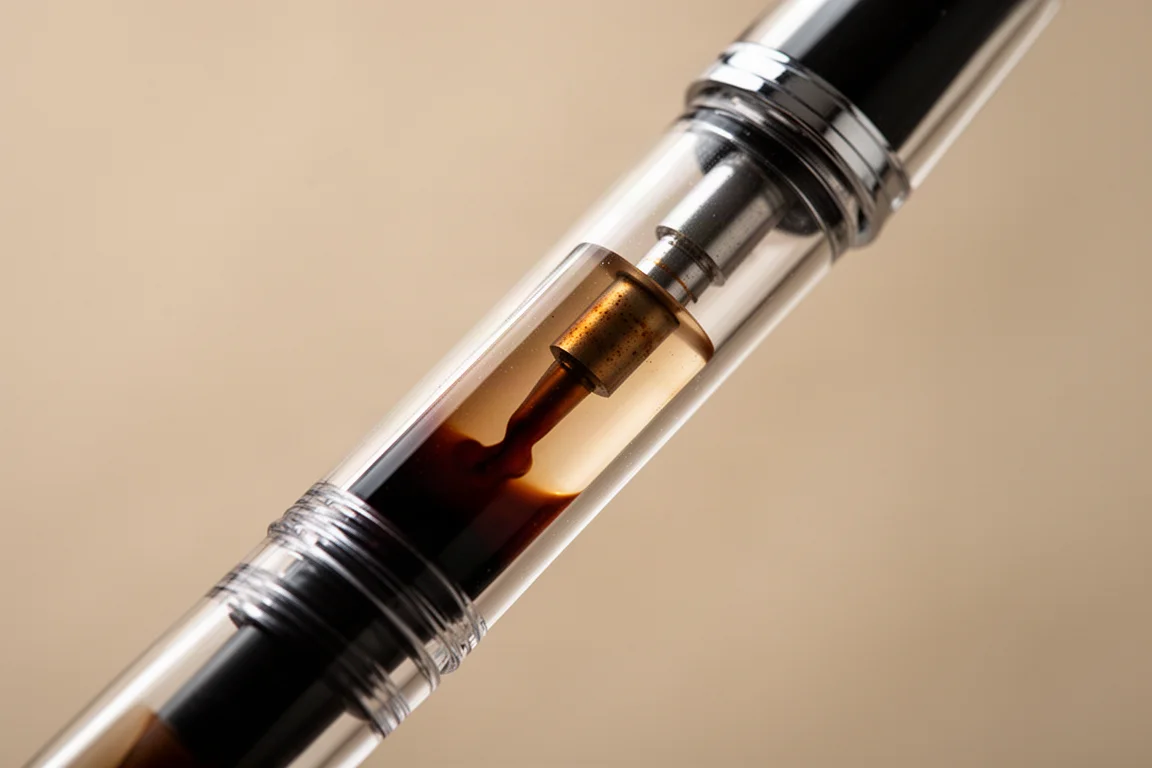
Filling is simple: twist the end cap counterclockwise to extend the piston, seat the pen firmly on the fill nozzle, then twist clockwise and watch the chamber fill. The TWSBI Diamond 5050 ink bottle makes this even easier with its purpose-built nozzle. The Safari takes a more conventional route with removable cartridges or a converter, which is far more convenient for travel.
How They Write and Feel in Hand
Both pens use steel nibs, and the writing feel is a matter of taste. The TWSBI nib feels noticeably stiffer than the Safari nib, and that stiffness delivers a consistent sweep that suits very small handwriting well.
In hand, the difference is bigger. The Safari has a triangular grip that settles naturally into a traditional writer’s hold. The 580 ALR has a ribbed cylindrical metal grip, which feels familiar if you use machined metal pens but may cause discomfort for anyone who grips their pen very tightly. For long note-taking sessions with a relaxed grip, the ribbing provides just enough friction for a confident, slip-free hold.
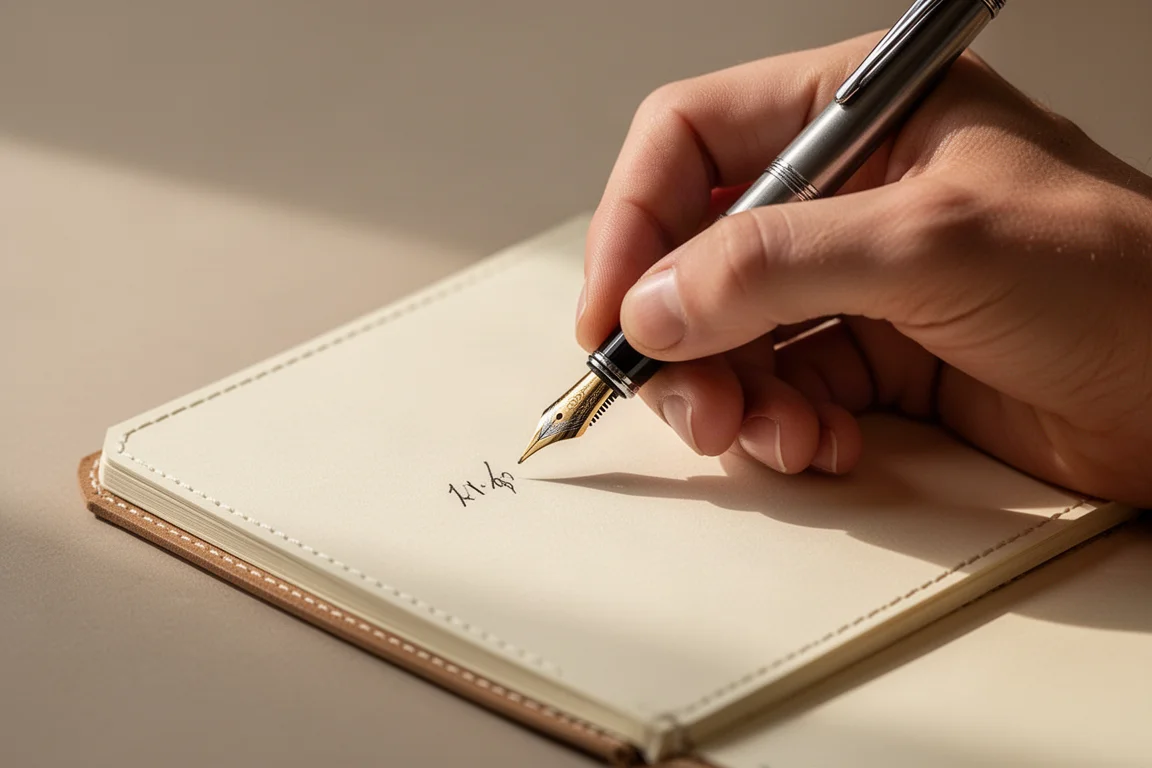
Paper interaction follows the usual rules: finer nibs give more vibratory feedback, while medium and broad nibs offer a smoother sweep. Used together, one fine and one broad from either pen covers both rapid note-taking and smoother diagram work.
Maintenance and Durability
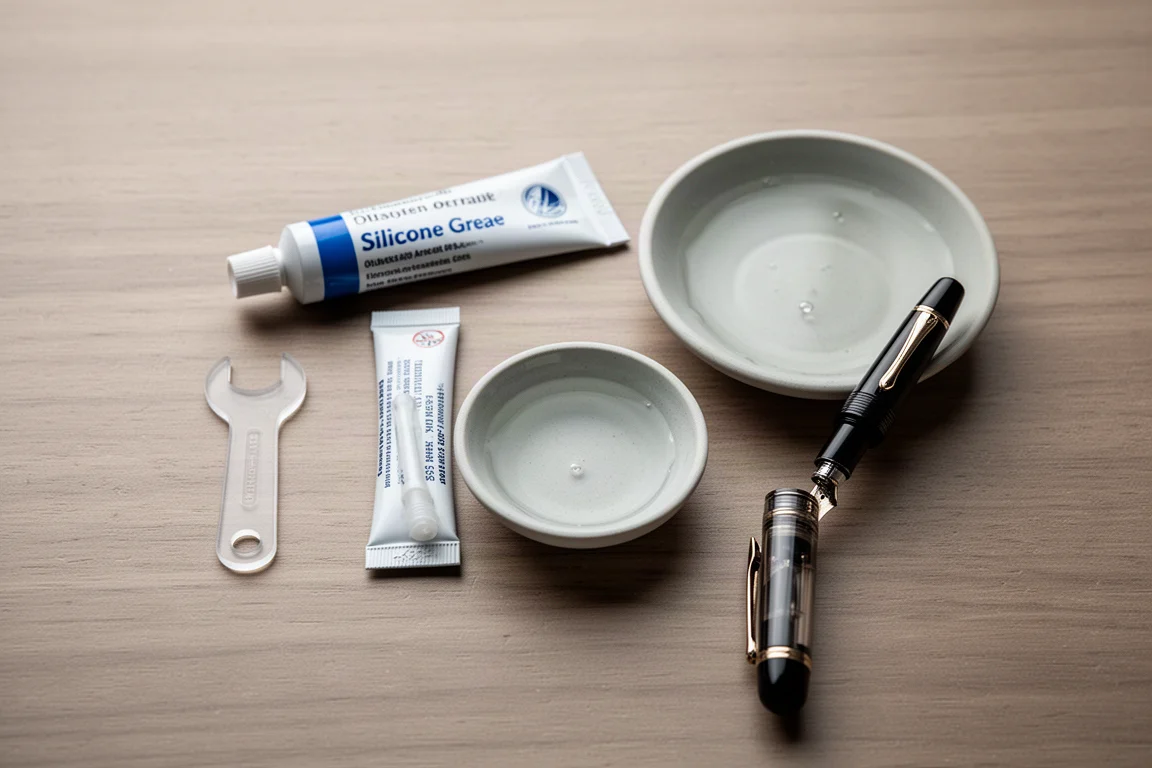
The Safari is nearly maintenance-free. Cartridges and converters are removable, so cleaning is as simple as flushing water through the feed and nib with a syringe. The TWSBI requires a bit more commitment, but it goes further in return: the box includes a wrench and silicone grease that allow full disassembly for deep cleaning and long-term care.
On durability, both inspire confidence. Safaris that have been dropped countless times over three years remain absolutely perfect, and the beefy aluminum build of the 580 ALR feels functionally indestructible. The trade-off is aesthetic: the smooth glossy barrel and polished clip of the TWSBI show scratches and dings far more easily than the Safari’s matte plastic. For some writers, those marks become part of the story of real use.
Value and Verdict
At around $30, the Safari costs less than half the 580 ALR’s roughly $65 price. Judged purely on the ability to put ink on paper, the Safari wins by more than double. Judged on materials, machining, fit, and finish, it is no contest, and it could easily be argued the TWSBI is worth far more than its price premium.
So should the TWSBI replace the Safari? The honest answer is yes and no. For travel, where bottled ink is impractical, cartridge-fed Safaris remain the easy choice. At home on the desk, the 580 ALRs shine as piston-filled workhorses with big ink capacity, while the Safaris stay in an everyday carry kit where they can never be forgotten.
The Safari is still the first recommendation for anyone curious about trying a fountain pen. But once you are invested, the Diamond 580 ALR earns its place, especially for writers who value heft, finish, and long sessions between refills.
Conclusion
These two pens are complementary rather than competing. The Lamy Safari is the proven, travel-friendly, affordable workhorse that makes an excellent first fountain pen. The TWSBI Diamond 580 ALR is the premium-feeling desk pen with a huge piston-filled ink chamber, machined aluminum details, and a fit and finish well beyond its price. Owning both covers every scenario a writer is likely to face.
Product link
View more details for TWSBI Diamond 580 ALR
This product is mentioned in the review. Check the specifications, options, and compatibility before buying.
View more details for TWSBI Diamond 580 ALRFurther reading
Related Reviews
Fountain Pens
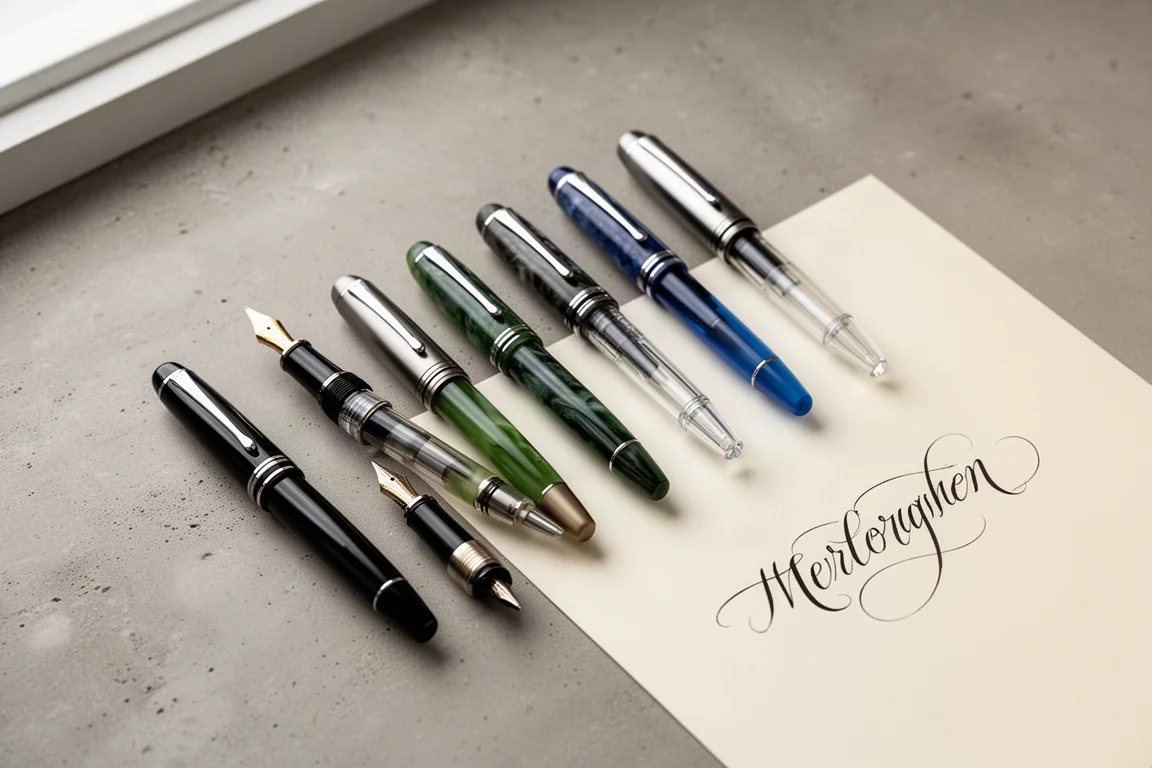
Best Budget Fountain Pens Tested: 9 Pens, One Clear Winner
A hands-on comparison of nine affordable fountain pens for everyday writing, calligraphy, and sketching, with a clear standout for flexible nib fans.
Fountain Pens
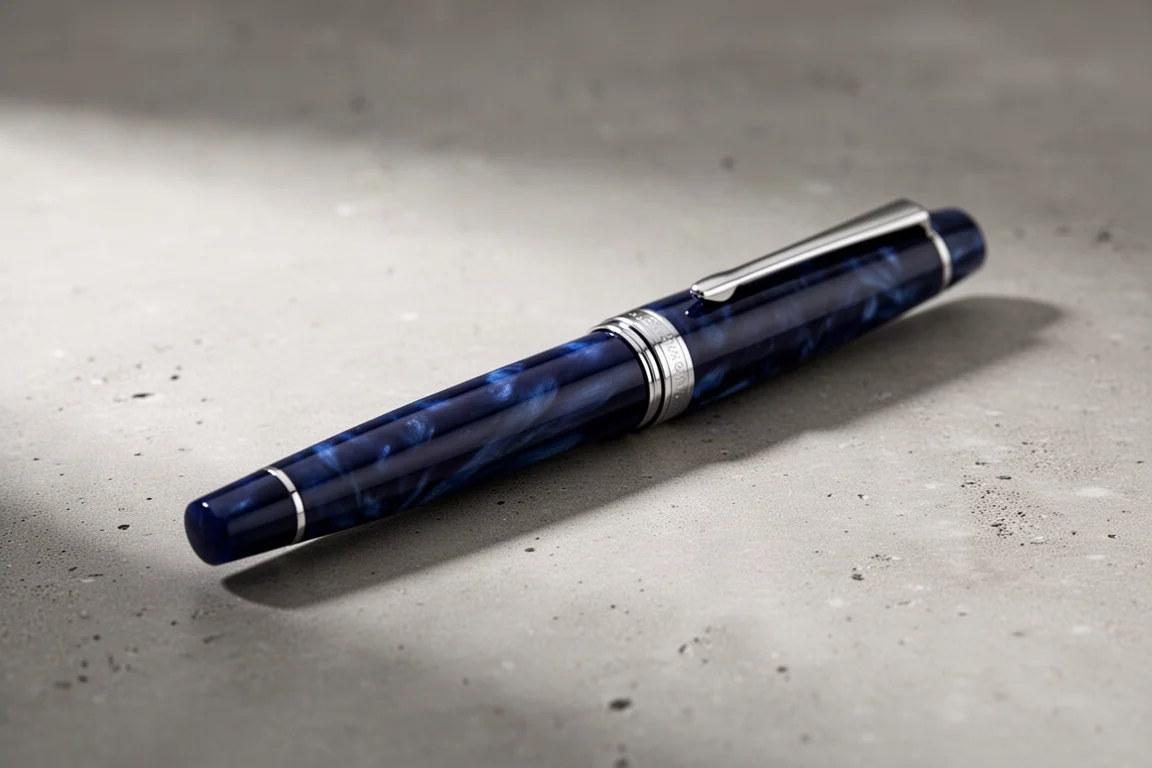
Aurora Optima Review: An Italian Piston Filler That Punches Above Its Price
A 14k gold nib, ebonite feed, and a beautifully deep oraloid body make the Aurora Optima one of the most rewarding piston fillers around.
Fountain Pens
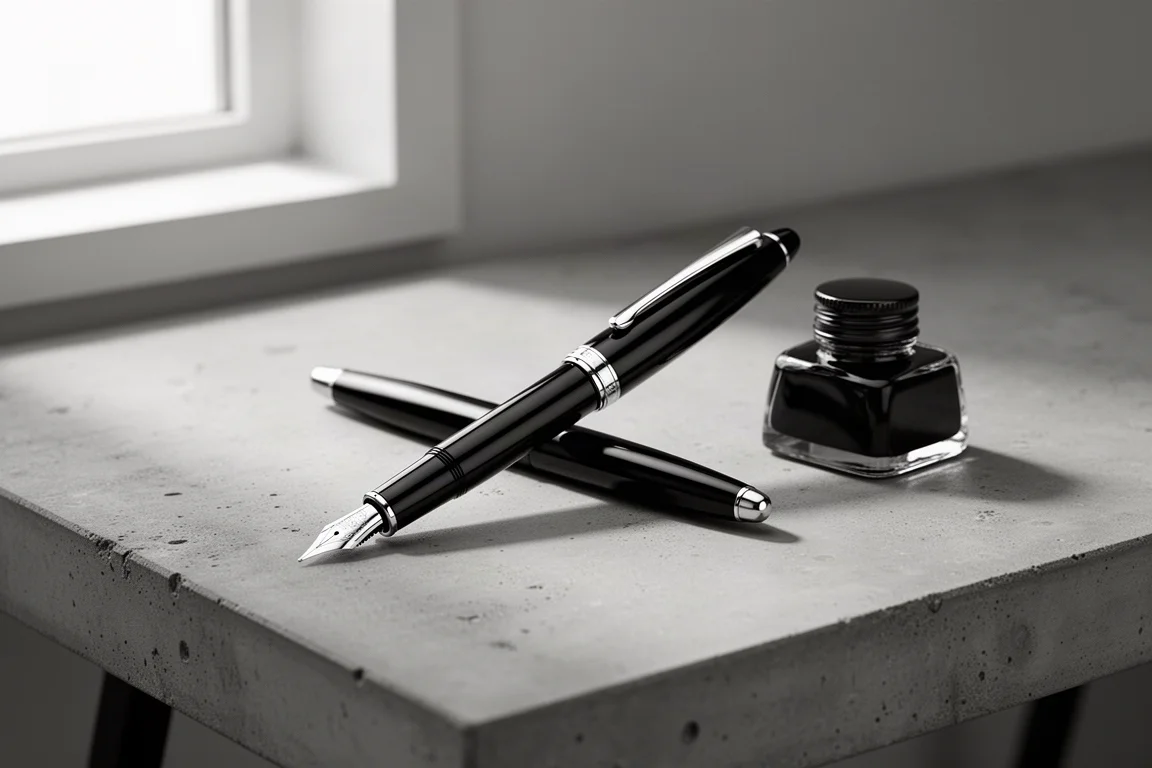
Cross Bailey Light Review: The Entry-Level Fountain Pen Worth Keeping at the Office
A plastic-bodied Cross with a metal clip, snap cap, and famously smooth extra fine steel nib. Around $15, available almost everywhere, and easy to recommend.