Tools & Workshop
Turbo Fan Dusters Tested: Which Cordless Air Dusters Actually Deliver?
We tested six turbo fan dusters, from the $26 Fresmol V18 to the $85 Wolfbox, measuring real air speed, air volume, noise, and battery capacity against bold advertising claims.
Introduction
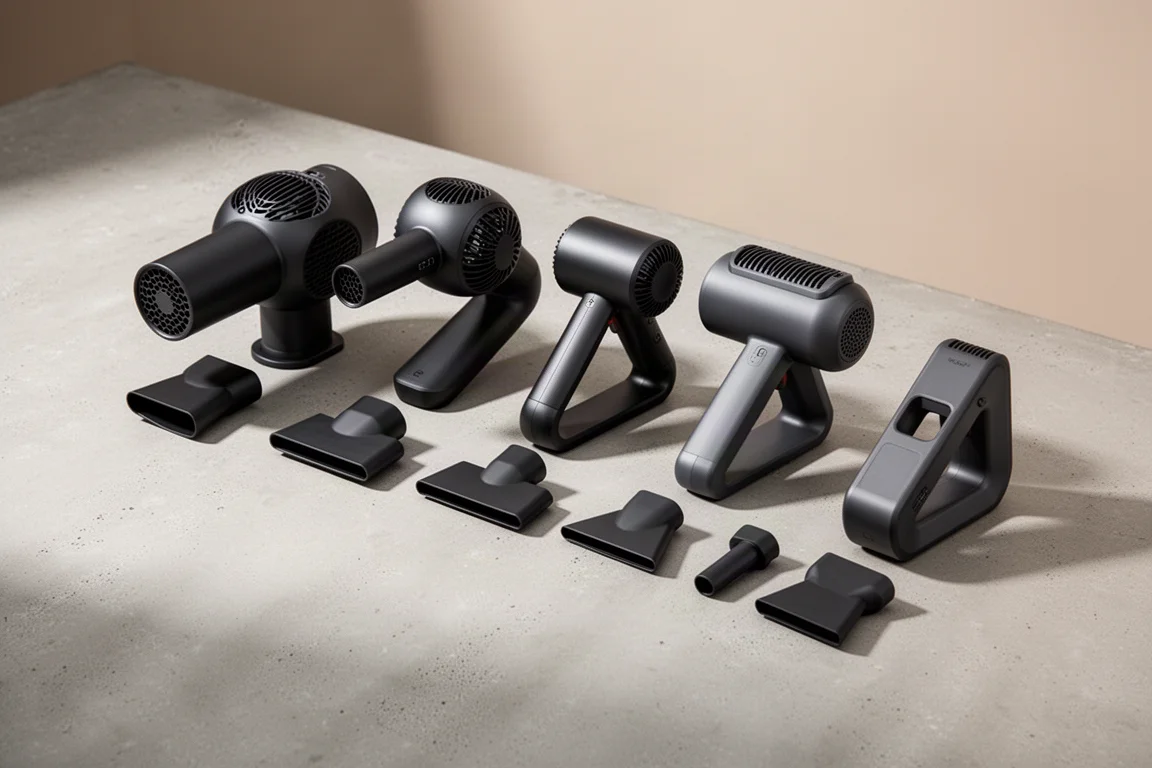
Turbo fan dusters have taken over social media feeds, with clips showing them blasting dust, debris, and even wet leaves off surfaces. Brands advertise rotational speeds of 100,000 to 300,000 RPM and wind speeds up to 268 mph, positioning them as replacements for canned compressed air and even compressed air blow guns. The reality is messier: RPM on its own tells you very little about how much air actually comes out, and some of the boldest claims on the box do not survive contact with a measuring tool.
We bought six of the most popular models, put them through real use, then measured air speed, air volume, noise, and actual battery capacity. Here is what held up and what did not.
How We Tested
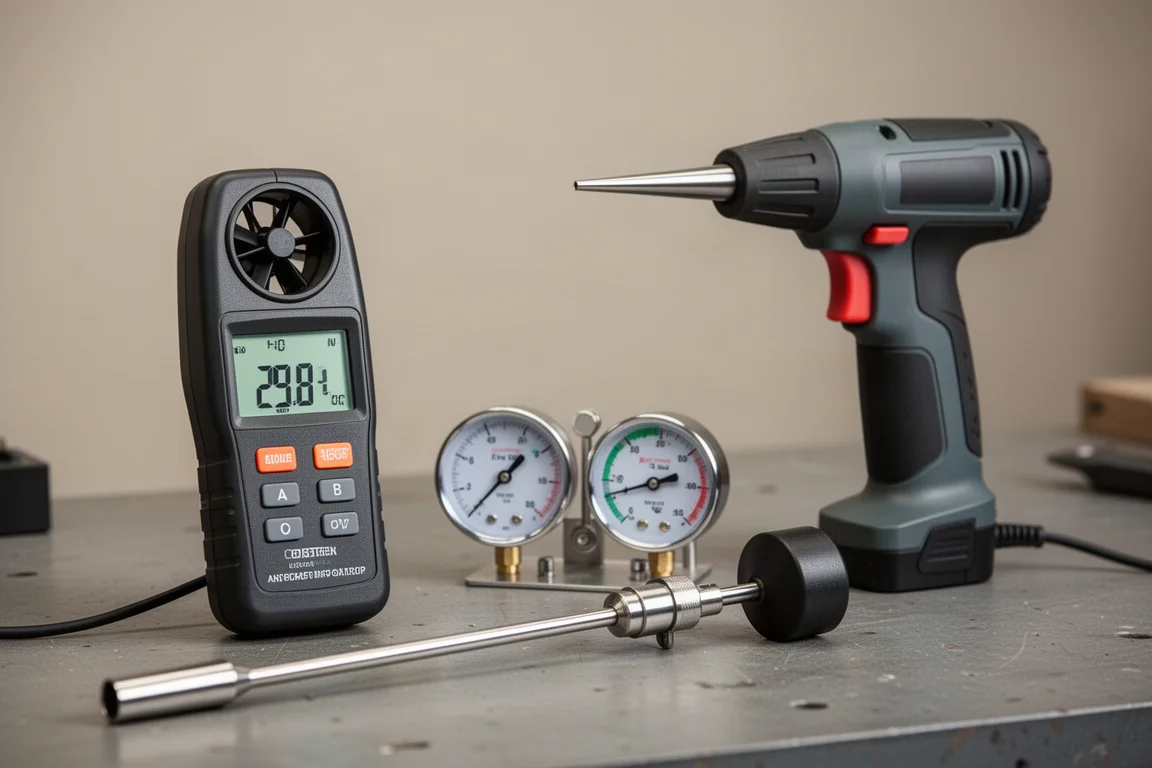
Every duster was evaluated on measured air speed with and without nozzle attachments, air volume in CFM (cubic feet per minute), noise level, run time, and actual battery capacity measured after a full drain. We also opened each unit and measured true motor RPM against the advertised figure.
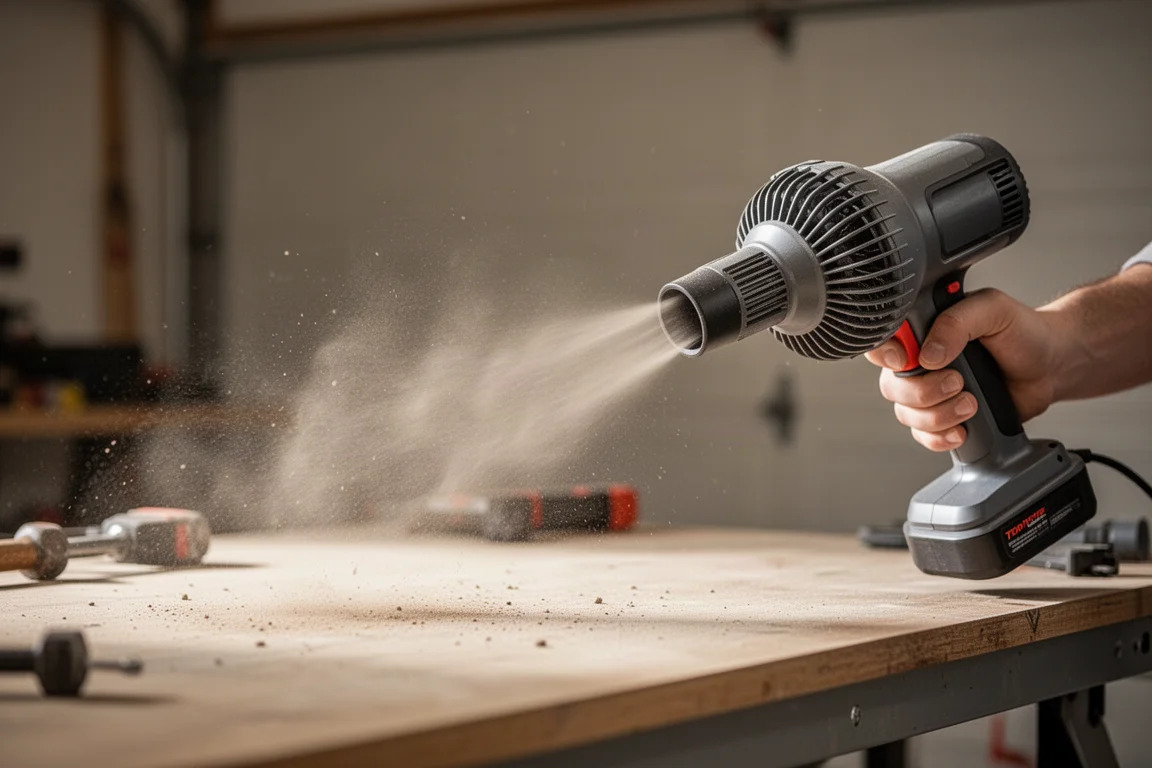
The key context: RPM alone is a nearly useless spec. A pencil air die grinder spins at 55,000 to 60,000 RPM but moves little air, while an F1 wind tunnel runs at 360 RPM and moves all the air you could want. What matters is the combination of air speed and air volume. For reference, a common compressed air blow gun on shop air moves roughly 20 CFM, often 30 to 45 CFM or more, at speeds well above what these dusters can reach.
Fresmol V18: The Bestseller Under Scrutiny
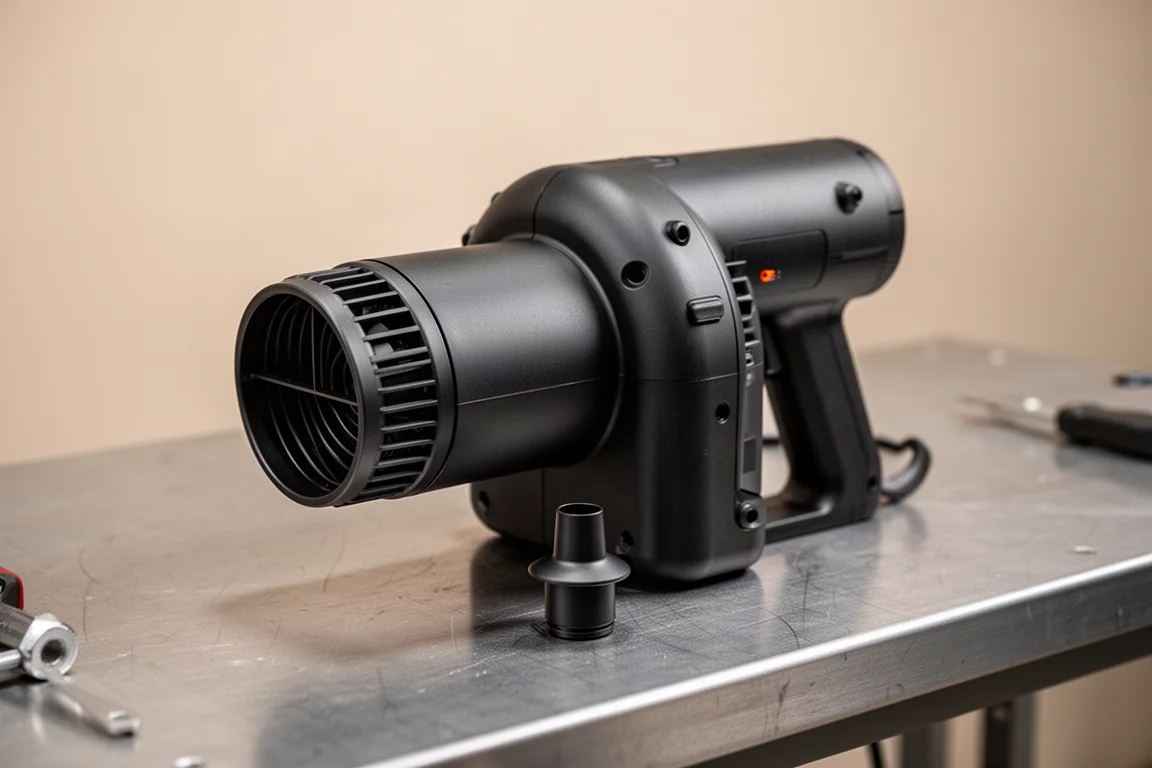
The Fresmol V18 costs around $26 and happens to be the bestselling cordless duster on Amazon. It is a hairdryer-style unit advertising a 7,500 mAh battery and 100,000 RPM. Surprisingly, the RPM claim is roughly honest: after test teardown, the impeller measured around 95,000 to 96,000 RPM at full tilt.
Air speed came in at about 85 mph wide open, rising to around 130 mph with an attachment. But the outlet is only 0.736 inches across, so the air volume sits at roughly 20 CFM. That matches a basic blow gun on shop air, but compressed air systems push far more volume. Subjectively, it does not move a ton of air, and the three-second press-and-hold startup is annoying when you want quick on-off bursts. The tested battery capacity came in at about 5,500 mAh against the advertised 7,500.
Fresmol VC 019: The Follow-Up Model
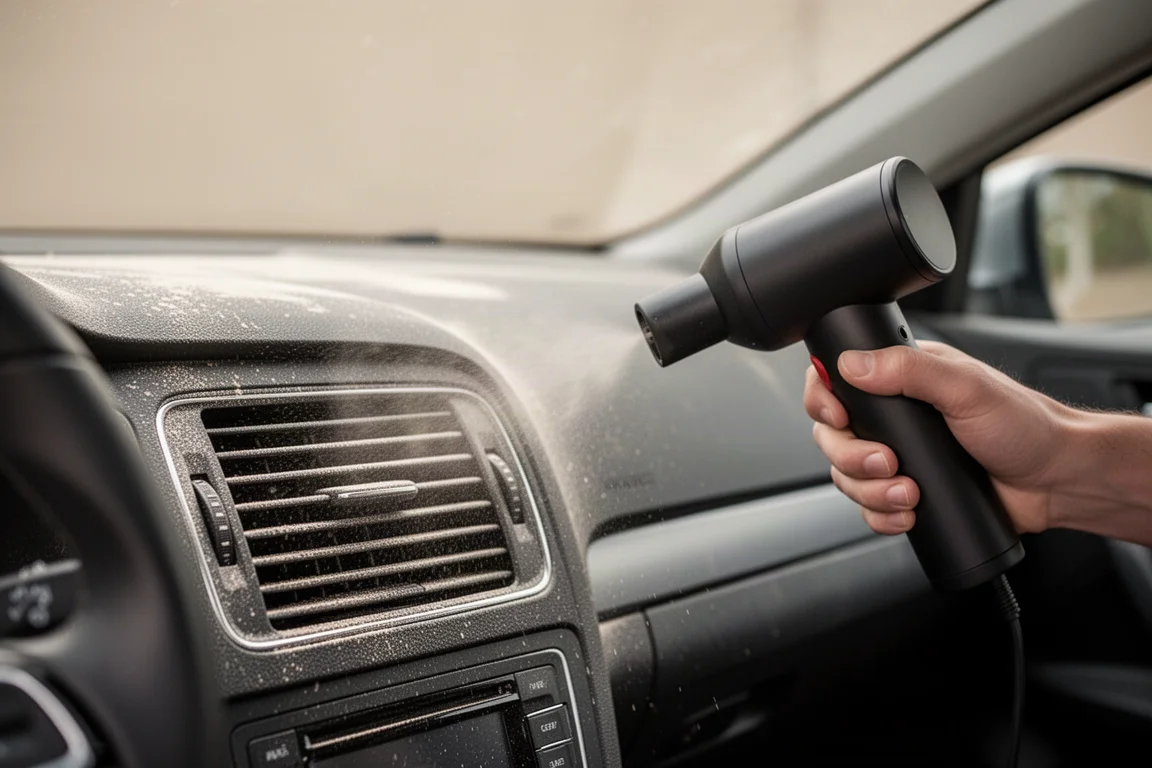
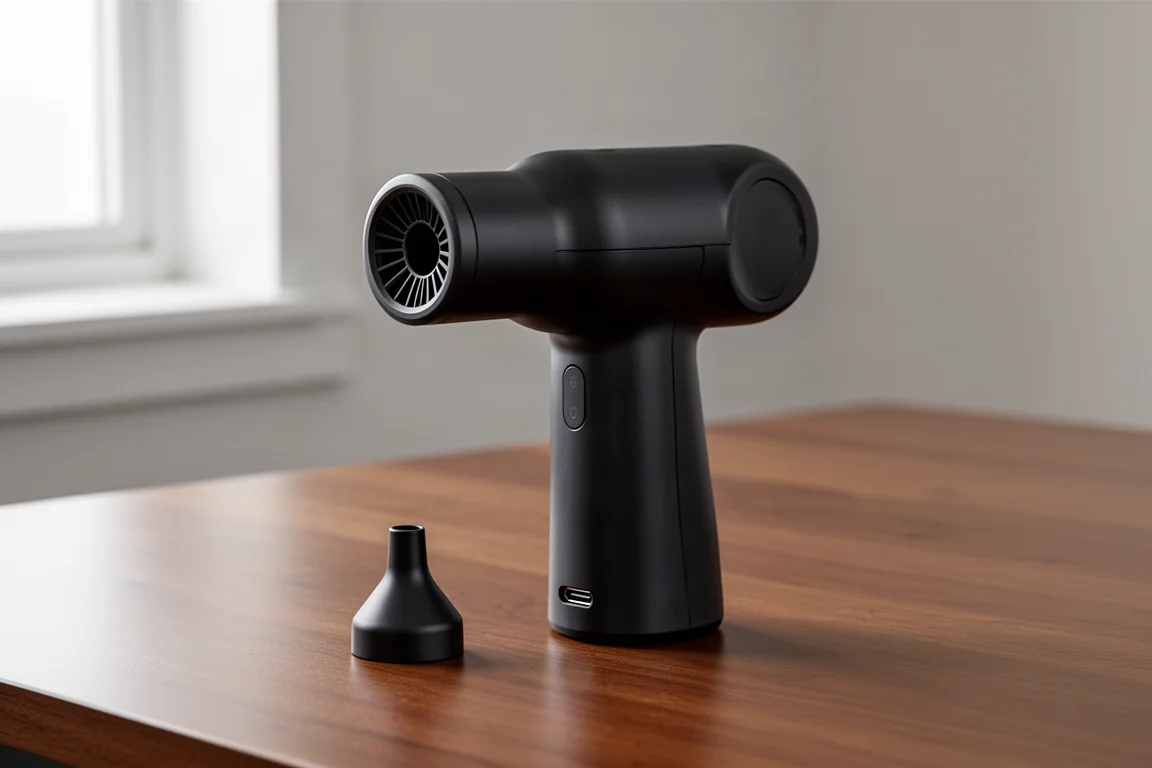
The VC 019 is the later, slightly pricier model from the same brand, again claiming 100,000 RPM and a 7,500 mAh battery. It shares the same impeller and motor design, and we measured 96,000 to 97,000 RPM, maybe 1,000 RPM more than the V18.
The difference shows up in output: about 80 mph wide open, reaching as high as 150 to 154 mph with the narrow nozzle attachment. Air volume is around 19 CFM, essentially the same. The extra speed is noticeable and moves material around a bit better, but it is not a dramatic step up. It also measures 80.5 dB at one meter, and the pitch is particularly irritating to the ear, even if it was not the loudest unit tested. Battery capacity again measured around 5,500 mAh.
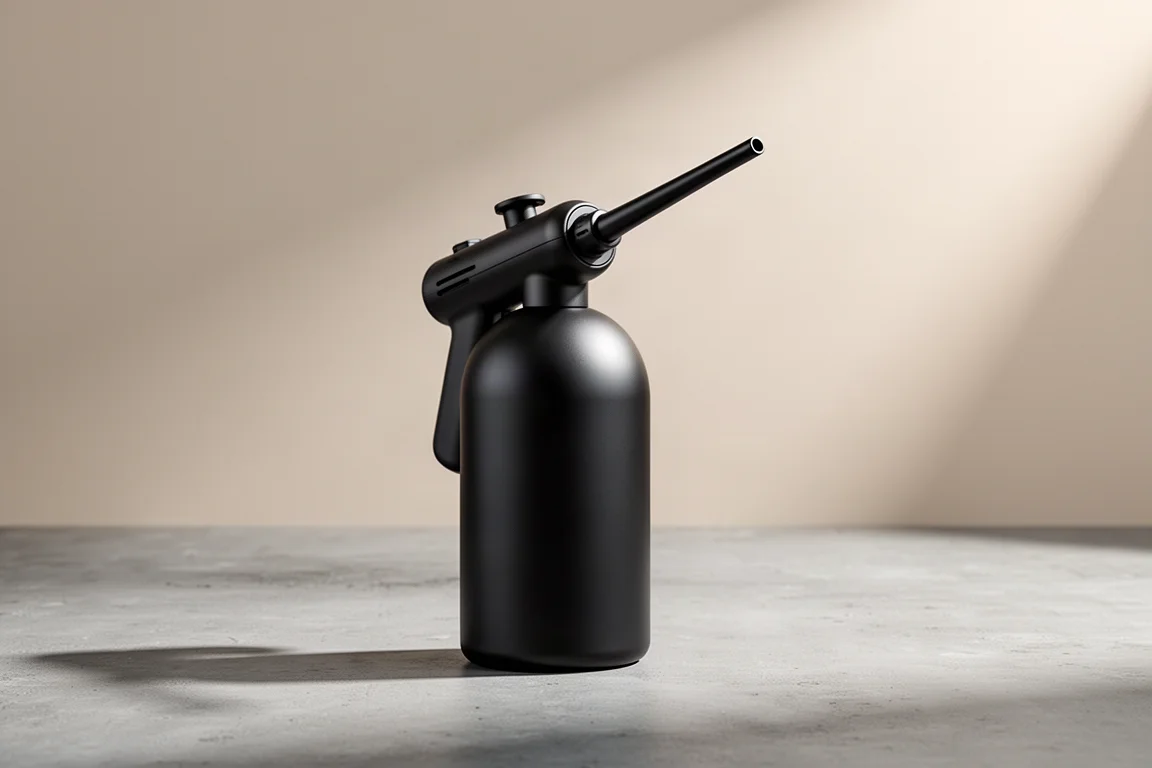
The Fantic: A More Serious Package
Fantic, which had a booth at SEMA this year and is stepping beyond the no-name Amazon brand tier, sells a sleeker, more premium-feeling duster. It advertises 110,000 RPM and, for once, a plausible 2,600 mAh battery capacity.
Measured performance: about 45 mph wide open, climbing to around 155 mph with the quarter-turn tapered attachments. Air volume comes in at about 26 CFM, better than the Fresmol units in a smaller package. Noise is the lowest we recorded among the loud ones at 77.2 dB, and battery capacity measured 4,500 mAh, meaning the brand may actually be underselling the spec. It does not blow you away in absolute terms, but it is a tidy, reasonably honest package.
Wolfbox: The Performance Pick at $80
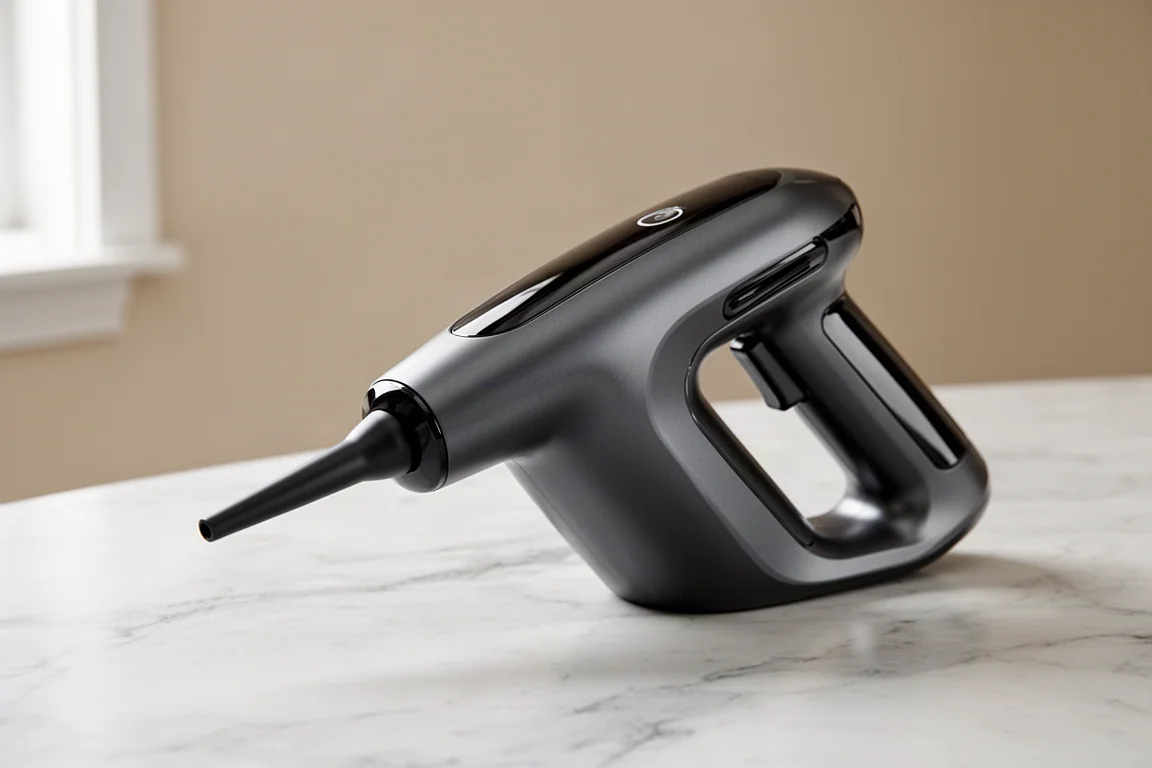
At around $80, the Wolfbox looks genuinely different from the crowd and claims an achievable-sounding 134 mph (60 m/s). The top setting requires holding the button down, and there is a good reason: it is ferociously powerful and feels like it would take off if you could lock it on.
It delivers about 90 mph wide open and 162 mph plus with a nozzle, with small nozzles exceeding what a standard pitot tube can even register. Air volume is the standout: 70 CFM, nearly three times most competitors and more than a typical shop-air blow gun. It is loud at 87.5 dB, though the sound is rushing air rather than an ear-piercing whine, and the tested battery capacity of 6,000 mAh gave it the longest run time at just over an hour. This is the unit that matches those short viral clips, and it can even dig into loose debris.
The 300K Model: Bold Claims, Real Performance
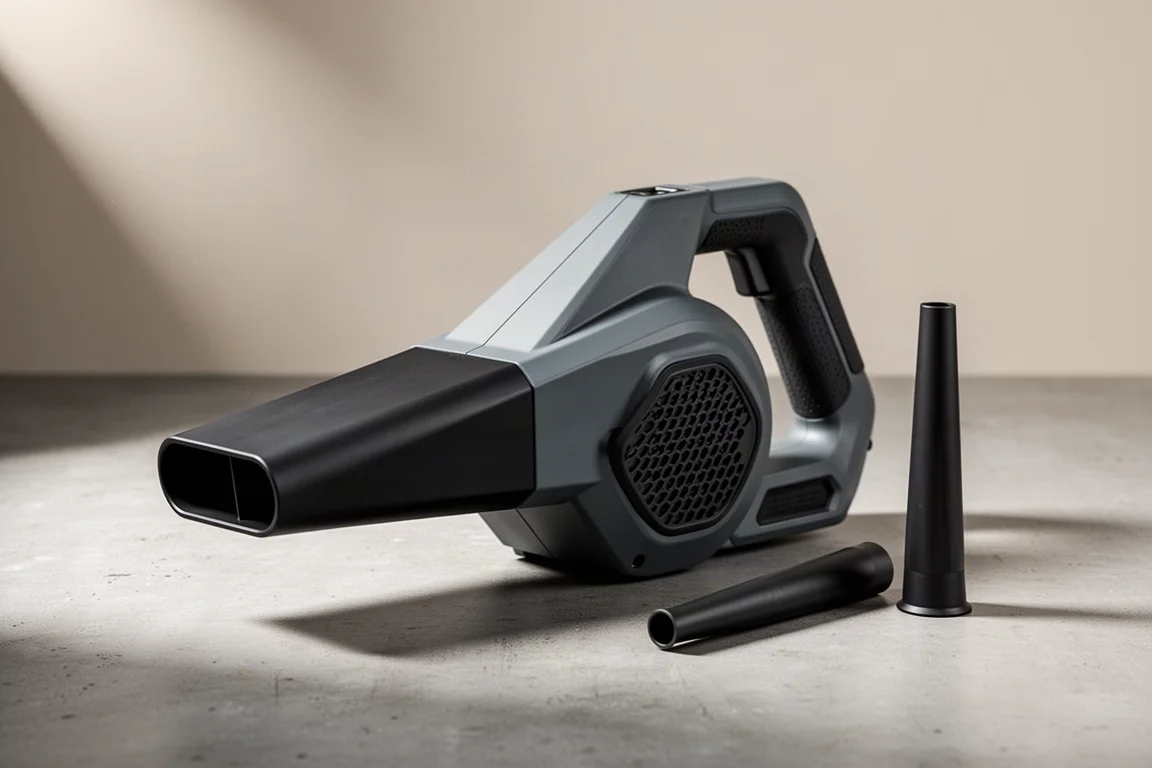
The final unit, which we will call the 300K model for its advertising of 300,000 RPM, costs $85. The RPM claim is fantasy: it fluctuates around 100,000 on a digital gauge, maybe 110,000 to 115,000 at best. The 268 mph claim also does not hold, but it still maxed out our equipment at about 170 to 172 mph, the highest measured air speed of the bunch, and it stays in high gear without holding the trigger.
Air volume measured about 42.5 CFM, and it moves an impressive amount of material for its size and weight. At 81 dB it is quieter than the Wolfbox, making it the best performance-per-deibel unit here. Battery capacity tested at 6,000 mAh with a run time nearly matching the Wolfbox.
Final Ranking and Buying Advice
Scoring every test from first to last, the Wolfbox takes the top spot overall despite the highest noise reading; without that penalty it would have been nearly undefeated. The 300K model lands second, the Fantic third, and the mid-size angular duster fourth. The two Fresmol hairdryer-style models trail the field, useful as a cheap canned-air replacement but a long way from the performance leaders.
A few takeaways before you buy:
- Ignore advertised RPM and mph claims almost entirely. The only spec that translated reliably was the Wolfbox’s 134 mph claim; the 300,000 RPM claim was off by a factor of nearly three.
- Air volume (CFM) separates the tiers. The sub-$35 models sit around 20 CFM, the mid-tier near 26 to 46 CFM, and the Wolfbox reaches 70 CFM.
- Battery capacity claims run high. Advertised 7,500 mAh packs measured about 5,500; a claimed 10,000 mAh pack measured 6,000.
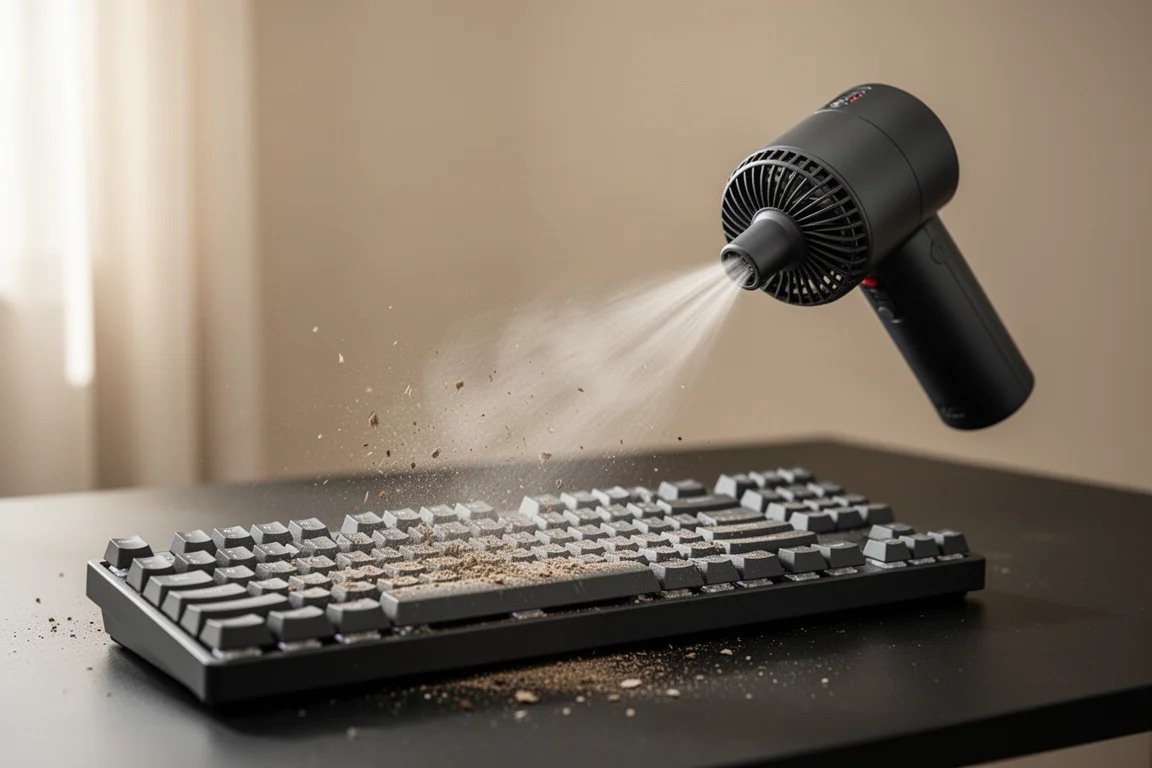
If you just want something to replace canned air for keyboards and light dusting, the Fresmol models work, but know that you are buying convenience rather than blowing power. If you want the viral-clip experience with real work capability, the Wolfbox is the one to get, and the 300K model is the strong alternative if you prefer longer run times at lower noise.
Conclusion
Turbo fan dusters have come a long way in the last couple of years, and the top performers are genuinely impressive tools rather than gimmicks. But the marketing around them is as inflated as ever. Judge these products on measured air volume and air speed, not the numbers printed on the listing, and the differences between a $26 bestseller and an $80 performer become very clear.
Further reading
Related Reviews
Tools & Workshop
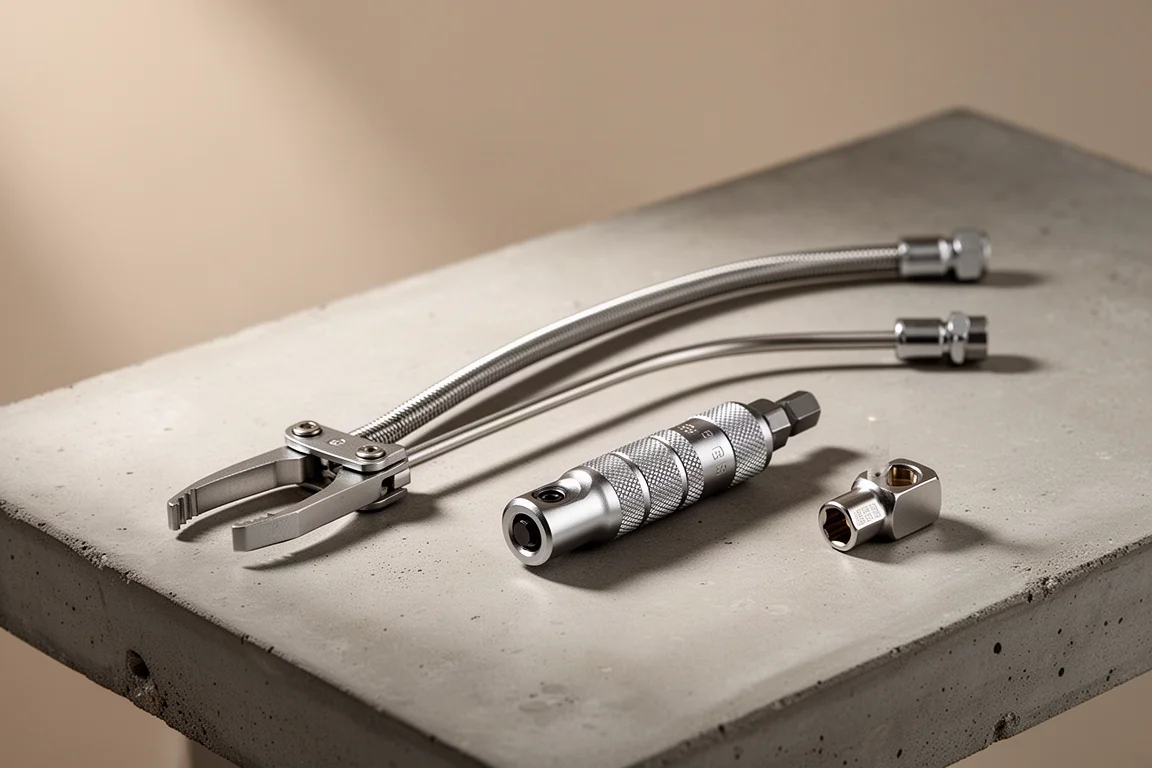
Three Tools That Saved a Tight Dishwasher Installation
A long-reach hose clamp tool, a locking ratcheting bit driver, and a flip socket that earned their spot during a cramped appliance install.
Tools & Workshop
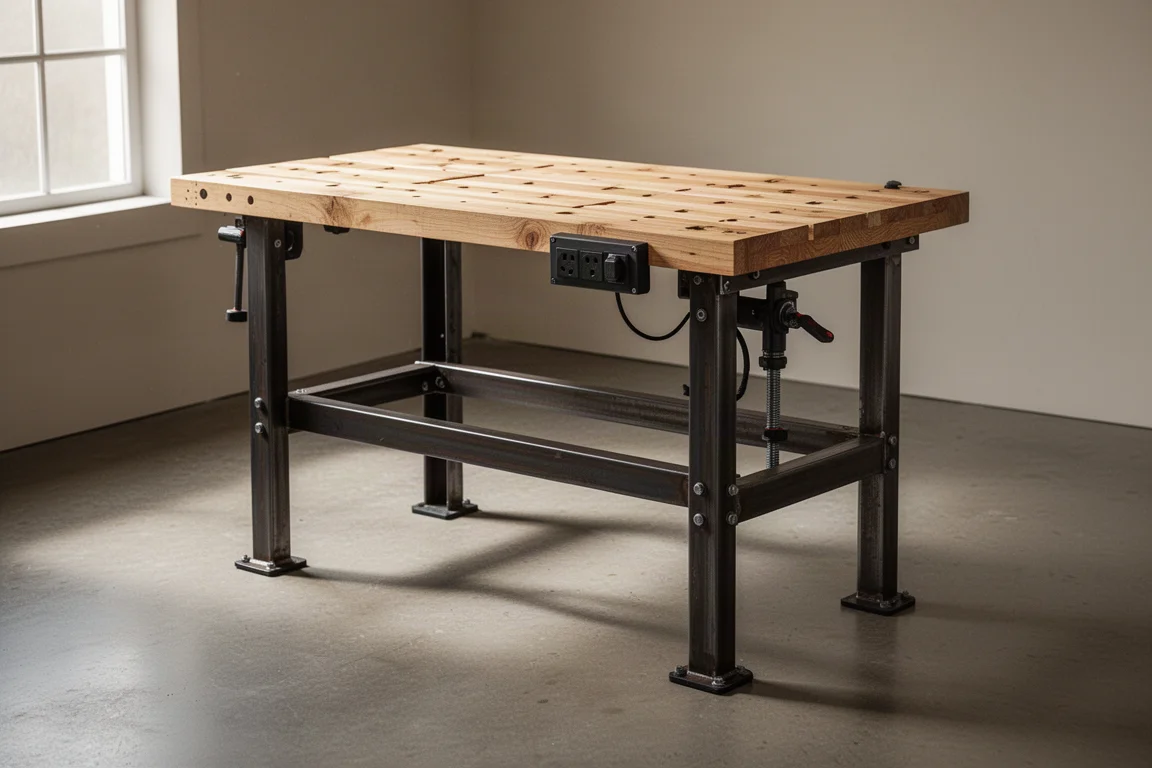
Banggood WB0102 Pro Workbench Review: A Stable, Height-Adjustable Bench for Small Workshops
A heavy, well-priced workbench with a pine top, built-in power strip, height adjustment, and a straightforward assembly that takes under 30 minutes.
Tools & Workshop
Best 50 ft Extension Cords: 15 Cords Put Through Real-World Testing
Fifteen 50 ft extension cords compared on blade strength, abrasion resistance, voltage drop, plug retention, and cold weather flexibility.