Kitchen Tools
Tumbler Rolling Knife Sharpener Review: Can It Really Make a Butter Knife Razor Sharp?
We put the viral Tumbler rolling sharpener to a measured test, taking a dull serrated butter knife from 1,410 to around 220 grams of cutting pressure in 30 minutes.
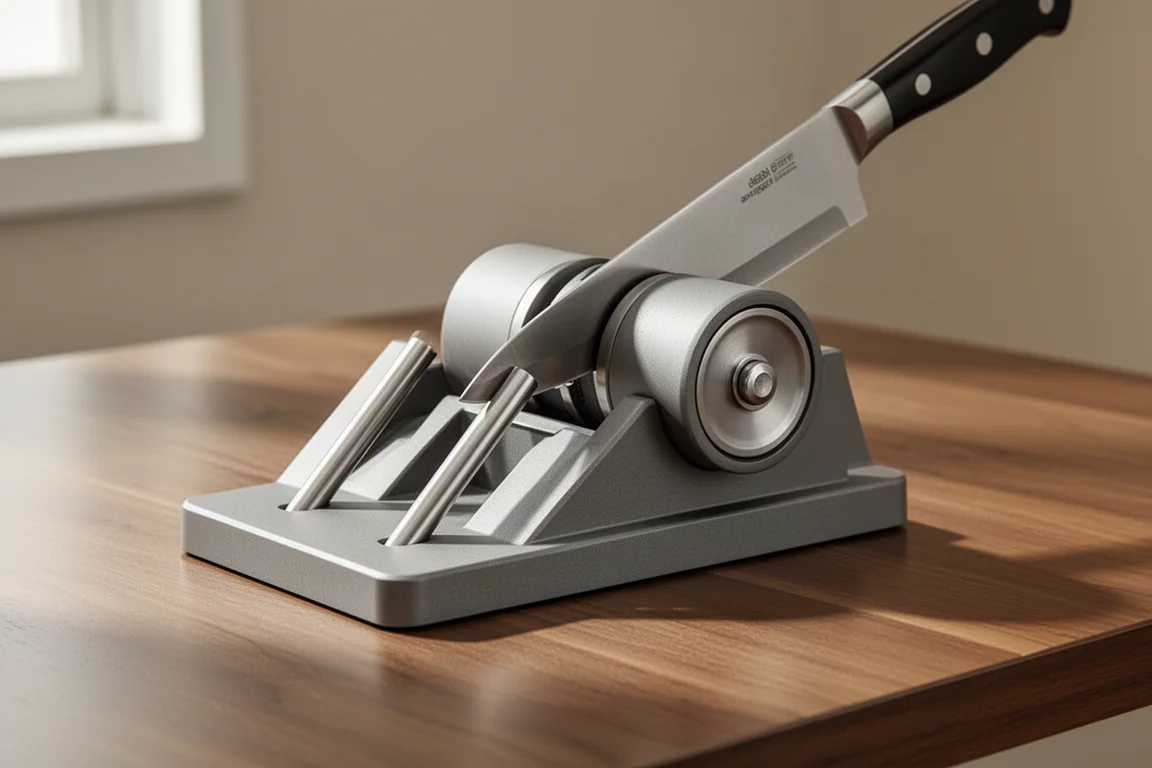
Introduction
The Tumbler rolling knife sharpener has built much of its reputation on viral demos, including a butter knife sharpening video with tens of millions of views that claims a final sharpness score of 106. That kind of claim deserves scrutiny, so we ran our own controlled test: starting with a brand-new dull butter knife with tiny serrations along half of its edge, we tracked the sharpness at every stage with a measured testing process rather than eyeballing it.
How We Tested Sharpness
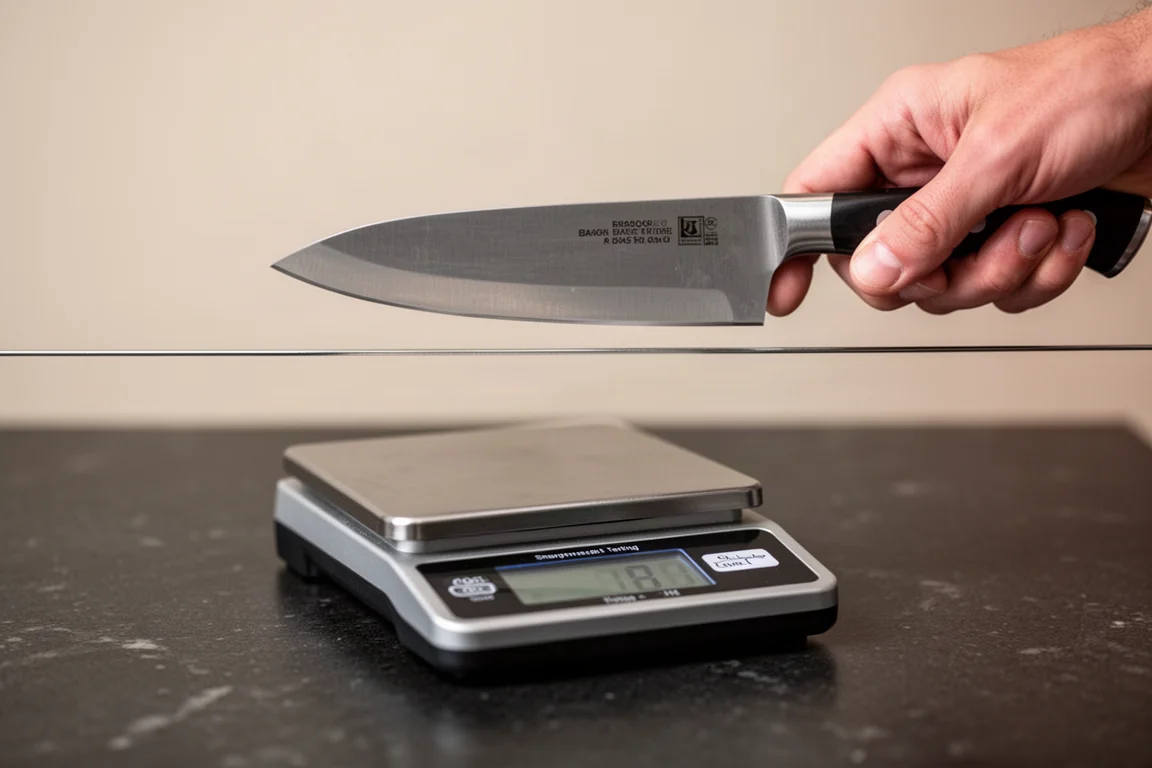
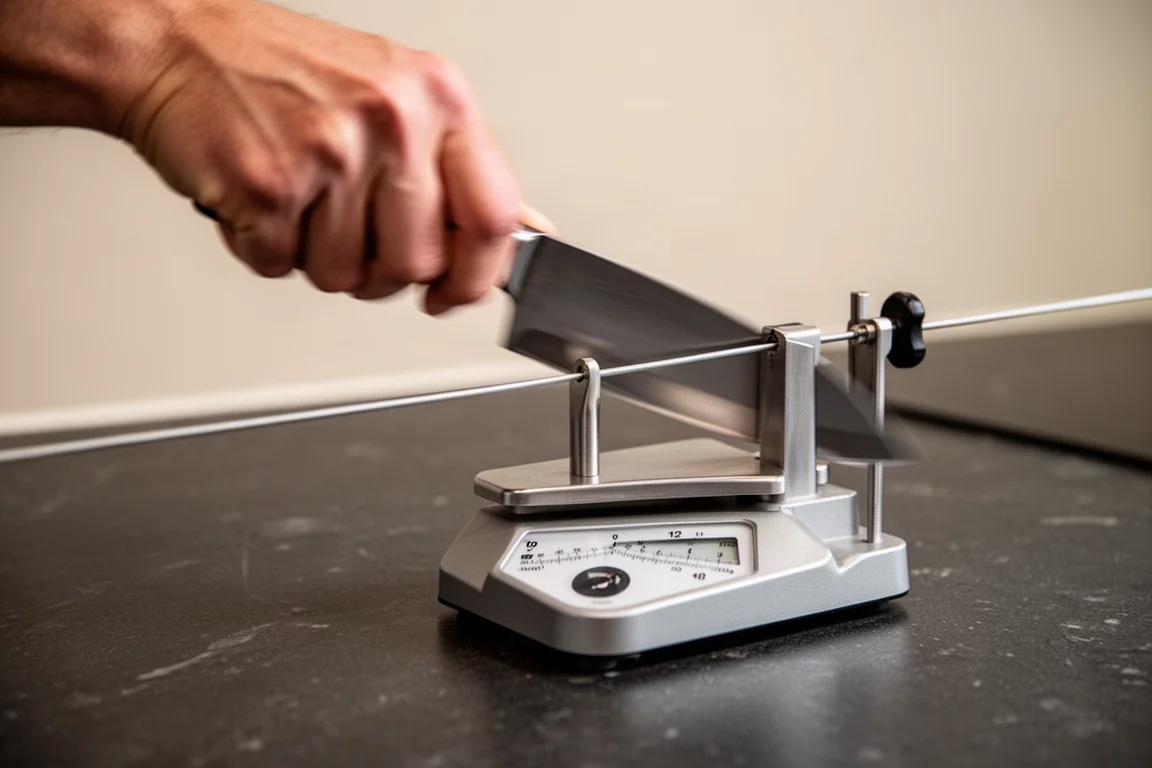
To keep things objective, we used a BESS Certified Sharpness Tester. The knife is slowly lowered onto a thin wire, and when the blade breaks the wire, the scale shows how many grams of pressure the cut took. Lower numbers mean sharper edges: 0 to 200 is razor-sharp territory, 400 to 800 suggests an edge that needs maintenance, and anything higher is dull or damaged.
The butter knife started out at 557 at the tip, where the serrations live, and a very dull 1,410 in the middle of the edge. That matched how it performed in the kitchen: it ripped paper apart and could barely slice a cucumber.
What Happened After the First 15 Minutes
We sharpened with the 20-degree angle, matching the setup used in the company’s most popular butter knife video. Each session was five minutes per side, with sharpness measured after every round.
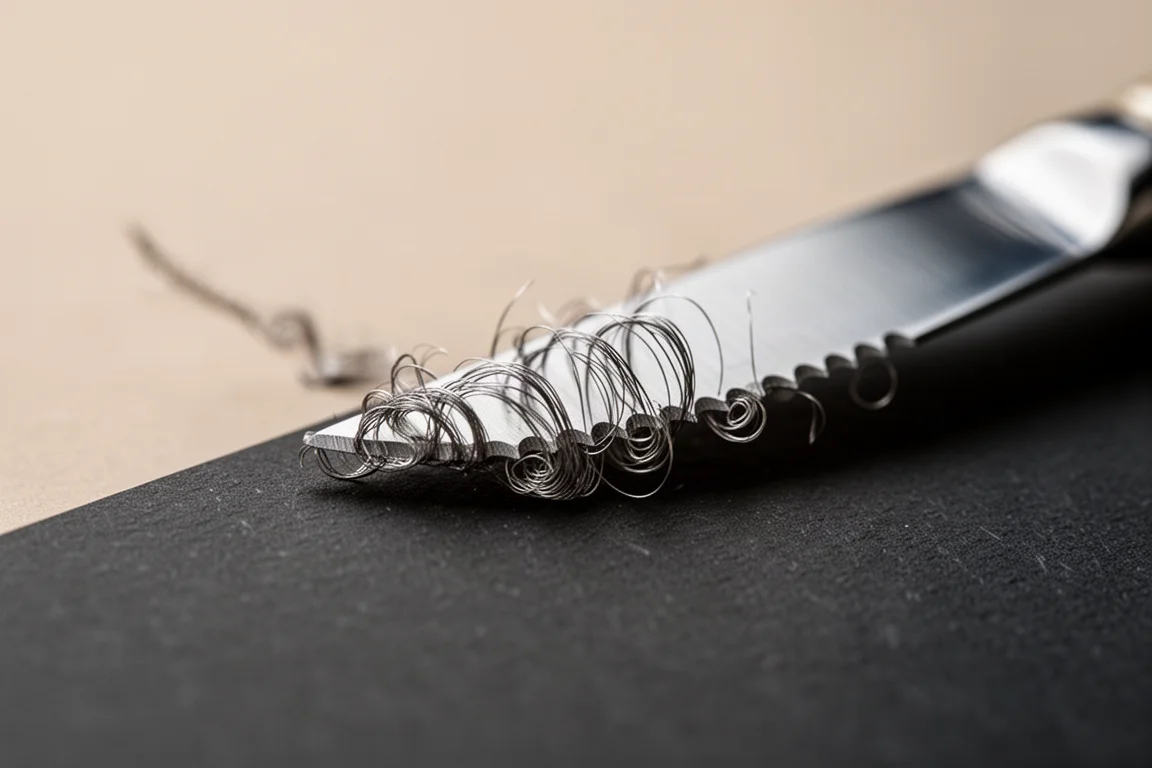
After the first session, loose metal fibers covered the knife and the sharpener, a bevel was starting to form, and the serrations were visibly wearing down. The numbers backed that up: the tip improved slightly from 557 to 549, but the middle jumped dramatically from 1,410 to 584. A second five-minute session per side brought the tip to 460 and the middle to 488, with more metal fibers, fewer serrations, and a more defined bevel.
The Final Results
After 15 total minutes per side, almost all the serrations were gone and both sides showed a clean bevel. We measured twice to be sure: the tip scored 237 then 254, and the middle scored 208 then 227.
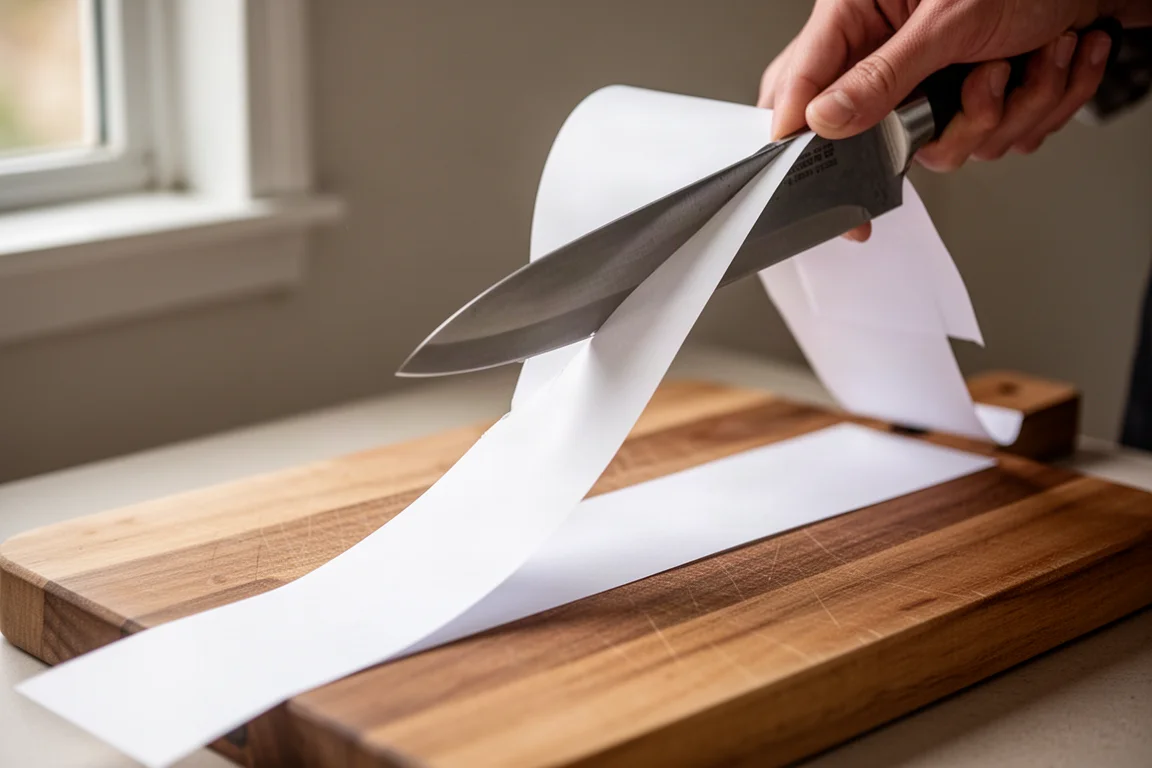
That is not technically razor sharp, which requires a score under 200, but it puts a butter knife firmly in the category of high-end cutlery. In practical terms, the knife went from tearing paper to cutting cleanly through paper and cardboard, and it now slices through vegetables with far less effort.
Could another 15 minutes per side push it further? Possibly, but reaching a score of 106 like the company’s own demo seems doubtful.
One Thing to Watch in Those Viral Demos
There is a catch in the published demo videos: the person measuring sharpness presses the knife down far too quickly. For an accurate reading, the blade should be lowered slowly so you can watch the numbers climb before the wire breaks. Pressing fast produces an artificially low, sharper-looking score. We confirmed this by retesting the same knife that scored 254 and getting a much lower number simply by pressing quickly.
That does not mean the product is a gimmick. It means the headline numbers deserve a healthy dose of skepticism.
Buying Advice: What to Expect From a Rolling Sharpener
Rolling sharpeners like the Tumbler can genuinely transform a dull butter knife, and our measurements show real, repeatable progress over 30 minutes of work. Just do not expect magic. Getting close to a razor-sharp edge takes more time than the viral clips suggest, and any demo showing impossibly low scores in seconds should be treated with caution. If you accept that it is a solid, methodical tool rather than a miracle, it is easy to recommend.
Conclusion
The Tumbler rolling knife sharpener took a very dull serrated butter knife from 1,410 to around 220 grams of cutting pressure in 30 minutes, turning a useless edge into one that behaves like quality cutlery. It will not make a butter knife razor sharp in half an hour, but with realistic expectations, it delivers measurable, satisfying results.
Product link
View more details for Tumbler Rolling Knife Sharpener
This product is mentioned in the review. Check the specifications, options, and compatibility before buying.
View more details for Tumbler Rolling Knife SharpenerFurther reading
Related Reviews
Kitchen Tools
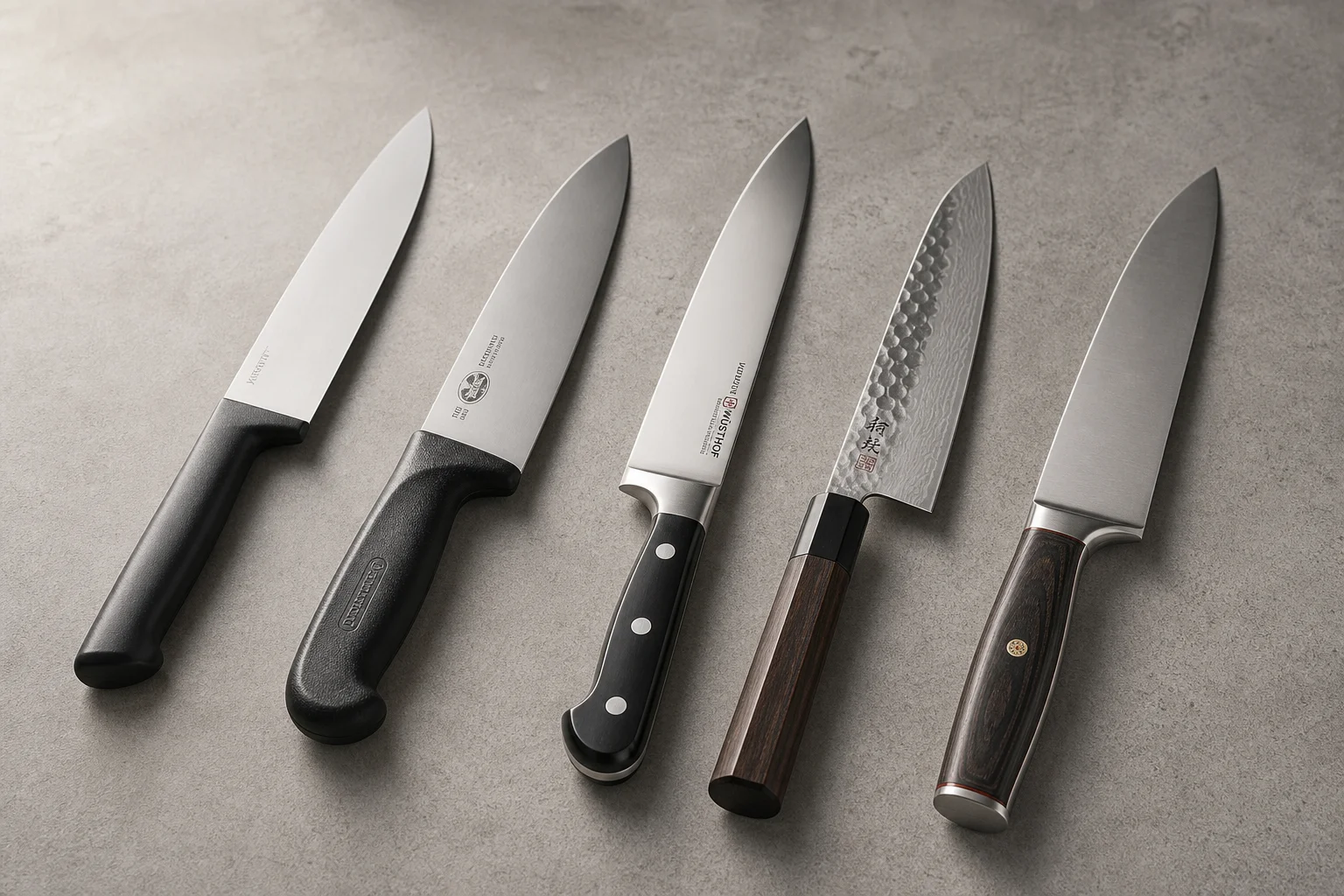
Amazon's Top-Rated Chef Knives Tested: Five Models from £11.50 to £200
We tested five of Amazon's highest-rated chef knives across sharpness, comfort, and versatility to see which delivers the best value and real-world performance.
Kitchen Tools
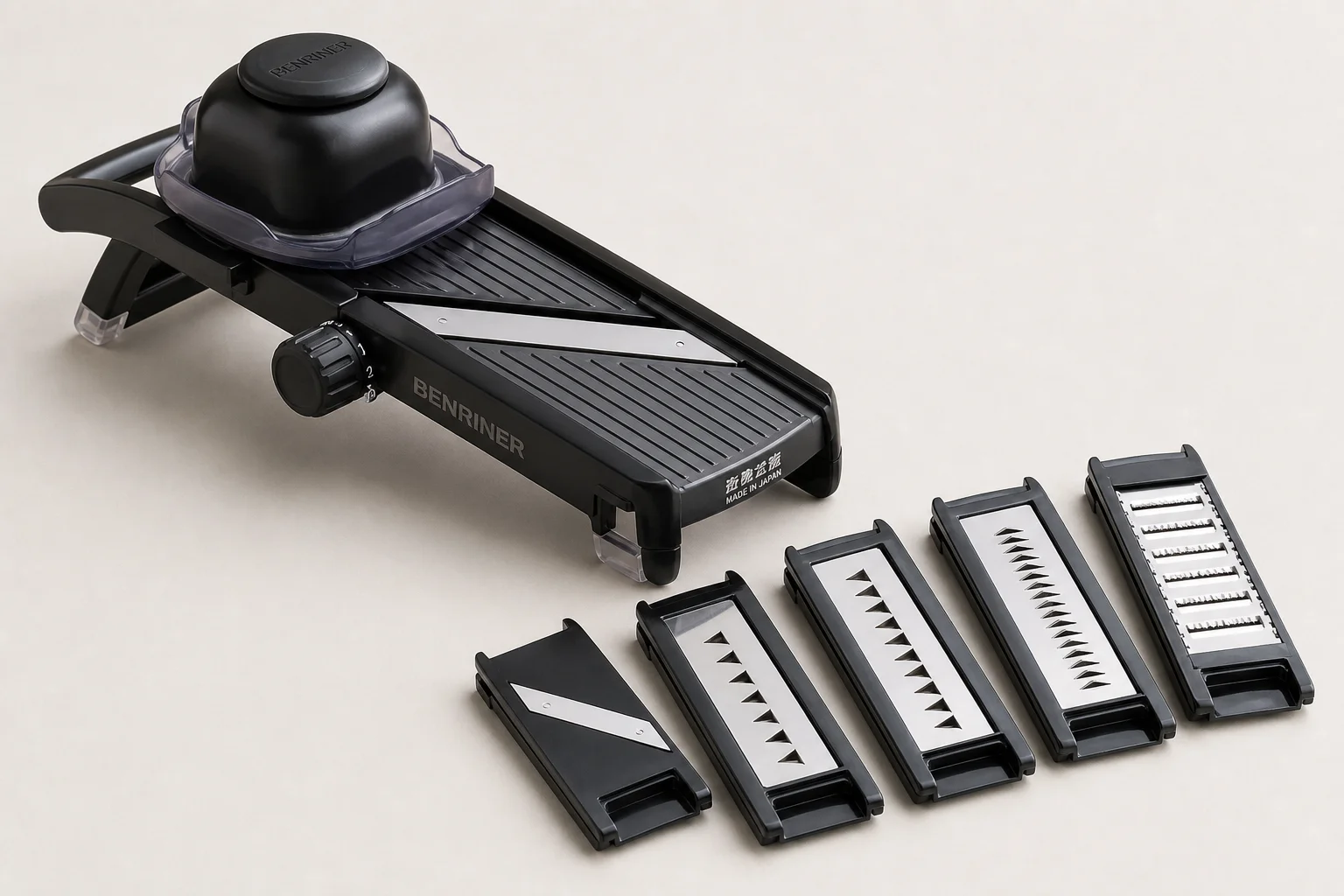
Benriner Japanese Mandoline Review: A Sharp Tool for Precise Vegetable Slicing
A practical guide to using a Japanese mandoline safely and effectively, with tips for achieving consistent, crisp results in the kitchen.
Kitchen Tools
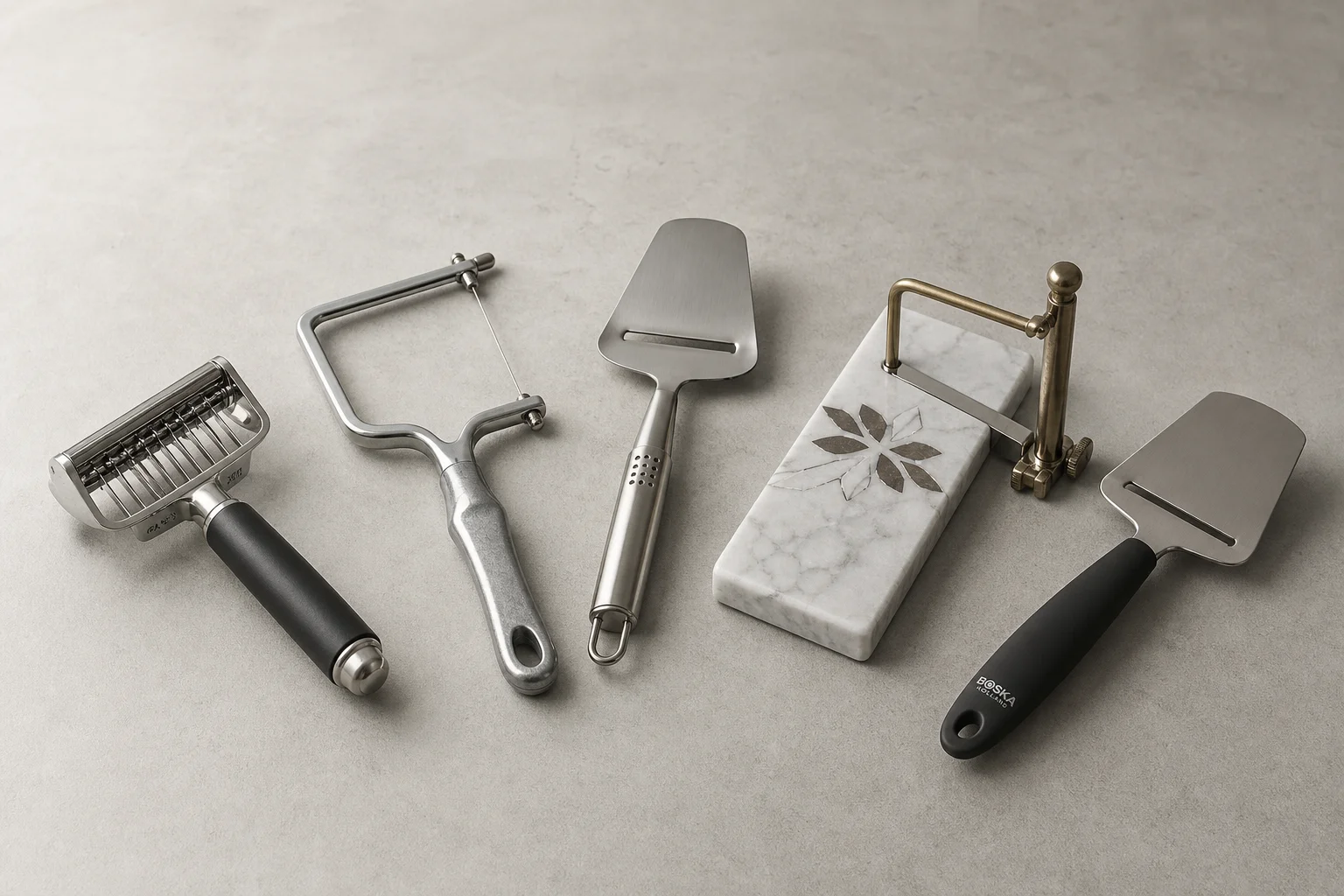
Best Cheese Slicers: Five Practical Options for Consistent Slicing
Five cheese slicers with different designs and features, from multi-blade versatility to wire-based precision, each suited to different kitchen needs and cheese types.