Garden Tools
Milwaukee vs AEG vs Ryobi Cordless Pruners: Which One Deserves Your Money?
Three cordless pruners from three brands under the same corporate roof go head to head on cutting power, speed, comfort, and price.
Introduction
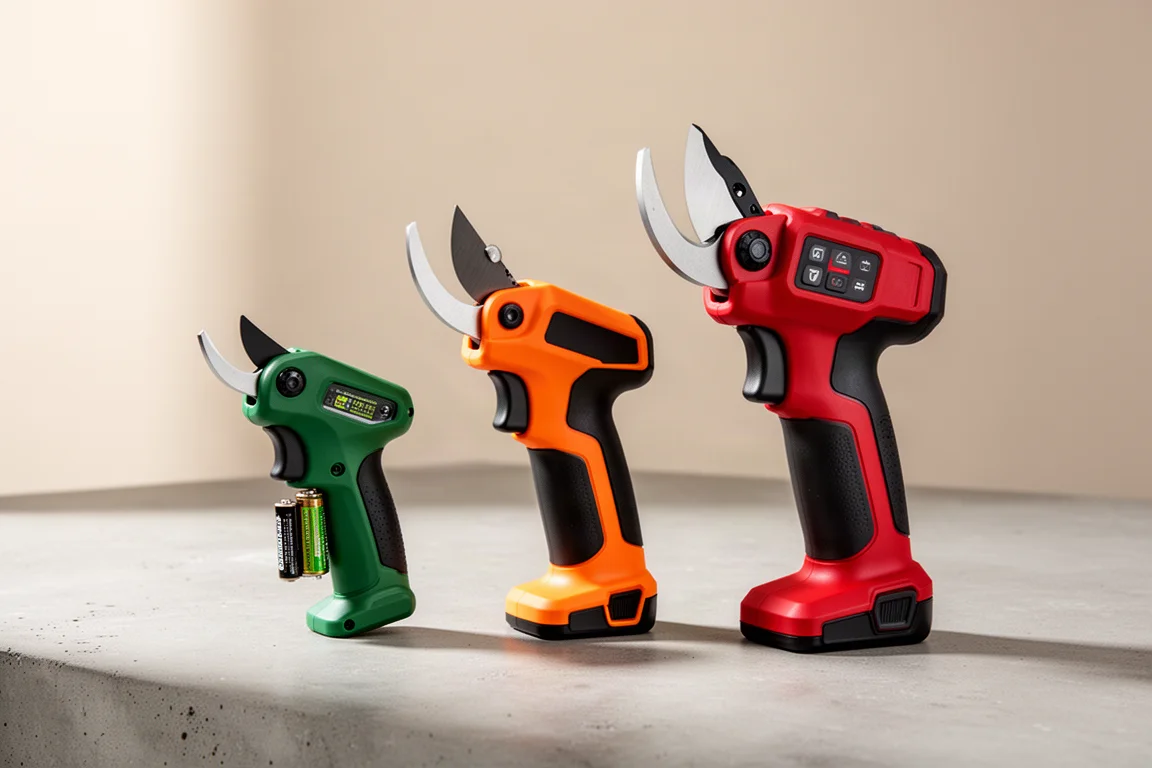
Three cordless pruners, three brands, one corporate family. Milwaukee, AEG, and Ryobi are all owned by the same parent company (and in North America the AEG equivalents are sold under the Ridgid name), so comparing them directly is a fair way to figure out which tier of the range actually suits your needs. In this comparison we look at the Milwaukee M12 pruner, the AEG 18V pruner, and the cheapest version of the Ryobi 18V pruner.
All three were tested with 5 amp hour batteries. Fair warning on pricing upfront: the cheapest Ryobi kit with a 2 Ah battery and charger cost less than a single battery for either of the other two. That gap shapes almost everything that follows.
Three Brands, One Family
Ryobi, AEG, and Milwaukee share the same parent company, TTI Industries, based in Hong Kong. That is why tools across these brands often look similar, and why each brand occupies a distinct position: Ryobi is the budget option, AEG sits mid-range, and Milwaukee is the professional option. Milwaukee’s pruner is designed to feel more premium than its siblings, though as the tests below show, premium branding does not always mean premium results.
The backyard test tree had taken a battering from bad weather, the ground was soft, and it needed branches hacked off to shed weight. That real-world workload is what these three were measured against.

Weight: The Surprise Result
Weighed with batteries attached, the numbers are revealing. The Ryobi came in at exactly 1.5 kg. The AEG at 1,693 g, nearly 200 g heavier. The Milwaukee tipped the scales at 1,720 g with the lightest battery of the three, meaning there is a heap of weight in the tool body itself.
That matters because when the Milwaukee launched it was marketed as the lightest in its class, a claim that does not hold up in practice. Comparable 12V pruners on other platforms weigh roughly half as much. Do not believe marketing blindly: this is the heaviest pruner of the trio and one of the heaviest on any battery platform tested.
Cutting Power and Maximum Diameter
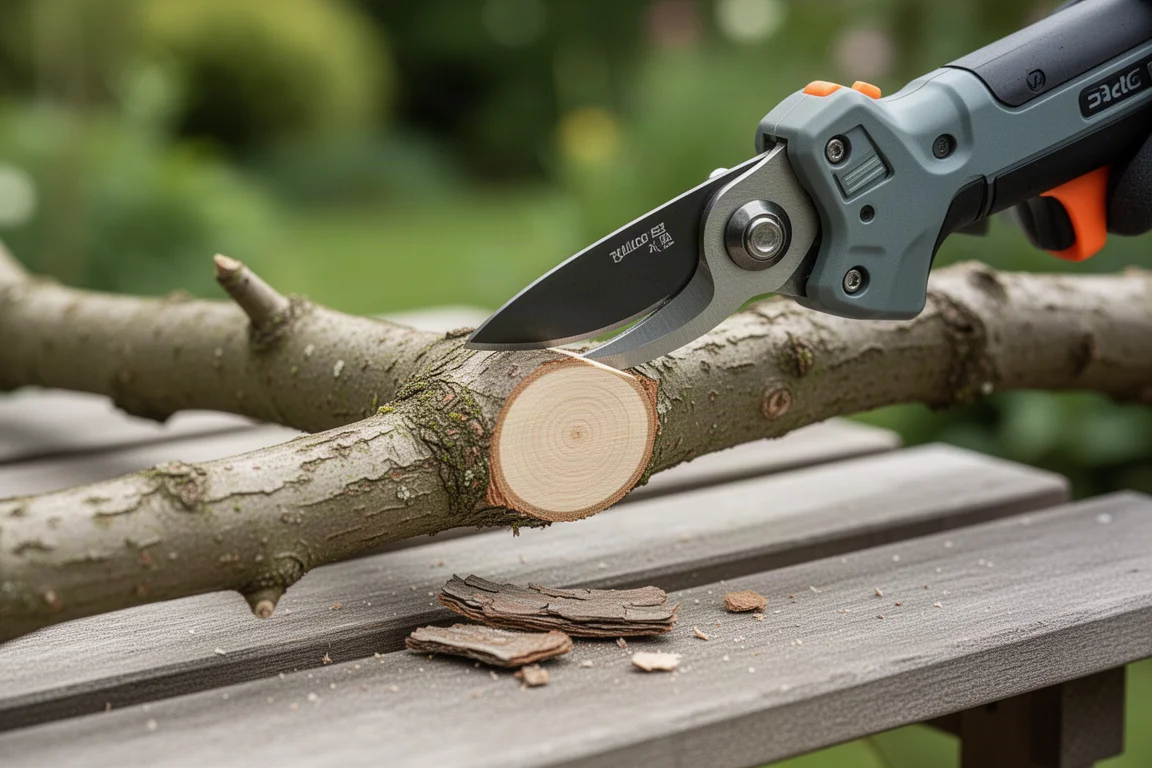
On thick branches, the Ryobi struggled the most. It could eventually get through the largest test branch with a few goes, but a thicker section was never going to happen. The AEG also struggled but did get there after several attempts. The Milwaukee managed a similar branch in just two goes, with a useful technique available: if it jams, you can half-release the trigger and squeeze again rather than letting the blade come all the way back. Impressively strong power from the little 12V tool, though its red flashing lights suggested it was not enjoying the workout.
Step up a diameter and the Milwaukee could just get through, but no further. The AEG managed roughly the same. The Ryobi was clearly the weakest of the three here.
Speed: Where the Ryobi Falls Behind
Speed is where the differences become obvious. The Ryobi cuts through thicker branches acceptably, but it is painfully slow. In a head-to-head race, the AEG was started halfway through the Ryobi’s cut and still won comfortably. The Milwaukee was not slow either, but holding and working with it was awkward.
Between the two fast options, the AEG takes it: similar speed to the Milwaukee with noticeably better comfort and handling. If you have a lot of pruning to do, the Ryobi will get it done eventually, but you will spend far more time on the job.
It Cuts More Than Branches
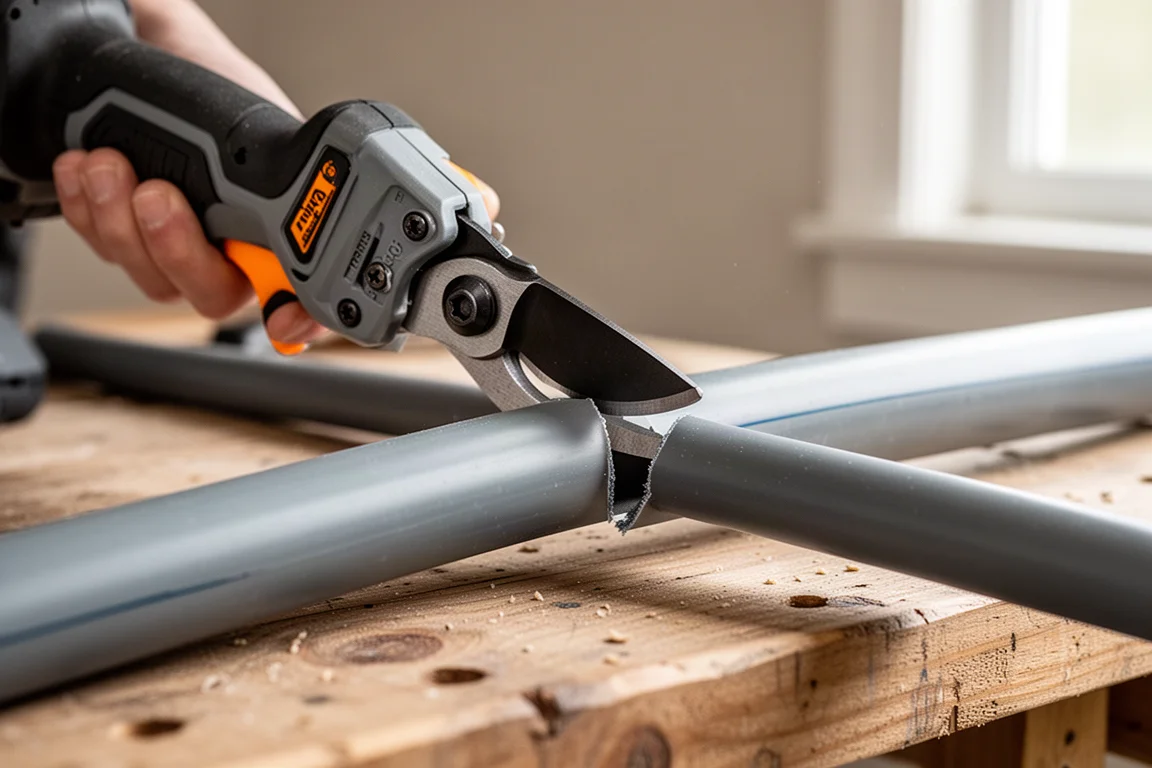
These pruners are not limited to green wood. Test cuts through alcathine irrigation pipe left a nice, clean finish, and the tools handled an odd-sized pipe that no dedicated tool fits anymore. Works a treat, and the cut material is hopefully recyclable.
Features and Ergonomics Compared
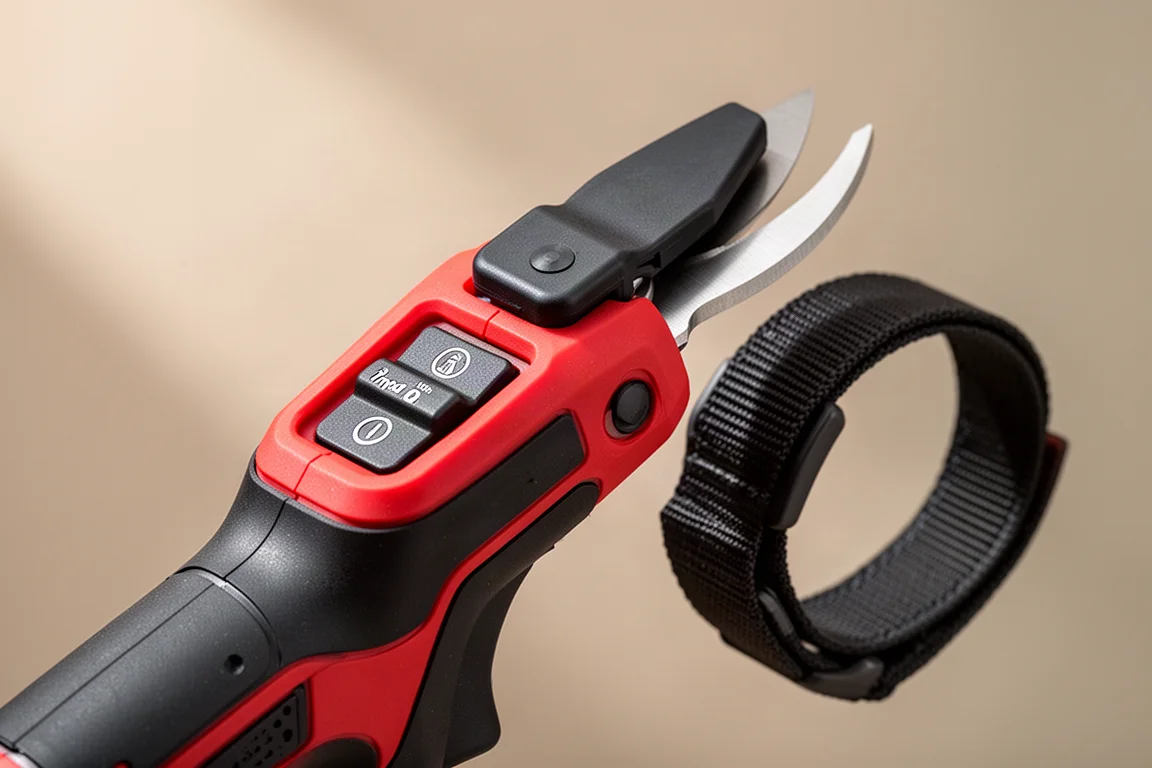
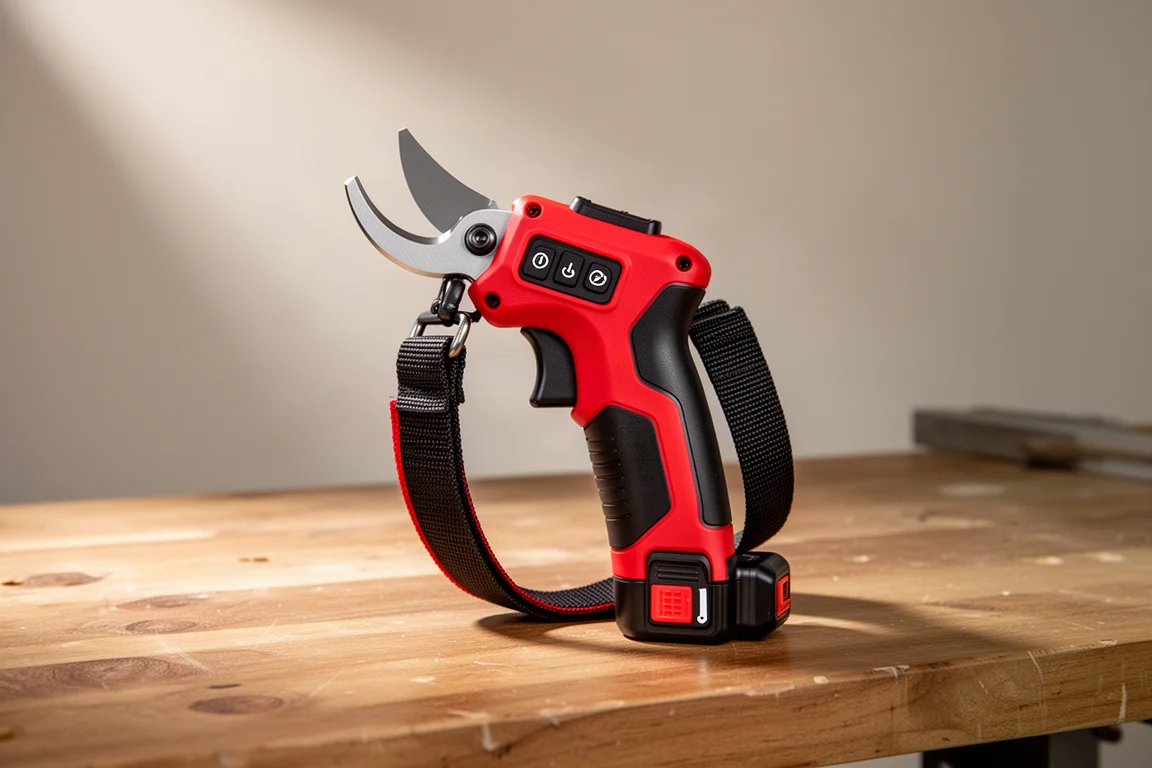
The Milwaukee is a different tool in usability terms. It has a control panel so you can turn it on without holding your finger on the trigger, which matters because the other two shut off very quickly when released. It also offers a mode button for two different cut sizes, an adjustable blade opening so you can set it to do lots of small cuts without the blade travelling all the way back every time, and a proper fitted cover for the blade whether open or closed. The AEG and Ryobi only come with a flimsy clear plastic cover. The Milwaukee also includes a wide adjustable wrist strap, though it adds an extra safety trigger you must press before the main trigger, which some will find fussier.
Ergonomics tell another story. Even with the battery repositioned to change the balance, the Milwaukee remains an uncomfortable, large-handled, heavy tool that feels odd in the hand. The Ryobi, surprisingly, has a nicer grip since its battery slides directly into the handle. The AEG offers the best overall comfort of the three and can be held in a fixed position while working, something the Ryobi’s trigger design makes impossible: the moment you actuate the trigger it closes, and there is no way to hold the jaw open.
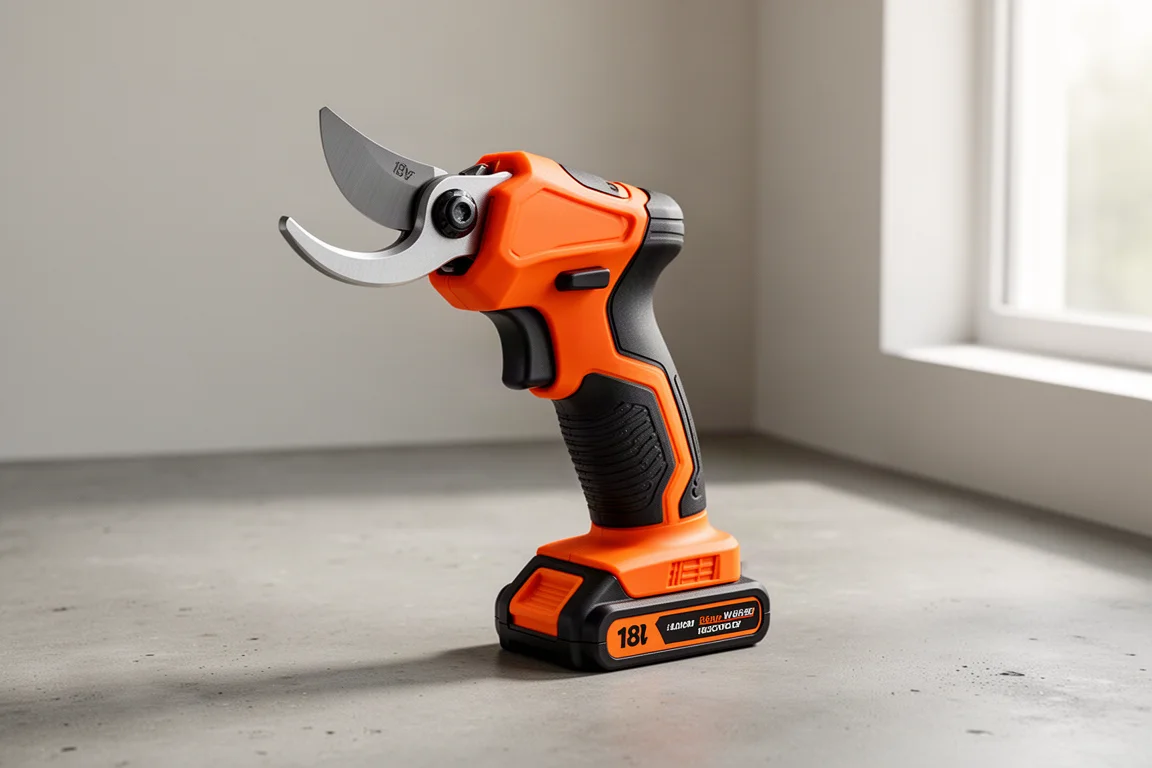
The AEG 18V Pruner
The AEG sits in the sweet spot. It is considerably quicker than the Ryobi, matches the Milwaukee for maximum cutting diameter, offers the best comfort and handling of the three, and lacks only the Milwaukee’s extra control panel refinements. It is pricier than the Ryobi, but you will get a lot more work done a lot faster.
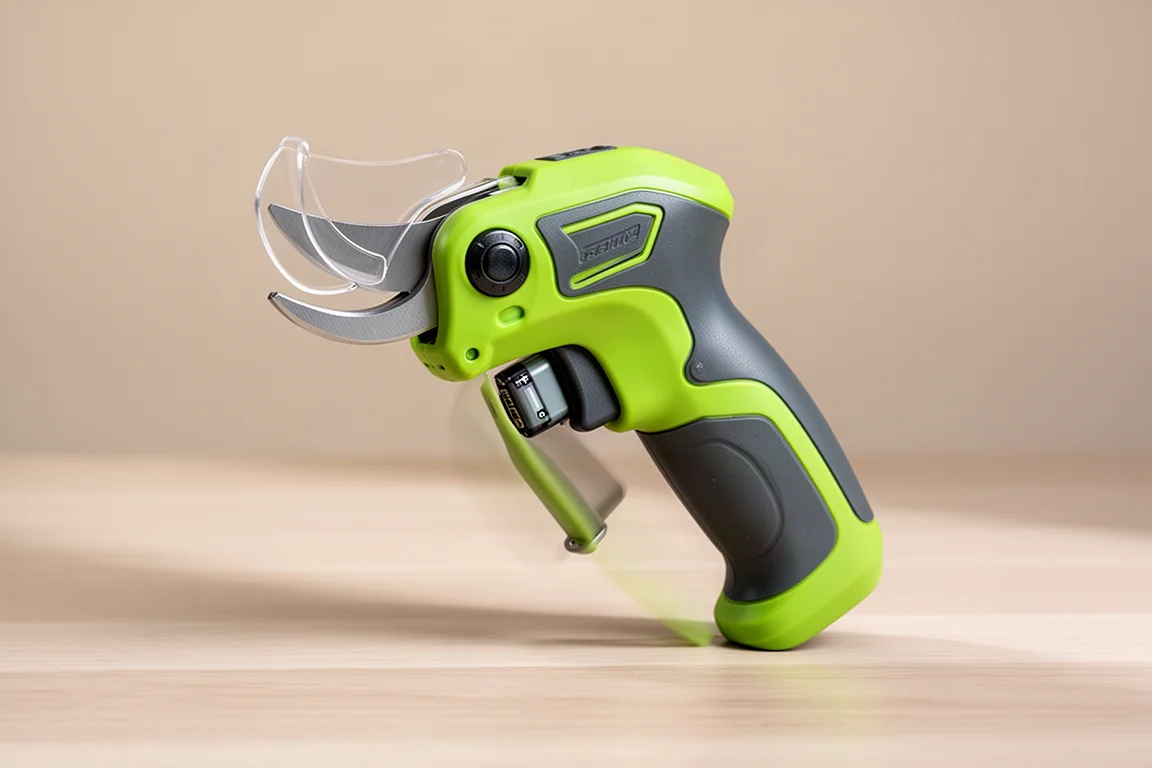
The Ryobi 18V Pruner
The cheapest Ryobi is the budget pick in every sense. It is slow, underpowered, and cannot cut the diameters the other two can, but its kit price with a battery and charger is remarkably low, and the grip is genuinely comfortable. If budget is your number one concern and your pruning jobs are small, this is the one for you.
Buying Advice
If you only want one, the decision comes down to budget versus productivity. The Ryobi costs a fraction of the others but will slow you down and limit what it can cut. The Milwaukee is fast and feature-rich but heavy, uncomfortable, and pricey. The AEG delivers the best mix of comfort, speed, power, and ease of use, and if you had to pick one for comfort, style, the whole lot, and power, that is the winner.
Conclusion
Three pruners, three clear positions. The Ryobi wins on price alone. The Milwaukee wins on features but loses on weight and comfort. The AEG wins overall: quick, comfortable, and capable, without the Milwaukee’s bulk or the Ryobi’s snail’s pace. Match the tool to how much pruning you actually do, and the right choice is easy to see.
Further reading
Related Reviews
Garden Tools
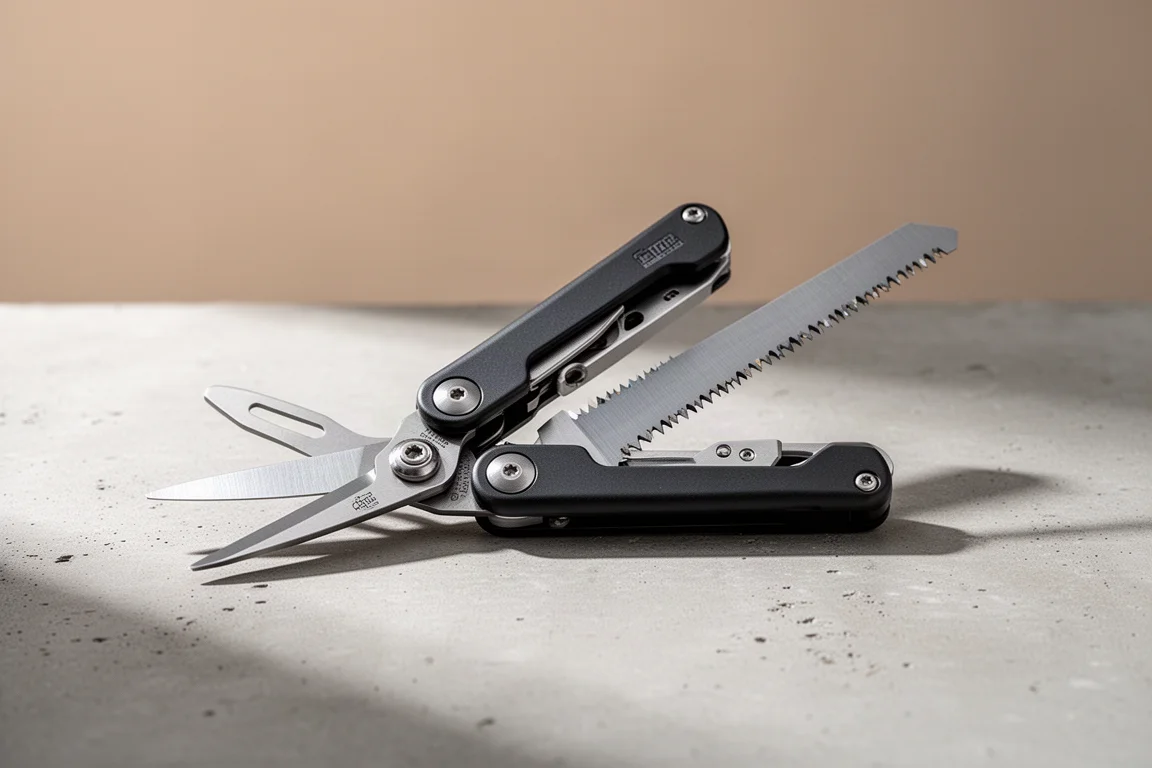
Bibury Folding Trimming Multi-Tool Review: Shears, Saw, and Blade in One
An inexpensive folding trimming multi-tool with shears, a surprisingly capable saw, and a blade we would not rely on. Here is how it held up on real overgrown branches.
Garden Tools
4 Garden Power Tools Worth a Look: Ryobi Patio Cleaners and DeWalt XR Garden Tools
Two Ryobi patio cleaners and two DeWalt XR garden tools put through real springtime work, with honest strengths and trade-offs for each.
Garden Tools
AEG ALP18 Pruning Shears Review: A Cordless Pruner With Real Muscle
The AEG ALP18 cordless pruning shears cut up to 30mm soft wood, keep operation easy on the hands, and add more torque than rival pruners, with a few quirks to know first.