Camping Gear
Truck Camping Gear Tested in the Rain: OneTigris Chair, Outdoor Vitals Fortis 2, and 3F UL Lanshan Pro
Three pieces of camping gear put through an overnight rain test: a high-back camp chair, a value two-person tent, and a lightweight shelter that held its pitch.
Introduction
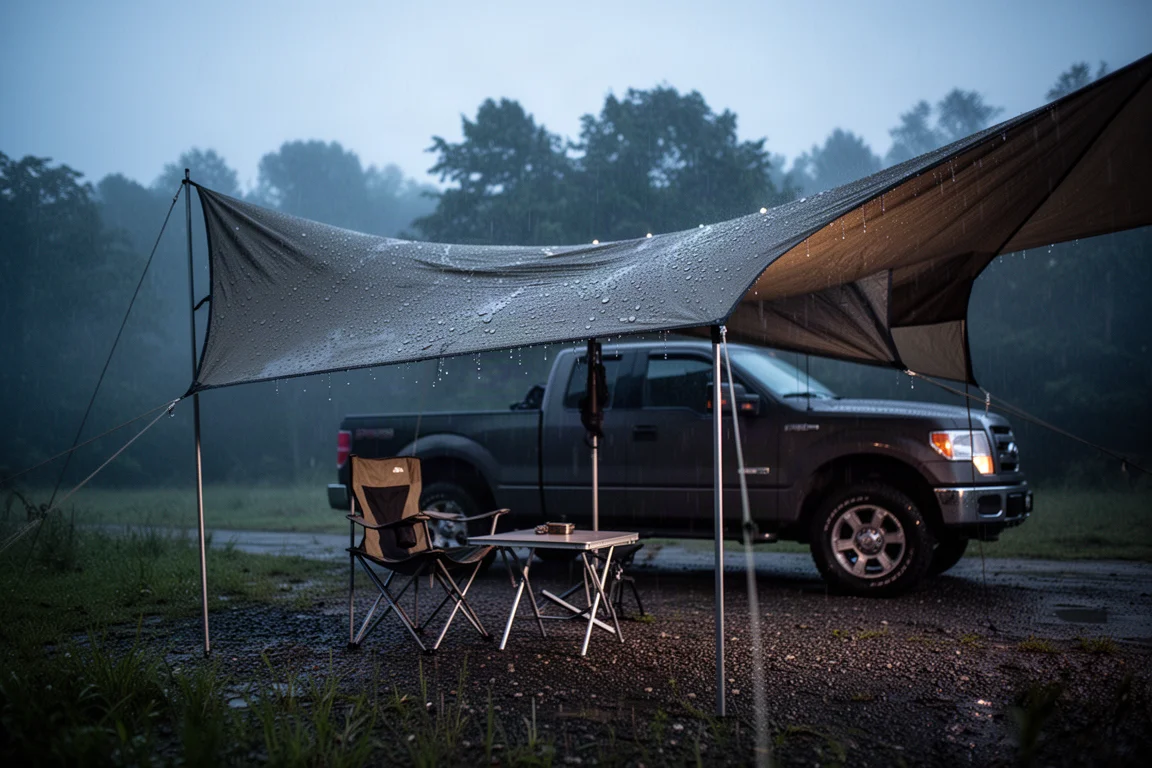
Some gear only reveals itself in bad weather. This overnight truck camp turned into a genuine rain test: a tarp strung over the truck bed, showers rolling through roughly every ninety minutes, and a small pile of equipment left out to prove whether it could handle a wet night in the forest.
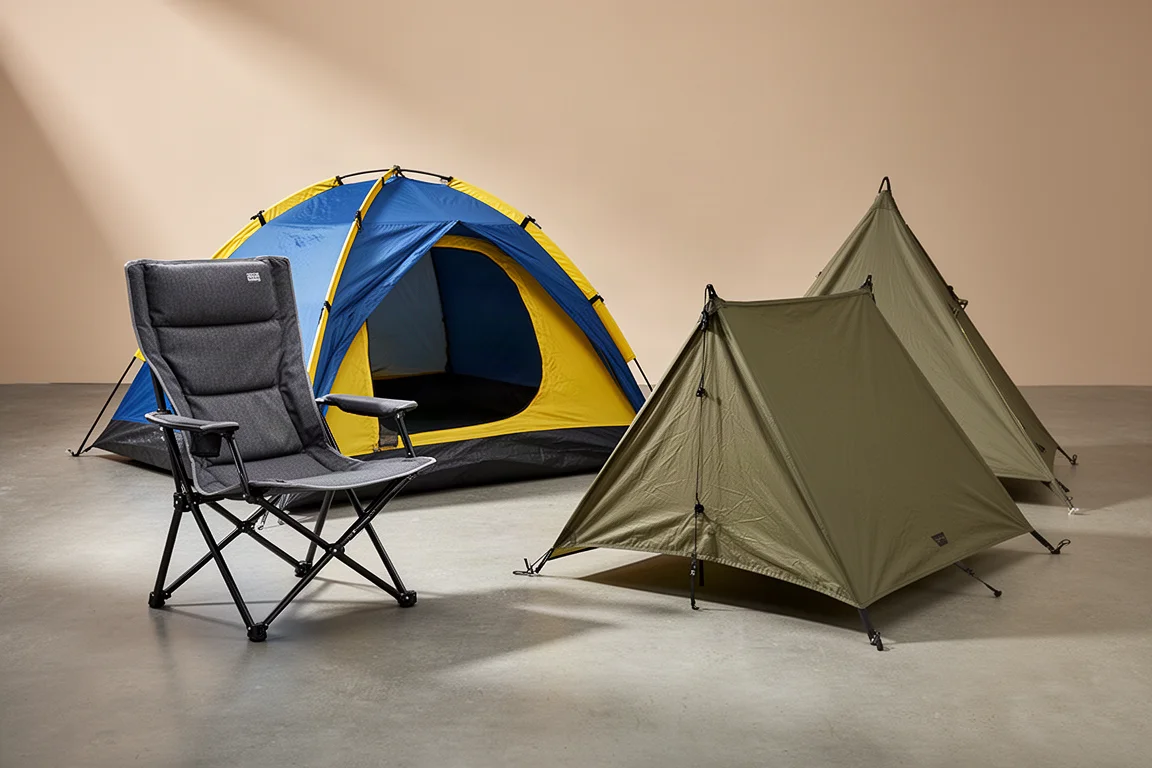
Three pieces stood out from the trip. A high-back camp chair that has already earned its place over repeated outings, a value-focused two-person tent that trades a little refinement for a much lower price, and a lightweight shelter that held its shape better than expected. Each one answers a different question about how you camp, and each has a trade-off worth understanding before you buy.
How These Products Were Tested
Testing happened the way it usually does on a real trip: the shelters were pitched, seam sealed beforehand where needed, and left standing through the night while showers passed over. The point of a waterproof test is simple. Any time a tent is repaired or seam sealed, it has to be checked in real rain before it is trusted on a trip where a leak would actually matter.
Conditions were mild in temperature but persistently wet, with humidity high enough that everything stayed damp. That kind of weather is useful because it exposes fabric stretch, sagging panels, and seams that let water through slowly rather than dramatically.
Morning inspections focused on three things: whether water had entered the sleeping area, whether the pitch still held its shape, and how much re-tensioning the shelter needed after a night of rain.
Best Camp Chair: OneTigris High Back Chair
The OneTigris High Back Chair is the least complicated item here, and that is part of its appeal. It is a folding camp chair with a tall backrest, the kind of seat that supports your shoulders and neck after a long day rather than leaving you hunched on a low stool.
It has been used across multiple trips and continues to hold up, which matters more than any single specification. A camp chair is judged over seasons, not afternoons: fabric that keeps its shape, a frame that does not loosen, and a seat height that works with a folding table. This one has been dependable on all three counts.
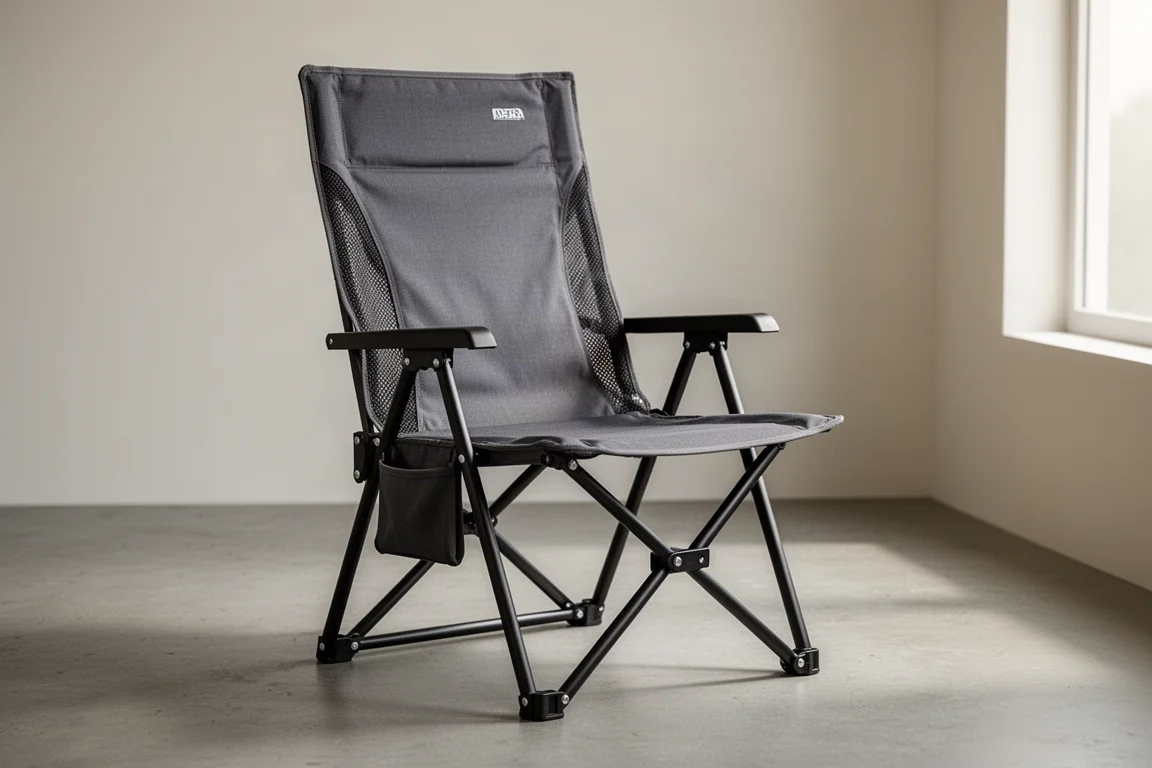
It suits vehicle-based camping best, where the extra packed size of a high-back design costs nothing. Backpackers counting grams will want something smaller, but for truck, van, and cabin trips, the comfort return is straightforward.
Best Value Two-Person Tent: Outdoor Vitals Fortis 2 Person Tent
The Fortis 2 Person Tent is the value play of this group. The price is reasonable, the packed weight is decent for what it is, and the shelter stayed dry through the overnight showers. It is not an ultralight tent, and it is worth being clear about why: a lightweight body still needs poles, and poles add weight that spec sheets rarely highlight.
What it does deliver is a two-person shelter at a fraction of the cost of premium ultralight models, some of which sit around the seven hundred dollar mark. The blue and yellow colorway is easy to spot from a distance, and the overall build looks tidy for the price.
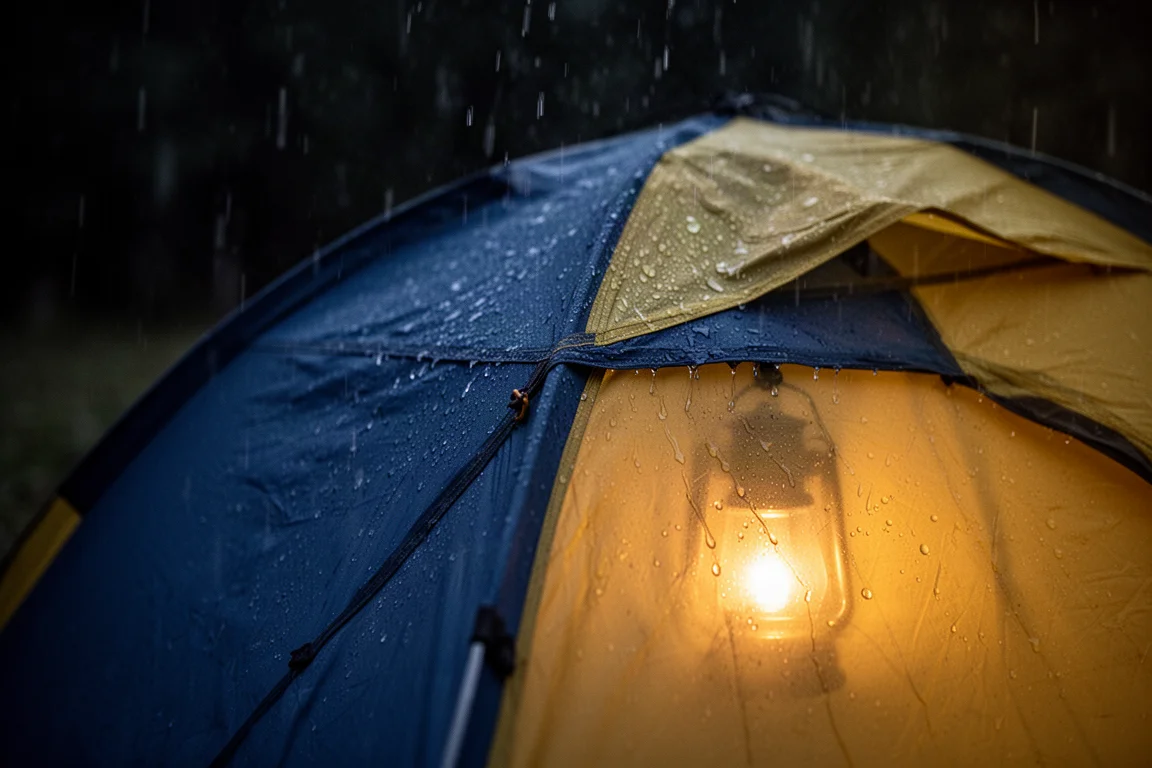
The trade-off shows up in the fabric. After a wet night, the material sagged noticeably, more than a shelter ideally should, and it needed re-tensioning to bring the pitch back. That is not a dealbreaker, but it is a maintenance habit you should expect to build: check the lines, tighten the panels, and repeat after heavy rain.
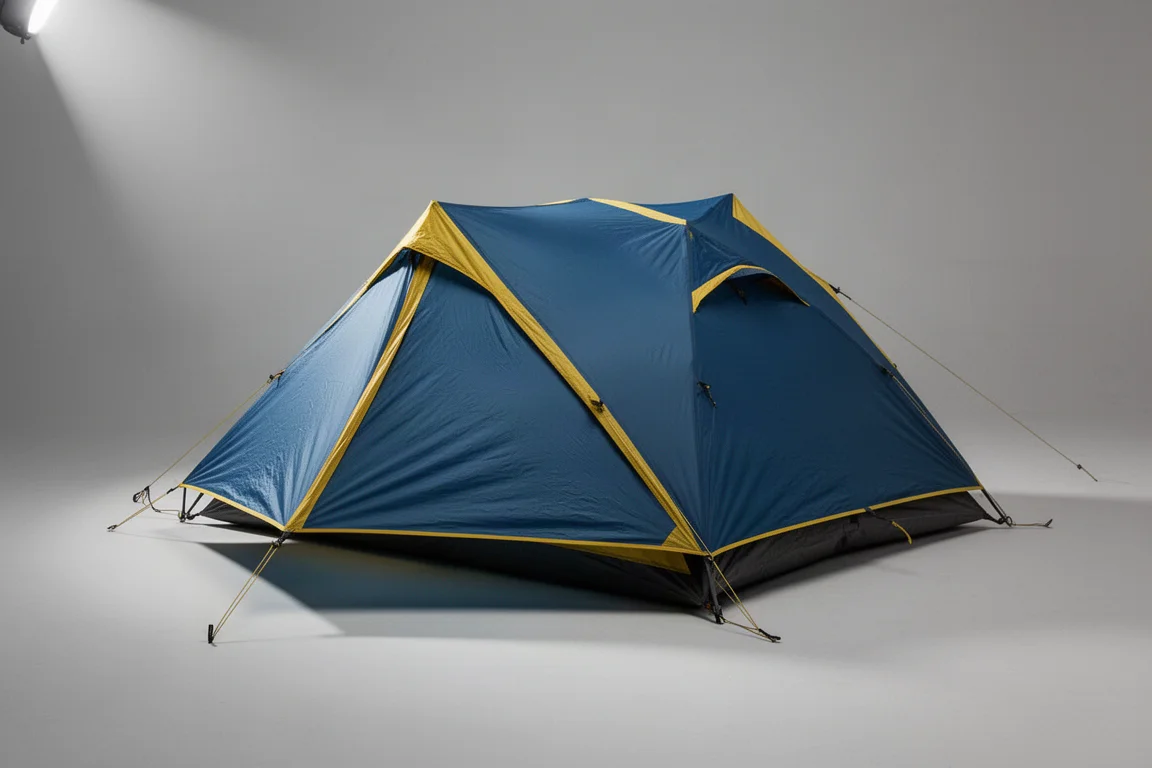
For campers who want a capable two-person tent without premium pricing, and who do not mind adjusting guy lines after a storm, this is a sensible choice.
Best Ultralight Shelter: 3F UL Lanshan Pro
The 3F UL Lanshan Pro behaved differently in the same weather. After being seam sealed ahead of the trip, it was left pitched through the night, and by morning the materials had barely stretched and the pitch still looked close to how it was set.
That stability is the quality that matters most in a lightweight shelter. Thin fabrics that stretch under rain load end up flapping, pooling water, and losing the taut geometry that keeps weather off the sleeping area. This shelter held its shape, and it did not leak.
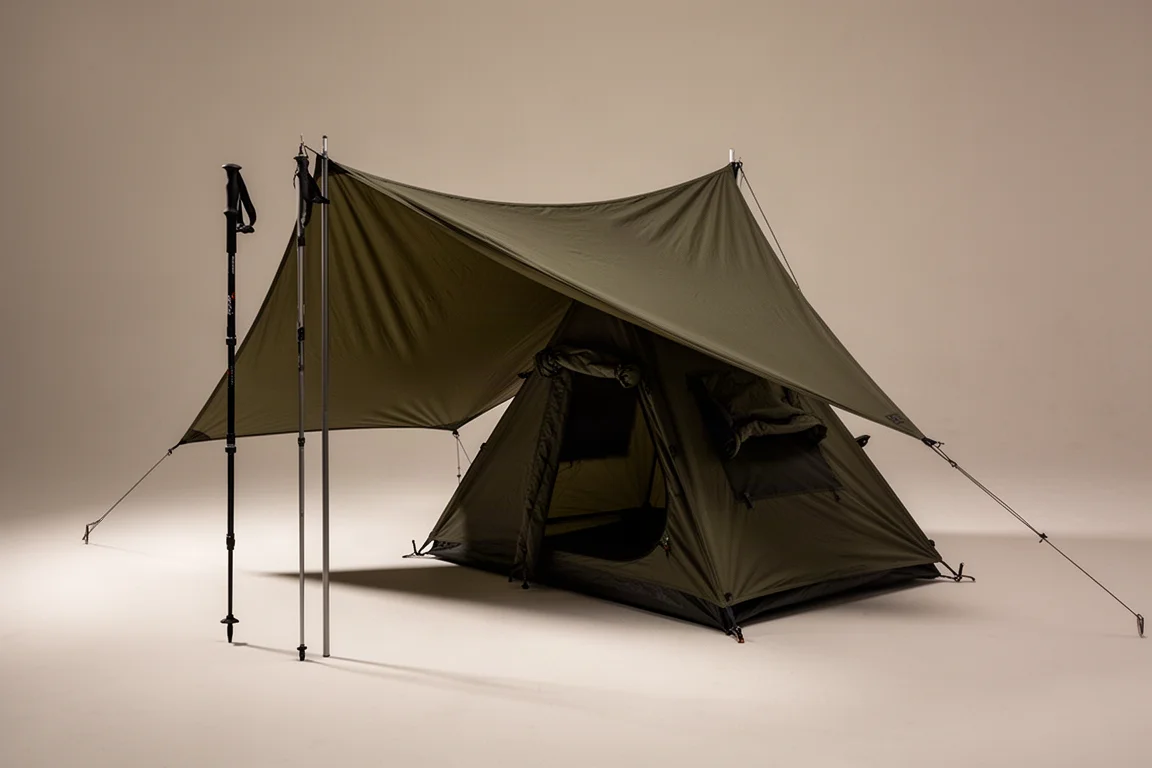
The one requirement to plan for is preparation. Seam sealing is part of owning a shelter like this, and it should be followed by a wet-weather test before the tent is relied on in the field.
Waterproofing and Seam Sealing: What the Rain Test Showed
The rain test separated the two shelters in a useful way. Both stayed dry, which is the headline, but the difference in how they handled water load was obvious by morning. One held its geometry and needed almost nothing. The other sagged, and its panels had to be pulled tight again.
Seam sealing is the other half of the story. Any stitched seam on a lightweight shelter is a potential entry point for water, and sealing it before the first serious trip is normal practice rather than a sign of a flawed product. The follow-up matters just as much: a sealed shelter still has to be tested in real rain before you trust it somewhere help is far away.
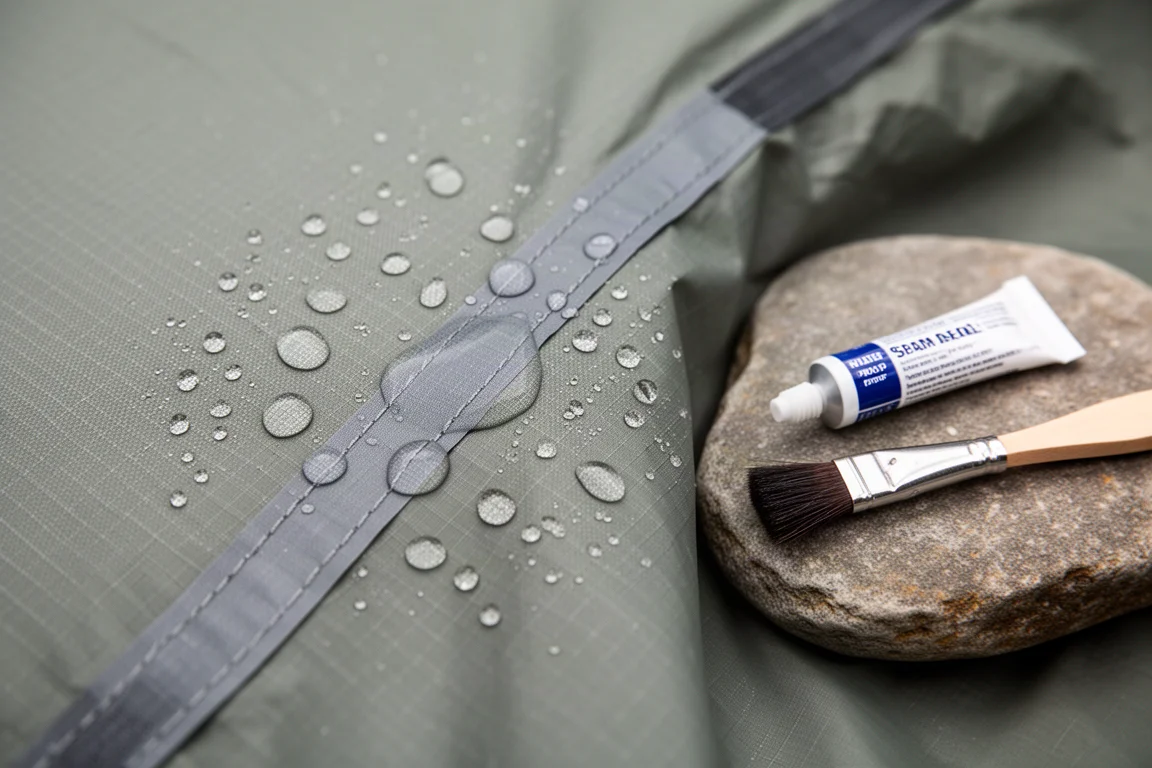
That habit of testing before trusting is what turns a repair into confidence. Set the shelter up, let it take a proper soaking, and inspect it in the morning while everything is still wet.
What to Weigh Before You Buy
Price and weight are the obvious axes, but this trip highlighted a third: how a shelter behaves once it is wet. A tent that stays dry but sags will keep you busy adjusting lines. A tent that holds its pitch lets you sleep.
The honest way to choose is to start with how you travel. Vehicle-based campers can accept more packed volume and weight in exchange for comfort, which is exactly where the high-back chair and the value tent make sense. Backpackers and distance hikers need to prioritize packed size and stability, and should expect to invest some time in seam sealing and pitch tuning.
Price deserves a clear-eyed look too. A two-person tent that costs a fraction of a premium ultralight model can be the better purchase if you camp from a vehicle and value a lower outlay over grams saved. The premium end buys lighter materials and less stretch, and that is a real benefit, but only if your trips actually call for it.
Buying Advice: Matching Gear to the Trip
For a simple truck camp setup, the combination tested here works well. A high-back chair and a folding table turn the space under a tarp into somewhere worth sitting out a shower, and a value two-person tent covers the sleeping side without a large outlay.
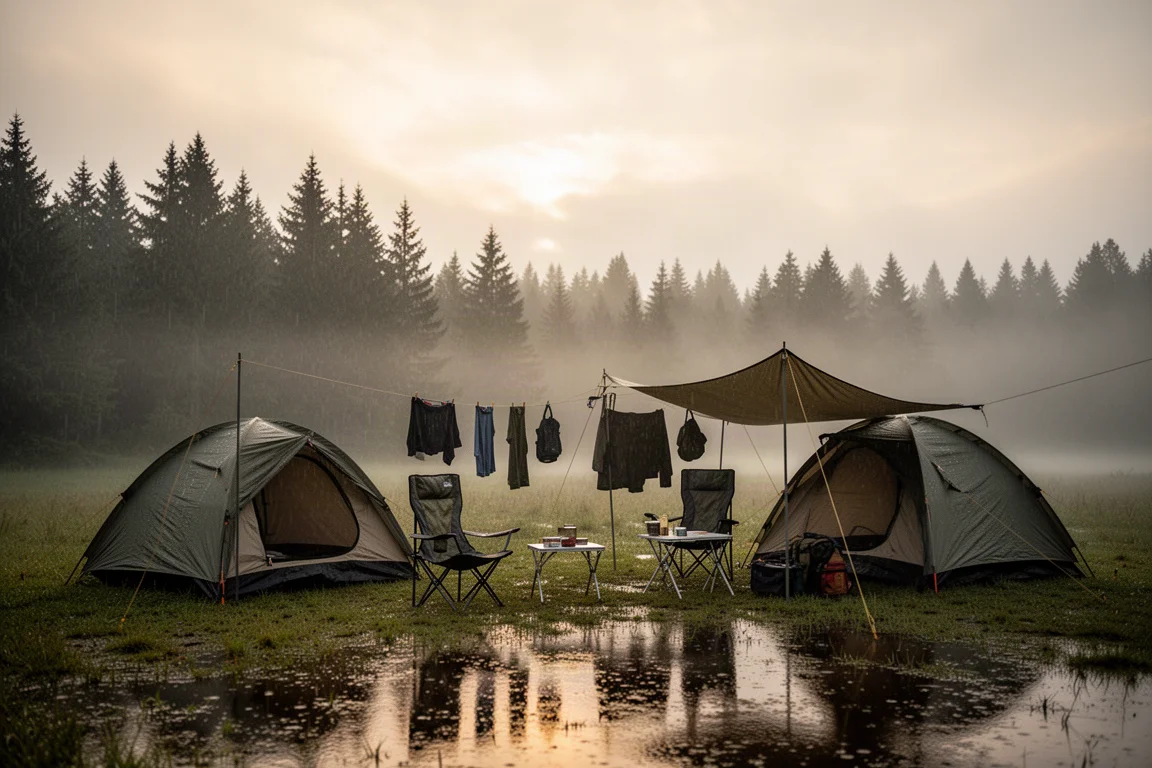
If your trips lean toward backpacking, the calculation changes. The lightweight shelter is the one to look at first, and the seam sealing and waterproof testing that come with it are part of the deal rather than an optional extra. Buy the shelter that matches your terrain and your tolerance for adjustment, then test it in the rain before you depend on it.
Conclusion
Three pieces of kit, one wet night, and three different lessons. The high-back chair is comfort that simply works and has already proven itself over repeated trips. The two-person tent is a strong value that stays dry, as long as you accept the re-tensioning its fabric demands. The lightweight shelter is the most stable of the group when wet, provided you do the preparation first.
None of these are complicated purchases. Match the gear to how you actually camp, prepare the shelter properly, and test it in real weather before the trip that matters.
Further reading
Related Reviews
Camping Gear
3FUL Ultralight Ground Sheet Review: A Two-Person Footprint Worth Packing
A 6.7 oz two-person ground sheet in ripstop silnylon, priced around $30. Here is what it protects, what it does not do, and who should pack it.
Camping Gear
Backcountry Light Dual-Function Tarp and Floor Review: A Footprint First
A dual-purpose tent floor and tarp that keeps falling rain off you, but cannot block wind. Here is where it works and where it does not.
Camping Gear
Best 2-Person Camping Mattresses for Couples: 10 Options Compared
A practical comparison of ten two-person camping mattresses, covering self-inflating pads, air pads and air mattresses for couples.