Triathlon Gear
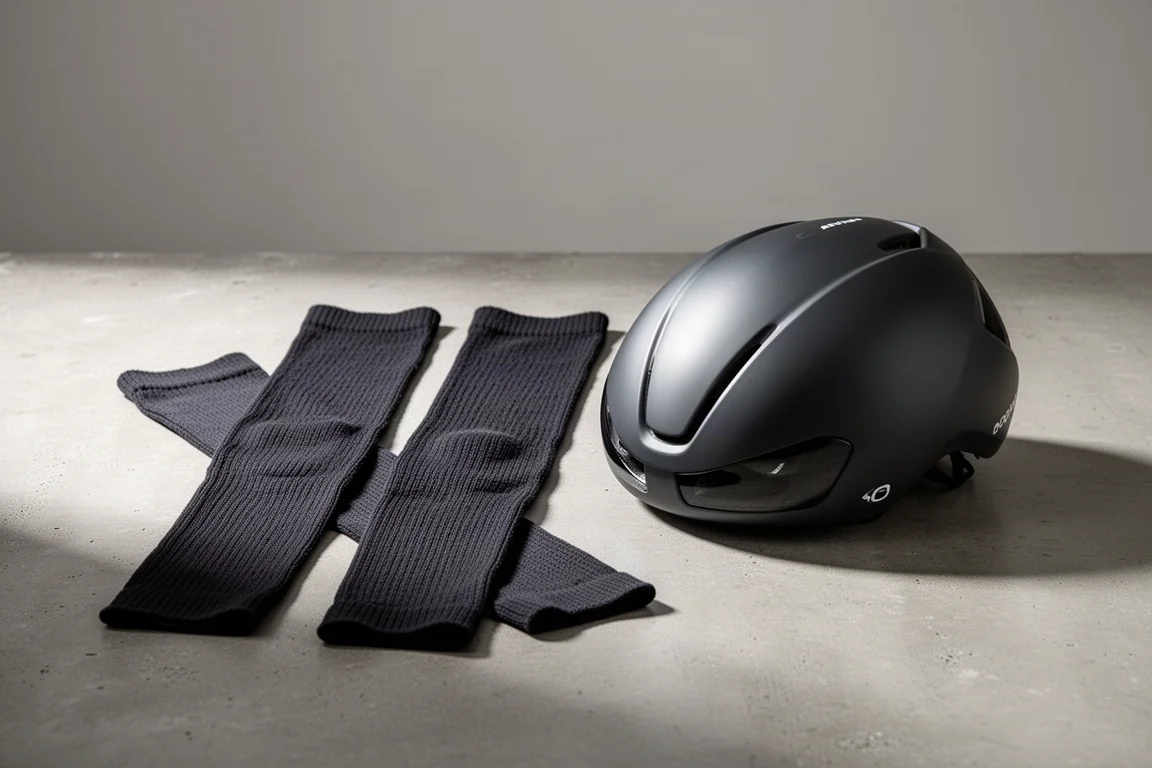
Wind Tunnel Tested: Surus Insane Calf Sleeves and Met Drone Helmet
A one-variable-at-a-time wind tunnel comparison of two triathlon upgrades: calf sleeves and an aero helmet, with the watt savings and the trade-offs worth knowing before you buy.
Introduction
Wind tunnel testing has shaped triathlon and time trial equipment for decades, and it shows. Frames, wheels and helmets from the current generation are measurably quicker than the gear riders were using in the 1980s, so a straight comparison between then and now rarely surprises anyone. The more useful question is what happens with the parts of the setup that most riders never think to upgrade at all, such as what sits over the lower leg, what sits on the head, and how much loose clothing actually costs.
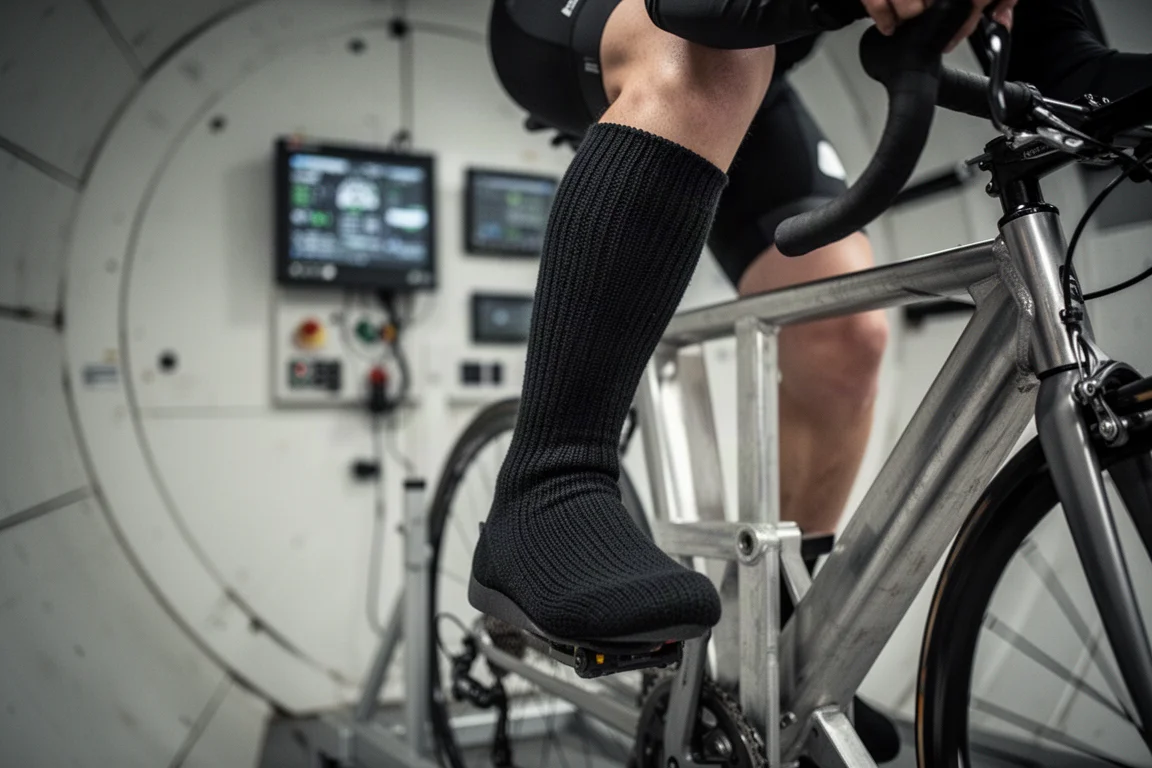
That was the idea behind a recent wind tunnel session: start with a modern setup, then change one item at a time and measure the difference in watts. The testing compared modern triathlon gear against equipment from the 1980s, and two of the findings stand out for anyone shopping for practical speed this season. The first concerns calf sleeves, and the second concerns the helmet on your head.
How the Wind Tunnel Comparison Worked
The method was deliberately simple. One rider, one position, one variable changed per run, so each result could be attributed to a single item rather than a whole new setup. Measurements were taken at a 7.5 degree yaw angle, which approximates the slight crosswind a rider meets on open roads, and the numbers were recorded at both 30 kph and 40 kph.
Results were expressed in watts, which is the most useful unit for a rider deciding whether a purchase is worth it. A saving of two or three watts is modest but repeatable, and it adds up over a long ride. A saving of five watts or more is the kind of number that changes how a bike feels at speed. The comparison also covered clothing and grooming choices, which turned out to matter more than most riders expect.
Surus Insane Calf Sleeves: Lower-Leg Aero Gains
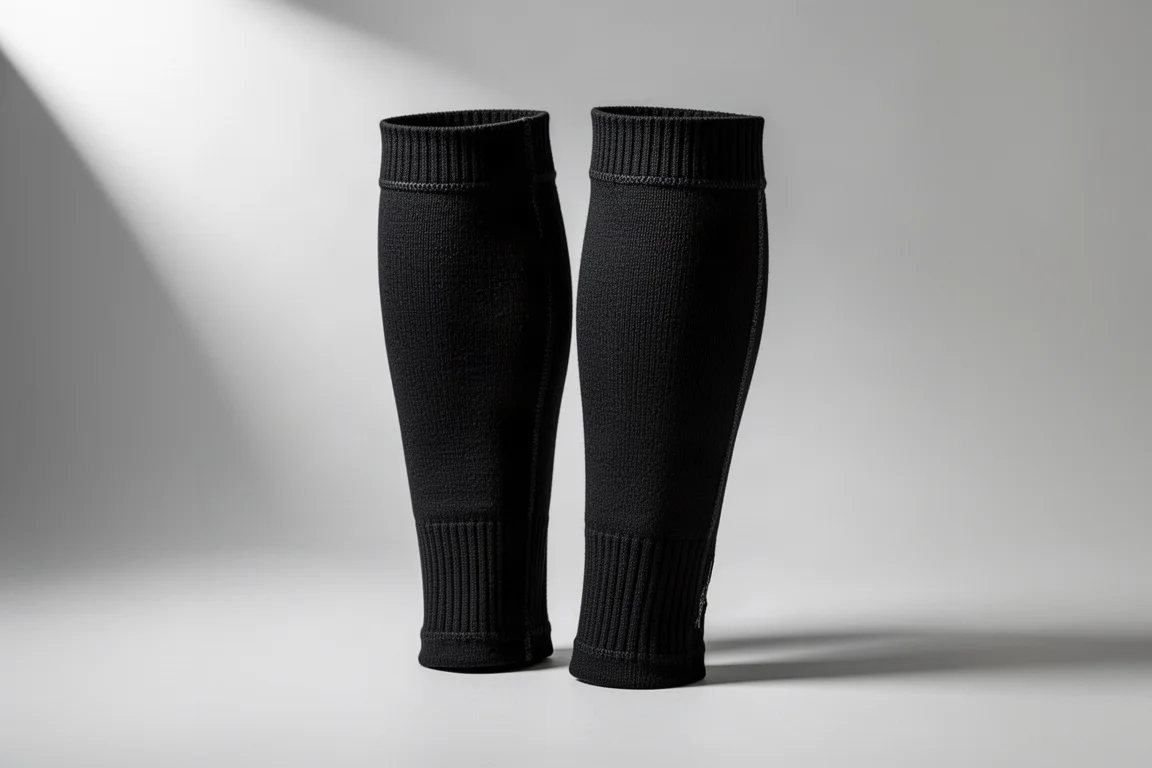
The Surus Insane Calf Sleeves are a tall knit sleeve that covers the calf, the part of the leg that moves fastest through the air and contributes more drag than most riders assume. Against a pair of 1980s cycling socks at 30 kph and 7.5 degrees yaw, the half sleeve version of the calf sleeves recorded a saving of roughly 2.4 watts, close to two and a half watts of free speed for a piece of clothing that costs far less than a wheel upgrade.
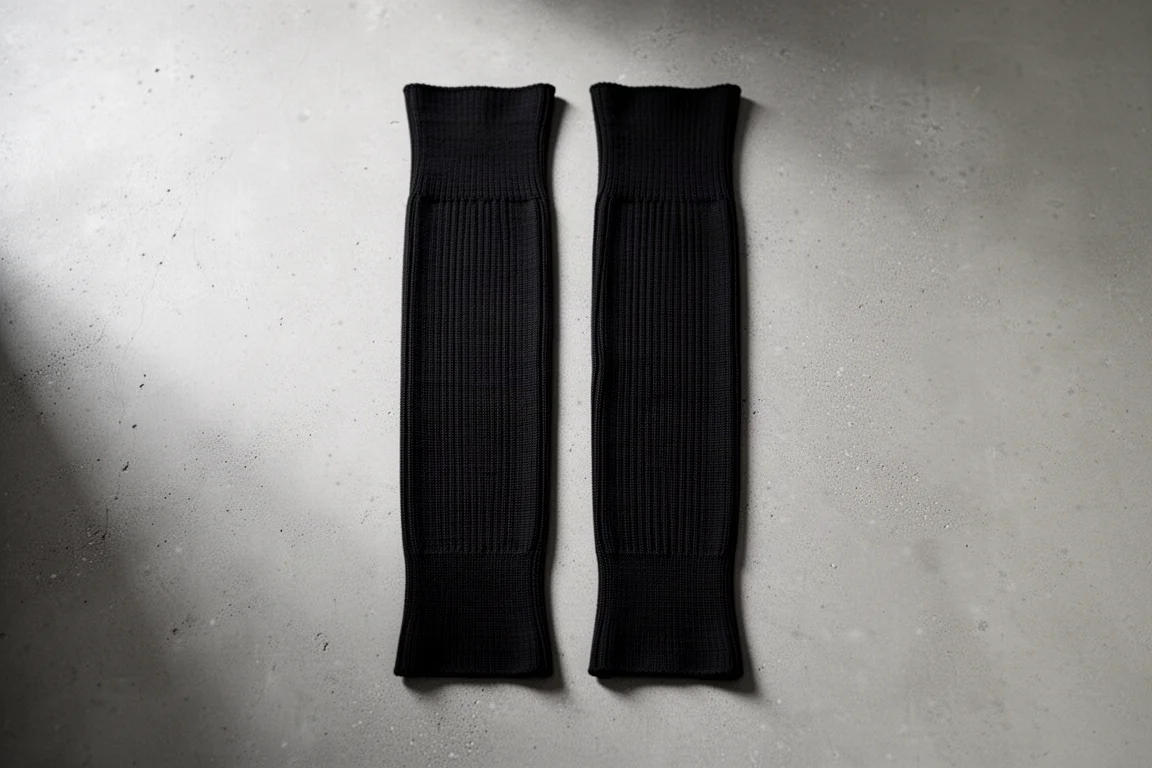
At the higher speed the picture improved. The fastest configuration tested, the full Insane calf sleeve setup, showed a saving of about 5.2 watts, which is a substantial number in a sport where positions are often fought over in single watts. The test also produced a blunt result for bare legs: unshaved legs were slower than the 1980s socks, meaning the sleeves and socks both beat skin, and the sleeves beat the socks.
What Else the Numbers Revealed
Not every finding pointed toward buying something new. Facial hair in the tunnel cost roughly three watts, and that was measured with most of it tucked underneath the helmet. A loose 1980s style race kit was dramatically worse, giving away around 25 watts as the fabric flapped, which is the kind of penalty that no equipment upgrade can offset.
Shoes produced a genuinely unexpected result. A pair of nearly 40 year old cycling shoes was about one watt faster than the modern shoes used in the test, a difference small enough to be within the noise of most real world rides and far outweighed by how a shoe feels over a long distance. Stacked together, the whole retro setup and kit was estimated to cost around 11 minutes over an Olympic distance race, with a considerably larger penalty over an Ironman.
Met Drone Helmet: Modern Aero Head Protection
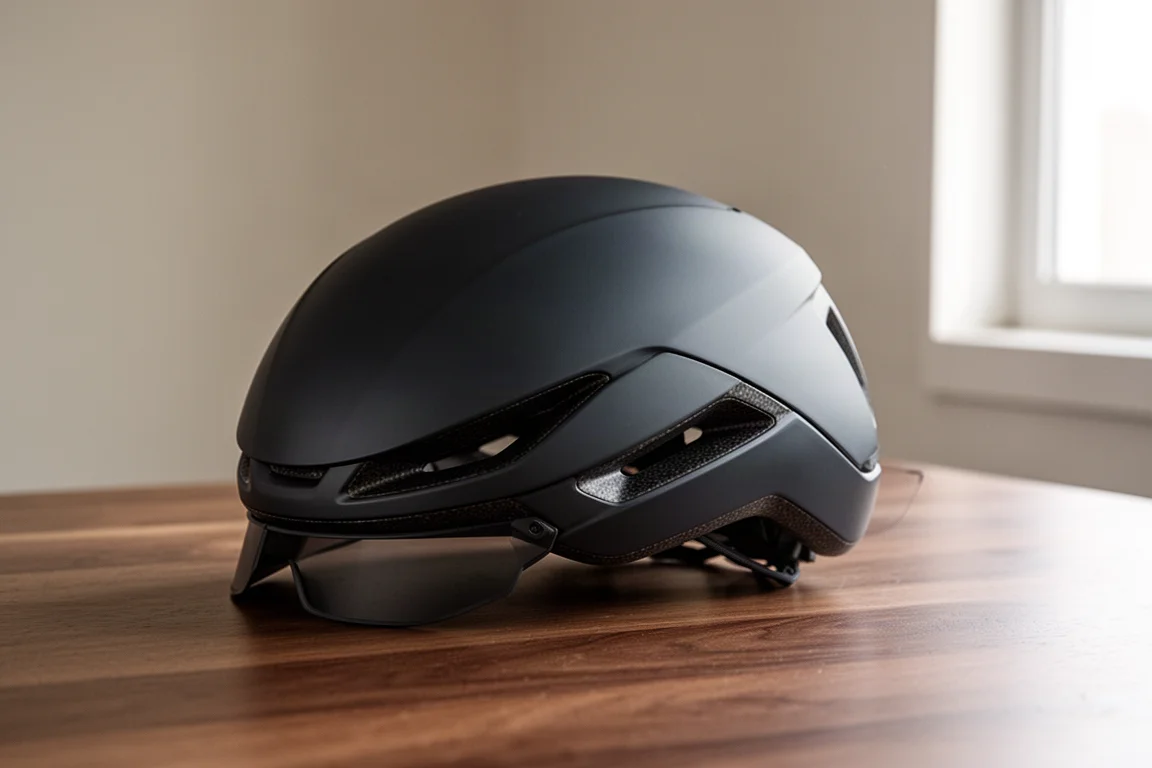
Helmets remain one of the largest single gains available to a triathlete, and the tunnel numbers back that up. Compared with the Met Drone, a mid-tier helmet gave away around 5.7 watts at 30 kph and 7.5 degrees yaw, rising to roughly 7.7 watts at 40 kph. The helmet used as the baseline was already a decent modern shape, and it was still a better helmet than anything available in the 1980s, which puts the gap in context.
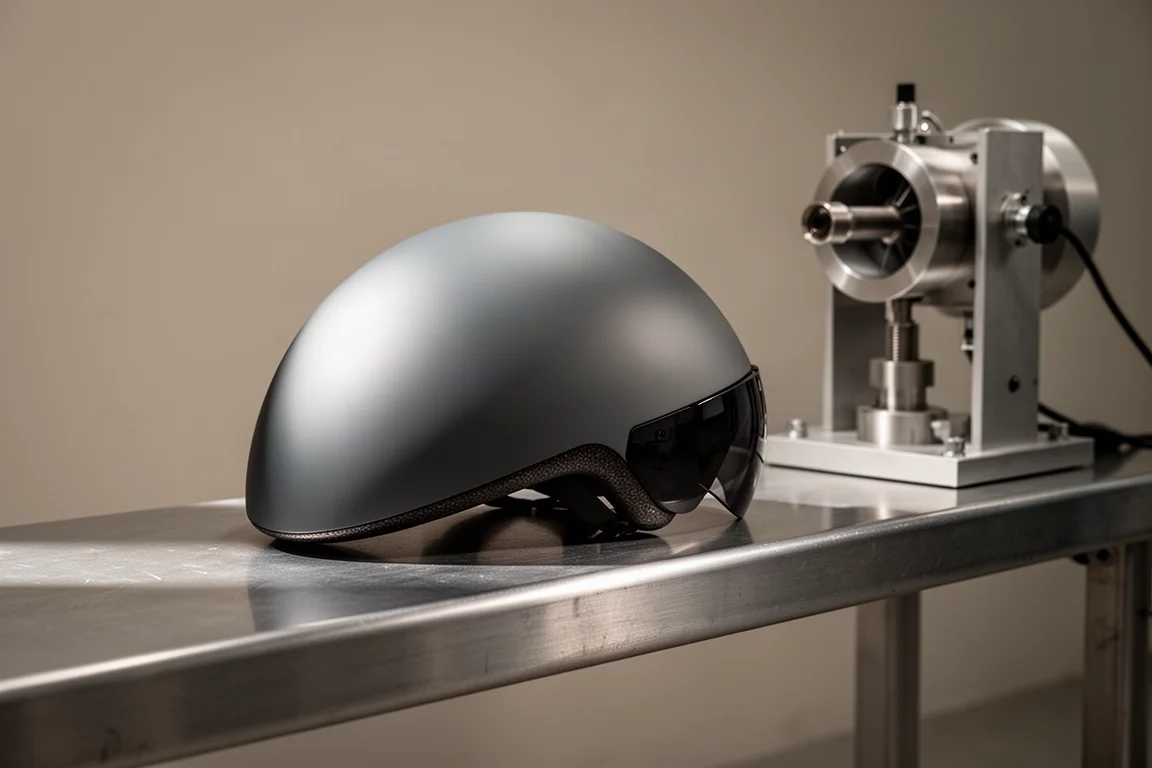
In other words, the aero helmet is doing more work per dollar than almost anything else in the comparison, and the advantage grows as speed rises. That speed dependence matters because faster riders spend more of their race in the region where helmet shape pays the biggest dividend.
Buying Advice: Where the Watts Come From
Start with the biggest, most affordable gains. Calf sleeves are the easiest entry point: they measured around 2.4 watts quicker than ordinary socks at 30 kph and roughly 5.2 watts in their fastest configuration, they add no mechanical complexity to the bike, and they are simple to travel with. For a rider who has already sorted position, wheels and tires, this is a low risk way to find a little more speed.

The Met Drone helmet is the larger purchase and the larger gain. Around 5.7 watts over a mid-tier helmet at 30 kph and roughly 7.7 watts at 40 kph is a meaningful margin, and it is the kind of saving that shows up over a full Ironman bike leg. Because a helmet is worn for hours at a time, fit and comfort deserve as much attention as the drag number, and a helmet that is comfortable on a long training ride is the one you will actually race in.
If you are weighing up where to spend next, the honest answer is that the cheap clothing upgrade and the helmet address different parts of the same problem. The sleeves remove a small, stubborn piece of drag from the lower leg. The helmet removes a much bigger piece from the largest surface facing the wind. Riders who can do both will find the combination more useful than either item alone.
Conclusion
The wind tunnel comparison makes two points clearly. Lower-leg coverage is genuinely worth something, with the Surus Insane Calf Sleeves measuring around 2.4 watts faster than 1980s socks at 30 kph and roughly 5.2 watts in their fastest setup. The Met Drone helmet is the bigger win, worth about 5.7 watts at 30 kph and around 7.7 watts at 40 kph against a mid-tier helmet.
Neither number will transform a race on its own, and the whole retro setup was only around 11 minutes slower over an Olympic distance. But small, repeatable gains are exactly what aero testing is good at finding, and both of these upgrades deliver them without asking much in return.
Further reading
Related Reviews
Triathlon Gear
Two Affordable Triathlon Gear Picks: A Race Suit and a Budget GPS Bike Computer
A short-sleeve trisuit and a budget GPS bike computer: two affordable triathlon upgrades with clear use cases, real strengths, and trade-offs to weigh first.
Triathlon Gear
Best Triathlon Tech from Kona 2024: 11 Standout Gear Picks
A roundup of the most interesting triathlon gear spotted at the Kona 2024 Expo, from prototype bikes to smart goggles and recovery boots.
Triathlon Gear
Christmas Gift Ideas for Triathletes: 10 Practical Picks
A practical gift guide for triathletes, covering swim, bike, run, recovery and stocking fillers that solve real training problems.