Backpacking Tents
Trekking Pole vs Freestanding Tents: Two Affordable Backpacking Options
A practical comparison of trekking pole and freestanding tents, plus two budget-friendly shelters that cover both approaches.
Introduction
Choosing between a trekking pole shelter and a freestanding tent is one of the few gear decisions that shapes how an entire backpacking trip feels. One approach trades interior comfort for weight and packed size. The other trades weight for living space and convenience. Neither is universally better, and the right answer usually comes down to where you camp, what you already carry, and how much you value a roomy interior at the end of a long day.
This guide walks through the practical differences between the two styles, then looks at two affordable options that represent each approach: a fully freestanding one-person tent and a lightweight trekking pole shelter.
How Trekking Pole Tents and Freestanding Tents Compare
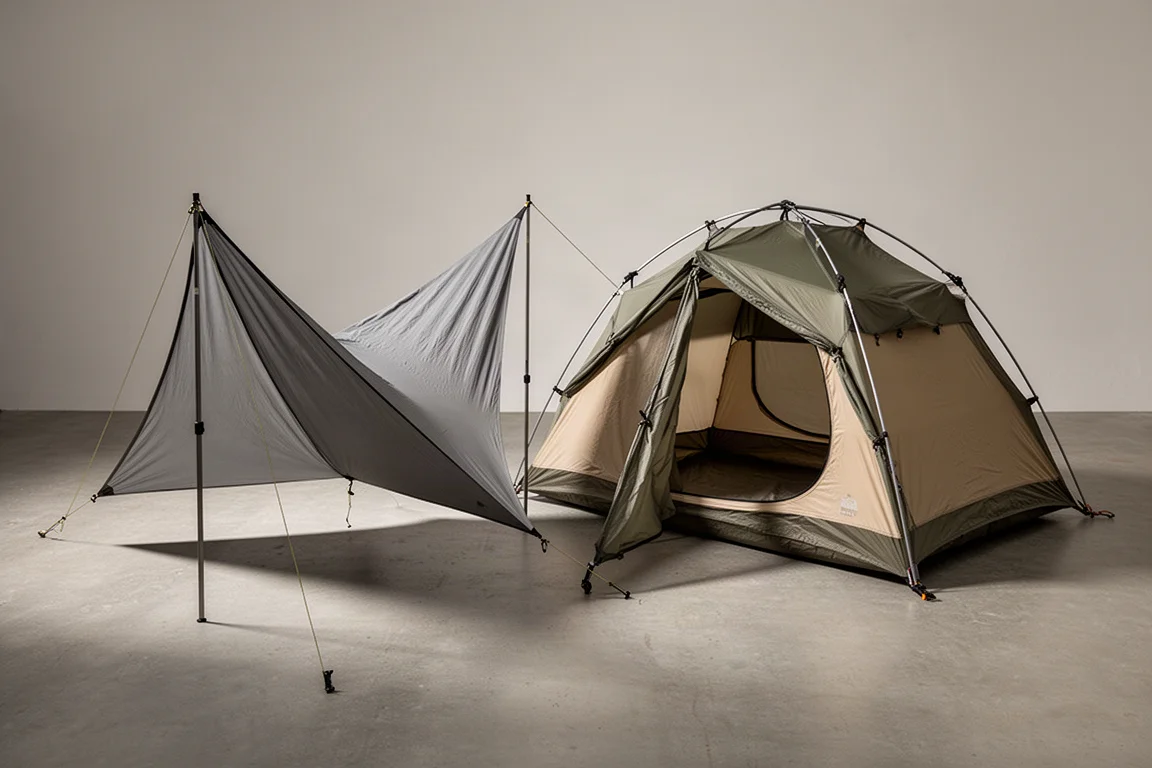
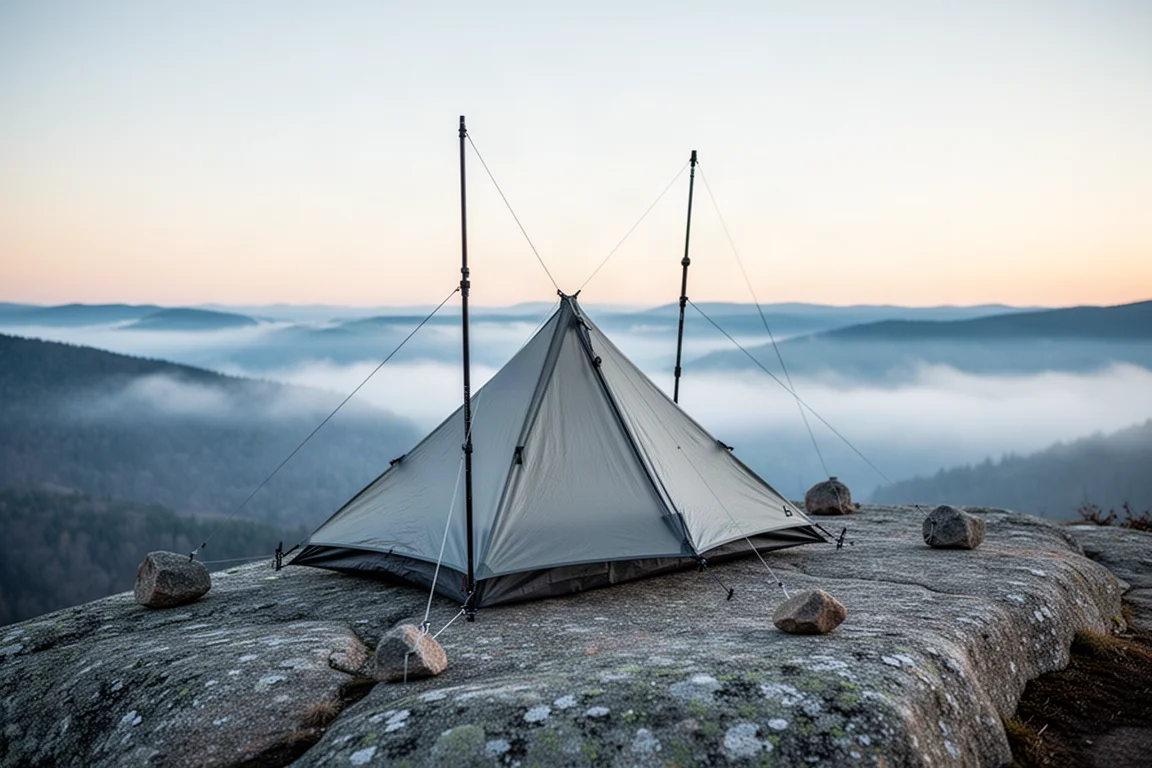
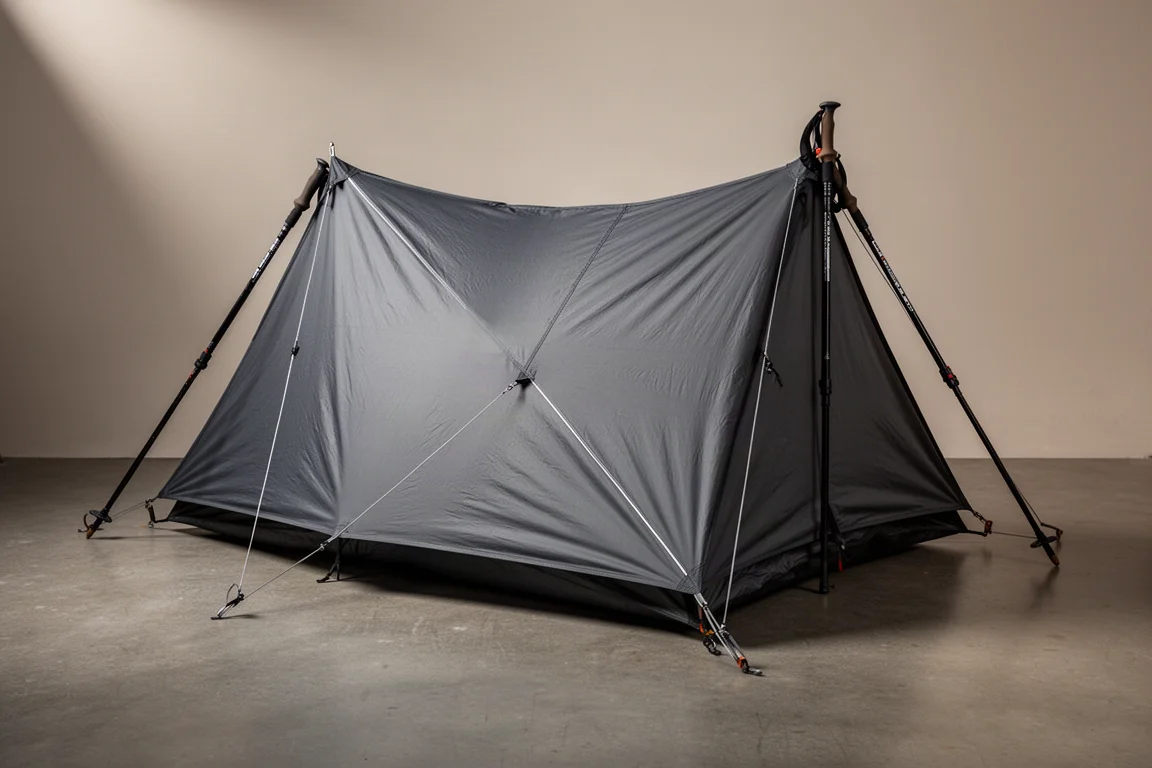
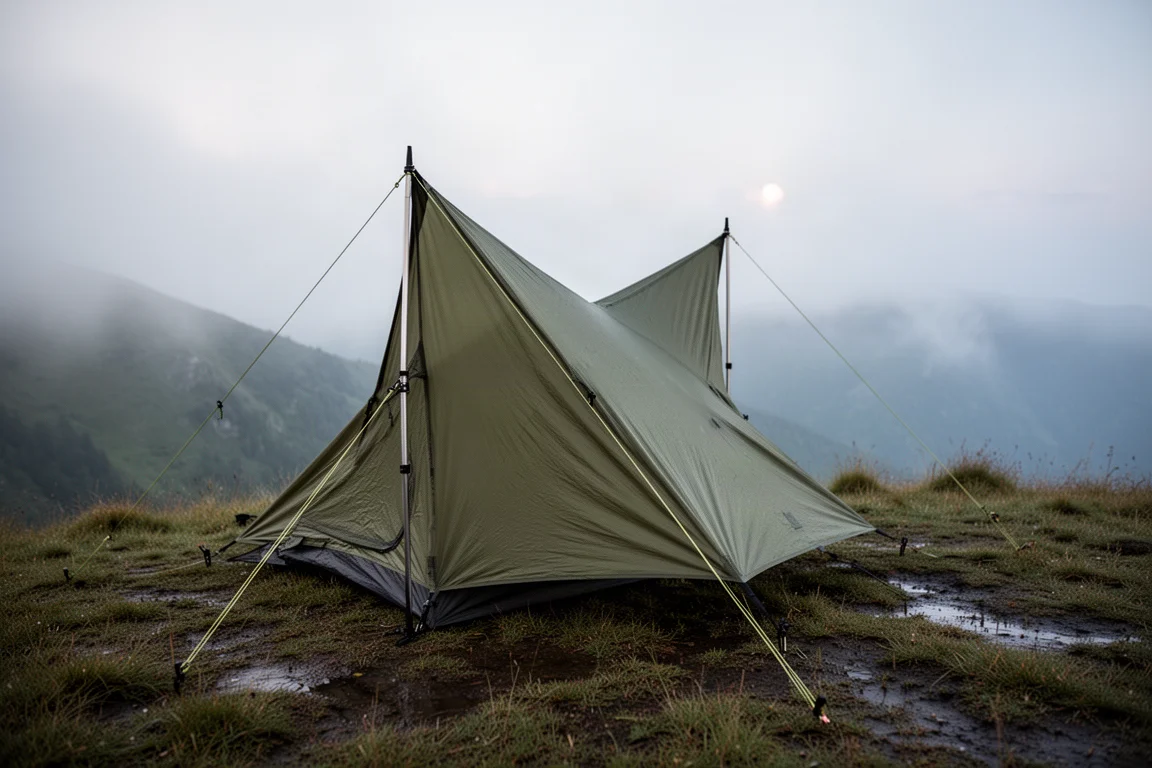
A trekking pole tent gets its structure from the poles you are already carrying. There is no dedicated pole set, which makes the shelter lighter, smaller in the pack, and generally cheaper, since you are paying for fabric rather than hardware. Setup becomes quick after a few practice pitches, and it is unusually straightforward in the rain: raise the poles, lift the roof, and the interior stays largely dry while you work. There is a secondary benefit too. A shelter that depends on trekking poles gives you a reason to actually use them, and trekking poles help with balance on trail while shifting weight from your back onto your arms.
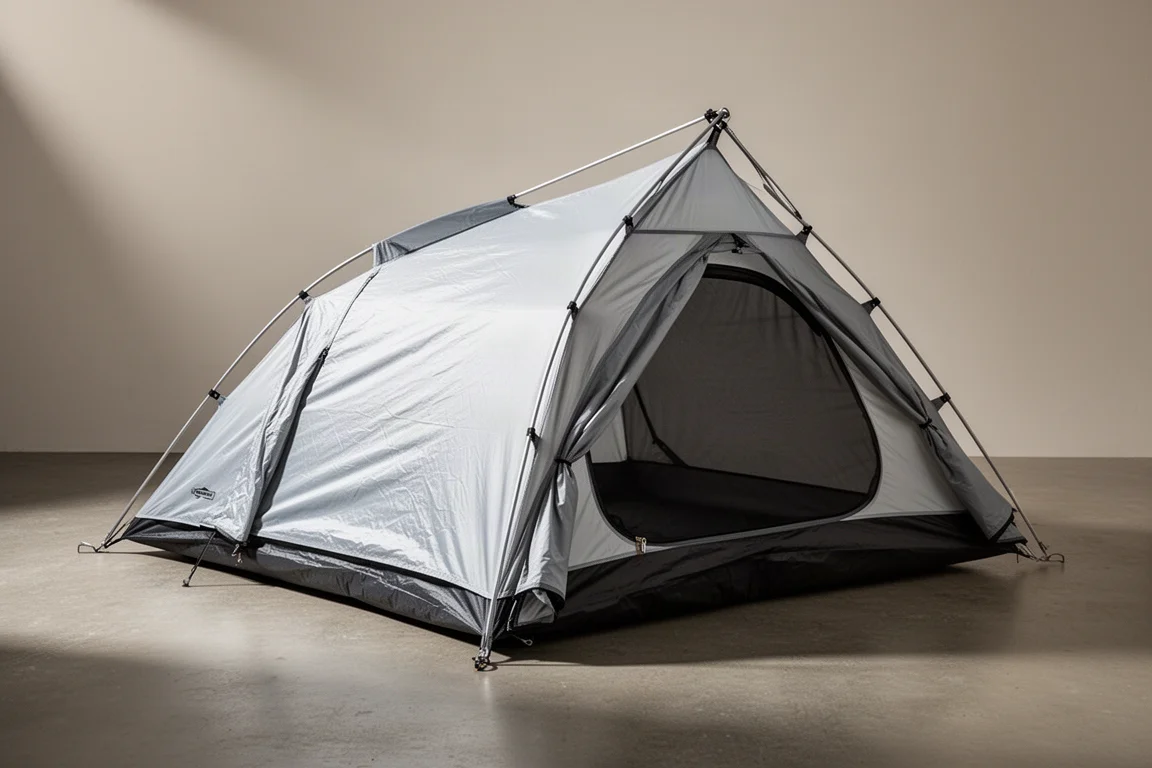
Freestanding tents take the opposite approach. Most are double wall designs with an inner tent and a separate rain fly, and that inner layer keeps you separated from the surface where condensation forms. They typically offer far more headroom, along with pockets, gear lofts, and other details that make a small space feel considerably more liveable. Staking is not strictly required to hold the shape, which means you can pick the tent up and reposition it if the ground is uneven or the pitch is wrong. Stakes still matter for vestibules and for weather. Because the poles create the structure, freestanding designs also open up more campsite options, including rocky ground where a staked shelter is harder to pitch. They tend to be warmer as well, since each wall adds a layer of insulation, which can mean a noticeable few degrees of difference in wintry conditions.
Some tents are described as semi-freestanding. That means the shelter still has a pole structure, but not every pole ends at a corner, so one or two stakes are usually needed to hold it properly. The tent keeps most of its shape either way.
Best Freestanding Tent: Paria Outdoors Bryce 1-Person Tent
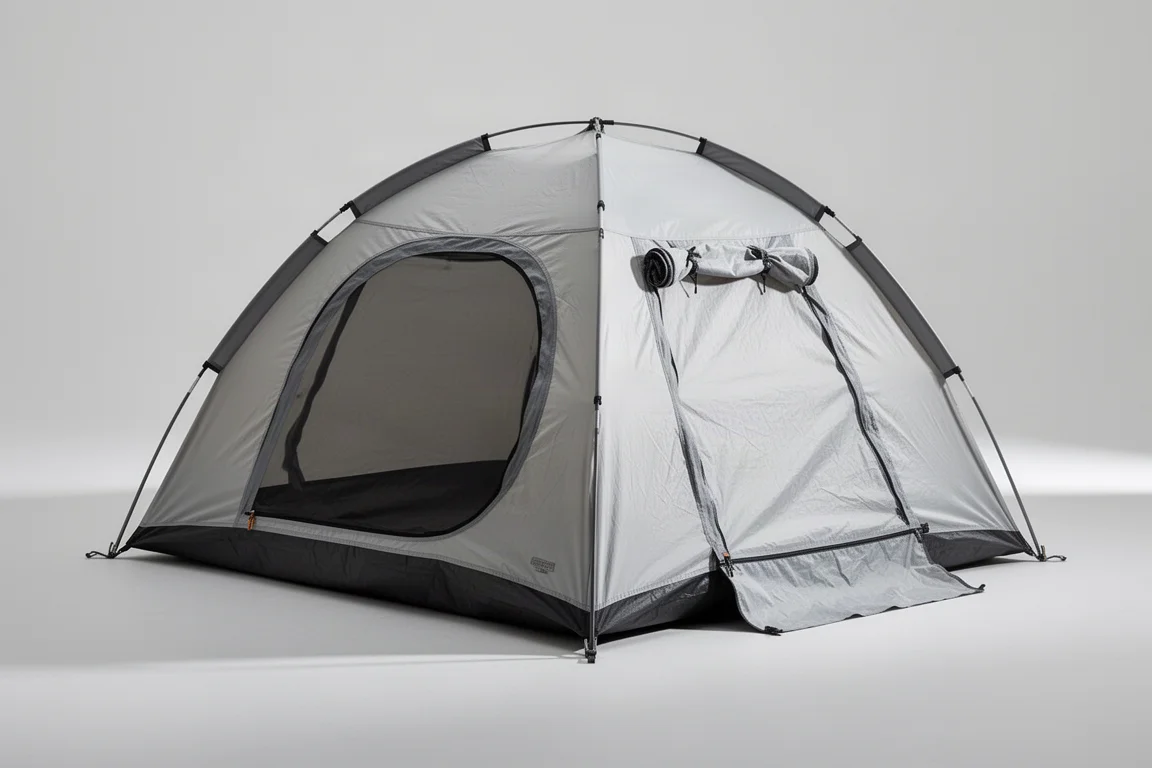
The Paria Outdoors Bryce 1-Person Tent is the simplest way into the freestanding category. It is fully freestanding and very inexpensive, which makes it a sensible choice for anyone who does not want to depend on trekking poles for shelter, or who prefers to pitch without hunting for a perfect staking spot.
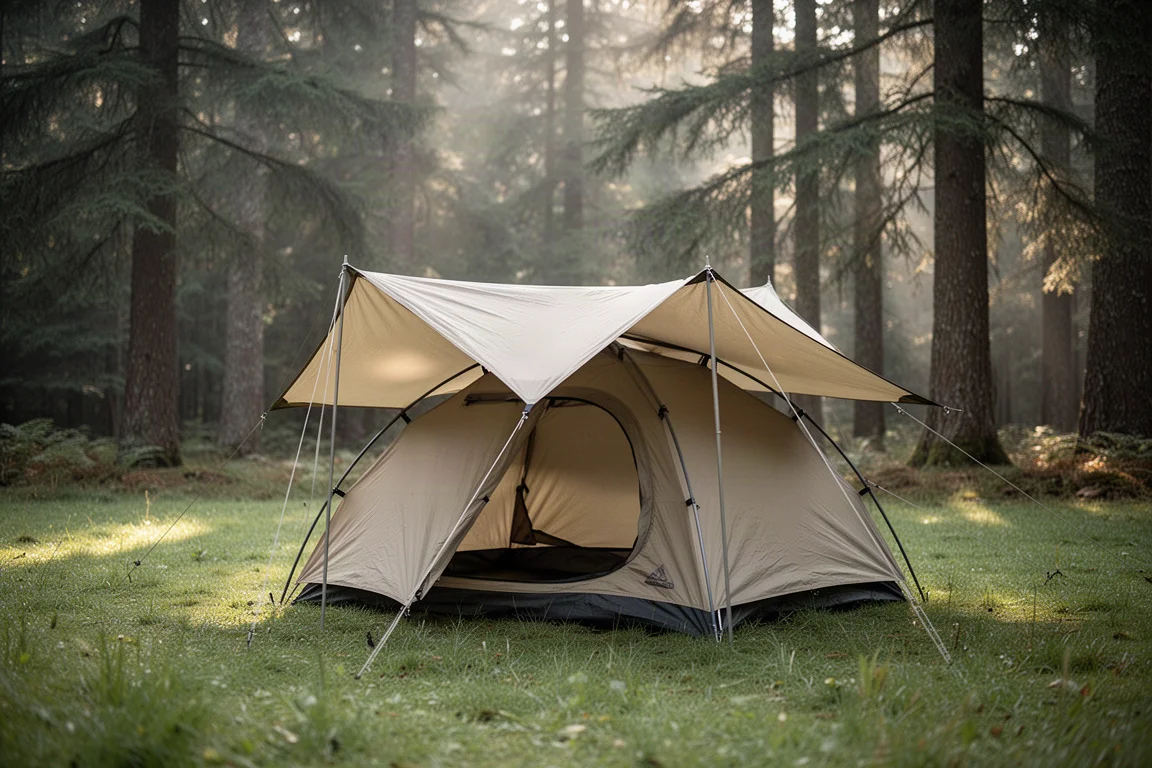
Its clearest use case is shorter trips and campers who want pitching to be quick and forgiving, including on ground where stakes will not go in easily. The trade-off is the general weight penalty that comes with a freestanding design, which is worth weighing against how much you value the convenience.
Best Trekking Pole Tent: Durston X-Mid
The Durston X-Mid is one of the strongest value options in the trekking pole category. It is very inexpensive for what it offers, it is easy to set up, and it packs down small because there is no pole set to store. It weighs a little over 30 ounces, and that figure does not include the trekking poles you will need to bring.
That combination makes it a natural fit for backpackers who already hike with poles and want a light, packable shelter without spending much. The price alone is a strong argument in its favour.
Setup and Weather Performance in Practice
Setup is where the two styles diverge most sharply. A trekking pole tent has to be staked out to stand properly, and it uses noticeably more stakes than a freestanding model. On soft ground that is straightforward. On hard or rocky ground you may need to find rocks to anchor the guy lines, and a pitch that cannot be fully staked will not perform the way it should. A freestanding tent holds most of its shape on its own, which makes rocky terrain far less of a problem, though staking is still recommended whenever weather is expected or you want to use the vestibules.
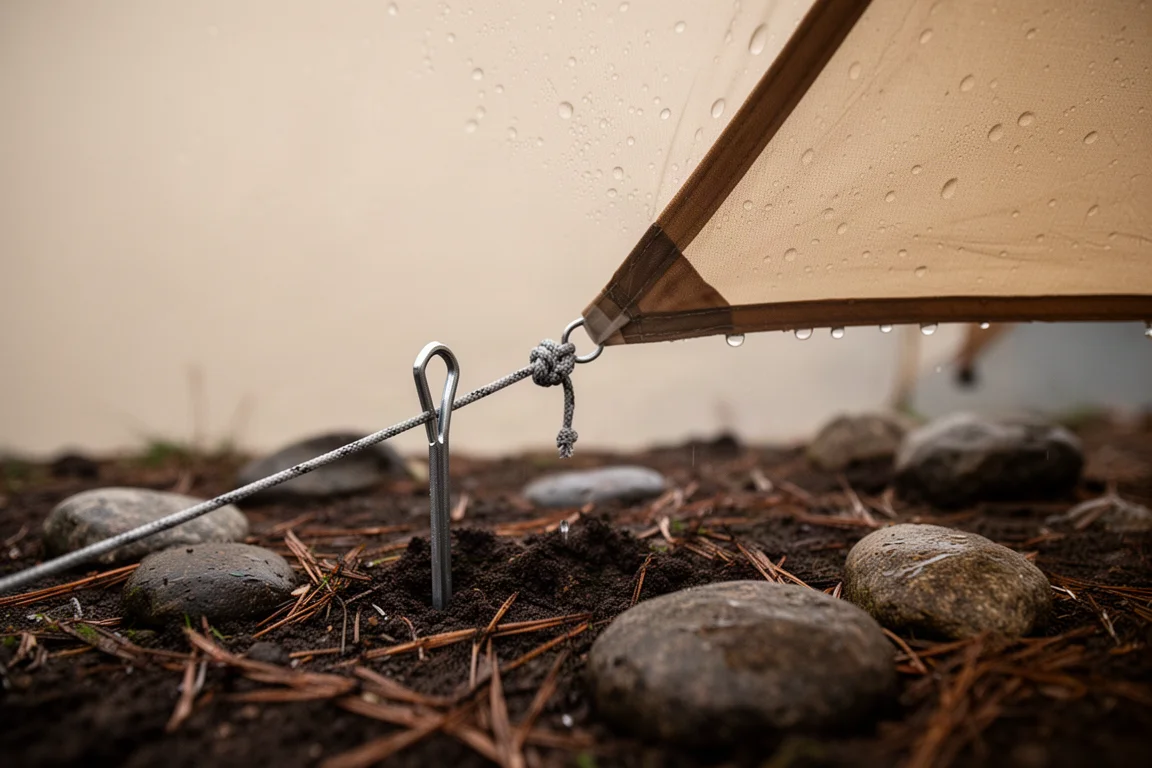
Condensation is a factor in every tent, but the two designs handle it differently. A single wall trekking pole shelter puts you much closer to the surface where moisture collects, so you need to be careful not to brush the walls or let gear rest against them. A double wall freestanding tent separates you from that layer, which keeps the inside drier in humid or cold conditions. Entry and exit also differ. On many trekking pole designs the pole sits directly in front of the door, which makes getting in and out more awkward, though some manufacturers have moved the pole slightly off centre to work around it.
Weight, Packed Size, and Cost
Weight is the headline difference. On a freestanding tent, the poles alone can account for a third to half of the total weight, and every additional wall adds more fabric on top of that. A trekking pole shelter skips the poles entirely and uses less material, so it packs smaller and carries lighter. That advantage only holds if you are already bringing trekking poles, since carrying them unused simply moves the weight rather than removing it.
Cost follows a similar pattern. Trekking pole shelters are typically cheaper because there is no pole set and less hardware to buy. Freestanding tents cost more, both for the poles and for the extra materials and features, and replacement parts for those components can be expensive when something breaks. The same complexity that adds comfort also adds more parts that can fail out in the backcountry.
Choosing Between the Two Styles
The practical way to decide is to start with what is already in your pack. If you hike with trekking poles, a trekking pole shelter removes the weight of a pole set you would otherwise carry, packs smaller, costs less, and pitches quickly once you have practised. If you want maximum headroom, interior pockets and gear lofts, better separation from condensation, more flexibility in choosing a campsite, and extra warmth in cold conditions, a freestanding tent is the more comfortable answer, particularly on shorter trips.
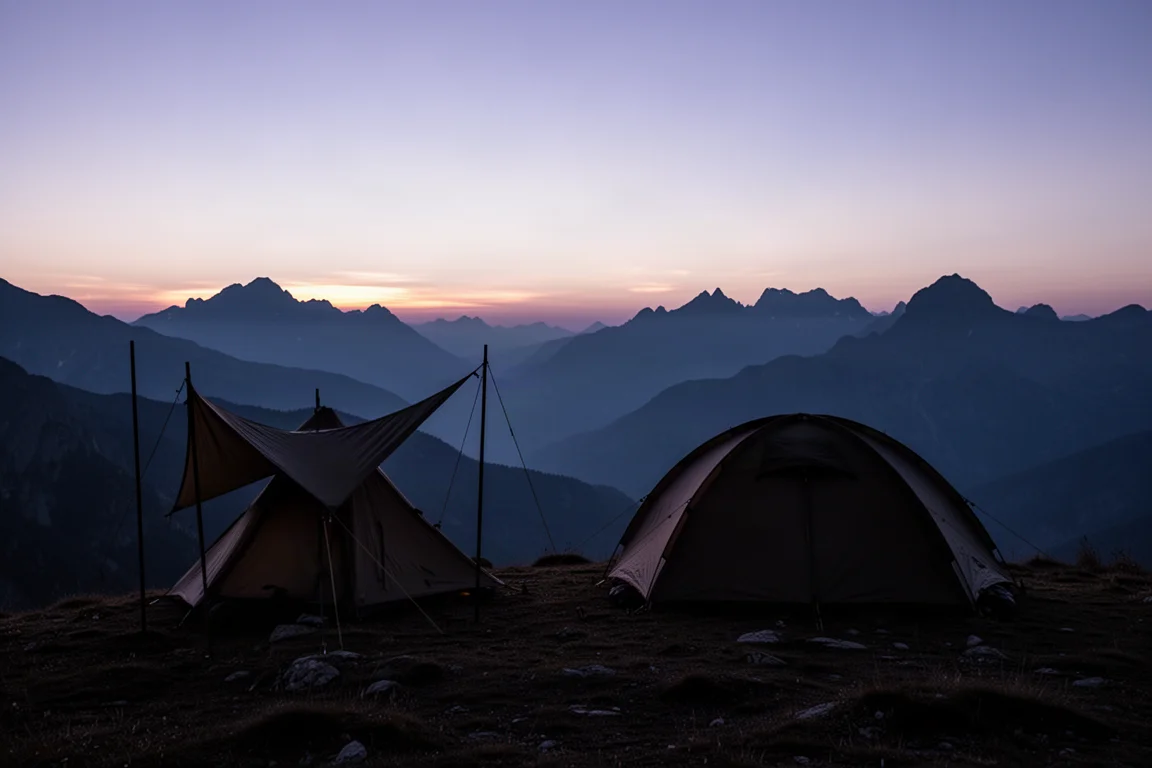
It also helps to be honest about where you camp. Rocky, hard, or heavily used ground favours a freestanding design, while long-distance trips where every gram and every litre of pack space counts favour a trekking pole shelter. Many backpackers end up owning one of each, using the light shelter for longer routes and the freestanding tent for shorter, colder, or more relaxed trips.
Conclusion
Both shelter styles solve real problems, and the choice comes down to which trade-offs you would rather live with. The Paria Outdoors Bryce 1-Person Tent is a straightforward, fully freestanding option at a very low price, ideal if you want easy pitching without trekking poles. The Durston X-Mid is a very inexpensive trekking pole shelter that packs small, sets up easily, and rewards anyone who already carries poles. Match the style to your terrain and your packing habits, and either one will serve you well.
Further reading
Related Reviews
Backpacking Tents
3F UL Lanchan Pro 1 Review: A 1 lb 8 oz Single-Wall Trekking Pole Tent
A practical look at the 3F UL Lanchan Pro 1, a single-wall trekking pole shelter with a 1 lb 8 oz weight, 20D silnylon fabrics, and a roomy 90 x 31 x 49 inch interior.
Backpacking Tents
3F UL Taiji 2-Person Tent: A Convertible Backpacking Shelter Worth a Closer Look
A practical look at the 3F UL Taiji two-person tent, covering its materials, true two-person interior, fly-first pitching, and the seasonal inner swap that lets one shelter cover more of the year.
Backpacking Tents
3FUL Lanshan Twoerson Pro Review: A Light Trekking Pole Shelter That Struggled in Rain
A two-person trekking pole shelter with a 2026 redesign, pitched with sticks and put through a night of steady rain. Here is what worked, what did not, and what to check before buying.