Backpacking Tents
Trekking Pole vs Freestanding 1P Tents: Outdoor Vitals Fortius and Dominion Compared
A two-night field comparison of the Outdoor Vitals Fortius 1P trekking pole tent and the Dominion 1P freestanding tent, covering space, condensation, weather, setup, and packed weight.
Introduction
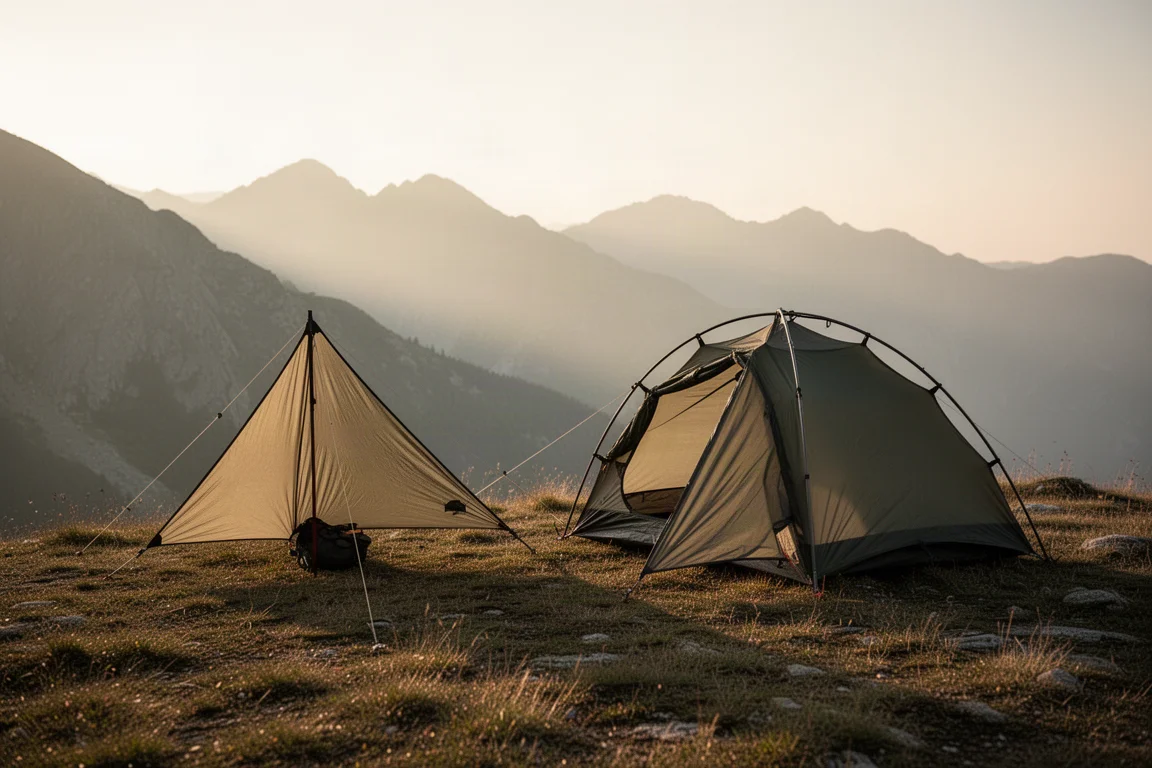
Trekking pole shelters and freestanding shelters each have committed fans, and the debate between them rarely produces a clean winner on paper. To test the theory in the field, two one-person tents from Outdoor Vitals were pitched side by side over two nights: the Fortius 1P, which relies on trekking poles for its structure, and the Dominion 1P, which stands on its own. The two occupants swapped shelters after the first night, so each spent a night in both designs.
Both tents land at a similar price point, use similar fabrics, and count as ultralight within their own categories. The real differences appear in interior space, condensation control, weather behaviour, setup effort, and packed weight. Here is how the two compare, and who each one suits.
How These Two Tents Compare
The comparison focused on the questions that actually change a buying decision: space and usability, condensation, weather resistance, ease of setup, and weight and packability. Both are one-person designs aimed at backpackers who count grams, and both sit in a similar price bracket with comparable fabric choices. Neither is a budget shelter, and neither is a heavyweight car camping tent.
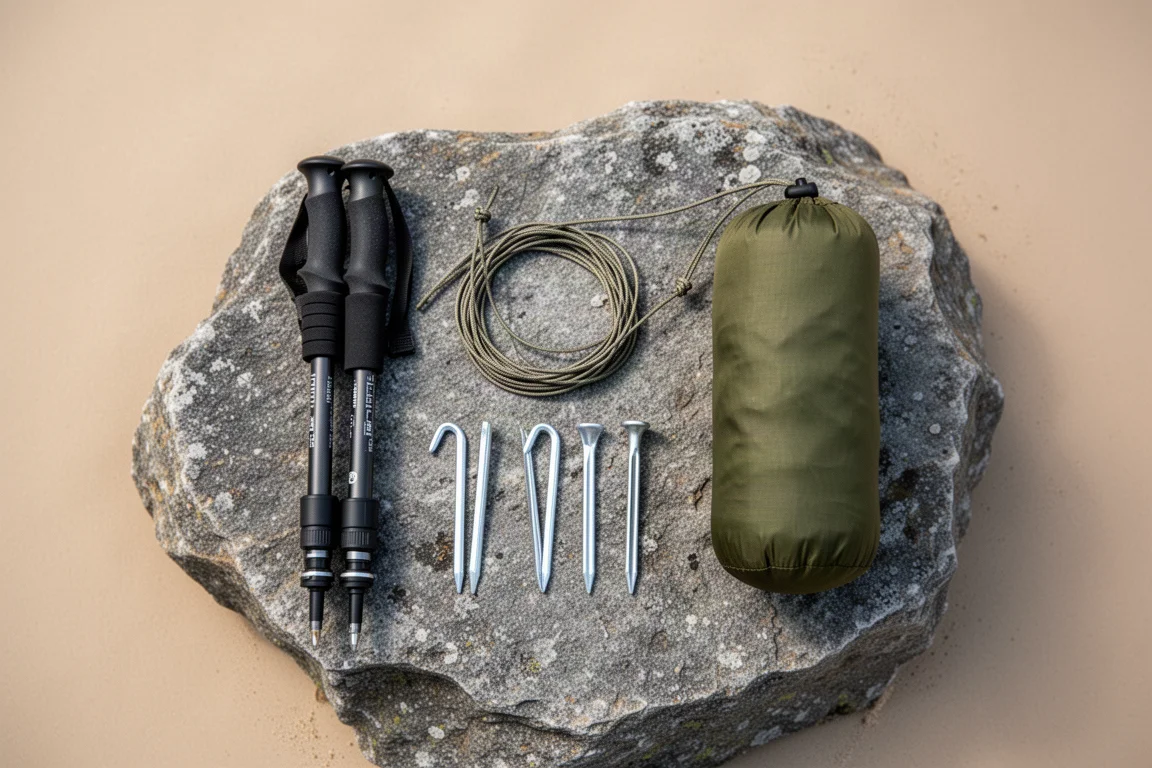
That shared baseline matters. When two tents are this close on price and materials, the decision comes down to how you use them: how far you walk, how much time you spend inside, and how much comfort you are willing to trade for weight.
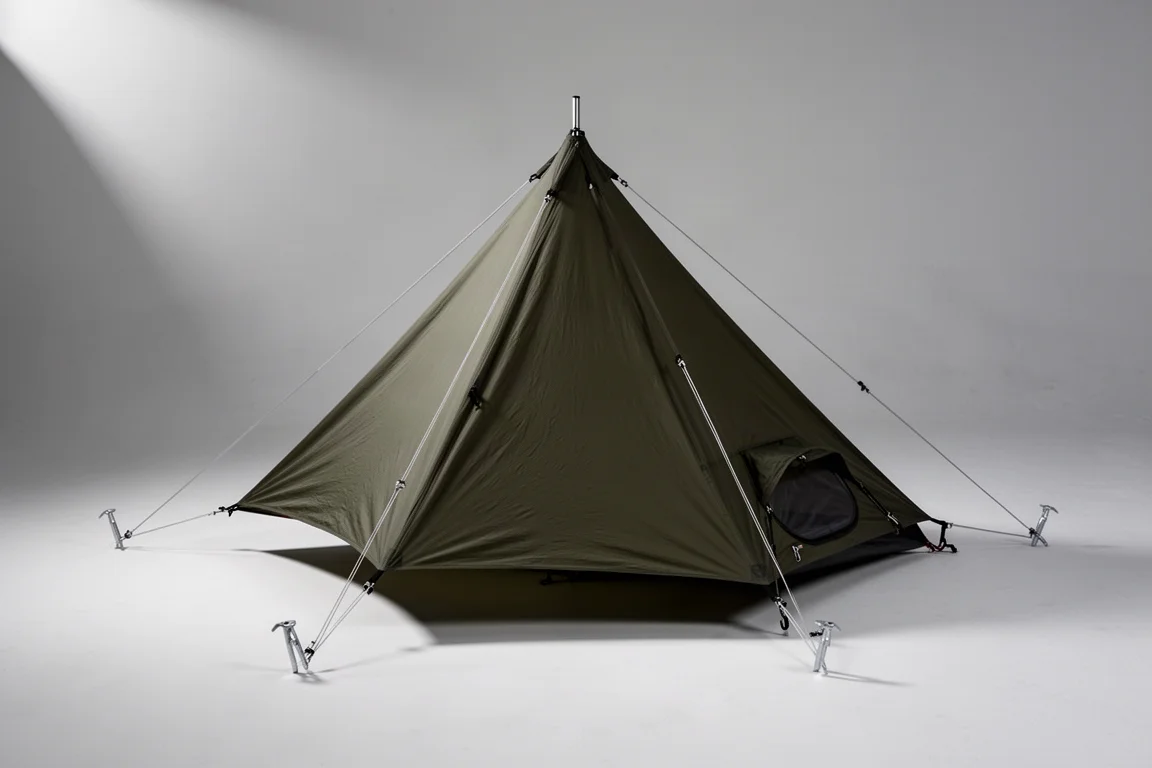
Outdoor Vitals Fortius 1P: Ultralight Trekking Pole Shelter
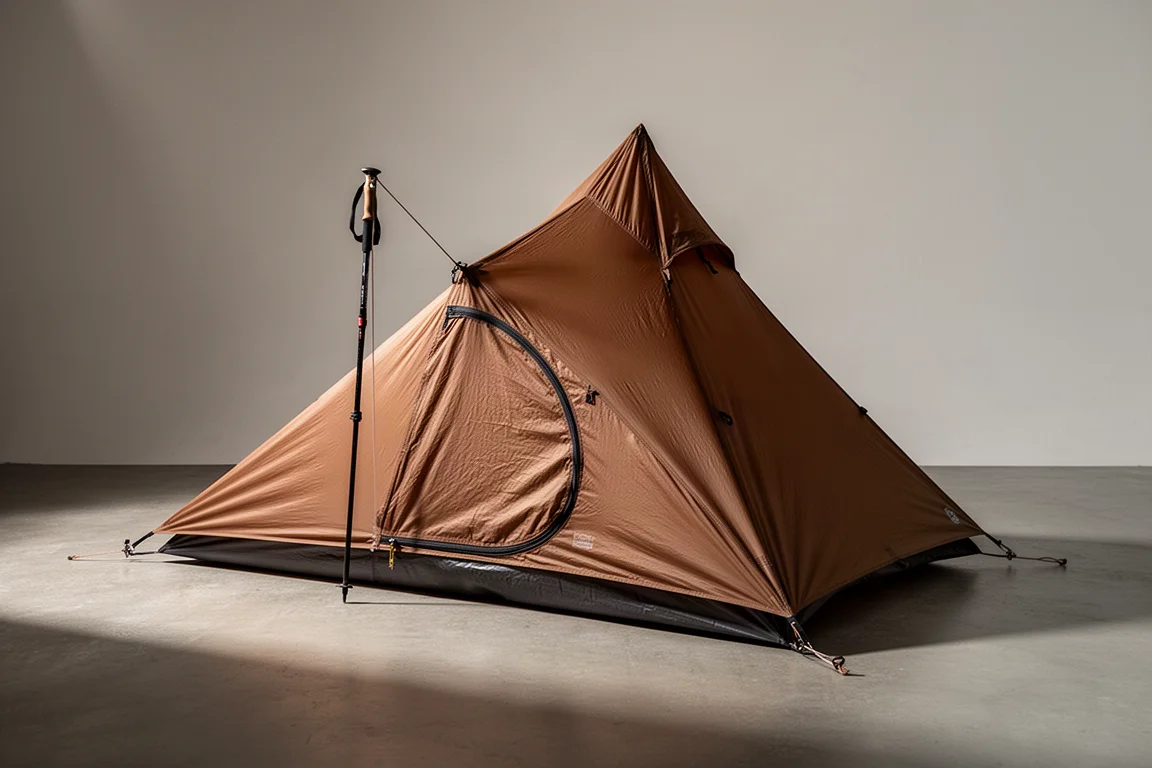
The Fortius 1P is the weight play here. With everything included it comes in at around 26 ounces, which is a meaningful drop from the freestanding option. Packability follows the same logic: a shelter this light and this compressible disappears into a pack.
The interior is longer than expected for a one-person trekking pole tent, and the ventilation openings at the ends sit in a spot that doubles as a shelf for stashing small items out of the way. In the condensation comparison it edged ahead, which is not the result most people expect from a trekking pole design.
Weather behaviour was the strongest argument in its favour. In one storm the shelter had enough headroom that a camper could sit up on a three-and-a-half-inch pad, move around, cook, and stretch out without feeling pinned down. Trekking pole shelters have also held up in genuinely brutal wind, including a three-hour wind storm where a nearby semi-freestanding tent snapped a pole and had to be splinted in the middle of the night.
Outdoor Vitals Dominion 1P: Freestanding Convenience
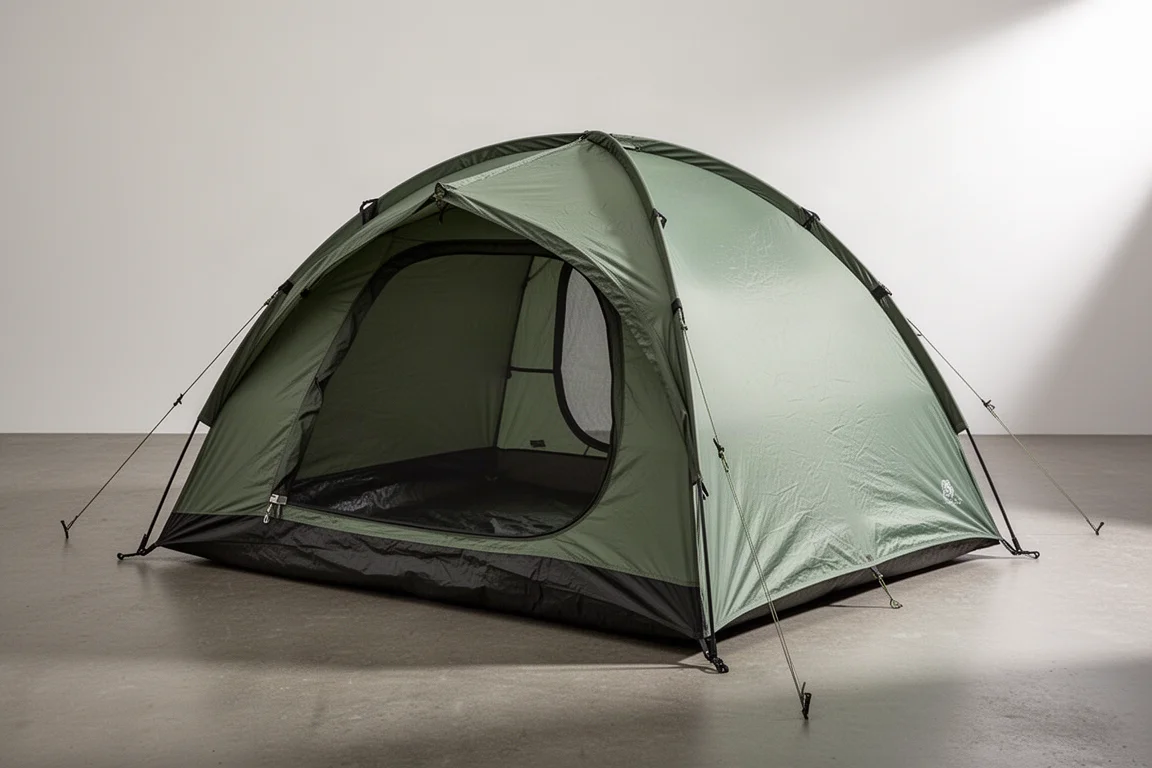
The Dominion 1P gives up some weight to gain space and convenience. It tips the scale at about 2 pounds 12 ounces, so the gap against the Fortius is real, and it takes up more room in a pack.
In return, it won the space and usability category. There is more room to move, more room to organise gear, and less time spent shuffling everything into one tidy pile. Ventilation was excellent as well, and condensation stayed minimal overnight.
It is also a freestanding design, which means it holds its shape without trekking poles. That matters if you hike without poles, if you want to shift a pitched tent to a better spot, or if you simply prefer a shelter that does not depend on a specific stake layout to stand up.
Space, Ventilation, and Weather Performance
On space and usability, the freestanding Dominion took the category. The Fortius countered with length: it felt long inside, and those end vents created a natural shelf for storing gear, though that trick was easy to miss on the first night.
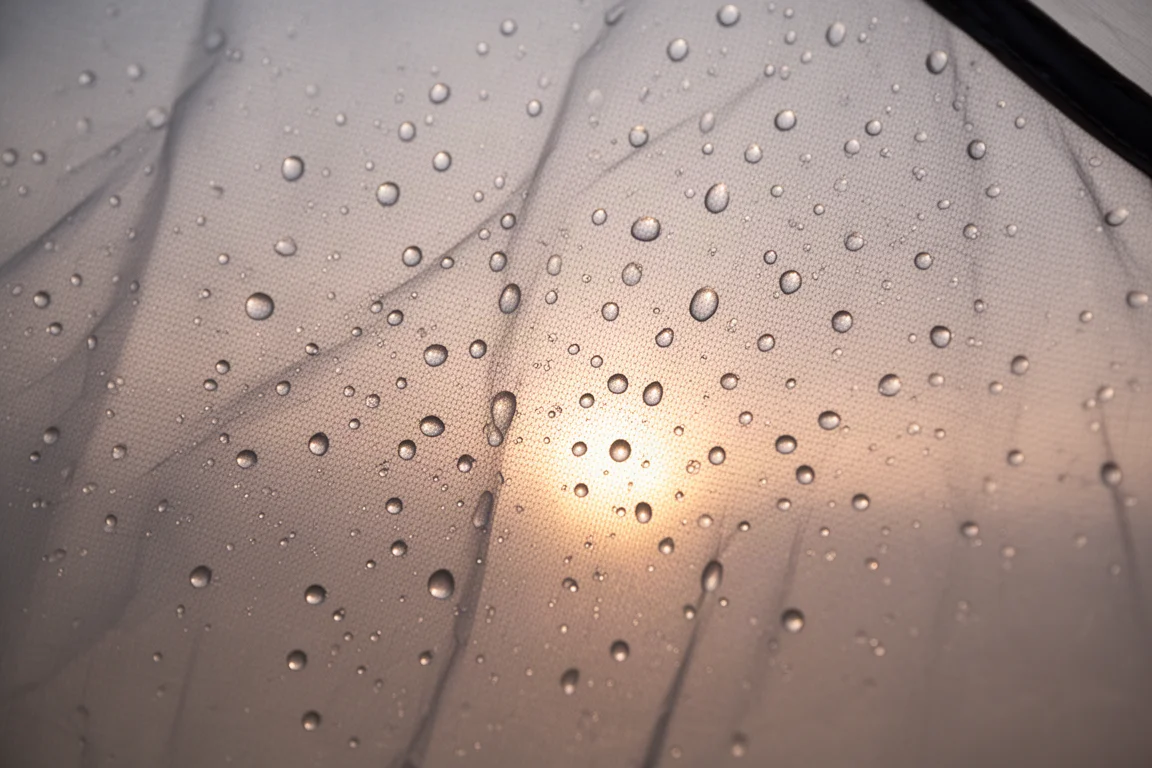
Condensation produced the surprise of the comparison. The trekking pole Fortius came out slightly ahead, and in practice neither shelter left a sleeping bag soaked. One camper’s approach was simply to assume some moisture and avoid pressing against the walls, which is reasonable advice for any lightweight shelter.
Weather is where the two designs get stereotyped, and the stereotype did not survive the trip. The trekking pole shelter handled the worst conditions better than expected, including wind that flattened a semi-freestanding shelter nearby. The fair caveat is that a fully freestanding tent will generally have a little more stormworthiness than a semi-freestanding one. The bigger factor is pitching correctly: taut lines, solid stakes, and a layout that sheds wind.
Weight, Packability, and Setup
Weight and packability went to the Fortius without much debate. Around 26 ounces with everything, against roughly 2 pounds 12 ounces, is a gap you feel on long climbs, and the packed volume is smaller too.
Setup was closer than expected, and the two views did not fully agree. The trekking pole shelter was described as simpler, with fewer moving parts: stake it out, tension the pole, done. The counterpoint is that both designs need the same number of stakes in the ground, and anyone who has watched a shelter lift at the corners knows that staking out properly is not optional. Building a repeatable routine matters more than the category label, and it is the fastest way to shorten pitch time in bad weather.
Who Each Tent Suits Best
The Fortius 1P suits backpackers who put weight and packed size first, cover long distances, and already carry trekking poles. It is the shelter for someone who wants the lightest possible setup and is comfortable pitching it carefully.
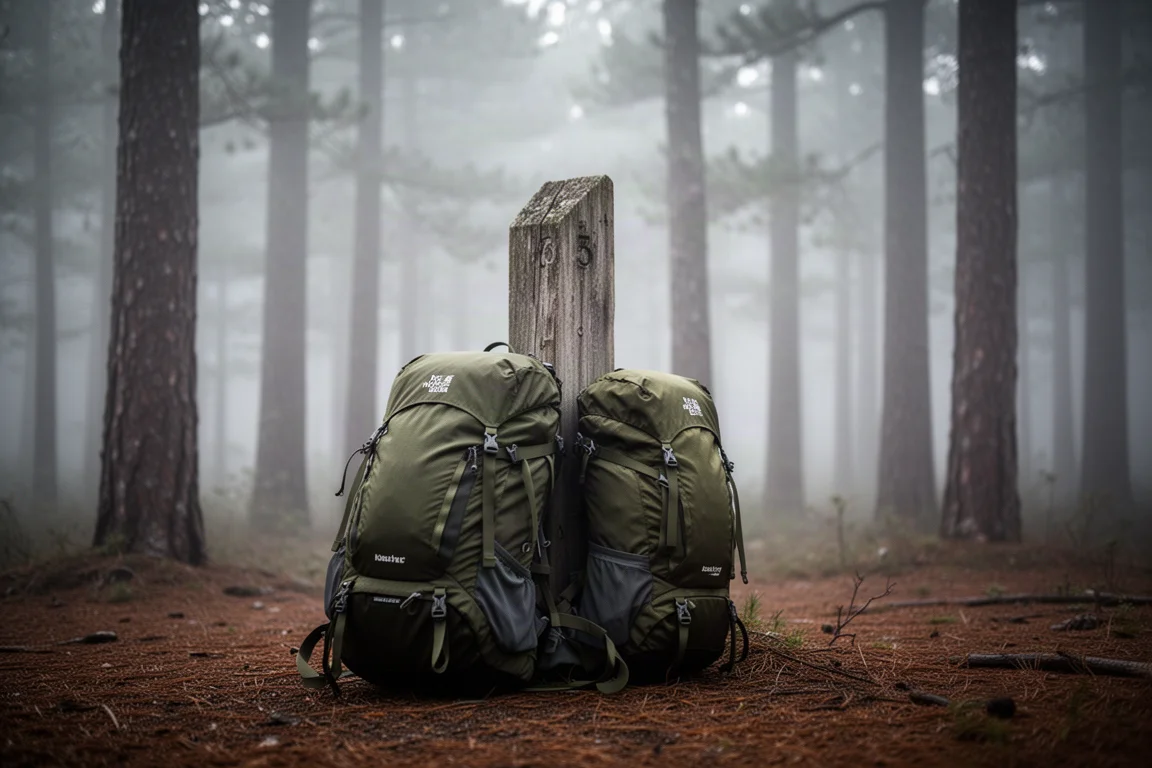
The Dominion 1P suits campers who value interior space and convenience, prefer a shelter that stands on its own, and are willing to carry a bit more weight for a more forgiving living space.
If the question is which single design is the most versatile for every situation, a fully freestanding double-wall tent is the safer all-round answer. If the question is which design you would take on a long, weight-sensitive trip, the trekking pole shelter is the one that keeps earning its place.
Choosing Between Trekking Pole and Freestanding Designs
Whichever direction you lean, the practical advice is the same. Pitch the tent at home or in the backyard a few times before you rely on it, so the process feels familiar when the weather is bad and the light is gone. Carry a little extra guy line and a few spare stakes, since ground conditions rarely match the photos.
Stake out your shelter even when it can stand without them. Freestanding tents and trekking pole tents both behave better when they are anchored, and the same wind that makes a shelter feel solid on a calm evening can lift a corner in minutes. Get the pitch right and both designs can handle more weather than most people expect.
Overall Buying Advice
The two tents are close enough on price and fabric that the choice comes down to priorities rather than quality. If packed weight and pack volume are what you feel most on the trail, the Fortius 1P is the clear pick. If you would rather have more room to spread out and a shelter that does not need trekking poles, the Dominion 1P is the better fit.
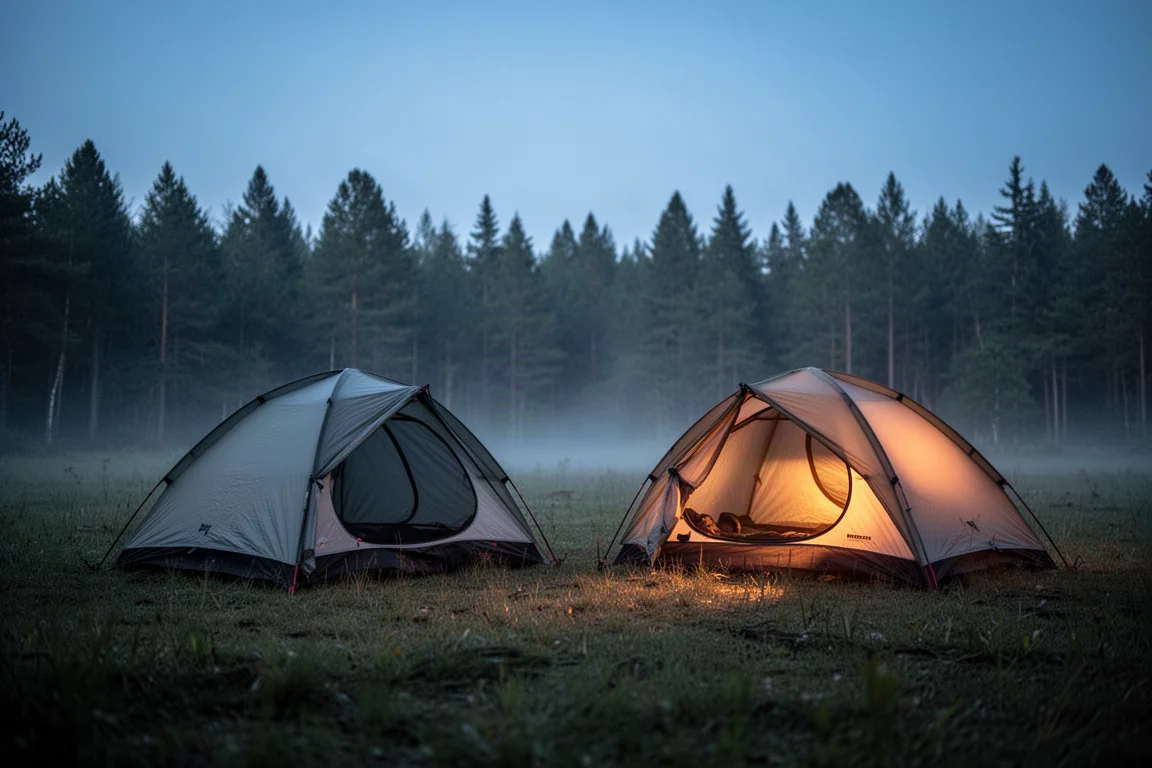
Neither shelter produced a serious condensation problem, and both held up when the weather turned. That makes this a comfortable decision: you are choosing between two solid ultralight approaches, not between a good tent and a compromise. Pick the one that matches the trips you actually take.
Conclusion
The trekking pole Fortius 1P wins on weight, packability, and weather confidence, with a long interior and ventilation that works harder than expected. The freestanding Dominion 1P wins on space and convenience, with excellent ventilation and the freedom to stand without poles.
Both are legitimate ultralight options at a similar price point. Decide which trade-off you would rather live with, practice the pitch before your first trip, and either tent will serve you well.
Further reading
Related Reviews
Backpacking Tents
3F UL Lanchan Pro 1 Review: A 1 lb 8 oz Single-Wall Trekking Pole Tent
A practical look at the 3F UL Lanchan Pro 1, a single-wall trekking pole shelter with a 1 lb 8 oz weight, 20D silnylon fabrics, and a roomy 90 x 31 x 49 inch interior.
Backpacking Tents
3F UL Taiji 2-Person Tent: A Convertible Backpacking Shelter Worth a Closer Look
A practical look at the 3F UL Taiji two-person tent, covering its materials, true two-person interior, fly-first pitching, and the seasonal inner swap that lets one shelter cover more of the year.
Backpacking Tents
3FUL Lanshan Twoerson Pro Review: A Light Trekking Pole Shelter That Struggled in Rain
A two-person trekking pole shelter with a 2026 redesign, pitched with sticks and put through a night of steady rain. Here is what worked, what did not, and what to check before buying.